

▶ 記事の生体をAMAZONで買う ▶ 記事の生体をYahooで買う
解説 / Description
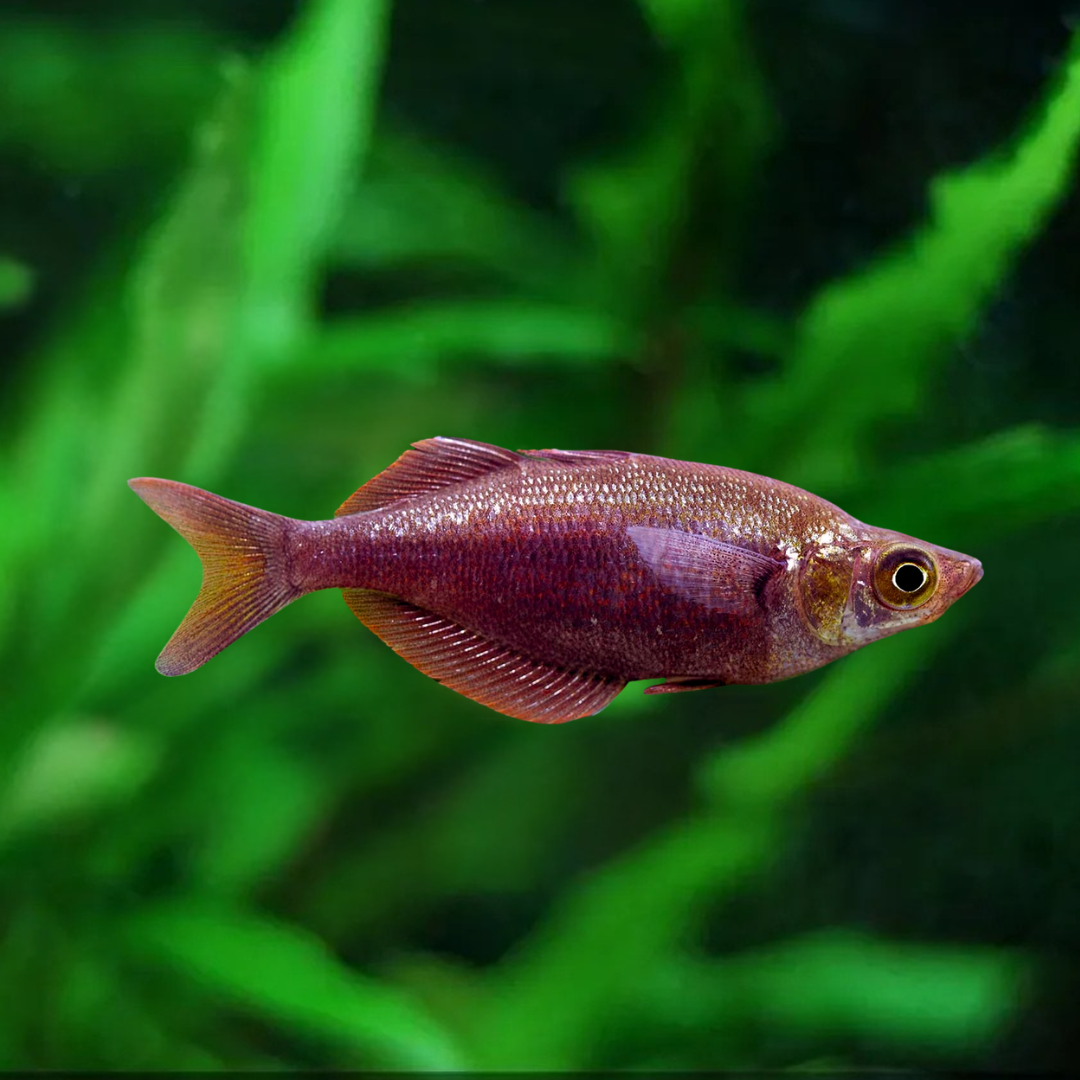
コームスケール・レインボーは、インドネシア・ニューギニア島北部のセンタニ湖周辺を原産とする大型のレインボーフィッシュです。幼魚やメスはやや地味なオリーブ色から灰褐色をしていますが、成熟したオスは成長とともに背中が盛り上がり、全身が赤からオレンジ色に染まる非常に見応えのある姿へ変化します。販売時はまだ発色していない若い個体であることも多く、時間をかけて育てることで本来の魅力が引き出される魚です。 The Red Rainbowfish is a large rainbowfish native to the Lake Sentani area in northern New Guinea, Indonesia. Juveniles and females are usually rather plain olive to grayish-brown, but mature males develop a high-backed body shape and vivid red to orange coloration. In the aquarium trade, they are often sold as young, still-uncolored fish, so their full beauty is best appreciated by raising them patiently over time.
本種は丈夫で餌付きも良い一方、成魚になると活発に泳ぎ回るため、小型水槽での長期飼育には向きません。また、群れで落ち着く性質が強く、少数だけで飼うと本来の行動や発色が出にくくなることがあります。十分な遊泳スペース、複数匹での群泳、清浄でやや硬度のある弱アルカリ性の水を用意できるかどうかが、飼育成功の大きな分かれ目になります。 Although this species is hardy and usually accepts food readily, adults are active swimmers and are not suitable for small aquariums. They are also strongly social schooling fish, and keeping only one or two individuals often prevents natural behavior and coloration. A spacious aquarium, a proper group, and clean, moderately hard, slightly alkaline water are key to long-term success.
基本情報 / Basic Information
| 学名 / Scientific Name | Glossolepis incisa(流通名・一部文献ではGlossolepis incisus表記も見られます) |
|---|---|
| 通称 / Common Name | コームスケール・レインボー、レッドレインボーフィッシュRed Rainbowfish, Salmon-red Rainbowfish, Irian Red Rainbowfish |
| 分類 / Family | トウゴロウイワシ目 メラノタエニア科 グロッソレピス属Order Atheriniformes, family Melanotaeniidae, genus Glossolepis |
| 英名 / English Name | Red Rainbowfish / Salmon-red Rainbowfish |
| 分布 / Distribution | インドネシア領ニューギニア島北部、パプア州のセンタニ湖および周辺水域。野生では分布域が限られる固有種です。Lake Sentani and nearby waters in Papua, northern Indonesian New Guinea. It is an endemic species with a restricted natural range. |
| 最大体長 / Max Size | オスで最大約15cm、一般的な飼育下では12cm前後。メスはやや小さく、10cm前後にとどまることが多いです。Males may reach about 15 cm, though around 12 cm is more typical in aquariums. Females are usually smaller, often around 10 cm. |
| 寿命 / Lifespan | 一般的には2年以上、良好な環境で飼い込めば5年前後の長期飼育も期待できます。Commonly lives for more than 2 years, and around 5 years may be possible under good conditions. |
飼育環境 / Aquarium Environment
| 水槽サイズ / Tank Size | 成魚までしっかり育てるなら、最低でも90cm規格水槽以上を目安にし、理想的には120cm規格水槽や120cmワイド水槽以上を用意したい魚です。数匹だけを60cm規格水槽に入れる飼い方では、遊泳スペースと群れの安定性が不足しやすいため、成長後のサイズを見越した水槽選びが大切です。For long-term adult care, at least a standard 90 cm aquarium is recommended, with a standard 120 cm tank or larger being ideal. Keeping only a few individuals in a standard 60 cm aquarium usually provides insufficient swimming space and social stability. |
|---|---|
| 水温 / Temperature | 25〜28℃前後が扱いやすい範囲です。高水温にもある程度適応しますが、酸欠と水質悪化が重なると調子を崩しやすくなります。夏場は水温だけでなく、十分なエアレーションと水質維持を意識して管理することが重要です。 A practical aquarium range is about 25–28°C. They can tolerate somewhat warm conditions, but high temperature combined with low oxygen or declining water quality can cause problems, so strong aeration and careful maintenance are important in summer. |
| 水質 / Water Quality | 飼育下では中性から弱アルカリ性の水質で管理されることが多く、pHは7.0〜8.0前後を目安にします。野生地の水質については資料によって報告に幅がありますが、飼育ではやや硬度のある安定した水のほうが状態を維持しやすい魚です。日本の軟水環境では、必要に応じてサンゴ砂を少量ろ材に加えるなど、pHと硬度を穏やかに安定させる工夫が有効です。ただし急激な水質変化は負担になるため、調整は少量から慎重に行う必要があります。In aquariums, they are often maintained in neutral to slightly alkaline water, with a practical pH target of around 7.0–8.0. Reports on the exact water chemistry of the natural habitat vary, but in captivity they are generally considered to do well in stable, moderately hard water. In soft Japanese tap water, adding a small amount of coral sand to the filter can help gently stabilize pH and hardness, but any adjustment should be gradual. |
| レイアウト / Layout | 水槽の背面や側面に水草を配置して落ち着ける場所を作り、中央から前面には広い遊泳スペースを確保します。水草があることで安心感が生まれ、オスのディスプレイや群れのまとまりも観察しやすくなります。強い水流を全体に当て続けるより、泳げる開けた空間と休める場所の両方を用意すると扱いやすいでしょう。Planting the back and sides while leaving an open swimming area in the center and front works well. Plants provide security and make male display and schooling behavior easier to observe. Rather than exposing the whole tank to constant strong current, provide both open swimming space and calmer resting areas. |
| 注意点 / Precautions | もっとも大切なのは、単独やペアではなく群れで飼うことです。最低でも5匹以上、可能であれば10匹前後以上で飼育すると落ち着きやすく、オス同士のディスプレイも自然に見られます。また、硝酸塩の蓄積や古い水を嫌うため、週1回を目安に定期的な部分換水を行い、餌を多く与えすぎない管理を心がけてください。The most important point is to keep them in a group rather than singly or as a pair. A minimum of 5 individuals is recommended, and around 10 or more is better when space allows. They dislike accumulated nitrate and stale water, so regular partial water changes, about once a week, and avoiding overfeeding are important. |
餌と給餌 / Feeding
| 餌の種類 / Diet | 人工飼料への餌付きは良く、フレークフードや小〜中粒の顆粒フードを主食にできます。発色や成長を意識する場合は、冷凍赤虫、ブラインシュリンプ、ミジンコなどの動物性の餌を補助的に取り入れるとよいでしょう。They usually accept prepared foods readily, including flakes and small to medium granules. For better growth and coloration, supplement with animal-based foods such as frozen bloodworms, brine shrimp, or daphnia. |
|---|---|
| 給餌のポイント / Feeding Tips | よく食べる魚ですが、食欲に任せて与えすぎると水質悪化につながります。1日1〜2回、短時間で食べきれる量を基本にし、成長期の若魚には栄養価の高い餌をこまめに与えると体格を作りやすくなります。群れの中で弱い個体にも餌が行き渡るよう、餌を数か所に散らして与えると安心です。They are eager feeders, but overfeeding quickly worsens water quality. Feed once or twice daily, only as much as they can finish within a short time. Growing juveniles benefit from nutritious foods, and spreading food across the tank helps weaker individuals get their share. |
性格と混泳 / Temperament and Tank Mates
| 性格 / Temperament | 基本的には活発で温和な群泳魚です。オス同士ではヒレを広げて見せ合うような小競り合いがありますが、十分な広さと個体数があれば深刻な争いにはなりにくい魚です。少数飼育では不安定になり、臆病さや突発的な追い回しが目立つことがあるため、群れでの飼育を前提に考えると扱いやすくなります。They are active but generally peaceful schooling fish. Males may display to one another by spreading their fins, but serious conflict is uncommon when space and group size are adequate. In very small groups, they may become nervous or show sudden chasing behavior. |
|---|---|
| 混泳の相性 / Compatibility | 同程度のサイズで温和なレインボーフィッシュや、水質の合う温和なバルブ類、ローチ類、コリドラス、大型になりすぎないプレコ類などと相性が良いです。口に入るほど小さな魚や稚エビは捕食される可能性があります。また、ヒレをかじる魚や極端に気の強い魚との混泳は避けたほうが無難です。Good tank mates include similarly sized peaceful rainbowfish, compatible peaceful barbs, loaches, Corydoras, and suitably sized plecos. Very small fish or young shrimp may be eaten. Fin-nippers and highly aggressive species should be avoided. |
病気と対策 / Diseases and Prevention
| かかりやすい病気 / Common Diseases | 特定の病気に極端に弱い魚ではありませんが、輸入直後や水質が悪化した環境では白点病、尾ぐされ病、口ぐされ病などの一般的な熱帯魚の病気に注意が必要です。長距離輸送後はストレスで一時的に色が抜けたり、ヒレをたたんだりすることもあります。They are not especially delicate, but after import or in poor water conditions they may develop common aquarium diseases such as ich, fin rot, or mouth rot. After long transport, stress may cause temporary color loss or clamped fins. |
|---|---|
| 対策と予防 / Prevention | 予防の基本は、過密を避けること、酸素量を確保すること、定期的な換水を続けることです。新しく導入した個体はすぐに本水槽へ入れず、可能であれば隔離水槽で数日から1〜2週間ほど様子を見ると安心です。病気が見られる場合は症状に応じて隔離し、市販薬を用いた薬浴を検討します。Prevention is based on avoiding overcrowding, maintaining good oxygen levels, and keeping up with regular water changes. New fish should ideally be observed in a quarantine tank for several days to one or two weeks before entering the main aquarium. If disease appears, isolate affected fish and consider appropriate commercial medication. |
増やし方(繁殖) / Breeding
| 雌雄の判別 / Sexing | 成熟したオスは赤からオレンジ色の発色が強く、体高が高くなり、背中が盛り上がる傾向があります。メスや若魚はオリーブ色から灰褐色で、体型も比較的すっきりしています。ただし幼魚の段階では判別が難しいため、複数匹を育てながら雌雄を確認するのが現実的です。Mature males show strong red to orange coloration, a deeper body, and a more elevated back. Females and juveniles are usually olive to grayish-brown with a slimmer profile. Sexing young fish can be difficult, so raising a group is the most practical approach. |
|---|---|
| 繁殖形態 / Reproduction | 水草や産卵床に卵をばらまく卵散布型です。親魚は卵や稚魚を食べることがあるため、繁殖を狙う場合は産卵モップを使い、卵が付着したら別水槽へ移す方法が扱いやすいでしょう。They are egg scatterers that deposit eggs among plants or spawning mops. Adults may eat eggs or fry, so using spawning mops and moving the eggs to a separate rearing tank is a practical method. |
| 繁殖のポイント / Breeding Tips | 状態の良い成熟個体を複数匹で飼い、栄養価の高い餌を与えてコンディションを上げると産卵しやすくなります。朝方にオスが強く発色し、ヒレを広げてメスへアピールする様子が見られることがあります。卵はおおむね数日から1週間前後で孵化し、孵化直後の稚魚は非常に小さいため、初期飼料としてインフゾリアや細かい稚魚用飼料を用意し、成長に合わせてブラインシュリンプ幼生へ移行するとよいでしょう。Well-conditioned mature fish kept in a group are most likely to spawn, especially when fed nutritious foods. Males often show intense coloration and display to females in the morning. Eggs generally hatch after several days to about a week, and the tiny fry need infusoria or very fine fry food at first, followed by newly hatched brine shrimp as they grow. |
雑学と豆知識 / Trivia and Fun Facts
| 1. 学名に隠された「切れ込みのある鱗」 / 1. The notched scales behind its scientific name | 属名のGlossolepisは「舌」を意味するglossaと「鱗」を意味するlepisに由来し、鱗の形に関係するとされます。種小名は現在、属名の性に合わせたincisa表記が広く用いられますが、観賞魚流通や一部文献ではincisus表記も多く見られます。語源としては「切れ込みのある」「刻まれた」という意味を持ち、鱗の縁に見られる特徴を反映した名前です。つまりコームスケール・レインボーは、赤い体色だけでなく、鱗の形そのものにも名前の由来を持つ魚です。The genus name Glossolepis is derived from glossa, meaning “tongue,” and lepis, meaning “scale,” referring to scale shape. The currently used species name is widely treated as incisa, while incisus is also frequently encountered in aquarium and older literature. The name refers to a “cut” or “notched” feature, reflecting the distinctive margins of the scales. In other words, this fish is named not only for its beauty in the aquarium trade, but also for a subtle anatomical feature. |
|---|---|
| 2. センタニ湖だけにすむ赤いレインボー / 2. A red rainbowfish from Lake Sentani | 本種はインドネシア・パプア州のセンタニ湖とその周辺水域に限られて分布する固有種です。センタニ湖周辺は地形的な隔離が強く、独自の淡水魚相を育んできた地域として知られます。水槽の中では身近な観賞魚として扱われますが、その背景には、ニューギニアの限られた水域で進化してきた長い歴史があります。This species is endemic to Lake Sentani and nearby waters in Papua, Indonesia. The region is geographically isolated and has supported a distinctive freshwater fish fauna. Although it is familiar in aquariums, its background is tied to a long evolutionary history in a very limited part of New Guinea. |
| 3. 野生では貴重、店頭では身近という二面性 / 3. Rare in nature, familiar in shops | コームスケール・レインボーは野生環境では生息地の悪化や外来魚の影響が懸念される一方、日本の観賞魚店では比較的見かける機会のある魚です。この差は、東南アジアなどで養殖個体が安定して生産されているためです。養殖された若魚であっても、野生では限られた場所にしかいない魚であることを知ると、飼育への向き合い方も少し変わってきます。The Red Rainbowfish faces concerns in the wild, including habitat degradation and introduced species, yet it remains relatively available in the aquarium trade. This contrast exists because captive-bred fish are produced commercially in Southeast Asia. Even a captive-bred juvenile represents a species with a very restricted natural home. |
| 4. 赤くなるまで育てる楽しみ / 4. The reward of raising them to full color | 販売されている個体は、まだ赤い発色やハイバック体型が出ていない幼魚であることが多く、初見では地味に感じられるかもしれません。しかし、適切な水質、十分な餌、広い水槽、そして群れの中での社会行動がそろうと、オスは少しずつ赤みを増し、堂々とした体型へ変化していきます。この「育てて完成させる」過程こそ、本種ならではの大きな魅力です。Fish sold in shops are often juveniles that have not yet developed the strong red coloration or high-backed body shape of adult males. At first glance they may seem plain, but with proper water, nutrition, space, and social structure, males gradually become redder and more impressive. The process of raising them into their full form is one of the species’ greatest pleasures. |
| 5. 群れの中でこそ美しさが出る魚 / 5. A fish whose beauty appears in a group | 本種の赤い発色は、単に色揚げ用の餌だけで決まるものではありません。オス同士が互いを意識し、メスへアピールする社会的な環境があることで、ヒレを広げるディスプレイや強い発色が引き出されます。1匹だけを水槽の差し色として入れるより、十分な数で群れを作ってこそ、本来の魅力を楽しめる魚です。The red coloration of this species is not determined by color-enhancing foods alone. Social interaction among males and displays toward females help bring out stronger coloration and fin displays. Rather than being kept as a single red accent fish, it is best appreciated as a proper group. |
まとめ / Conclusion
コームスケール・レインボーは、成長したオスの赤い体色と迫力ある体型が魅力の大型レインボーフィッシュです。丈夫で飼いやすい面もありますが、その魅力を引き出すには、90cm以上の水槽、複数匹での群泳、清浄でやや硬度のある水質を整えることが重要です。 The Red Rainbowfish is a large rainbowfish admired for the vivid red coloration and impressive body shape of mature males. It is hardy in many respects, but to bring out its best qualities, it needs a tank of at least 90 cm, a proper group, and clean, moderately hard water.
店頭ではまだ地味な幼魚として販売されることも多い魚ですが、時間をかけて育てることで大きく印象が変わります。センタニ湖という限られた自然環境に由来する魚であることも意識しながら、広い水槽で群れの行動と発色の変化をじっくり楽しみたい種類です。 It is often sold as a rather plain juvenile, but its appearance changes dramatically with time and good care. Remembering that it originates from the restricted Lake Sentani region adds depth to keeping this fish, and it is best enjoyed in a spacious aquarium where its schooling behavior and developing coloration can be observed patiently.

気になる道具や飼い方を見つけてみませんか?
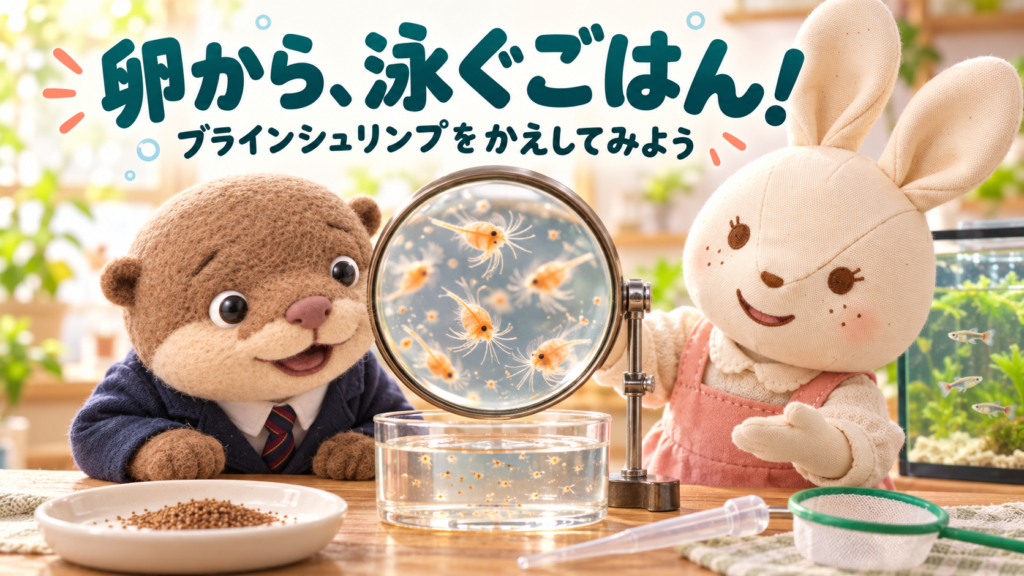 アイのアクアグッズ案内そのごはん、泳いでる! 卵から始めるブラインシュリンプの孵化と道具選び道具の特徴や使い方、選ぶときのポイントをアイが紹介します。記事はコチラ →
 アイのアクアグッズ案内水槽ライトの選び方|魚の見え方・水草・海水で選ぶおすすめ照明道具の特徴や使い方、選ぶときのポイントをアイが紹介します。記事はコチラ →
さまざまな飼育テーマをご紹介。リンク先の記事には広告・商品紹介が含まれます。
案内・紹介記事一覧へ →▶ 記事の生体をAMAZONで買う ▶ 記事の生体をYahooで買う
参考文献・参照資料
本記事では、分類・分布・保全状況については魚類データベースや保全評価を優先し、飼育方法については観賞魚飼育向けの専門的な解説資料を参照しています。
- Froese, R. and Pauly, D. (eds.). FishBase. Glossolepis incisa, Red rainbowfish. 分類、分布、最大体長、水質範囲、群泳数、水槽サイズ、IUCNステータス確認の基礎資料として参照。
- Allen, G.R. and Kadarusman. 2020. Glossolepis incisus. The IUCN Red List of Threatened Species 2020: e.T9268A147681075. 野生個体群の保全状況、分布域の限定性、環境悪化や外来種による影響を確認するために参照。
- Tropical Fish Hobbyist Magazine. Glossolepis incisus Species Profile. 大型水槽での群泳飼育、発色、混泳、繁殖、餌、飼育上の注意点を整理するために参照。
- Seriously Fish. Glossolepis incisus — Red Rainbowfish. 群泳性、レイアウト、水質、混泳、繁殖に関する観賞魚飼育向け情報の照合資料として参照。
- Aqua-Fish.net. Red rainbowfish — Glossolepis incisa. 飼育下での水質目安、群泳数、成魚サイズ、飼育温度など、アクアリウム実務寄りの情報を補足確認するために参照。
補足:本種の学名は、現在のデータベースではGlossolepis incisaとして扱われる一方、観賞魚流通や古い文献ではGlossolepis incisus表記も広く見られます。そのため、本記事では現行の有効表記を基本としつつ、流通上の別表記にも触れています。




コメント