

▶ 記事の生体をAMAZONで買う ▶ 記事の生体をYahooで買う
解説 / Description
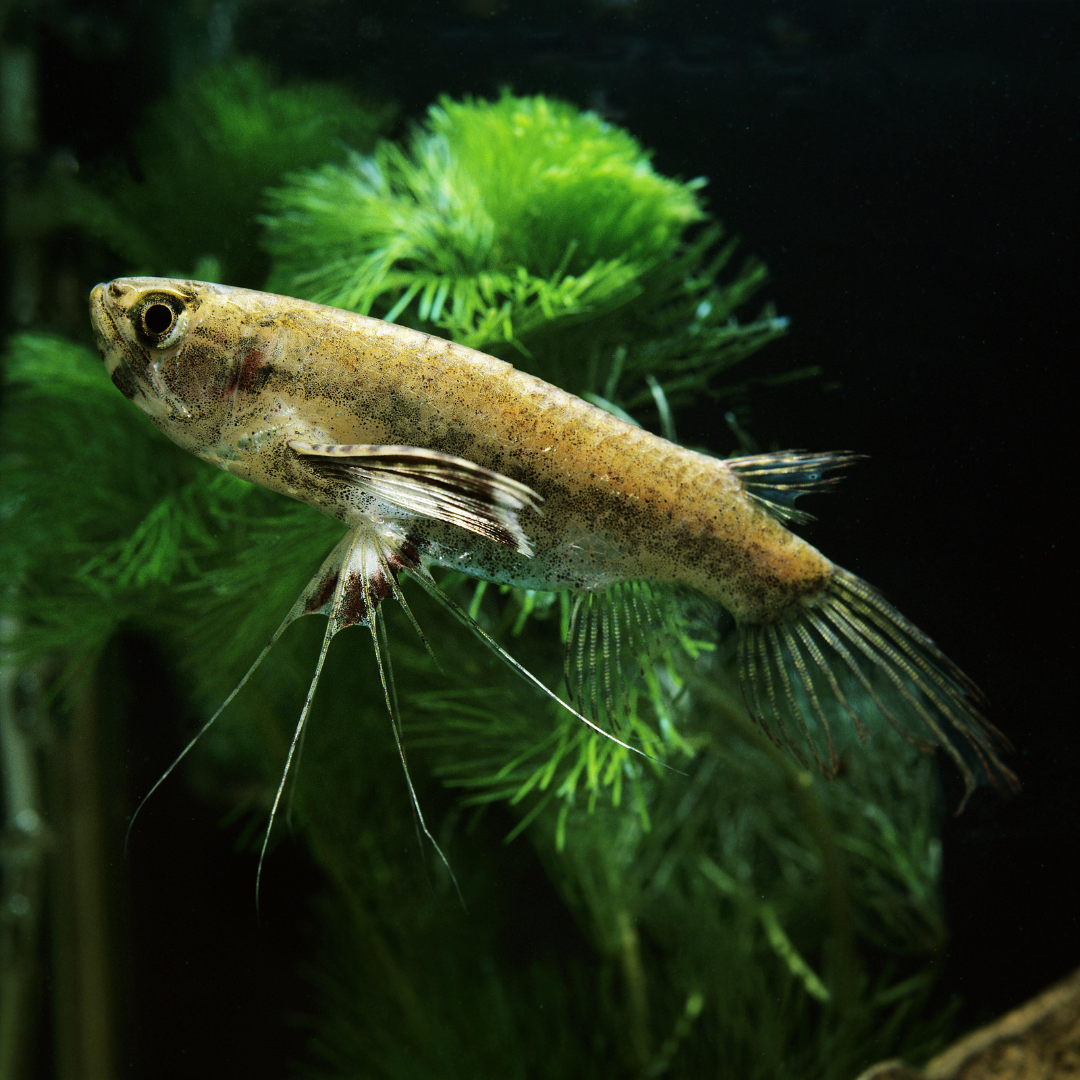
バタフライフィッシュは、アフリカの熱帯淡水域に分布する小型の古代魚です。大きく横に広がる胸びれと、水面を見上げるような大きな口が特徴で、普段は水面直下に静かに浮かぶように生活します。見た目は非常に個性的ですが、飼育では水流を弱め、浮上性の餌を用意し、何より飛び出しを防ぐ蓋を徹底することが重要です。大型水槽を必要とする古代魚が多い中で、本種は60cm規格水槽でも飼育しやすく、限られたスペースで古代魚らしい雰囲気を楽しめる魚といえます。 The African Butterflyfish is a small ancient fish from tropical freshwater habitats in Africa. It is known for its broad, wing-like pectoral fins, large upturned mouth, and habit of staying just beneath the water surface. Although it has a very unusual appearance, successful care depends on calm water, floating foods, and especially a secure lid to prevent jumping. Compared with many ancient fishes that require very large aquariums, this species can be kept in a standard 60 cm aquarium, making it an appealing choice for aquarists who want to enjoy the character of an ancient fish in a limited space.
基本情報 / Basic Information
| 学名 / Scientific Name | Pantodon buchholzi |
|---|---|
| 通称 / Common Name | バタフライフィッシュ、アフリカン・バタフライフィッシュAfrican Butterflyfish, Freshwater Butterflyfish |
| 分類 / Family | 骨舌目 パントドン科 パントドン属Order Osteoglossiformes, family Pantodontidae, genus Pantodon |
| 英名 / English Name | African Butterflyfish |
| 分布 / Distribution | 西アフリカから中央アフリカにかけての淡水域。ナイジェリア、カメルーン、コンゴ川流域、オゴウェ川流域、チャド湖周辺などに分布するとされています。Freshwater habitats in West and Central Africa, including areas around Nigeria, Cameroon, the Congo River basin, the Ogooué River basin, and Lake Chad. |
| 最大体長 / Max Size | 野外での記録では約12cm、飼育下では約15cmに達する記録があります。一般的な流通個体は10cm前後で見られることが多く、個体や環境によって差があります。Wild records are around 12 cm, while aquarium records can reach about 15 cm. Many specimens seen in the aquarium trade are around 10 cm, though size varies by individual and conditions. |
| 寿命 / Lifespan | およそ5年前後が目安です。安定した水質と飛び出し防止を徹底することで、長期飼育を狙いやすくなります。Around 5 years is a reasonable guideline. Stable water quality and strict jump prevention are important for long-term care. |
飼育環境 / Aquarium Environment
| 水槽サイズ / Tank Size | 単独または少数飼育なら60cm規格水槽が目安です。混泳や複数飼育では余裕を持たせ、90cm規格水槽以上を選ぶと管理しやすくなります。A standard 60 cm aquarium is suitable for a single fish or a small number. For community setups or multiple individuals, a 90 cm aquarium or larger is easier to manage. |
|---|---|
| 水温 / Temperature | 23〜30℃前後。一般的な熱帯魚用ヒーターで管理し、急な水温変化を避けることが大切です。 Around 23–30°C. Use a standard aquarium heater and avoid sudden temperature changes. |
| 水質 / Water Quality | 弱酸性から中性付近を基本に、pH6.0〜7.5程度を目安にします。極端な硬水や急変は避けます。丈夫な面はありますが、水面で生活する魚なので、油膜や汚れが出ないよう定期的な換水とろ過の安定が必要です。Slightly acidic to neutral water, around pH 6.0–7.5, is a good guideline. Very hard water and sudden changes should be avoided. Although fairly hardy, it lives at the surface, so stable filtration and regular water changes are important to prevent surface film and pollution. |
| レイアウト / Layout | 強い水流を嫌うため、排水は水面を大きく波立てない向きに調整します。浮き草や流木、陰性水草を使って落ち着ける日陰を作ると、本来の待ち伏せ行動を観察しやすくなります。Avoid strong current and adjust filter outflow so the surface is not heavily disturbed. Floating plants, driftwood, and shade-tolerant plants help create calm cover and encourage natural ambush behavior. |
| 注意点 / Precautions | 最重要なのは飛び出し対策です。驚いた時や餌を追った時に強く跳ねるため、ガラス蓋やメッシュカバーで隙間を完全にふさぎます。配管やコード周りの小さな隙間も事故につながるため、導入前に確認しておくと安心です。The most important precaution is preventing jumps. This fish can leap when startled or when striking food, so all gaps must be covered with glass lids or mesh covers. Small openings around pipes and cables should also be checked before introduction. |
餌と給餌 / Feeding
| 餌の種類 / Diet | 浮上性の人工飼料、アロワナ用スティック、小型の昆虫、乾燥エビなどを利用します。冷凍赤虫などを使う場合も、水面で反応できるよう与え方を工夫します。導入直後は生きたコオロギなど動きのある餌に反応しやすく、慣れてから浮上性人工飼料へ切り替えていくと餌付きやすいです。Floating pellets, arowana sticks, small insects, and dried shrimp can be used. If foods such as frozen bloodworms are offered, they should be presented so the fish can respond at the surface. Newly introduced fish often respond best to moving foods such as live crickets, and can gradually be trained onto floating prepared foods. |
|---|---|
| 給餌のポイント / Feeding Tips | 本種は水面の餌を狙う魚で、沈んだ餌には気づきにくい傾向があります。餌は長く浮くものを選び、他の魚に先に食べられないよう、照明を少し落とした落ち着いた状態で与えるとよいでしょう。食べ残しは水面の汚れにつながるため、少量ずつ与えることが大切です。This species targets food at the surface and often ignores sinking items. Choose foods that float for a while and feed in a calm setting, sometimes with dimmed lighting, so tank mates do not outcompete it. Offer small amounts because leftovers can quickly foul the surface. |
性格と混泳 / Temperament and Tank Mates
| 性格 / Temperament | 普段は水面で静かに定位することが多く、見た目ほど荒い魚ではありません。ただし、口に入るサイズの生き物は捕食対象になるため、小型魚に対しては肉食魚として考える必要があります。It usually stays quietly near the surface and is not as aggressive as its appearance may suggest. However, any animal small enough to fit in its mouth may be treated as prey, so it should be regarded as a predatory fish around small tank mates. |
|---|---|
| 混泳の相性 / Compatibility | 中層から下層を泳ぐ、口に入らないサイズの温和な魚と相性が良いです。大型のコリドラス、プレコ、中型カラシン、中型バルブなどが候補になります。一方で、グッピーやネオンテトラのような小型魚、ヒレをかじるスマトラ系の魚、表層を激しく泳ぐ魚は避けるのが無難です。Peaceful fish that occupy the middle or lower levels and are too large to be swallowed are good candidates. Larger Corydoras, plecos, medium characins, and medium barbs can work. Small fish such as guppies and neon tetras, fin-nipping species such as tiger barbs, and very active surface fish are best avoided. |
病気と対策 / Diseases and Prevention
| かかりやすい病気 / Common Diseases | 白点病、尾ぐされ病、スレ傷からの細菌感染など、一般的な熱帯魚の病気に注意します。水面近くで生活するため、蓋や水槽内器具への接触でヒレや体表を傷つけることもあります。Watch for common aquarium diseases such as white spot disease, fin rot, and bacterial infections from scratches. Because it lives near the surface, it may injure fins or skin by contacting lids or equipment. |
|---|---|
| 対策と予防 / Prevention | 急な水質変化を避け、導入時は水合わせを丁寧に行います。飛び出し防止の蓋は必要ですが、魚がぶつかって傷つかないよう、鋭い部分や大きな隙間を作らないことも大切です。餌の食べ残しを放置せず、水面を清潔に保つ管理が予防につながります。Avoid sudden water-quality changes and acclimate new fish carefully. A secure lid is essential, but sharp edges and awkward gaps should be avoided to reduce injury. Removing uneaten food and keeping the surface clean are important preventive measures. |
増やし方(繁殖) / Breeding
| 雌雄の判別 / Sexing | 成熟個体では、オスの臀びれが変形して交接に関わる形になることで判別できるとされます。メスは体に厚みが出やすく、抱卵時には腹部がふっくらします。Mature males can often be identified by a modified anal fin associated with mating. Females tend to be fuller-bodied, especially when carrying eggs. |
|---|---|
| 繁殖形態 / Reproduction | 卵生です。卵は水面付近に産み落とされ、産卵直後は浮きやすいものの、時間の経過とともに沈むことがあります。親魚は卵や稚魚を保護しないため、繁殖を狙う場合は採卵と隔離が必要です。It is an egg-laying species. Eggs are released near the surface and may float at first, but can sink over time. The parents do not guard eggs or fry, so eggs must be collected and separated for planned breeding. |
| 繁殖のポイント / Breeding Tips | 家庭水槽での繁殖例はありますが、難易度は高めです。雨季を再現するような換水が産卵の刺激になることがあり、孵化後の稚魚にはごく小さな生き餌が必要になります。稚魚は自分から餌を探し回る力が弱いため、水位を浅くして餌が口元に届きやすい環境を作る工夫が重要です。Breeding has been achieved in aquariums, but it is difficult. Water changes that imitate the rainy season may help trigger spawning, and newly hatched fry require very small live foods. Because the fry are poor active hunters, shallow water can help keep food close to their mouths. |
雑学と豆知識 / Trivia and Fun Facts
| 1. チョウチョウウオとは別の魚 / 1. Not a Marine Butterflyfish | バタフライフィッシュという名前から海水魚のチョウチョウウオを連想しがちですが、本種はそれらとはまったく別の淡水魚です。分類上はアロワナやピラルクと同じ骨舌目に含まれ、現存するパントドン科の魚は本種のみとされています。小さな体ながら、古代魚らしい系統の奥深さを感じられる存在です。Despite its name, the African Butterflyfish is unrelated to marine butterflyfishes. It is a freshwater species in the order Osteoglossiformes, the same order that includes arowanas and arapaimas. It is regarded as the only living member of the family Pantodontidae, giving this small fish a remarkable evolutionary background. |
|---|---|
| 2. 水面生活に特化した姿 / 2. Built for Surface Life | 本種の上向きの大きな口、平たい背中、横に広がった胸びれは、水面で昆虫などを待ち伏せる暮らしに適応したものです。水槽内でも中層を活発に泳ぎ回るタイプではなく、水面の影に静かに浮かび、餌が落ちる瞬間を待つ姿に本種らしさがあります。Its large upturned mouth, flattened back, and broad pectoral fins are adaptations for ambushing insects and other prey at the surface. In aquariums, it is not a fish that constantly swims through the midwater; its character is best seen when it rests quietly under surface cover and waits for food to fall. |
| 3. 飛ぶ魚ではなく、跳ねる魚 / 3. A Jumper Rather Than a Flyer | 大きな胸びれを持つため「飛ぶ魚」のように語られることがありますが、海のトビウオのように空中で羽ばたいて飛ぶわけではありません。実際には、驚いた時や餌を狙う時に水面を強く蹴って跳ねる魚と考えると分かりやすいでしょう。この性質が、飼育で蓋を必須にする最大の理由です。Because of its broad pectoral fins, it is sometimes described as a flying fish, but it does not truly fly like marine flying fishes. It is better understood as a powerful jumper that launches from the surface when startled or when striking food. This behavior is the main reason a tight lid is essential in captivity. |
| 4. 日本の住宅事情に合う古代魚 / 4. An Ancient Fish Suited to Japanese Homes | 古代魚と聞くと大型水槽が必要な魚を想像しがちですが、バタフライフィッシュは比較的小型で、60cm規格水槽でも飼育の現実味があります。アロワナに通じる上向きの口や独特の風格を持ちながら、大型魚ほどの設備を求めない点は、日本のアクアリウム環境では大きな魅力です。Many ancient fishes require very large aquariums, but the African Butterflyfish remains comparatively small and can realistically be kept in a standard 60 cm tank. With its upturned mouth and arowana-like presence, it offers much of the appeal of ancient fishes without demanding the space needed for large species. |
まとめ / Conclusion
バタフライフィッシュは、水面という限られた世界に見事に適応した小型の古代魚です。静かな水流、浮き草などの隠れ場所、浮上性の餌をそろえることで、本来の落ち着いた姿と独特の捕食行動を楽しめます。 The African Butterflyfish is a small ancient fish beautifully adapted to life at the water surface. Calm water, floating cover, and floating foods allow aquarists to enjoy its quiet presence and distinctive feeding behavior.
一方で、飛び出し事故と小型魚の捕食には十分な注意が必要です。水槽の隙間を完全にふさぎ、混泳相手を慎重に選べば、限られたスペースでも古代魚らしい魅力を長く味わえる魚といえるでしょう。 At the same time, jumping accidents and predation on small fish require careful attention. With a completely covered aquarium and carefully chosen tank mates, this species can provide the charm of an ancient fish even in a limited space.

気になる道具や飼い方を見つけてみませんか?
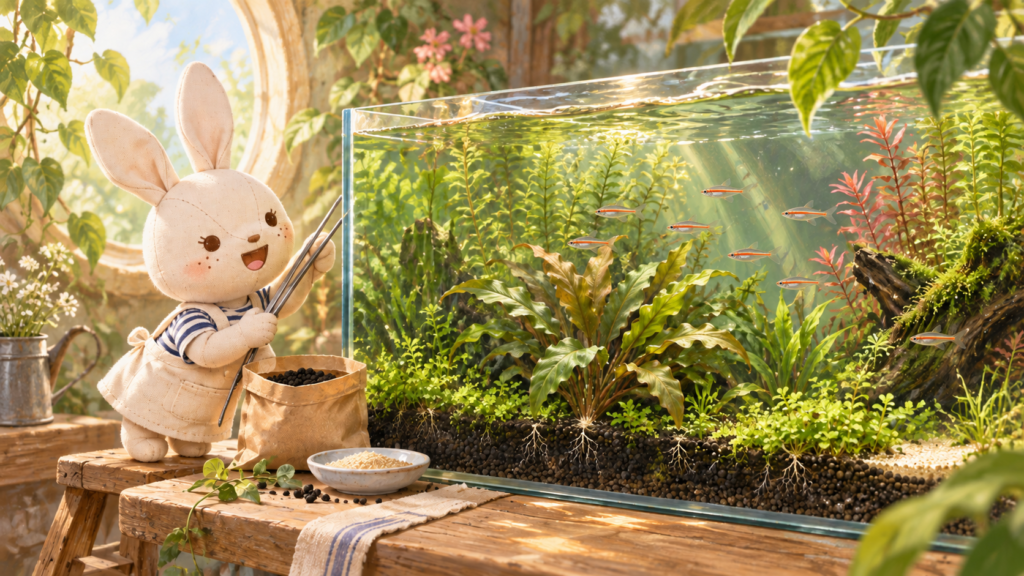 アイのアクアグッズ案内水草用ソイルの選び方|土・砂の違いとおすすめ商品道具の特徴や使い方、選ぶときのポイントをアイが紹介します。記事はコチラ →
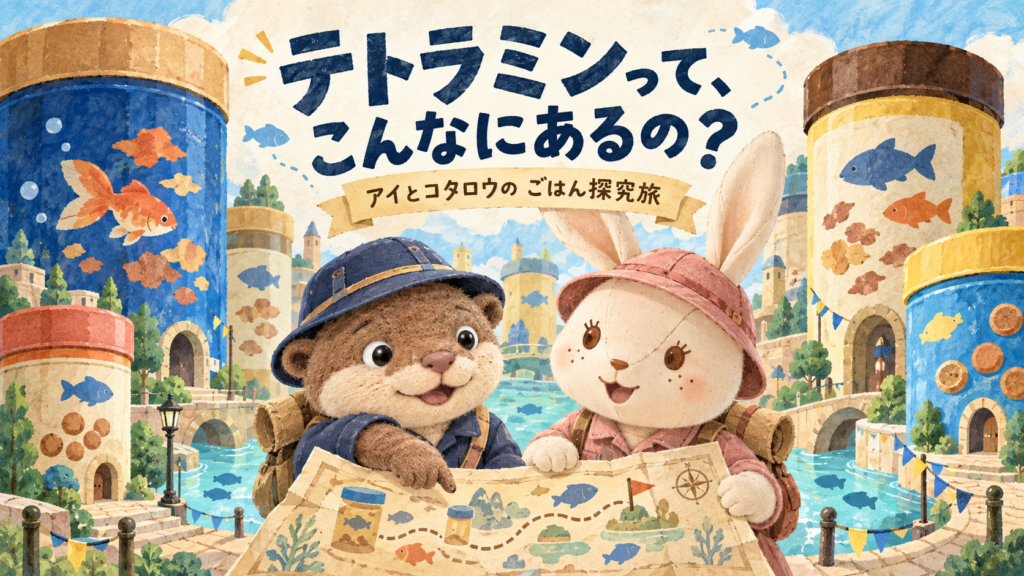 アイのアクアグッズ案内テトラミンって、こんなにあるの? アイとコタロウのごはん探究旅道具の特徴や使い方、選ぶときのポイントをアイが紹介します。記事はコチラ →
さまざまな飼育テーマをご紹介。リンク先の記事には広告・商品紹介が含まれます。
案内・紹介記事一覧へ →参考文献・参照資料
この記事では、バタフライフィッシュ(Pantodon buchholzi)の分類、分布、体長、生息環境、飼育条件、給餌、混泳、繁殖に関する情報を確認するため、以下の資料を参照しました。
- Froese, R. and Pauly, D. (eds.). FishBase. Pantodon buchholzi, Freshwater butterflyfish. 分類、分布、野外での最大体長、生息環境、水面生活、跳躍行動などの基礎情報を確認するために参照しました。
- Froese, R. and Pauly, D. (eds.). FishBase. Pantodon buchholzi 日本語版データ. 飼育下での最大体長、胸びれや腹びれの特徴、混泳時の注意点などを確認するために参照しました。
- Seriously Fish. Pantodon buchholzi (African Butterfly Fish). 水温、pH、水槽サイズ、生息環境、浮き草を使ったレイアウト、飛び出し防止、混泳相手の選定など、飼育条件の確認に参照しました。
- Judy, T. Tropical Fish Hobbyist Magazine. The African Butterflyfish (Pantodon buchholzi). 表層生活、餌付け、浮上性の餌、繁殖の難しさ、卵と稚魚の扱い、浅い水位での稚魚育成に関する実践的な情報を確認するために参照しました。
- Encyclopedia of Life. Pantodon buchholzi data. IUCNによる保全状況がLeast Concernとされている点を補助的に確認するために参照しました。




コメント