

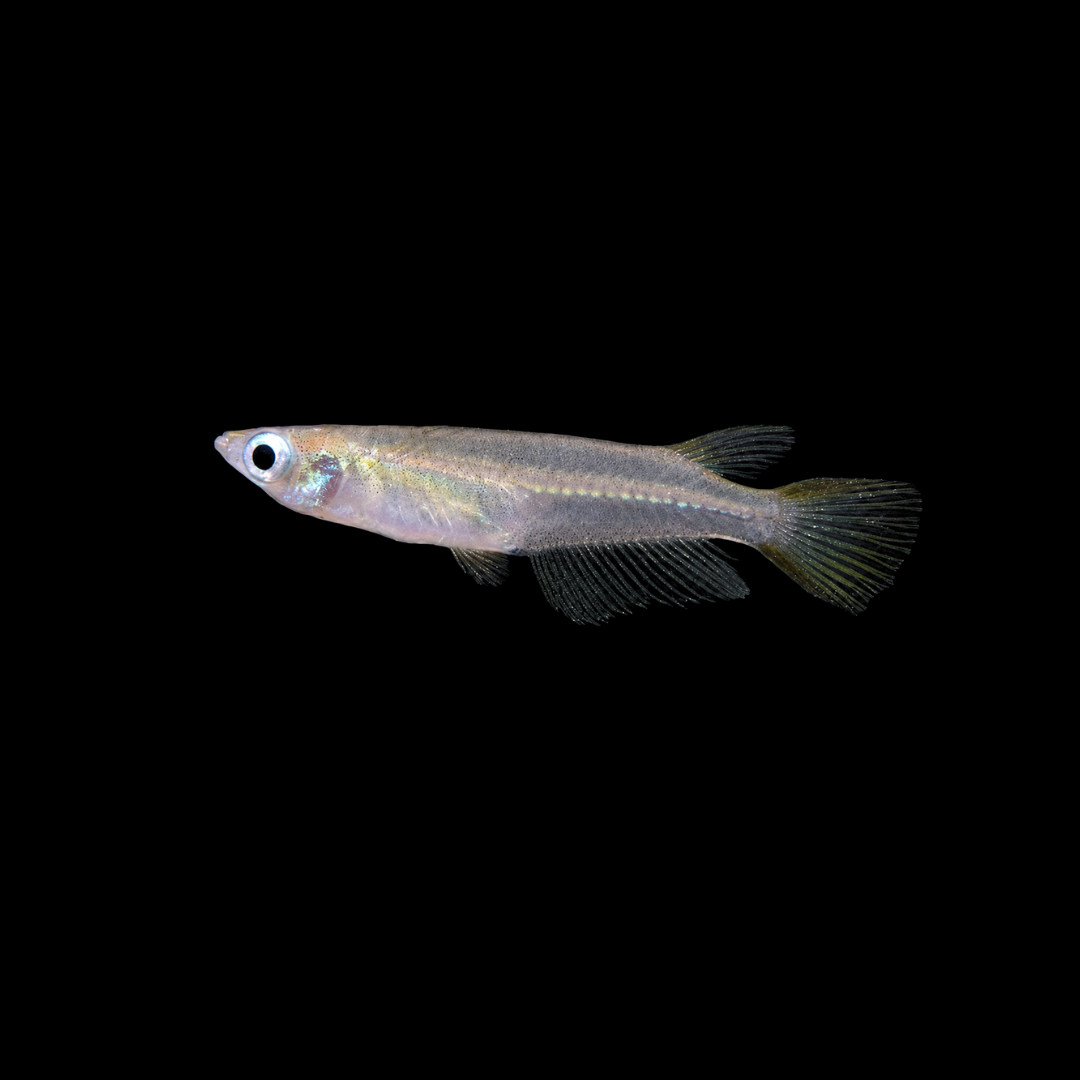
解説 / Description
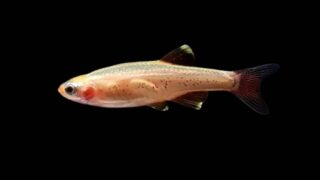
オリジアス・チェンロンエンシスは、2024年に台湾西部から新種記載されたメダカ科オリジアス属の小型魚です。模式産地は雲林県の成龍湿地で、汽水性の湿地や河口域を中心に記録されています。体は半透明の淡い黄緑色から褐色で、体側を走る細い点線状の黒線、青みを帯びた銀色の眼、オスの尾鰭基部に現れるT字状の黒斑が特徴です。派手な改良品種とは異なる控えめな色彩の中に、野生種らしい繊細さと、新種として記載された背景を含む学術的な魅力があります。原記載では汽水域から採集されましたが、繁殖試験中の個体が淡水でも良好に生存したと報告されており、日本の販売店でも淡水飼育が可能な魚として紹介されています。 Oryzias chenglongensis is a small ricefish species described as new to science in 2024 from western Taiwan. Its type locality is Chenglong Wetland in Yunlin County, and records are associated mainly with brackish wetlands and estuarine habitats. The body is translucent light yellowish green to brown, with a narrow dotted dark longitudinal line, bluish-silver eyes, and a distinctive T-shaped black mark at the base of the caudal fin in males. Rather than relying on showy coloration, the species has a subtle wild-type appearance and scientific interest linked to its recent taxonomic recognition. Although the original specimens were collected from brackish water, individuals in the authors’ breeding experiment were reported to survive well in freshwater, and Japanese retailers also introduce the species as suitable for freshwater keeping.
基本情報 / Basic Information
| 学名 / Scientific Name | Oryzias chenglongensis Chen & Lai, 2024 |
|---|---|
| 通称 / Common Name | オリジアス・チェンロンエンシス、成龍青鱂(台湾での名称)Chenglong ricefish |
| 分類 / Family | ダツ目 メダカ科 オリジアス属Order Beloniformes, Family Adrianichthyidae, Genus Oryzias |
| 英名 / English Name | Chenglong ricefish |
| 分布 / Distribution | 台湾。模式産地は雲林県・成龍湿地です。原記載では嘉義・台南にも写真記録があるとされ、その後の2025年の分布調査では雲林・嘉義・台南・澎湖で生息が記録されました。台湾魚類資料庫では台湾特有種として扱われています。Taiwan. The type locality is Chenglong Wetland in Yunlin County. The original description noted photographic records from Chiayi and Tainan, and a 2025 distribution survey subsequently recorded the species in Yunlin, Chiayi, Tainan, and Penghu. The Taiwan Fish Database treats it as endemic to Taiwan. |
| 最大体長 / Max Size | 標準体長26.6mm(原記載で確認された最大標本)。観賞魚流通では全長約3cm級として扱われます。Up to 26.6 mm standard length in the type material; aquarium specimens are generally around 3 cm total length. |
| 寿命 / Lifespan | 本種固有の寿命は、現時点で信頼できる公開データが十分ではありません。飼育下の寿命を具体的な年数で示せる段階ではないため、今後の長期飼育記録の蓄積が待たれます。A species-specific lifespan is not yet supported by sufficient reliable published data. There is currently too little evidence to give a confident number for lifespan in captivity, so longer-term husbandry records are still needed. |
飼育環境 / Aquarium Environment
| 水槽サイズ / Tank Size | 少数飼育なら30cmキューブ水槽(約25L)以上を目安にできます。複数匹を落ち着いて管理し、繁殖まで狙うなら45cm規格水槽(約30~35L)以上のほうが水質を安定させやすく扱いやすいです。A 30 cm cube aquarium of about 25 L or larger is suitable for a small group. For a larger group or planned breeding, a standard 45 cm tank of roughly 30–35 L or more offers greater water stability and easier management. |
|---|---|
| 水温 / Temperature | 23~28℃が国内流通時の飼育目安として案内されています。急な温度変化を避け、この範囲で安定させて管理します。 Japanese retail guidance gives 23–28°C as a practical keeping range. Avoid abrupt temperature changes and prioritize stable conditions within this range. |
| 水質 / Water Quality | 中性付近を基本とします。原記載では塩分20~30と記載された汽水域から採集されていますが、繁殖試験中の個体は淡水でも良好に生存しました。すでに淡水で管理されている個体へ日常的に塩を加える必要はありません。導入時は販売元の管理水を確認し、淡水と汽水の差がある場合は塩分を急変させず、段階的に合わせます。Near-neutral water is a practical baseline. The original description reports collection from brackish habitats with salinity given as around 20–30, while individuals in the breeding experiment also survived well in freshwater. Fish already maintained in freshwater do not need routine salt addition. When introducing fish, confirm the seller’s holding water and, if there is a difference between freshwater and brackish conditions, change salinity gradually rather than abruptly. |
| レイアウト / Layout | 上向きの口をもつ小型のオリジアスなので、水面付近に十分な遊泳空間を残しつつ、マツモ、ウィローモス、浮草などで落ち着ける場所を作ります。繁殖を狙う場合は細葉の水草や産卵用モップを入れると卵を回収しやすくなります。ろ過は強すぎる水流を避け、穏やかに循環させます。As a small Oryzias with an upturned mouth, it is sensible to leave open swimming space near the surface while providing cover with fine-leaved plants, mosses, or floating plants. Fine plants or spawning mops make egg collection easier when breeding. Keep filtration gentle and avoid excessively strong current. |
| 注意点 / Precautions | メダカ類は水槽外へ飛び出すことがあるため、フタの隙間を小さくしておきます。フィルター吸水口には、稚魚や小型個体を吸い込まない工夫も必要です。とくに導入時は水温や塩分の急変を避けてください。系統維持を意識する場合は、産地や由来が分からなくなるような混合飼育を避けることも大切です。Ricefishes can jump from aquariums, so keep lid gaps narrow and protect filter intakes from small fish and fry. Avoid sudden changes in temperature or salinity, especially during introduction. When maintaining a lineage, avoid mixing stocks in ways that make locality or origin impossible to track. |
餌と給餌 / Feeding
| 餌の種類 / Diet | 口に入る大きさの微粒子人工飼料を主食にできます。国内販売店でも人工飼料と冷凍飼料が案内されています。口の大きさに合わせて、ブラインシュリンプ幼生やミジンコなどの小型生餌、細かくした冷凍赤虫などを補助的に利用できます。Fine prepared granules small enough to fit the mouth can serve as the staple diet. Japanese retail guidance lists prepared and frozen foods for this species. Newly hatched brine shrimp, small daphnia, and finely chopped frozen bloodworms can also be used as supplementary foods. |
|---|---|
| 給餌のポイント / Feeding Tips | 一度に多く与えるより、食べ残しが出ない量を少量ずつ与えます。体が小さいため餌の粒径を合わせ、人工飼料だけでは食いが落ちる場合は、ブラインシュリンプ幼生などを補助的に使います。Rather than giving a large meal at once, offer small amounts that are eaten without leftovers. Match food particle size to the fish’s small mouth, and if prepared food is not taken readily, use items such as newly hatched brine shrimp as a supplement. |
性格と混泳 / Temperament and Tank Mates
| 性格 / Temperament | 本種だけを対象にした行動研究は少なく、性格を断定できるだけの公開情報はまだ十分ではありません。飼育時は個体間の追尾や餌競争の強さを観察し、落ち着かない個体がいる場合は水草などの遮蔽物を増やして調整します。Behavioral studies focused specifically on this species are limited, so there is not yet enough published information to characterize its temperament with confidence. In captivity, observe chasing and feeding competition between individuals and add plant cover or visual barriers if any fish remain unsettled. |
|---|---|
| 混泳の相性 / Compatibility | 混泳に関する本種固有の検証データは多くありません。繁殖や系統維持を優先するなら、本種だけの単独水槽が最も管理しやすいです。混泳する場合は同程度の大きさで温和な魚に限り、大型魚、攻撃性の強い魚、卵や稚魚を捕食しやすい魚は避けます。また、他のオリジアス属との同居は繁殖管理や個体識別を難しくするため推奨しません。Species-specific compatibility data are limited. A species-only aquarium is the easiest choice when breeding and lineage maintenance are priorities. If tank mates are used, choose similarly sized peaceful fish and avoid larger or aggressive species and those likely to consume eggs or fry. Mixing with other Oryzias species is also not recommended because it complicates breeding control and identification. |
病気と対策 / Diseases and Prevention
| かかりやすい病気 / Common Diseases | 本種に特有の疾病傾向はまだ十分に報告されていません。一般的な小型観賞魚と同様、輸送や急な環境変化が重なると白点病、細菌性の体表トラブル、尾ぐされ症状などが問題になる可能性があります。No species-specific disease profile has yet been well documented. As with other small aquarium fishes, shipping stress or abrupt environmental change may increase the risk of ich, bacterial skin problems, or fin deterioration. |
|---|---|
| 対策と予防 / Prevention | 導入時の水合わせを丁寧に行い、過密を避け、少量給餌と定期的な換水で水質を安定させることが基本です。新しい魚は可能であれば隔離観察してから合流させます。治療が必要な場合は別容器で状態を確認し、本種について薬剤感受性の情報が少ないことを踏まえて、観賞魚用薬の用法・用量を厳守してください。Careful acclimation, avoiding overcrowding, controlled feeding, and regular water changes are the foundation of prevention. Newly acquired fish should ideally be observed in quarantine before introduction. If treatment becomes necessary, use a separate container where possible and follow aquarium-medication instructions strictly, as species-specific drug sensitivity data are limited. |
増やし方(繁殖) / Breeding
| 雌雄の判別 / Sexing | 原記載では、成熟したオスは成長に伴って背鰭条が伸びることがあり、尾鰭基部にT字状の黒斑が現れます。臀鰭では、オスの鰭条間の縁が深く切れ込むのに対し、メスでは浅く凹む程度です。確実な判別には、これら複数の特徴を組み合わせて観察します。According to the original description, dorsal-fin rays may elongate as males grow, and males show a T-shaped black mark at the caudal-fin base. The margins between anal-fin rays are more deeply indented in males, while in females they are only slightly concave. Reliable sexing is best done by combining these characters. |
|---|---|
| 繁殖形態 / Reproduction | 卵生です。オリジアス属では、メスが受精卵を腹部付近に卵塊として一時的に保持し、その後に水草などへ付着させる繁殖様式がよく知られています。本種についても飼育下で繁殖が行われていますが、繁殖行動の詳細な公開記録はまだ限られています。This is an egg-laying species. In Oryzias, females are well known to temporarily carry clusters of fertilized eggs beneath the abdomen before attaching them to plants or other substrates. O. chenglongensis has been reproduced in captivity, but detailed published observations of its breeding behavior are still limited. |
| 繁殖のポイント / Breeding Tips | 原記載では繁殖試験中の個体が淡水でも良好に生存したことが報告され、国立台湾海洋大学(NTOU)では、保全目的で飼育個体から次世代を得て系統保存が行われていました。ただし、淡水条件での産卵数、孵化日数、仔魚の生残率など、本種固有の繁殖データは十分に公表されていません。繁殖時は細葉の水草や産卵モップを用意し、卵を見つけたら親魚とは分けて管理します。仔魚には口に入る細かな初期飼料を与え、成長に合わせてブラインシュリンプ幼生などへ切り替えます。累代維持では、親の由来、世代、交配組み合わせを記録しておくと系統管理に役立ちます。The original description reports good freshwater survival during a breeding experiment, and NTOU maintained captive fish for conservation and obtained further offspring for stock preservation. However, species-specific data such as spawning output, incubation period, and fry survival under freshwater conditions have not been published in sufficient detail. Provide fine plants or spawning mops and manage collected eggs separately from adults. Feed newly hatched fry food small enough to take, then move to items such as newly hatched brine shrimp as they grow. For long-term maintenance, record the origin, generation, and breeding combinations of each line. |
雑学と豆知識 / Trivia and Fun Facts
| 1. 2024年に正式記載された台湾の新種 / 1. A Taiwanese species formally described in 2024 | オリジアス・チェンロンエンシスが正式に新種として発表されたのは2024年12月10日です。背鰭6条、臀鰭19~20条、腹鰭6条、胸鰭10条、脊椎骨29~30個という計数形質に加え、強く側扁した体型やオスの尾鰭基部のT字状黒斑など、複数の特徴の組み合わせで近縁種から区別されました。原記載で調べられた最大標本は標準体長26.6mmのメスで、小さな体の中に分類学上の手掛かりが凝縮されています。Oryzias chenglongensis was formally published as a new species on 10 December 2024. It was diagnosed by a combination of characters including six dorsal-fin rays, 19–20 anal-fin rays, six pelvic-fin rays, ten pectoral-fin rays, 29–30 vertebrae, a laterally compressed body, and the male’s T-shaped caudal-base mark. The largest specimen examined in the original description was a 26.6 mm SL female, showing how many taxonomic clues can be packed into such a tiny fish. |
|---|---|
| 2. 「チェンロン」の由来はジャッキー・チェンではない / 2. “Chenglong” does not refer to Jackie Chan | 種小名chenglongensisは、模式標本が採集された雲林県の成龍湿地に由来します。「成龍」という表記は俳優ジャッキー・チェンの中国語名と同じため連想しやすいものの、命名理由は人物名ではなく産地名です。地名そのものが学名に刻まれたことで、本種を知ることが成龍湿地の成り立ちや保全を知る入口にもなっています。The specific name chenglongensis comes from Chenglong Wetland in Yunlin County, where the type specimens were collected. The same Chinese characters are also used in Jackie Chan’s Chinese name, which can make the association easy to notice, but the scientific name refers to the locality rather than to a person. The name directly links the fish with the wetland where it was discovered. |
| 3. 汽水で見つかったが、淡水でも生存が確認された / 3. Collected in brackish water, but able to survive in freshwater | 原記載の採集地点は、塩分20~30と記載された汽水環境でした。それにもかかわらず、研究チームの繁殖試験では淡水でも良好に生存したと報告されています。つまり、本種は汽水だけでなければ生きられない魚ではないことが確認されています。ただし、淡水でも生存できることと、急激な塩分変化が安全であることは別です。飼育では、導入前の管理水を確認し、必要に応じて段階的に水を合わせることが大切です。The type series came from brackish habitats with salinity reported around 20–30, yet the research team also reported good survival in freshwater during breeding experiments. In other words, the species is not restricted to conditions in which brackish water is essential for survival. That does not mean abrupt salinity changes are harmless, so the fish’s previous holding water should be checked and acclimation should be gradual when needed. |
| 4. 成龍湿地は「最大の既知野生個体群」を支える重要地点 / 4. Chenglong Wetland supports the largest known wild population | 2026年6月、台湾の林業及自然保育署などによる初の体系的な個体数調査で、成龍湿地から3,630尾が記録されました。同湿地は現在、台湾で最大の既知野生個体群を支える場所とされています。2025年度の固定調査地点では年間630尾が記録され、季節による個体数変動も確認されました。調査方法や時期が異なるため数字を単純には比較できませんが、原記載当時に「野外では非常に少ない」とされた状況について、継続調査によってより具体的な実態が見え始めています。一方で、外来魚による競争や捕食、豪雨・干ばつなどの極端気象は引き続き保全上の課題です。In June 2026, the first systematic population count by Taiwan’s Forestry and Nature Conservation Agency and partners recorded 3,630 individuals at Chenglong Wetland, which is currently regarded as supporting the largest known wild population in Taiwan. A 2025 fixed-station monitoring program recorded 630 fish over the year and also showed clear seasonal variation. Because the methods and timing differ, the numbers should not be compared directly, but continued monitoring is providing a more concrete picture than the earlier description of the species as very rare in field surveys. Invasive fishes and extreme events such as heavy rainfall and drought remain conservation concerns. |
| 5. 台湾のメダカ分類は今も大きく更新されている / 5. Taiwan’s ricefish taxonomy is still being rewritten | 台湾北部の野生メダカ個体群は、長くニホンメダカやチュウゴクメダカの名で扱われてきましたが、近年の研究で分類が大きく見直されています。西台湾の成龍青鱂が2024年に新種記載された後、2025年には台湾西部と烈嶼からOryzias curvinotusが形態と分子の両面で確認され、同年末には北台湾の淡水性個体群がOryzias cabaranensisとして新種記載されました。台湾のメダカ類は、外見だけでは区別しにくい個体群を標本と遺伝情報の両方から見直すことで、種の境界が整理されつつあります。Wild ricefish populations in northern Taiwan were long treated under names such as Japanese medaka or Chinese ricefish, but recent research has substantially revised that picture. After O. chenglongensis from western Taiwan was described in 2024, Oryzias curvinotus was confirmed from western Taiwan and Lieyu Island in 2025 using both morphological and molecular evidence, and later that year freshwater populations in northern Taiwan were described as Oryzias cabaranensis. The boundaries among Taiwan’s ricefishes are being clarified by combining preserved specimens with genetic evidence rather than relying on external appearance alone. |
| 6. 成龍湿地そのものが、人と自然の変化を刻んだ場所 / 6. Chenglong Wetland itself records a history of environmental change | 成龍湿地はもともと農地として利用されていた低地です。地下水の過剰利用による地盤沈下が進んだところへ、1986年のウェイン台風や1996年のハーブ台風などによる海水の流入が重なり、農地は長期的に冠水して塩性湿地へと変化しました。人の土地利用と自然災害が重なって形成された環境が、現在では台湾固有の成龍青鱂を支える重要な生息地になっている点は、本種の背景を理解するうえで象徴的です。Chenglong Wetland occupies low-lying land that was historically used for agriculture. Land subsidence associated with excessive groundwater extraction was followed by seawater flooding during events including Typhoon Wayne in 1986 and Typhoon Herb in 1996, leaving farmland inundated and gradually transforming it into saline wetland. A landscape shaped by both human land use and natural disturbance now supports an endemic ricefish, making the history of the wetland an important part of understanding the species. |
| 7. 日本では学名そのままの「珍しい原種メダカ」として流通 / 7. In Japan it is traded as a rare wild-type ricefish | 日本では「オリジアス・チェンロンエンシス」の販売名で流通が確認されています。2026年8月時点では神畑養魚の業者向けサイトに台湾産ペアとして掲載され、小売店でもペア販売例が確認できます。派手な体色ではなく、新種としての背景、台湾固有種という来歴、青く輝く眼や渋い体色を楽しむタイプの観賞魚です。流通量や価格は時期によって変動するため、入手時には販売店へ現在の管理水が淡水か汽水かもあわせて確認すると安心です。In Japan the species is traded under its scientific-name-based Japanese market name, Oryzias chenglongensis. As of August 2026, Kamihata’s trade-facing catalog listed Taiwan-origin pairs, and retail pair listings were also available. Its appeal is not exaggerated color but the story of a newly described Taiwanese endemic, subtle body tones, and striking bluish eyes. Availability and price can change, so buyers should also ask whether the fish are currently being held in freshwater or brackish water before acclimation. |
まとめ / Conclusion
オリジアス・チェンロンエンシスは、台湾の汽水・淡水環境から知られる約3cmの小型メダカです。半透明の体、細い黒線、青銀色の眼、オスの尾鰭基部に現れるT字状の黒斑といった控えめな特徴は、近くで観察するほど味わいが増します。原記載では汽水域から採集されましたが、淡水での生存も確認されているため、飼育では現在管理されている水の条件を確認し、急な水温や塩分の変化を避けることが重要です。 Oryzias chenglongensis is a small ricefish of about three centimeters known from freshwater and brackish environments in Taiwan. Its translucent body, fine dark line, bluish-silver eyes, and the male’s T-shaped mark at the base of the caudal fin are understated features that reward close observation. Although the original specimens came from brackish water, freshwater survival has also been confirmed, so successful keeping begins with checking the fish’s current water conditions and avoiding abrupt changes in temperature or salinity.
繁殖や系統維持まで目指すなら、本種だけの水槽で産卵床を用意し、卵を親魚から分けて管理すると扱いやすくなります。由来や世代を記録しながら、安定した環境で健康な個体を維持することは、台湾固有の野生メダカとしての特徴を損なわず、長く付き合っていくための大切な基本になります。 For breeding and lineage maintenance, a species-only setup with suitable spawning media and separate egg management is the most straightforward approach. Recording stock origin and generation while maintaining healthy fish under stable conditions helps preserve the characteristics of this Taiwanese endemic and supports careful long-term keeping.

気になる道具や飼い方を見つけてみませんか?
 アイのアクアグッズ案内水槽用ヒーターの選び方|固定式・温度調節式と、水量に合うW数の考え方水槽の魚は冬に寒くない? アイとコタロウが水温計から固定式・温度調節式・分離式ヒーターまで比較。水量と室温に合うW数、設置場所、水換えや交換の注意点を、国内メーカーの商品とともに紹介します。記事はコチラ →
 アイのアクアグッズ案内水槽のコケ掃除|道具の選び方とお掃除生体の得意・不得意道具の特徴や使い方、選ぶときのポイントをアイが紹介します。記事はコチラ →
 アイのアクアグッズ案内海水魚の底砂の選び方|サンゴ砂・ライブサンドとおすすめ商品道具の特徴や使い方、選ぶときのポイントをアイが紹介します。記事はコチラ →
 アイのアクアグッズ案内コリドラスのもふもふ時間を楽しむ|餌・底砂・お掃除用品の選び方コリドラスのもふもふする食事風景を楽しむために。沈む餌2種類の違い、口元に配慮した底砂、食べ残しを回収する道具を、アクアグッズナビゲーターのアイが紹介します。記事はコチラ →
さまざまな飼育テーマをご紹介。リンク先の記事には広告・商品紹介が含まれます。
案内・紹介記事一覧へ →分布マップ
Oryzias chenglongensis は台湾の固有種で、雲林県の成龍湿地を模式産地とし、雲林・嘉義・台南・澎湖から記録されています。
※この地図は、記事に記載された雲林・嘉義・台南・澎湖を含む分布地域を概略的に示したものです。マーカーは分布域を把握しやすくするために設定した代表地点であり、実際の採集地点を示すものではありません。
参考文献
-
Chen, I.-S. & Lai, H.-T. (2024). A new ricefish of genus Oryzias (Teleostei: Adrianichthyidae) from western Taiwan. Zootaxa, 5550(1), 320–327.対応範囲:新種記載、分類、形態的診断、雌雄差、模式産地、汽水性の生息環境、淡水での生存確認、飼育下での繁殖・系統保存に関する基礎情報。
-
中央研究院 臺灣魚類資料庫. Oryzias chenglongensis Chen & Lai, 2024(成龍青鱂).対応範囲:現在の分類学的位置、台湾特有種としての扱い、河口・潟湖および半淡鹹水域という生息環境の整理。
-
農業部林業及自然保育署(114年度[2025年度]). 林業発展計画実行成果報告「成龍青鱂の調査と復育及び蘭嶼地区蘭嶼吻鰕虎の調査研究」.対応範囲:雲林・嘉義・台南・澎湖における分布確認、成龍湿地での季節的な個体数変動、種源保存と復育の実施状況。
-
農業部林業及自然保育署(2026年6月18日). 「守護臺灣原生魚類 公、私協力完成『成龍青鱂』首次族群數量調査」.対応範囲:成龍湿地の野生個体群調査、同湿地の保全上の重要性、外来魚および極端気象による生息上の圧力。
-
Denny, J. S., Spehar, R. L., Mead, K. E. & Yousuff, S. C. (1991). Guidelines for Culturing the Japanese Medaka, Oryzias latipes. U.S. Environmental Protection Agency, EPA/600/3-91/064.対応範囲:メダカ属近縁種における飼育水の安定管理、水温、給餌、産卵床、採卵、胚・仔魚の管理、繁殖および疾病管理の一般原則。本種固有の数値ではなく、飼育方法を補強する比較資料として参照。
-
Merck Veterinary Manual. Disorders and Diseases of Fish. Updated April 2026.対応範囲:白点病を含む淡水魚の一般的な感染症、細菌性疾患、輸送や急変・過密・水質悪化などのストレス要因、隔離と衛生管理による予防の基本。




コメント