

解説 / Description
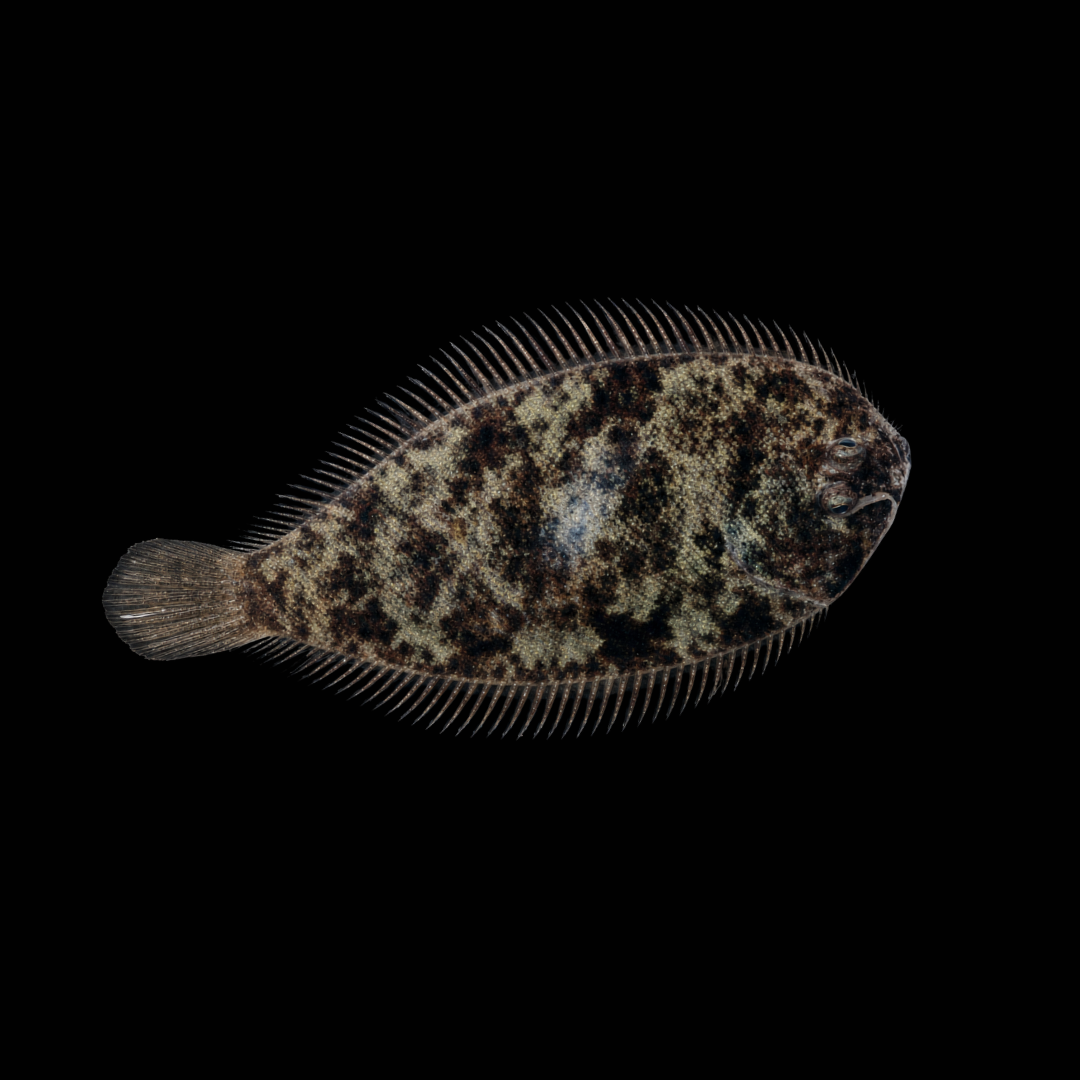
「淡水カレイ」「淡水ヒラメ」は特定の1種を示す標準和名ではなく、淡水域や汽水域で見られる複数のカレイ目魚類に対して観賞魚流通で使われる呼び名です。日本では、ニューギニアやオーストラリアのササウシノシタ科、北米のホグチョーカー(Hogchoker)、南米のアキルス科など、由来の異なる魚が同じ呼び名で扱われることがあります。平たい体で底面に沿って暮らし、種によっては砂へ潜る、周囲に合わせて体色や模様を変えるといった行動を見せることが大きな魅力です。一方、自然界で利用する環境は種ごとに大きく異なり、純淡水に暮らす種もいれば、淡水・汽水・海水をまたいで生活する種もいます。そのため、長期飼育では販売名だけで判断せず、学名、産地、販売時の水温と塩分条件をできる限り確認することが重要です。 “Freshwater flounder” and “freshwater sole” are aquarium-trade names rather than standardized names for a single species. In Japan, the label may be applied to unrelated flatfishes, including soleids from New Guinea or Australia, the North American hogchoker, and South American achirids. Their appeal comes from a strongly bottom-oriented lifestyle, with species-specific behaviors such as burying in sand and changing coloration or pattern to match the surroundings. Natural habitat, however, differs greatly among species: some are true freshwater fishes, while others use freshwater, brackish water, and marine habitats during their lives. For long-term care, the trade name alone is not enough; whenever possible, confirm the scientific name, origin, and the temperature and salinity in which the fish was being kept.
基本情報 / Basic Information
| 学名 / Scientific Name | 該当する単一の学名はありません。カレイ目 Pleuronectiformes の複数種が「淡水カレイ」として流通します。代表例:Leptachirus spp.、Brachirus selheimi、Hypoclinemus mentalis、Trinectes maculatus、Catathyridium jenynsii などThere is no single scientific name for this trade group. Multiple species in the order Pleuronectiformes are sold as freshwater flounders or soles, including Leptachirus spp., Brachirus selheimi, Hypoclinemus mentalis, Trinectes maculatus, and Catathyridium jenynsii. |
|---|---|
| 通称 / Common Name | 淡水カレイ、淡水ヒラメ、ニューギニア淡水カレイ、北米淡水カレイ、南米淡水カレイなど。いずれも流通名で、同名でも別種が含まれる場合があります。Freshwater flounder, freshwater sole, New Guinea freshwater sole, North American freshwater flounder, South American freshwater flounder, and related trade names. The same name may be used for different species. |
| 分類 / Family | カレイ目。観賞魚として「淡水カレイ」と呼ばれるものには、ササウシノシタ科(Soleidae)やアキルス科(Achiridae)などが含まれます。河川へ入るヌマガレイはカレイ科(Pleuronectidae)です。Order Pleuronectiformes. Aquarium fishes sold under freshwater-flounder names include members of Soleidae and Achiridae, among others. The river-entering starry flounder belongs to Pleuronectidae. |
| 英名 / English Name | Freshwater Flounder / Freshwater Sole |
| 分布 / Distribution | 種によって異なります。Leptachirus 属はニューギニア南部からオーストラリア北部の淡水・汽水域、Brachirus selheimi はオーストラリアの河川・汽水域、Hypoclinemus mentalis はアマゾン川・オリノコ川・エセキボ川水系、Catathyridium jenynsii はパラナ川・ウルグアイ川水系、Trinectes maculatus は北米東岸からメキシコ湾、パナマにかけて分布します。Distribution is species-specific. Leptachirus occurs in fresh or brackish habitats of southern New Guinea and northern Australia; Brachirus selheimi is Australian and occurs in rivers and brackish water; Hypoclinemus mentalis occurs in the Amazon, Orinoco, and Essequibo systems; Catathyridium jenynsii occurs in the Paraná and Uruguay basins; and Trinectes maculatus ranges from the Atlantic coast of North America through the Gulf of Mexico to Panama. |
| 最大体長 / Max Size | 種によって大きく異なります。公表値の例では、Leptachirus robertsi は最大7.14cm(標準体長)、Brachirus selheimi は15cm(全長)、Trinectes maculatus は20cm(全長)、Hypoclinemus mentalis は21.6cm(標準体長)、Catathyridium jenynsii は23.7cmです。日本にも分布するヌマガレイ Platichthys stellatus は最大91cm(全長)に達する記録があります。Maximum size varies markedly by species. Published examples include 7.14 cm standard length for Leptachirus robertsi, 15 cm total length for Brachirus selheimi, 20 cm total length for Trinectes maculatus, 21.6 cm standard length for Hypoclinemus mentalis, and 23.7 cm for Catathyridium jenynsii. The starry flounder Platichthys stellatus has a reported maximum total length of 91 cm. |
| 寿命 / Lifespan | 「淡水カレイ」全体に共通する寿命はありません。種ごとの差が大きく、Trinectes maculatus では最大7年、ヌマガレイ Platichthys stellatus では最大42年の報告があります。観賞魚として流通する小型種の寿命は、種名を確認したうえで個別に判断する必要があります。There is no single lifespan for the freshwater-flounder trade group. Reported longevity differs greatly by species: Trinectes maculatus has a reported maximum age of 7 years, while Platichthys stellatus has been reported to 42 years. Longevity of small aquarium-traded species should be assessed at species level. |
飼育環境 / Aquarium Environment
| 水槽サイズ / Tank Size | 必要な水槽は種と成魚サイズで決まります。底生魚なので水量だけでなく底面積を重視します。7〜10cm程度の小型種を単独で飼う場合は45cm規格水槽をひとつの実用的な出発点とし、15〜20cm級では60cm規格水槽以上、20cmを超える種類や複数飼育では90cm規格水槽以上を検討します。これは飼育上の目安であり、活発さや個体数に応じて余裕を持たせます。Tank choice should follow the species and adult size, with floor area emphasized because these are bottom-oriented fishes. As a practical aquarium guideline, a standard 45 cm tank can be a starting point for a single 7–10 cm species; fish in the 15–20 cm range are better given at least a standard 60 cm tank, and species over 20 cm or groups should be considered for a standard 90 cm tank or larger. These are husbandry guidelines rather than biological thresholds. |
|---|---|
| 水温 / Temperature | 淡水カレイ類に共通する適温は設定できません。たとえば Brachirus selheimi は22〜26℃の熱帯域から報告される一方、Trinectes maculatus はより低い水温域にも分布します。購入時は種名と産地、販売店での管理温度を確認し、その種に合う範囲で急変を避けて安定させます。 There is no universal temperature range for all freshwater flounders. For example, Brachirus selheimi is reported from tropical waters around 22–26°C, whereas Trinectes maculatus also occupies substantially cooler waters. Confirm the species, origin, and holding temperature used by the seller, then maintain a stable species-appropriate range without abrupt changes. |
| 水質 / Water Quality | 一律のpH・硬度・塩分値を当てはめないことが重要です。Hypoclinemus mentalis と Catathyridium jenynsii は淡水性として記録され、Brachirus selheimi は淡水と汽水、Leptachirus 属には淡水・汽水から知られる種がいます。Trinectes maculatus は海水・汽水・淡水のいずれからも記録され、生活史の中で河川と沿岸を利用します。汽水飼育が必要と判断した場合は人工海水の素を用い、販売時の塩分から急変させず段階的に調整します。Avoid applying one pH, hardness, or salinity range to every species. Hypoclinemus mentalis and Catathyridium jenynsii are recorded as freshwater fishes; Brachirus selheimi occurs in freshwater and brackish water; and species of Leptachirus are known from fresh or brackish habitats. Trinectes maculatus is recorded from marine, brackish, and freshwater habitats and uses both rivers and coastal waters during its life cycle. When brackish conditions are appropriate, use a complete marine salt mix and change salinity gradually from the conditions in which the fish was being held. |
| レイアウト / Layout | 潜砂する種類では、角のない細かな砂を用意し、体を埋められる開けた底面を確保します。粗く尖った底床は腹側の擦れにつながるため避けるのが無難です。一方、すべての淡水カレイが同じ頻度で潜るわけではないため、種の行動を観察して砂の厚さや障害物の量を調整します。底床を強く掘り返す個体では底面式フィルターとの相性が悪くなることがあり、外部式や上部式など、底砂を吸い込みにくい方式が扱いやすいでしょう。蓋は隙間なく設置します。For species that bury, provide smooth fine sand and an open bottom area deep enough for the fish to cover itself. Coarse or sharp substrate is best avoided because it can abrade the underside. Not every freshwater flatfish buries to the same degree, so adjust sand depth and furnishings to observed species behavior. Individuals that disturb the substrate heavily may be awkward with undergravel filtration; canister or overhead filtration that is less likely to ingest sand can be easier to manage. Keep the aquarium securely covered. |
| 注意点 / Precautions | 最大の注意点は、流通名だけで飼育条件を決めないことです。同じ「淡水カレイ」でも、純淡水性の種と、淡水・汽水・海水を利用する種が含まれます。導入前に学名、産地、販売時の水温と塩分、現在食べている餌を確認し、移動後は水質や塩分を急変させないようにします。底面で過ごす魚なので、残餌や汚れがたまらないよう底床の状態も定期的に確認します。The key precaution is not to choose husbandry conditions from the trade name alone. The label includes true freshwater species as well as fishes that use freshwater, brackish, and marine habitats. Before purchase, confirm the scientific name, origin, holding temperature and salinity, and accepted foods. After transfer, avoid sudden changes in water chemistry or salinity, and inspect the substrate regularly because uneaten food and waste can accumulate where these fishes spend most of their time. |
餌と給餌 / Feeding
| 餌の種類 / Diet | 種類によって差はありますが、動物食中心です。Brachirus selheimi では魚類、甲殻類、水生昆虫を食べることが知られています。飼育下では、冷凍アカムシ、イトメ、ブラインシュリンプ、小型の甲殻類系フードなどから始め、食べる個体では沈下性の肉食魚用人工飼料へ移行できます。Diet differs by species but is primarily animal-based. Brachirus selheimi, for example, is known to feed on fishes, crustaceans, and aquatic insects. In aquaria, frozen bloodworms, aquatic worms, brine shrimp, and small crustacean-based foods can be useful starting foods, with some individuals accepting sinking prepared carnivore diets after acclimation. |
|---|---|
| 給餌のポイント / Feeding Tips | 底面で餌を待つ種類は、動かない人工飼料への反応が鈍いことがあります。最初はピンセットやスポイトで目の前へ少量ずつ送り、実際に飲み込んだかを確認します。混泳水槽では速い魚に餌を取られやすいため、淡水カレイが確実に食べられる位置へ個別に与えると安心です。給餌時間は「夜行性」と一括りにせず、その個体が活発になる時間帯に合わせます。Bottom-oriented ambush feeders may respond poorly to motionless prepared food. At first, offer small portions directly in front of the fish with forceps or a pipette and confirm that the food is actually swallowed. In community tanks, faster fishes can monopolize food, so target feeding is useful. Rather than assuming every species is nocturnal, time feeding to the period when the individual is observed to be active. |
性格と混泳 / Temperament and Tank Mates
| 性格 / Temperament | 多くは底面に沿って行動し、周囲へ積極的に攻撃を仕掛けるタイプではありません。ただし、捕食可能な小動物は餌として利用します。活動量や潜砂の頻度は種・個体によって異なるため、「淡水カレイ」という呼び名だけで性格を一括りにしない方が安全です。Many are strongly bottom-oriented and are not persistent aggressors toward larger tank mates, but small animals that can be captured may be treated as food. Activity level and burying behavior vary among species and individuals, so temperament should not be generalized from the trade name alone. |
|---|---|
| 混泳の相性 / Compatibility | 口に入る大きさの小魚やエビは捕食される可能性があります。混泳相手には、淡水カレイを追い回したり餌を独占したりしにくく、同じ水温・塩分条件で飼える温和な魚を選びます。底面で競合する魚や、体表へ吸い付く・つつく行動を示す魚とは相性を慎重に見極めます。Small fish and shrimp that can be swallowed are at risk of predation. Choose peaceful tank mates that do not harass the flatfish or monopolize food and that tolerate the same temperature and salinity. Use particular caution with fishes that compete strongly for the bottom or show persistent sucking or picking behavior toward other fishes. |
病気と対策 / Diseases and Prevention
| かかりやすい病気 / Common Diseases | 淡水カレイ類全体に共通する疾病傾向は十分に整理されておらず、「特にかかりやすい病気」を一律に挙げることはできません。観賞魚一般と同様に白点症状、真菌性の付着、細菌感染などは起こり得ますが、底面生活をするため、腹側の擦れや底床の汚れをきっかけに皮膚トラブルが生じないよう注意します。Disease susceptibility has not been characterized uniformly across freshwater flatfishes, so no single list of diseases can be applied to the entire trade group. As with other aquarium fishes, ich-like parasitic disease, fungal growth, and bacterial infection can occur. Because these fishes spend much of their time on the bottom, special attention should be paid to abrasions on the underside and to dirty substrate as husbandry risk factors. |
|---|---|
| 対策と予防 / Prevention | 予防の基本は、適切な底床、安定した水温と水質、十分な酸素、残餌をためない管理です。病気が疑われても、淡水カレイ全体に共通する治療温度や塩分濃度はありません。とくに高温化や急な塩分変更を自己判断で行うと、種によっては負担になります。治療時は対象種の淡水・汽水適応を確認し、魚病薬は製品表示に従い、可能であれば隔離水槽で状態を観察しながら使用します。Prevention centers on suitable substrate, stable species-appropriate temperature and water quality, good oxygenation, and removal of uneaten food. There is no single treatment temperature or salt concentration appropriate for every freshwater flatfish. Raising temperature or changing salinity abruptly can stress some species. When treatment is required, first identify the species’ freshwater or brackish tolerance, follow medication labels, and where practical use a separate treatment tank so the fish can be monitored closely. |
増やし方(繁殖) / Breeding
| 雌雄の判別 / Sexing | 淡水カレイ類全体に共通する、外見だけで確実に使える雌雄判別法は確認できません。種によって成熟サイズや性的特徴が異なるため、繁殖を目指す場合はまず学名を確定し、その種の繁殖研究や採集記録を個別に確認します。No reliable external sexing method applies to every freshwater flatfish. Maturity and sexual characters differ among species, so breeding attempts should begin with firm species identification and species-specific reproductive literature. |
|---|---|
| 繁殖形態 / Reproduction | カレイ目では卵生が一般的ですが、観賞魚として流通する淡水性・汽水性の小型種では繁殖情報が十分でないものがあります。とくに Leptachirus 属については標準的な魚類データベースでも繁殖・卵・仔魚の情報が乏しく、流通上で語られる「卵胎生」を確定情報として扱う根拠は確認できません。Oviparity is the general condition in flatfishes, but reproductive information is sparse for several small freshwater or brackish species traded in aquaria. For Leptachirus, standard fish databases provide little reproductive, egg, or larval information, so aquarium-trade claims of ovoviviparity should not be presented as established fact. |
| 繁殖のポイント / Breeding Tips | 水槽内で再現性のある繁殖方法が確立していない種類が多く、淡水カレイ全体に通用する手順はありません。繁殖を狙う場合は、産地の季節変化、水温、塩分、河川と沿岸の移動の有無など、対象種の生活史を調べたうえで環境条件を組み立てます。Many aquarium-traded species lack a reproducible captive-breeding protocol, so there is no universal method for freshwater flounders. Breeding work should be based on the life history of the identified species, including seasonal change, temperature, salinity, and whether it moves between rivers and coastal habitats. |
雑学と豆知識 / Trivia and Fun Facts
| 1. 「淡水カレイ」は分類名ではない / 1. “Freshwater flounder” is not a taxonomic group | 水槽店で同じ「淡水カレイ」という名前が付いていても、必ずしも近縁な1群ではありません。Leptachirus や Brachirus はササウシノシタ科、Trinectes や Hypoclinemus、Catathyridium はアキルス科に属し、さらに日本のヌマガレイはカレイ科です。つまり「淡水カレイ」は分類学的なまとまりではなく、水槽での見た目や生息環境をもとにした流通上のまとまりです。学名を確認することは、分類を楽しむためだけでなく、その魚が本来どのような水域で暮らすのかを知るための実用的な手掛かりになります。Fishes carrying the same aquarium label are not necessarily a single close-knit lineage. Leptachirus and Brachirus are soleids, while Trinectes, Hypoclinemus, and Catathyridium are achirids; the Japanese starry flounder is a pleuronectid. “Freshwater flounder” is therefore a trade grouping based on appearance and habitat rather than a formal taxonomic unit. Confirming the scientific name is practical because it helps reveal the natural habitat and water conditions of the fish. |
|---|---|
| 2. 「片側に両眼」は変態で完成する / 2. Both eyes move to one side during metamorphosis | カレイ類は、左右非対称の姿で孵化するわけではありません。幼生は左右に眼を持つほぼ対称な姿で遊泳し、変態の過程で一方の眼が頭部を横切って反対側へ移動します。この変態には甲状腺ホルモンが中心的な役割を担います。さらに、約4,700万年前の始新世の化石として知られる Amphistium と Heteronectes では、眼の移動が現生のカレイほど完了していない中間的な状態が確認されており、現在の極端な左右非対称性が段階的に進化したことを示す重要な証拠になっています。Flatfishes do not hatch with their full adult asymmetry. Larvae begin as nearly symmetrical swimmers with an eye on each side, and during metamorphosis one eye migrates across the head. Thyroid hormone plays a central role in coordinating this transformation. Eocene fossils around 47 million years old, including Amphistium and Heteronectes, preserve an intermediate condition in which orbital migration was incomplete, providing strong evidence that modern flatfish asymmetry evolved gradually. |
| 3. 体色変化は色素胞と神経制御で起こる / 3. Color change is controlled through chromatophores and the nervous system | カレイ類の有眼側には複数種類の色素胞があり、背景に応じて体色や模様の見え方を変えます。とくにメラノフォアの反応は神経系による制御が大きく、視覚情報をもとに背景へ適応することが研究されています。ただし、変化の速さや再現できる模様の細かさは種や背景によって異なります。「どの淡水カレイでも数分で完全に同化する」と考えるより、カレイ目に広く見られる高度な背景適応の一例として観察するのが適切です。The eyed side of flatfishes contains several types of chromatophores that alter the visibility of colors and patterns in response to the background. Melanophore responses are strongly influenced by neural control, and visual background adaptation has been demonstrated experimentally. The speed and precision of pattern matching differ among species and substrates, so it is better to view this as a widespread flatfish capacity rather than assume every freshwater species can perfectly match any background within a fixed number of minutes. |
| 4. ガラス面に張り付く姿は「飼育観察」として扱う / 4. Glass-clinging is best treated as an aquarium observation | ニューギニア淡水カレイとして流通する小型種では、飼育下でガラス面に体を沿わせる、あるいは張り付いたように見える行動が知られています。一方、Leptachirus の分類学的資料では淡水・汽水域への分布や形態が詳しく記載されていますが、この行動を生み出す吸着機構までは実証されていません。そのため、「真空を作る吸盤機構」などと断定せず、水槽で観察される特徴的な行動として紹介するのが安全です。Small fishes sold as New Guinea freshwater soles are known in aquarium keeping for pressing or appearing to cling against vertical glass. Taxonomic literature documents the fresh and brackish habitats and morphology of Leptachirus, but does not establish a specific suction mechanism for this aquarium behavior. It is therefore safer to describe it as an observed captive behavior rather than as a proven vacuum-based adaptation. |
| 5. ホグチョーカーは一生を「淡水だけ」で過ごす魚ではない / 5. The hogchoker does not spend its entire life only in freshwater | 北米淡水カレイとして流通する Trinectes maculatus は、海水・汽水・淡水のいずれからも記録される魚です。成魚は沿岸域に生息しながら河川へ深く入り、春には下流側へ移動して産卵し、孵化した仔魚が上流へ移る生活史が報告されています。したがって、淡水で採集・販売されている個体を見て「純淡水性」と決めつけるのは適切ではありません。ただし、飼育下で成魚に特定の塩分濃度が必須だと一律に断言することも避け、個体の由来と管理履歴を確認することが大切です。Trinectes maculatus is recorded from marine, brackish, and freshwater habitats. Adults inhabit coastal waters but can move far upstream; they have been reported to migrate downstream to spawn in spring, while larvae move upstream after hatching. A specimen collected or sold from freshwater should therefore not automatically be treated as a strictly freshwater species. At the same time, captive adults should not be assigned one mandatory salinity without considering origin and previous husbandry. |
| 6. ヌマガレイは眼の向きに地域差がある / 6. Starry flounder eye-side frequency varies geographically | ヌマガレイ Platichthys stellatus は、同じ種の中に左眼側型と右眼側型が見られる珍しいカレイです。その割合には大きな地域差があり、研究ではカリフォルニアで左眼側型が約50%、日本では100%という地理的な勾配が報告されています。日本産だけを見れば「左向き」が当たり前に見えますが、種全体を眺めると左右性そのものが地域集団によって変わることが分かります。Platichthys stellatus is unusual because both left-eyed and right-eyed forms occur within the species. Their frequency changes strongly with geography: research has reported roughly 50% left-eyed individuals in California and 100% in Japan. A left-eyed fish may look “normal” in Japan, but across the species the direction of asymmetry itself forms a striking geographic cline. |
| 7. 「卵胎生」は未確認情報として区別する / 7. Claims of ovoviviparity should remain clearly unconfirmed | ニューギニア淡水カレイの一部が稚魚を直接産むという話は、観賞魚の流通情報で見かけることがあります。しかし、Leptachirus の標準的な魚類データでは、繁殖、卵、仔魚に関する情報そのものが乏しく、卵胎生を裏づける確かな記載は示されていません。「証明されていない」ことと「絶対に起こらない」ことは同じではないため、現時点では確定した繁殖形態として扱わないのが適切です。Aquarium-trade information sometimes claims that certain New Guinea freshwater soles give birth to live young. In standard Leptachirus records, however, reproductive, egg, and larval information is sparse and no firm documentation supporting ovoviviparity is presented. “Not demonstrated” is not the same as “impossible,” so the claim should not be presented as an established reproductive mode. |
まとめ / Conclusion
淡水カレイという呼び名の下には、ニューギニアやオーストラリアの小型ササウシノシタ類、南米の純淡水性アキルス類、河川と沿岸を行き来するホグチョーカー(Hogchoker)など、異なる生活史を持つ魚が含まれています。共通しているのは、平たい体と底生生活に適応した独特の姿です。砂へ身を寄せ、周囲に合わせて色調を変えながら静かに獲物を待つ様子には、一般的な遊泳魚とは異なる観察の楽しさがあります。 The trade name “freshwater flounder” covers fishes with very different life histories, from small soleids of New Guinea and Australia to truly freshwater South American achirids and the river-and-coast using hogchoker. What they share is a distinctive flatfish body plan shaped for life near the bottom. Their quiet behavior, close association with the substrate, background-dependent coloration, and ambush feeding offer a kind of aquarium observation very different from that of constantly swimming fishes.
長く健康に飼うために最も大切なのは、販売名ではなく「どの種なのか」を確かめることです。成魚サイズ、水温、淡水・汽水への適応、餌の傾向を種ごとに確認し、滑らかな底床と清潔な水、確実に餌を取れる環境を整えることで、本来の落ち着いた行動を引き出しやすくなります。派手さよりも、生き方そのものの不思議さをじっくり味わえることが、淡水カレイ類ならではの魅力です。 The most important step in keeping these fishes well is to identify the species rather than rely on the sales label. Adult size, temperature, freshwater or brackish tolerance, and diet should be checked species by species. With a smooth suitable substrate, clean stable water, and reliable access to food, their natural calm bottom-dwelling behavior is more likely to emerge. Their appeal lies less in constant display than in the unusual way they live.
分布マップ
「淡水カレイ」として扱われる魚は単一種ではなく、ニューギニア南部・オーストラリア北部、南米の主要河川水系、北米東岸からメキシコ湾・パナマ周辺まで、種類によって大きく異なる地域に分布します。地図では、記事の分布欄に記載された各グループの位置関係を把握するための概略代表地点を示しています。
この地図の印は、分布欄に緯度・経度の記載がないため、各分布域の位置関係を示す目的で置いた概略代表地点です。実際の採集地点、確認地点、厳密な生息範囲を示すものではありません。
参考文献・根拠資料
淡水カレイ類の分類、分布、生息環境、体長、水温・塩分への適応、食性、繁殖・回遊、ならびに観賞魚の健康管理について、博物館・大学・獣医学資料・国際的な魚類データベースを中心に選定しています。店舗、通販サイト、個人ブログ、一般的なまとめサイトは参考文献から除外しています。
文献上の注意:本文にある45cm・60cm・90cmといった水槽規格、スポイトによる給餌などの実務的な目安は、淡水カレイ類について学術的に標準化された飼育基準ではありません。以下の資料は、その前提となる成魚サイズ、底生性、生息水域、水温・塩分域、食性、水質・衛生管理など、文献で確認できる範囲を支えるものです。
分類・分布・生息環境・繁殖
-
Randall, J. E. (2007). Leptachirus, a new soleid fish genus from New Guinea and northern Australia, with descriptions of eight new species.Records of the Western Australian Museum, 24(1), 81–108. ニューギニア・北部オーストラリア産 Leptachirus 属の原記載・分類、生息地、淡水・汽水環境を確認するための主要資料。分類分布生息環境
-
Froese, R. & Pauly, D. (eds.). FishBase: Leptachirus robertsi Randall, 2007.L. robertsi の分類、最大体長、パプアニューギニアの分布、淡水性、および繁殖・卵・仔魚に関する登録情報が乏しいことの確認に使用。分類体長繁殖情報FishBase (2026年7月24日閲覧)
-
Gomon, M. F. & Bray, D. J. (2018). Brachirus selheimi.Fishes of Australia. オーストラリア北部における B. selheimi の分布、河川・汽水域、浅い砂地や深い岩礁性の淵などの生息環境を確認する資料。分布生息環境Fishes of Australia (2026年7月24日閲覧)
-
Froese, R. & Pauly, D. (eds.). FishBase: Brachirus selheimi (Macleay, 1882).B. selheimi の淡水・汽水性、22–26℃の記録、最大体長15cm、河川・汽水域での底生生活、魚類・甲殻類・水生昆虫を利用する食性の確認に使用。水温水質体長食性FishBase (2026年7月24日閲覧)
-
Froese, R. & Pauly, D. (eds.). FishBase: Hypoclinemus mentalis (Günther, 1862).H. mentalis がアキルス科に属する淡水性底生魚であること、アマゾン・オリノコ・エセキボ各水系の分布、最大21.6cm(標準体長)の記録を確認する資料。分類分布体長FishBase (2026年7月24日閲覧)
-
Froese, R. & Pauly, D. (eds.). FishBase: Catathyridium jenynsii (Günther, 1862).C. jenynsii のアキルス科としての分類、淡水性・底生性、パラナ川・ウルグアイ川水系の分布、最大23.7cmの記録を確認する資料。分類分布体長FishBase (2026年7月24日閲覧)
-
Froese, R. & Pauly, D. (eds.). FishBase: Trinectes maculatus (Bloch & Schneider, 1801).ホグチョーカーの分類、北米東岸からメキシコ湾・パナマまでの分布、海水・汽水・淡水の利用、5–22℃の記録、最大20cm、最長7年、春の下流移動と孵化後の上流移動を確認する資料。分布水温・塩分寿命繁殖・回遊FishBase (2026年7月24日閲覧)
-
Peterson, T. L. (1996). Seasonal Migration in the Southern Hogchoker, Trinectes maculatus fasciatus (Achiridae).Gulf Research Reports, 9(3), 169–176. ホグチョーカーの季節移動と、生息地の底質・溶存酸素・塩分変化を扱った研究。生活史を「純淡水だけ」とみなさない本文の根拠として使用。生息環境回遊
-
Froese, R. & Pauly, D. (eds.). FishBase: Platichthys stellatus (Pallas, 1788).ヌマガレイの海水・汽水・淡水利用、北太平洋域の分布、最大91cm(全長)、最長42年の記録を確認する資料。分布生息環境体長・寿命FishBase (2026年7月24日閲覧)
飼育管理・病気・注意点
-
Livengood, E. J. & Chapman, F. A. The Ornamental Fish Trade: An Introduction with Perspectives for Responsible Aquarium Fish Ownership.University of Florida IFAS Extension, FA124. 種の由来と生理的要求の確認、水質管理、ろ過、適切な給餌、隔離、衛生管理、飛び出し防止、適温維持と順化など、観賞魚飼育の基本原則を支える資料。飼育管理水質隔離・衛生University of Florida IFAS Extension (2026年7月24日閲覧)
-
Petty, B. D., Francis-Floyd, R. & Yanong, R. P. E. Management of Aquarium Fish.Merck Veterinary Manual. 観賞魚の隔離、水質・生物ろ過、バイオセキュリティ、疾病導入の予防など、本文の一般的な健康管理方針を支える獣医学資料。隔離水質管理疾病予防Merck Veterinary Manual (2024年9月更新、2026年7月24日閲覧)
-
Petty, B. D., Francis-Floyd, R. & Yanong, R. P. E. Bacterial Diseases of Fish.Merck Veterinary Manual. 細菌感染の発生リスクが、劣悪な水質、有機物負荷、輸送・取り扱い、急激な温度変化、低酸素、外傷などと関係することを示す資料。底床の汚れや擦過傷に注意する本文の背景資料として使用。細菌感染外傷水質Merck Veterinary Manual (2024年9月更新、2026年7月24日閲覧)
-
Merck Veterinary Manual. Parasitic Diseases of Fish.Ichthyophthirius multifiliis による淡水魚の白点病、皮膚・鰓への寄生、診断と治療時に魚種の耐性を考慮する必要性を確認する資料。白点病治療上の注意Merck Veterinary Manual (2026年7月24日閲覧)
-
Petty, B. D., Francis-Floyd, R. & Yanong, R. P. E. Mycotic Diseases of Fish.Merck Veterinary Manual. 水カビ様病変を起こす Saprolegnia などが、外傷や不適切な水質などに続く二次的な組織侵入として見られることを確認する資料。水カビ外傷・水質Merck Veterinary Manual (2024年9月更新、2026年7月24日閲覧)
-
Francis-Floyd, R. The Use of Salt in Aquaculture.University of Florida IFAS Extension, VM86/VM007. 塩分処置の効果が濃度、曝露時間、魚種ごとの耐性によって変わること、すべての魚に同じ塩分処置を適用できないことを確認する資料。塩分治療上の注意University of Florida IFAS Extension (2026年7月24日閲覧)




コメント