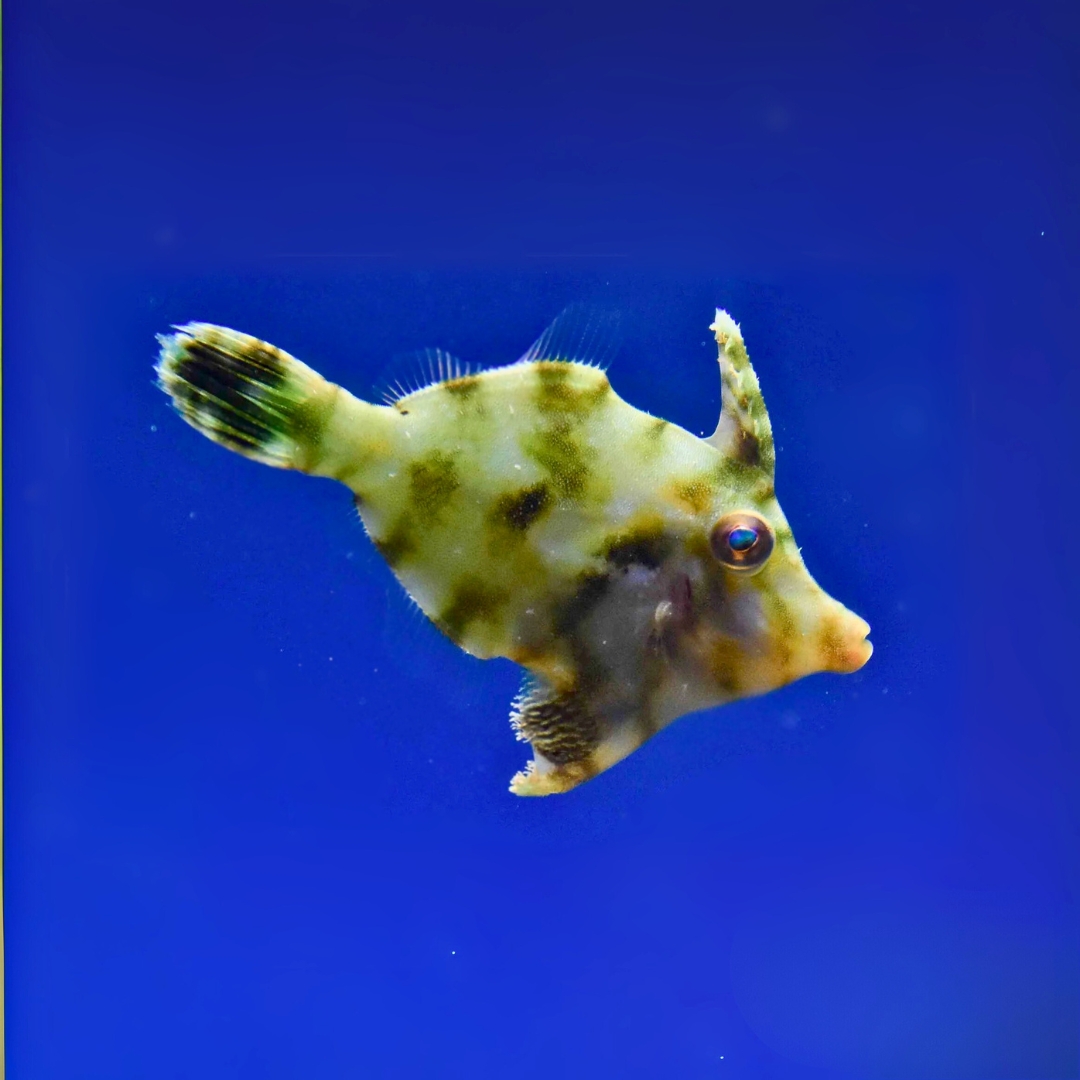
フチドリカワハギは、インド西太平洋の浅いサンゴ礁や海草藻場に暮らす小型の海水魚です。体色や模様を周囲に合わせて変える擬態能力が高く、海草や藻類の間にまぎれるように泳ぐ姿には、派手さとは別の奥深い魅力があります。マリンアクアリウムでは、厄介なセイタカイソギンチャク類、いわゆるカーリーをつついて食べることがある魚として知られます。ただし、すべての個体が必ずカーリーだけを選んで食べるわけではなく、サンゴやケヤリムシなどの無脊椎動物をつつく可能性もあるため、サンゴ水槽では「注意しながら導入する魚」と考えるのが安全です。The bristle-tail filefish is a small marine fish from shallow reefs and seagrass beds of the Indo-West Pacific. It is admired for its ability to blend into algae and seagrass by changing body color, pattern, and apparent texture. In marine aquariums it is well known because some individuals feed on pest Aiptasia anemones. However, it should not be treated as a guaranteed, risk-free solution: individuals vary, and some may nip at corals, feather duster worms, or other desirable invertebrates. It is best regarded as a useful but cautious addition to a reef aquarium.
フグ目 カワハギ科 フチドリカワハギ属Order Tetraodontiformes, family Monacanthidae, genus Acreichthys
英名 / English Name
Bristle-tail filefish, Aiptasia-eating filefish
分布 / Distribution
インド西太平洋。スリランカ周辺からインドネシア、ニューカレドニア方面にかけて、北は南日本周辺まで記録されています。浅いサンゴ礁、藻場、海草帯、瓦礫帯などに生息します。Indo-West Pacific, recorded from around Sri Lanka through Indonesia toward New Caledonia, with records north to southern Japan. It inhabits shallow reefs, weed beds, seagrass areas, and rubble zones.
最大体長 / Max Size
最大で14cm前後。水槽内でよく見られる個体は8〜12cmほどです。Up to about 14 cm; aquarium specimens are commonly around 8–12 cm.
寿命 / Lifespan
明確な長期記録は多くありませんが、安定した海水環境と継続的な給餌ができれば数年程度の飼育が期待できます。Long-term records are limited, but with stable marine conditions and consistent feeding, a lifespan of several years can be expected.
飼育環境 / Aquarium Environment
水槽サイズ / Tank Size
単独飼育でも最低60cm規格水槽、できれば90cm規格水槽以上が安心です。ライブロックの隙間を探索する性質があるため、水量だけでなく、隠れ家と採餌スペースを確保できることが大切です。A standard 60 cm tank is a practical minimum for a single specimen, while a 90 cm tank or larger is safer. The fish explores crevices and surfaces, so usable structure and feeding space are as important as water volume.
水温 / Temperature
22〜28℃の範囲で扱われますが、飼育では24〜27℃前後で安定させると管理しやすいです。急な温度変化は避けてください。It is associated with roughly 22–28°C conditions, and aquarium care is easiest when kept stable around 24–27°C. Avoid sudden temperature swings.
水質 / Water Quality
一般的なサンゴ礁水槽の海水条件が適します。比重は1.023〜1.025前後、pHは8.1〜8.4前後を目安にし、アンモニアと亜硝酸は検出されない状態を維持します。硝酸塩はできるだけ低く、少なくとも慢性的に高い状態にしないことが重要です。Standard reef-aquarium seawater conditions are suitable. Aim for a specific gravity around 1.023–1.025 and pH around 8.1–8.4, while keeping ammonia and nitrite undetectable. Nitrate should be kept as low as practical and not allowed to remain chronically high.
レイアウト / Layout
ライブロックで複雑な隙間を作り、落ち着ける隠れ家を複数用意します。海草藻場に近い環境を意識し、強すぎない中程度の水流にすると、探索行動やホバリングが見られやすくなります。Provide complex live-rock structures with several hiding places. A layout that evokes seagrass and rubble habitat, combined with moderate rather than harsh flow, encourages natural searching and hovering behavior.
注意点 / Precautions
カーリー対策を目的に導入する場合でも、導入前から代替餌への移行を考えておく必要があります。カーリーを食べ尽くした後に人工飼料や冷凍餌へ餌付かないと、痩せやすくなります。また、サンゴ水槽ではマメスナギンチャク、ディスクコーラル、LPS、ケヤリムシなどをつつく個体がいるため、導入後の観察が欠かせません。Even when introduced for Aiptasia control, plan the transition to alternative foods from the beginning. If Aiptasia are depleted and the fish does not accept prepared or frozen foods, it can lose condition. In reef tanks, some individuals may nip zoanthids, mushroom corals, LPS corals, or feather duster worms, so close observation after introduction is essential.
餌と給餌 / Feeding
餌の種類 / Diet
自然下では端脚類、多毛類、軟体動物などの小型底生生物をついばむ雑食寄りの食性です。飼育下ではカーリー、冷凍ブラインシュリンプ、イサザアミ、刻んだアサリやイカ、海苔、粒状の海水魚用人工飼料などを組み合わせます。In nature it feeds on small benthic organisms such as amphipods, polychaetes, and mollusks. In aquariums, offer Aiptasia when present, frozen brine shrimp, mysid shrimp, finely chopped clam or squid, nori, and quality marine pellets or granules.
給餌のポイント / Feeding Tips
一度に大量に与えるより、少量を1日2回程度に分けると痩せを防ぎやすくなります。カーリーだけに頼らず、入荷直後から冷凍餌や人工飼料に慣らしておくと長期飼育が安定します。痩せやすい個体では、腹部のへこみと採餌量を毎日観察してください。Small feedings twice a day are usually safer than one large feeding. Do not rely solely on Aiptasia; begin training the fish to frozen and prepared foods soon after introduction. Watch the belly profile and feeding response daily, especially in thin specimens.
性格と混泳 / Temperament and Tank Mates
性格 / Temperament
基本的には温和で、岩や底面をじっくり探索するタイプです。遊泳力で押す魚ではないため、攻撃的な魚や給餌競争が強い魚と一緒にすると、餌を取り負けることがあります。It is generally peaceful and spends much of its time carefully inspecting rockwork and surfaces. It is not a fast, forceful swimmer, so it may be outcompeted by aggressive or very active feeders.
混泳の相性 / Compatibility
クマノミ類、ハゼ類、小型テンジクダイ類、穏やかなギンポ類などとは比較的合わせやすいです。大型のモンガラカワハギ類、気の強いスズメダイ類、執拗に追う魚との混泳は避けます。同種同士は縄張り争いが起きることがあるため、十分に広い水槽でない限り単独飼育が基本です。It is usually compatible with clownfish, gobies, small cardinalfish, and peaceful blennies. Avoid large triggerfish, aggressive damselfish, and persistent bullies. Keeping more than one of the same species can lead to territorial conflict, so single-specimen keeping is the default unless the tank is very spacious.
病気と対策 / Diseases and Prevention
かかりやすい病気 / Common Diseases
海水魚の白点病、海水魚のウーディニウム病、輸送後の衰弱、痩せ、外傷からの二次感染に注意します。特定の病気だけに極端に弱い魚というより、水質変化、餌不足、いじめによるストレスで状態を崩しやすい魚です。Watch for marine ich, marine velvet, post-shipping weakness, weight loss, and secondary infections from injuries. It is not defined by one unique disease vulnerability; rather, poor water quality, starvation, and bullying are common triggers of decline.
対策と予防 / Prevention
導入時は時間をかけて水合わせし、可能であれば隔離水槽で採餌と健康状態を確認してから本水槽へ移します。アンモニアや亜硝酸が出る未熟な水槽への導入は避け、ライブロックの隙間に入ったまま出てこない、腹部がへこむ、呼吸が速いといったサインを早めに拾うことが大切です。Acclimate slowly, and when possible, use a quarantine or observation tank to confirm feeding and health before moving the fish to the display. Avoid immature systems with ammonia or nitrite. Early warning signs include hiding continuously, a sunken belly, and rapid breathing.
増やし方(繁殖) / Breeding
雌雄の判別 / Sexing
成熟した雄では尾柄部に剛毛状の小さな突起や斑状の領域が目立つことがあり、雌ではそれが弱い、または目立ちにくいとされます。体色差は個体差や環境による変化も大きいため、単独の特徴だけで断定しない方が安全です。Mature males may show a more noticeable bristly patch or textured area on the caudal peduncle, while females tend to show it weakly or not at all. Color differences can vary with mood and surroundings, so sexing should not rely on a single trait alone.
繁殖形態 / Reproduction
卵生です。底面や藻場に関連した環境で産卵するとされ、飼育下での繁殖例も報告されています。海水魚の中では人工繁殖が比較的現実的とされる種類ですが、安定した親魚管理と初期餌料の準備が必要です。It is oviparous. Spawning is associated with bottom or vegetation-linked habitats, and captive breeding has been reported. Compared with many marine fishes it is considered a more realistic candidate for captive propagation, but stable broodstock care and appropriate first foods are still necessary.
繁殖のポイント / Breeding Tips
家庭水槽で狙う場合は、状態の良いペアを広めの水槽で落ち着かせ、栄養価の高い餌を継続的に与えることが出発点です。孵化後の仔魚には、シオミズツボワムシや微小なコペポーダなど、口に合う初期餌料を絶やさない管理が重要になります。繁殖目的の場合は、観賞用水槽とは別に、稚魚育成用の小型水槽を準備するのが現実的です。For home breeding attempts, begin with a healthy pair in a calm, sufficiently spacious tank and condition them with varied, nutritious foods. Newly hatched larvae require suitably small first foods such as rotifers or tiny copepods, kept available continuously. A dedicated rearing tank is more practical than trying to raise fry in the display aquarium.
雑学と豆知識 / Trivia and Fun Facts
1. 学名に残る「手触り」の記憶 / 1. A name that hints at texture
種小名のtomentosusは、綿毛や柔らかい毛に覆われたような質感を連想させるラテン語に由来します。フチドリカワハギは、ただ色を変えるだけの魚ではありません。海草や藻類の中にいると、体表の細かな凹凸や模様まで含めて背景に溶け込むように見えます。学名は、その小さな魚が身につけた「触れられそうな擬態」の印象を、今に伝えているようです。The specific name tomentosus evokes a Latin root associated with a downy or woolly texture. This filefish is not merely a color-changing fish; among algae and seagrass it appears to merge with the background through fine patterning and texture. Its scientific name preserves the impression of a camouflage that almost seems tactile.
2. カーリー対策の頼もしさと限界 / 2. Helpful against Aiptasia, but not magic
本種がアクアリウムで有名になった理由は、セイタカイソギンチャク類、いわゆるカーリーを食べることがある点です。水槽の岩陰に増えたカーリーを、ホバリングしながら慎重につつく姿は、まさに小型カワハギらしい精密な摂食行動です。一方で、相手は生き物です。個体によって好みがあり、カーリーより冷凍餌を選ぶことも、反対にサンゴやケヤリムシをつつくこともあります。だからこそ、本種は「万能の駆除剤」ではなく、観察と給餌管理を前提に活躍してもらうパートナーと考えるのがよいでしょう。This species became famous in aquariums because some individuals eat pest Aiptasia anemones. Watching it hover and pick carefully at an anemone tucked into rockwork shows the precision typical of small filefishes. Yet it is still an animal with individual preferences. Some may prefer frozen foods, while others may nip corals or feather duster worms. It is best seen not as a universal pest remover, but as a living partner whose usefulness depends on observation and feeding management.
3. 「エサ取り名人」とカワハギの小さな口 / 3. The tiny mouth of a master picker
カワハギの仲間は、釣りの世界で「エサ取り名人」と呼ばれることがあります。小さな口と硬い歯で、餌を少しずつ削るように取るため、釣り人にアタリが伝わりにくいのです。フチドリカワハギが水槽内で岩肌やライブロックを丹念につつく行動も、この仲間らしい食べ方の延長にあります。カーリーを食べる魚としてだけ見ると見落としがちですが、実は「小さなものを見つけ、選び、ついばむ」ことに特化した、とても繊細な探索者なのです。Filefishes are sometimes called master bait stealers by anglers. With a small mouth and firm teeth, they can shave off tiny pieces of food without giving a clear signal on the line. The same style appears in aquariums when the bristle-tail filefish methodically picks at live rock. It is more than an Aiptasia eater: it is a careful micro-forager specialized for finding, choosing, and nibbling small targets.
まとめ / Conclusion
フチドリカワハギは、擬態能力、独特の探索行動、カーリーを食べることがある性質によって、マリンアクアリウムで強い存在感を持つ小型カワハギです。派手な色彩で主役になる魚ではありませんが、海草藻場にまぎれるような姿や、岩肌を丁寧につつく行動を観察すると、サンゴ礁周辺の小さな生態系を感じさせてくれます。The bristle-tail filefish is a small filefish with a strong presence in marine aquariums thanks to its camouflage, careful foraging behavior, and tendency in some individuals to eat Aiptasia. It is not a flashy centerpiece fish, but its seagrass-like disguise and deliberate picking behavior reveal the subtle ecology of shallow reef habitats.
飼育の鍵は、カーリー対策だけに期待しすぎないことです。安定した海水環境、隠れ家のあるレイアウト、早めの餌付け、サンゴへの影響の観察を組み合わせることで、この魚の魅力を長く楽しめます。カーリー退治の「道具」ではなく、個性を持った一匹の海水魚として向き合うことが、フチドリカワハギ飼育のいちばん大切なポイントです。The key is not to rely on it only as an Aiptasia-control tool. Stable seawater, a structure-rich layout, early food training, and careful observation around corals will make long-term success much more likely. Treating it not as a tool, but as an individual marine fish with its own preferences, is the most important principle of keeping this species well.
Hutchins, J. B. 2001. Monacanthidae. Filefishes (leatherjackets). In: Carpenter, K. E. and Niem, V. H. (eds.), FAO Species Identification Guide for Fishery Purposes. The Living Marine Resources of the Western Central Pacific, Vol. 6. カワハギ科魚類の形態、識別、自然分布、浅海性の生息環境に関する基礎資料として使用。 https://www.fao.org/4/y0870e/y0870e00.htm
Masuda, H., Amaoka, K., Araga, C., Uyeno, T. and Yoshino, T. 1984. The Fishes of the Japanese Archipelago. Tokai University Press. 日本周辺を含む魚類相、和名・分布・形態情報の確認に使用。FishBaseでも本種ページの主要参考文献として採用されています。
Gumanao, G. S., Bos, A. R. and Randall, J. E. 2018. Seagrass Filefish, Acreichthys tomentosus (Linnaeus), a master of camouflage. Journal of the Ocean Science Foundation. 海草藻場での生息、擬態能力、体色・質感変化、自然下の観察情報を支える資料として使用。
Bönig, I. 2008. Erstmals gezüchtet: Der Seegrasfeilenfisch. Der MeerwasserAquarianer, 2/2008. 飼育下繁殖、産卵・孵化、仔魚育成、初期餌料に関する専門誌資料として使用。
Wittenrich, M. L. 2007. The Complete Illustrated Breeder’s Guide to Marine Aquarium Fishes. T.F.H. Publications. 海水魚の繁殖管理、仔稚魚の初期餌料、人工繁殖の考え方を補強する資料として使用。
Francis-Floyd, R. and Floyd, M. R. 2011. Amyloodinium ocellatum, an Important Parasite of Cultured Marine Fish. Southern Regional Aquaculture Center. 海水魚のウーディニウム病、導入時の検疫、急性寄生虫症への注意点を補強する資料として使用。 https://srac.tamu.edu/fact-sheets/serve/180
Colorni, A. and Burgess, P. 1997. Cryptocaryon irritans Brown 1951, the cause of “white spot disease” in marine fish: an update. Aquarium Sciences and Conservation, 1, 217–238. 海水魚の白点病、導入直後のストレス管理、隔離・観察の必要性を補強する資料として使用。 https://doi.org/10.1023/A:1018360323287



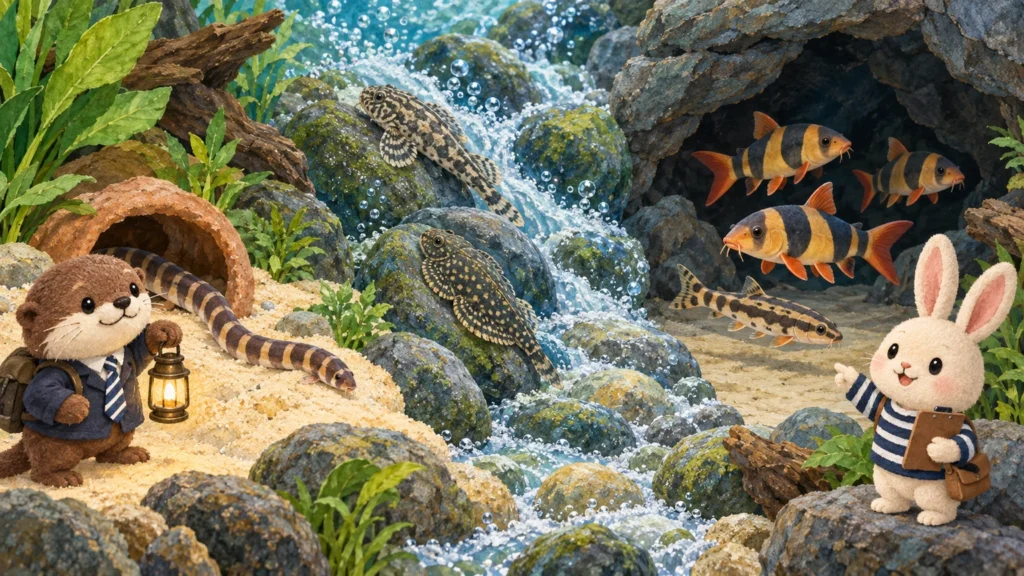 アイのアクアグッズ案内ローチの仲間に合わせる飼育用品|クーリー・流水性・ボーシャの水槽と底砂道具の特徴や使い方、選ぶときのポイントをアイが紹介します。記事はコチラ →
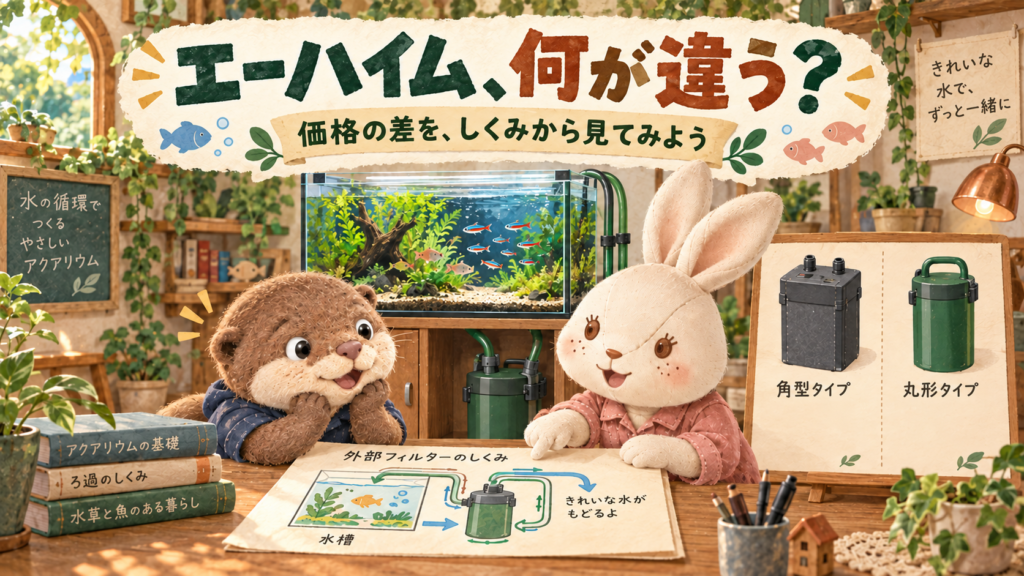 アイのアクアグッズ案内エーハイム、安いのと高いのは何が違う? コタロウと見比べる外部フィルター道具の特徴や使い方、選ぶときのポイントをアイが紹介します。記事はコチラ →
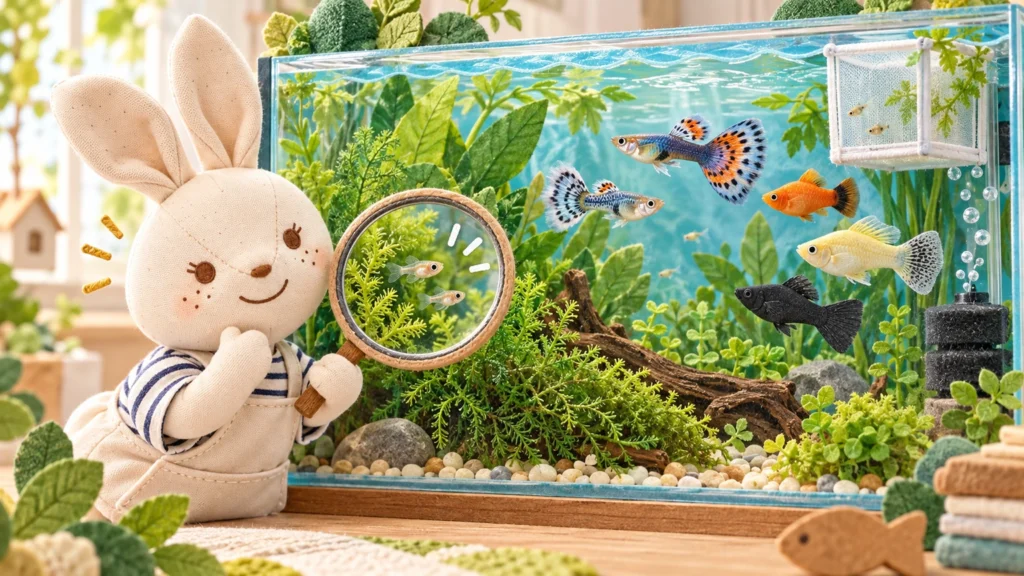 アイのアクアグッズ案内グッピー・プラティ・モーリーを親子で楽しむ飼育用品|水槽・稚魚保護・ろ過・餌・水草道具の特徴や使い方、選ぶときのポイントをアイが紹介します。記事はコチラ →
 アイのアクアグッズ案内水槽用浄水器の選び方|水換えを楽にするタイプとROの違い道具の特徴や使い方、選ぶときのポイントをアイが紹介します。記事はコチラ →



コメント