
解説 / Description
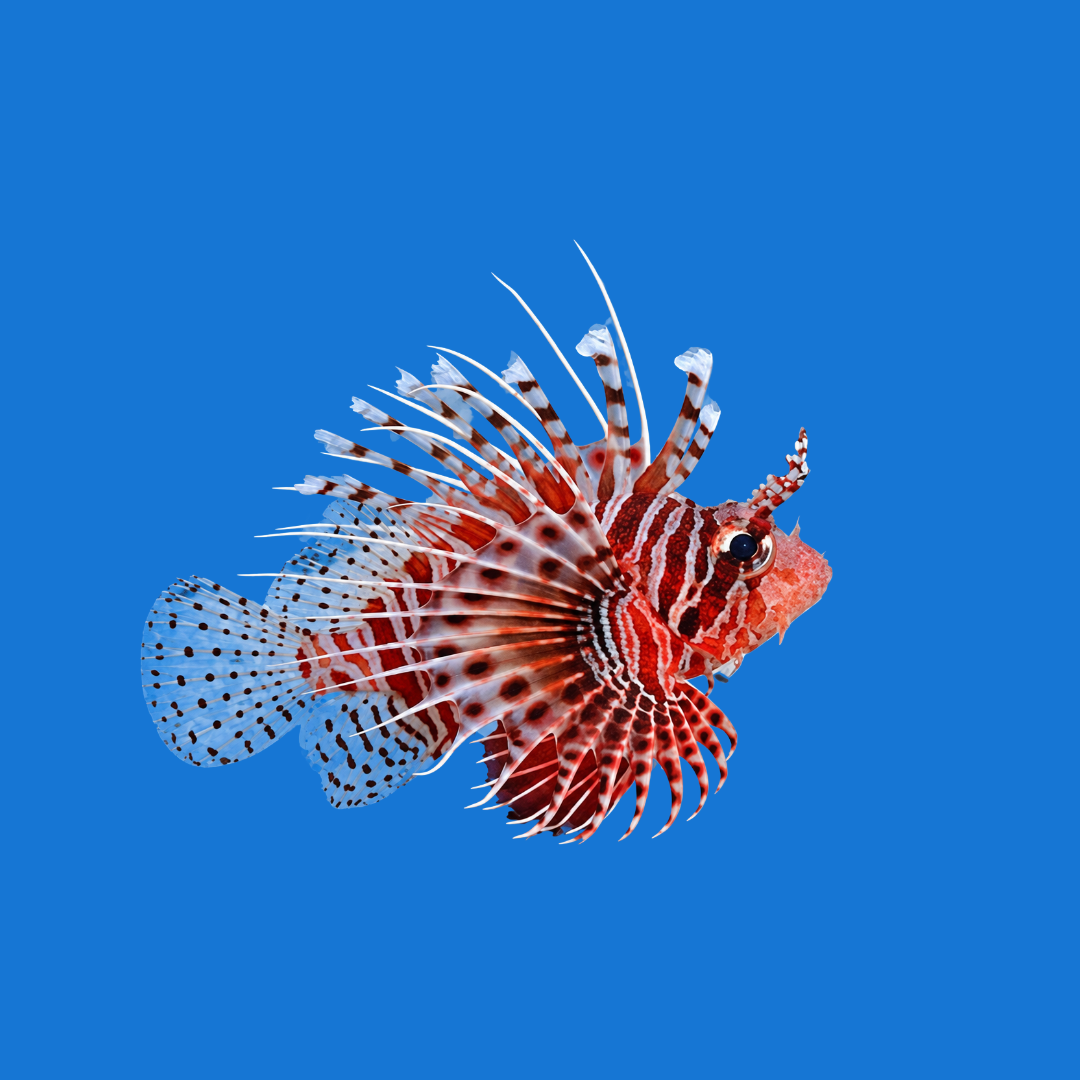
フリルフィンターキーは、赤褐色と白を基調とした縞模様に、飾りのように広がる胸びれを備えたミノカサゴの仲間です。胸びれには暗色の斑点が並び、ひれの膜から伸び出した細長い軟条が、繊細な印象を与えます。インド洋の岩礁周辺や、砂泥底に岩や海綿などが点在する環境に暮らし、小魚や甲殻類を捕食します。普段は落ち着いた動きを見せますが、餌を狙うときには肉食魚らしい一面が現れます。飼育では、十分なろ過能力、落ち着ける隠れ家、冷凍餌への餌付けが大切です。また、背びれなどの棘には毒があるため、観賞と作業のどちらにも適切な距離が欠かせません。流通名だけでは近縁種と区別できない場合があり、学名や採集地域も確認して迎えたい魚です。 The frillfin turkeyfish is a lionfish with reddish-brown and white bands and ornamental pectoral fins. Dark blotches decorate the fins, while elongated rays extending beyond the membranes give them a delicate appearance. It inhabits Indian Ocean reef surroundings and sandy or muddy areas scattered with rocks, sponges, and other cover, feeding on small fishes and crustaceans. Usually slow-moving, it reveals its predatory nature when food appears. Successful care depends on effective filtration, sheltered resting places, and patient conversion to frozen foods. Its dorsal and certain other fin spines are venomous, so a safe working distance is essential. Because the trade name may also be applied to similar species, checking the scientific name and collection locality is helpful before purchase.
基本情報 / Basic Information
| 学名 / Scientific Name | Pteropterus mombasae |
|---|---|
| 通称 / Common Name | フリルフィンターキー。旧来の学名である Pterois mombasae が使われることもあります。ミズヒキミノカサゴという標準和名は、別種の Pteropterus paucispinula を指します。Frillfin turkeyfish, Mombasa lionfish. The former combination Pterois mombasae remains in use. The Japanese standard name Mizuhiki-minokasago refers to the separate species Pteropterus paucispinula. |
| 分類 / Family | フサカサゴ科・キミオコゼ属。ミノカサゴ類に含まれます。Family Scorpaenidae, genus Pteropterus; a member of the lionfish group. |
| 英名 / English Name | Frillfin turkeyfish, Mombasa lionfish, African lionfish |
| 分布 / Distribution | 東アフリカ沿岸からアンダマン海にかけてのインド洋。かつて同種とされた日本周辺など西太平洋の個体群は、ミズヒキミノカサゴとして区別されています。The Indian Ocean, from the east coast of Africa to the Andaman Sea. Western Pacific populations, including those around Japan, formerly assigned to this species are now distinguished as Pteropterus paucispinula. |
| 最大体長 / Max Size | 標準体長で約20cm。標準体長は吻端から尾びれの付け根までの長さで、尾びれを含む全長とは異なります。水槽選びでは、左右に広げる胸びれの幅にも余裕を持たせます。Approximately 20 cm in standard length, measured from the snout to the base of the tail fin. This differs from total length, which includes the tail. Aquarium planning must also allow room for the spread of the pectoral fins. |
| 寿命 / Lifespan | 本種と確実に同定された個体について、飼育下の寿命を判断できる情報は限られています。特定の年数を保証できる魚ではありませんが、長期飼育を前提に、成魚用の設備と継続的な給餌環境を整えて迎えましょう。Reliable captive lifespan information for positively identified individuals is limited. A specific lifespan cannot be guaranteed; provide adult-sized facilities and a sustainable feeding routine with long-term care in mind. |
飼育環境 / Aquarium Environment
| 水槽サイズ / Tank Size | 単独飼育では90cm規格水槽(幅90×奥行45×高さ45cm、満水時の計算容量約182L)以上を出発点とし、成魚には奥行きのある90cmワイド水槽(例:90×60×45cm、同約243L)が扱いやすい選択です。混泳する場合は120cm水槽(例:120×60×60cm、同約432L)以上を検討します。実際の水量は底砂や岩、水位によって少なくなります。幅だけで判断せず、胸びれを広げて無理なく向きを変えられる空間を確保してください。For a single fish, use a Japanese standard 90 cm aquarium measuring 90 × 45 × 45 cm, approximately 182 L gross, as a starting point. A deeper 90 cm wide-format aquarium, such as 90 × 60 × 45 cm at approximately 243 L gross, offers more practical room for an adult. For mixed stocking, consider a 120 cm aquarium, such as 120 × 60 × 60 cm at approximately 432 L gross, or larger. Actual water volume is lower after allowing for substrate, rocks, and water level. Provide enough unobstructed space for the fish to turn with its fins extended. |
|---|---|
| 水温 / Temperature | 飼育上の目安は22〜26℃。まずは24〜25℃前後で安定させ、急な上下や夏場の高温を避けます。深い場所にも暮らす魚ですが、そのことだけを理由に低水温へ変更する必要はありません。 A practical maintenance range is 22–26°C, with a stable temperature around 24–25°C as a starting point. Avoid abrupt changes and summer overheating. Its occurrence in deeper habitats does not by itself justify keeping it in cold water. |
| 水質 / Water Quality | 十分に立ち上がった海水水槽を用い、塩分濃度は33〜35‰程度、比重では25℃付近でおおむね1.024〜1.026、pHは8.1〜8.4を管理の目安にします。アンモニアと亜硝酸は検出されない状態を保ち、硝酸塩の蓄積も抑えましょう。肉食魚の排泄に対応できる生物ろ過と、適切な能力のプロテインスキマーが役立ちます。換水は1〜2週間ごとに10〜20%程度から始め、測定値と給餌量に合わせて調整します。蒸発分の補充には海水ではなく淡水を使い、塩分の上昇を防ぎます。Use a fully cycled marine aquarium. Practical targets are salinity around 33–35 ppt, approximately 1.024–1.026 specific gravity near 25°C, and pH 8.1–8.4. Keep ammonia and nitrite undetectable and limit nitrate accumulation. Biological filtration suitable for a predatory fish and an appropriately sized protein skimmer are helpful. Begin with water changes of roughly 10–20% every one to two weeks, adjusting to test results and feeding load. Replace evaporated water with freshwater rather than saltwater. |
| レイアウト / Layout | ライブロックなどを安定して組み、体を擦らずに入れる広い洞窟や張り出しを設けます。岩を詰め込みすぎず、前面には給餌と方向転換に使える空間を残しましょう。照明は控えめから始め、明るい水槽でも十分な陰を確保します。水流は弱め〜中程度を目安とし、休息場所へ強い流れを直接当てないようにします。Secure rocks firmly and provide broad caves or overhangs that the fish can enter without scraping its body. Leave open space at the front for feeding and turning. Start with subdued lighting and retain well-shaded areas in brighter aquariums. Use gentle to moderate circulation without directing a strong jet at its resting places. |
| 注意点 / Precautions | 背びれ・腹びれ・尻びれの棘には毒があります。清掃前に魚の位置を確認し、長柄の器具を使いましょう。移動には十分な大きさの硬い容器を用い、手や薄い袋を棘へ近づけないようにします。網はひれが絡みやすく、手袋を着けても刺傷を完全には防げません。死んだ個体も素手で扱わないでください。刺された場合は作業を中止し、傷を清潔な流水で洗って速やかに医療機関へ相談します。傷口を切る、吸う、強く絞る、深く刺さった棘を無理に抜く処置は避けてください。温湯に浸す処置は痛みを和らげることがありますが、45℃を超えない範囲で温度を確認し、やけどを防ぎ、受診を遅らせないことが大切です。息苦しさや意識の異常があれば119番へ連絡してください。The dorsal, pelvic, and anal spines are venomous. Locate the fish before maintenance and use long-handled tools. Transfer it in a suitably large rigid container, keeping hands and thin bags away from the spines. Nets can entangle the fins, and gloves do not eliminate puncture risk. Do not handle dead specimens with bare hands. If stung, stop work, rinse the wound with clean running water, and seek prompt medical advice. Do not cut, suck, or forcefully squeeze the wound or dig out deeply embedded spines. Warm-water immersion may relieve pain, but check the temperature, keep it at or below 45°C, prevent burns, and do not delay medical care. Breathing difficulty or altered consciousness requires emergency assistance; call 119 in Japan. |
餌と給餌 / Feeding
| 餌の種類 / Diet | 肉食性で、小魚やエビなどの甲殻類を食べます。飼育下では、口に合う大きさの海産魚、エビ、イカなどを組み合わせ、十分に解凍して与えます。幼魚には小さなエビやイサザアミなどが使えますが、成長に合わせて餌の大きさを調整してください。導入直後に冷凍餌を食べない個体には、状態のよい海水性の小型エビなどを利用して摂餌を促します。金魚などの淡水魚や、特定の冷凍餌だけに頼る給餌は避けましょう。人工飼料に慣れる個体もいますが、必ず食べるとは限りません。A carnivore that eats small fishes and crustaceans. Offer a varied selection of suitably sized marine fish, shrimp, and squid, fully thawed before feeding. Juveniles may take small shrimp or mysids, with food size adjusted as they grow. Healthy live marine shrimp can encourage feeding in newly acquired individuals that refuse frozen food. Avoid relying on freshwater feeder fish such as goldfish or on a single frozen food. Some individuals accept prepared diets, but acceptance is not guaranteed. |
|---|---|
| 給餌のポイント / Feeding Tips | 導入時は照明を落とし、落ち着ける場所の近くで少量から与えます。活餌を食べるようになったら、先端の鋭くない給餌器具で解凍餌を軽く動かし、少しずつ慣らしましょう。口元へ押し付けたり、食べさせるために長期間絶食させたりする必要はありません。成魚は週2〜3回程度を出発点に、体形、腹部の戻り方、餌の大きさを見て調整します。成長中の幼魚には、より少量をこまめに与えます。腹部が大きく張るまで食べさせず、残餌は回収してください。混泳水槽では、ほかの魚に餌を奪われず実際に飲み込めているか確認します。Initially dim the lighting and offer small portions near a secure resting place. Once the fish feeds reliably on live prey, gently move thawed food with a blunt feeding tool to encourage acceptance. Do not press food against its mouth or use prolonged starvation to force a transition. For adults, start with approximately two or three feedings per week and adjust according to body condition, digestion, and portion size. Growing juveniles need smaller, more frequent meals. Avoid feeding until the abdomen becomes greatly distended, remove leftovers, and check that tank mates are not taking all the food. |
性格と混泳 / Temperament and Tank Mates
| 性格 / Temperament | 普段は物陰や底付近で落ち着いて過ごし、活発にほかの魚を追い回すタイプではありません。ただし、口に入る生体は捕食対象になります。おとなしい動きと、小魚に対する安全性は別に考えましょう。同種同士でも個体差や空間不足による争いが起こり得るため、初めて迎える場合は単独飼育が管理しやすい方法です。Usually calm, it spends much of its time near shelter or the bottom rather than actively chasing other fish. However, any animal it can swallow may become prey. A quiet disposition does not make it safe with small fishes. Conspecifics may also conflict, particularly when space is limited, so keeping one specimen is the more manageable starting point. |
|---|---|
| 混泳の相性 / Compatibility | 候補になるのは、成長後も互いを飲み込めず、本種のひれをかじらない穏やかな中〜大型魚です。体長だけでなく体高や口の大きさ、給餌時の勢いも確認します。小型のハゼ、テンジクダイ、スズメダイ、観賞用エビ、小型のカニなどとの混泳は避けてください。大型ヤッコやモンガラカワハギ、フグ類などにはひれを傷つけられる場合があり、大型のハタ類には本種が捕食される可能性もあります。サンゴを積極的に食べる魚ではありませんが、接触や排泄による負担があるため、サンゴ水槽への適性は設備と組み合わせ次第です。Potential companions are peaceful medium to large fishes that cannot swallow it, cannot be swallowed by it as adults, and will not nip its fins. Assess body depth, mouth size, and feeding behavior as well as length. Avoid small gobies, cardinalfishes, damselfishes, ornamental shrimp, and small crabs. Large angelfishes, triggerfishes, and puffers may damage its fins, while large groupers may eat it. It does not normally feed on corals, but physical contact and waste production mean suitability for a coral aquarium depends on the setup and stocking. |
病気と対策 / Diseases and Prevention
| かかりやすい病気 / Common Diseases | 本種特有の病気に関する情報は限られていますが、ほかの海水魚と同様に白点病やウーディニウム病などの寄生虫感染、外傷に伴う細菌感染に注意が必要です。また、餌付けの不調や偏った餌による栄養不足、水質悪化による呼吸の異常も見逃せません。白い点が見えなくても、速い呼吸、体を擦る動作、食欲低下、ひれを閉じた状態が続くときは、体調不良を疑います。Information on species-specific disease susceptibility is limited. As with other marine fishes, watch for marine ich, velvet, and bacterial infections associated with injuries. Failure to feed, nutritional imbalance, and respiratory distress from poor water quality are also concerns. Rapid breathing, rubbing, loss of appetite, or persistently clamped fins may indicate illness even when no white spots are visible. |
|---|---|
| 対策と予防 / Prevention | 新しく迎える個体は、可能であれば十分に立ち上げた別水槽で検疫し、呼吸、体表、摂餌を観察してから合流させます。普段から水温、塩分、アンモニアなどを測定し、食べ残しと過密を避けましょう。異常があれば、まず水質と酸素供給を確認します。薬浴は原因に合った方法を選び、海水魚に詳しい獣医師や専門店へ相談してください。銅を含む薬などをサンゴや甲殻類のいる水槽へ安易に投入せず、隔離設備で製品の適用条件と濃度を守って扱います。見た目だけで薬を重ねて使用しないことも大切です。Where possible, quarantine new arrivals in a fully cycled separate aquarium and observe breathing, skin condition, and feeding before introduction. Monitor temperature, salinity, ammonia, and other relevant parameters, and avoid excess food and crowding. Check water quality and oxygenation first when problems arise. Choose treatment according to the cause, with advice from a veterinarian experienced in aquatic animals or a knowledgeable specialist. Do not casually add copper medications or similar treatments to aquariums containing corals or crustaceans. Use suitable isolation facilities, follow product conditions and concentrations, and avoid combining medications based only on appearance. |
増やし方(繁殖) / Breeding
| 雌雄の判別 / Sexing | 外見だけで確実に雌雄を判別する方法は、一般的な飼育向けには十分に確立されていません。体の大きさやひれの長さだけで断定せず、成熟状態や繁殖行動を含めて慎重に判断する必要があります。A reliable method for sexing this species by external appearance is not well established for ordinary aquarium use. Size or fin length alone should not be treated as conclusive; maturity and reproductive behavior also need consideration. |
|---|---|
| 繁殖形態 / Reproduction | 卵生です。ミノカサゴ類には、浮遊するゼラチン質の卵塊を放出し、水中で受精するものが知られています。ただし、本種については産卵行動や卵・仔魚の発育条件に関する情報が限られ、近縁種の繁殖条件をそのまま当てはめることはできません。Oviparous. Some lionfishes release floating gelatinous egg masses that are fertilized in the water. However, detailed information on spawning behavior and egg and larval development in this particular species is limited, so conditions established for relatives should not automatically be applied to it. |
| 繁殖のポイント / Breeding Tips | 家庭水槽で再現できる標準的な繁殖方法は確立されておらず、難易度は高いと考えられます。取り組む場合は、種の同定、成熟した個体の確保、争いを避けられる十分な空間が前提です。産卵に至っても、卵や仔魚の回収設備と、口の大きさに合う微小な生き餌の安定供給が別に必要になります。繁殖を急いで複数個体を詰め込むより、まずは各個体の長期的な健康維持を優先しましょう。No standardized home-aquarium breeding method is established, and successful propagation is likely to be difficult. Attempts require correct identification, mature fish, and ample room to avoid aggression. Even if spawning occurs, separate facilities for collecting and rearing eggs and larvae, along with a reliable supply of appropriately sized live foods, are needed. Prioritize the long-term health of each fish rather than crowding several individuals together to encourage spawning. |
雑学と豆知識 / Trivia and Fun Facts
| 1. 学名に残るモンバサの海 / 1. Mombasa Preserved in a Name | 種小名の mombasae は、東アフリカのケニアにある港町モンバサに由来します。1957年、魚類学者J. L. B. スミスがモンバサ沖の個体をもとに記載したことが、この名前の背景にあります。水槽で目にする一匹の学名には、その魚が科学の世界で認識された場所の記憶も刻まれているのです。一方、英名の「ターキーフィッシュ」は七面鳥を思わせる呼び方で、広がる胸びれの姿と重ねると親しみやすく感じられます。The specific name mombasae refers to Mombasa, the Kenyan port on Africa’s east coast. Ichthyologist J. L. B. Smith described the species in 1957 from material collected off Mombasa. Its scientific name therefore preserves a connection to the place where it entered the scientific record. The common name “turkeyfish” evokes a different image: the broad display of its fins can bring the spread feathers of a turkey to mind. |
|---|---|
| 2. 新しい属名は、かつての名前でもある / 2. A New Combination with an Old History | 長く Pterois mombasae と呼ばれてきた本種は、2023年の分子・形態データを組み合わせた分類研究で、再び有効とされた Pteropterus 属へ移されました。興味深いことに、1957年の記載時にも使われていた属名は Pteropterus です。つまり現在の学名は、まったく新しい名前になったというより、系統関係の見直しを経て、当初の組み合わせへ戻ったものです。古い飼育情報に異なる属名が登場するのも、この研究の積み重ねによるものです。Long known as Pterois mombasae, this fish was reassigned to the revalidated genus Pteropterus following a 2023 study combining molecular and morphological evidence. Interestingly, Pteropterus was also the genus used when the species was described in 1957. Its current name therefore restores the original combination after a reassessment of evolutionary relationships. Different generic names in older aquarium information reflect this changing taxonomic history. |
| 3. よく似た魚を分けた、小さな鱗の違い / 3. Small Scales Revealed a Separate Species | 西太平洋に暮らすミズヒキミノカサゴは、かつて本種と同じ魚だと考えられていました。しかし、詳しい比較によって鱗の縁にある小さな棘や体の各部の比率などに違いが認められ、別種として区別されるようになりました。ミズヒキミノカサゴの種小名 paucispinula には「少ない小棘」という意味が込められています。華やかなひれや縞模様が似ていても、分類の手がかりは目立たない部分に隠れているのです。観賞魚としての流通名が共通する場合もあるため、名前や写真だけで決めつけず、採集地と細部の特徴を合わせて確かめることが大切です。輸出国と採集国が同じとは限らない点にも気を配りたいところです。The western Pacific species Pteropterus paucispinula was once considered the same fish. Detailed comparisons revealed differences in the tiny spines on its scales and in body proportions, leading to recognition as a separate species. Its specific name, paucispinula, refers to “few small spines.” Even when elaborate fins and bands look similar, the clues to species identity can lie in inconspicuous details. Shared trade names make it useful to examine collection locality together with diagnostic features. The country of export is not necessarily the country of collection. |
| 4. 優雅な胸びれと、一瞬の吸い込み / 4. Graceful Fins and a Sudden Strike | ゆっくりと胸びれを広げる姿からは想像しにくいものの、ミノカサゴ類は小さな獲物を素早く取り込む捕食者です。獲物へ近づく際には大きな胸びれが逃げ道を狭めるように働き、最後は口を急に開いて周囲の水ごと吸い込みます。水槽では、餌を見つけてから体の向きを変え、少しずつ距離を詰める様子も観察の楽しみになります。その一方で、飼育者が「大きすぎて食べられないだろう」と感じた小魚でも飲み込まれることがあるため、混泳相手は見かけの口の小ささで判断しないようにしましょう。Despite their slow, graceful movements, lionfishes are capable predators. Their broad pectoral fins can help restrict a prey animal’s escape route as they approach, followed by a rapid opening of the mouth that draws in both water and prey. Watching a fish turn toward food and gradually close the distance can be fascinating. The same ability also explains why a companion that appears too large for its resting mouth may still be swallowed: compatibility should never be judged from the closed mouth alone. |
| 5. 胸びれの飾りと、身を守る毒棘 / 5. Ornamental Fins and Defensive Spines | 目を引く胸びれの長い軟条と、毒を備えた棘は同じものではありません。注意が必要なのは背びれ、腹びれ、尻びれの棘で、接触によって刺さると強い痛みを引き起こします。毒は獲物へ注入して捕らえるためというより、外敵への防御に用いられます。穏やかに見える個体でも、追い詰めたり手を近づけたりすれば事故につながり得ます。魚の位置を確かめ、器具を介して世話をする習慣は、この美しい姿を安心して見守るための大切な飼育技術です。The conspicuous soft rays of the pectoral fins are different from the venom-bearing spines. The dorsal, pelvic, and anal spines can cause a painful injury when they puncture skin. Venom primarily serves defense rather than being injected into prey during feeding. Even a calm individual can cause an accident if cornered or approached by a hand. Locating the fish and working with suitable tools are practical husbandry skills that help keep its care safe. |
| 6. 近縁種の外来化から考える、最後まで飼う責任 / 6. A Lesson from Invasive Relatives | 大西洋西部などで外来魚として問題になっているミノカサゴ類は、主にハナミノカサゴと Pterois miles で、フリルフィンターキーと同じ種ではありません。近縁だからといって、それらの繁殖力や環境への適応性をそのまま本種に当てはめることはできませんが、観賞魚を自然へ放すことの影響を考えるきっかけにはなります。見慣れた水槽の魚も、移された海では在来の生き物と新しい関係を持つことになります。飼い続けられなくなったときは販売店などへ相談し、海や河川へ放さず、引き継げる飼育先を探しましょう。The lionfishes causing major invasive-species problems in the western Atlantic are principally Pterois volitans and Pterois miles, not the frillfin turkeyfish. Their reproductive output and environmental tolerance should not automatically be attributed to this species. Their history nevertheless illustrates the consequences of releasing aquarium animals. A familiar aquarium fish may establish new interactions with native wildlife when moved into the sea. If continued care becomes impossible, consult the retailer or another suitable keeper and arrange a responsible transfer rather than releasing it. |
まとめ / Conclusion
フリルフィンターキーの魅力は、飾りのような胸びれと落ち着いた縞模様、そして静かな動きの奥にある捕食者としての姿です。ゆとりのある水槽に隠れ家と開けた空間を用意し、安定した海水と偏りのない餌を保つことで、その魚らしい振る舞いを見守りやすくなります。 The frillfin turkeyfish combines ornamental fins and understated bands with the quiet presence of a predator. A spacious aquarium with both shelter and open areas, stable seawater conditions, and a varied diet provides a sound basis for observing its natural behavior.
迎える前に種類と摂餌状態を確かめ、日々の世話では毒棘に触れない距離を守りましょう。急いで慣らそうとせず、一匹ごとの食欲や休み方を丁寧に見ていくことが、長く付き合うための支えになります。岩陰からそっと現れ、胸びれをゆるやかに広げる姿は、水槽に落ち着いた存在感を添えてくれます。 Confirm its identity and feeding response before bringing it home, and maintain a safe distance from the venomous spines during care. Patient attention to the individual’s appetite and resting behavior supports a lasting relationship. As it emerges from a shaded retreat and slowly spreads its fins, it brings a distinctive, tranquil presence to the aquarium.
気になる道具や飼い方を見つけてみませんか?
 アイのアクアグッズ案内ショップで見かけるカラフルなバケツ。いったい何が入ってる?道具の特徴や使い方、選ぶときのポイントをアイが紹介します。記事はコチラ →
 アイのアクアグッズ案内海水魚の底砂の選び方|サンゴ砂・ライブサンドとおすすめ商品道具の特徴や使い方、選ぶときのポイントをアイが紹介します。記事はコチラ →
さまざまな飼育テーマをご紹介。リンク先の記事には広告・商品紹介が含まれます。
案内・紹介記事一覧へ →分布マップ
フリルフィンターキー(Pteropterus mombasae)は、東アフリカ沿岸からアンダマン海にかけてのインド洋に分布します。かつて同種とされた日本周辺など西太平洋の個体群は、別種のミズヒキミノカサゴとして区別されています。
この地図は分布地域全体を見渡すための概略表示であり、正確な分布境界や、表示範囲内のすべての海域での生息を示すものではありません。マーカーはインド洋の代表地点として便宜的に設定した位置で、実際の採集地点や生息確認地点ではありません。Google Earthのリンクも同じ代表地点を示します。
参考文献
- Chou, T.-K., Liu, M.-Y. & Liao, T.-Y.(2023). Systematics of lionfishes (Scorpaenidae: Pteroini) using molecular and morphological data. Frontiers in Marine Science, 10: 1109655. 分類:分子・形態データに基づくミノカサゴ類の系統関係と、Pteropterus属の再有効化。
- Matsunuma, M. & Motomura, H.(2015;オンライン公開2014年). Pterois paucispinula, a new species of lionfish (Scorpaenidae: Pteroinae) from the western Pacific Ocean. Ichthyological Research, 62: 327–346. 分類・分布:ミズヒキミノカサゴとの識別形質と、P. mombasaeの東アフリカ沿岸からアンダマン海にかけての分布。
- FishBase. Pteropterus mombasae — Frillfin turkeyfish. 種情報・生息環境:学名、体長、生息水深、底質と隠れ場所に関する情報。
- Merck Veterinary Manual. Routine Health Care of Fish. 飼育管理の一般原則:水質測定、換水、ろ過設備の管理、残餌除去、検疫と日常の健康観察。
- Merck Veterinary Manual. Nutritional Diseases of Fish. 給餌・栄養管理の一般原則:餌の多様性、摂餌に適した大きさ、肉食魚の給餌間隔、栄養不良と餌の保存。
- Morris, J. A., Jr., Sullivan, C. V. & Govoni, J. J.(2011). Oogenesis and spawn formation in the invasive lionfish, Pterois miles and Pterois volitans. Scientia Marina, 75(1): 147–154. 近縁種の繁殖生物学:P. milesとP. volitansにおける卵形成と、粘液に包まれた浮遊卵塊の形成。
- University of Florida, IFAS Extension. Cryptocaryon irritans Infections (Marine White Spot Disease) in Fish. FA164. 病気と予防:海水白点病の生活環、症状、診断、検疫と治療管理。
- University of Florida, IFAS Extension. Use of Copper in Marine Aquaculture and Aquarium Systems. FA165. 薬浴時の注意:白点病・ウーディニウム病に対する銅の作用、濃度管理、無脊椎動物や水槽環境への影響。
- Divers Alert Network. Hazardous Marine Life Injuries — Chapter 1: Envenomations(Lionfish). 毒棘と刺傷対策:ミノカサゴ類による刺傷、温湯処置時の温度管理、やけどの予防と医療機関での評価。
コメント