

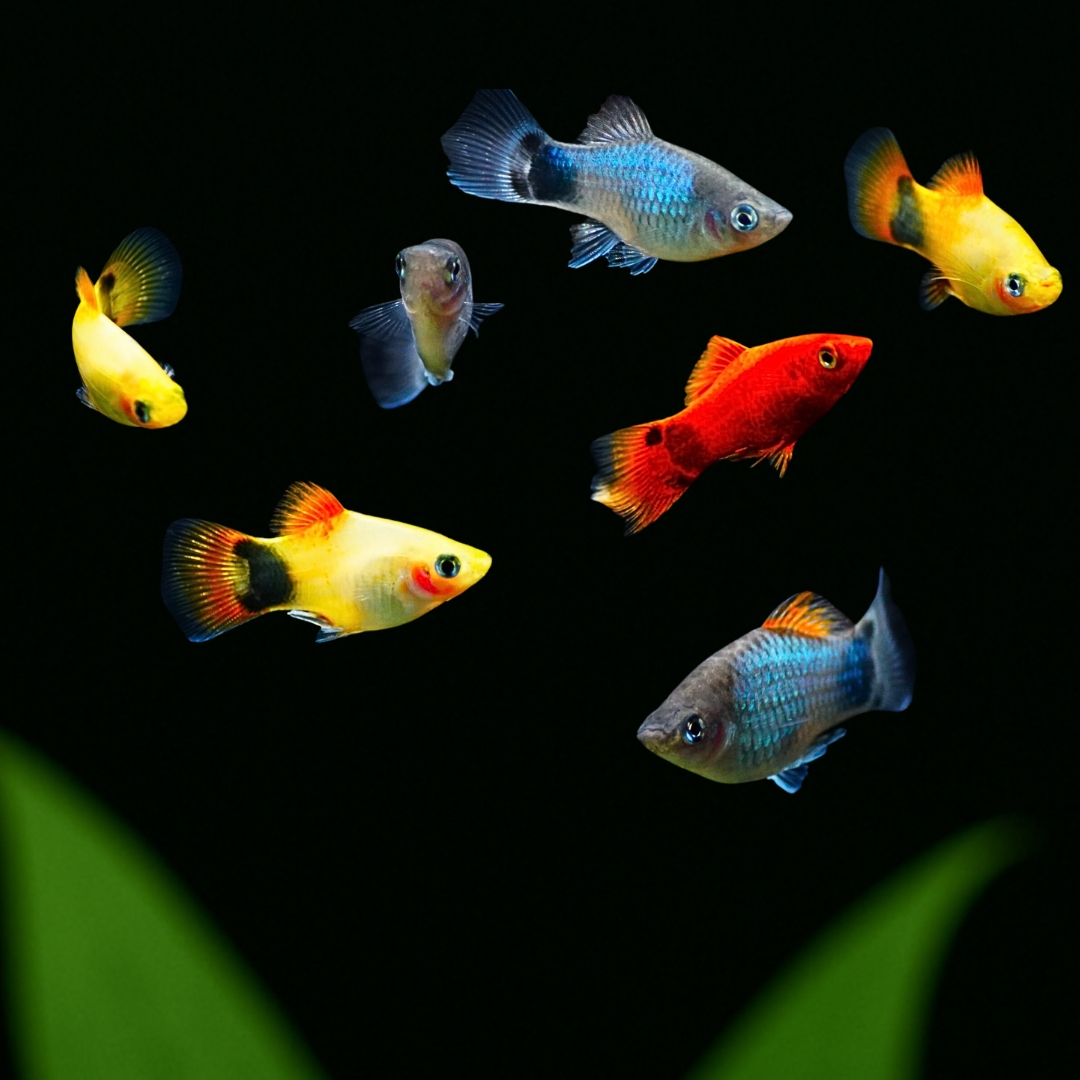
解説 / Description
ミッキーマウスプラティは、尾筒に現れる黒い斑紋が有名キャラクターのシルエットを思わせることから親しまれている、プラティの代表的な改良品種です。小型で丈夫、性格も比較的おだやかなため、初心者向けの熱帯魚として広く流通しています。単にかわいらしい見た目の魚というだけでなく、プラティの尾部斑紋には遺伝学的な背景があり、観賞魚としての親しみやすさと生物学的な奥深さをあわせ持つ魚です。 The Mickey Mouse Platy is a popular ornamental variety of platyfish known for the dark marking on the caudal peduncle that resembles the silhouette of a famous cartoon character. It is small, hardy, and generally peaceful, making it a common choice for beginner aquariums. Beyond its charming appearance, the caudal marking has an interesting genetic background, giving this fish both ornamental appeal and biological depth.
基本情報 / Basic Information
| 学名 / Scientific Name | Xiphophorus maculatus |
|---|---|
| 通称 / Common Name | ミッキーマウスプラティ、ミッキーマウス・プラティ、プラティMickey Mouse Platy, Southern Platyfish, Platy |
| 分類 / Family | カダヤシ目 カダヤシ科 ソードテール属Order Cyprinodontiformes, family Poeciliidae, genus Xiphophorus |
| 英名 / English Name | Mickey Mouse Platy |
| 分布 / Distribution | 原種の Xiphophorus maculatus は、メキシコ東部のベラクルス周辺からベリーズ北部にかけての大西洋側水系に自然分布するとされます。現在流通するミッキーマウスプラティは、主に養殖された改良品種です。The wild Xiphophorus maculatus is considered native to Atlantic-slope drainages from the Veracruz region of eastern Mexico to northern Belize. The Mickey Mouse Platy seen in the aquarium trade is primarily a captive-bred ornamental variety. |
| 最大体長 / Max Size | 約5〜7cm。雌のほうがやや大きくなる傾向があり、雄はやや小型でスリムにまとまりやすいです。About 5 to 7 cm. Females tend to grow slightly larger, while males are often smaller and slimmer. |
| 寿命 / Lifespan | 一般的には約2〜3年が目安です。流通状態、飼育水温、繁殖負荷、水質管理によって差が出ます。A typical lifespan is about 2 to 3 years. It varies depending on shipping condition, temperature, breeding stress, and water quality management. |
飼育環境 / Aquarium Environment
| 水槽サイズ / Tank Size | 少数飼育なら30cmキューブ水槽程度から飼育可能ですが、混泳や繁殖を考える場合は45cm規格水槽以上が扱いやすいです。群れで泳がせる場合や稚魚の保護まで考えるなら、60cm規格水槽を用意すると水質が安定しやすくなります。A small group can be kept from around a 30 cm cube aquarium, but a standard 45 cm tank or larger is easier for community keeping or breeding. A standard 60 cm aquarium provides better stability when keeping a group or protecting fry. |
|---|---|
| 水温 / Temperature | 22〜28℃前後。一般的な熱帯魚用ヒーターで安定管理し、急な低温や水温変化を避けます。高水温が続くと代謝が上がり、寿命や体調に影響しやすいため、夏場は酸欠にも注意が必要です。 Around 22 to 28°C. Use a standard tropical fish heater and avoid sudden chilling or rapid temperature changes. Prolonged high temperatures can increase metabolism and affect health or lifespan, so oxygen levels should be watched in summer. |
| 水質 / Water Quality | 弱酸性〜弱アルカリ性まで幅広く適応しますが、極端に軟らかく不安定な水より、ある程度ミネラル分を含む中性付近から弱アルカリ性の水が管理しやすいです。目安としてpH6.8〜8.0前後で、急変を避けることが重要です。They tolerate a broad range from slightly acidic to slightly alkaline water, but neutral to slightly alkaline water with some mineral content is usually easier to manage than extremely soft, unstable water. A practical range is around pH 6.8 to 8.0, with stability being the key. |
| レイアウト / Layout | 遊泳スペースを確保しつつ、マツモ、アナカリス、ウィローモス、浮草などを入れると、雌や稚魚の隠れ場所になります。原種は水草や岸辺の植物が多い緩やかな水域と関係が深いため、開けた空間と茂みの両方を作ると落ち着きやすいです。Provide open swimming space along with plants such as hornwort, anacharis, Java moss, or floating plants, which offer shelter for females and fry. Since the wild species is associated with slow-moving, weedy habitats, a layout with both open space and dense cover helps the fish settle. |
| 注意点 / Precautions | 丈夫な魚ですが、導入直後は輸送や水質変化のストレスで底に沈む、物陰に隠れるなどの行動を見せることがあります。水合わせを丁寧に行い、過密飼育を避け、フィルターをきちんと効かせた水槽で管理することが大切です。塩分への耐性は比較的ありますが、常時の塩添加は混泳魚や水草への影響もあるため、目的を決めて慎重に行います。Although hardy, newly introduced fish may rest near the bottom or hide due to transport stress and water changes. Acclimate them carefully, avoid overcrowding, and keep them in a properly filtered aquarium. They are relatively tolerant of mild salinity, but routine salt use should be considered carefully because it can affect tank mates and aquatic plants. |
餌と給餌 / Feeding
| 餌の種類 / Diet | 雑食性で、人工飼料を中心に飼育できます。自然下では小さな甲殻類、昆虫類、植物質などを食べるとされるため、フレークフード、細粒フード、冷凍赤虫、ブラインシュリンプ、植物質を含む餌などを組み合わせると状態を維持しやすいです。They are omnivorous and can be maintained mainly on prepared foods. In nature they feed on small crustaceans, insects, and plant matter, so a mix of flake food, fine granules, frozen bloodworms, brine shrimp, and foods containing plant matter helps maintain good condition. |
|---|---|
| 給餌のポイント / Feeding Tips | 1日1〜2回、数分で食べきれる量を与えます。食欲が強く、与えすぎると水質悪化や肥満につながるため、少量を安定して与えるほうが安全です。稚魚には細かく砕いた人工飼料やブラインシュリンプ幼生が向いています。Feed once or twice a day, only as much as they can finish within a few minutes. They have a strong appetite, so overfeeding can lead to water pollution and obesity. Fry do well on finely crushed prepared food or newly hatched brine shrimp. |
性格と混泳 / Temperament and Tank Mates
| 性格 / Temperament | 基本的には温和で活発な魚です。水槽内をよく泳ぎ、同種同士でも大きな争いは少ないですが、雄が雌を追いかける行動は見られます。雌を多めに入れる、隠れ場所を作るなどして負担を分散させると安心です。They are generally peaceful and active. They swim readily throughout the aquarium and rarely cause serious conflict, though males may chase females. Keeping more females than males and providing shelter helps reduce stress. |
|---|---|
| 混泳の相性 / Compatibility | 同程度のサイズで温和な小型魚との混泳に向いています。グッピー、モーリー、コリドラス、小型テトラ類などとは組み合わせやすい一方、ヒレをかじる魚、大型魚、攻撃性の強い魚との混泳は避けます。稚魚は親魚や混泳魚に食べられることがあるため、繁殖を狙う場合は水草や隔離スペースが必要です。They are suitable for community aquariums with similarly sized peaceful fish. Guppies, mollies, Corydoras, and small tetras can be compatible, while fin-nippers, large fish, and aggressive species should be avoided. Fry may be eaten by adults or tank mates, so plants or a separate rearing space are needed for breeding. |
病気と対策 / Diseases and Prevention
| かかりやすい病気 / Common Diseases | 白点病、水カビ病、尾腐れ病、カラムナリス症、導入直後のストレスによる体調不良などに注意します。低温、急な水質変化、過密飼育、濾過不足が重なると発症しやすくなります。Watch for ich, fungal infections, fin rot, columnaris, and stress-related weakness after introduction. Low temperature, sudden water quality changes, overcrowding, and poor filtration increase the risk. |
|---|---|
| 対策と予防 / Prevention | 予防の基本は、水温と水質を安定させ、過密を避け、餌を与えすぎないことです。白点病や水カビ病では隔離して薬浴を検討し、尾腐れ病など細菌性の症状では原因に合った観賞魚用薬を選びます。薬剤は水草やろ材に影響することがあるため、使用説明を確認し、必要に応じて隔離水槽で対応します。Prevention depends on stable temperature and water quality, avoiding overcrowding, and not overfeeding. For ich or fungal infections, quarantine and appropriate medication may be considered. For bacterial symptoms such as fin rot, choose a medication suitable for the suspected cause. Since medications can affect plants and filter media, follow the product instructions and use a quarantine tank when needed. |
増やし方(繁殖) / Breeding
| 雌雄の判別 / Sexing | 雄は尻鰭が細長い交接器であるゴノポディウムに変化します。雌は尻鰭が扇形で、体格がやや大きく、成熟すると腹部がふっくらしやすいです。Males have a modified anal fin called a gonopodium. Females have a fan-shaped anal fin, are often larger, and develop a fuller abdomen when mature. |
|---|---|
| 繁殖形態 / Reproduction | 卵胎生です。雌は体内受精後、卵を体内で発生させ、泳げる状態の稚魚を直接産みます。成熟は早く、条件が整うと数か月齢で繁殖可能になります。一度交尾した雌は精子を体内に保持し、雄がいない環境でも複数回出産することがあります。They are livebearers. After internal fertilization, the female develops the eggs inside her body and gives birth to free-swimming fry. They mature quickly and can reproduce within a few months under good conditions. A female that has mated may store sperm and give birth more than once even without a male present. |
| 繁殖のポイント / Breeding Tips | 繁殖自体は容易ですが、稚魚の生存率を上げるには親魚や混泳魚から隠れられる場所が必要です。マツモ、アナカリス、ウィローモス、浮草などを多めに入れるか、産仔前の雌を隔離ケースへ移します。ただし、隔離は雌にストレスを与えることもあるため、広めの水槽で自然に隠れ場所を増やす方法も扱いやすいです。Breeding is easy, but fry need places to hide from adults and tank mates. Add plenty of plants such as hornwort, anacharis, Java moss, or floating plants, or move a heavily pregnant female to a breeding box. Since isolation can stress the female, increasing natural cover in a spacious aquarium is often a practical approach. |
雑学と豆知識 / Trivia and Fun Facts
| 1. 「ミッキーマウス」は商品名として広まった呼び名 / 1. The name spread as a trade name | ミッキーマウスプラティという名前は、尾筒の黒い斑紋が有名キャラクターの頭部シルエットを思わせることに由来する流通名です。学術的な種名ではなく、観賞魚としての見た目を分かりやすく伝えるための名前と考えると理解しやすいです。一般の読者にとっては親しみやすい呼び名ですが、その背景にはプラティがもともと持つ尾部斑紋の多様性があります。The name Mickey Mouse Platy is a trade name derived from the dark caudal marking that resembles the head silhouette of a famous character. It is not a scientific name, but an easy way to describe the ornamental appearance. While the name is friendly and familiar, it rests on the natural diversity of caudal markings found in platyfish. |
|---|---|
| 2. 尾筒の黒斑は「ムーンコンプリート」と呼ばれることがある / 2. The caudal marking is sometimes called Moon Complete | ブリーダーや遺伝学の文脈では、ミッキーマウス模様に相当する尾部斑紋が「ムーンコンプリート」と呼ばれることがあります。これは単に黒い点が偶然3つ並んだものではなく、尾筒中央の大きな斑紋と上下の小さな斑紋が組み合わさって見える表現型と説明されます。水槽で眺める小さな模様にも、遺伝形質の組み合わせという奥行きが隠れています。In breeding and genetic contexts, the caudal marking associated with the Mickey Mouse pattern is sometimes referred to as Moon Complete. It is described not as three random dark spots, but as a phenotype created by the visual combination of a large central mark and smaller upper and lower marks. Even a small aquarium marking can reflect a deeper combination of inherited traits. |
| 3. プラティの改良品種は純粋な原種だけで説明しきれないことがある / 3. Domestic platies are not always explained by the wild species alone | 現在流通するプラティ類は、長い選別育種や近縁種との交雑の歴史を経て、多彩な体色や体型を持つようになりました。そのため、店頭で見かけるプラティをすべて野生の Xiphophorus maculatus そのものとして説明するのは単純化しすぎになる場合があります。図鑑上は本種を基礎にした改良品種として扱いつつ、流通個体には商業系統としての幅があると見ておくと自然です。Many platies in the aquarium trade have gained diverse colors and forms through long-term selective breeding and, in some cases, historical hybridization with related species. For this reason, it can be an oversimplification to describe every store-bought platy as a pure wild-form Xiphophorus maculatus. It is most natural to treat them as ornamental varieties based on this species while recognizing the breadth of commercial strains. |
| 4. 卵胎生という繁殖様式が人気を支えている / 4. Livebearing supports its popularity | プラティが長く愛されている理由のひとつは、卵ではなく泳げる稚魚を産む分かりやすい繁殖です。水草の茂みから小さな稚魚が現れる様子は、初めて繁殖を経験するアクアリストにとって強い印象を残します。一方で、増えやすい魚でもあるため、増えた稚魚の飼育スペースや引き取り先まで考えておくことが大切です。One reason platies have remained popular is their easy-to-understand livebearing reproduction. For many aquarists, seeing tiny fry appear from among the plants is a memorable first breeding experience. At the same time, because they reproduce readily, it is important to plan space and future homes for the young fish. |
| 5. 小さな黒斑は研究史ともつながっている / 5. The small dark marking connects to research history | Xiphophorus属の魚は、色彩多型や黒色腫研究のモデルとして長く利用されてきました。尾筒や体側に現れる黒い斑紋は、観賞魚としてはかわいらしい特徴ですが、研究の世界では色素細胞の制御や腫瘍形成を考える手がかりにもなってきました。家庭の水槽で親しまれている一匹が、実は生物学や医学研究の歴史とつながっているという点は、この魚の大きな魅力です。Fishes of the genus Xiphophorus have long been used as models in studies of color polymorphism and melanoma. The dark markings on the caudal peduncle or body are charming ornamental features in the aquarium, but in research they have also provided clues about pigment-cell regulation and tumor formation. The fact that such a familiar aquarium fish connects to the history of biology and medical research is one of its fascinating aspects. |
| 6. 学名には「剣」と「斑点」のニュアンスがある / 6. The scientific name suggests sword and spotted features | 属名 Xiphophorus は、ギリシャ語由来の「剣を持つもの」という意味合いを持つ名前です。これは近縁のソードテール類を思わせる名称で、プラティ類も同じ属に含まれます。種小名の maculatus は「斑点のある」という意味で、体や尾部に現れる模様を連想させます。ミッキーマウスプラティの尾筒の黒斑を見てから学名に触れると、名前と姿が少しつながって見えてきます。The genus name Xiphophorus has a Greek-derived meaning related to “bearing a sword,” a name that recalls the closely related swordtails. Platies belong to the same genus. The specific name maculatus means “spotted,” which evokes the markings seen on the body or caudal region. After noticing the dark caudal marking of the Mickey Mouse Platy, the scientific name feels more closely connected to the fish’s appearance. |
まとめ / Conclusion
ミッキーマウスプラティは、丈夫で飼いやすく、混泳にも向いた小型卵胎生メダカです。30cmキューブ水槽程度から飼育できますが、複数飼育や繁殖を楽しむなら45cm規格水槽以上、余裕を持つなら60cm規格水槽が扱いやすいです。安定した水温、水質、隠れ場所を整えることで、初心者でも魅力を感じやすい魚です。 The Mickey Mouse Platy is a hardy, easy-to-keep, peaceful livebearer suitable for community aquariums. It can be kept from around a 30 cm cube tank, but a standard 45 cm tank or larger is easier for groups and breeding, while a standard 60 cm tank offers better stability. With stable temperature, water quality, and shelter, it is an appealing fish even for beginners.
尾筒の黒い模様は親しみやすい流通名を生み、観賞魚としての人気を高めてきました。その一方で、尾部斑紋や色素細胞の背景には遺伝学的な奥深さもあります。かわいらしさ、飼育のしやすさ、繁殖の楽しさ、そして生物学的な物語性をあわせ持つ、オンライン図鑑でも紹介価値の高い定番種です。 The dark caudal marking gave rise to a familiar trade name and helped make this fish popular as an ornamental species. At the same time, the background of caudal markings and pigment cells has real genetic depth. It is a classic aquarium fish with charm, ease of care, breeding appeal, and a strong biological story, making it highly suitable for inclusion in an aquarium encyclopedia.

気になる道具や飼い方を見つけてみませんか?
 アイのアクアグッズ案内水草用ソイルの選び方|土・砂の違いとおすすめ商品道具の特徴や使い方、選ぶときのポイントをアイが紹介します。記事はコチラ →
 アイのアクアグッズ案内ローチの仲間に合わせる飼育用品|クーリー・流水性・ボーシャの水槽と底砂道具の特徴や使い方、選ぶときのポイントをアイが紹介します。記事はコチラ →
さまざまな飼育テーマをご紹介。リンク先の記事には広告・商品紹介が含まれます。
案内・紹介記事一覧へ →参考文献・参照資料
本記事では、ミッキーマウスプラティを Xiphophorus maculatus を基礎にした観賞魚品種として扱い、分類・自然分布・生態・繁殖・尾部斑紋の遺伝学的背景について、以下の資料を参照しました。
-
Froese, R. and D. Pauly. Editors. FishBase. Xiphophorus maculatus, Southern platyfish. World Wide Web electronic publication.
https://www.fishbase.se/summary/Xiphophorus-maculatus.html
分類、自然環境、食性、成熟、繁殖しやすい観賞魚としての概要確認に使用。 -
U.S. Geological Survey. Nonindigenous Aquatic Species Database. Southern Platyfish, Xiphophorus maculatus Species Profile.
https://nas.er.usgs.gov/queries/FactSheet.aspx?speciesID=872
原種の自然分布、体長、旧学名、識別情報、移入記録の確認に使用。 -
CABI Digital Library. Xiphophorus maculatus datasheet. CABI Compendium.
https://www.cabidigitallibrary.org/doi/full/10.1079/cabicompendium.59752
卵胎生、雄のゴノポディウム、分布・生態・環境適応に関する補助資料として使用。 -
Basolo, A. L. 2006. Genetic Linkage and Color Polymorphism in the Southern Platyfish (Xiphophorus maculatus): A Model System for Studies of Color Pattern Evolution. Zebrafish 3(1): 65-83.
https://www.liebertpub.com/doi/10.1089/zeb.2006.3.65
尾部斑紋、色彩多型、性染色体上の連鎖、プラティが色彩パターン研究のモデルとなっている背景の確認に使用。 -
Lu, Y., et al. 2018. Comparison of Xiphophorus and human melanoma transcriptomes reveals conserved pathway interactions. Pigment Cell & Melanoma Research, 31(4): 496–508. DOI: 10.1111/pcmr.12686.
https://pmc.ncbi.nlm.nih.gov/articles/PMC6013346/
Xiphophorus 属が黒色腫研究のモデルとして利用されてきた背景、xmrk関連経路、ヒト黒色腫との比較に関する確認に使用。 -
Schartl, M. and Lu, Y. 2024. Validity of Xiphophorus fish as models for human disease. Disease Models & Mechanisms 17(1): dmm050382.
https://journals.biologists.com/dmm/article/17/1/dmm050382/342684/Validity-of-Xiphophorus-fish-as-models-for-human
Xiphophorus 属の疾患モデルとしての位置づけ、xmrkが黒色腫形成に関与する代表的ながん遺伝子として扱われている点の確認に使用。 -
Seriously Fish. Xiphophorus maculatus – Platy.
https://www.seriouslyfish.com/species/xiphophorus-maculatus/
飼育環境、性質、混泳、レイアウトの一般的な飼育情報を補助的に確認するために使用。
注記:ミッキーマウスプラティは流通名・品種名として扱われるため、学術資料では主に原種である Xiphophorus maculatus、または Xiphophorus 属の色彩多型・黒色腫研究に関する資料を参照しています。




コメント