

▶ 記事の生体をAMAZONで買う ▶ 記事の生体をYahooで買う
解説 / Description
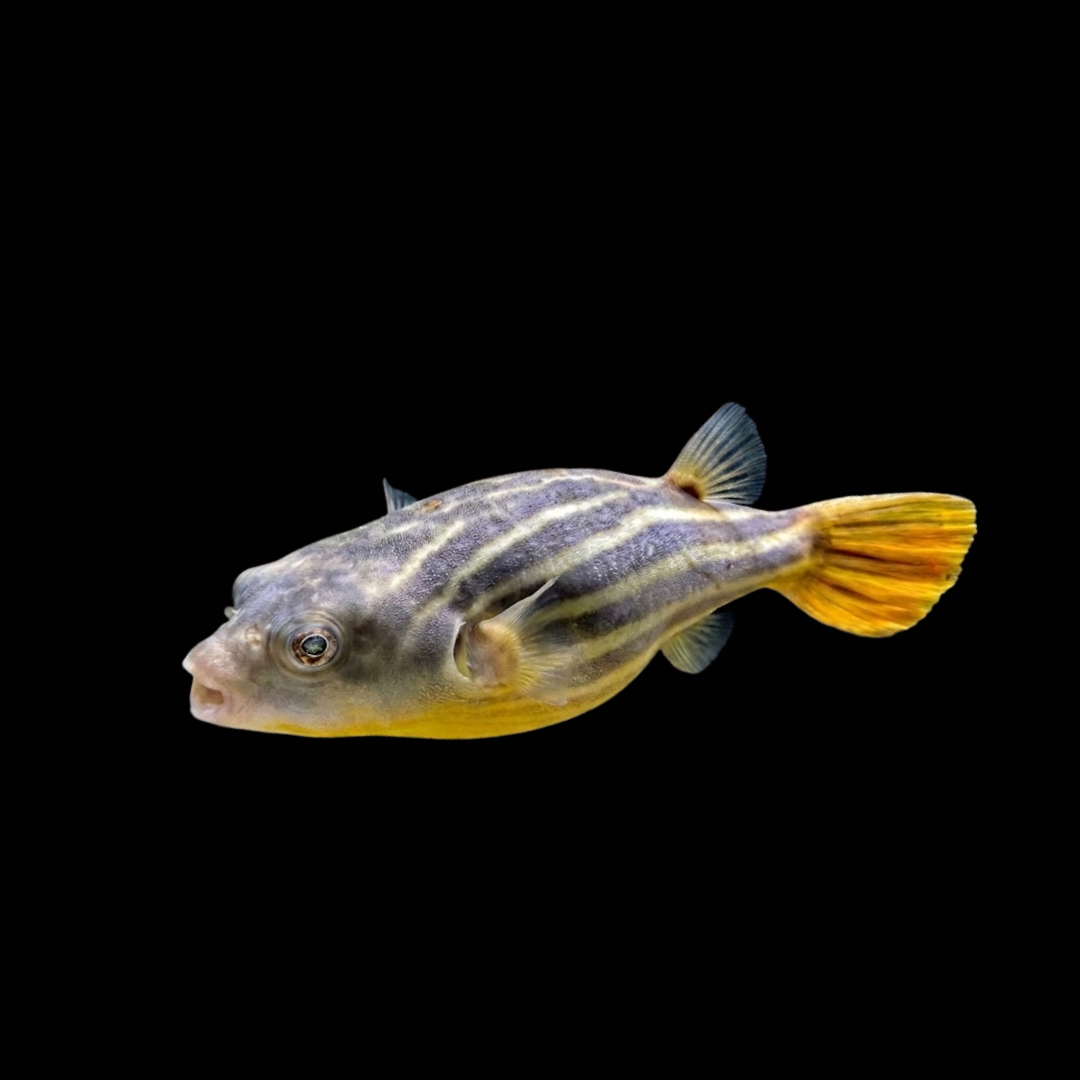
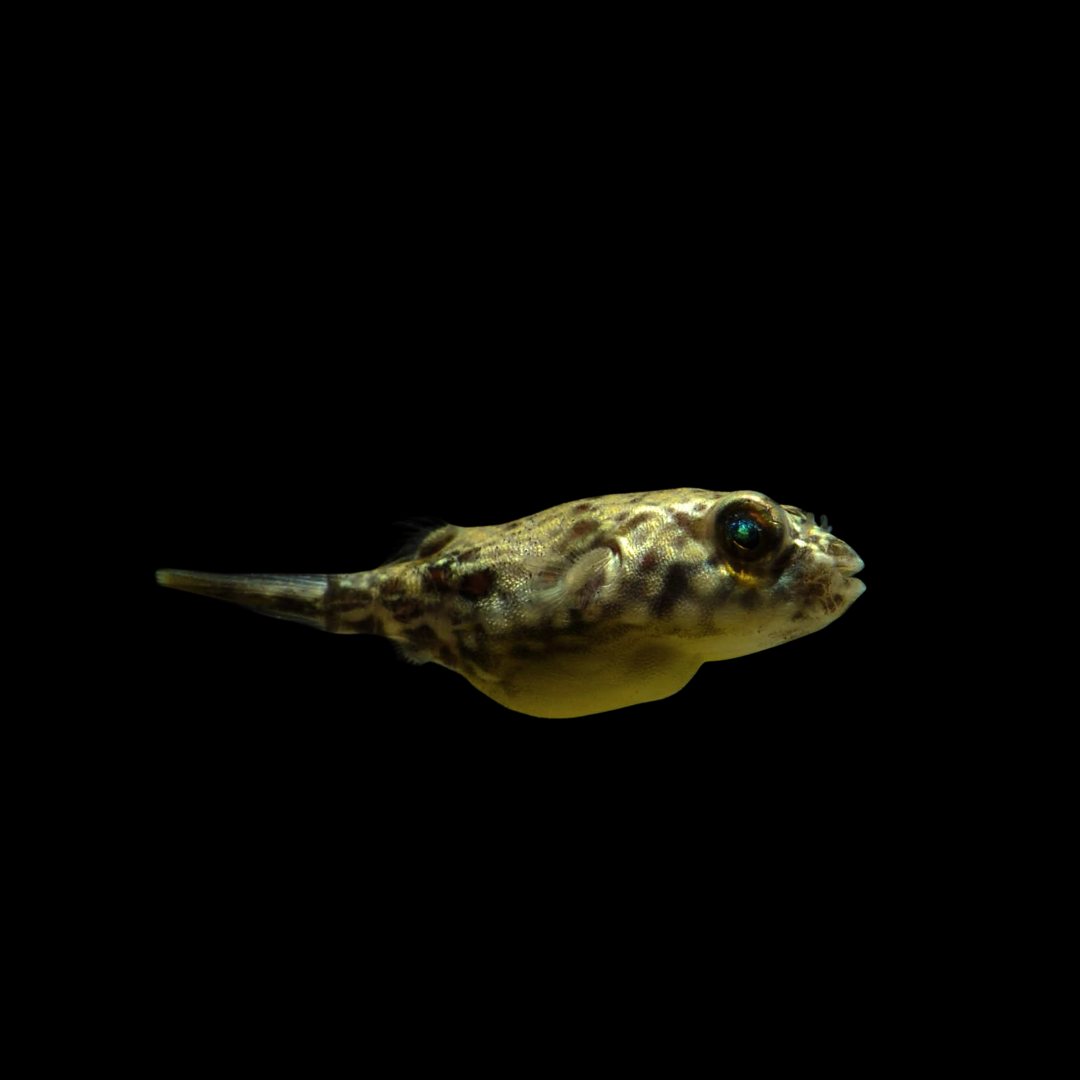
テトラオドン・ファハカは、アフリカのナイル川やニジェール川水系など広範囲に生息する大型淡水フグです。鮮やかな黄金色の縦縞模様と、淡水魚の中でも非常に高い知性を持つことで知られています。飼育者の顔を認識し、餌をねだるような仕草を見せることから、英語圏では水中の子犬(puppy of the water)とも称され、コンパニオンアニマルとしての魅力を備えています。その一方で、非常に強力な歯を持ち、過酷な自然環境に適応した特徴的な姿を維持しています。 The Tetraodon lineatus, commonly known as Fahaka Puffer, is a large freshwater pufferfish native to extensive river systems in Africa, including the Nile and Niger rivers. It is known for its vibrant golden longitudinal stripes and remarkably high intelligence among freshwater fishes. Due to its ability to recognize its owner and exhibit behaviors like begging for food, it is often referred to as the puppy of the water, possessing the charm of a companion animal. At the same time, it maintains distinctive physical traits adapted for survival in harsh natural environments, including incredibly powerful teeth.
基本情報 / Basic Information
| 学名 / Scientific Name | Tetraodon lineatus (Linnaeus, 1758) |
|---|---|
| 通称 / Common Name | テトラオドン・ファハカFahaka Puffer |
| 分類 / Family | フグ目 フグ科 テトラオドン属Tetraodontiformes, Tetraodontidae, Tetraodon |
| 英名 / English Name | Fahaka Puffer, Nile Puffer |
| 分布 / Distribution | ナイル川、ニジェール川、チャド湖、ボルタ川、セネガル川など(アフリカ大陸)Nile, Niger, Lake Chad, Volta, and Senegal rivers (Africa) |
| 最大体長 / Max Size | 約40cm〜45cmApprox. 40cm – 45cm (16 – 18 inches) |
| 寿命 / Lifespan | 10年以上(適切に管理された飼育下)10+ years (under proper captive care) |
飼育環境 / Aquarium Environment
| 水槽サイズ / Tank Size | 最低でも120cm規格水槽(120×45×45cm)以上が必要です。終生飼育を考慮すると、150cm〜180cmクラスの大型水槽が理想的です。A minimum of 120cm (approx. 48 inches) tank is required. For long-term care, a larger 150cm to 180cm tank is highly recommended. |
|---|---|
| 水温 / Temperature | 24℃〜28℃(熱帯の気候に合わせた安定した水温管理が求められます)24°C – 28°C (requires stable temperature management mimicking tropical climates) |
| 水質 / Water Quality | pH 6.5〜7.5(弱酸性から中性)。排泄量が多いため、強力な濾過システムと定期的な換水が不可欠です。pH 6.5 – 7.5 (slightly acidic to neutral). Robust filtration and regular water changes are essential due to high bioload. |
| レイアウト / Layout | 角の丸い細かい砂(砂潜り行動の保護)と、大型の流木や岩による隠れ家を用意します。遊泳スペースを広く確保してください。Use fine rounded sand to protect their burrowing behavior, and provide hiding spots using large driftwood or rocks. Ensure ample swimming space. |
| 注意点 / Precautions | パワーのある個体はヒーターや配管を噛み砕く恐れがあるため、カバーの装着や機器の外部化を推奨します。Large specimens may bite heaters or plumbing, so using protective covers or external equipment is recommended. |
餌と給餌 / Feeding
| 餌の種類 / Diet | 肉食性。タニシやラムズホーン等の巻貝、ザリガニ、エビ、殻付きのアサリ、シジミ、冷凍赤虫など。Carnivorous. Snails, crayfish, shrimp, clams in shells, and frozen bloodworms. |
|---|---|
| 給餌のポイント / Feeding Tips | 生涯伸び続ける歯を摩耗させるため、日常的に硬い殻を持つ餌を与えることが重要です。It is crucial to provide hard-shelled prey daily to wear down their continuously growing teeth. |
性格と混泳 / Temperament and Tank Mates
| 性格 / Temperament | 非常に気が強く、激しい縄張り意識を持ちます。知能が高く、飼育環境の変化をよく観察しています。Highly aggressive with strong territorial instincts. Intelligent and observant of changes in their environment. |
|---|---|
| 混泳の相性 / Compatibility | 単独飼育が基本です。他魚を噛んでしまうリスクが非常に高いため、混泳は推奨されません。Solitary housing is the general rule. Co-habitation is not recommended as they often attack or injure tank mates. |
病気と対策 / Diseases and Prevention
| かかりやすい病気 / Common Diseases | 白点病、腹水病(エロモナス感染症など)。導入初期の寄生虫感染にも注意が必要です。Ich (white spot disease) and Dropsy (Aeromonas infection). Watch for parasites during the initial introduction. |
|---|---|
| 対策と予防 / Prevention | 通常鱗を持つ魚より薬剤耐性が低い傾向にあるため、薬品の使用には注意が必要です。安定した水温と水質の維持が最大の予防策となります。Since they tend to have lower drug tolerance than scaled fish, caution is required when using medications. Maintaining stable water parameters is the best prevention. |
増やし方(繁殖) / Breeding
| 雌雄の判別 / Sexing | 外見での判別は非常に困難です。成熟したメスの方が腹部にふっくらとした厚みが出ることがあります。Very difficult to distinguish visually. Mature females may appear rounder in the abdominal area. |
|---|---|
| 繁殖形態 / Reproduction | 卵生。野生下では雨季の増水に合わせて産卵を行うと考えられています。Oviparous. In the wild, they are thought to spawn during the rising water levels of the rainy season. |
| 繁殖のポイント / Breeding Tips | 飼育下での繁殖例は極めて稀です。激しい攻撃性のため、ペアリング自体に広大なスペースと高度な管理を要します。Captive breeding is extremely rare and difficult due to their aggression, requiring immense space for pairing. |
雑学と豆知識 / Trivia and Fun Facts
| 1. 「ファハカ」という名前の由来 / 1. Origins of the name “Fahaka” | 「ファハカ」という名称は、かつて本種に付けられていた学名 Tetraodon fahaka に由来します。この fahaka という言葉自体は、ナイル川流域で古くから使われていた現地名に由来すると考えられています。現代の正式な学名は lineatus(線のある)ですが、長年親しまれてきたこの愛称が今でも一般的に使われています。The name “Fahaka” originates from its former scientific name, Tetraodon fahaka. It is believed that the word “fahaka” itself comes from a local name used in the Nile basin since ancient times. Although the current scientific name is lineatus (meaning “lined”), this long-standing nickname remains widely used. |
|---|---|
| 2. 古代ナイルの象徴としてのフグ / 2. Pufferfish as a Symbol of Ancient Nile | 古代エジプトの遺跡からは、フグ類を思わせる魚のレリーフやヒエログリフが発見されています。一部では、ナイル川に生息する本種(テトラオドン・ファハカ)を描いたものではないかとも考えられています。また、一部の解釈では、これらの象形が否定的感情に関連づけられていた可能性も指摘されており、外敵に対して体を膨らませて威嚇する様子が当時の人々にとっても印象的だったのかもしれません。Reliefs and hieroglyphs of fish resembling pufferfish have been found in ancient Egyptian ruins. Some suggest these depict the Nile Puffer (T. lineatus). It is also noted by some researchers that these symbols might have been associated with negative emotions, perhaps because the striking nature of their inflating behavior left a strong impression on people at the time. |
| 3. ワイルド個体とブリード個体の違い / 3. Differences Between Wild and Captive-Bred Specimens | 日本で流通する個体には、アフリカから輸入される野生(ワイルド)個体と、東南アジアなどで養殖された(ブリード)個体があります。ワイルド個体は、色彩や体格に野性味が感じられるとして愛好家に人気があります。一方、ブリード個体は幼魚サイズで入手しやすく、人工飼育下の環境に慣れている個体も多いという利点があります。Specimens in the Japanese market include wild ones imported from Africa and captive-bred ones from Southeast Asia. Wild specimens are popular among enthusiasts for their natural appearance and colors. Captive-bred ones are more affordable at juvenile sizes and many individuals are well-acclimated to aquarium life. |
| 4. 命に関わる「歯のメンテナンス」 / 4. Essential Dental Maintenance | 飼育下で柔らかい餌ばかりを与えていると、歯が伸びすぎて口を塞ぎ、餌が食べられなくなることがあります。これを防ぐには殻付きのアサリ等を与えるのが一番ですが、伸びすぎてしまった場合は、クローブオイル(丁子油)などを利用した麻酔下で、ニッパー等を用いて歯をカットする処置が必要になることもあります。If fed only soft foods in captivity, their teeth can overgrow and prevent them from eating. While providing clams in shells is the best prevention, if they become overgrown, a dental trim using nippers under anesthesia (such as with clove oil) may become necessary. |
まとめ / Conclusion
テトラオドン・ファハカは、その圧倒的な存在感と、高い知性による飼育者とのインタラクションが最大の魅力です。120cm以上の大型水槽や、定期的な歯のメンテナンス、そして何より単独飼育という環境を整える必要がありますが、それに応えるだけの個性を彼らは見せてくれます。 The primary charm of the Tetraodon lineatus lies in its overwhelming presence and the interactive behavior with its owner enabled by its high intelligence. It requires a large tank of at least 120cm, regular dental maintenance, and a solitary setup. In return, they reward attentive care with a unique level of personality.
適切な環境を整え、この素晴らしい知性派フグとの対話を楽しんでください。一筋縄ではいかない性格も含めて、あなたのアクアライフをより刺激的で深いものにしてくれるはずです。 By providing the right environment, you can enjoy a unique relationship with this intelligent pufferfish. Their complex temperament will undoubtedly make your aquatic life more exciting and rewarding.
気になる道具や飼い方を見つけてみませんか?
 アイのアクアグッズ案内あい先生のアクアグッズ深堀り!|泡で汚れを取り出す? プロテインスキマーの歴史と仕組み道具の特徴や使い方、選ぶときのポイントをアイが紹介します。記事はコチラ →
 アイのアクアグッズ案内水合わせの道具とやり方|魚を迎える前にそろえたい容器・点滴キット・ネット買ってきた魚はすぐ水槽に入れていい? 水温合わせと水合わせの違いから、透明ケース・点滴キット・ネットの選び方、時間をかけすぎない注意点まで、アイとコタロウが紹介します。記事はコチラ →
さまざまな飼育テーマをご紹介。リンク先の記事には広告・商品紹介が含まれます。
案内・紹介記事一覧へ →▶ 記事の生体をAMAZONで買う ▶ 記事の生体をYahooで買う
参考文献・資料
- (1758). Systema Naturae per regna tria naturae, secundum classes, ordines, genera, species, cum characteribus, differentiis, synonymis, locis. Laurentii Salvii, Holmiae. Vol. 1: 1-824. ※本種の原記載文献です。18世紀における分類学の基礎資料として参照しています。
- (1989). Fish and Fishing in Ancient Egypt. Aris & Phillips. ※古代エジプトのナイル川における魚類の文化的・象徴的役割についての主要な考古学的文献です。
- FishBase. World Wide Web electronic publication. www.fishbase.org ※本種の最大体長や分布、食性などの生態的数値を確認するための世界的な魚類データベースとして参照しています。
- (2012). Clinical Veterinary Advisor: Birds and Exotic Pets. Elsevier Health Sciences. ※魚類やエキゾチックアニマルにおける麻酔・処置法の一般的参考資料として参照しています。
- Tetraodon lineatus. ※野生個体群の保全状況確認資料として参照しています。




コメント