

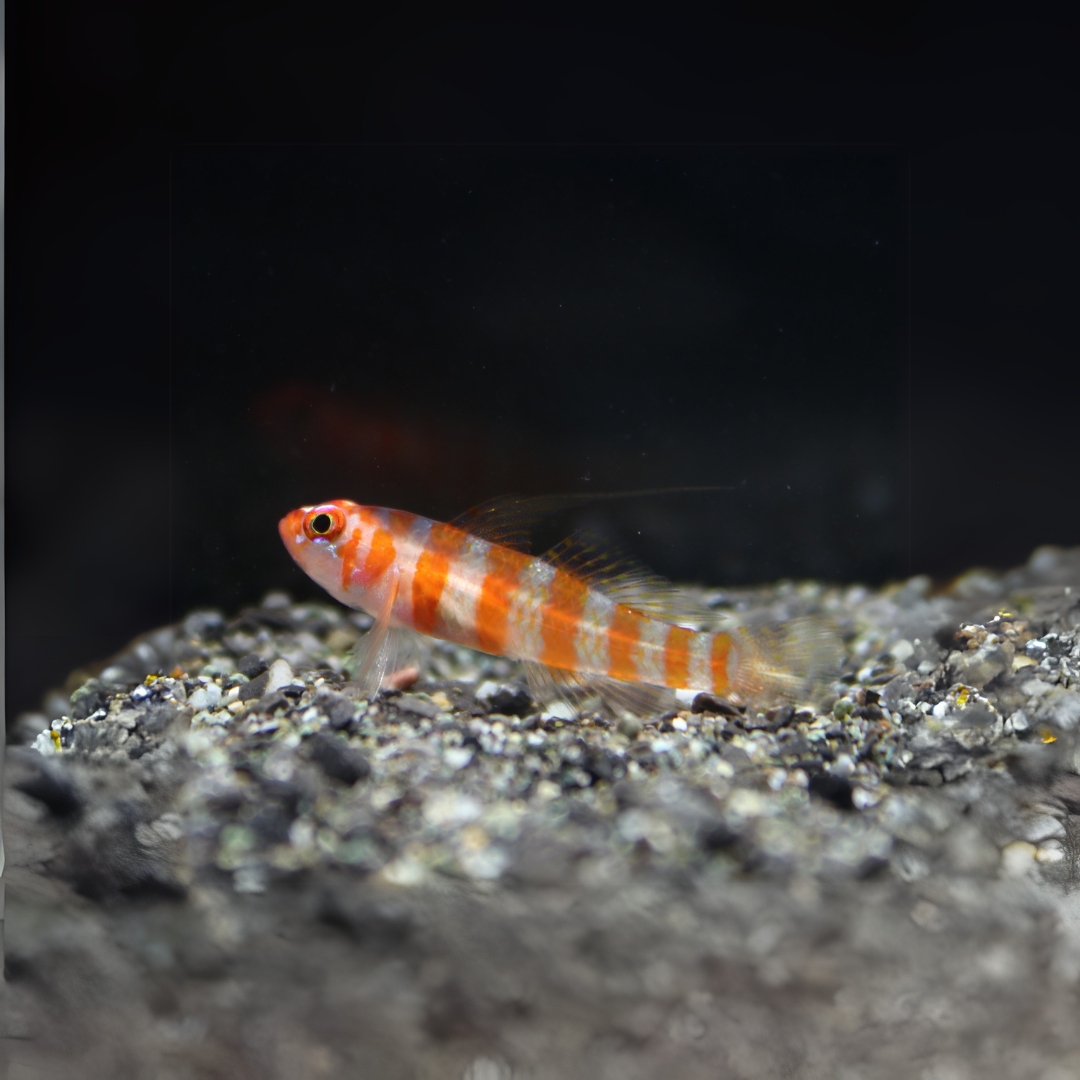
解説 / Description
キャンディケインピグミーゴビーは、白から半透明の体に赤い縞模様が入る、ベニハゼ属のとても小さな海水魚です。名前の通り、クリスマスのキャンディケインを思わせる赤白のコントラストが魅力で、サンゴ水槽や小型のナノリーフ水槽でも観察しやすいリーフセーフの魚として人気があります。最大でもおよそ2.5から3cmほどにとどまるため、大きな遊泳スペースは必要としませんが、体が小さいぶん水質変化、餌不足、強い混泳魚からのストレスには注意が必要です。 The Candycane Pygmy Goby is a tiny marine goby in the genus Trimma, recognized by its translucent to whitish body and vivid red bars. As its name suggests, the red-and-white pattern resembles a Christmas candy cane, making it a charming reef-safe fish for coral aquariums and nano reef tanks. Although it reaches only about 2.5 to 3 cm in length and does not require a large swimming space, its small size makes it sensitive to unstable water quality, insufficient feeding, and stress from aggressive tank mates.
基本情報 / Basic Information
| 学名 / Scientific Name | Trimma cana |
|---|---|
| 通称 / Common Name | キャンディケインピグミーゴビー、キャンディーケインドワーフゴビーCandycane Pygmy Goby, Candycane Dwarf Goby |
| 分類 / Family | ハゼ科 ベニハゼ属Family Gobiidae, genus Trimma |
| 英名 / English Name | Candycane Pygmy Goby |
| 分布 / Distribution | フィリピン、パラオ、カロリン諸島、フィジー、マーシャル諸島などの西太平洋域。自然下では主に水深12から35m前後の外礁斜面やサンゴ礁周辺の硬い基質に生息します。Western Pacific regions including the Philippines, Palau, the Caroline Islands, Fiji, and the Marshall Islands. In nature, it is mainly found around outer reef slopes and hard coral reef substrates at roughly 12 to 35 m depth. |
| 最大体長 / Max Size | 標準体長で約2.5cm前後。観察・流通上は約3cm程度と表現されることもあります。About 2.5 cm standard length; in aquarium and field contexts it may be described as around 3 cm. |
| 寿命 / Lifespan | 飼育下では良好な環境で最長2年ほどとされます。野生下では捕食圧が高く、同属の知見から数か月程度の短い生活史を持つ可能性があります。In aquariums, it may live up to about two years under suitable conditions. In the wild, high predation pressure and data from related Trimma species suggest a much shorter life cycle, possibly only several months. |
飼育環境 / Aquarium Environment
| 水槽サイズ / Tank Size | 安定性を重視するなら45cm規格水槽前後、または40L以上が扱いやすい目安です。30cmキューブ水槽のようなナノリーフでも候補になりますが、水量が少ないほど比重・水温・栄養塩の変化が速くなるため、初心者には余裕のある水槽を推奨します。20cm級の超小型水槽は、十分に経験があり、給餌と換水を細かく管理できる場合の上級者向けと考えるのが安全です。For stability, a tank around a standard 45 cm aquarium or 40 L or more is a practical guideline. Nano reefs such as a 30 cm cube can be considered, but smaller water volumes change salinity, temperature, and nutrients more quickly, so a roomier tank is safer for beginners. Ultra-small tanks around 20 cm are best regarded as advanced setups requiring careful feeding and water-change management. |
|---|---|
| 水温 / Temperature | 22から28℃。急な水温変化は体力低下や病気の引き金になるため、ヒーターやクーラーで通年安定させます。 22 to 28°C. Sudden temperature changes can weaken the fish and trigger disease, so year-round stability with a heater and, if needed, a chiller is recommended. |
| 水質 / Water Quality | 比重1.020から1.026、pH8.0から8.5を目安に、アンモニアと亜硝酸が検出されない安定した海水環境を維持します。小型水槽では水量が少ないため、蒸発による比重上昇と餌の与えすぎによる水質悪化に特に注意します。Maintain stable marine water with a specific gravity of 1.020 to 1.026 and pH 8.0 to 8.5, with no detectable ammonia or nitrite. In small tanks, pay special attention to salinity increases caused by evaporation and water quality deterioration from overfeeding. |
| レイアウト / Layout | ライブロックや枝状のサンゴ骨格などで細かい隠れ家を多く作ります。開けた水槽よりも、岩陰から少し出て餌を狙えるような複雑なレイアウトが向いています。サンゴを食害しないため、SPSやLPS、ソフトコーラルを含むリーフタンクにも導入しやすい魚です。Create many small hiding places using live rock, branching coral skeletons, or similar structures. A complex layout that lets the fish perch near cover and dart out for food is preferable to an open tank. It does not damage corals, making it suitable for reef tanks with SPS, LPS, and soft corals. |
| 注意点 / Precautions | 小型ハゼ類らしく飛び出し事故が起こりやすいため、目の細かいフタやジャンピングガードは必須です。オーバーフロー水槽では、スリットや配管に吸い込まれないように対策します。また、ヒラムシ駆除剤など一部の薬剤、とくにレバミソール系薬剤については小型ハゼ類へのリスクが指摘されることがあります。事例ベースの情報も含まれるため断定は避けますが、サンゴ水槽で投薬する場合は本種を隔離する、または薬剤を使わない方法を優先するのが安全です。Like many small gobies, it can jump, so a fine mesh lid or jump guard is essential. In overflow systems, protect overflow slots and plumbing so the fish cannot be drawn in. Some medications, especially levamisole-based flatworm treatments, have been reported as risky for tiny gobies. Because some information is anecdotal, avoid treating this as a universal certainty; nevertheless, separating this species or choosing non-chemical methods before dosing a reef aquarium is the safer approach. |
餌と給餌 / Feeding
| 餌の種類 / Diet | 微小な動物プランクトンを主に食べる小型肉食魚です。冷凍コペポーダ、孵化直後のブラインシュリンプ、細かく刻んだイサザアミ、ロブスターエッグ、微粒タイプの人工飼料、細かく砕いたフレークなどが候補になります。This is a micro-carnivorous fish that mainly feeds on tiny zooplankton. Suitable foods include frozen copepods, newly hatched brine shrimp, finely chopped mysid shrimp, lobster eggs, micro pellets, and finely crushed flake foods. |
|---|---|
| 給餌のポイント / Feeding Tips | 口が非常に小さいため、餌の粒が大きいと食べられません。1日2から3回、少量ずつ、水流をやや弱めて目の前に流すように与えると食べやすくなります。長期飼育では、立ち上がったライブロックや底砂にコペポーダなどの微小生物が自然発生している環境が大きな助けになります。Because its mouth is extremely small, food particles must be tiny enough to swallow. Feed small amounts two to three times per day, ideally with the flow temporarily reduced so food drifts close to the fish. For long-term success, a mature aquarium with naturally reproducing copepods and other microfauna in the live rock and substrate is very helpful. |
性格と混泳 / Temperament and Tank Mates
| 性格 / Temperament | とても温和で臆病な性格です。水槽に慣れると岩陰やサンゴのそばに定位し、短く泳ぎ出して餌をついばむ様子を観察できます。強い魚に追われると出てこなくなり、餌を取れずに痩せることがあります。It is very peaceful and shy. Once settled, it perches near rocks or corals and makes short darts into the water column to take food. If harassed by stronger fish, it may hide constantly, miss food, and gradually lose condition. |
|---|---|
| 混泳の相性 / Compatibility | 小型のクマノミ、温和なテンジクダイ類、小型ブレニー、ネオンゴビー、クリーナーシュリンプなど、口に入らず性格の穏やかな相手が向いています。ハタ類、カサゴ類、大型ベラ、攻撃的なヤッコやメギス類など、捕食性または縄張り意識の強い魚との混泳は避けます。同種複数飼育も可能ですが、小型水槽では隠れ家を十分に用意し、同時導入を基本にします。Suitable tank mates include small clownfish, peaceful cardinalfish, small blennies, neon gobies, and cleaner shrimp that will not prey on it or outcompete it aggressively. Avoid groupers, scorpionfish, large wrasses, aggressive angelfish, dottybacks, and other predatory or highly territorial species. Multiple individuals can be kept together, but in small tanks provide ample hiding places and introduce them at the same time when possible. |
病気と対策 / Diseases and Prevention
| かかりやすい病気 / Common Diseases | 白点病、輸送直後の衰弱、餌不足による痩せ、水質悪化に伴う体表トラブルに注意します。体が小さいため、症状が見えてから進行が速い場合があります。Watch for marine ich, weakness after transport, emaciation from insufficient feeding, and skin or fin problems linked to poor water quality. Because the fish is very small, visible symptoms can progress quickly. |
|---|---|
| 対策と予防 / Prevention | 導入時は水合わせを丁寧に行い、可能であれば隔離水槽で餌食いと体調を確認してから本水槽へ移します。水質を安定させ、強い混泳魚を避け、食べられるサイズの餌をこまめに与えることが予防の基本です。薬剤を使う場合は、超小型魚への毒性やサンゴ水槽内での影響を慎重に考え、特にヒラムシ駆除剤の使用時は隔離を優先します。Acclimate new arrivals carefully, and if possible observe feeding and condition in a quarantine tank before moving them to the display. Stable water quality, peaceful tank mates, and frequent feeding with appropriately sized foods are the foundation of prevention. When medication is necessary, consider the toxicity risk for tiny fish and the effects within a reef tank; separation is especially advisable before using flatworm treatments. |
増やし方(繁殖) / Breeding
| 雌雄の判別 / Sexing | オスでは第2背鰭棘が伸びることがあり、メスでは伸長が弱い、または目立たないことがあります。ただし小型で観察しにくく、体格差や行動も合わせて判断する必要があります。Males may have an elongated second dorsal spine, while females often show less extension or none at all. However, because the fish is tiny, sexing can be difficult and should be judged together with size and behavior. |
|---|---|
| 繁殖形態 / Reproduction | 岩陰や小さな隙間に産卵し、オスが卵を守るタイプと考えられます。ベニハゼ属では、近縁種を中心に、社会的な順位や体格差に応じて性が変わる双方向性転換が知られています。ただし、近縁種での研究結果が、そのまま本種で確認されたわけではありません。It is thought to spawn in small crevices or sheltered spaces, with the male guarding the eggs. In the genus Trimma, especially in studied related species, bidirectional sex change in response to social rank and body size is known. These findings in related species are not direct confirmation of the same behavior in Trimma cana. |
| 繁殖のポイント / Breeding Tips | 家庭水槽で産卵行動を観察できる可能性はありますが、稚魚育成は非常に難しい分野です。孵化後の仔魚は小さく、初期餌として栄養強化したワムシや微細なコペポーダなどを安定供給する必要があると考えられます。浮遊期を経て着底するまでの管理が最大の課題になります。Spawning behavior may be observed in home aquariums, but raising the larvae is highly challenging. The small larvae are expected to require a reliable supply of enriched rotifers, tiny copepods, and similarly small live foods. Managing the pelagic larval period until settlement is the main difficulty. |
雑学と豆知識 / Trivia and Fun Facts
| 1. 学名に込められたキャンディケインのイメージ / 1. The candy cane image behind the scientific name | 種小名のcanaは、英語のcandyとcaneに由来する造語とされています。白地に赤い縞模様が走る体色は、クリスマス飾りとして知られるキャンディケインそのもののようで、小さなサンゴ礁の隙間にこの魚が止まっている姿には、分類学者の遊び心と観賞魚としての魅力が同時に表れています。The species name cana is described as a coined word derived from candy and cane. Its white body with red bars resembles the Christmas candy cane, and the sight of this tiny fish perching among reef crevices captures both taxonomic playfulness and its appeal as an aquarium species. |
|---|---|
| 2. ベニハゼ属の驚くべき性転換 / 2. Remarkable sex change in Trimma gobies | ベニハゼ属の研究では、社会的な状況に応じて双方向に性を変える種が報告されています。大きなオスがいなくなればメスがオスになり、より優位な個体が現れれば役割を変えることもあるという柔軟性は、広い海を探し回れない小さな底生魚にとって、限られた出会いを最大限に活かす進化的な戦略と考えられています。ただし、これは主に近縁種・同属種の研究から得られた知見として紹介するのが正確です。Studies of Trimma gobies report bidirectional sex change in response to social conditions. If the dominant male disappears, a female may become male; if a more dominant individual appears, roles may shift again. For tiny benthic fish that cannot safely roam the reef in search of mates, this flexibility is considered an evolutionary strategy for making the most of limited social opportunities. These observations concern related species and are not direct confirmation for Trimma cana. |
| 3. ナノリーフ向きでも、雑に扱える魚ではない / 3. Suitable for nano reefs, but not a careless choice | 体が小さくサンゴを傷つけないため、小型リーフ水槽にぴったりの魚に見えます。しかし実際には、餌の粒の小ささ、給餌回数、水質の安定、飛び出し防止まで気を配る必要があります。キャンディケインピグミーゴビーは、小型水槽の省スペース性と、繊細な管理の大切さを同時に教えてくれる魚です。Because it is tiny and coral-safe, it seems ideal for nano reef aquariums. In practice, however, it demands attention to food particle size, feeding frequency, water stability, and jump prevention. The Candycane Pygmy Goby is a fish that teaches both the beauty of small reef aquariums and the importance of careful husbandry. |
| 4. 養殖個体への期待 / 4. Hope for captive-bred individuals | 本種のような超小型海水魚は、仔魚が小さく初期餌の管理が難しいため、繁殖技術の確立には高度な設備と経験が必要です。それでも、ワムシやコペポーダを用いた仔魚育成技術が進むことで、近縁の小型ハゼ類では養殖・人工繁殖の可能性が広がっています。本種の繁殖技術にも期待が寄せられます。ただし、近縁種での成功と、本種の養殖個体が安定して流通することは別の段階です。Ultra-small marine fishes like this species are challenging to breed because their larvae are tiny and require carefully managed first foods. Even so, advances in larval rearing using rotifers and copepods are expanding the possibilities for captive breeding of related small gobies. Future progress for this species is worth watching. Success with related gobies does not mean a stable captive-bred supply of Trimma cana has been established. |
まとめ / Conclusion
キャンディケインピグミーゴビーは、赤白の美しい縞模様、超小型サイズ、リーフセーフという性質を兼ね備えた、ナノリーフ水槽にとても魅力的な海水魚です。ライブロックやサンゴのそばにそっと定位する姿は派手に泳ぎ回る魚とは違った味わいがあり、小さな水槽でもサンゴ礁の奥行きを感じさせてくれます。 The Candycane Pygmy Goby is an appealing marine fish for nano reef aquariums, combining beautiful red-and-white bars, a very small size, and reef-safe behavior. Its quiet habit of perching near live rock and corals offers a different charm from active swimmers and brings a sense of reef depth even to a small aquarium.
一方で、体が小さいから簡単という魚ではありません。安定した水質、食べられるサイズの餌、穏やかな混泳相手、飛び出し対策、薬剤への慎重な判断をそろえて初めて、本来の可愛らしい姿を長く楽しめます。繊細な管理を楽しめるアクアリストにとって、非常に満足度の高い一種です。 At the same time, its small size does not mean it is effortless to keep. Stable water quality, tiny suitable foods, peaceful tank mates, jump prevention, and cautious medication decisions are all needed to enjoy its natural charm over the long term. For aquarists who enjoy attentive care, it is a highly rewarding species.

気になる道具や飼い方を見つけてみませんか?
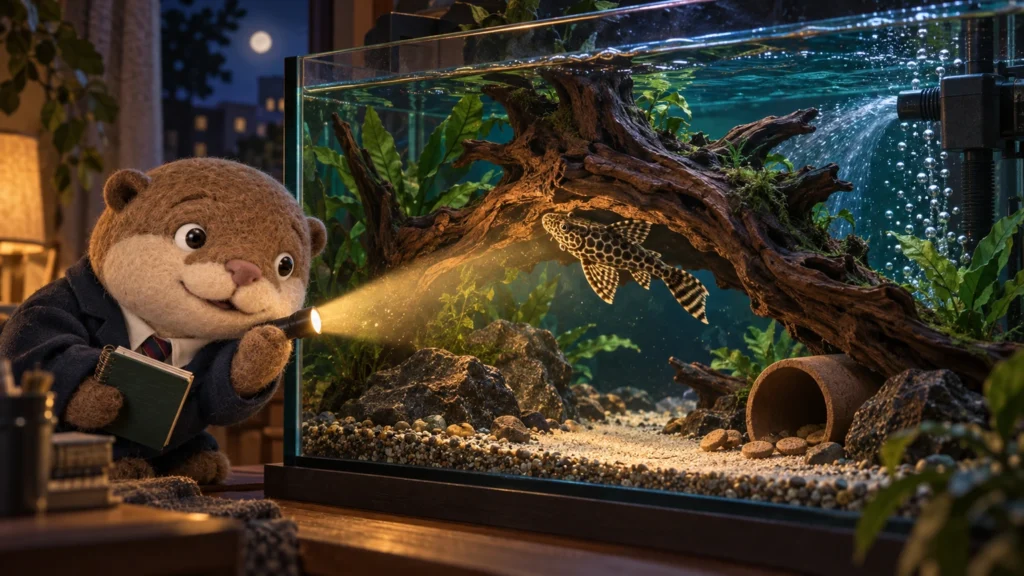 アイのアクアグッズ案内プレコ飼育に必要なもの|餌・流木・ろ過・隠れ家・掃除用品道具の特徴や使い方、選ぶときのポイントをアイが紹介します。記事はコチラ →
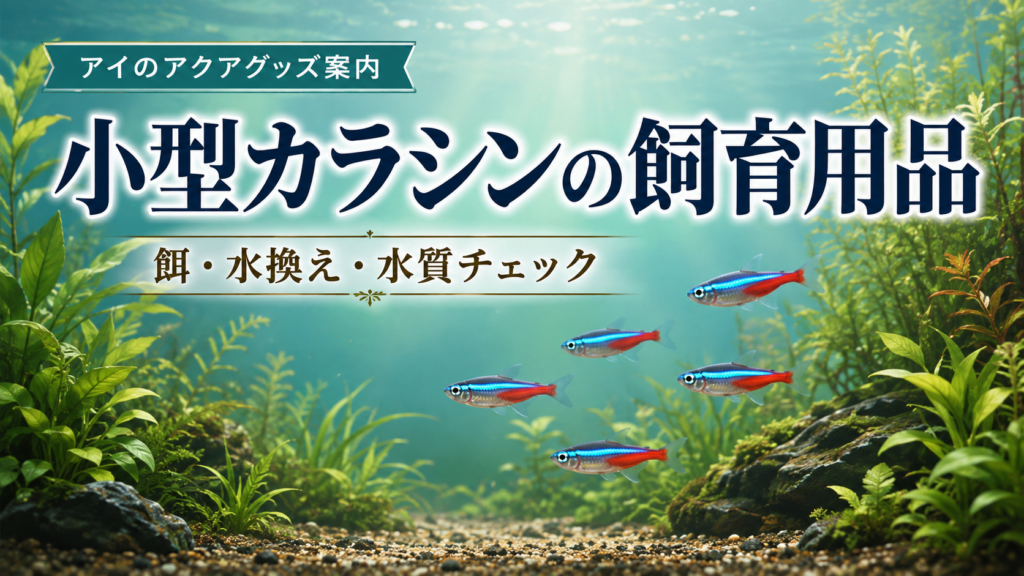 アイのアクアグッズ案内小型カラシンの群れを楽しむ|餌と水換えから考える飼育用品ガイド小型カラシンの群れを眺める時間を、もっと楽しく。泳ぐ余白、餌の食べ方、続けやすい水換えを軸に、日本で揃えやすい用品の選び方を紹介します。記事はコチラ →
さまざまな飼育テーマをご紹介。リンク先の記事には広告・商品紹介が含まれます。
案内・紹介記事一覧へ →参考文献・根拠資料
この記事では、店舗・通販サイト、個人ブログ、まとめサイトを除外し、分類、分布、生息環境、飼育条件、繁殖、病気や注意点の根拠として参照しやすい公的データベース、学術論文、大学・獣医学系資料を中心に選定しています。
分類・学名・分布・生息環境
-
Froese, R. and Pauly, D. Editors. FishBase: Trimma cana Winterbottom, 2004, Candy-cane pygmy goby.
https://www.fishbase.se/summary/trimma-cana
最大体長、分布、西太平洋域、水深12から35m、硬いサンゴ基質上で単独または小群で見られるという生態情報の主要根拠。 -
GBIF Secretariat. GBIF Backbone Taxonomy: Trimma cana Winterbottom, 2004.
https://www.gbif.org/species/2378622
学名、記載者、記載年、分類階級、および原記載文献の確認に使用。 -
World Register of Marine Species. Trimma cana Winterbottom, 2004.
https://www.marinespecies.org/aphia.php?p=taxdetails&id=278491
海産生物としての有効名、分類上の位置づけを確認するための補助資料。 -
Winterbottom, R. 2004. Three new species of Trimma (Pisces: Gobiidae) from the central, western and south Pacific. aqua, Journal of Ichthyology and Aquatic Biology 9(1): 7-16.
本種の原記載文献。形態的特徴、種小名の由来、基準標本情報を確認する際の一次資料。
サンゴ礁環境・飼育水質の背景
-
NOAA National Ocean Service. In what types of water do corals live?
https://oceanservice.noaa.gov/facts/coralwaters.html
サンゴ礁性生物を飼育する際の水温・塩分の背景値を考えるための公的資料。リーフタンク向け水質説明の補助根拠。 -
NOAA National Centers for Environmental Information. Water chemistry of the coral reefs in the Pacific Ocean.
https://www.ncei.noaa.gov/access/metadata/landing-page/bin/iso?id=gov.noaa.nodc:NCRMP-CO3-Pacific
太平洋サンゴ礁域の水温、塩分、炭酸系水質データの背景資料。水質の安定性を重視する記述の補助根拠。
繁殖・性転換に関する学術資料
-
Sunobe, T., et al. 2017. Evolution of bidirectional sex change and gonochorism in fishes of the gobiid genera Trimma, Priolepis, and Trimmatom. Scientific Reports.
https://pmc.ncbi.nlm.nih.gov/articles/PMC5332495/
ベニハゼ属周辺で知られる双方向性転換を、属レベル・進化生態学的背景として扱うための主要論文。 -
Manabe, H., et al. 2007. Field evidence for bi-directional sex change in the polygynous gobiid fish Trimma okinawae. Journal of Fish Biology.
https://onlinelibrary.wiley.com/doi/abs/10.1111/j.1095-8649.2007.01338.x
同属近縁種であるオキナワベニハゼの野外研究。記事内では本種そのものへの断定ではなく、同属魚の繁殖生態の背景資料として使用。 -
Tamagawa, K., et al. 2023. Transcriptomic signatures associated with underlying bidirectional sex change in the Okinawa rubble goby Trimma okinawae. BMC Genomics.
https://pmc.ncbi.nlm.nih.gov/articles/PMC10698487/
同属種における性転換の生理・分子生物学的背景を補う資料。繁殖欄や雑学欄の慎重な補足根拠。
病気・薬剤・注意点
-
Yanong, R. P. E. University of Florida IFAS Extension. Cryptocaryon irritans Infections, Marine White Spot Disease, in Fish.
https://ask.ifas.ufl.edu/publication/FA164
海水魚の白点病、症状、生活環、診断、管理上の注意を支える大学拡張機関の資料。 -
Merck Veterinary Manual. Parasitic Diseases of Fish.
https://www.merckvetmanual.com/exotic-and-laboratory-animals/aquarium-fish/parasitic-diseases-of-fish
観賞魚の寄生虫病、白点病を含む寄生虫対策、治療時の注意を確認するための獣医学系資料。 -
Martin, R. J., et al. 2012. Levamisole receptors: a second awakening. Trends in Parasitology.
https://pmc.ncbi.nlm.nih.gov/articles/PMC3378725/
レバミソールが線虫のアセチルコリン受容体に作用する薬理学的背景を確認する資料。記事内では、本種への毒性を一般化しすぎず、薬剤使用時に慎重な隔離判断を促す補助根拠として使用。
注記:キャンディケインピグミーゴビーの家庭飼育条件には、学術論文で直接検証された情報が少ない項目があります。そのため、水槽サイズ、飛び出し対策、混泳相性などの実践的記述は、上記の自然史・サンゴ礁環境・魚病資料と、記事本文内での慎重な経験則表現を組み合わせて扱っています。




コメント