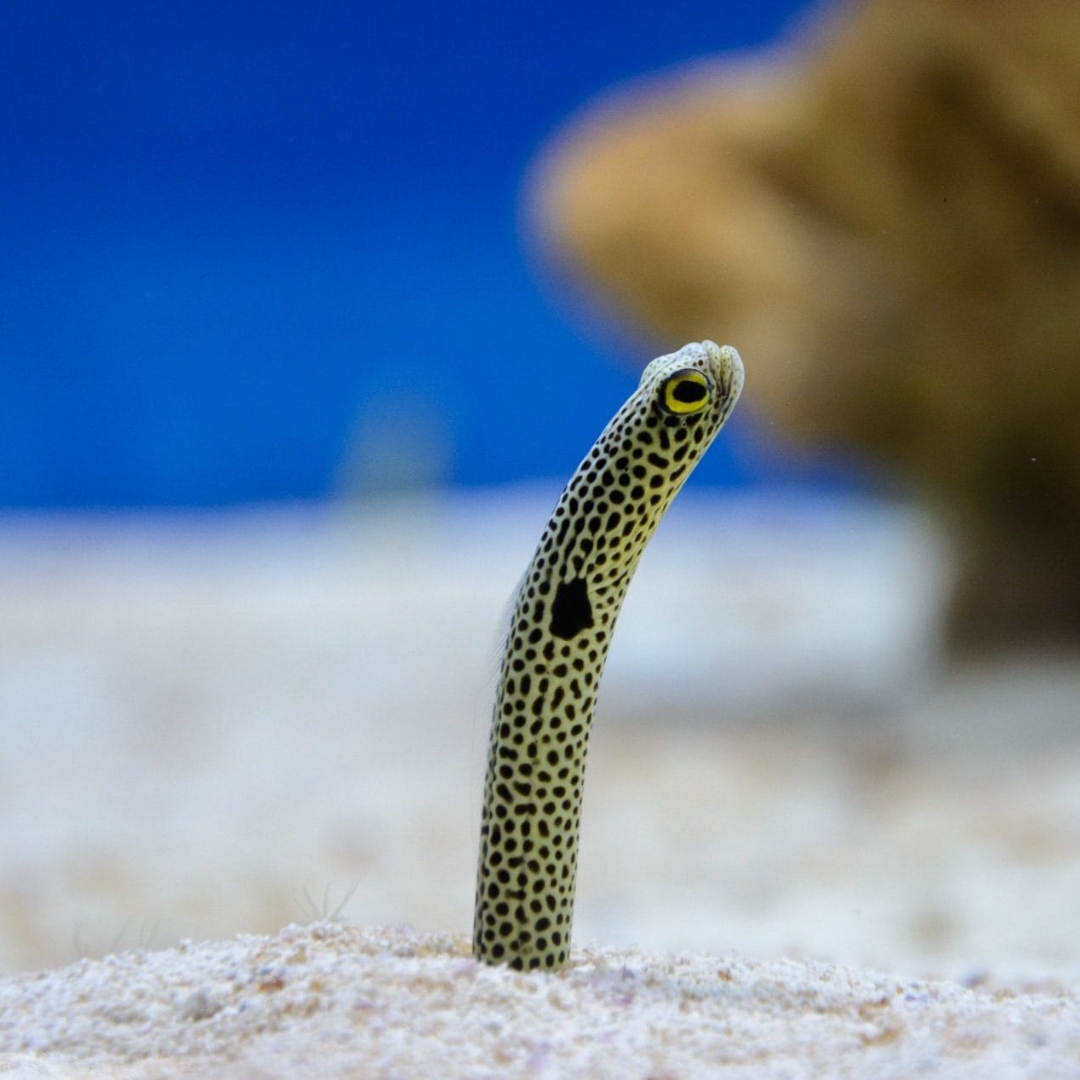
チンアナゴは、サンゴ礁周辺の砂地に巣穴を作り、体の一部だけを水中に伸ばして流れてくるプランクトンを食べる、非常に個性的な海水魚です。白から淡黄色の細長い体に黒い斑点が入り、砂から何匹も並んで顔を出す姿は、水族館でも家庭の海水水槽でも強い人気があります。一方で、深い細かな底砂、穏やかな一方向の水流、こまめな給餌管理、完全なフタなど、一般的な海水魚とは異なる専用設計が必要です。見た目は愛らしい魚ですが、長期飼育には「砂地の生態を水槽内に再現する」という発想が欠かせません。The spotted garden eel is a highly distinctive marine fish that builds burrows in sandy areas near coral reefs and extends only part of its body into the water column to feed on drifting plankton. Its slender white to pale-yellow body is covered with black spots, and the sight of many individuals rising from the sand makes it a popular aquarium and public-aquarium species. However, it requires a dedicated setup that differs from ordinary marine fishkeeping: deep fine sand, gentle one-directional flow, careful feeding, and a tightly covered tank. Although charming in appearance, long-term success depends on recreating its sandy-bottom lifestyle as faithfully as possible.
基本情報 / Basic Information
学名 / Scientific Name
Heteroconger hassi
通称 / Common Name
チンアナゴ、狆穴子、ガーデンイールSpotted garden eel, garden eel
分類 / Family
ウナギ目 アナゴ科 チンアナゴ亜科 チンアナゴ属Order Anguilliformes, family Congridae, subfamily Heterocongrinae, genus Heteroconger
英名 / English Name
Spotted garden eel
分布 / Distribution
インド太平洋の熱帯・亜熱帯域。サンゴ礁周辺の潮通しのよい砂地に群生し、資料により幅はありますが、おおむね水深7〜45m、または15〜45m前後の記録が多く見られます。日本では琉球列島などの温暖な海域で見られます。Tropical and subtropical Indo-Pacific waters. It forms colonies on current-exposed sandy bottoms around coral reefs; reported depth ranges vary by source, but about 7 to 45 m or 15 to 45 m is commonly cited. In Japan, it occurs in warm waters such as the Ryukyu Islands.
最大体長 / Max Size
約35〜40cm。体は非常に細く、太さはおよそ1cm前後です。About 35 to 40 cm. The body is extremely slender, usually around 1 cm in diameter.
寿命 / Lifespan
野生下での寿命は明確には分かっていません。飼育下でも個体の状態、輸送後の回復、給餌の安定、水質管理によって差が大きいため、年数を断定せず、長期維持を目標に丁寧に管理します。Its exact lifespan in the wild is not well established. In aquariums, longevity varies greatly with condition after transport, feeding stability, and water quality, so it is better to focus on careful long-term maintenance rather than a fixed number of years.
飼育環境 / Aquarium Environment
水槽サイズ / Tank Size
最低でも60cm規格水槽以上、理想は90cm規格水槽以上を推奨します。体長そのものよりも、深い底砂と十分な底面積を確保できるかが重要です。底砂を厚く敷くため総重量が大きくなり、強固な専用水槽台も必要です。At least a standard 60 cm tank is recommended, with a standard 90 cm tank or larger being ideal. The key is not only body length but also whether the tank can provide deep sand and sufficient bottom area. Because the sand bed is heavy, a strong dedicated stand is also essential.
水温 / Temperature
24〜26℃前後を基本に、急激な水温変化を避けて安定させます。高温側に寄せるほど溶存酸素の低下や水質悪化の影響を受けやすいため、夏場は冷却対策も含めて管理します。Maintain roughly 24 to 26°C and avoid sudden temperature swings. Higher temperatures can reduce dissolved oxygen and intensify water-quality problems, so cooling measures may be needed in summer.
水質 / Water Quality
比重は1.020〜1.025を目安とする標準的な海水環境が適します。食べ残しが出やすいため、アンモニアや硝酸塩の蓄積に注意し、安定したろ過、こまめな回収、定期的な換水を組み合わせます。A standard marine specific gravity of about 1.020 to 1.025 is suitable. Because uneaten food is common, watch for ammonia and nitrate buildup and combine stable filtration, prompt removal of leftovers, and regular water changes.
レイアウト / Layout
底砂はパウダー状のアラゴナイトサンドや細かなパウダーサンゴ砂を深めに敷きます。目安は15〜20cm程度ですが、個体サイズや水槽設計に合わせて、安心して潜れる厚みを確保します。粗い砂利や大粒サンゴ砂は巣穴作りを妨げ、皮膚の擦れや傷の原因になります。水流は砂を巻き上げる乱流ではなく、広く穏やかな一方向の流れを目指します。Use a deep bed of fine powder-type aragonite sand or fine coral sand. About 15 to 20 cm is a practical target, adjusted to body size and tank design so the eel can burrow securely. Coarse gravel or large coral sand can prevent proper burrow formation and abrade the skin. Aim for a gentle, broad, one-directional flow rather than chaotic turbulence that blows sand around.
注意点 / Precautions
驚くと砂から飛び出し、水面へ跳ねることがあります。水槽上部はアクリル板や細かなメッシュで完全に覆い、配管まわりやオーバーフロー部の小さな隙間も塞いでください。導入直後は特に臆病で、静かな環境と慎重な餌付けが必要です。When startled, it may shoot out of the sand and jump toward the surface. Cover the tank completely with acrylic panels or fine mesh, and seal even small gaps around pipes and overflow sections. Newly introduced individuals are especially timid and need a quiet environment and careful conditioning.
餌と給餌 / Feeding
餌の種類 / Diet
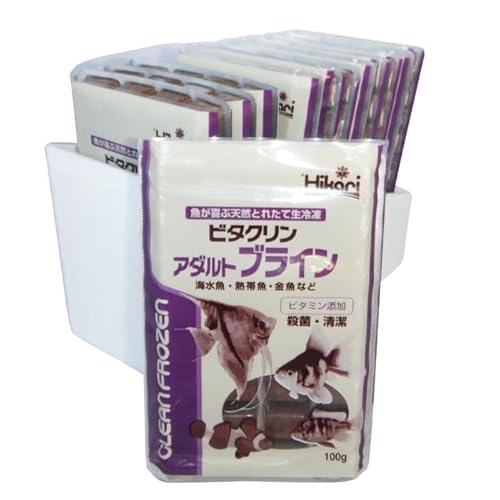
動物性プランクトン食です。導入初期は活ブラインシュリンプ、活コペポーダなど動く小さな餌で反応を引き出し、その後、冷凍イサザアミ、冷凍レッドプランクトン、細かな冷凍餌へ慣らします。環境に慣れた個体では小粒の人工飼料や乾燥飼料を食べる場合もあります。It is a zooplankton feeder. At first, live baby brine shrimp or live copepods can help trigger feeding responses. Once feeding is stable, gradually introduce frozen mysis-type shrimp, frozen red plankton, and other finely sized frozen foods. Well-adjusted individuals may eventually accept small prepared or dried foods.
給餌のポイント / Feeding Tips
餌を底に落として食べさせるのではなく、水流に乗せて口元へ流すことが重要です。研究例でも、餌密度や流速が採餌に影響することが示されているため、水槽では「よく食べるが砂を舞わせない」流れを探ります。一度に大量に入れると食べ残しが増えるため、少量ずつ複数回に分け、底に沈んだ餌はスポイトなどで回収します。Do not rely on food falling to the bottom; the food should drift in the current toward the eel’s mouth. Studies indicate that prey density and flow speed affect feeding, so in aquariums the goal is a current that promotes feeding without stirring up sand. Feed small amounts several times and remove food that settles on the sand with a pipette or similar tool.
性格と混泳 / Temperament and Tank Mates
性格 / Temperament
非常に臆病で警戒心が強い一方、同種や近縁種とは群れを作る社会性があります。落ち着くと巣穴から体を伸ばし、水流に向かってゆらぐように摂餌します。It is very shy and cautious, but it is also social with its own species and close relatives. Once settled, it extends from its burrow and sways into the current while feeding.
混泳の相性 / Compatibility
基本はチンアナゴ類だけの専用水槽が最も安全です。遊泳が速い魚、気性の荒い魚、底砂を掘り返すハゼ類などは強いストレスになります。掃除役を入れる場合は、マガキガイやムシロガイなど動きの穏やかな底生の貝類を少数にとどめます。ニシキアナゴなど近縁種との混泳は可能ですが、十分な底面積と静かな環境が前提です。A species-focused garden eel tank is the safest option. Fast-swimming fish, aggressive species, and sand-digging gobies can cause severe stress. If cleaners are needed, use only a small number of calm benthic snails such as conches or nassarius-type snails. Mixing with close relatives such as splendid garden eels is possible, but only with ample bottom space and a quiet environment.
病気と対策 / Diseases and Prevention
かかりやすい病気 / Common Diseases
輸送直後や水温変化、水質悪化、拒食による体力低下で、海水魚の白点病が問題になりやすい魚です。無鱗に近いデリケートな皮膚を持つため、擦れ傷や細菌感染にも注意が必要です。Marine ich is a major concern, especially after transport, temperature fluctuations, water quality problems, or weakening due to appetite loss. Because the skin is delicate and essentially scaleless, abrasions and secondary bacterial infections also require attention.
対策と予防 / Prevention
最も大切なのは、購入時に痩せの少ない個体を選び、静かな隔離水槽で餌付け状態を確認してから本水槽へ入れることです。UV殺菌灯は水中を漂う病原体の低減に役立つ予防策として取り入れやすい方法です。薬剤治療が必要な場合は、無鱗に近いデリケートな魚であること、サンゴやエビ、貝など無脊椎動物への影響、濾過バクテリアへの影響を考え、原則として隔離水槽で専門的な知識のもと慎重に行います。淡水浴や急激な低比重処理は大きな負担になりやすいため避けます。The most important prevention is to select a well-conditioned specimen, then confirm feeding in a quiet quarantine tank before moving it to the display. A UV sterilizer can help reduce free-swimming pathogens and is a practical preventive tool. If medication is required, remember that this is a delicate, essentially scaleless fish, and consider effects on corals, shrimp, snails, and filtration bacteria. Treatment should generally be done cautiously in a separate tank with appropriate expertise. Freshwater dips or sudden hyposalinity treatments are stressful and should be avoided.
増やし方(繁殖) / Breeding
雌雄の判別 / Sexing
外見だけで雌雄を確実に判別するのは困難です。近縁のガーデンイール類を含めて社会行動に関する報告はありますが、家庭飼育で雌雄を狙って組み合わせる実用的な方法は確立されていません。Reliable visual sexing is difficult. Social behaviors have been reported in garden eels, but there is no established practical method for intentionally pairing males and females in home aquariums.
繁殖形態 / Reproduction
産卵期には巣穴の距離を近づけ、オスとメスが体を伸ばして絡み合うように放卵・放精し、水中で体外受精します。孵化後はレプトケファルス幼生として海流に乗り、長い浮遊生活を送ります。During the breeding period, individuals move their burrows closer together. The male and female extend from their burrows, intertwine, and release eggs and sperm for external fertilization. After hatching, the larvae become leptocephali and drift with ocean currents for an extended pelagic phase.
繁殖のポイント / Breeding Tips
家庭水槽での繁殖と育成は極めて難しい分野です。水族館では産卵行動の観察・記録がありますが、レプトケファルス幼生の長期飼育と変態を含む完全なライフサイクル再現は、一般的な観賞魚繁殖としてはまだ現実的ではありません。一般的な飼育では繁殖を狙うより、安定飼育と長期維持を目標にします。Breeding and rearing in home aquariums is extremely difficult. Spawning behavior has been observed and recorded in public aquariums, but reproducing the full life cycle, including long-term leptocephalus rearing and metamorphosis, is still not realistic for ordinary ornamental-fish breeding. For most aquarists, stable long-term care is a more realistic goal than breeding.
雑学と豆知識 / Trivia and Fun Facts
1. 「チン」は珍しいではなく犬の「狆」 / 1. “Chin” refers to the Japanese Chin dog
チンアナゴという名前は、珍しいアナゴという意味の「珍穴子」ではなく、丸い頭と大きな目が日本原産の小型犬「狆」に似ていることに由来するとされています。学名の Heteroconger は「異なるアナゴ」という意味合いを持ち、種小名 hassi は水中撮影の先駆者として知られるハンス・ハスに献名されたものです。The Japanese name does not mean “rare eel.” It is said to come from its resemblance to the Japanese Chin dog, especially the rounded head and large eyes. The genus name Heteroconger carries the sense of a “different conger eel,” while the species name hassi honors Hans Hass, a pioneer of underwater photography.
2. 砂の中の巣穴はまっすぐではない / 2. The burrow is not a straight tube
水槽越しには、まるで砂からまっすぐ生えているように見えますが、ガーデンイール類の巣穴は単純な直線ではなく、砂中で曲がりを持つと説明されることがあります。細かな砂と粘液で安定した穴を作るため、粗い底砂ではこの生活様式を再現しにくくなります。Through aquarium glass, the eel may look as if it rises straight from the sand, but garden eel burrows are often described as more than simple straight tubes. Fine sand and mucus help stabilize the burrow, which is why coarse substrate makes this lifestyle difficult to reproduce.
3. 全員で同じ方向を向く理由 / 3. Why the colony faces the same way
群れ全体が同じ方向を向いているのは偶然ではありません。チンアナゴは水流の上流側を向き、流れてくる動物性プランクトンを大きな目で見つけて食べます。水槽で自然な姿を見せるには、餌がゆっくり同じ方向へ流れ、なおかつ砂が舞い上がらない水流調整が大切です。It is not a coincidence that the whole colony faces the same direction. Spotted garden eels face into the current and use their large eyes to pick off drifting zooplankton. In aquariums, adjust the flow so food moves slowly in one direction without blowing sand into the water column.
4. 11月11日はチンアナゴの日 / 4. November 11 is Garden Eel Day in Japan
砂から細長く立ち上がる姿が数字の「1」に似ていることから、日本では11月11日が「チンアナゴの日」として知られています。水族館では関連イベントや展示解説が行われることもあり、チンアナゴは海の生き物に親しむ入り口のような存在になっています。Because the upright bodies emerging from the sand resemble the number “1,” November 11 is known in Japan as Garden Eel Day. Public aquariums may hold related events or special programs, making the species a friendly gateway to marine life.
5. 完全養殖はまだ大きな課題 / 5. Captive propagation remains a major challenge
チンアナゴは水族館で産卵行動が観察されていますが、孵化後のレプトケファルス幼生を長期間育て、変態させて稚魚まで導くことは非常に難しい分野です。流通個体は野生採集に依存する面が大きいため、今後は繁殖研究と持続可能な流通の両立が重要になります。Spawning behavior has been observed in public aquariums, but raising leptocephalus larvae for a long period and guiding them through metamorphosis remains extremely difficult. Because the trade depends heavily on wild-collected specimens, balancing breeding research with sustainable distribution will be increasingly important.
まとめ / Conclusion
チンアナゴは、砂に潜るための体、プランクトンを見つける大きな目、巣穴を固める粘液、流れに向かって餌を取る行動など、底生生活に徹底して適応した魅力的な海水魚です。家庭で飼育する場合は、深いパウダー状の底砂、穏やかな一方向の水流、安定した海水環境、そして脱走を防ぐ完全なフタが基本になります。The spotted garden eel is a fascinating marine fish thoroughly adapted to life in sandy bottoms, with a body built for burrowing, large eyes for spotting plankton, mucus that reinforces its burrow, and feeding behavior oriented into the current. In home aquariums, the essentials are deep fine sand, gentle one-directional flow, stable marine water conditions, and a completely covered tank to prevent escape.
見た目のかわいらしさに反して、飼育難易度は高めです。導入直後の拒食や痩せ、水質悪化、白点病、混泳ストレスを避けるため、チンアナゴ類を主役にした専用水槽として計画すると成功率が上がります。自然界での暮らしを理解して環境を整えれば、砂から顔を出して水流に揺れる、チンアナゴらしい姿を長く楽しめます。Despite its cute appearance, it is a challenging species. Success is more likely when the aquarium is planned as a dedicated garden eel setup, reducing risks such as post-import appetite loss, weight loss, water deterioration, marine ich, and stress from tank mates. By understanding its natural lifestyle and designing the aquarium around it, aquarists can enjoy the characteristic sight of garden eels rising from the sand and swaying in the current for a long time.
Castle, P. H. J. and Randall, J. E. (1999). Revision of Indo-Pacific garden eels (Congridae: Heterocongrinae), with descriptions of five new species. Indo-Pacific Fishes, 30: 1-52. チンアナゴ亜科の分類、近縁種、形態的特徴を支える分類学的文献。学名・属・亜科レベルの記述を確認するために選定。
Randall, J. E., Allen, G. R. and Steene, R. C. (1990). Fishes of the Great Barrier Reef and Coral Sea. University of Hawaiʻi Press. インド太平洋のサンゴ礁性魚類に関する基礎的図鑑資料。分布、生息環境、サンゴ礁周辺の砂地にすむ魚類としての位置づけを補強するために選定。




コメント