

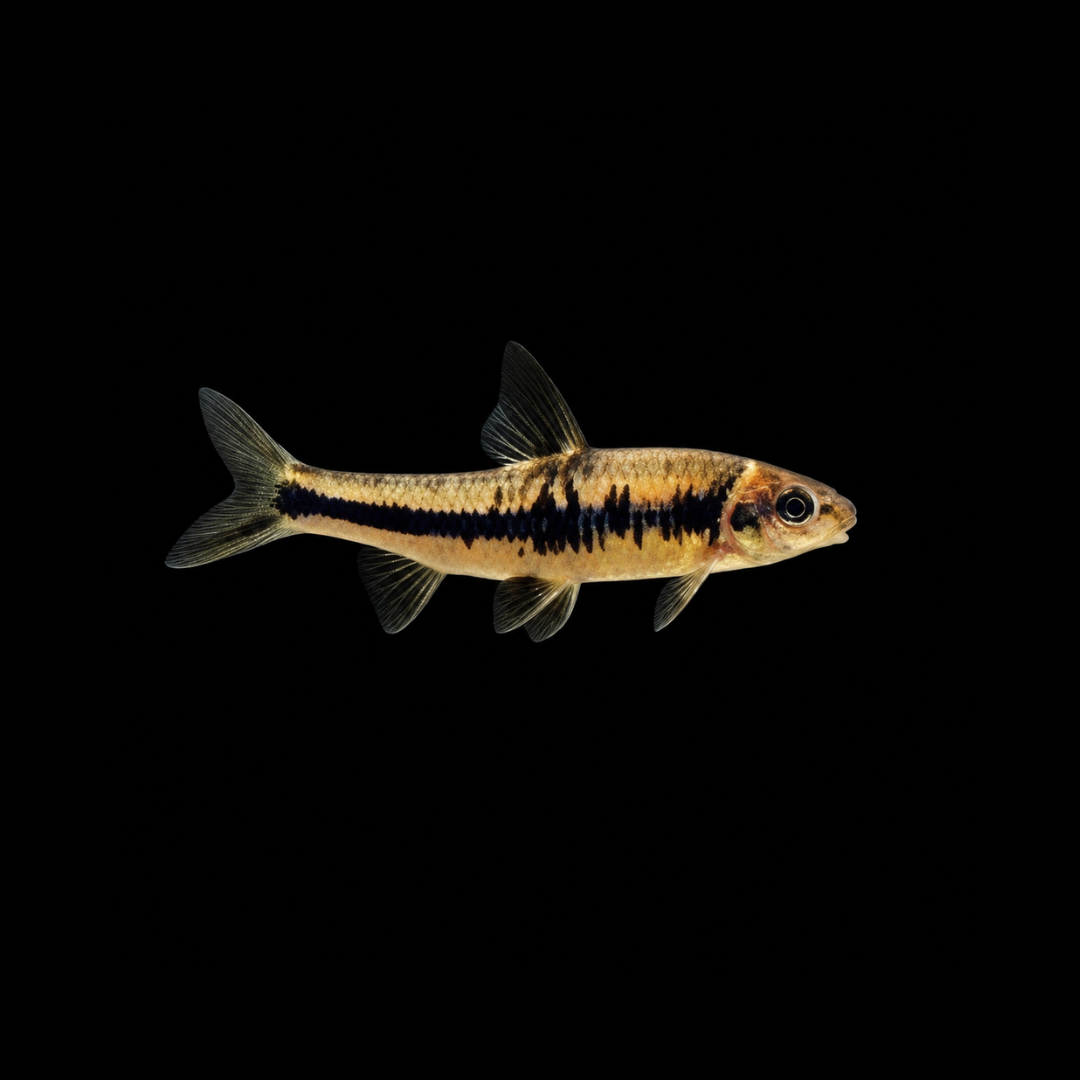
解説 / Description
中国クロヒレヒガイは、東アジアの河川や湖沼に分布するヒガイ属の淡水魚です。すらりとした紡錘形の体つき、底を探るように餌をついばむしぐさ、そして繁殖期の雄に現れる黒・橙・黄色の鮮やかな婚姻色が大きな魅力です。派手な熱帯魚とは少し違い、涼しい水と豊かな酸素の中で本来の美しさを見せる温帯性の魚と考えると、飼育の方向性がつかみやすくなります。 The Chinese blackfin gudgeon is a freshwater species of Sarcocheilichthys from East Asian rivers and lakes. It is admired for its streamlined body, bottom-foraging behavior, and the striking black, orange, and yellow nuptial colors displayed by males during the breeding season. Rather than treating it like a typical tropical fish, it is best understood as a temperate species that shows its natural beauty in cool, well-oxygenated water.
基本情報 / Basic Information
| 学名 / Scientific Name | Sarcocheilichthys nigripinnis |
|---|---|
| 通称 / Common Name | 中国クロヒレヒガイ、クロヒレヒガイ、黒鰭鳈Chinese blackfin gudgeon, Rainbow gudgeon |
| 分類 / Family | コイ目カマツカ科またはコイ科として扱われることがあるヒガイ属の魚です。分類体系により科の扱いが異なるため、流通や資料では表記に差が見られます。A species of Sarcocheilichthys in the order Cypriniformes, treated as Gobionidae in some classifications and within Cyprinidae in others. Family placement may vary among references and trade materials. |
| 英名 / English Name | Rainbow gudgeon(英名。日本国内では「中国クロヒレヒガイ」「クロヒレヒガイ」として扱われることが多い名称です)Rainbow gudgeon |
| 分布 / Distribution | 中国、台湾、朝鮮半島など東アジアの淡水域に分布します。河川、支流、湖沼の沿岸部など、底質があり水通しのよい環境に見られます。Distributed in East Asian freshwaters, including China, Taiwan, and the Korean Peninsula. It occurs in rivers, tributaries, and lake margins with suitable bottom substrate and good water movement. |
| 最大体長 / Max Size | 一般的な飼育サイズは7〜12cm前後で、成長した個体では15cm前後、記録上は全長16cm程度に達することがあります。Common aquarium specimens are around 7–12 cm, while mature individuals may reach about 15 cm. The recorded maximum is approximately 16 cm total length. |
| 寿命 / Lifespan | おおむね4〜5年ほどです。高水温や酸欠を避け、落ち着いた環境で飼い込むことで本来の寿命に近づけやすくなります。Usually around 4–5 years. Stable, cool, oxygen-rich conditions help the fish approach its natural lifespan in captivity. |
飼育環境 / Aquarium Environment
| 水槽サイズ / Tank Size | 単独またはペアの一時飼育なら60cm規格水槽以上が目安ですが、よく泳ぎ、成長すると存在感の出る魚です。複数飼育や長期飼育では90cm規格水槽以上、できれば90cmワイド水槽相当の底面積があると安心です。A standard 60 cm aquarium can be used for temporary single or pair keeping, but this is an active fish that gains presence as it grows. For long-term care or groups, a standard 90 cm aquarium or, preferably, a 90 cm wide tank with generous floor space is recommended. |
|---|---|
| 水温 / Temperature | 18〜24℃が目安です。夏場の高水温に弱いため、26℃以上が続く環境では冷却ファンや水槽用クーラーの使用を検討してください。 Aim for 18–24°C. The species is sensitive to prolonged high temperatures, so cooling fans or an aquarium chiller should be considered if temperatures remain above 26°C. |
| 水質 / Water Quality | 弱酸性から中性、pH6.5〜7.5前後を目安にします。極端な酸性・アルカリ性よりも、急変のない安定した水質を優先します。清涼で酸素の多い水を保つため、ろ過と換水はしっかり行います。Slightly acidic to neutral water, around pH 6.5–7.5, is suitable. Stability is more important than chasing exact values. Strong filtration and regular water changes help maintain cool, clean, oxygen-rich water. |
| レイアウト / Layout | 底を探る習性があるため、角の立った砂利よりも丸みのある砂利や細かな砂が向きます。石や流木で隠れ場所を作りつつ、前面や中央には遊泳スペースを残してください。中程度の水流と十分なエアレーションがあると状態が上がりやすくなります。Because it forages along the bottom, rounded gravel or fine sand is preferable to sharp substrate. Provide stones and driftwood for cover while leaving open swimming space in the front or center. Moderate current and ample aeration help keep the fish in good condition. |
| 注意点 / Precautions | 高水温、酸欠、汚れた底床は調子を崩す大きな原因になります。また、驚いた時に飛び出す可能性があるため、フタやすき間対策も大切です。繁殖期の雄は気が強くなることがあるため、隠れ場所と十分な水槽幅を確保してください。High temperature, low oxygen, and dirty substrate are major causes of stress. A secure lid is also important because startled fish may jump. Males may become more assertive during the breeding season, so provide cover and adequate tank width. |
餌と給餌 / Feeding
| 餌の種類 / Diet | 沈下性の人工飼料を主食にできます。補助的に冷凍アカムシ、イトメ、ミジンコ、ブラインシュリンプ、細かい小型甲殻類などを与えると、体作りや繁殖期の発色維持に役立ちます。A quality sinking prepared food can be used as the staple diet. Frozen bloodworms, live or frozen tubifex worms, daphnia, brine shrimp, and small crustaceans are useful supplements for conditioning and maintaining breeding-season coloration. |
|---|---|
| 給餌のポイント / Feeding Tips | 底で餌を拾うため、上層の魚に食べ尽くされないよう沈む餌を使います。低水温期は代謝が落ちるので与えすぎに注意し、食べ残しは早めに取り除きます。色揚げを狙う場合も、生餌や冷凍餌に偏りすぎず、栄養バランスを保つことが大切です。Use sinking foods so surface-feeding tank mates do not outcompete it. In cooler periods its metabolism slows, so avoid overfeeding and remove leftovers promptly. Even when enhancing coloration, do not rely solely on live or frozen foods; balanced nutrition is essential. |
性格と混泳 / Temperament and Tank Mates
| 性格 / Temperament | 基本的には活発で、極端に攻撃的な魚ではありません。ただし、同種間では小競り合いをすることがあり、繁殖期の雄は縄張り意識が強く見えることがあります。Generally active and not highly aggressive, but individuals may spar with one another. During the breeding season males can appear more territorial. |
|---|---|
| 混泳の相性 / Compatibility | 同程度以上の大きさで、泳ぎがしっかりした温帯性のコイ目魚類やドジョウ類とは合わせやすい傾向があります。ベタ、エンゼルフィッシュ、改良品種の金魚などヒレが長く動きの遅い魚、口に入るほど小さい魚、稚エビとの混泳は避けた方が安全です。ストレス下ではヒレをつつく行動が出ることがあります。It usually does best with similarly sized or larger, active temperate cypriniform fishes and loaches. Avoid long-finned or slow-moving species such as bettas, angelfish, and fancy goldfish, as well as very small fish or baby shrimp that may be swallowed. Fin-nipping may occur under stress. |
病気と対策 / Diseases and Prevention
| かかりやすい病気 / Common Diseases | 特定の病気だけに極端に弱い魚ではありませんが、白点病、尾ぐされ、スレ傷からの細菌感染、エラの不調には注意が必要です。輸入直後や導入直後の個体は、輸送疲れと水質変化で体表トラブルが出やすくなります。It is not unusually fragile, but ich, fin rot, bacterial infections from abrasions, and gill problems should be watched for. Recently imported or newly introduced specimens are more prone to skin issues due to shipping stress and water-quality changes. |
|---|---|
| 対策と予防 / Prevention | 新しく迎えた個体は可能であれば隔離観察し、食欲、呼吸、体表の白点や充血を確認します。日常管理では、冷涼で酸素の多い水、清潔な底床、急激な水温差を避ける水合わせが重要です。薬浴を行う場合は、低水温でも使いやすい魚病薬を選び、説明書に従って慎重に処置してください。Quarantine new fish when possible and observe appetite, respiration, white spots, and reddening of the skin. Routine prevention depends on cool, oxygen-rich water, clean substrate, and careful acclimation that avoids sudden temperature shifts. If medication is required, choose a treatment suitable for cooler freshwater conditions and follow the product instructions carefully. |
増やし方(繁殖) / Breeding
| 雌雄の判別 / Sexing | 繁殖期の雄は体側の黒色斑が濃くなり、頬から胸ビレ周辺に橙色から赤色の婚姻色が出ます。吻部には白い追星が現れることがあります。雌は雄より地味な色合いのままですが、腹部がふくらみ、産卵管が伸びることで判別しやすくなります。During the breeding season, males develop darker lateral markings and orange to red nuptial color around the cheeks and pectoral region. White breeding tubercles may appear on the snout. Females remain more subdued in color but become fuller-bodied and develop an extended ovipositor. |
|---|---|
| 繁殖形態 / Reproduction | 生きた淡水産二枚貝の外套腔に卵を産み込む、非常に特殊な繁殖形態を持ちます。雌は産卵管を貝の入水管に差し込み、雄はその近くで放精します。卵は貝の内部で守られ、呼吸水流によって酸素を受けながら発生します。It has a highly specialized reproductive strategy, depositing eggs inside the mantle cavity of live freshwater mussels. The female inserts her ovipositor into the mussel’s inhalant siphon, and the male releases sperm nearby. The eggs are protected inside the mussel and receive oxygen from its respiratory water flow. |
| 繁殖のポイント / Breeding Tips | 家庭水槽での繁殖はかなり難しい部類です。健康な二枚貝が必要になるうえ、貝そのものの飼育、水質、酸素量、底床環境を安定させなければなりません。野外の二枚貝には保護対象や採集制限がある場合もあるため、無理に採集して利用することは避け、信頼できる入手経路と適法性を確認してください。Breeding in the home aquarium is challenging. It requires healthy freshwater mussels, and the mussels themselves need stable water quality, ample oxygen, and suitable substrate. Wild mussels may be protected or subject to collection restrictions, so avoid collecting them casually and always confirm legality and ethical sourcing. |
雑学と豆知識 / Trivia and Fun Facts
| 1. 学名に刻まれた「肉厚の唇」と「黒いヒレ」 / 1. The fleshy lips and black fins hidden in the name | 属名のSarcocheilichthysは、ギリシャ語で肉を意味するsarx、唇を意味するcheilos、魚を意味するichthysに由来します。底の餌を探るための厚みのある口元を思わせる名前です。種小名のnigripinnisは、黒を意味するnigerとヒレを意味するpinnaから来ており、黒いヒレや黒色斑が目を引く本種らしい名前になっています。The genus name Sarcocheilichthys comes from Greek roots meaning flesh, lip, and fish, referring to the thick-lipped mouth suited for bottom foraging. The species name nigripinnis combines Latin roots for black and fin, a fitting reference to the dark fin markings and black patterning that give the fish much of its character. |
|---|---|
| 2. 二枚貝をゆりかごにする繁殖戦略 / 2. A breeding strategy that uses mussels as a nursery | 本種の繁殖で最も印象的なのは、卵を水草や石に産みつけるのではなく、生きた二枚貝の体内に預ける点です。貝の中は外敵から隠れた場所であり、さらに貝が呼吸のために取り込む水流が卵に酸素を届けます。小さな魚が二枚貝という別の生き物の仕組みを利用するこの関係は、アクアリウムで見られる繁殖行動の中でも特に知的好奇心をくすぐるものです。The most remarkable aspect of this species’ reproduction is that it does not attach eggs to plants or stones. Instead, it places them inside a living freshwater mussel. The mussel provides concealment from predators, while its breathing current supplies oxygen to the developing eggs. This relationship, in which a small fish uses the biology of another animal, is one of the most fascinating reproductive stories in freshwater aquaria. |
| 3. 「鰉」という漢字にまつわる日本のヒガイ文化 / 3. The Japanese cultural story behind the kanji 鰉 | 日本でヒガイ類に使われる「鰉」という漢字には、魚偏に皇の字が使われています。これは中国クロヒレヒガイそのものではなく、日本産ヒガイ類をめぐる文化的な話ですが、明治天皇が琵琶湖周辺で供されたヒガイを好んだという逸話と結びつけて語られてきました。水槽の中の小さな魚であっても、その仲間には食文化や地域史とつながる物語があるのです。In Japan, the kanji 鰉 is used for higai gudgeons and combines the fish radical with the character for emperor. This story concerns Japanese higai relatives rather than the Chinese blackfin gudgeon itself, but it is often linked to an anecdote that Emperor Meiji enjoyed higai from the Lake Biwa area. Even a modest freshwater fish can carry connections to food culture and regional history. |
| 4. 日本と中国で意味がずれる「鰉」 / 4. The same character can mean different fish in Japan and China | 同じ「鰉」という漢字でも、日本では小型のヒガイ類を指す一方、中国語圏では大きなチョウザメ類を指す文脈で使われることがあります。漢字は同じでも、魚の姿はまったく違います。中国原産の魚を日本の名前で楽しむとき、こうした言葉のねじれを知っていると、生き物の背景が少し立体的に見えてきます。The same character, 鰉, can refer to small higai gudgeons in Japan, while in Chinese contexts it may be associated with large sturgeons. The written character is the same, but the fish imagined behind it can be entirely different. Knowing this linguistic twist adds another layer of interest when keeping a Chinese species under a Japanese common name. |
| 5. 保全と流通で意識したいこと / 5. Conservation and trade awareness | 中国クロヒレヒガイは広域に分布するため、世界的には絶滅危惧度が高い魚とは扱われていません。ただし、淡水魚は水質悪化、河川改修、ダムによる水系分断の影響を受けやすく、地域によって状況が異なる場合があります。また、日本で海外産の淡水魚を商業的に扱う際は、疾病防疫や輸入許可制度の確認が欠かせません。対象動物や対象疾病は改正されることがあるため、輸入・販売では必ず最新の公的情報を確認する必要があります。Because the Chinese blackfin gudgeon is widely distributed, it is not treated as a globally high-risk threatened species. However, freshwater fishes are vulnerable to water pollution, river alteration, and fragmentation by dams, so local conditions can vary greatly. In Japan, commercial handling of imported freshwater fish also requires attention to disease-prevention and import-permit rules. Because target species and diseases may be revised, importers and sellers must always check the latest official information. |
まとめ / Conclusion
中国クロヒレヒガイは、落ち着いた体色の中に渋い美しさを持ち、繁殖期には雄が一気に印象を変える魅力的な温帯性淡水魚です。水温を上げすぎず、酸素の多い清潔な水を維持し、底を傷つけない環境を整えることで、日常のしぐさから婚姻色までじっくり楽しめます。 The Chinese blackfin gudgeon is a temperate freshwater fish with quiet elegance in its everyday coloration and a dramatic transformation in breeding males. By avoiding excessive warmth, maintaining clean and oxygen-rich water, and providing a gentle substrate, aquarists can enjoy both its daily behavior and seasonal colors.
二枚貝を利用する繁殖生態や、ヒガイ類にまつわる文化的背景を知ると、この魚は単なる珍しい輸入魚ではなく、東アジアの河川環境と深く結びついた存在として見えてきます。涼やかな水流の中で底をついばむ姿は、自然の川辺を小さく切り取ったような味わいを水槽にもたらしてくれます。 When its mussel-dependent breeding strategy and the cultural background of higai gudgeons are understood, this fish becomes more than an unusual import. It appears as a species deeply tied to East Asian river ecosystems. Its quiet foraging in cool current brings the feeling of a natural riverside scene into the aquarium.

気になる道具や飼い方を見つけてみませんか?
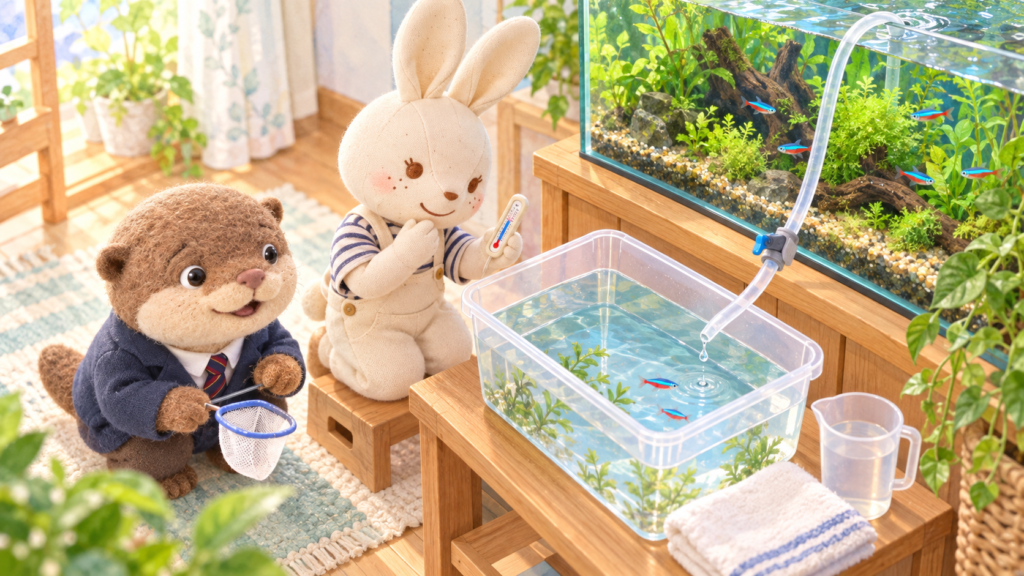 アイのアクアグッズ案内水合わせの道具とやり方|魚を迎える前にそろえたい容器・点滴キット・ネット買ってきた魚はすぐ水槽に入れていい? 水温合わせと水合わせの違いから、透明ケース・点滴キット・ネットの選び方、時間をかけすぎない注意点まで、アイとコタロウが紹介します。記事はコチラ →
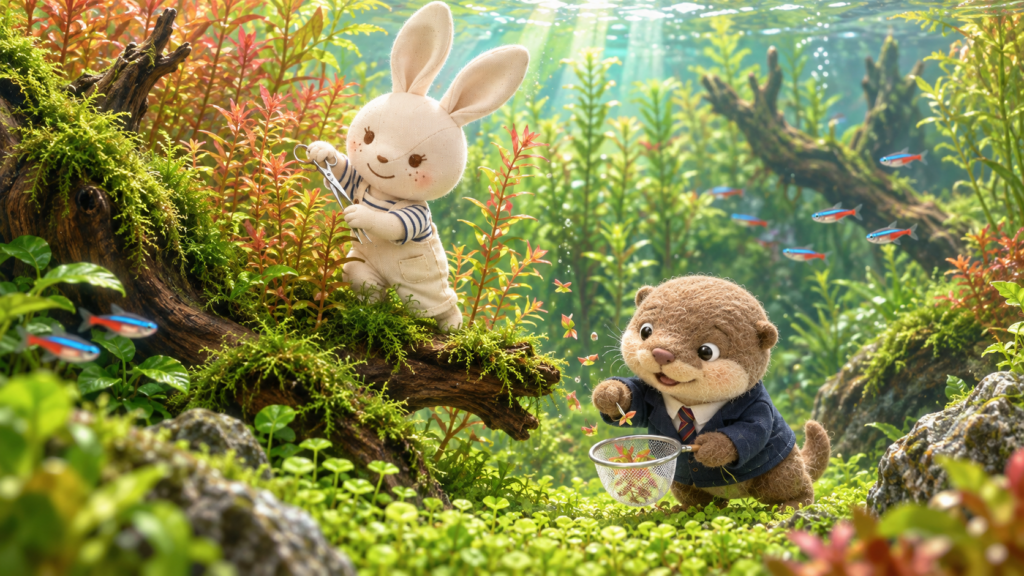 アイのアクアグッズ案内水草トリミングの道具とやり方|ハサミ・ピンセットを水草に合わせて選ぼう伸びすぎた水草は切っていい? 有茎草の差し戻し、前景草の絨毯、流木のモスを整える場面から、水草用ハサミ・ピンセット・ゴミ取りネットの選び方と片付けを紹介します。記事はコチラ →
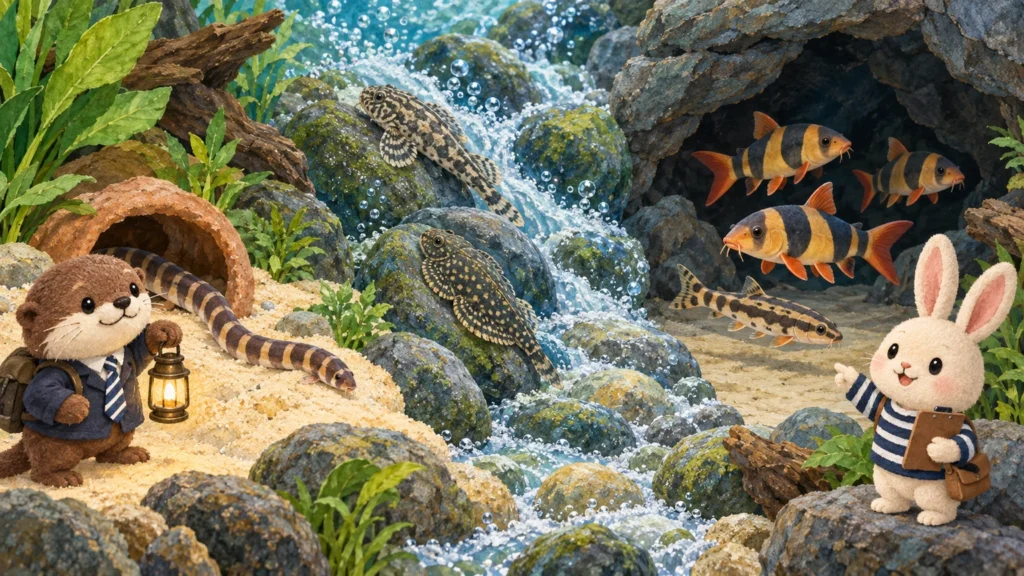 アイのアクアグッズ案内ローチの仲間に合わせる飼育用品|クーリー・流水性・ボーシャの水槽と底砂道具の特徴や使い方、選ぶときのポイントをアイが紹介します。記事はコチラ →
 アイのアクアグッズ案内ラスボラ・ボララスの群泳を楽しむ飼育用品|水槽・ろ過・ヒーター・餌・水草道具の特徴や使い方、選ぶときのポイントをアイが紹介します。記事はコチラ →
さまざまな飼育テーマをご紹介。リンク先の記事には広告・商品紹介が含まれます。
案内・紹介記事一覧へ →分布マップ
中国クロヒレヒガイは、中国、台湾、朝鮮半島などの東アジアの淡水域に分布するとされます。この地図では、記事内の分布情報をもとに、東アジア淡水域の分布イメージを概略で示しています。
Google Earthで開くこの地図のプロットは、分布欄に記載された「中国、台湾、朝鮮半島などの東アジアの淡水域」という広域情報から作成した概略代表地点です。実際の採集地点や厳密な生息範囲を示すものではありません。
参考文献・参照資料
この記事では、店舗ページ、通販ページ、個人ブログ、まとめサイトは参照資料から除外し、分類、分布、生息環境、飼育条件、繁殖、病気や注意点を支える公的機関・学術論文・国際的な生物多様性データベースを中心に選定しています。最終確認日:2026年6月22日。
-
分類・分布・生息環境・最大体長・保全評価Froese, R. and Pauly, D. (eds.). FishBase. Sarcocheilichthys nigripinnis (Günther, 1873), Rainbow gudgeon.
淡水性・底中層性・温帯性、分布域、中国・台湾・朝鮮半島、最大全長、IUCN評価など、基本情報と飼育環境の推定根拠として使用。
-
分類体系・シノニム・学名の確認GBIF Secretariat. GBIF Backbone Taxonomy: Sarcocheilichthys nigripinnis (Günther, 1873).
GBIFでの科の扱い、原記載者、学名、属名、主要シノニムを確認するために使用。FishBaseとの分類表記差を説明する根拠。
-
原記載・有効名・分類学的整理Fricke, R., Eschmeyer, W. N. and Van der Laan, R. (eds.). Eschmeyer’s Catalog of Fishes: Gobio nigripinnis Günther, 1873 / Sarcocheilichthys nigripinnis.
1873年の原記載名、現在の有効名、分類上の位置づけ、淡水魚としての扱いを確認するために使用。
-
成長・寿命目安・成熟年齢・繁殖期・バッチ産卵Yan, Y., Xu, Y., Chu, L., He, S. and Chen, Y. 2012. Age, growth and reproduction of Sarcocheilichthys nigripinnis from the Qingyi Stream in the Huangshan Mountains. Dongwuxue Yanjiu, 33(E1-2): e25-e31. doi:10.3724/SP.J.1141.2012.01-02e25.
青弋江水系の標本調査に基づき、4齢群、2歳成熟、4〜7月の繁殖期、卵径の非同調性によるバッチ産卵の可能性を支える主要文献。
-
二枚貝を利用する繁殖生態・近縁亜種との関係Lee, S. and Song, H. Y. 2016. Complete mitochondrial genome of the Korean oily shinner Sarcocheilichthys nigripinnis morii (Cypriniformes, Cyprinidae): mitogenome characterization and phylogenetic analysis. Mitochondrial DNA Part B, 1(1): 837-838. doi:10.1080/23802359.2016.1247674.
朝鮮半島個体群・亜種 S. nigripinnis morii の分子系統と、二枚貝を利用する繁殖生態への言及を確認する補助文献。本種全体へ過度に一般化しないよう、繁殖解説では「ヒガイ類・近縁個体群で知られる特徴」として扱う。
-
導入時の隔離観察・水質管理・清潔な底床維持Yanong, R. P. E. Fish Health Management Considerations in Recirculating Aquaculture Systems—Part 3: General Recommendations and Problem-Solving Approaches. UF/IFAS Extension.
新規導入魚の隔離、バイオセキュリティ、給餌・水質・清掃・器具管理など、病気予防と日常管理の一般原則を支える資料。
-
白点病の注意・隔離・早期発見Yanong, R. P. E., Francis-Floyd, R. and Pouder, D. B. Ichthyophthirius multifiliis (White Spot) Infections in Fish. UF/IFAS Extension.
淡水魚に広く見られる白点病、輸送後・導入後の発症リスク、隔離と器具共有回避の重要性を支える資料。
-
日本への輸入防疫・対象疾病の確認農林水産省 消費・安全局 畜水産安全管理課水産安全室. 水産輸入防疫制度について.
水産資源保護法に基づく輸入許可、輸入防疫対象疾病、対象水産動物の最新確認が必要であることを支える公的資料。
-
輸入許可申請・書類検査・現物検査・管理飼育の手続き農林水産省 動物検疫所. 水産動物の検査について.
輸入許可申請、輸出国政府機関発行の検査証明書、書類検査、現物検査、異状確認時の精密検査や管理飼育など、流通上の注意点を支える公的資料。




コメント