
解説 / Description
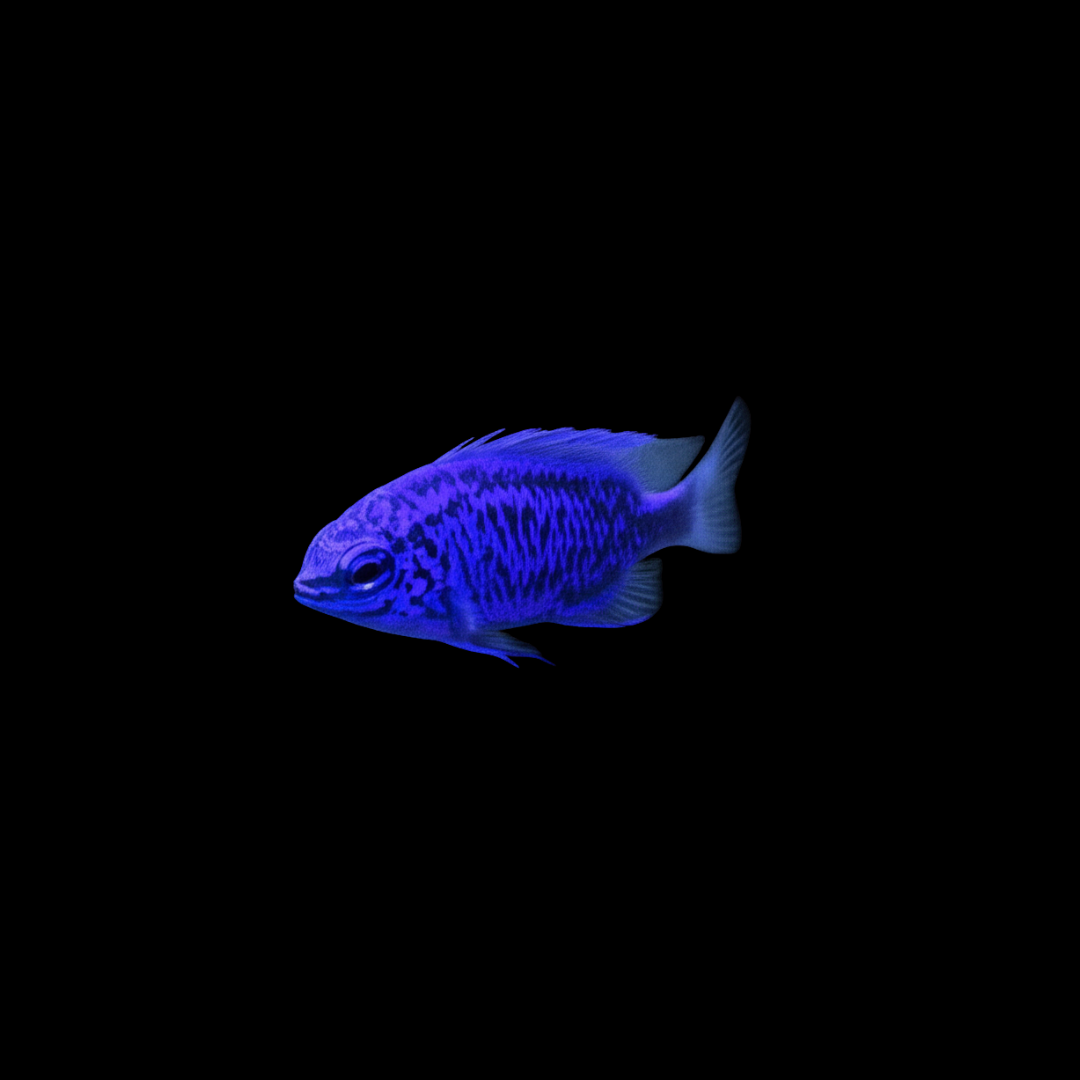
スプリンガーズダムセルは、深みのある青い体色が美しい、ルリスズメダイ属の小型海水魚です。サンゴや岩のすき間を隠れ家にし、その周囲で餌を探します。丈夫で人工飼料にも比較的慣れやすく、スズメダイ類の中では穏やかな傾向があるため、サンゴ水槽でも親しまれています。ただし、縄張りを守る性質があり、同種や似た姿の魚との混泳には配慮が必要です。ヒラムシを捕食する魚としても知られていますが、捕食するかどうかや、その程度には個体差があり、害虫の駆除を保証するものではありません。鮮やかな色彩に加え、小さな餌を探して岩組みを行き来する姿も魅力の一つです。 Springer’s damselfish is a small marine fish in the genus Chrysiptera, admired for its rich blue coloration. It shelters among coral branches and rock crevices and searches for food nearby. Hardy and generally willing to accept prepared foods, it tends to be relatively mild among damselfishes and is popular in reef aquariums. It still defends a territory, so housing it with its own species or similarly shaped fish requires care. It is also known for eating flatworms, but feeding behavior and its effectiveness vary between individuals and do not guarantee pest eradication. Its movements around the rockwork in search of tiny prey are as engaging as its vivid color.
基本情報 / Basic Information
| 学名 / Scientific Name | Chrysiptera springeri (Allen & Lubbock, 1976) |
|---|---|
| 通称 / Common Name | スプリンガーズダムセル、スプリンガーダムセルSpringer’s damselfish, Springer’s damsel |
| 分類 / Family | スズメダイ科・ルリスズメダイ属Family Pomacentridae; genus Chrysiptera |
| 英名 / English Name | Springer’s demoiselle, Springer’s damselfish |
| 分布 / Distribution | 西太平洋のインドネシアとフィリピン。インドネシアではモルッカ諸島やフローレス周辺などで知られ、主に水深4~30mの、波当たりが穏やかでサンゴの多い礁湖や沿岸のサンゴ礁に生息します。The western Pacific around Indonesia and the Philippines, including the Moluccas and Flores region. It mainly inhabits coral-rich sheltered lagoons and inshore reefs at depths of 4–30 m. |
| 最大体長 / Max Size | 全長約5.5cm。Approximately 5.5 cm in total length. |
| 寿命 / Lifespan | 本種の飼育下での寿命を示す、確かな情報は十分ではありません。短期間の飼育を前提にせず、長期にわたって世話を続けられる環境を整えて迎えましょう。Reliable information on this species’ lifespan in captivity is limited. Prepare for long-term care rather than treating it as a short-term aquarium addition. |
飼育環境 / Aquarium Environment
| 水槽サイズ / Tank Size | 1匹の飼育では60cm規格水槽(60×30×36cm、満水容量約65L)以上を目安とし、水量やレイアウトに余裕を持たせるなら60cmワイド水槽(60×45×45cm、満水容量約120L)がおすすめです。岩や底砂を入れると実際の水量は減るため、混泳数は控えめにします。同種の複数飼育には、120cmワイド水槽(120×60×60cm、満水容量約430L)などの大型水槽と多数の隠れ家を用意してください。ただし、水槽が広くても争いが起こることはあります。For one fish, use a standard Japanese 60 cm aquarium (60 × 30 × 36 cm; approximately 65 L before displacement) or larger as a guideline. A 60 cm wide aquarium (60 × 45 × 45 cm; approximately 120 L) provides more water volume and layout space. Rock and substrate reduce the actual water volume, so keep stocking modest. Housing several individuals requires a large aquarium, such as a Japanese 120 cm wide tank (120 × 60 × 60 cm; approximately 430 L), with numerous shelters. Even a large aquarium does not eliminate the possibility of aggression. |
|---|---|
| 水温 / Temperature | 飼育の目安は24~27℃です。日々の変動を小さく保ち、高水温になりやすい夏場は冷却と十分な水面の撹拌を行います。水温が上がると水中の酸素が減りやすいため、温度と酸素供給の両方に気を配ってください。A practical aquarium target is 24–27°C. Minimize daily fluctuations and provide cooling and adequate surface agitation during hot weather. As warmer water holds less oxygen, pay attention to both temperature and oxygenation. |
| 水質 / Water Quality | 海水で飼育します。サンゴと同居させる場合は、塩分33~35‰、比重約1.024~1.026、pH8.1~8.4を目安にします。比重の値は測定温度や器具の仕様によって異なるため、使用する比重計の説明を確認してください。蒸発分は淡水で補い、生物ろ過が安定した水槽でアンモニアと亜硝酸が検出されない状態を維持します。適正範囲からのずれを直す場合も、急激な変化を避けましょう。Keep it in marine water. For a reef aquarium, aim for a salinity of 33–35 ppt, a specific gravity of approximately 1.024–1.026, and a pH of 8.1–8.4. Specific-gravity readings depend on temperature and instrument specifications, so follow your instrument’s instructions. Replace evaporated water with freshwater and use an established biological filter to maintain undetectable ammonia and nitrite. Make any necessary corrections gradually. |
| レイアウト / Layout | ライブロックや海水用の人工岩を使い、体が入るすき間と、その周囲を泳げる空間を設けます。混泳する場合は岩で見通しを遮り、それぞれの魚が退避できる場所を用意してください。水流はよどみを防ぐ程度に確保し、休息場所へ強い流れが直接当たり続けないようにします。生きたサンゴがなくても飼育できます。Use live rock or marine-safe artificial rock to create body-sized crevices and swimming space around them. In a community aquarium, break up sight lines and provide refuges for each fish. Maintain circulation to prevent stagnant areas without directing a constant strong jet into resting sites. Live corals are not required. |
| 注意点 / Precautions | 丈夫な魚でも、生物ろ過が十分に働いていない立ち上げ直後の水槽には入れないでください。導入時は水温と塩分の差に配慮し、隔離水槽で食欲、呼吸、体表の状態を確認します。飛び出しを防ぐふたを設け、ポンプや吸水口には適切な保護カバーを付けましょう。導入直後に体色が暗くなることがありますが、色だけで体調を判断せず、隠れ続ける、呼吸が速い、餌を食べないといった変化も観察してください。Despite its hardiness, do not introduce it into a newly set-up aquarium before biological filtration is established. Account for temperature and salinity differences during acclimation, and monitor appetite, breathing, and skin condition in quarantine. Fit a lid to prevent jumping and suitable guards over pumps and intakes. The fish may darken after introduction, but assess its condition through behavior as well as color, including persistent hiding, rapid breathing, or refusal to eat. |
餌と給餌 / Feeding
| 餌の種類 / Diet | 小型海水魚用の顆粒やフレークを主食にし、冷凍イサザアミや冷凍ブラインシュリンプなどを適量組み合わせます。口に収まる大きさを選び、藻類成分を含む配合飼料も利用できます。水槽内で小さな生き物をついばむことがあっても、微小生物やヒラムシだけに頼らず、毎日の給餌を行ってください。Use small marine-fish pellets or flakes as the staple, supplemented with suitable amounts of frozen mysid shrimp or brine shrimp. Choose food small enough for its mouth; formulated foods containing algae can also be used. Even if the fish picks at tiny organisms in the aquarium, provide daily feeding rather than relying on microfauna or flatworms alone. |
|---|---|
| 給餌のポイント / Feeding Tips | 1日2~3回を目安に、短時間で食べ切れる少量を与えます。導入直後に人工飼料を食べない場合は、口に合う大きさの冷凍餌で食欲を確認し、徐々に配合飼料へ慣らしてください。混泳水槽では餌を複数箇所に分け、本種にも行き渡っているか確認します。ヒラムシを食べさせる目的で絶食させることは避け、残餌は取り除きましょう。Offer small portions two or three times daily, with each portion consumed promptly. If a newly introduced fish refuses prepared food, try appropriately sized frozen food and gradually introduce formulated feeds. Distribute food in several places in a community aquarium and confirm that this fish receives its share. Do not starve it to encourage flatworm predation, and remove uneaten food. |
性格と混泳 / Temperament and Tank Mates
| 性格 / Temperament | スズメダイ類の中では比較的穏やかな傾向がありますが、隠れ家の周囲に縄張りを持ちます。成熟や産卵に伴って攻撃性が強まり、同種や近縁種を執拗に追い払うこともあります。小型水槽では1匹を基本とし、複数飼育を試みる場合は、追われる個体を隔離できるようにしておきましょう。It tends to be relatively mild among damselfishes but defends a territory around its shelter. Aggression may increase with maturity or spawning, sometimes leading to persistent chasing of its own species or close relatives. Keep one individual as the default in smaller aquariums, and be prepared to separate bullied fish when attempting to keep several. |
|---|---|
| 混泳の相性 / Compatibility | 温和なハゼ類など、主な生活場所が異なる魚は混泳候補になります。ただし、臆病で餌を取るのが遅い魚や、姿の似たスズメダイ類には注意が必要です。本種を飲み込める大型肉食魚との同居は避けてください。一般にサンゴを食害しにくく、観賞用の貝や十分に成長したエビとも合わせやすい魚ですが、ごく小さな甲殻類は捕食される可能性があります。組み合わせだけで判断せず、水槽の広さや個体ごとの行動も確認しましょう。Peaceful gobies and other fish using different parts of the aquarium may be suitable companions. Take care with shy, slow-feeding fish and similarly shaped damselfishes. Avoid predators large enough to swallow it. It generally leaves corals alone and often coexists with ornamental snails and adequately grown shrimp, although very small crustaceans may be eaten. Assess compatibility through aquarium space and individual behavior as well as species choice. |
病気と対策 / Diseases and Prevention
| かかりやすい病気 / Common Diseases | 本種に特有の病気というより、海水魚に共通する白点病、ウーディニウム病、体表や鰓に寄生するハダムシ類などに注意します。輸送や争いでできた傷に、細菌感染が起こることもあります。白い点、体をこする動作、鰭を閉じる、呼吸が速い、食欲が落ちるといった変化が異常を見つける手がかりです。ただし、これらの症状だけでは病名を確定できません。Watch for common marine-fish diseases rather than a distinctive species-specific illness: marine ich, velvet, and flukes affecting the skin or gills. Injuries from transport or fighting may also develop bacterial infections. White spots, rubbing, clamped fins, rapid breathing, and reduced appetite can indicate a problem, but these signs alone do not establish a diagnosis. |
|---|---|
| 対策と予防 / Prevention | 新しい魚は別水槽で数週間観察し、網などの器具を介した病原体の持ち込みにも気を付けます。異常が見られたら水質と酸素供給を確認し、原因に合った治療を隔離水槽で行ってください。銅を含む薬剤などはサンゴや無脊椎動物に有害なため、サンゴ水槽へ直接投入しません。薬剤は海水魚に使用できるかを確認し、製品の用法を守ります。判断が難しい場合は、魚病に詳しい専門家へ相談しましょう。低比重療法や淡水浴にも適用できる病気と限界があり、原因を問わず行う予防処置には向きません。Observe new fish in a separate aquarium for several weeks and avoid transferring pathogens on equipment such as nets. If abnormalities appear, check water quality and oxygenation, then use diagnosis-appropriate treatment in a hospital tank. Copper-based treatments and some other medications harm corals and invertebrates and must not be added directly to a reef aquarium. Confirm that a medication is suitable for marine fish and follow its directions. Seek knowledgeable professional advice when needed. Reduced-salinity treatments and freshwater dips have specific applications and limitations; they are not universal preventive measures. |
増やし方(繁殖) / Breeding
| 雌雄の判別 / Sexing | 通常の体色や外見だけで、確実に見分けるのは困難です。腹部のふくらみだけで雌と判断せず、求愛、産卵、卵を守る行動を継続して観察することが手がかりになります。無作為に2匹を入れてもペアになるとは限らず、争いが起こる場合があります。Reliable sexing from normal coloration or external appearance is difficult. A fuller abdomen alone does not establish that a fish is female. Repeated observation of courtship, spawning, and egg guarding provides better clues. Two randomly chosen fish will not necessarily form a pair and may fight. |
|---|---|
| 繁殖形態 / Reproduction | 卵生で、岩の表面などに付着する卵を産み付ける基質産卵型です。雄が産卵場所を守り、鰭で水を送って卵に酸素を供給します。孵化した仔魚は水中を漂う生活に移るため、親魚と同じ餌や飼育方法では育てられません。An egg-laying substrate spawner that deposits adhesive eggs on surfaces such as rock. The male guards the spawning site and fans the eggs to supply oxygen. Newly hatched larvae enter a pelagic phase and cannot be reared using the same food and husbandry as the adults. |
| 繁殖のポイント / Breeding Tips | 相性のよい成熟ペアに、隠れ家と観察しやすい産卵基質を用意します。産卵期は他魚への攻撃が強まることがあるため、専用水槽が適しています。人工繁殖の実績はありますが、家庭での仔魚育成は難しく、別の育成水槽と、小さな口に合う初期餌料の準備が必要です。近縁種で使われる微小なカイアシ類の幼生なども、本種に適した大きさや給餌条件を確認する必要があります。近縁種の孵化日数や給餌手順を、そのまま本種の確立した飼育方法として扱わないことが大切です。Provide a compatible mature pair with shelters and a spawning surface that can be observed easily. A dedicated aquarium is preferable because aggression toward other fish may increase during spawning. Captive breeding has been achieved, but home larval rearing is difficult and requires a separate rearing system and first foods suited to tiny mouths. Minute prey such as copepod nauplii used for related species still require verification of appropriate size and feeding conditions for this fish. Hatching schedules and feeding protocols from relatives should not be treated as established methods for this species. |
雑学と豆知識 / Trivia and Fun Facts
| 1. 青い魚に残された魚類学者の名前 / 1. An Ichthyologist’s Name in a Blue Fish | 種小名のspringeriは、魚類学者ビクター・G・スプリンガーにちなみます。スミソニアンの国立自然史博物館で海産魚類を研究した人物で、本種の記載の基準となる標本の採集にも携わりました。この魚は1976年にジェラルド・R・アレンとロジャー・ラボックによって記載され、当初はGlyphidodontops springeriという学名が使われました。その後、ルリスズメダイ属へ移されたため、現在の学名では命名者名と年が括弧で囲まれています。この括弧は、最初に記載されたときとは属が変わったことを示しています。The epithet springeri honors ichthyologist Victor G. Springer of the Smithsonian’s National Museum of Natural History, who helped collect the specimens used to describe the species. Gerald R. Allen and Roger Lubbock described it in 1976 as Glyphidodontops springeri. Its later transfer to Chrysiptera explains the parentheses around the authors and year in its current scientific name. Those parentheses indicate that the species is now placed in a different genus from the one used in its original description. |
|---|---|
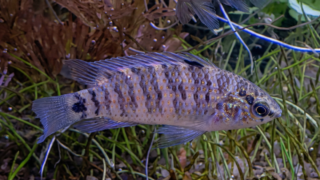
| 2. 青い姿と黒い姿をどう見分けるか / 2. Understanding Blue and Dark Appearances | スプリンガーズダムセルの名で流通する魚には、青い体が目立つものと、黒い地色に青い斑点や線が目立つものがあります。ただし、体色の違いだけで同じ種とも別種とも断定できません。緊張や周囲の状況によって体色が暗く見えることもあるため、購入時の一瞬の色だけで判断せず、落ち着いた状態での模様や、採集地域を含む個体情報を確認しましょう。また、尾が黄色くないという特徴だけでは、同属の青い魚をすべて見分けることはできません。Fish sold as Springer’s damselfish include individuals with predominantly blue bodies and others with conspicuous blue spots or lines on a dark background. Color differences alone do not establish whether they belong to the same or different species. Stress and surrounding conditions can also affect their appearance. Check markings in a settled fish and available information such as collection locality rather than judging from a momentary color. Absence of a yellow tail alone cannot distinguish every blue Chrysiptera species. |
| 3. ヒラムシ対策に期待される役割と限界 / 3. Its Role and Limits in Flatworm Control | 岩やサンゴの周囲で小さな餌を探す習性があり、ヒラムシを捕食する魚としてアクアリストの関心を集めています。ただし、ヒラムシと呼ばれる生き物にはさまざまな種類があります。目に付くヒラムシを食べたからといって、ミドリイシを食害する種類にも同じ効果があるとは限りません。魚ごとの好みや、害虫が潜む場所によっても結果は変わります。卵や隠れた個体が残れば再び増える可能性があるため、サンゴの隔離観察、卵の確認と除去、対象に合ったサンゴ用薬浴などを組み合わせて対処します。本種の捕食には補助的な役割を期待し、魚自身に必要な餌と飼育環境を整えることが大切です。Its habit of searching for tiny prey around rocks and corals has attracted interest in its flatworm-eating behavior. However, “flatworms” includes many different organisms. Eating visible flatworms does not establish equal effectiveness against Acropora-eating species. Individual preferences and the accessibility of pests also affect results. Surviving eggs or hidden individuals may replenish an infestation, so coral quarantine, inspection and removal of eggs, and appropriately selected coral dips remain important. Regard this fish as a possible aid to control while providing the food and environment it needs. |
| 4. サンゴの枝間は小さな魚の暮らしの中心 / 4. Coral Branches as a Center of Daily Life | 自然のサンゴ礁では、サンゴの枝間が身を隠す場所になり、その周囲で餌を探すことができます。隠れ家と採餌場所が近い環境は、小さな魚の暮らしを支えています。水槽でも、岩組みの中に退避できるすき間を残し、その手前に泳げる空間を設けると、隠れ家から出たり戻ったりする行動を観察しやすくなります。野生では集まって暮らす姿が見られますが、水槽では逃げ場所が限られます。自然界の集まりを、そのまま狭い水槽で再現しようとしないことが大切です。On a natural reef, coral branches provide shelter with feeding opportunities nearby. This proximity between refuge and feeding space supports the daily life of a small fish. In an aquarium, accessible recesses within the rockwork and open swimming space in front encourage movements between shelter and feeding areas. Although aggregations occur in the wild, retreat options are limited in aquariums. A natural gathering should not simply be recreated in a small tank. |
| 5. 人工繁殖が広げる飼育の選択肢 / 5. Captive Breeding Expands Aquarium Choices | 本種には人工繁殖の実績があり、養殖個体も流通したことがあります。飼育環境で育った魚は人工飼料に慣れていることが多く、養殖個体を選ぶことは、野生個体の採集への依存を減らす選択肢になります。ただし、養殖個体でも病原体を持ち込む可能性はあり、導入時の観察は必要です。海水魚の人工繁殖では、親魚の産卵に成功するだけでなく、小さな餌を必要とする仔魚を育て上げなければなりません。卵から販売できる大きさまで育てる過程に、繁殖技術の難しさがあります。Captive breeding has been achieved, and aquacultured individuals have entered the trade. Fish raised in captivity are often familiar with prepared foods, and choosing them can reduce reliance on wild collection. They can still carry pathogens, however, so careful observation during introduction remains necessary. Marine-fish breeding involves more than getting adults to spawn: larvae requiring minute food must also be raised successfully. The challenge lies in completing the journey from egg to a fish large enough for sale. |
まとめ / Conclusion
スプリンガーズダムセルは、サンゴや岩の間から現れる青い姿が印象的な小型海水魚です。落ち着ける隠れ家、安定した海水、口に合う餌を用意し、縄張りを守る性質に配慮することで、日々の採餌や岩組みを行き来する姿を楽しめます。小型水槽では1匹を基本に、混泳相手が追われ続けていないか、十分に餌を食べられているかも見守りましょう。 Springer’s damselfish makes a memorable impression as its blue body emerges from coral or rockwork. Secure shelters, stable seawater, appropriately sized food, and respect for its territorial nature allow its daily feeding and movements to be enjoyed. Keep one as the default in a small aquarium, and check that its companions are not persistently chased and receive enough food.
ヒラムシを捕食する働きに期待が寄せられる魚ですが、それだけを目的に迎えるのではなく、一匹の住人として暮らしを支えることが大切です。岩のすき間から顔を出し、餌を探して泳ぐ小さな青い姿は、水槽を眺める時間に楽しみを添えてくれます。 Although valued for its potential to eat flatworms, it deserves care as an aquarium inhabitant in its own right rather than being kept solely for pest control. Its small blue form peeking from a crevice and swimming out to search for food adds pleasure to time spent watching the aquarium.
気になる道具や飼い方を見つけてみませんか?
 アイのアクアグッズ案内エビのおうち、食べちゃっていいの!? コタロウと探る、不思議なエビのごはん道具の特徴や使い方、選ぶときのポイントをアイが紹介します。記事はコチラ →
 アイのアクアグッズ案内水槽のコケ掃除|道具の選び方とお掃除生体の得意・不得意道具の特徴や使い方、選ぶときのポイントをアイが紹介します。記事はコチラ →
さまざまな飼育テーマをご紹介。リンク先の記事には広告・商品紹介が含まれます。
案内・紹介記事一覧へ →分布マップ
スプリンガーズダムセル(Chrysiptera springeri)は、西太平洋のインドネシアとフィリピンに分布します。モルッカ諸島やフローレス周辺などの、波当たりが穏やかなサンゴ礁や礁湖に生息します。
地図は分布地域全体を見渡すための概略表示であり、表示範囲のすべてに本種が生息することを示すものではありません。マーカーはモルッカ諸島周辺に設定した代表地点で、実際の採集地点ではありません。Google Earthのリンクも同じ代表地点を開きます。
参考文献
-
Allen, G. R. & Lubbock, R.(1976).
Glyphidodontops springeri, a new species of damselfish (Pomacentridae) from the Philippine and Molucca Islands.
Proceedings of the Biological Society of Washington, 88: 345–350. Biodiversity Heritage Library.
本種の原記載。命名と分類の歴史、形態、産地に関する資料。 -
FishBase.
Chrysiptera springeri (Allen & Lubbock, 1976) — Springer’s demoiselle.
学名と分類、最大体長、インドネシア・フィリピンの分布、水深と生息環境、付着卵の産卵と雄による卵の保護。 -
Pedersen, M.(2018年10月25日).
ORA’s Foray into More Captive-Bred Damsels.
CORAL Magazine.
ORA関係者への取材に基づく、本種の人工繁殖と当時の供給状況の報告。ヒラムシを捕食する魚としての評価にも言及。 -
Merck Veterinary Manual.
Management of Aquarium Fish.
観賞魚全般の飼育管理。水温、水質、酸素供給、生物ろ過、給餌、病気の診断と治療、淡水浴などの処置に関する基礎資料。 -
Merck Veterinary Manual.
Parasitic Diseases of Fish.
海水白点病、ウーディニウム病、体表や鰓に寄生する単生類などの病原体、症状、診断と対策。 -
University of Florida, IFAS Extension.
Fish Health Management Considerations in Recirculating Aquaculture Systems—Part 3: General Recommendations and Problem-Solving Approaches.
Circular 122 / FA101.
循環式飼育システムにおける健康管理。新規導入魚の隔離、衛生管理、器具を介した病原体の移動防止、水質と栄養管理。 -
Yanong, R. P. E.
Use of Copper in Marine Aquaculture and Aquarium Systems.
University of Florida, IFAS Extension, FA165.
海水魚飼育での銅の使用と管理。無脊椎動物への毒性、魚種や水質による影響、治療濃度の測定と維持。




コメント