

解説 / Description
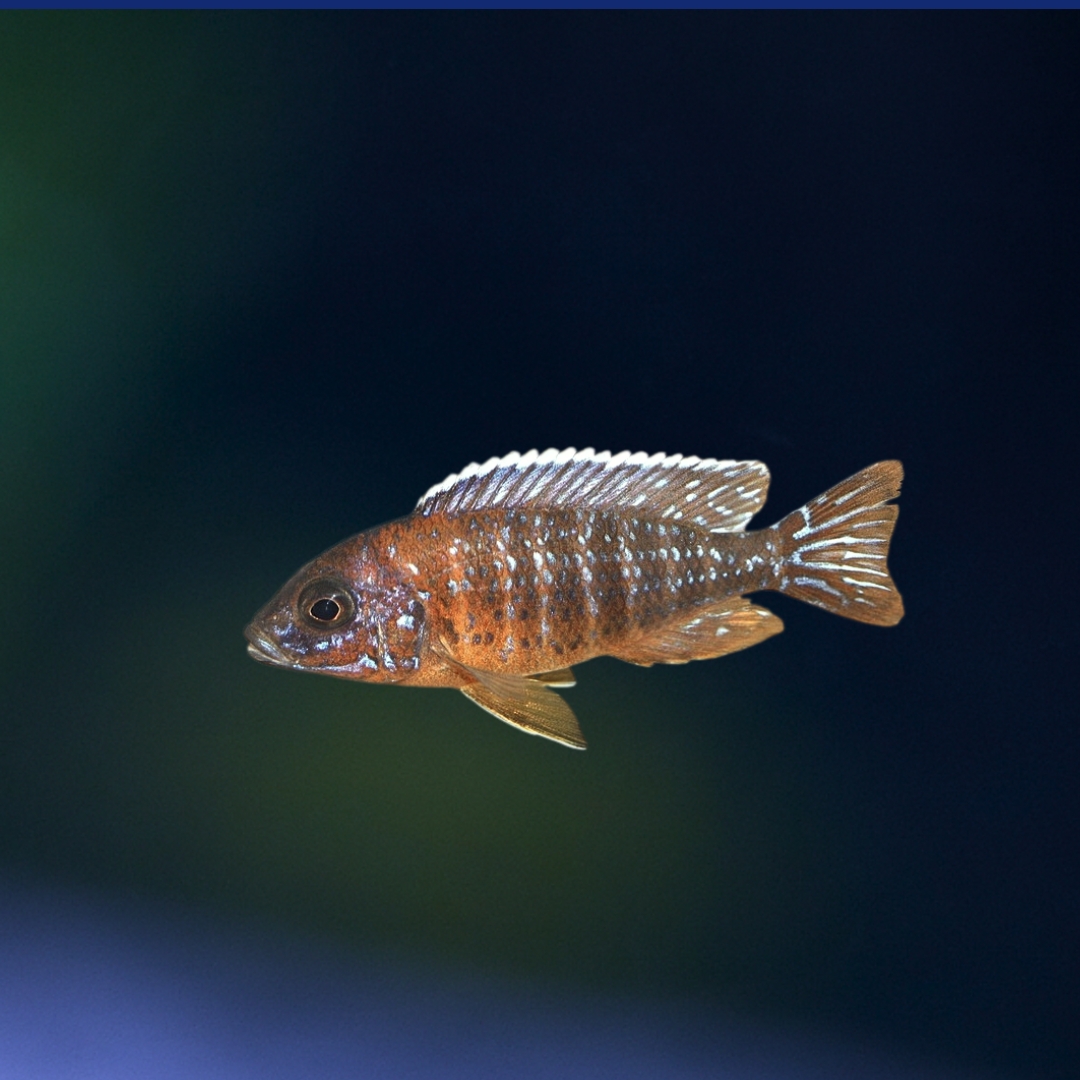
アウロノカラ・ヤコブフレイベルギィは、アフリカのマラウイ湖に固有のピーコックシクリッドです。現在の有効な学名は Aulonocara jacobfreibergi で、記載当初は Trematocranus jacobfreibergi とされていました。成熟したオスは青、黄、橙、赤を組み合わせた華やかな婚姻色を見せ、地域変異や選別固定された改良系統によって印象が大きく変わります。 Aulonocara jacobfreibergi is a peacock cichlid endemic to Lake Malawi in Africa. Its currently accepted name is Aulonocara jacobfreibergi, although it was originally described as Trematocranus jacobfreibergi. Mature males display brilliant breeding colors with combinations of blue, yellow, orange, and red, and their appearance varies greatly among local forms and selectively bred aquarium strains.
本種はアウロノカラ属の中でも洞窟や岩場との関係が深い魚として知られます。砂地だけを泳ぎ回る魚ではなく、岩場、大岩、岩場から砂地へ移る中間帯、小さな洞窟状の場所を利用します。飼育では、華やかな体色だけで選ぶのではなく、硬度のある弱アルカリ性の水、砂底、岩組み、強めの濾過、そして交雑を避ける系統管理を意識することが大切です。 This species is especially associated with rocky and cave-like habitats among the Aulonocara group. It is not simply an open-sand swimmer; it uses rocky areas, large boulders, intermediate zones between rocks and sand, and small caves. In aquaria, its care should be based not only on its bright colors but also on hard alkaline water, a sandy substrate, rockwork, strong filtration, and careful lineage management to avoid hybridization.
基本情報 / Basic Information
| 学名 / Scientific Name | Aulonocara jacobfreibergi |
|---|---|
| 通称 / Common Name | アウロノカラ・ヤコブフレイベルギィ、ヤコブフレイベルギィ、マラウイ・バタフライ、ユーレカ、ユーレカレッド、レモン・ジェイク、マメレラFreiberg’s Peacock, Fairy Cichlid, Malawi Butterfly, Eureka Peacock, Lemon Jake, Mamalela Peacock |
| 分類 / Family | シクリッド目 シクリッド科 プセウドクレニラブルス亜科 アウロノカラ属Order Cichliformes, family Cichlidae, subfamily Pseudocrenilabrinae, genus Aulonocara |
| 英名 / English Name | Fairy Cichlid, Freiberg’s Peacock, Malawi Butterfly, Eureka Peacock |
| 分布 / Distribution | マラウイ湖固有種です。確認情報としてはンクジ、モンキー・ベイ、ナンクンバ、ドムウェ島、オッター・ポイントなどが挙げられます。専門家による観察記録では、ケープ・マクレア周辺から西岸、東岸のルピング周辺やウンドゥ・リーフ方面にも地域変異が知られます。Endemic to Lake Malawi. Confirmed localities include Nkudzi, Monkey Bay, Nankumba, Domwe Islands, and Otter Point. Specialist accounts also discuss geographic variants from around Cape Maclear and the western shore, as well as eastern-shore areas such as Lupingu and the Undu Reef region. |
| 最大体長 / Max Size | 公的データベースでは最大15cm前後とされます。ワイルド個体は10cm前後にとどまることが多い一方、飼育下では栄養状態によって15cmを超えて見える大型個体が出ることもあります。Public databases list a maximum length of about 15 cm. Wild individuals often remain around 10 cm, while well-fed aquarium specimens may appear larger and can exceed 15 cm in exceptional cases. |
| 寿命 / Lifespan | 飼育下ではおおむね5〜8年前後が目安です。水質、餌、混泳ストレスにより差が出ます。In aquaria, a practical expectation is roughly 5-8 years, depending on water quality, diet, and social stress. |
飼育環境 / Aquarium Environment
| 水槽サイズ / Tank Size | 単独飼育や若魚の育成なら60cm規格水槽から始められますが、成魚の長期飼育では90cm規格水槽以上を推奨します。1オス複数メスのハーレム飼育や混泳では90cm規格水槽を目安にし、複数個体や本格的なマラウイシクリッド水槽では120cm規格水槽または120cmワイド水槽以上が安心です。Juveniles or a single specimen can be started in a standard 60 cm tank, but a standard 90 cm tank or larger is recommended for long-term adult care. For a harem of one male with several females or a community setup, use a 90 cm tank as a practical baseline. For multiple adults or a full Lake Malawi cichlid display, a standard 120 cm tank or a 120 cm wide tank is preferable. |
|---|---|
| 水温 / Temperature | 24〜26℃を基本に、飼育上は24〜28℃の範囲で安定させます。急変を避けることが重要です。 Keep the water stable at 24-26°C as a basic target; 24-28°C is generally acceptable in aquarium care. Avoid sudden fluctuations. |
| 水質 / Water Quality | 弱アルカリ性の硬水を好みます。目安はpH 7.5〜8.5、硬度は9〜19dH程度を意識します。日本の水道水は地域によって軟水寄りになりやすいため、細かいサンゴ砂、石灰岩、アフリカンシクリッド用バッファーなどを使い、急激なpH変動を避けながら調整します。Prefers hard, weakly alkaline water. Aim roughly for pH 7.5-8.5 and hardness around 9-19 dH. In areas with softer tap water, use fine coral sand, limestone, or African cichlid buffers carefully, avoiding sudden pH shifts. |
| レイアウト / Layout | 底床には細かい砂またはサンゴ砂を敷き、砂を口に含む行動ができる開けた場所を残します。岩や石灰岩を組んで洞窟状の隠れ家と視線を遮る構造を複数作ると、縄張り争いを和らげやすくなります。明るすぎる照明よりも、岩陰ができる落ち着いた環境が向いています。Use fine sand or coral sand as the substrate and leave open areas where the fish can sift sand. Arrange rocks or limestone to create cave-like shelters and visual barriers, which help reduce territorial conflict. A calmer layout with shaded areas is preferable to overly bright, exposed aquascapes. |
| 注意点 / Precautions | オス同士は縄張り争いを起こしやすく、狭い水槽で複数オスを入れるのは避けます。アウロノカラ属は近縁種や地域変異同士で交雑しやすいため、繁殖を目的にする場合は同一系統のみで管理します。排泄量が多いため、外部式フィルター、上部式フィルター、オーバーフローなど、余裕のある濾過を用意します。Males can fight over territories, so avoid keeping multiple males in cramped quarters. Aulonocara species and local forms hybridize easily, so keep only one line if breeding is intended. Because they produce considerable waste, provide strong filtration such as a canister filter, overhead filter, or sump system. |
餌と給餌 / Feeding
| 餌の種類 / Diet | 主食は品質のよいアフリカンシクリッド用ペレットやフレークが扱いやすいです。副食として冷凍ブラインシュリンプ、冷凍アカムシ、ミジンコなどを少量与えるとよいでしょう。自然下では砂中の小型甲殻類、巻貝、その他の小型無脊椎動物を探して食べるとされます。High-quality African cichlid pellets or flakes are the easiest staple foods. Small portions of frozen brine shrimp, frozen bloodworms, or daphnia can be offered as supplementary foods. In the wild, it searches the sand for small crustaceans, snails, and other small invertebrates. |
|---|---|
| 給餌のポイント / Feeding Tips | 成魚には食べ切れる量を少なめに与え、腹部が常に膨らむような給餌は避けます。幼魚は成長のため少量をこまめに与えます。高タンパクな餌は発色や成長に役立ちますが、与えすぎると水質悪化や消化不良につながるため、週に1日程度の控えめな日を作ると管理しやすくなります。Feed adults modest portions that are eaten quickly, and avoid keeping the belly constantly swollen. Juveniles can receive smaller, more frequent meals for growth. Protein-rich foods support growth and coloration, but overfeeding can worsen water quality and digestion, so one lighter feeding day per week can be helpful. |
性格と混泳 / Temperament and Tank Mates
| 性格 / Temperament | ピーコックシクリッドとしてはやや気が強く、特に成熟したオスは繁殖期に縄張りを主張します。ただし、極端に攻撃的なムブナ類のように常に激しく争うタイプではなく、十分な広さと岩組みがあれば落ち着いて飼育しやすい魚です。It is somewhat assertive for a peacock cichlid, especially when mature males defend breeding territories. However, it is not usually as relentlessly aggressive as many mbuna, and it can be manageable when given enough space and rockwork. |
|---|---|
| 混泳の相性 / Compatibility | 基本は1オスに対して複数メスを組み合わせるハーレム構成が扱いやすいです。混泳相手は、同じような水質を好み、体型や色彩が大きく異なる中型のマラウイ産ハプロクロミス類が候補になります。攻撃性の強いムブナ類、口に入る小魚、交雑の危険がある他のアウロノカラ属との混泳は避けるのが無難です。A harem setup with one male and several females is usually easiest. Suitable tank mates include medium-sized Lake Malawi haplochromines that prefer similar water conditions but differ clearly in body shape and coloration. Avoid highly aggressive mbuna, small fish that may be swallowed, and other Aulonocara species or forms that may hybridize. |
病気と対策 / Diseases and Prevention
| かかりやすい病気 / Common Diseases | アフリカンシクリッドで注意される症状として、腹部膨満を伴うマラウイ・ブロートがあります。食欲低下、腹部の膨らみ、白っぽい糞、動きの鈍さ、進行時の鱗の逆立ちなどが見られることがあります。原因は単一ではなく、水質悪化、ストレス、不適切な餌、過剰給餌などが重なって発生しやすいと考えられます。A key concern in African cichlids is Malawi bloat, a syndrome involving abdominal swelling. Signs may include reduced appetite, swelling, pale feces, lethargy, and raised scales in advanced cases. It is not caused by a single factor; poor water quality, stress, unsuitable diet, and overfeeding are commonly considered contributing risks. |
|---|---|
| 対策と予防 / Prevention | 予防は、安定した弱アルカリ性の硬水、強い濾過、定期的な換水、消化しやすい良質な餌が基本です。イトミミズなど病原菌を持ち込みやすい生餌は避け、冷凍餌も主食にしすぎないようにします。新規導入魚は可能であれば隔離観察し、痩せ、腹部膨満、白い糞、ヒレの傷みがないか確認してから合流させます。Prevention depends on stable hard alkaline water, strong filtration, regular water changes, and digestible, high-quality food. Avoid live tubifex worms and other foods that can introduce pathogens, and do not rely too heavily on frozen foods. Quarantine new fish when possible and check for emaciation, swelling, pale feces, or fin damage before introduction. |
増やし方(繁殖) / Breeding
| 雌雄の判別 / Sexing | 成熟したオスは強い発色を見せ、青や黄色、橙色、赤色が目立ちます。メスと若魚は灰褐色から地味な褐色系で、薄い縦帯が見えることがあります。幼魚の段階では雌雄判別が難しく、地域変異のメス同士を外見だけで正確に区別することも困難です。Mature males are brightly colored, often showing blue, yellow, orange, or red. Females and juveniles are much plainer, usually grayish to brownish with faint vertical bars. Juveniles are hard to sex, and females of different geographic forms can be difficult to identify reliably by appearance alone. |
|---|---|
| 繁殖形態 / Reproduction | メスが卵と稚魚を口の中で守るマウスブルーダーです。産卵後、メスは卵を口に含み、オスの尻ビレにあるエッグスポットへ反応する過程で受精が行われます。FishBaseでは産卵数は最大50個までとされています。It is a maternal mouthbrooder. After spawning, the female takes the eggs into her mouth, and fertilization occurs as she responds to the egg spots on the male’s anal fin. FishBase lists the species as producing up to 50 eggs. |
| 繁殖のポイント / Breeding Tips | 抱卵中のメスはおよそ3週間前後、口内で卵や稚魚を守り、その間はほとんど餌を食べません。稚魚を確実に残したい場合は、抱卵を確認してから水質を合わせた隔離水槽へ移すと成功率が上がります。稚魚には細かく砕いたフレークや孵化直後のブラインシュリンプを与えます。放仔後のメスは消耗しているため、すぐにオスのいる水槽へ戻さず、十分に回復させてから戻します。The holding female protects the eggs and fry in her mouth for about three weeks and eats little or nothing during that time. To improve fry survival, move the holding female to a separate tank with matching water conditions after mouthbrooding is confirmed. Fry can be fed finely crushed flakes and newly hatched brine shrimp. The female is weakened after releasing the fry, so allow her to recover before returning her to a tank with the male. |
雑学と豆知識 / Trivia and Fun Facts
| 1. 砂の中の獲物を読む感覚器官 / 1. Sensory organs that read prey under sand | アウロノカラ属の魚は、頭部の感覚孔がよく発達しています。これは顔のくぼみやしわのように見える構造で、砂の中にいる小型甲殻類、巻貝、その他の無脊椎動物が動くときのわずかな水圧変化を感じ取るために使われます。ヤコブフレイベルギィも、湖底近くでじっと静止し、獲物の動きを感じ取ると砂へ素早く口を入れて採餌します。Aulonocara species have well-developed sensory pores on the head. These groove-like structures detect tiny pressure changes caused by small crustaceans, snails, and other invertebrates moving under the sand. A. jacobfreibergi can hover close to the bottom, sense hidden prey, and then quickly bite into the sand to capture it. |
|---|---|
| 2. 「マカンジラ島」という謎のタイプ産地 / 2. The mystery of “Makanjila Island” | 本種の記載史には、観賞魚産業の時代背景を感じさせる逸話があります。原記載ではタイプ産地が「マカンジラ島」とされましたが、この島は実在しない地名と考えられています。当時、マラウイ湖の美しい未記載シクリッドの採集地は、輸出業者にとって重要な秘密でした。そのため、実際の採集地を隠すために架空の地名が使われた可能性が高いとされています。これは専門家によって紹介されている経緯ですが、すべてが確定した史実というわけではありません。The species has a story that reflects the early aquarium trade. Its original description gave the type locality as “Makanjila Island,” but this place is thought not to exist. At the time, collecting sites for beautiful undescribed Lake Malawi cichlids were valuable trade secrets, so an invented locality may have been used to hide the true source. This account has been reported by specialists, but not every detail is established as historical fact. |
| 3. 商業名と地域変異は混同しやすい / 3. Trade names and local forms are easy to confuse | ヤコブフレイベルギィには地域ごとの色彩差があり、さらにユーレカのような選別固定系統も流通します。ユーレカはオッター・ポイント系の素材から赤みを強める方向で選別された系統として知られます。一方で、レモン・ジェイク、マメレラ、ユーレカなどの名前は、学術的な種名、産地名、改良品種名、流通名が混ざって使われることがあります。純系を維持したい場合は、販売名だけでなく産地や血統説明を確認することが大切です。A. jacobfreibergi has strong geographic color variation, and selectively bred strains such as Eureka are also sold. Eureka is known as a line-bred strain developed from Otter Point stock with enhanced red coloration. However, names such as Lemon Jake, Mamalela, and Eureka can mix scientific names, locality labels, strain names, and trade names. If lineage purity matters, confirm the locality or breeding history rather than relying only on the sales name. |
| 4. 洞窟性と白いヒレの縁取り / 4. Cave behavior and pale fin margins | 本種は、岩場や洞窟状の場所で暮らすことが多いアウロノカラとして知られます。大きな洞窟ではオスが高い岩面や天井付近に縄張りを持ち、メスや非繁殖個体は底面側で索餌することがあると報告されています。オスのヒレに見られる淡色の縁取りは、薄暗い岩陰で輪郭を強調し、繁殖相手やライバルに存在を示す視覚信号として働いている可能性があります。This species is known as an Aulonocara associated with rocky and cave-like habitats. In large caves, males have been reported to defend territories on higher rock surfaces or near the ceiling, while females and non-breeding individuals forage closer to the bottom. The pale fin margins of males may help outline the body in dim rocky spaces and function as a visual signal to potential mates or rivals. |
| 5. 保全状況とブリード個体を選ぶ意味 / 5. Conservation status and the value of captive-bred fish | 本種はIUCNレッドリストで低懸念とされています。ただし、種全体の評価が低懸念であっても、美しい地域変異に局地的な採集圧がかかることはあります。人気の高い地域変異を楽しむ場合、信頼できるブリード個体や血統管理された個体を選ぶことは、飼育の安定だけでなく、野生個体群への負担を減らす選択にもつながります。The species is listed as Least Concern on the IUCN Red List. However, even when a species-level assessment is Least Concern, attractive local forms can still face localized collecting pressure. Choosing reliable captive-bred or carefully line-managed fish can improve aquarium success and help reduce pressure on wild populations. |
まとめ / Conclusion
アウロノカラ・ヤコブフレイベルギィは、マラウイ湖の岩場や洞窟環境と深く関わる、色彩豊かなピーコックシクリッドです。飼育では、90cm規格水槽以上を基本に、砂底、岩組み、弱アルカリ性の硬水、余裕のある濾過を整えることで、本来の落ち着いた行動と美しい発色を引き出しやすくなります。 Aulonocara jacobfreibergi is a colorful peacock cichlid closely associated with rocky and cave-like habitats in Lake Malawi. In aquaria, a standard 90 cm tank or larger, sandy substrate, rockwork, hard alkaline water, and strong filtration help bring out its natural behavior and coloration.
繁殖は狙いやすい一方、アウロノカラ属は交雑しやすいため、産地や品種を大切にするなら単独系統で管理しましょう。派手な改良系統を楽しむ場合でも、元になった地域変異や野生個体群への配慮を忘れず、信頼できるブリード個体を選ぶことが、長く健全に楽しむための近道です。 Breeding is achievable, but Aulonocara species hybridize easily, so keep single lines separately if locality or strain identity matters. Even when enjoying colorful line-bred forms, choosing reliable captive-bred fish and respecting the wild local forms behind them is the best path to long-term, responsible enjoyment.

気になる道具や飼い方を見つけてみませんか?
 アイのアクアグッズ案内水槽用ヒーターの選び方|固定式・温度調節式と、水量に合うW数の考え方水槽の魚は冬に寒くない? アイとコタロウが水温計から固定式・温度調節式・分離式ヒーターまで比較。水量と室温に合うW数、設置場所、水換えや交換の注意点を、国内メーカーの商品とともに紹介します。記事はコチラ →
 アイのアクアグッズ案内プレコ飼育に必要なもの|餌・流木・ろ過・隠れ家・掃除用品道具の特徴や使い方、選ぶときのポイントをアイが紹介します。記事はコチラ →
さまざまな飼育テーマをご紹介。リンク先の記事には広告・商品紹介が含まれます。
案内・紹介記事一覧へ →参考文献・参照資料
本リストは、記事内の分類、分布、生息環境、飼育条件、繁殖、病気や注意点を支える資料に絞って選定しています。店舗、通販ページ、個人ブログ、まとめサイトは除外し、魚類分類データベース、公的保全評価、専門書、大学・出版社系の魚病資料を中心に採用しました。
-
Fricke, R., Eschmeyer, W. N. & Van der Laan, R. eds. Eschmeyer’s Catalog of Fishes. California Academy of Sciences.
Aulonocara jacobfreibergi の項目
分類上の有効名、旧組み合わせ Trematocranus jacobfreibergi、原記載、タイプ標本、タイプ産地、科・亜科の確認に使用。 -
Froese, R. & Pauly, D. eds. FishBase.
Aulonocara jacobfreibergi, Fairy cichlid
最大体長、分布、水温、pH、硬度、生息環境、岩場・中間帯・小洞窟の利用、産卵数、IUCN評価の確認に使用。 -
Konings, A. 2018. Aulonocara jacobfreibergi. The IUCN Red List of Threatened Species 2018.
IUCN Red List species account
保全状況、低懸念評価、分布域と野生個体群の扱いに関する根拠として使用。 -
Johnson, D. S. 1974. A new species of Trematocranus from Lake Malawi. Today’s Aquarist 1(3): 39.
本種の原記載。原記載名、記載者、記載年、タイプ産地に関する基礎文献として採用。書誌情報は Eschmeyer’s Catalog of Fishes で照合。 -
Konings, A. 2016. Malawi Cichlids in Their Natural Habitat. 5th ed. Cichlid Press.
Google Books 書誌情報
マラウイ湖産シクリッドの自然分布、生息環境、地域変異、現地観察に基づく生態情報の補強資料として使用。 -
Konings, A. 2015. Cichlids with a sixth sense. Practical Fishkeeping.
記事ページ
アウロノカラ属の頭部感覚孔、砂中の獲物探索、A. jacobfreibergi の行動、生息地・流通史に関する専門家解説として参照。一般ブログではなく、専門家寄稿記事として補助的に使用。 -
Noga, E. J. 2010. Fish Disease: Diagnosis and Treatment. 2nd ed. Wiley-Blackwell.
Wiley 書誌情報
魚病の診断、非感染性要因、感染症、飼育環境と健康管理の一般原則を支える専門書として、病気と予防の記述を補強。 -
Francis-Floyd, R. Stress—Its Role in Fish Disease. UF/IFAS Extension, University of Florida.
UF/IFAS Extension publication
水質悪化、過密、温度変化、栄養不良などのストレスが魚病発生に関与するという注意点の根拠として使用。 -
Dixon, B. A., Straub, D. & Truscott, J. 1997. Isolation of Clostridium difficile from the African cichlid, Nimbochromis venustus, with “Malawi bloat.” Journal of Aquariculture and Aquatic Sciences 8(2): 35–38.
マラウイ・ブロートを特定病原体だけに単純化しないための参考文献。対象魚種は本種ではありませんが、アフリカンシクリッドにおける腹部膨満症状の背景資料として限定的に参照。




コメント