

解説 / Description
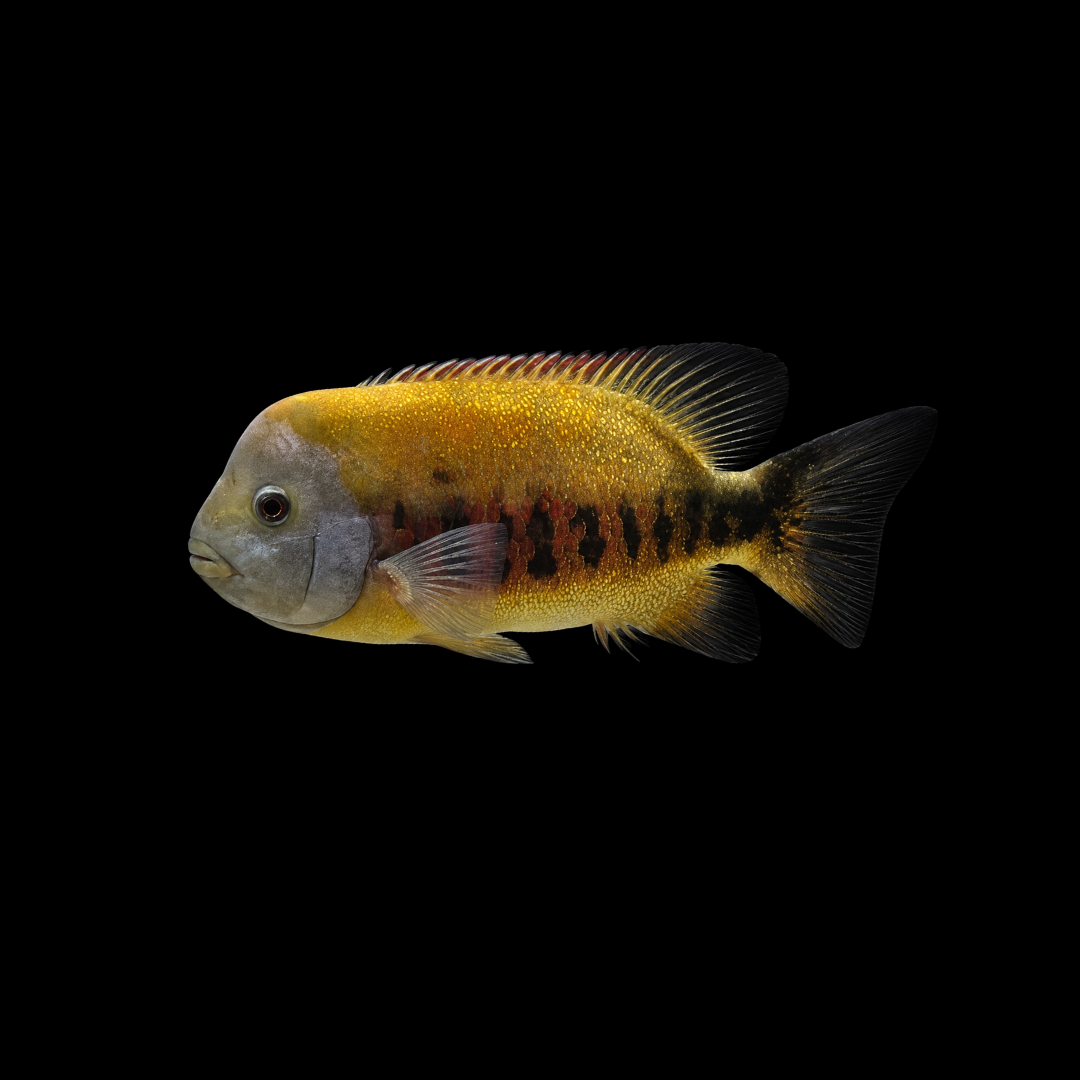
トモシクラ・チューバは、ニカラグア東部からコスタリカを経てパナマ西部にかけて、カリブ海側へ注ぐ河川に分布する中米産シクリッドです。最大で約30cmに達し、比較的伸びた体型、厚い唇を備えた下向きの口、繁殖期に大きく変化する体色が特徴です。自然下では流れのある河川や小河川に暮らすため、飼育では十分な遊泳空間と濾過能力を確保し、水をよく循環させながら酸素不足を避けることが重要です。また、幼魚は水生昆虫を利用し、成長すると藻類や植物質、果実を多く食べることが知られており、成長段階によって食性の比重が変わる点も本種の特徴です。 Tomocichla tuba is a Central American cichlid distributed in Caribbean-draining rivers from eastern Nicaragua through Costa Rica to western Panama. It reaches about 30 cm and is characterized by a relatively elongated body, a subterminal mouth with large lips, and a marked change in coloration during breeding. In nature it inhabits flowing rivers and streams, so aquarium care should provide ample swimming space, adequate filtration, good water circulation, and sufficient oxygenation. Juveniles are known to consume aquatic insects, while larger fish feed heavily on algae, plant material, and fruit, making the shift in dietary emphasis with growth an important feature of the species.
基本情報 / Basic Information
| 学名 / Scientific Name | Tomocichla tuba |
|---|---|
| 通称 / Common Name | トモシクラ・チューバ、チューバ・シクリッドTuba Cichlid |
| 分類 / Family | シクリッド科・シクリナエ亜科・ヘロス族・トモシクラ属Family Cichlidae, subfamily Cichlinae, tribe Heroini, genus Tomocichla |
| 英名 / English Name | Tuba Cichlid |
| 分布 / Distribution | 中央アメリカのカリブ海側水系に分布し、ニカラグア東部からコスタリカを経てパナマ西部まで知られています。河川や小河川の流れのある場所に生息し、コスタリカでは従来の標高0〜540mの記録に加え、2021年に標高731mでの生息が報告されています。Distributed in Caribbean-draining waters of Central America from eastern Nicaragua through Costa Rica to western Panama. It inhabits flowing rivers and streams. In Costa Rica, records had previously extended from near sea level to 540 m elevation, and a new record at 731 m was reported in 2021. |
| 最大体長 / Max Size | 約30cm。大型化すると厚みのある筋肉質な体つきになります。About 30 cm. Mature fish develop a robust, muscular build while retaining a streamlined profile. |
| 寿命 / Lifespan | 本種に限定した信頼できる寿命の目安は確認できません。導入する際は寿命を短く見積もらず、成魚サイズまで維持できる設備と終生飼育を前提に考えます。A reliable species-specific lifespan is not clearly established. It is therefore best not to assume a short lifespan and to plan from the outset for lifelong care with facilities suitable for a full-grown adult. |
飼育環境 / Aquarium Environment
| 水槽サイズ / Tank Size | 成魚の大きさと遊泳性を考えると、120cm規格水槽以上を飼育上の目安とし、余裕を持たせるなら150cmクラス以上が適しています。ペア飼育や混泳を検討する場合は、150〜180cmクラスのワイド水槽など、総水量400L前後以上を確保しやすい構成が扱いやすくなります。水槽の長さだけでなく、方向転換できる奥行きと、縄張りを分けられる空間も確保します。Considering adult size and swimming activity, a 120 cm class aquarium should be treated as a practical starting point, while a 150 cm class aquarium or larger provides more room. For a pair or attempted community setup, a wide 150–180 cm class aquarium, where roughly 400 L or more of total volume can be secured, is more manageable. Tank depth and usable floor space are as important as length because the fish needs room to turn and establish territories. |
|---|---|
| 水温 / Temperature | 野外では23〜33℃の範囲から記録されています。ただし、この全範囲をそのまま飼育の適温とみなすものではありません。飼育では24〜28℃程度を実用上の目安とし、急激な変化を避けて安定させます。水温が高い時期ほど酸素不足を起こさないよう、水面の撹拌や水流を確保します。 Wild records span approximately 23–33°C, but this full range should not be treated as a recommended captive temperature range. For routine aquarium care, roughly 24–28°C is a practical target, with stability more important than chasing a precise value. At warmer temperatures, maintain good surface agitation and circulation to avoid oxygen shortage. |
| 水質 / Water Quality | 本種について、飼育適正として厳密に確定したpHや硬度の範囲は資料によって扱いが異なるため、特定の数値を絶対条件にはしません。飼育では急激な水質変化を避け、アンモニアや亜硝酸を蓄積させない清浄な水を維持することを優先します。十分な濾過と定期的な換水を組み合わせ、水の循環が滞らない状態を保ちます。Published husbandry sources do not provide a single, firmly established species-specific pH and hardness range, so these values should not be treated as absolute requirements. In captivity, priority should be given to avoiding abrupt changes and maintaining clean water without accumulation of ammonia or nitrite. Adequate filtration, regular water changes, and consistent circulation are more important than pursuing a narrowly defined number. |
| レイアウト / Layout | 角のない細砂や川砂利を底床にし、丸みのある石や安定した流木を組み合わせると、本種の生息環境をイメージしやすいレイアウトになります。底床を動かす可能性があるため、大型の石は砂の上に不安定に載せず、底面を保護したうえで確実に固定します。水流は水槽全体を一様に強くするのではなく、流れのある場所と石や流木の陰にできる緩やかな場所を両方つくると管理しやすくなります。水草は掘り返しや食害を受ける可能性があるため、無理に多用する必要はありません。Smooth fine sand or river gravel, together with rounded stones and stable driftwood, creates a layout that reflects the species’ river habitat. Because the fish may move substrate, large rocks should not be balanced loosely on top of sand; stabilize them securely on a protected base. Rather than making every part of the aquarium equally turbulent, provide both areas of noticeable current and calmer zones behind stones or wood. Plants may be uprooted or eaten, so a heavily planted layout is not necessary. |
| 注意点 / Precautions | 最大30cmほどに成長し、流れのある環境で活発に泳ぐため、小型水槽での長期飼育には向きません。大型石の崩落、濾過能力不足、酸素不足、繁殖期の縄張り争いに注意します。導入前に成魚を維持できる設備を用意し、飼育個体を河川や湖沼などの自然水域へ放流しないでください。This species grows to about 30 cm and is an active swimmer associated with flowing water, so small aquariums are unsuitable for long-term care. Important risks include unstable rockwork, insufficient filtration, oxygen shortage, and territorial conflict during breeding. Prepare facilities suitable for an adult before acquiring the fish, and never release captive individuals into rivers, lakes, or other natural waters. |
餌と給餌 / Feeding
| 餌の種類 / Diet | 成長段階によって食性の比重が変わります。幼魚は水生昆虫を利用し、成長すると藻類、植物質、果実を多く食べることが報告されています。飼育下ではシクリッド用の人工飼料を主食にしつつ、成魚では植物質を含む飼料を継続的に取り入れます。動物質の餌も利用できますが、それだけに偏らせないことが大切です。The balance of the diet changes with growth. Juveniles are reported to consume aquatic insects, while larger fish feed heavily on algae, plant material, and fruit. In captivity, a formulated cichlid food can serve as the staple, with a regular plant-based component especially for adults. Animal foods can also be used, but they should not make up the entire diet. |
|---|---|
| 給餌のポイント / Feeding Tips | 1日1〜2回を目安に、食べ残しが出ない量を与えます。大型シクリッドだからと動物質だけに偏らせず、成魚では植物質を含む餌を継続的に取り入れます。水流のある水槽では餌が散りやすいため、魚が確実に食べられる場所と量を確認し、残餌は早めに除去します。As a practical routine, feed once or twice daily in amounts that do not leave uneaten food. Do not rely only on animal-rich foods simply because it is a large cichlid; adults should continue to receive a plant-based component. In a flowing-water setup, food can disperse quickly, so make sure the fish can reach it and remove leftovers promptly. |
性格と混泳 / Temperament and Tank Mates
| 性格 / Temperament | 縄張り性があり、とくに繁殖時には産卵場所や稚魚の周囲を強く防衛します。飼育下では同種間の争いにも注意が必要で、成熟後は相性の確認されたペア、または単独で管理できるようにしておくと安全です。性格を「中程度」「強い」と固定的に分類するより、個体差と繁殖状態によって行動が変わる魚として扱います。The species is territorial and strongly defends spawning sites and fry during reproduction. In captivity, conflict between conspecifics also requires attention, so mature fish should be managed as a compatible pair or with the option of separate housing. Rather than assigning a fixed aggression label, it is more accurate to expect behavior to vary with the individual and reproductive condition. |
|---|---|
| 混泳の相性 / Compatibility | 小型魚や、流れの強い環境を苦手とする魚との混泳には向きません。混泳を試す場合は十分に大きな水槽を用意し、体格差が大きすぎず、生活場所や縄張りが重なりにくい相手を選びます。ただし、繁殖期にはそれまで共存していた相手にも防衛行動が向く可能性があります。混泳を前提に固定せず、必要なら隔離できる準備をしておくことが重要です。It is not well suited to very small fish or species that cannot tolerate a flowing-water setup. If tank mates are attempted, use a sufficiently large aquarium and avoid large size differences or species likely to compete for the same territory. During breeding, defensive behavior may be directed even toward previously tolerated tank mates. Do not assume that community housing will remain stable, and keep a separation plan available. |
病気と対策 / Diseases and Prevention
| かかりやすい病気 / Common Diseases | 本種に特有の「かかりやすい病気」として確立した情報は確認できません。特定の病名を挙げるより、食欲低下、呼吸の変化、体色や泳ぎ方の異常など、普段との違いを早く捉えることが重要です。水質悪化や酸素不足は体調を崩す要因になり得るため、まず飼育環境を点検します。No well-established species-specific list of common diseases could be confirmed. Rather than assigning particular disease names without evidence, watch for changes in appetite, breathing, coloration, and swimming behavior. Deteriorating water quality or insufficient oxygen can contribute to poor condition, so husbandry should be checked first when abnormalities appear. |
|---|---|
| 対策と予防 / Prevention | 予防の基本は、濾過、水の循環、酸素供給、換水を安定して続け、残餌や排泄物を溜めないことです。大型魚は不調が進んでからの治療や隔離が難しくなりやすいため、日常の観察を重視します。異常が見られた場合は、病気を決めつける前に水温や水質、濾過、同居魚との関係を確認し、原因に応じて対処します。Prevention is based on consistent filtration, circulation, oxygenation, water changes, and prompt removal of waste and uneaten food. Treating or isolating a large fish becomes difficult once a problem has progressed, so routine observation is especially important. If abnormalities appear, check temperature, water quality, filtration, and interactions with tank mates before assuming a specific disease. |
増やし方(繁殖) / Breeding
| 雌雄の判別 / Sexing | 外見上の雌雄差は大きくありません。成熟したオスはメスより大型になりやすく、成長したオスでは額から頭部の輪郭が高くなり、こぶ状の隆起が目立つことがあります。繁殖色は雌雄ともに大きく変化するため、体色だけで雌雄を決めつけないほうが確実です。External differences between the sexes are not pronounced. Mature males tend to grow larger, and older males may develop a steeper head profile with a noticeable nuchal swelling. Because both sexes undergo strong breeding-color changes, coloration alone is not a reliable basis for sexing. |
|---|---|
| 繁殖形態 / Reproduction | ペアで繁殖する基質産卵型のシクリッドです。自然下では流れの強い河川でも産卵が観察され、基質に卵を産み付けます。孵化後は親魚が稚魚を守り、自由遊泳を始めた群れを伴って行動します。水槽内では平らな石など、ペアが産卵場所として選べる安定した基質を用意します。This is a pair-spawning, substrate-breeding cichlid. Spawning has been observed in strong river current, with eggs attached to a substrate. After hatching, the parents defend the young and accompany the school once the fry become free-swimming. In the aquarium, provide stable surfaces such as flat stones that a pair can select as a spawning site. |
| 繁殖のポイント / Breeding Tips | 相性のよい成熟ペアを確保し、普段の飼育と同様に水温や水質を急変させず、水の循環と酸素供給を安定させます。繁殖時は産卵場所や稚魚を強く防衛するため、他魚を分けられる環境を用意しておくと安全です。稚魚には、口に入る大きさの微細な餌を少量ずつ与え、成長と水質の両方を見ながら管理します。Begin with a compatible mature pair and keep temperature and water conditions stable, with consistent circulation and oxygenation. During breeding, the parents strongly defend the spawning site and fry, so it is safest to have a way to separate other fish. Feed the fry small amounts of appropriately fine food while monitoring both growth and water quality. |
雑学と豆知識 / Trivia and Fun Facts
| 1. 学名に刻まれた分類史 / 1. A Taxonomic History Written into the Name | トモシクラ・チューバの学名には、中米産シクリッドの分類が長く揺れ動いてきた歴史が表れています。1908年にチャールズ・テイト・リーガンが Tomocichla underwoodi を記載し、1912年にはセス・ユージン・ミークが Cichlasoma tuba を記載しました。現在の主要な魚類カタログでは Tomocichla tuba が有効名として扱われ、Tomocichla underwoodi はその異名とされています。一方で、underwoodi という名前をめぐる古い標本や命名上の扱いには、近年も検討課題が指摘されています。つまり、現在使うべき学名は明確である一方、その名前に至るまでの経緯は単純な「旧名から新名への変更」ではなく、中米産シクリッドの分類史そのものを映しているのです。The scientific name of Tomocichla tuba reflects a long and complicated history of Central American cichlid classification. Charles Tate Regan described Tomocichla underwoodi in 1908, and Seth Eugene Meek described Cichlasoma tuba in 1912. Current major fish catalogs treat Tomocichla tuba as the valid name and list Tomocichla underwoodi as a synonym. At the same time, recent authors have noted unresolved nomenclatural questions involving older uses of the name underwoodi and historical type material. In practical terms, the currently accepted name is clear, but the path leading to it is more complex than a simple replacement of an old name with a new one. |
|---|---|
| 2. 急流が作り上げた体 / 2. A Body Shaped by Fast Water | トモシクラ属は、比較的伸びた体型、大きな唇を備えた下向きの口、背鰭と臀鰭の丸みを帯びた後縁などで特徴づけられます。系統分類の研究でも、トモシクラ属の魚が流れの速い河川に生息することが示されています。こうした形態が個々の運動機能にどこまで直接結びつくかは慎重に考える必要がありますが、少なくとも重厚な体高型のシクリッドとは異なる姿が、流水環境で暮らす本種の印象を形づくっています。水槽で流れに向かって泳ぐ姿を見ると、分類学で記載される形態と実際の生活環境がひと続きの特徴として見えてきます。Tomocichla is characterized by a relatively elongated body, a subterminal mouth with large lips, and strongly rounded posterior margins of the dorsal and anal fins. Phylogenetic and taxonomic work also notes that species of the genus occur in fast-flowing rivers. It is best to be cautious about assigning a specific hydrodynamic function to every feature, but the overall form clearly differs from that of many deep-bodied cichlids and fits the visual impression of a fish living in flowing water. In the aquarium, seeing the fish face into the current helps connect the morphology described by taxonomists with the environment in which the species lives. |
| 3. 幼魚と成魚で「食べる世界」が変わる / 3. A Diet That Changes with Age | 本種で興味深いのが、成長に伴って食べるものの比重が変わることです。報告では、幼魚は水生昆虫を利用する一方、成長した個体は果実、葉、藻類を多く食べます。ここで大切なのは、「幼魚は肉食、成魚は完全な草食」と単純に分けることではなく、成長につれて植物質の重要性が高まると理解することです。飼育下でもこの違いを意識すると、成魚に動物質だけを与え続けるのではなく、植物質を含む餌を組み合わせる理由が分かりやすくなります。One of the most interesting features of this species is the change in dietary emphasis as it grows. Reports note that juveniles consume aquatic insects, whereas larger fish feed heavily on fruit, leaves, and algae. The important point is not to reduce this to “carnivorous juveniles and strictly herbivorous adults,” but to recognize that plant material becomes increasingly important with growth. In captivity, this helps explain why adult diets should include a meaningful plant-based component rather than remaining dominated by animal foods. |
| 4. 繁殖期に現れる白・黒・赤のシグナル / 4. White, Black, and Red Signals of the Breeding Season | 野外観察では、非繁殖時の体色は緑、灰色、黄色を含む比較的落ち着いた色調ですが、繁殖に入ると雌雄とも頭部に鮮明な白い「マスク」が現れ、体側の黒い帯も目立つ模様へ変化します。産卵時には黒い帯が縦方向の斑紋に分かれて見え、個体によっては明るい部分に赤みが加わります。つまり、この変化は単なる発色の良し悪しではなく、繁殖状態に入ったことが外見にはっきり表れる現象です。飼育下で同じ変化が見られた場合は、同時に縄張り防衛が強まる可能性も考え、同居魚との関係を注意深く観察します。Field observations describe relatively subdued green, gray, and yellow tones outside the breeding season. During reproduction, both sexes develop a striking white facial “mask,” and the dark lateral marking becomes much more conspicuous; during spawning it can break into vertical dark bars, sometimes with reddish highlights in the lighter areas. In other words, this is not simply a matter of a fish “coloring up,” but a visible change associated with reproductive condition. If the same transformation appears in captivity, territorial defense may also intensify, so interactions with tank mates should be watched closely. |
| 5. 湖の島に残る不思議な個体群 / 5. A Curious Island Population in a Lake | 本種は河川や小河川の流水環境で知られる魚ですが、ニカラグア湖に浮かぶオメテペ島のブエン・スセソ川では繁殖個体群が報告されています。湖そのものから本種が普通に記録されているわけではないため、島の川にどう到達したのかが研究上の疑問になりました。2005年の報告では、サン・フアン川方面から流れてきた浮遊植生の「いかだ」に幼魚が乗り、卓越風によってオメテペ島へ運ばれた可能性が仮説として示されています。証明された移動経路ではありませんが、流水性の魚でも、偶発的な分散によって予想外の場所に個体群をつくり得ることを考えさせる事例です。The species is known primarily from flowing rivers and streams, yet a breeding population has been reported from the Buen Suceso River on Ometepe Island in Lake Nicaragua. Because Tomocichla tuba was not otherwise known as a typical lake inhabitant, its presence in an island stream raised an obvious question: how did it get there? A 2005 study proposed that juveniles may have dispersed on floating rafts of vegetation derived from the San Juan River area and been carried toward Ometepe by prevailing winds. This remains a hypothesis rather than a demonstrated route, but it illustrates how even a strongly river-associated fish may occasionally establish a population in an unexpected location. |
まとめ / Conclusion
トモシクラ・チューバは、中央アメリカの流水環境に暮らす体つき、成長に伴って比重が変わる食性、繁殖期の鮮明な体色変化を併せ持つ大型シクリッドです。最大約30cmになる体格に加え、十分な遊泳空間、水の循環、濾過能力、崩れにくいレイアウトが必要になるため、成魚まで見据えた設備を用意できる飼育者に向いています。 Tomocichla tuba is a large Central American cichlid characterized by its association with flowing water, a diet whose emphasis changes with growth, and striking breeding coloration. In addition to reaching about 30 cm, it requires ample swimming space, consistent circulation, adequate filtration, and stable rockwork, making it best suited to aquarists who can plan for the needs of a full-grown adult.
適切な広さと安定した環境を整えると、流れに向かって泳ぐ姿、底床や石への働きかけ、繁殖時の色彩変化や親魚の防衛行動など、本種らしい性質をじっくり観察できます。大型化した後まで無理なく飼い続けられることを前提に迎えることで、力強さだけではない、流水環境に生きるシクリッドならではの特徴が水槽の中でも見えてきます。 With adequate space and stable conditions, aquarists can observe the species facing into the current, interacting with the substrate and rocks, changing color during reproduction, and defending its young. Planning from the beginning for responsible care after the fish reaches full size allows the distinctive qualities of a river-dwelling cichlid to be appreciated without reducing its appeal to size or aggression alone.
気になる道具や飼い方を見つけてみませんか?
 アイのアクアグッズ案内水槽用浄水器の選び方|水換えを楽にするタイプとROの違い道具の特徴や使い方、選ぶときのポイントをアイが紹介します。記事はコチラ →
 アイのアクアグッズ案内旅行中、お魚のごはんはどうする? 自動給餌器・使える餌・スマート水槽の選び方旅行中の魚の餌やりを助ける自動給餌器を、アイとコタロウが紹介。時間指定、おかわり給餌、対応するフレークや顆粒、設置台、スマホ管理、一体型水槽、留守番フードまで、使いどころと選び方を案内します。記事はコチラ →
 アイのアクアグッズ案内海水魚の底砂の選び方|サンゴ砂・ライブサンドとおすすめ商品道具の特徴や使い方、選ぶときのポイントをアイが紹介します。記事はコチラ →
 アイのアクアグッズ案内海水魚初心者の必需品|水槽・人工海水・比重計・水質検査道具の特徴や使い方、選ぶときのポイントをアイが紹介します。記事はコチラ →
さまざまな飼育テーマをご紹介。リンク先の記事には広告・商品紹介が含まれます。
案内・紹介記事一覧へ →分布マップ
トモシクラ・チューバ(Tomocichla tuba)は、中央アメリカのカリブ海側水系に分布し、ニカラグア東部からコスタリカを経てパナマ西部まで知られています。
※この地図は、ニカラグア東部からコスタリカ、パナマ西部にかけてのカリブ海側水系という分布情報をもとにした概略表示です。マーカーは分布域を把握しやすくするために設定した代表地点であり、実際の採集地点や生息確認地点を示すものではありません。
参考文献
-
Fricke, R., Eschmeyer, W. N. & Van der Laan, R. (eds.). 2026. Eschmeyer’s Catalog of Fishes: Genera, Species, References. California Academy of Sciences, online version updated 7 July 2026.対応項目:有効学名、異名、科・亜科、分類上の扱いCalifornia Academy of Sciences
-
McMahan, C. D., Matamoros, W. A., Piller, K. R. & Chakrabarty, P. 2015. “Taxonomy and systematics of the herichthyins (Cichlidae: Tribe Heroini), with the description of eight new Middle American Genera.” Zootaxa 3999(2): 211–234.対応項目:トモシクラ属の分類、形態的特徴、分布、流水環境との関係doi:10.11646/zootaxa.3999.2.3
-
Bussing, W. A. 1975. “Taxonomy and biological aspects of the Central American cichlid fishes Cichlasoma sieboldii and C. tuba.” Revista de Biología Tropical 23(2): 189–211.対応項目:形態、体色、分布、生息環境、生態文献情報
-
McCrary, J. K., van den Berghe, E. P. & McKaye, K. R. 2005. “A Breeding Population of Theraps underwoodi (Teleostei: Cichlidae) on Ometepe Island, Nicaragua, and Implications for its Dispersal Mechanisms.” Caribbean Journal of Science 41(4): 874–876.対応項目:流水性の生息環境、食性、野外水温、繁殖個体群、稚魚の保護、オメテペ島個体群論文情報・全文
-
Angulo, A. 2021. “New records and range extensions to the Costa Rican freshwater fish fauna, with an updated checklist.” Zootaxa 5083(1): 1–72.対応項目:コスタリカを含む分布、標高記録、淡水魚相における現在の扱いdoi:10.11646/zootaxa.5083.1.1
-
Francis-Floyd, R., Yanong, R. P. E. & Petty, B. D. 2026. “Environmental Diseases of Aquatic Animals in Aquatic Systems.” Merck Veterinary Manual.対応項目:病気・体調不良を考える際の水質確認、溶存酸素、アンモニア・亜硝酸、温度変化などの一般的な環境管理Merck Veterinary Manual
-
環境省 自然環境局. 「侵略的な外来種/外来種被害予防三原則」. 日本の外来種対策.対応項目:飼育個体を野外へ放さないこと、外来種を「捨てない・拡げない」という飼育上の注意環境省




コメント