

解説 / Description
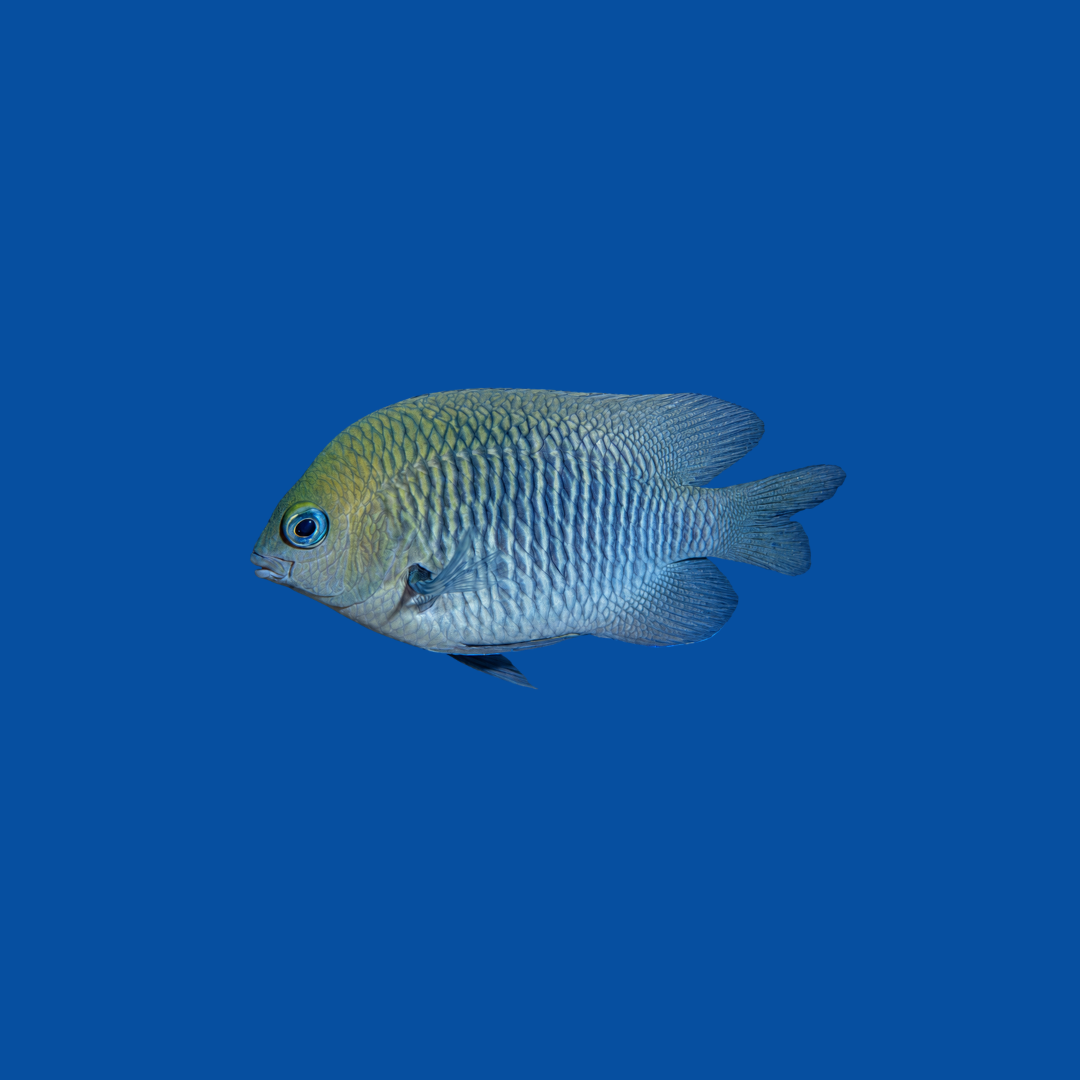
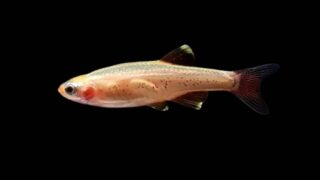
ロングフィンダムセルは、西部大西洋からカリブ海にかけて分布するスズメダイの仲間です。幼魚は黄色い体に青いラインと眼状斑を持つ華やかな姿ですが、成長すると灰褐色を基調とした落ち着いた色彩へ変化します。成魚の魅力は派手さよりも、岩礁やサンゴ礁の一角を自分の縄張りとして守り、糸状藻類の「農園」を維持する行動にあります。自然下ではアミの仲間がその農園に集まり、排泄物が藻類の栄養源になることが報告されており、サンゴ礁の小さな区画の中に複雑な共生関係を作る魚として知られています。 The Longfin damselfish is a damselfish native to the western Atlantic and the Caribbean region. Juveniles are vivid, with a yellow body, blue lines, and an eyespot, while adults become more subdued in grayish-brown tones. The true appeal of adults lies less in their color and more in their behavior: they defend a patch of rock or reef as a territory and maintain it as an algal garden. In the wild, mysid shrimps have been reported to gather within these gardens, where their waste can enrich the algae, making this fish a remarkable example of complex reef-level interactions.
基本情報 / Basic Information
| 学名 / Scientific Name | Stegastes diencaeus |
|---|---|
| 通称 / Common Name | ロングフィンダムセル、ロングフィン・ダムセルLongfin damselfish |
| 分類 / Family | スズメダイ科、クロソラスズメダイ属Family Pomacentridae, genus Stegastes |
| 英名 / English Name | Longfin damselfish |
| 分布 / Distribution | 西部大西洋。ノースカロライナ周辺からバハマ、カリブ海、メキシコ湾周辺、南カリブ海にかけての岩礁・サンゴ礁域に分布します。Western Atlantic, from the North Carolina region through the Bahamas, the Caribbean, areas around the Gulf of Mexico, and the southern Caribbean, mainly on rocky and coral reefs. |
| 最大体長 / Max Size | 約12.5〜13cm。スズメダイとしては小型種ではなく、成長後の存在感と縄張りの広さを考慮する必要があります。About 12.5 to 13 cm. It should not be treated as a tiny damselfish, because adults require space for their size and territorial behavior. |
| 寿命 / Lifespan | 本種単独の寿命について、観賞魚向けに広く一致した数値は多くありません。安定した海水魚飼育環境では数年以上の長期飼育を前提に迎えるのが現実的です。A widely agreed aquarium-specific lifespan figure is not commonly available for this species. In a stable marine aquarium, it should be regarded as a fish kept with a long-term, multi-year commitment. |
飼育環境 / Aquarium Environment
| 水槽サイズ / Tank Size | 目安は250L前後以上です。日本の規格水槽では120cm規格水槽以上、できれば120cmワイド水槽級が安心です。90cm規格水槽では、単独飼育でも縄張りの圧迫感が出やすく、混泳には向きません。Around 250 L or more is a practical minimum. In Japanese standard tank sizes, a 120 cm tank or larger is recommended, and a 120 cm wide tank is safer. A standard 90 cm tank can feel cramped even for a single adult and is not suitable for community setups. |
|---|---|
| 水温 / Temperature | 23〜28℃を目安に安定させます。夏場は水槽用クーラー、冬場はヒーターを使い、急な水温変化を避けてください。 Keep the temperature stable at about 23 to 28°C. Use a chiller in hot seasons and a heater in colder months to avoid sudden temperature swings. |
| 水質 / Water Quality | 比重1.020〜1.026、pH8.0〜8.4前後を目安にします。よく食べてよく排泄するため、強めのろ過、プロテインスキマー、定期的な換水で水質を安定させることが大切です。Aim for a specific gravity of 1.020 to 1.026 and a pH around 8.0 to 8.4. Because this fish feeds actively and produces waste, strong filtration, a protein skimmer, and regular water changes are important. |
| レイアウト / Layout | ライブロックをしっかり組み、隠れ家、見通しを遮る岩組み、縄張りにできる平面を用意します。精密なリーフタンクよりも、ライブロック中心の魚主体の水槽に向きます。Provide a solid live-rock layout with hiding places, visual barriers, and surfaces the fish can claim as territory. It is better suited to a fish-focused live-rock aquarium than to a delicate reef display. |
| 注意点 / Precautions | 縄張り意識が非常に強く、導入後に水槽の広い範囲を占有することがあります。サンゴそのものを積極的に食べる魚として扱う必要はありませんが、藻類の生えた場所を維持しようとするため、繊細なサンゴの近くでは接触やつつきによるトラブルが起こる可能性があります。It is highly territorial and may claim a large part of the aquarium after introduction. It is not best described as a dedicated coral eater, but because it tends and defends algae-covered surfaces, delicate corals near its chosen area may be disturbed or damaged by pecking and territorial activity. |
餌と給餌 / Feeding
| 餌の種類 / Diet | 雑食性ですが、成魚は藻類食の比重が高い魚です。植物質を含む海水魚用ペレット、スピルリナ入りフード、海苔、冷凍イサザアミ、ブラインシュリンプ、細かく刻んだエビや貝類などを組み合わせます。It is omnivorous, but adults rely heavily on algae-based foods. Offer marine pellets with plant matter, spirulina-based foods, dried nori, frozen mysid-type foods, brine shrimp, and finely chopped shrimp or shellfish. |
|---|---|
| 給餌のポイント / Feeding Tips | 1日1〜2回を基本に、痩せやすい個体では少量を複数回に分けます。動物質だけに偏ると本来の食性から外れやすいため、植物質を切らさないことが長期飼育のポイントです。ライブロック表面に自然な藻類が少し残る環境では、採餌行動を観察しやすくなります。Feed once or twice daily as a baseline, or offer smaller portions more often for individuals that lose condition easily. Avoid a diet made only of animal-based foods; steady plant matter is important for long-term care. A little natural algae on live rock also encourages natural grazing behavior. |
性格と混泳 / Temperament and Tank Mates
| 性格 / Temperament | 非常に強い縄張り性を持ちます。水槽に慣れると自分の場所をはっきり主張し、近づく魚を繰り返し追い払うことがあります。小型スズメダイ全般のイメージで安易に扱うと、混泳トラブルにつながりやすい種類です。It is strongly territorial. Once settled, it may clearly claim an area and repeatedly chase away fish that approach. It should not be managed casually just because it is a damselfish, as its aggression can cause serious compatibility problems. |
|---|---|
| 混泳の相性 / Compatibility | 基本は単独飼育、または大型で遊泳力と気の強さを持つ魚との組み合わせを慎重に検討します。ハゼ、小型ベラ、小型ヤッコ、温和なスズメダイなどは攻撃対象になりやすいため避けるのが安全です。混泳させる場合は、本種を最後に導入し、隔離ケースや予備水槽を用意しておくと安心です。Single-specimen care is often the safest approach. If tank mates are attempted, choose larger, robust, active fish with caution. Gobies, small wrasses, dwarf angelfish, and peaceful damselfish are likely to be targeted. When adding it to a community, introduce it last and prepare an isolation box or backup tank. |
病気と対策 / Diseases and Prevention
| かかりやすい病気 / Common Diseases | 本種だけに特有の病気が観賞魚分野で広く知られているわけではありません。一般的な海水魚と同じく、白点病、ウーディニウム病、細菌性の肌荒れ、輸送後の痩せや拒食に注意します。No aquarium disease is widely recognized as unique to this species. As with many marine fishes, watch for marine ich, marine velvet, bacterial skin problems, weight loss, and refusal to feed after transport. |
|---|---|
| 対策と予防 / Prevention | 導入前の検疫、急な比重・水温変化を避けた水合わせ、安定した水質管理が基本です。縄張り争いによる傷は二次感染の原因になるため、混泳魚からの反撃や過密飼育にも注意してください。Quarantine before introduction, acclimate carefully to avoid sudden salinity or temperature shifts, and maintain stable water quality. Injuries from territorial fights can lead to secondary infections, so avoid crowding and monitor aggression from other fish as well. |
増やし方(繁殖) / Breeding
| 雌雄の判別 / Sexing | 雌雄差は外見だけでは分かりにくい種類です。一部の飼育・生態情報では雄性先熟の可能性が紹介されていますが、家庭水槽で確実に判別して繁殖を狙うのは簡単ではありません。繁殖期には、巣を守る個体の行動が手がかりになります。Sexing by appearance is difficult. Some husbandry and natural-history references describe the species as potentially protandrous, but it is not easy to identify sexes reliably in the home aquarium. During breeding, the behavior of a nest-guarding individual may provide the best clue. |
|---|---|
| 繁殖形態 / Reproduction | 卵生です。卵は基質に付着し、オスが卵を守りながらヒレで水を送るとされています。自然下ではサンゴ礁や岩礁の表面を利用して産卵します。It is oviparous. The eggs adhere to a substrate, and males are reported to guard and fan them. In nature, spawning takes place on suitable reef or rock surfaces. |
| 繁殖のポイント / Breeding Tips | 家庭水槽での繁殖は上級者向けです。産卵そのものよりも、ふ化後の仔魚を安定して育てることが難しく、微細な初期餌、清潔な育成容器、水質の安定が必要になります。観賞目的の水槽では、繁殖よりも健康な長期飼育を目標にするのが現実的です。Breeding in the home aquarium is advanced. The greatest challenge is not necessarily spawning, but raising the larvae after hatching, which requires tiny first foods, clean rearing vessels, and very stable water quality. For most display aquariums, long-term healthy maintenance is the more realistic goal. |
雑学と豆知識 / Trivia and Fun Facts
| 1. 名前に表れた特徴 / 1. A name that reflects its shape | 英名のLongfin damselfishは、尻びれや背びれが後方へ長く伸びる印象的な体型に由来します。学名のStegastes diencaeusは古い分類史の中で何度か扱いが変わってきましたが、現在はスズメダイ科クロソラスズメダイ属の一種として扱われます。図鑑やショップで似た名前の魚を見かけた場合でも、購入前には学名を確認すると安心です。The English name Longfin damselfish reflects the impression created by its long dorsal and anal fins. Its scientific name, Stegastes diencaeus, has passed through a complex taxonomic history, but it is currently treated as a member of the damselfish family Pomacentridae and the genus Stegastes. When similar common names appear in shops or guides, checking the scientific name is the safest way to confirm the species. |
|---|---|
| 2. 幼魚と成魚で印象が大きく変わる / 2. Juveniles and adults look very different | 幼魚は黄色と青のコントラストが美しく、背びれ付近の眼状斑もよく目立ちます。一方で成魚は灰褐色から黒っぽい体色になり、華やかさは控えめになります。この変化は購入後の印象を大きく左右するため、幼魚の色彩だけで選ばず、成魚の姿と性格まで理解して迎えることが大切です。Juveniles show a beautiful contrast of yellow and blue, with a conspicuous eyespot near the dorsal fin. Adults, however, become grayish-brown to dark and are far less flashy. This change can strongly affect how the fish is perceived after purchase, so it should not be chosen only for juvenile coloration; the adult appearance and temperament matter just as much. |
| 3. サンゴ礁に小さな農園を作る魚 / 3. A fish that keeps a small reef garden | 本種は岩肌に生える藻類を食べるだけでなく、自分の縄張りとして藻類の生えた場所を維持します。好ましくない生物を追い払い、ほかの魚を近づけない行動は、飼育下では「気が荒い」と見えますが、自然下では食料を守るための重要な戦略です。水槽内でもこの性質は弱まりにくいため、レイアウトと混泳計画には十分な余裕が必要です。This species does more than simply graze on algae; it maintains algae-covered surfaces as its own territory. Chasing away unwanted organisms and other fishes may look like simple aggression in an aquarium, but in nature it is an important strategy for protecting food resources. Because this behavior often remains strong in captivity, the aquascape and stocking plan need generous space and careful planning. |
| 4. アミとの関係は慎重に語りたい注目点 / 4. Its mysid relationship is fascinating, but best described carefully | ベリーズ周辺での研究では、ロングフィンダムセルの藻類農園にMysidium integrumというアミの仲間が集まり、その排泄物が藻類の栄養状態に関係することが示されています。これは「魚がほかの生き物を家畜化している可能性を示す例」として大きな注目を集めました。ただし、すべての生息地やすべての個体で同じ関係が必ず見られると断定せず、特定の研究環境で確認された興味深い共生関係として理解すると正確です。Research around Belize has shown that mysids identified as Mysidium integrum gather within Longfin damselfish algal farms, and their waste is associated with enriched algal condition. This attracted attention as an example suggesting domestication-like relationships in which a fish benefits from another animal. It is best not to assume that every individual or locality shows the same pattern; the most accurate view is that this is a fascinating mutualistic relationship documented under specific field conditions. |
| 5. 国内流通では名前の確認が重要 / 5. Name checking matters in the aquarium trade | 日本の流通名では、似た響きの名前や別種のダムセルが混同されることがあります。ロングフィンダムセルは最大で12cmを超え、非常に縄張り性が強い魚です。小型で温和なスズメダイを想定して導入すると、水槽内のバランスが崩れやすくなります。購入時は学名、産地、成魚サイズ、性格を確認してから検討するのが安全です。In the Japanese aquarium trade, similar-sounding names and different damselfish species may be confused. The true Longfin damselfish grows over 12 cm and is strongly territorial. If it is introduced under the assumption that it is a small, peaceful damselfish, the balance of the aquarium can quickly be disrupted. Before purchase, confirm the scientific name, origin, adult size, and temperament. |
まとめ / Conclusion
ロングフィンダムセルは、幼魚の鮮やかな色彩、成魚の落ち着いた姿、そして藻類の農園を守る独特の行動を併せ持つ、知れば知るほど奥行きのある海水魚です。丈夫さだけを見れば飼育しやすい面もありますが、強い縄張り性と成長後のサイズを考えると、初心者向けの小型スズメダイとはまったく別の準備が求められます。 The Longfin damselfish is a marine fish with more depth than its first appearance suggests, combining bright juvenile coloration, a subdued adult form, and the distinctive behavior of defending an algal garden. It can be hardy in terms of water quality, but its strong territorial nature and adult size require a very different level of preparation from that needed for small beginner-friendly damselfish.
広い水槽、しっかりした岩組み、植物質を含む餌、そして慎重な混泳計画がそろうと、本種は水槽内で力強い存在感を見せてくれます。美しさだけでなく、サンゴ礁の一角を守り続ける生き方そのものに魅力を感じられる飼育者にとって、ロングフィンダムセルは観察する楽しみの尽きない一匹になります。 With a spacious aquarium, a solid rock layout, plant-rich foods, and a careful compatibility plan, this species can become a powerful presence in the tank. For aquarists who appreciate not only appearance but also the way a fish lives and defends its place on the reef, the Longfin damselfish offers lasting interest and rewarding observation.
気になる道具や飼い方を見つけてみませんか?
 アイのアクアグッズ案内コケを食べるコイの仲間に合わせる飼育用品|フライングフォックス・アルジイーター・ガラ道具の特徴や使い方、選ぶときのポイントをアイが紹介します。記事はコチラ →
 アイのアクアグッズ案内エビのおうち、食べちゃっていいの!? コタロウと探る、不思議なエビのごはん道具の特徴や使い方、選ぶときのポイントをアイが紹介します。記事はコチラ →
さまざまな飼育テーマをご紹介。リンク先の記事には広告・商品紹介が含まれます。
案内・紹介記事一覧へ →分布マップ
ロングフィンダムセルは、西部大西洋のノースカロライナ周辺からバハマ、カリブ海、メキシコ湾周辺、南カリブ海にかけての岩礁・サンゴ礁域に分布します。
この地図の範囲と代表地点は、記事に記載された分布を視覚化するための概略表示です。実際の採集地点や個体ごとの確認地点、厳密な生息範囲を示すものではありません。
ロングフィンダムセルの分類、分布、生息環境、形態、繁殖、飼育条件、病気や注意点を確認するため、販売店、通販ページ、個人ブログ、まとめサイトを除外し、魚類データベース、研究機関、査読論文、大学・獣医系資料を中心に選定しています。
-
California Academy of Sciences. Eschmeyer’s Catalog of Fishes: Stegastes diencaeus.
https://researcharchive.calacademy.org/research/ichthyology/catalog/fishcatget.asp?spid=16767
支える内容: 学名、原記載、現在の有効名、科・亜科、分類上の位置づけ、分布の基礎情報。 -
Froese, R. and Pauly, D. Editors. FishBase: Stegastes diencaeus, Longfin damselfish.
https://www.fishbase.se/summary/stegastes-diencaeus.html
支える内容: 最大体長、分布、水深、リーフ性・非回遊性、成魚の生息環境、縄張り性、卵生、底生卵、オスによる卵の保護と送水行動、推定適水温。 -
Robertson, D. R. and Van Tassell, J. Shorefishes of the Greater Caribbean: Stegastes diencaeus, Longfin Damselfish.
https://biogeodb.stri.si.edu/caribbean/en/thefishes/species/3878
支える内容: 体形、鰭条数、成魚・幼魚の色彩、最大体長、生息水深、サンゴ礁・岩礁との関係、底層性、食性、卵と仔魚に関する基礎情報。 -
Brooker, R. M. et al. 2020. Domestication via the commensal pathway in a fish-invertebrate mutualism. Nature Communications.
https://www.nature.com/articles/s41467-020-19958-5
支える内容: 藻類農園、アミ類 Mysidium integrum との関係、保護と栄養供給をめぐる共生、家畜化に近い関係として扱う際の学術的根拠。 -
Cheney, K. L. and Côté, I. M. 2003. The ultimate effect of being cleaned: does ectoparasite removal have reproductive consequences for damselfish clients? Behavioral Ecology.
https://doi.org/10.1093/beheco/arg079
支える内容: クリーナーゴビー、外部寄生虫、繁殖期のオス、卵保護行動に関する注意深い記述。寄生虫除去が確認される一方、繁殖成果への直接的影響は限定的に扱うべき根拠。 -
DiMaggio, M. A. and Cassiano, E. J. 2020. Overview of Commonly Cultured Marine Ornamental Fish. UF/IFAS Extension.
https://ask.ifas.ufl.edu/publication/FA224
支える内容: 海産観賞魚、スズメダイ科魚類、底生産卵、親魚による保護、海産観賞魚の繁殖・流通背景に関する補助資料。 -
Anil, M. K. et al. 2022. Recent advances in marine ornamental breeding and seed production at Vizhinjam Regional Centre of CMFRI India. Frontiers in Marine Science.
https://www.frontiersin.org/journals/marine-science/articles/10.3389/fmars.2022.907568/full
支える内容: 海産観賞魚の繁殖設備、水温、塩分、pH、溶存酸素などの水質管理、仔魚育成と初期餌料に関する補助資料。 -
Merck Veterinary Manual. Parasitic Diseases of Fish.
https://www.merckvetmanual.com/exotic-and-laboratory-animals/aquarium-fish/parasitic-diseases-of-fish
支える内容: 海水魚で問題になりやすい白点病 Cryptocaryon、外部寄生虫、治療時の注意、底砂や環境中に残る生活環、隔離・清掃・水質管理の重要性。
参照日: 2026年7月11日。飼育条件と病気対策は、本種だけに限定された実験値ではなく、海産観賞魚および海水魚飼育全般の信頼できる補助資料として扱っています。




コメント