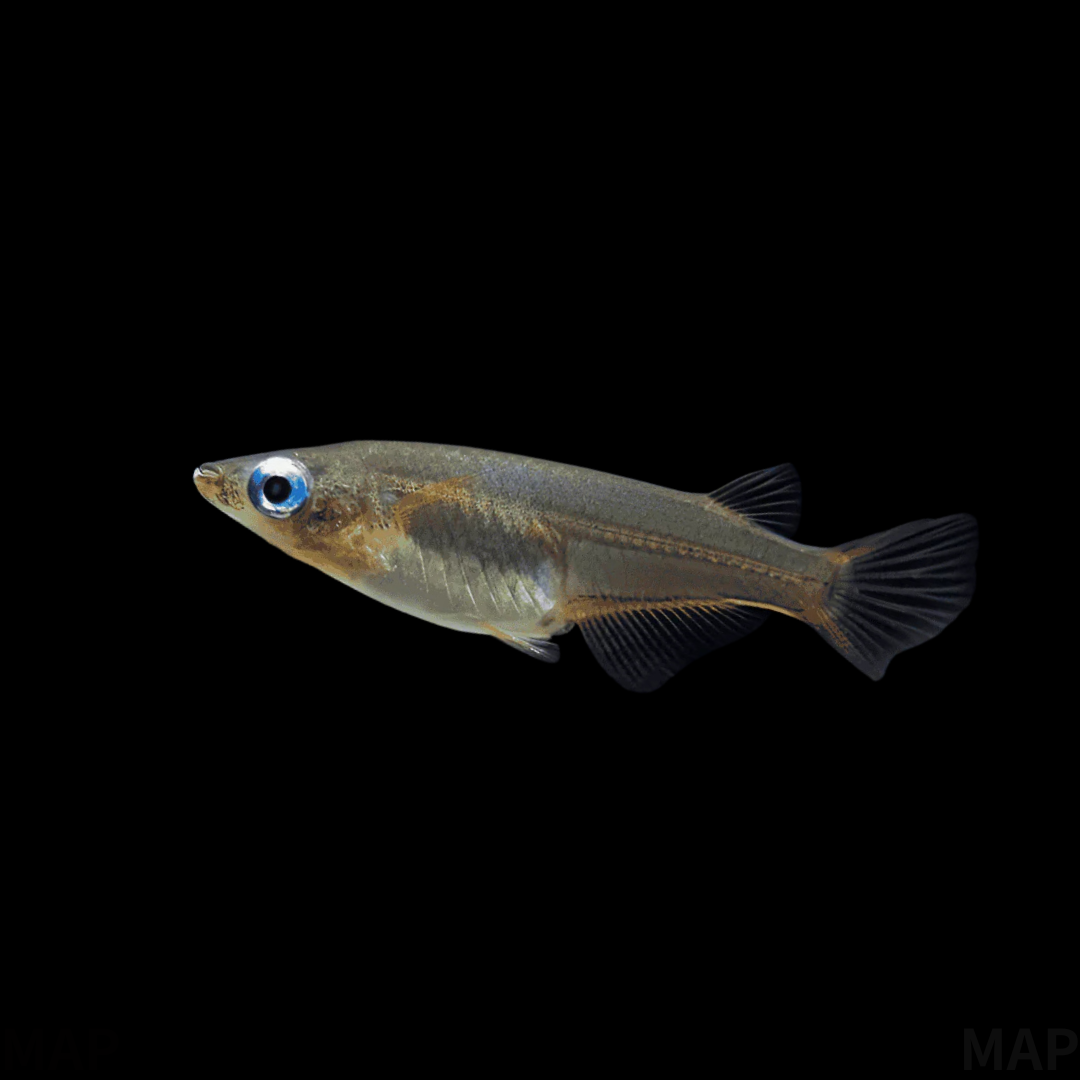
インドメダカは、南アジアから東南アジアの広い範囲に生息するメダカ科の一種です。最大の特徴は、サファイアのように輝く青い瞳であり、その美しさは観賞魚としての高いポテンシャルを秘めています。また、成魚の雄はヒレが優雅に伸長し、野生種ならではの洗練されたフォルムを見せてくれます。何より驚くべきは彼らの適応力で、真水から海水、さらには海水の2倍近い塩分濃度まで耐えうることができます。日本で人気の改良メダカとは一線を画す、自然が作り上げた完成美を楽しむことができる魅力的な魚です。The Indian Ricefish (Oryzias dancena) is a member of the Adrianichthyidae family inhabiting a wide range from South Asia to Southeast Asia. Its most striking feature is the sapphire-like shiny blue eyes, which give it immense potential as an ornamental fish. Adult males develop elegantly elongated fins, showcasing a sophisticated form unique to wild species. Most remarkably, they possess incredible adaptability, surviving in environments ranging from freshwater to seawater, and even salt concentrations nearly double that of normal seawater. It is a fascinating fish that offers a glimpse into the natural perfection of evolution, distinct from the popular selectively bred medaka in Japan.
インド、バングラデシュ、スリランカ、ミャンマー、マレー半島周辺India, Bangladesh, Sri Lanka, Myanmar, and around the Malay Peninsula
最大体長 / Max Size
約3cm ~ 5cmApprox. 3cm to 5cm
寿命 / Lifespan
約1.5年 ~ 2年Approx. 1.5 to 2 years
飼育環境 / Aquarium Environment
水槽サイズ / Tank Size
40リットル以上(45cm規格水槽以上を推奨)40 liters or more (45cm standard tank or larger recommended)
水温 / Temperature
18℃ ~ 24℃(一時的な耐性は6.7℃から40℃まで)18°C to 24°C (Temporary tolerance from 6.7°C to 40°C)
水質 / Water Quality
pH 7.0 ~ 8.0(中性から弱アルカリ性)、中硬水を好むpH 7.0 to 8.0 (neutral to slightly alkaline), prefers medium-hard water
レイアウト / Layout
暗い色の底砂を敷くと色彩が引き立ちます。マツモやアナカリスなどの水草、浮き草を配置してください。Using dark substrate enhances their colors. Arrange aquatic plants like Hornwort or Egeria, and include floating plants.
注意点 / Precautions
水面から飛び出す性質が強いため、隙間のない蓋が必須です。また、冬場の野外飼育はヒーターによる加温を推奨します。They are prone to jumping out of the water, so a secure lid is essential. Indoor heating is recommended for winter management in Japan.
餌と給餌 / Feeding
餌の種類 / Diet
人工飼料(メダカ用や熱帯魚用)、ブラインシュリンプ、細かく刻んだアカムシなど。Prepared foods (for medaka or tropical fish), brine shrimp, and finely chopped bloodworms.
給餌のポイント / Feeding Tips
水面に浮くタイプの餌を好んで食べます。成長を早めるには活餌や冷凍餌を併用すると効果的です。They prefer floating food. Using live or frozen foods alongside pellets is effective for faster growth.
性格と混泳 / Temperament and Tank Mates
性格 / Temperament
非常に温和で社会性が高い。6匹以上の群れで飼育すると落ち着きます。Very peaceful and highly social. They feel more secure when kept in groups of 6 or more.
混泳の相性 / Compatibility
小型のコイ科やコリドラス、エビ類との相性は良好です。汽水環境での混泳も可能です。Excellent compatibility with small cyprinids, Corydoras, and shrimp. They can also be kept in brackish water communities.
病気と対策 / Diseases and Prevention
かかりやすい病気 / Common Diseases
白点病、水カビ病。特に導入時の急激な水温変化による体調不良に注意が必要です。Ichthyophthiriasis (Ich) and Saprolegniasis (water mold). Pay close attention to health issues caused by sudden temperature changes during introduction.
対策と予防 / Prevention
導入時の丁寧な水合わせを行い、水温を一定に保つことが最大の予防策です。The best prevention is careful acclimatization during introduction and maintaining a stable water temperature.
増やし方(繁殖) / Breeding
繁殖形態 / Reproduction
卵生。雌は腹部に卵を抱え、水草や産卵床に付着させます。Oviparous. Females carry eggs on their abdomen before attaching them to aquatic plants or spawning mops.
繁殖のポイント / Breeding Tips
孵化から約60日で性成熟するほどサイクルが早いです。親魚が卵や稚魚を食べてしまうため、速やかな隔離が重要です。They mature very quickly, reaching sexual maturity about 60 days after hatching. Immediate isolation is vital as adults may eat eggs or fry.
雑学と豆知識 / Trivia and Fun Facts
1. 分類学上のルーツと発見1. Taxonomic Roots and Discovery
1822年、ハミルトンによって「カルカッタの下流の河口」から発見されました。当時はコイの仲間と考えられていましたが、その後の研究でメダカの仲間であるオリジアス属に分類されました。かつては卵生メダカ類と混同されていた歴史もあります。Discovered in 1822 by Buchanan-Hamilton from the “estuary below Calcutta.” Initially thought to be a cyprinid, later research placed it in the genus Oryzias. It also has a history of being confused with killifish.
2. 独立した性決定の進化2. Independent Evolution of Sex Determination
日本のメダカには強力な雄性決定遺伝子「DMY」がありますが、インドメダカにはそれがありません。面白いことに、彼らは進化の過程で、日本のメダカとは全く別の常染色体から、独自の性染色体を「作り上げた」ことが判明しています。While Japanese medaka have the potent male-determining gene “DMY,” Indian medaka do not. Interestingly, research shows they evolved their own unique sex chromosomes from entirely different autosomes than those of Japanese medaka.
3. 驚異のサバイバル能力3. Extraordinary Survival Skills
彼らは驚くべき広塩性(こうえんせい)を持っており、純淡水から海水、さらには海水の2倍の濃さである75パーミルの超高塩分環境でも生き抜くことができます。この強靭な生理機能は、世界の科学界で高く評価されています。They possess incredible euryhalinity, surviving in everything from pure freshwater to hypersaline environments of 75‰, which is twice the salinity of normal seawater. This robust physiology is highly regarded in the global scientific community.
4. 海洋汚染を暴く科学のモデル4. A Scientific Model for Marine Pollution
淡水から海水まで適応できる特性から、海洋汚染の調査におけるモデル生物として活躍しています。海水域では浸透圧調節のために水を大量に経口摂取するため、マイクロプラスチックの取り込み量も増えることが分かっており、環境保護の研究に貢献しています。Due to their adaptability, they serve as model organisms for investigating marine pollution. In seawater, they swallow large amounts of water for osmoregulation, leading to increased intake of microplastics, which contributes to environmental protection research.
5. 特化した感覚器官5. Specialized Sensory Organs
濁ったマングローブ域などで獲物を探すため、頭部にある感覚器官(感丘)が非常に発達しています。これは系統的に遠い種とも似た特徴で、生息環境に合わせて独自に進化を遂げた「収斂進化(しゅうれんしんか)」の好例です。To find prey in murky mangrove areas, they have highly developed sensory organs (neuromasts) on their heads. This is a prime example of convergent evolution, where they independently developed features similar to distantly related species to suit their habitat.
まとめ / Conclusion
インドメダカ(Oryzias dancena)は、単なる観賞魚という枠を超え、生命の進化と環境適応の神秘を体現した素晴らしい魚です。サファイアのような瞳、雄が見せる優雅なヒレの伸長、そして淡水から海水までを自在に行き来するその能力は、私たちアクアリストに深い感動を与えてくれます。飼育も容易でありながら、学術的な奥深さを併せ持つ本種は、水槽という小さな世界を通じて地球の鼓動を感じさせてくれることでしょう。The Indian Ricefish (Oryzias dancena) is more than just an ornamental fish; it is a magnificent creature embodying the mysteries of evolution and adaptation. Its sapphire-like eyes, the elegant fins of the males, and the ability to traverse between freshwater and seawater provide aquarists with profound inspiration. Easy to keep yet academically deep, this species allows us to feel the heartbeat of the Earth through the small world of our aquariums.
ただし、その強靭な生命力ゆえに、万が一にも日本の自然界へ放流してはいけません。在来のメダカたちとの競合や交雑を避けるためにも、最後まで責任を持って飼育することが、この素晴らしい魚を愛する私たちに課せられた大切な約束です。自然界が数百万年かけて磨き上げたこの「野生の完成美」を、ぜひあなたの水槽でじっくりと観察してみてください。However, due to their robust vitality, they must never be released into Japan’s natural environments. To avoid competition or hybridization with native medaka, keeping them responsibly until the end of their lives is a crucial promise for those who love this wonderful fish. We invite you to observe this “wild perfection,” polished by nature over millions of years, right in your own aquarium.
Hamilton, F. (1822). An account of the fishes found in the river Ganges and its branches. Edinburgh & London. (Oryzias dancena の原記載)
Takehana, Y., Hamaguchi, S., & Sakaizumi, M. (2007). Identification of the sex-determining locus in the Indian ricefish, Oryzias dancena. Genes & Genetic Systems, 82(1), 69-75. (性決定機構に関する研究)
Kim, J. H., et al. (2016). Comparison of the osmoregulatory capacity of the Indian ricefish (Oryzias dancena) and the Japanese ricefish (Oryzias latipes). Animal Cells and Systems, 20(3). (浸透圧調節能力の比較研究)
Inoue, K., & Takei, Y. (2003). Asian medaka fishes offer new models for assessing environmental effects on aquatic organisms. Marine Biotechnology, 5. (モデル生物としての評価)
Parenti, L. R. (2008). A phylogenetic and biogeographic analysis of ricefishes (Beloniformes: Adrianichthyidae). Zoological Journal of the Linnean Society, 154(3). (系統分類学的な背景)
IUCN Red List of Threatened Species. Oryzias dancena. (保全状況に関するデータ)

 アイのアクアグッズ案内カルキ抜き・水質調整剤の選び方|水換えと水槽の種類に合わせて選ぶ道具の特徴や使い方、選ぶときのポイントをアイが紹介します。記事はコチラ →
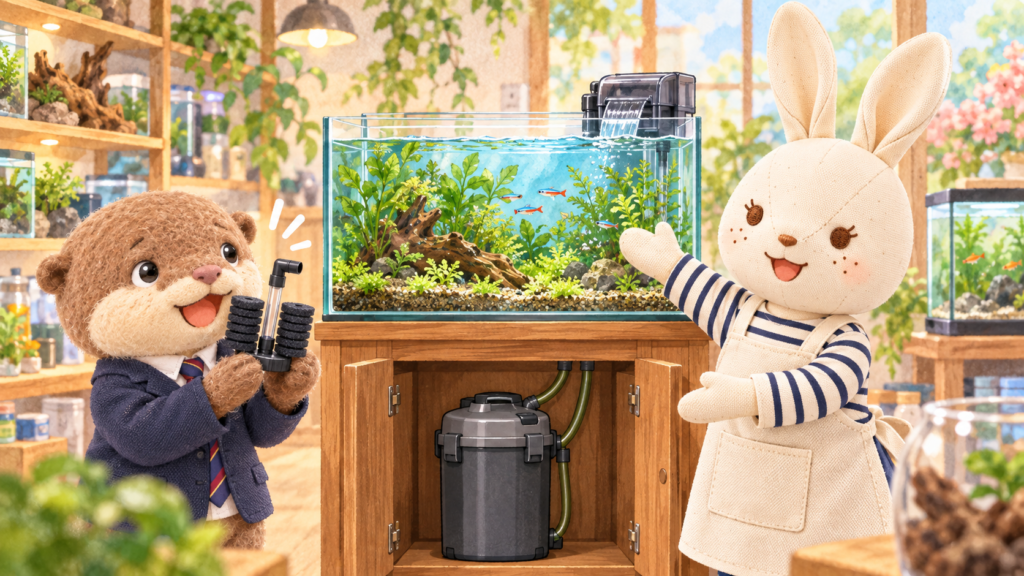 アイのアクアグッズ案内水槽フィルターの選び方|外掛け・外部・上部から小型オーバーフローまで道具の特徴や使い方、選ぶときのポイントをアイが紹介します。記事はコチラ →
 アイのアクアグッズ案内旅行中、お魚のごはんはどうする? 自動給餌器・使える餌・スマート水槽の選び方旅行中の魚の餌やりを助ける自動給餌器を、アイとコタロウが紹介。時間指定、おかわり給餌、対応するフレークや顆粒、設置台、スマホ管理、一体型水槽、留守番フードまで、使いどころと選び方を案内します。記事はコチラ →
 アイのアクアグッズ案内バルブの仲間に合わせる飼育用品|チェリーバルブ・スマトラ・中型種の水槽とろ過道具の特徴や使い方、選ぶときのポイントをアイが紹介します。記事はコチラ →
コメント