

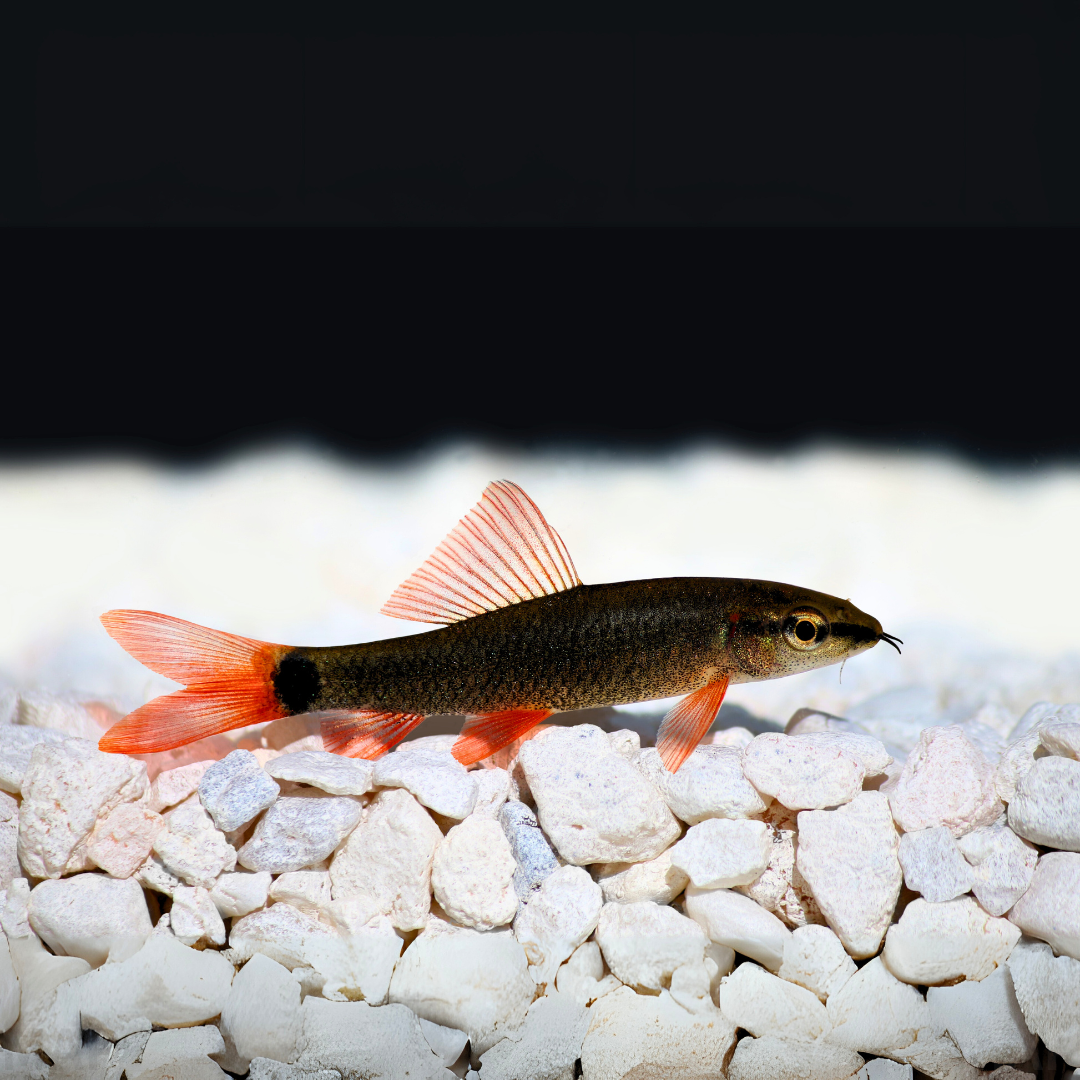
解説 / Description
レインボーシャークは、その名の通りサメを彷彿とさせる流線型の体つきと、鮮やかに赤く染まったヒレが特徴の熱帯魚です。実際にはサメの仲間ではなくコイの仲間ですが、アクアリウムにおける「淡水サメ(フレッシュウォーター・シャーク)」の代表格として長く親しまれてきました。深いダークグレーの体色と赤いヒレのコントラストは非常に美しく、水槽の下層を機敏に泳ぎ回る姿は野性味に溢れています。ただし、非常に縄張り意識が強いという一面も持っており、飼育にあたっては適切な環境作りと混泳相手の選定が重要なポイントとなります。 The Rainbow Shark is a tropical fish characterized by its shark-like streamlined body and vibrantly red fins. Although it is a member of the carp family rather than a true shark, it has long been popular as a representative of “freshwater sharks” in the aquarium hobby. The contrast between its deep dark gray body and red fins is stunningly beautiful, and its agile movement in the lower layers of the tank exudes a wild charm. However, it is known for having a very strong sense of territory, making appropriate environment setup and careful selection of tank mates essential for successful keeping.
基本情報 / Basic Information
| 学名 / Scientific Name | Epalzeorhynchos frenatum |
|---|---|
| 通称 / Common Name | レインボーシャークRainbow Shark |
| 分類 / Family | コイ目 コイ科 エパルゼオリンクス属Cypriniformes Cyprinidae Epalzeorhynchos |
| 英名 / English Name | Rainbow Shark, Ruby Shark |
| 分布 / Distribution | タイ、ラオス、カンボジア、ベトナム(メコン川、チャオプラヤ川水系など)Thailand, Laos, Cambodia, Vietnam (Mekong and Chao Phraya river basins, etc.) |
| 最大体長 / Max Size | 約12センチメートル 〜 15センチメートルApprox. 12 cm to 15 cm |
| 寿命 / Lifespan | 約5年 〜 8年(飼育下では最長10年程度の報告もあり)Approx. 5 to 8 years (Reports of up to 10 years in captivity) |
飼育環境 / Aquarium Environment
| 水槽サイズ / Tank Size | 90cm規格水槽(約160L)以上を推奨。成魚の運動量と縄張り意識を考慮すると120cm規格水槽(約240L)以上が理想的です。A 90cm standard tank (approx. 160L) or larger is recommended. A 120cm standard tank (approx. 240L) or larger is ideal considering adult activity levels and territorial behavior. |
|---|---|
| 水温 / Temperature | 22度 〜 26度(急激な変化は避け、ヒーターによる恒温管理が必須です) 22°C to 26°C (Avoid rapid changes; constant temperature control with a heater is essential) |
| 水質 / Water Quality | pH 6.5 〜 7.5(弱酸性から中性)。総硬度は 5 〜 15 dGH(軟水から中硬水)を好みます。pH 6.5 to 7.5 (Slightly acidic to neutral). Prefers a total hardness of 5 to 15 dGH (Soft to medium-hard water). |
| レイアウト / Layout | 底砂には吻部を傷めない角のない細かい砂を使用してください。流木、石、土管などで視線を遮る隠れ家を豊富に作ることが縄張り争いの緩和に繋がります。Use fine sand without sharp edges for the substrate to avoid injuring the snout. Providing plenty of hiding spots with driftwood, stones, or ceramic pipes to break the line of sight helps mitigate territorial disputes. |
| 注意点 / Precautions | 非常に跳躍力が高いため、わずかな隙間からも飛び出します。水槽には隙間のない蓋が必須です。また、薬品耐性がやや低いため、病気治療の際は規定量より薄めから開始してください。Due to their high jumping ability, they can escape through even small gaps. A tight-fitting lid is mandatory. Also, since they are somewhat sensitive to medications, start with a lower dose than recommended during disease treatment. |
餌と給餌 / Feeding
| 餌の種類 / Diet | 雑食性。沈下性の人工飼料(コリドラス・プレコ用など)を中心に、冷凍赤虫やブラインシュリンプ、スピルリナ入りの植物性飼料をバランスよく与えます。Omnivorous. Provide a balanced diet centered on sinking pellets (e.g., for Corydoras or Plecos), supplemented with frozen bloodworms, brine shrimp, and plant-based foods containing spirulina. |
|---|---|
| 給餌のポイント / Feeding Tips | 底に溜まったデトリタスや石表面の藻類を削り取って食べる習性があります。一日に1〜2回、数分で食べ切れる量を与え、食べ残しによる水質悪化に注意してください。They have a habit of scavenging detritus on the bottom and scraping algae from stone surfaces. Feed 1-2 times daily in amounts they can finish in a few minutes, being careful not to degrade water quality with uneaten food. |
性格と混泳 / Temperament and Tank Mates
| 性格 / Temperament | 非常に気が強く、強い縄張り意識を持ちます。特に同種間や似た体型の魚に対しては激しい攻撃性を見せることがあります。Very bold and highly territorial. They can show intense aggression, especially toward members of their own species or fish with similar body shapes. |
|---|---|
| 混泳の相性 / Compatibility | 生活圏が重ならない中層から上層を泳ぐ、素早い小型・中型魚(ラスボラやテトラなど)が適しています。底生魚(コリドラスなど)や大人しい魚との混泳は避けるのが賢明です。Suitable tank mates are fast-swimming small to medium-sized fish (such as Rasboras or Tetras) that occupy the middle to upper layers. It is wise to avoid tank mates that are bottom-dwellers (like Corydoras) or very peaceful, slow-moving fish. |
病気と対策 / Diseases and Prevention
| かかりやすい病気 / Common Diseases | 白点病、カラムナリス病(尾腐れ病)。また、不適切な底砂による吻部の損傷から細菌感染を起こすことがあります。Ich (White Spot Disease), Columnaris (Fin Rot). They may also develop bacterial infections from snout injuries caused by inappropriate substrate. |
|---|---|
| 対策と予防 / Prevention | 導入時の水温・水質の急変を避け、安定した環境を維持することが最大の予防です。罹患した際は、色素系薬品への感受性に注意し、隔離槽での慎重な治療を推奨します。The best prevention is maintaining a stable environment while avoiding sudden changes in temperature and water quality during introduction. If infected, be cautious of their sensitivity to dye-based medications and treat carefully in a separate quarantine tank. |
増やし方(繁殖) / Breeding
| 雌雄の判別 / Sexing | オスはメスよりも細身で、ヒレの赤みが強く、尾びれに黒い条線模様が現れることがあります。メスは成熟すると腹部が大きく丸みを帯びます。Males are slimmer than females, have more intense red coloration in their fins, and may show black streaks on the caudal fin. Mature females develop a noticeably rounded and plump abdomen. |
|---|---|
| 繁殖形態 / Reproduction | 卵生。自然界では雨季の増水に合わせて氾濫原へ移動し、ばらまき型の産卵を行います。Oviparous (Egg-laying). In nature, they migrate to floodplains during the rainy season to spawn via broadcast spawning. |
| 繁殖のポイント / Breeding Tips | 一般家庭の水槽での自然繁殖は極めて困難です。現在流通している個体の多くは、東南アジアの養殖場でホルモン投与による人工催熟を経て生産されています。Natural breeding in home aquariums is extremely difficult. Most specimens currently on the market are produced in Southeast Asian fish farms through artificial maturation using hormone injections. |
雑学と豆知識 / Trivia and Fun Facts
| 1. 名前と学名に隠された「手綱」の秘密 / 1. The Secret of the “Bridle” in its Name | 学名の種小名である「frenatum」は、ラテン語で「手綱をつけられた」という意味を持っています。これは、この魚の口先から目にかけて走る黒い帯状の模様が、まるで馬に装着する手綱(bridle)のように見えることから名付けられました。分類学者が初めてこの魚を見たとき、その顔の模様が非常に印象的だったことが伺えます。The specific epithet “frenatum” means “bridled” in Latin. It was named after the black stripe running from the snout to the eye, which looks like a horse’s bridle. This suggests that early taxonomists were very impressed by the facial patterns of this fish when they first described it. |
|---|---|
| 2. サメではない「サメ」たちの役割 / 2. The Role of the “Sharks” That Aren’t Sharks | アクアリウムで「シャーク」と呼ばれる魚の多くは、実はコイの仲間です。レインボーシャークはその筆頭ですが、彼らは自然界では河川の岩に付着した藻類や細菌の膜(バイオフィルム)を削り取って食べる「お掃除役の魚」としての側面を持っています。この習性により、河川の生態系において藻類の異常増殖を抑える重要な役割を担っているのです。Many fish called “sharks” in the aquarium hobby are actually members of the carp family. The Rainbow Shark is a primary example. In nature, they act as “utility fish,” scraping algae and biofilms from river rocks. Through this habit, they play a crucial role in suppressing algae blooms in river ecosystems. |
| 3. 日本では飼えない?光るレインボーシャーク / 3. A Glowing Shark You Can’t Keep in Japan? | 米国などでは、遺伝子組み換え技術によって鮮やかに発光する「グローフィッシュ」版のレインボーシャークが流通しています。しかし、日本では「カルタヘナ法」という厳格な法律により、未承認の遺伝子組み換え生物の飼育や譲渡が固く禁じられています。そのため、正規のルートで日本国内に持ち込まれることはなく、私たちは原種の美しさを大切にする文化を育んでいます。In countries like the US, a genetically modified “GloFish” version of the Rainbow Shark that glows vibrantly is available. However, in Japan, the “Cartagena Law” strictly prohibits the keeping or transferring of unapproved genetically modified organisms. As a result, they are not imported through legal channels, and we cherish the culture of appreciating the natural beauty of the original species. |
| 4. アルビノ個体と「別種」との混同 / 4. Confusion Between Albino Varieties and Different Species | 白い体に赤いヒレを持つ「アルビノ・レインボーシャーク」は非常に人気がありますが、かつて一部で「Epalzeorhynchos munense」という別種の名前で呼ばれる誤解がありました。実際には、ムネンセ種は自然界に存在する別の魚であり、私たちが目にする白い個体はあくまでレインボーシャークの突然変異を固定したものです。正しい知識を持つことで、より深く図鑑を楽しむことができます。The “Albino Rainbow Shark,” with its white body and red fins, is very popular. At one time, there was a misunderstanding where it was referred to by the name of a different species, “Epalzeorhynchos munense.” In reality, E. munense is a distinct species found in nature, while the white fish we see are simply stable color mutations of the Rainbow Shark. Having the correct knowledge allows us to enjoy the encyclopedia more deeply. |
まとめ / Conclusion
レインボーシャークは、その精悍なフォルムと鮮やかな赤いヒレで、水槽内にダイナミックな彩りを添えてくれる魅力的な熱帯魚です。縄張り意識が強いという性質を正しく理解し、十分な広さの水槽と隠れ家を用意してあげることで、その活発で力強い泳ぎを長期にわたって楽しむことができます。 The Rainbow Shark is a fascinating tropical fish that adds dynamic color to an aquarium with its bold form and vibrantly red fins. By correctly understanding its territorial nature and providing a sufficiently large tank with plenty of hiding spots, you can enjoy its active and powerful swimming for many years.
初心者からベテランまで、その「サメ」のようなシルエットに魅了される人は絶えません。彼らが本来持つ野性味を引き出し、健康に育てるためには、日々の細やかな観察と、彼らのテリトリーを尊重したレイアウト作りが何よりも大切です。ぜひ、あなたのアクアリウムにこの「虹色のサメ」を迎え入れ、その奥深い魅力を堪能してみてください。 From beginners to veterans, people are constantly captivated by their shark-like silhouette. To bring out their natural wildness and raise them healthily, daily careful observation and a layout that respects their territory are most important. Consider welcoming this “rainbow-colored shark” into your aquarium and savor its profound charm.

気になる道具や飼い方を見つけてみませんか?
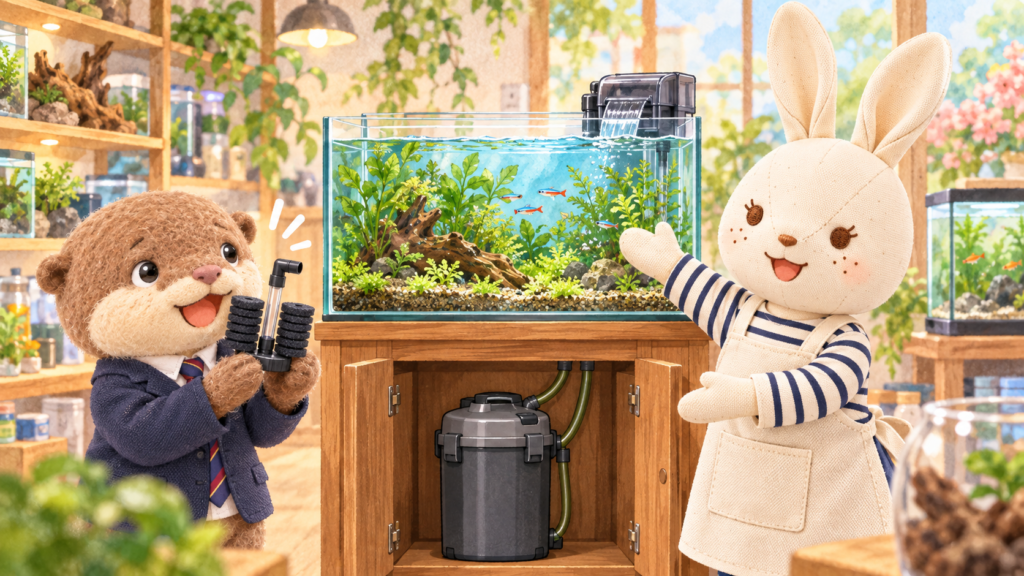 アイのアクアグッズ案内水槽フィルターの選び方|外掛け・外部・上部から小型オーバーフローまで道具の特徴や使い方、選ぶときのポイントをアイが紹介します。記事はコチラ →
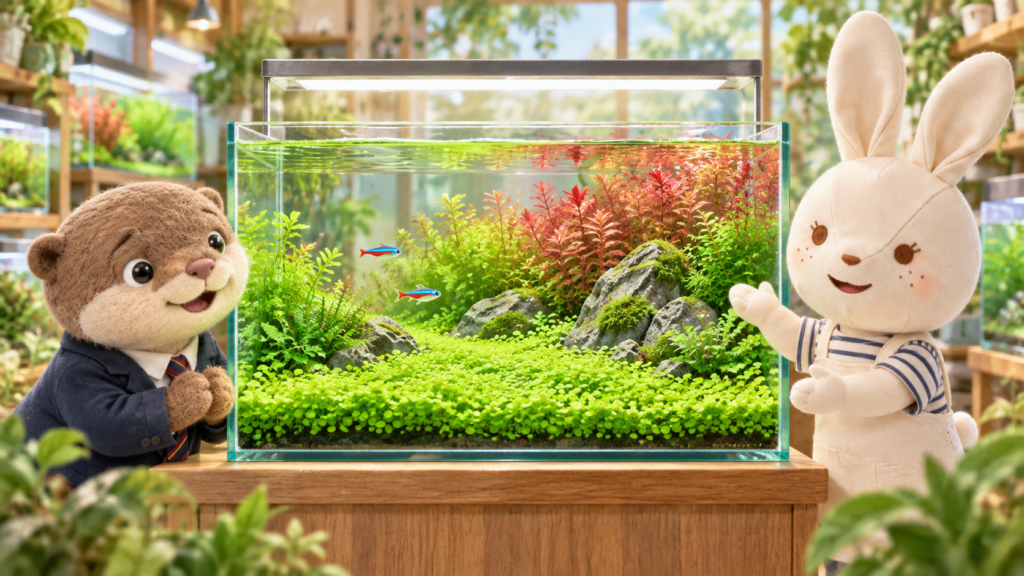 アイのアクアグッズ案内水草用ライトの選び方|緑の絨毯と赤い水草を楽しむ照明・植栽用品道具の特徴や使い方、選ぶときのポイントをアイが紹介します。記事はコチラ →
さまざまな飼育テーマをご紹介。リンク先の記事には広告・商品紹介が含まれます。
案内・紹介記事一覧へ →▶ 記事の生体をAMAZONで買う ▶ 記事の生体をYahooで買う
参考文献・資料
本解説記事の作成にあたり、以下の学術論文、公的機関のデータベース、および専門資料を参照・引用いたしました。
- 1. 分類学・原記載資料 Fowler, H. W. (1934). “Zoological results of the third De Schauensee Siamese Expedition, Part V.–Additional fishes”. Proceedings of the Academy of Natural Sciences of Philadelphia, Vol. 86, pp. 335-352.
-
2. 生態・保全評価
IUCN Red List of Threatened Species. “Epalzeorhynchos frenatum (Rainbow Shark)”.
※国際自然保護連合による生息状況および絶滅リスクの評価データ(LC: Least Concern)を参照。 -
3. 魚類データベース
FishBase. “Epalzeorhynchos frenatum (Fowler, 1934) Rainbow shark”.
※最大体長、生息水温、分布域などの定量的データの確認に使用。 - 4. 細胞遺伝学・分子生物学 Korthong, N., et al. (2020). “Karyotype and Physical Mapping of 18S-5S rDNA and Microsatellite (CA)15 and (CGG)10 in the Rainbow Shark (Epalzeorhynchos frenatum)”. Cytogenetic and Genome Research.
- 5. 養殖技術・人工繁殖研究 Hieu, N. V., et al. (2021). “Comparison of sGnRH IIIa and cGnRH IIa for the Induction of Spawning in Rainbow Shark (Epalzeorhynchos frenatum)”. Journal of Aquaculture & Marine Biology.
-
6. 法規制・遺伝子組み換え関連
環境省・農林水産省. “カルタヘナ法(遺伝子組換え生物等の使用等の規制による生物の多様性の確保に関する法律)”.
Environment and Climate Change Canada (ECCC). “Environmental and Indirect Human Health Risk Assessment of the GloFish Rainbow Shark (PS2016)”. -
7. 飼育実務・アクアリウム史
Seriously Fish. “Species Profile: Epalzeorhynchos frenatum”.
※欧米における「Freshwater sharks」の呼称変遷および飼育管理要件の比較検証。





コメント