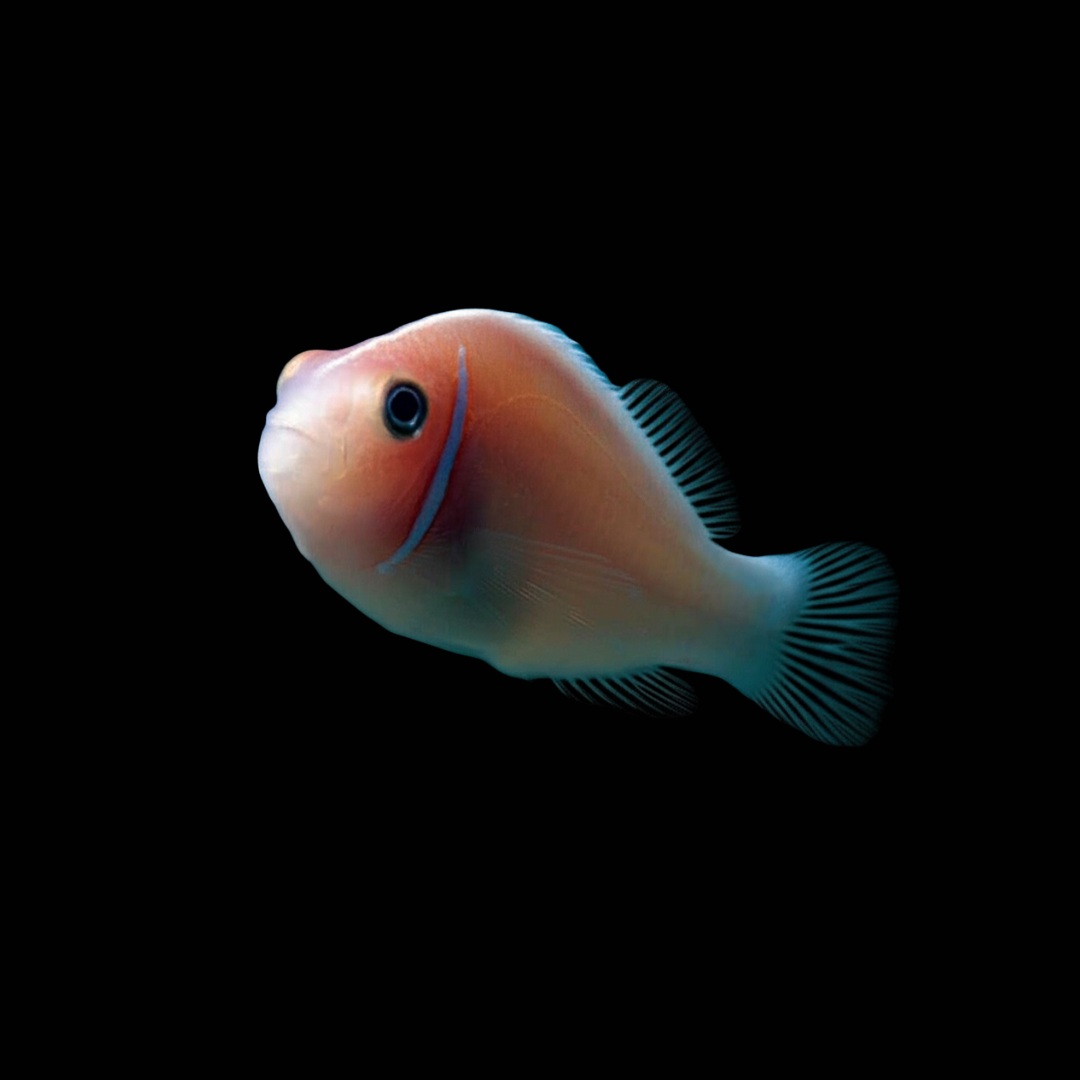
ハナビラクマノミは、その名の通り、舞い散る花びらのような淡いピンク色の体色が非常に美しいクマノミの仲間です。クマノミ類の中でも比較的小型で、控えめで温和な性格をしており、サンゴ礁の海で特定のイソギンチャクと共生しながら暮らしています。背中のラインと頭部の白い帯がチャームポイントで、その繊細な色合いは、アクアリウムに柔らかな彩りを添えてくれます。飼育は比較的容易ですが、臆病な性格ゆえに安心できる環境と十分な遊泳スペースを整えてあげることが長期飼育の鍵となります。The Pink Skunk Clownfish is a beautiful member of the anemonefish family, characterized by its delicate pinkish body color that resembles falling flower petals. Being one of the smaller species among clownfishes, it has a modest and peaceful temperament, living in symbiotic relationships with specific sea anemones in coral reefs. Its distinctive white stripe along the back and a vertical bar behind the eye are its charming hallmarks, adding soft colors to any aquarium. While relatively easy to keep, providing a secure environment and sufficient swimming space is essential for long-term care due to its shy nature.
東インド洋から西太平洋(インドネシア、フィリピン、琉球列島、グレートバリアリーフなど)Eastern Indian Ocean to Western Pacific (Indonesia, Philippines, Ryukyu Islands, Great Barrier Reef, etc.).
最大体長 / Max Size
約8から9cmApprox. 8 to 9 cm
寿命 / Lifespan
約10年前後(適切な飼育環境下)Around 10 years (under appropriate care).
飼育環境 / Aquarium Environment
水槽サイズ / Tank Size
単独:45cm規格水槽(約35L)以上、ペア:60cm規格水槽(約60L)以上を推奨Single: 45cm standard tank (approx. 35L) or more, Pair: 60cm standard tank (approx. 60L) or more recommended.
水温 / Temperature
24から26度(急激な変化を避け、安定させることが重要です)24 to 26 degrees Celsius. Stable temperature is crucial.
水質 / Water Quality
海水(比重 1.020から1.024、pH 8.1から8.4)Marine water (Specific gravity 1.020 to 1.024, pH 8.1 to 8.4).
レイアウト / Layout
ライブロックで多くの隠れ家を作ります。共生可能なイソギンチャクを配置すると、本来の落ち着いた行動が見られます。Arrange live rocks to provide many hiding spots. Introducing symbiotic anemones allows them to display their natural, relaxed behavior.
注意点 / Precautions
臆病な性格のため、強い水流や騒がしい環境を嫌います。また、イソギンチャクは必須ではありませんが、あった方がストレスを軽減できます。They dislike strong currents or noisy environments due to their shy nature. While anemones are not mandatory, they help reduce stress.
餌と給餌 / Feeding
餌の種類 / Diet
人工飼料(ペレット、フレーク)、冷凍イサザアミ、ブラインシュリンプなど。Omnivorous diet including artificial feeds (pellets, flakes), frozen mysis shrimp, and brine shrimp.
給餌のポイント / Feeding Tips
1日2回程度、数分で食べきれる量を与えます。植物性成分を配合した餌を併用すると、健康的な体色の維持に効果的です。Feed twice daily in amounts they can finish within a few minutes. Using food with vegetable components is effective for maintaining healthy coloration.
性格と混泳 / Temperament and Tank Mates
性格 / Temperament
非常に温和で平和的ですが、他の気の強い魚に対しては気後れしてしまうことがあります。Very peaceful and mild, but can be intimidated by more aggressive fish.
混泳の相性 / Compatibility
気の強いスズメダイや大型魚との混泳は避けます。まず本種を導入して落ち着かせてから、他の温和な小型魚を追加するのが成功の秘訣です。Avoid mixing with aggressive damselfish or large fish. The key to success is introducing this species first to let them settle before adding other peaceful small fish.
病気と対策 / Diseases and Prevention
かかりやすい病気 / Common Diseases
白点病、ウーディニウム病、トリコディナ病など。Marine white spot, Amyloodinium, and Trichodina.
対策と予防 / Prevention
導入時の検疫が非常に重要です。ストレスの少ない安定した環境を維持し、栄養バランスの良い給餌を心がけることが予防に繋がります。Quarantine before introduction is very important. Maintaining a stable, low-stress environment and providing balanced nutrition helps with prevention.
増やし方(繁殖) / Breeding
雌雄の判別 / Sexing
群れの中で最も大きな個体がメス、2番目に大きな個体がオスとなります。体色のわずかな差よりも、相対的なサイズ差で判別します。The largest individual in a group becomes the female, and the second largest becomes the male. Sexing is based on relative size rather than subtle color differences.
繁殖形態 / Reproduction
優位なペアを中心とした階層構造を持ち、ペアはイソギンチャク近くの岩肌に卵を産み付けます(基質産卵型)。They have a hierarchical structure centered on a dominant pair. The pair lays eggs on rock surfaces near the host anemone (substrate spawning).
繁殖のポイント / Breeding Tips
親魚が熱心に卵を保護します。孵化後の仔魚を育てるには、ワムシなどの非常に小さな初期餌料を大量に用意する必要があります。The parents eagerly protect the eggs. Raising the larvae after hatching requires a large supply of very small initial feeds like rotifers.
雑学と豆知識 / Trivia and Fun Facts
1. 学名と和名に込められた美しい比喩 / 1. Beautiful Metaphors in Scientific and Japanese Names
学名の種小名 perideraion はギリシャ語で首飾りを意味し、眼の後方にある鮮明な白い帯をネックレスに見立てたものです。一方、和名のハナビラクマノミは、1970年に尼岡邦夫氏によって提唱されました。その淡く美しい桃色の体色を、日本の象徴である桜の花びらに見立てたこの名前は、数あるクマノミの中でも際立って情緒的な響きを持っています。The specific name perideraion means necklace in Greek, referring to the vivid white bar behind the eye. The Japanese name Hanabira-kumanomi (Flower Petal Anemonefish), proposed in 1970, likens the delicate pink body color to cherry blossom petals. Among various anemonefish, this name carries a particularly poetic and emotional resonance.
2. 宿主選びにおけるこだわり / 2. Selectivity in Host Anemones
ハナビラクマノミは自然界では主に、センジュイソギンチャク (Heteractis magnifica) や シライトイソギンチャク (Heteractis crispa) と共生します。まれにハタゴイソギンチャクの仲間 (Stichodactyla mertensii) にも見られます。これらの宿主は彼らにとって絶対的な安全地帯であり、刺胞毒から身を守るための特殊な粘液を体表から分泌することで、イソギンチャクの中に隠れることができるのです。In the wild, Pink Skunk Clownfish primarily live with Heteractis magnifica or Heteractis crispa. They are also occasionally found with Stichodactyla mertensii. These hosts provide an absolute safe zone; the fish secrete special mucus that protects them from the anemone’s stinging cells, allowing them to hide safely within the tentacles.
3. 劇的な性転換を支える社会構造 / 3. Social Structure Supporting Dramatic Sex Change
クマノミの仲間はすべてオスとして成熟する雄性先熟という特徴を持ちますが、その根底には厳格なサイズ階層があります。一つのイソギンチャクには優位なペアと、繁殖に関わらない数匹の未成熟個体が同居しています。もしメスが失われると、繁殖オスがメスへと性転換し、次に大きな個体が新しい繁殖オスへと昇格します。このシステムにより、移動のリスクを冒さずに繁殖を継続できるのです。Clownfish exhibit protandrous hermaphroditism, where all mature as males, supported by a strict size hierarchy. A single anemone hosts a dominant pair and several non-breeding immature individuals. If the female is lost, the breeding male changes sex to become female, and the next largest individual is promoted to breeding male. This system allows them to continue breeding without the risk of migration.
まとめ / Conclusion
ハナビラクマノミは、その繊細な色彩と穏やかな性格から、海水アクアリウムに安らぎを与えてくれる存在です。イソギンチャクとの共生や、サイズ階層による性転換など、彼らが持つ独特の生態を知ることで、飼育の楽しみはより一層深まることでしょう。The Pink Skunk Clownfish, with its delicate colors and gentle nature, brings a sense of tranquility to marine aquariums. Learning about their unique ecology, such as symbiosis with anemones and sex change based on social hierarchy, further deepens the joy of keeping them.
長期飼育のためには、十分な水量がある水槽と安定した環境が必要です。ぜひ、環境負荷の低い人工繁殖(ブリード)個体を迎え入れ、ハナビラクマノミが安心してのびのびと暮らせる環境を整えてあげてください。For long-term care, an aquarium with sufficient volume and a stable environment is necessary. We highly recommend welcoming captive-bred (CB) specimens and preparing a comfortable environment where these fish can live peacefully and vibrantly.



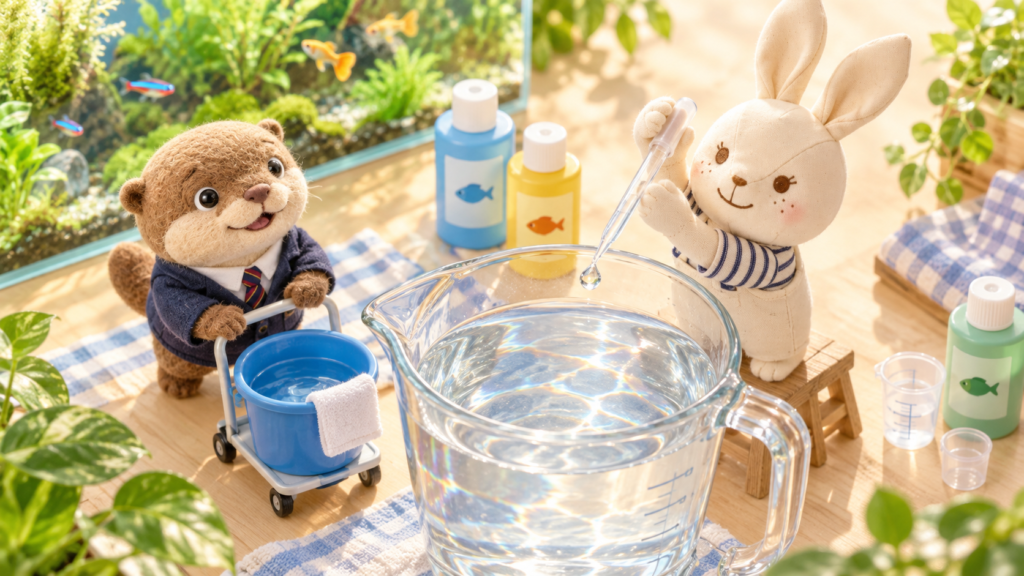 アイのアクアグッズ案内カルキ抜き・水質調整剤の選び方|水換えと水槽の種類に合わせて選ぶ道具の特徴や使い方、選ぶときのポイントをアイが紹介します。記事はコチラ →
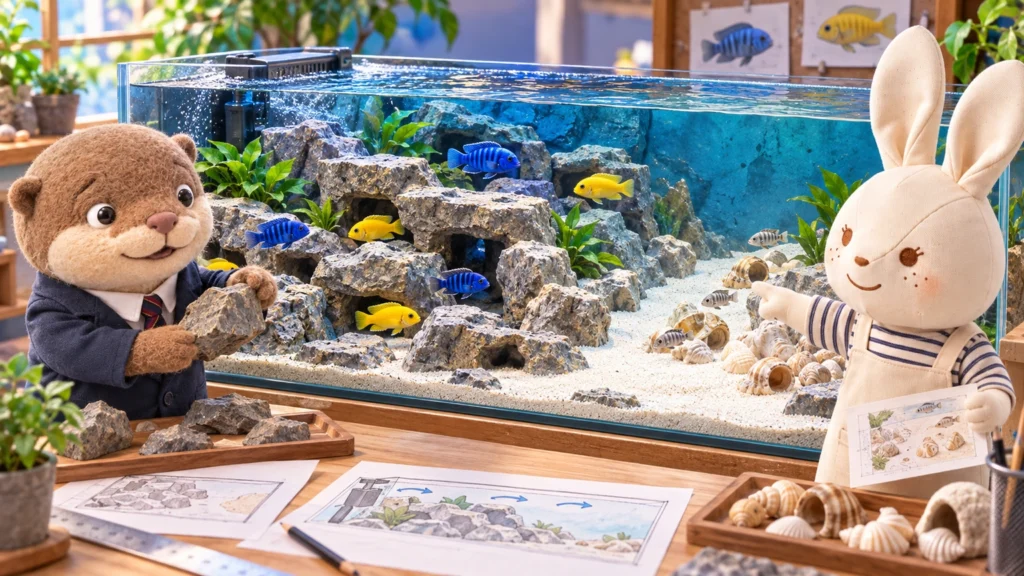 アイのアクアグッズ案内アフリカンシクリッドの飼育用品|水槽・ろ過・底砂・岩組み・餌の選び方道具の特徴や使い方、選ぶときのポイントをアイが紹介します。記事はコチラ →
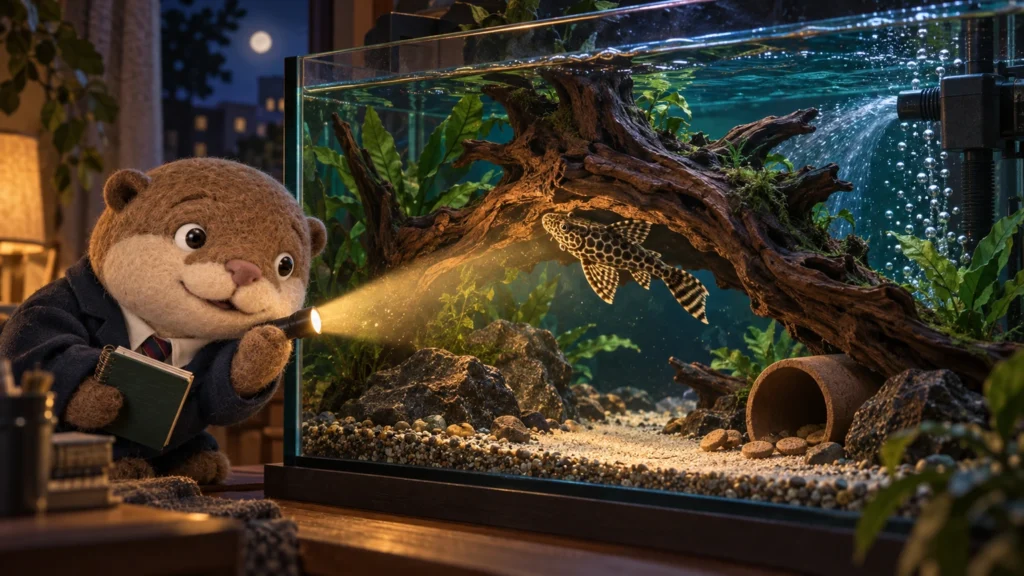 アイのアクアグッズ案内プレコ飼育に必要なもの|餌・流木・ろ過・隠れ家・掃除用品道具の特徴や使い方、選ぶときのポイントをアイが紹介します。記事はコチラ →
 アイのアクアグッズ案内水槽のエアーポンプの選び方|水深・音・泡で選ぶおすすめ用品道具の特徴や使い方、選ぶときのポイントをアイが紹介します。記事はコチラ →



コメント