

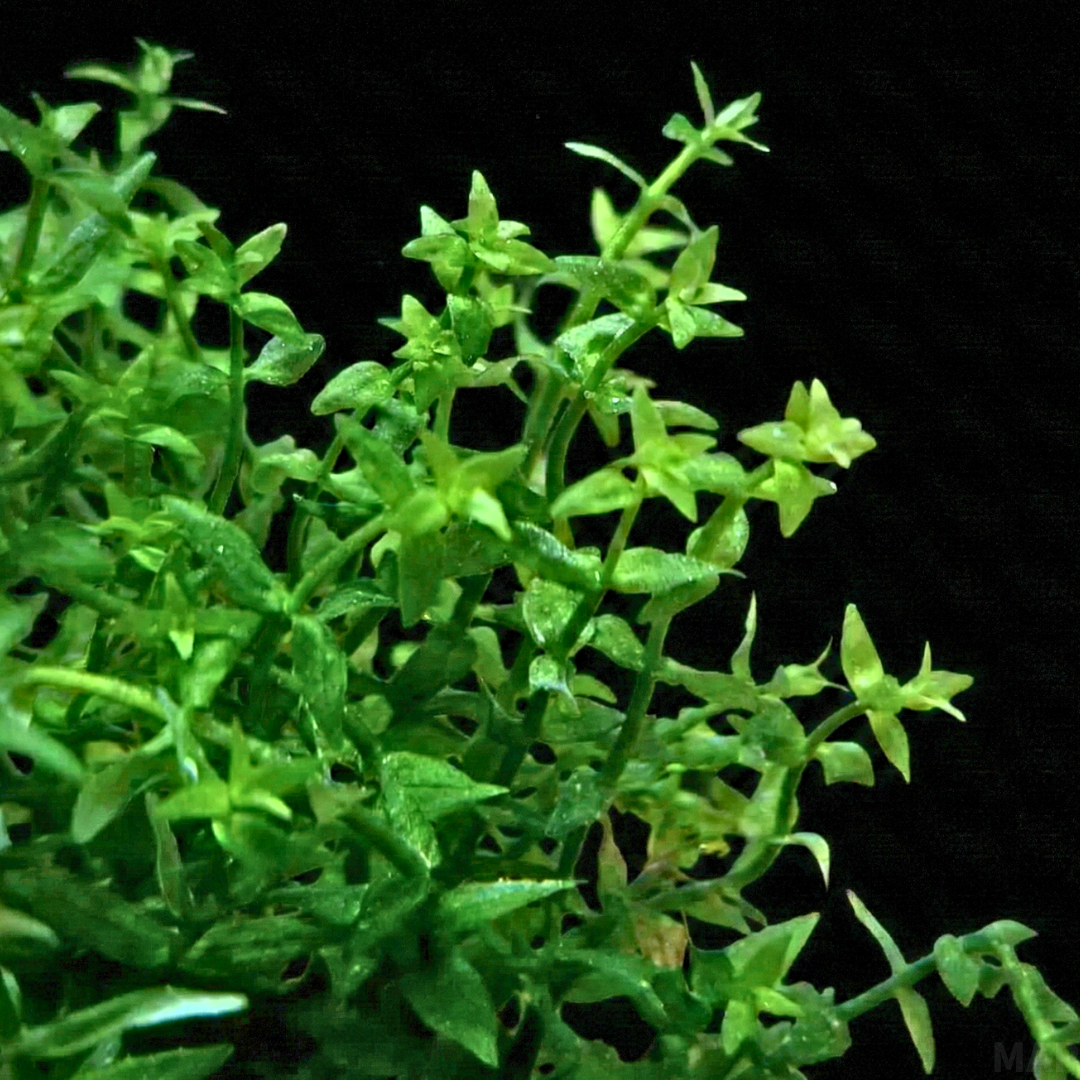

解説 / Description
グラティオラ・ヴィスキデューラは、北米原産の小型の有茎草です。短く尖った葉が茎のまわりに並び、水中では小さな針葉樹を思わせる姿になります。棘のようにも見えますが、硬い棘を持つ植物ではありません。明るい緑と輪郭のはっきりした葉が、丸葉の水草や繊細なモスのそばで、ほどよいアクセントになります。 Gratiola viscidula is a small stem plant native to North America. Its short, pointed leaves are arranged around the stems, giving the submerged plant the appearance of miniature conifers. Although it looks somewhat thorny, it has no hard spines. Its fresh green color and crisp leaf shapes provide an appealing accent beside round-leaved plants or delicate mosses.
枝分かれしやすく、育つにつれて密な茂みをつくります。有茎草の中では成長が比較的ゆっくりなので、形を整えながらじっくり育てたい方に向いています。低く刈り込めば前景の小さな茂みに、少し高さを出せば中景のクッション状の植え込みに。底床を平らに覆う絨毯とはひと味違う、立体感のある緑を楽しめる水草です。 The stems branch readily and gradually form dense clumps. Growth is relatively slow for a stem plant, making it well suited to aquarists who enjoy shaping a planting over time. Kept short, it forms small foreground bushes; allowed to grow taller, it becomes a cushion-like midground group. It offers a more three-dimensional effect than a flat carpet covering the substrate.
基本情報 / Basic Information
| 学名 / Scientific Name | Gratiola viscidula Pennell 種小名の「viscidula」は「やや粘り気のある」という意味で、水上で育つ株の腺毛による粘り気を表しています。The specific epithet “viscidula” means “slightly sticky,” referring to the stickiness associated with the glandular hairs of the emersed plant. |
|---|---|
| 通称 / Common Name | グラティオラ・ヴィスキデューラ。「グラティオラ・ビスキデューラ」と表記されることもあります。Gratiola viscidula, viscid hedgehyssop, Short’s hedgehyssop. |
| 分類 / Family | オオバコ科・グラティオラ属。湿地に生育する多年草で、水槽では有茎草として扱います。従来の分類ではゴマノハグサ科に含められていました。Family Plantaginaceae, genus Gratiola. A wetland perennial cultivated in aquariums as a stem plant. It was formerly placed in Scrophulariaceae. |
| 分布 / Distribution | アメリカ合衆国の中東部から南東部に分布。湿地や池・湖の岸辺などに生育し、冠水する環境にも適応します。Native to the east-central and southeastern United States. It grows in wetlands and along pond and lake margins and can adapt to inundation. |
| 育成難易度 / Difficulty | 比較的育てやすい種類ですが、低く密な茂みに仕立てる場合は中程度の難易度です。十分な光と、安定したCO2・養分の供給が整った草姿を保つ助けになります。成長がゆっくりなので、導入後は新芽の伸びを見ながら管理しましょう。Generally fairly easy to grow, with moderate difficulty when aiming for a low, dense clump. Adequate light and a steady supply of CO2 and nutrients help maintain compact growth. Its slow growth calls for patience while observing new shoots after planting. |
育成環境 / Cultivation Environment
| 光量 / Light | 中程度以上の光量が目安です。低く締まった姿を目指すなら、植栽した位置まで十分に光が届くようにします。背の高い水草の陰では節と節の間が伸び、下葉も傷みやすくなります。点灯はまず1日6〜8時間程度から始め、新芽の形やコケの付き方を見て調整してください。照明の消費電力だけでなく、水深や器具の設置位置も光の届き方を左右します。Provide moderate or stronger light. For compact growth, make sure enough light reaches the planting itself. Shade from taller plants can lead to longer internodes and declining lower leaves. Begin with a daily photoperiod of about six to eight hours, then adjust according to new growth and algae. Water depth and fixture placement matter as well as the lamp’s power rating. |
|---|---|
| CO2添加 / CO2 Injection | 密な茂みを目指す場合は添加をおすすめします。無添加でも条件によっては育ちますが、安定した添加は生育を支える助けになります。光量だけを強くせず、CO2と養分の供給も合わせて調整しましょう。気泡の数だけでは水中のCO2濃度を判断できないため、魚やエビの呼吸状態、pHの変化なども確認します。CO2 supplementation is recommended when aiming for a dense clump. The plant may grow without it under suitable conditions, but a steady supply supports growth. Balance lighting with CO2 and nutrients rather than increasing light alone. Bubble counts do not directly indicate dissolved CO2 concentration, so also watch livestock respiration and changes in pH. |
| 水質 / Water Quality | 淡水で育成します。水槽管理の目安は水温20〜25℃程度、pH5.5〜7.5程度の弱酸性〜中性です。これらは育て始める際の目安で、生育できる範囲の限界を示すものではありません。硬度を狭い範囲に限定するよりも、急な水質変化を避け、安定した環境を保つことを優先します。夏場の高水温に気を配り、定期的に水換えを行いましょう。穏やかな水流が茂みの内部にも届くと、汚れがたまりにくくなります。Grow it in freshwater. A practical starting range is around 20–25°C and mildly acidic to neutral water at pH 5.5–7.5. These are cultivation guidelines, not the limits of its tolerance. Rather than trying to maintain a narrowly defined hardness range, prioritize stable conditions and avoid abrupt changes. Monitor summer temperatures and perform regular water changes. Gentle circulation through the clump helps prevent debris from accumulating. |
| 底床 / Substrate | 底床に植えて育てるのが基本です。水草用ソイルは根を固定しやすく、養分も供給できるため扱いやすい選択肢になります。砂や砂利でも、底床用肥料などで養分を補えば育成できます。追肥は製品の用量に従い、新芽の色や成長を見ながら調整してください。水中の養分が不足する場合は液体肥料も併用し、一度に多く与えすぎないようにします。Planting in the substrate is the standard approach. Aquarium soil is convenient because it anchors the roots and supplies nutrients. Sand or gravel can also work with appropriate root fertilization. Follow the fertilizer’s dosage instructions and adjust according to the color and development of new growth. Liquid fertilizer can supplement nutrients in the water when needed; avoid adding excessive amounts at once. |
レイアウト / Layout
| 配置 / Positioning | 前景から中景に向いています。低く維持した小さな茂みを石の足元に添えたり、少し高さを出して前景草と後景の有茎草をつないだりすると、自然な奥行きが生まれます。草丈はトリミングによって数cmに抑えられますが、伸ばすと10cm以上になることもあります。丸葉の水草と組み合わせれば葉形の違いが際立ち、赤い水草の隣では明るい緑との対比を楽しめます。Use it in the foreground or midground. Small, low clumps soften the base of rocks, while taller cushions create a transition between foreground plants and background stems. Trimming can keep it only a few centimeters tall, although untrimmed stems may exceed 10 cm. Round-leaved neighbors emphasize its pointed foliage, while red plants provide a pleasing contrast with its fresh green color. |
|---|---|
| 注意点 / Precautions | 組織培養株は培地をよく洗い落とし、数本ずつの小さな束に分けて、少し間隔を空けて植えます。細い茎をピンセットで強く挟まず、根元をそっと扱いましょう。葉を多く埋め込むと傷みやすいため、根と茎の下部を固定できる深さに植え付けます。石や流木のそばでも、底床へ根を張らせる配置が扱いやすい方法です。植栽直後は、強い水流や底床を掘る魚によって株が抜けないよう注意してください。Rinse the medium from tissue-cultured plants, divide them into small groups of a few stems, and leave some space between groups. Handle the bases gently without crushing the fine stems with tweezers. Bury only enough of the roots and lower stems to anchor them, rather than covering large amounts of foliage. Even beside rocks or wood, rooting the plants in the substrate is a practical approach. Strong currents and digging fish may dislodge newly planted stems. |
増やし方(トリミング) / Propagation & Trimming
| 増やし方 / Propagation | 茎を切って植え直す「差し戻し」で増やせます。元気な茎の先端を、葉が付く部分である「節」がいくつか残る長さで切り取り、下部の葉を必要な分だけ取り除いて植えます。残した株からも脇芽が伸び、茂みが充実していきます。成長が遅いため、導入直後の小さな株を細かく切り分けすぎず、根付いて新芽が伸びてから増やすと安心です。 Propagate by replanting stem cuttings. Take a healthy tip with several nodes—the points where leaves attach—and remove only the lower leaves needed for planting. The remaining rooted stem can produce side shoots and fill out the clump. Because growth is slow, let newly introduced plants root and develop new shoots before dividing them into very small pieces. |
|---|---|
| トリミング / Trimming | 茂みの上部を少しずつ切りそろえ、好みの高さに保ちます。株元に健康な葉と節を残すことが大切です。密になりすぎた部分は茎を間引き、内側まで光と水流が届くようにしましょう。下部が傷んだ古い茎は、元気な先端を差し戻して植え替えます。切った後の回復には時間がかかるため、一度に全体を深く刈り込むより、状態を見ながら整える方法が向いています。Trim the upper growth gradually to maintain the desired height, leaving healthy leaves and nodes near the base. Thin overcrowded areas so that light and water can reach the interior. If older stems decline at the bottom, replace them with healthy tip cuttings. Recovery takes time, so gradual shaping is preferable to cutting the entire clump back severely at once. |
病気と対策(コケなど) / Pests & Algae
| かかりやすい病気 / Common Issues | 主なトラブルは、細い葉への糸状のコケの付着、茂み内部への汚れの蓄積、下葉の黄化や枯れ込みです。光・CO2・養分のバランスが崩れて生育が鈍ると、葉にコケが付きやすくなります。水上葉や組織培養株を水槽へ導入した後は、環境の変化に伴って古い葉が傷むこともあります。ただし、茎まで黒く軟らかくなる場合や、新芽も傷み続ける場合は、単なる移行期と決めつけず環境を見直しましょう。Common problems include filamentous algae on the narrow leaves, trapped debris inside dense clumps, and yellowing or dying lower foliage. An imbalance between light, CO2, and nutrients can slow growth and leave the foliage vulnerable to algae. Some existing leaves may deteriorate as emersed or tissue-cultured plants adjust to aquarium conditions. Black, soft stems or continuing damage to new shoots call for a closer check of conditions rather than being dismissed as normal adaptation. |
|---|---|
| 対策と予防 / Prevention | 傷んだ葉や茎、絡み付いたコケを丁寧に取り除き、水換えと軽い吸い出しで汚れを減らします。照明はタイマーで管理し、コケが増えたときは点灯時間や光量を見直すとともに、CO2の供給と肥料の過不足も確認してください。導入時は培地や付着物を洗い落とし、組織培養株以外では貝や卵などの混入も確認します。健康な茎と新芽が残っているなら、頻繁に抜き差しせず、環境を安定させて回復を待ちましょう。不要な切れ端は回収し、屋外へ流したり捨てたりせず、自治体の分別に従って処分します。Carefully remove damaged foliage and entangled algae, then reduce debris through water changes and gentle siphoning. Use a lighting timer. If algae increase, review the photoperiod and intensity along with CO2 delivery and fertilizer levels. Rinse away culture medium or other attached material before planting, and inspect non-tissue-cultured plants for snails and eggs. When healthy stems and new shoots remain, avoid repeated uprooting and allow recovery under stable conditions. Collect unwanted cuttings, keep them out of outdoor waterways, and dispose of them according to local waste rules. |
雑学と豆知識 / Trivia and Fun Facts
| 1. 尖った姿なのに、名前は「少し粘る」 / 1. A Pointed Plant with a Sticky Name | 水槽で見る姿からは意外ですが、「viscidula」という名前が表しているのは葉の尖り方ではなく、植物体の粘り気です。水上で育つ茎には、分泌物を出す細かな毛である「腺毛」が見られ、これが触れたときの粘り気につながります。学名には花の色や葉の形だけでなく、こうした触感が手掛かりになることもあるのです。水中の姿だけを見ていると気付きにくい特徴が、名前の中に残されています。Surprisingly, “viscidula” refers to stickiness rather than the pointed appearance familiar from aquariums. Emersed stems bear glandular hairs: tiny hairs that produce secretions and give the plant a sticky feel. Scientific names can reflect texture as well as flower color or leaf shape. In this case, the name preserves a feature that is easy to miss when the plant is seen only underwater. |
|---|---|
| 2. 小さな茂みを組み立てる、葉の並び方 / 2. The Leaf Arrangement Behind the Miniature Bush | 葉は茎の同じ高さから向かい合って生え、次の葉の対は約90度向きを変えて並びます。この配列を「十字対生」と呼びます。節と節の間が短い茎に小さな葉が並び、さらに脇芽が伸びることで、立体的な茂みができていきます。枝分かれを促すトリミングは、単に背を低くする作業ではなく、この水草らしい密度を育てる手入れでもあります。新芽を近くで眺めると、整った葉の配置がよく分かります。The leaves grow in opposite pairs, with each successive pair turned about 90 degrees from the previous one. This arrangement is called decussate. Small leaves along short internodes, combined with developing side shoots, gradually build a three-dimensional clump. Trimming to encourage branching does more than reduce height: it helps develop the density characteristic of this plant. A close look at new shoots reveals the orderly arrangement. |
| 3. オオバコと同じ科になった理由 / 3. Why It Belongs to the Plantain Family | 道端のオオバコと、この小さな水草が同じ科に属すると聞くと、少し不思議に感じられるかもしれません。グラティオラ属は以前、ゴマノハグサ科に含められていましたが、DNAを比較する系統研究によって植物同士の関係が見直され、現在はオオバコ科として扱われています。つまり、見た目が似ているかどうかだけでなく、共通の祖先からどのように枝分かれしてきたかを基に分類が整理されたのです。古い図鑑と現在の分類で科名が違っていても、それは植物そのものが変わったのではなく、植物同士のつながりへの理解が深まった結果です。It may seem surprising that this little aquarium plant belongs to the same family as familiar roadside plantains. Gratiola was once included in Scrophulariaceae, but studies comparing DNA clarified relationships among these plants, leading to its placement in Plantaginaceae. Classification therefore reflects how plants diverged from shared ancestors, rather than appearance alone. Different family names in older books and current classifications reflect a change in understanding, not a change in the plant itself. |
| 4. 水面の上では、花を咲かせる湿地の草 / 4. Above Water, a Flowering Wetland Herb | 水中で観賞することの多い種類ですが、本来は水辺の湿った場所にも生育する植物です。水上で育てると葉や茎の印象が変わり、条件が整えば白い小さな筒状の花を葉の付け根に咲かせます。パルダリウムなどで育てるなら、根元を常に湿った状態に保ちながら、乾燥や蒸れ、高温に気を配りましょう。水上株を水槽へ移すと、水中に適応した新しい葉が展開し、徐々に草姿が整っていきます。同じ種類が水上と水中で見せる異なる表情を比べるのも、育成の楽しみのひとつです。Although usually admired underwater, this species also grows on moist ground near water. Emersed growth changes the appearance of its leaves and stems, and suitable conditions may bring small white tubular flowers in the leaf axils. In a paludarium, keep the root zone consistently wet while avoiding drying, excessive heat, and stagnant humid air. When an emersed plant is submerged, new leaves adapted to underwater conditions gradually establish its submerged form. Comparing its appearance above and below water adds another dimension to growing it. |
まとめ / Conclusion
グラティオラ・ヴィスキデューラは、明るい緑と小さな尖った葉で、水景に繊細な立体感を添える水草です。石の足元に控えめに植えても、まとまった茂みとして育てても、独特の葉姿が周囲の水草との違いを引き立てます。成長はゆっくりで、少しずつ枝分かれする様子を眺めながら、好みの輪郭に仕立てる楽しみがあります。 Gratiola viscidula brings delicate structure to an aquascape through its fresh green color and tiny pointed leaves. Whether tucked around the base of a rock or grown as a substantial clump, its distinctive foliage creates an appealing contrast with neighboring plants. Its slow growth offers the pleasure of watching new branches develop while gradually shaping the planting.
育成では、株元まで届く光と、CO2・養分のバランスを整えることが大切です。茂みが密になったら少し間引き、内側にも光と水流が届くように保ちます。丁寧に整えた小さな緑のクッションは、水草や石組みになじみながら、水槽の中で静かな存在感を見せてくれます。 Successful cultivation depends on light reaching the lower growth and a balanced supply of CO2 and nutrients. Thin the clump as it becomes dense so that light and gentle circulation can reach the interior. Carefully maintained, this small green cushion develops a quiet presence among neighboring plants and stonework.

気になる道具や飼い方を見つけてみませんか?
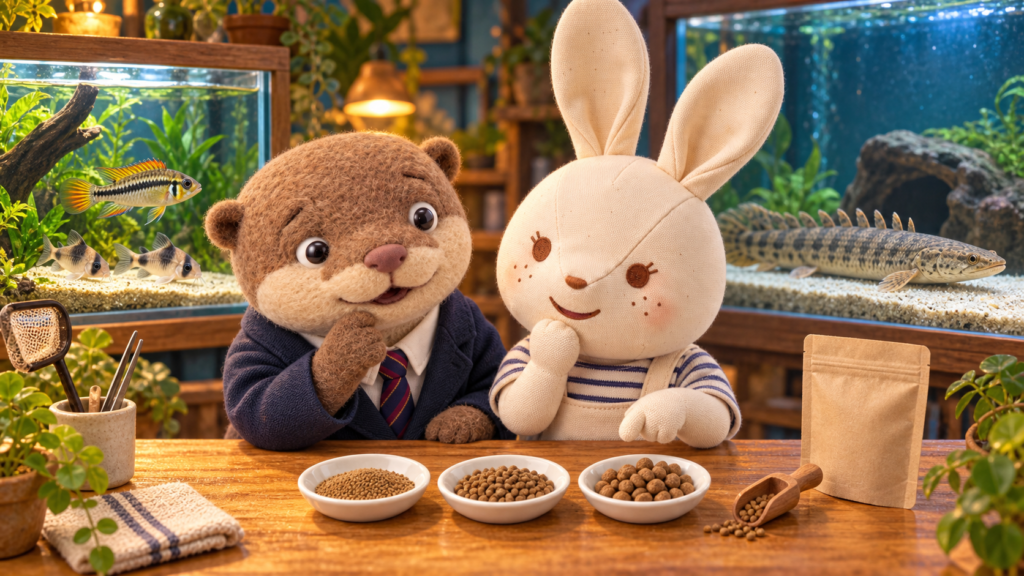 アイのアクアグッズ案内おとひめ物語|養殖生まれの餌を、わが家の魚に合う一粒へ道具の特徴や使い方、選ぶときのポイントをアイが紹介します。記事はコチラ →
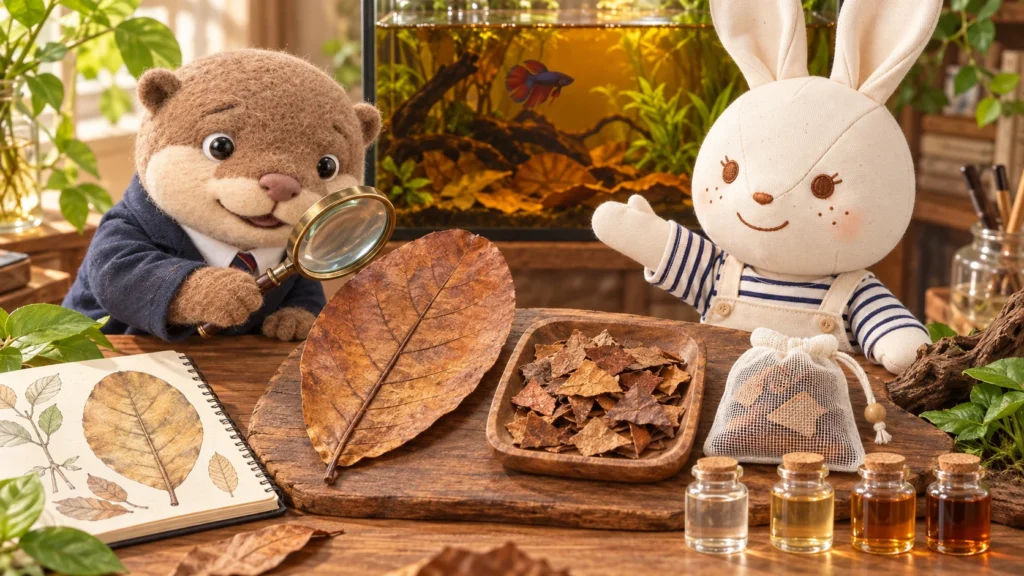 アイのアクアグッズ案内マジックリーフ物語|一枚の葉がアクアリウム用品になるまで道具の特徴や使い方、選ぶときのポイントをアイが紹介します。記事はコチラ →
さまざまな飼育テーマをご紹介。リンク先の記事には広告・商品紹介が含まれます。
案内・紹介記事一覧へ →分布マップ
Gratiola viscidula(グラティオラ・ヴィスキデューラ)は、アメリカ合衆国の中東部から南東部に分布し、湿地や池・湖の岸辺などに生育します。
地図は分布地域全体を見渡すための概略表示で、正確な分布境界や、表示範囲内のすべての場所での生育を示すものではありません。マーカーは地域を示す代表地点(北緯35度・西経82度)であり、実際の採集地点ではありません。
- Flora of North America Editorial Committee. “Flora of North America North of Mexico.” (北米におけるオオバコ科グラティオラ属の分類、分布、および異形葉性などの植物学的形態に関する基礎資料)
- United States Department of Agriculture (USDA) Natural Resources Conservation Service. “PLANTS Database – Gratiola viscidula.” (アメリカ中東部・南東部を中心とした自生環境と湿地帯における生態学的ニッチの参照)
- The Angiosperm Phylogeny Group (2016). An update of the Angiosperm Phylogeny Group classification for the orders and families of flowering plants: APG IV. Botanical Journal of the Linnean Society, 181(1), 1–20. doi:10.1111/boj.12385 (被子植物の目・科の分類体系に関する資料)
- 角野康郎 著. 『日本の水草』 文一総合出版. (日本国内の野外水系における外来水生植物の帰化リスクと、生態系保全に向けた啓発情報の基盤として)




コメント