
解説 / Description
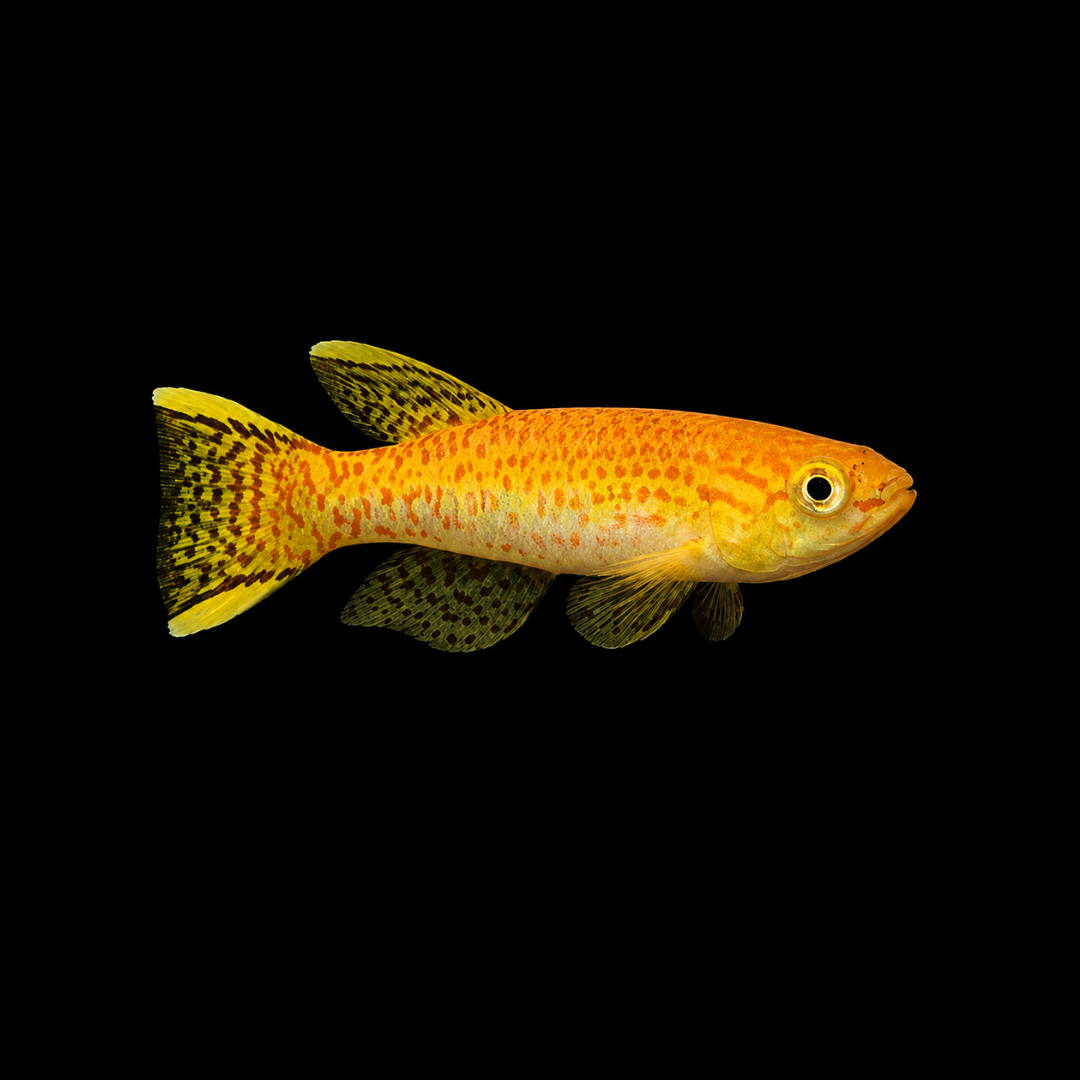
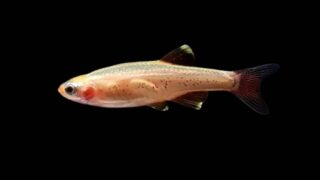
ノソブランキウス・ギュンテリー・ゴールドは、東アフリカのザンジバル諸島ウングジャ島に分布するノソブランキウス・ギュンテリーの観賞用ゴールド系統です。オスは黄色から金色を基調とした鮮やかな体色を示し、赤みを帯びる各鰭との対比が目を引きます。一方、メスは淡い褐色からオリーブ色を基調とする控えめな色彩で、雌雄差は明瞭です。本種を特徴づけるのは、季節的に干上がる一時水域へ適応した「年魚」としての生活史です。成魚は水のある時期に成長して繁殖し、次の世代は底質中の卵として乾季を越します。飼育下でも、産卵床の回収、卵の保湿管理、休眠を経た孵化という流れを再現でき、美しい体色と独特の繁殖生態の両方を楽しめる卵生メダカです。 Nothobranchius guentheri Gold is an ornamental aquarium strain of Nothobranchius guentheri, a killifish endemic to Unguja Island in the Zanzibar Archipelago of East Africa. Males show vivid yellow to golden coloration, contrasted by red tones in the fins, while females are much plainer, usually pale brown to olive. The sexes are therefore readily distinguishable. The species is especially notable for its annual life cycle, an adaptation to temporary waters that disappear during the dry season. Adults grow and reproduce while water is present, and the next generation survives the dry period as embryos in the substrate. In captivity, aquarists can reproduce this cycle by collecting the spawning medium, storing the eggs under moist conditions, and later flooding them after diapause to induce hatching.
基本情報 / Basic Information
| 学名 / Scientific Name | Nothobranchius guentheri (Pfeffer, 1893) “Gold” aquarium strain |
|---|---|
| 通称 / Common Name | ノソブランキウス・ギュンテリー・ゴールド、ギュンテリー・ゴールドGünther’s killifish, Guenther’s killifish, Gold strain |
| 分類 / Family | カダヤシ目・ノソブランキウス科・ノソブランキウス属。Order Cyprinodontiformes, family Nothobranchiidae, genus Nothobranchius. |
| 英名 / English Name | Günther’s killifish / Guenther’s killifish (Gold strain) |
| 分布 / Distribution | 原種はタンザニア東部のザンジバル諸島、ウングジャ島に分布する固有種です。季節性の淡水プールや湿地など、一年のうち一定期間だけ水をたたえる一時水域に生息します。ゴールドは自然分布する地域個体群ではなく、水槽内で維持されてきた観賞系統です。The wild species is endemic to Unguja Island in the Zanzibar Archipelago of eastern Tanzania. It inhabits seasonal freshwater pools and wetlands that hold water only for part of the year. The Gold form is not a naturally occurring geographic population but an ornamental aquarium strain maintained in captivity. |
| 最大体長 / Max Size | 標準体長は最大でおおむね4cm前後が目安です。尾鰭を含む全長ではこれより大きく見え、飼育個体では個体差もあります。Maximum standard length is roughly 4 cm. Total length including the caudal fin is somewhat greater, and aquarium specimens can vary individually. |
| 寿命 / Lifespan | 自然下では季節性水域の消長に合わせて成魚期が短い年魚です。飼育下では系統や環境による差がありますが、研究飼育では平均寿命を約1年とする報告があり、一般的な観賞魚と比べると短命な部類に入ります。In nature, the adult phase is short and closely tied to the seasonal persistence of temporary waters. Lifespan varies among strains and husbandry conditions, but laboratory studies have reported an average lifespan of about one year, placing this species among relatively short-lived aquarium fishes. |
飼育環境 / Aquarium Environment
| 水槽サイズ / Tank Size | ペアまたは少数飼育なら30cm規格水槽(約13L前後)から飼育できます。オス同士の追い回しを避けるために隠れ場所を十分確保したい場合や複数飼育では、45cm規格水槽(約30L前後)以上が扱いやすくなります。繁殖専用なら小型水槽やプラケースも利用できますが、水質悪化が早いためこまめな管理が必要です。A pair or small group can be kept from a standard 30 cm aquarium of roughly 13 L. For multiple fish, especially when extra cover is needed to reduce male aggression, a standard 45 cm aquarium of around 30 L or larger is easier to manage. Smaller breeding tanks or plastic containers can also be used, but water quality must be monitored closely because waste accumulates quickly. |
|---|---|
| 水温 / Temperature | 22〜25℃前後を基本の目安とし、急激な温度変化や高温が長く続く状態を避けます。年魚は温度によって成長や代謝の進み方が変わりやすいため、繁殖を急がない通常飼育では安定した水温を保つことが大切です。 A temperature of around 22–25°C is a practical baseline. Avoid sudden temperature changes and prolonged excessive heat. Because temperature can influence growth and metabolic rate in annual killifish, stable conditions are preferable for routine maintenance. |
| 水質 / Water Quality | 弱酸性〜弱アルカリ性の範囲で飼育され、pH6.5〜7.5前後をひとつの目安にできます。硬度は軟水〜中程度まで対応します。厳密な数値に合わせることより急変を避けることが重要で、アンモニアや亜硝酸を発生させず、硝酸塩や有機物をためすぎないよう定期的に換水します。The species is maintained successfully in slightly acidic to slightly alkaline water, with around pH 6.5–7.5 serving as a practical guideline. Soft to moderately hard water is generally suitable. Stability matters more than targeting an exact value, and regular water changes should prevent ammonia and nitrite exposure while limiting the buildup of nitrate and organic waste. |
| レイアウト / Layout | 日常管理のしやすさを優先するなら、底砂を敷かないベアタンクが実用的です。餌を多く食べるため糞や残餌が出やすく、底面を掃除しやすい構成が水質維持に向きます。スポンジフィルターなどで穏やかな水流を作り、流木やカボンバ、クリプトコリネ類などで視線を遮る隠れ場所を設けると落ち着きやすくなります。繁殖時は、ピートモスを4〜5cmほど入れた小容器を産卵床として沈めます。A bare-bottom setup is practical when ease of maintenance is the priority. Because these fish eat heavily and produce substantial waste, a layout that allows uneaten food and feces to be siphoned easily helps maintain water quality. Gentle filtration, such as a sponge filter, is suitable, and driftwood or dense plants can be used to break lines of sight and provide cover. For breeding, a small container filled with approximately 4–5 cm of peat moss can be placed on the bottom as a spawning substrate. |
| 注意点 / Precautions | 驚いたときや追いかけ合いの最中に飛び出しやすいため、蓋の隙間はできるだけなくします。オス同士は激しく争うことがあり、ヒレを傷めるほど追い回す場合もあるため、複数飼育では十分な隠れ場所と逃げ場が必要です。また、小型容器では給餌量に対して水量が少なくなりやすいため、水質悪化を見逃さないことが重要です。The fish can jump when startled or while chasing one another, so the aquarium should be securely covered with minimal gaps. Males may fight intensely and can damage each other’s fins, making visual barriers and retreat spaces important in group setups. In small containers, the ratio of food and waste to water volume can become unfavorable very quickly, so close attention to water quality is essential. |
餌と給餌 / Feeding
| 餌の種類 / Diet | 動物性の餌を好み、冷凍赤虫、孵化直後のブラインシュリンプ、冷凍ブラインシュリンプなどが適しています。人工飼料にも比較的慣れやすく、フレークや小粒の顆粒飼料も利用できます。育成期や繁殖前は、栄養価の高い生餌・冷凍餌と高品質な人工飼料を組み合わせると体格を整えやすくなります。It favors animal-based foods such as frozen bloodworms, newly hatched brine shrimp, and frozen brine shrimp. Most individuals can also be trained to accept prepared foods such as flakes and small granules. During rapid growth or prior to breeding, a combination of nutritious live or frozen foods and high-quality prepared diets helps develop strong body condition. |
|---|---|
| 給餌のポイント / Feeding Tips | 短期間で成長する年魚らしく食欲は旺盛ですが、一度に大量に与えるより、食べ切れる量を複数回に分けるほうが水質を維持しやすくなります。繁殖を狙う場合は、オスに比べて小柄になりやすいメスにも十分に餌が回るよう配慮し、必要であれば一時的に分けて給餌します。残餌は放置せず、ベアタンクではスポイトなどで早めに除去すると安定した飼育につながります。Like many annual killifish, it has a strong appetite and grows rapidly. Feeding several small portions that are completely consumed is preferable to offering a large meal at once, as this makes water quality easier to maintain. When conditioning fish for breeding, ensure that females receive enough food, since they may be outcompeted by males; temporary separation for targeted feeding can be useful. Uneaten food should be removed promptly. |
性格と混泳 / Temperament and Tank Mates
| 性格 / Temperament | 餌への反応がよく活発な魚ですが、オス同士は縄張り意識が強く、追い回しやヒレをかじる行動が見られます。ペア飼育では比較的管理しやすいものの、繁殖期のオスはメスへの求愛を繰り返すため、メスが休める場所を確保することが大切です。It is active and highly responsive to food, but males can be territorial and may chase or nip one another’s fins. A pair is generally easier to manage, although breeding males may court females persistently, so females should have places where they can retreat and rest. |
|---|---|
| 混泳の相性 / Compatibility | 本種の生活史や給餌量、繁殖方法を考えると、基本は単種飼育または繁殖を意識したペア・少数管理が扱いやすいでしょう。混泳させる場合は、同程度の大きさで極端に攻撃的でなく、強い水流を必要としない魚が候補になります。ただし、繁殖用のピートモス管理や休眠卵の回収を行う場合は、他魚がいると管理が複雑になるため単種飼育が適しています。Because of its unusual life cycle, heavy feeding, and specialized breeding method, species-only maintenance in pairs or small groups is usually the most practical approach. If kept with other fish, choose similarly sized, non-aggressive species that do not require strong current. For peat-based spawning and egg collection, however, a species-only breeding setup is much easier to manage. |
病気と対策 / Diseases and Prevention
| かかりやすい病気 / Common Diseases | 飼育下で注意したい病気のひとつがコショウ病(ベルベット病)です。淡水魚では主にPiscinoodinium属の寄生によって起こり、体表やエラに黄色〜褐色の細かな粉をまぶしたような外観が現れることがあります。進行すると呼吸状態や食欲にも影響するため、異変を早く見つけることが重要です。One disease to watch for in captivity is freshwater velvet disease. It is caused mainly by parasitic dinoflagellates of the genus Piscinoodinium and may produce a fine yellowish to brown dust-like appearance on the skin or gills. Advanced infection can affect respiration and appetite, so early recognition is important. |
|---|---|
| 対策と予防 / Prevention | 予防の基本は、食べ残しや排泄物をためず、定期的な換水と新規導入魚の状態確認によって安定した飼育環境を保つことです。コショウ病が疑われる場合は早めに隔離し、観賞魚用の治療薬について対象疾病と使用方法を確認して対応します。塩水浴が補助的に用いられることはありますが、塩だけで確実に治療できるとはいえないため、主な治療法として過信しないことが大切です。Prevention centers on stable water quality, prompt removal of waste, regular water changes, and careful observation of newly introduced fish. If velvet is suspected, isolate the affected fish early and use an ornamental-fish treatment that is specifically indicated for the disease, following its directions carefully. Salt may sometimes be used as supportive care, but it should not be relied on as a consistently curative treatment by itself. |
増やし方(繁殖) / Breeding
| 雌雄の判別 / Sexing | 雌雄差は明瞭です。オスは黄金色を基調に赤色が重なる非常に派手な体色を示し、背鰭・臀鰭にも複雑な模様が入ります。メスは淡いオリーブ色、薄褐色、薄灰色を基調とする地味な色彩で、目立つ模様はほとんどありません。ゴールド系統のメスはやや黄色みを帯びる傾向がありますが、原種系統のメスと外見だけで確実に区別するのは難しいとされます。The sexes are easy to distinguish. Males are highly colorful, with golden-yellow bodies, increasing red pigmentation toward the tail, and elaborate markings on the dorsal and anal fins. Females are much plainer, usually pale olive, light brown, or gray, with little obvious patterning. Females from the Gold strain may appear slightly more yellowish, but they are difficult to distinguish reliably from females of other strains by appearance alone. |
|---|---|
| 繁殖形態 / Reproduction | 底床産卵型の年魚です。オスとメスは寄り添って底へ向かい、ピートモスなどの柔らかい産卵床へ潜り込むようにして産卵・放精します。卵は水中ですぐ孵化するのではなく、湿ったピートモスの中で休眠期間を経て発育します。乾季に耐える卵と雨季に現れる成魚という世代交代を、飼育下でも再現できるのが本種の繁殖の大きな特徴です。This is a substrate-spawning annual killifish. The male and female move together toward the bottom and press into a soft spawning medium such as peat moss, where eggs and sperm are released. The eggs do not hatch immediately in water; instead, they develop through a dormant period in moist peat. Captive breeding therefore reproduces the natural alternation between drought-resistant eggs and adults that appear during the rainy season. |
| 繁殖のポイント / Breeding Tips | 産卵床には、ピートモスを4〜5cmほど入れた容器を水槽内に沈めます。1〜2週間ごとを目安に回収し、強く乾かしすぎないよう、水が滴らない程度の湿り気に調整して保湿できる袋や容器で管理します。25℃前後では、おおむね2〜3か月が休眠・発育期間の目安です。卵の中に胚の目がはっきり確認できる発眼状態になれば、孵化を試す時期を判断する手がかりになります。孵化時は浅い水深で注水し、孵化した稚魚には初日から孵化直後のブラインシュリンプやマイクロワームなどの微小な生餌を与えます。成長は速いため、十分な給餌とこまめな水質管理を両立させることが重要です。Provide a container with approximately 4–5 cm of peat moss as the spawning medium. Remove it about every one to two weeks and adjust the peat so that it remains moist but does not drip, then store it in a container or bag that retains moisture. At around 25°C, roughly two to three months is a useful guideline for dormancy and embryonic development. Clearly visible embryonic eyes indicate that the eggs are approaching a suitable stage for a hatching attempt. Flood the peat in shallow water and feed newly hatched fry with freshly hatched brine shrimp or microworms from the first day. Because growth is rapid, generous feeding must be balanced with frequent attention to water quality. |
雑学と豆知識 / Trivia and Fun Facts
| 1. 水が消える世界で完成した「年魚」という生存戦略 / 1. The annual life cycle: surviving where the water disappears | ノソブランキウス・ギュンテリーの故郷では、一年中水が残るとは限りません。雨季にできた浅い水たまりは乾季になると消え、そこに暮らしていた成魚も生き残れません。それでも種が途絶えないのは、次の世代が卵の姿で泥の中に残っているからです。受精卵は発育を一時停止する休眠状態に入り、雨が戻るまで待ち続けます。つまり、この魚にとって「卵」は単なる成長の途中ではなく、季節を越えるための生命の本体ともいえる段階です。飼育者がピートモスを乾季の泥に見立て、数か月後に注水して孵化させる作業は、自然界の雨季と乾季を小さな容器の中で再現していることになります。In the native habitat of Nothobranchius guentheri, water is not guaranteed to remain year-round. Temporary pools formed during the rainy season can disappear completely in the dry season, and the adult fish perish with them. The species survives because the next generation remains behind as embryos buried in the substrate. These eggs can pause development in diapause and wait until favorable conditions return. For this fish, the egg is therefore not merely a transitional stage but the key life phase that bridges one wet season to the next. When aquarists store eggs in damp peat and later flood them to induce hatching, they are recreating the rhythm of an African dry season and rainy season on a miniature scale. |
|---|---|
| 2. 「ゴールド」は自然の地域変異ではなく、水槽内の観賞系統 / 2. Gold is an aquarium strain, not a wild geographic form | ゴールドは、ザンジバルの特定地域に分布する自然の地域型ではなく、観賞用として水槽内で維持されてきた系統です。オスでは黄色から金色の発色が強く、赤みを帯びる各鰭との組み合わせによって、野生型とは異なる印象を見せます。一方で、季節性水域に適応した年魚としての生活史そのものは種本来の特徴です。自然環境の中で形づくられた生存戦略と、人の手で受け継がれてきた観賞系統の色彩が重なっているところに、ギュンテリー・ゴールドならではの面白さがあります。Gold is not a naturally occurring geographic form from a particular part of Zanzibar, but an ornamental aquarium strain maintained in captivity. Males show especially strong yellow to golden coloration, combined with red tones in the fins, giving them a different visual impression from wild-type fish. The annual life cycle itself, however, is a natural characteristic of the species. The appeal of the Gold strain lies in this combination of a survival strategy shaped by seasonal habitats and coloration preserved through aquarium breeding. |
| 3. 学名に残された19世紀の探検史 / 3. A scientific name linked to 19th-century exploration | 本種の標本は19世紀末、東アフリカの調査活動の中でザンジバルからヨーロッパへ持ち帰られました。1893年、ドイツの動物学者ゲオルク・プフェファーは新種として記載し、ザンジバルの魚類研究にも関わった著名な動物学者アルベルト・ギュンターにちなみFundulus guentheriと命名しました。その後、分類の見直しによってノソブランキウス属へ移され、現在のNothobranchius guentheriという組み合わせになりました。水槽で眺める数センチの魚の名前の背後には、博物館標本、アフリカ探検、19世紀の分類学という長い歴史が積み重なっています。Specimens of this species reached Europe from Zanzibar during the era of late 19th-century East African exploration. In 1893, German zoologist Georg Pfeffer described the fish as a new species and named it Fundulus guentheri in honor of the prominent zoologist Albert Günther, who had also worked on the fishes of Zanzibar. Later taxonomic revision transferred the species to the genus Nothobranchius, producing the modern combination Nothobranchius guentheri. Behind the name of this small aquarium fish lies a history that connects field collecting, museum specimens, African exploration, and the development of 19th-century zoological classification. |
| 4. オスとメスで染色体数が異なる珍しい性染色体 / 4. An unusual sex-chromosome system with different chromosome counts | ノソブランキウス・ギュンテリーは、見た目の雌雄差だけでなく、染色体の構成にも特徴があります。報告されている二倍体染色体数はオスが35、メスが36で、オスではX1X2Y型の多重性染色体システムが確認されています。近年の研究では、この性染色体がどの染色体の組み合わせから生じ、どのように組換えが抑えられてきたのかが詳しく調べられています。つまり本種は、魚類で性染色体の仕組みが固定的ではなく、進化の途中で組み替わり得ることを考えるうえで重要な研究材料になっています。Nothobranchius guentheri is distinctive not only in its visible sexual dimorphism but also in its chromosome complement. Reported diploid chromosome numbers are 35 in males and 36 in females, and males carry an X1X2Y multiple sex-chromosome system. Recent studies have examined which chromosomes contributed to this system and how recombination became suppressed during its evolution. In practical terms, the species helps researchers understand that sex chromosomes in fishes are not necessarily fixed structures, but can be reorganized over evolutionary time. |
| 5. 休眠卵に見られる厚い卵膜の微細構造 / 5. The fine structure of the thick egg envelope | 本種の受精卵は直径約0.82mmと小さい一方、卵膜は約17〜19µmの厚さを持ち、外層と多層化した内層からなる複雑な微細構造が報告されています。表面には多数の付着糸も見られます。こうした観察結果から、休眠卵には単に発育を止めるという生理的な仕組みだけでなく、特徴的な卵構造も備わっていることが分かります。ただし、卵膜の各構造が乾燥耐性にどの程度直接寄与するかは、形態観察だけから断定できるものではありません。顕微鏡で見える精密な構造は、年魚の休眠という現象を支える仕組みを考える手がかりのひとつです。The fertilized eggs are small, about 0.82 mm in diameter, yet their envelope has been reported to be approximately 17–19 µm thick and composed of a complex outer layer and multilamellar inner layer. Numerous adhesive filaments are also present on the surface. These observations show that annual-killifish eggs possess distinctive structural features in addition to their physiological capacity for diapause. However, the degree to which each layer directly contributes to desiccation resistance cannot be established from ultrastructural observations alone. The detailed architecture of the egg therefore provides an important clue to understanding how diapause is supported, rather than a complete explanation by itself. |
| 6. 観賞魚でありながら老化研究のモデルにもなる / 6. An aquarium fish that also contributes to aging research | 年魚は、生まれてから成熟し、繁殖し、老化するまでの時間が非常に短いため、老化研究の世界でも注目されています。ノソブランキウス属では特に短命な種がモデル生物としてよく知られていますが、ギュンテリーも古くから研究対象となってきました。飼育下でも加齢に伴って体色の変化、体重減少、脊椎の変化、組織の老化などが比較的短い期間に現れるため、脊椎動物の老化がどのように進むのかを観察しやすいのです。水槽の中では鮮やかなゴールドの観賞魚として楽しめる一方、研究室では寿命、免疫老化、性染色体の進化を探る手がかりになるという、二つの顔を持っています。Annual killifish attract considerable attention in aging research because the interval from hatching to maturity, reproduction, and senescence is exceptionally short. Some members of the genus Nothobranchius are especially famous as laboratory models, and N. guentheri also has a history of use in aging studies. Even under captive conditions, age-related changes in body condition, coloration, the vertebral column, and internal tissues can emerge over a relatively short period, making the progression of vertebrate aging easier to study. Thus, the same fish that appears in aquariums as a brilliant golden ornamental strain can also serve in the laboratory as a window into lifespan biology, immune aging, and chromosome evolution. |
まとめ / Conclusion
ノソブランキウス・ギュンテリー・ゴールドは、鮮やかな黄色から金色の体色と、季節性水域に適応した年魚ならではの生活史をあわせ持つ卵生メダカです。安定した水質と十分な給餌を保てば飼育に取り組みやすい一方、オス同士の争い、飛び出し、急な水質悪化、コショウ病などには注意が必要です。 Nothobranchius guentheri Gold combines vivid yellow-to-golden coloration with the annual life cycle of a fish adapted to seasonal waters. With stable water quality and adequate feeding, it is manageable in captivity, although male aggression, jumping, sudden deterioration in water quality, and velvet disease all require attention.
大きな魅力は、底床に産み落とされた卵を保湿して休眠・発育させ、時期を見て注水し、次の世代の孵化へつなげていく繁殖過程にあります。成魚の鮮やかさだけでなく、卵の状態で季節を越えて世代をつなぐという生態まで含めて向き合うことで、この魚ならではの存在感がいっそう深く感じられます。 A major part of its appeal lies in the breeding cycle: eggs laid in the substrate are kept moist through diapause and development, then flooded at the appropriate stage to begin the next generation. The fish is rewarding not only for the appearance of the adults, but also for the way its embryos bridge seasons and carry the lineage forward.
気になる道具や飼い方を見つけてみませんか?
 アイのアクアグッズ案内エビのおうち、食べちゃっていいの!? コタロウと探る、不思議なエビのごはん道具の特徴や使い方、選ぶときのポイントをアイが紹介します。記事はコチラ →
 アイのアクアグッズ案内グッピー・プラティ・モーリーを親子で楽しむ飼育用品|水槽・稚魚保護・ろ過・餌・水草道具の特徴や使い方、選ぶときのポイントをアイが紹介します。記事はコチラ →
さまざまな飼育テーマをご紹介。リンク先の記事には広告・商品紹介が含まれます。
案内・紹介記事一覧へ →分布マップ
Nothobranchius guentheri の原種は、東アフリカ・タンザニアのザンジバル諸島にあるウングジャ島(ザンジバル島)に固有分布し、季節性の淡水プールや湿地などの一時水域に生息します。なお、ゴールドは自然の地域個体群ではなく、飼育下で維持されてきた観賞系統です。
※この地図は、記事に記載された「ウングジャ島」という分布情報をもとに島全体が見えるよう設定した概略表示です。マーカーは分布域を把握しやすくするための代表地点であり、実際の採集地点・確認地点を示すものではありません。
参考文献
-
Fricke, R., Eschmeyer, W. N. & van der Laan, R. (eds.). 2026. Eschmeyer's Catalog of Fishes: Genera, Species, References. California Academy of Sciences. Online version, updated 13 August 2026.分類・有効学名・命名者・タイプ産地・ウングジャ島への分布。
-
Costa, W. J. E. M. 2017. Taxonomic revision of the seasonal killifish genus Nothobranchius from Zanzibar, East Africa (Cyprinodontoidei: Aplocheilidae). Journal of Natural History, 51(27–28): 1609–1624. DOI: 10.1080/00222933.2017.1330976.分類・種の再記載・ウングジャ島固有という分布・形態と標準体長。
-
Froese, R. & Pauly, D. (eds.). 2026. FishBase: Nothobranchius guentheri (Pfeffer, 1893). FishBase species summary. Accessed 24 August 2026.淡水性・一時水域の生息環境・水温と水質の目安・標準体長・年魚の生活史・底床産卵・卵の乾燥期・オス同士の攻撃行動。
-
Markofsky, J. & Perlmutter, A. 1972. Age at sexual maturity and its relationship to longevity in the male annual cyprinodont fish, Nothobranchius guentheri. Experimental Gerontology, 7(2): 131–135. DOI: 10.1016/0531-5565(72)90007-1.21–25℃で飼育した研究個体群の寿命と、短命な年魚としての位置づけ。
-
Markofsky, J. & Matias, J. R. 1977. The effects of temperature and season of collection on the onset and duration of diapause in embryos of the annual fish Nothobranchius guentheri. Journal of Experimental Zoology, 202(1): 49–56. DOI: 10.1002/jez.1402020107.一時水域への適応・泥中で乾季を越す胚・休眠・温度が休眠の開始と持続に及ぼす影響。
-
Nikiforov-Nikishin, D. L., Kochetkov, N. I., Mikodina, E. V., Nikiforov-Nikishin, A. L., Simakov, Y. G., Golovacheva, N. A., Gorbunov, A. V., Chebotarev, S. N., Kirichenko, E. Y., Zabiyaka, I. Y., Pastukhov, I. S. & Bren, A. B. 2022. Evaluation of Age-Dependent Changes in the Coloration of Male Killifish Nothobranchius guentheri Using New Photoprocessing Methods. Biology, 11(2): 205. DOI: 10.3390/biology11020205.飼育下での水温・pH・換水管理・生餌を用いた給餌条件と、本種の飼育研究例。
-
Larcombe, E., Alexander, M. E., Snellgrove, D., Henriquez, F. L. & Sloman, K. A. 2025. Current disease treatments for the ornamental pet fish trade and their associated problems. Reviews in Aquaculture, 17: e12948. DOI: 10.1111/raq.12948.淡水観賞魚のコショウ病(ベルベット病)と Piscinoodinium 属、皮膚・鰓への寄生、症状、治療上の注意、水質悪化やストレスを含む疾病管理。

コメント