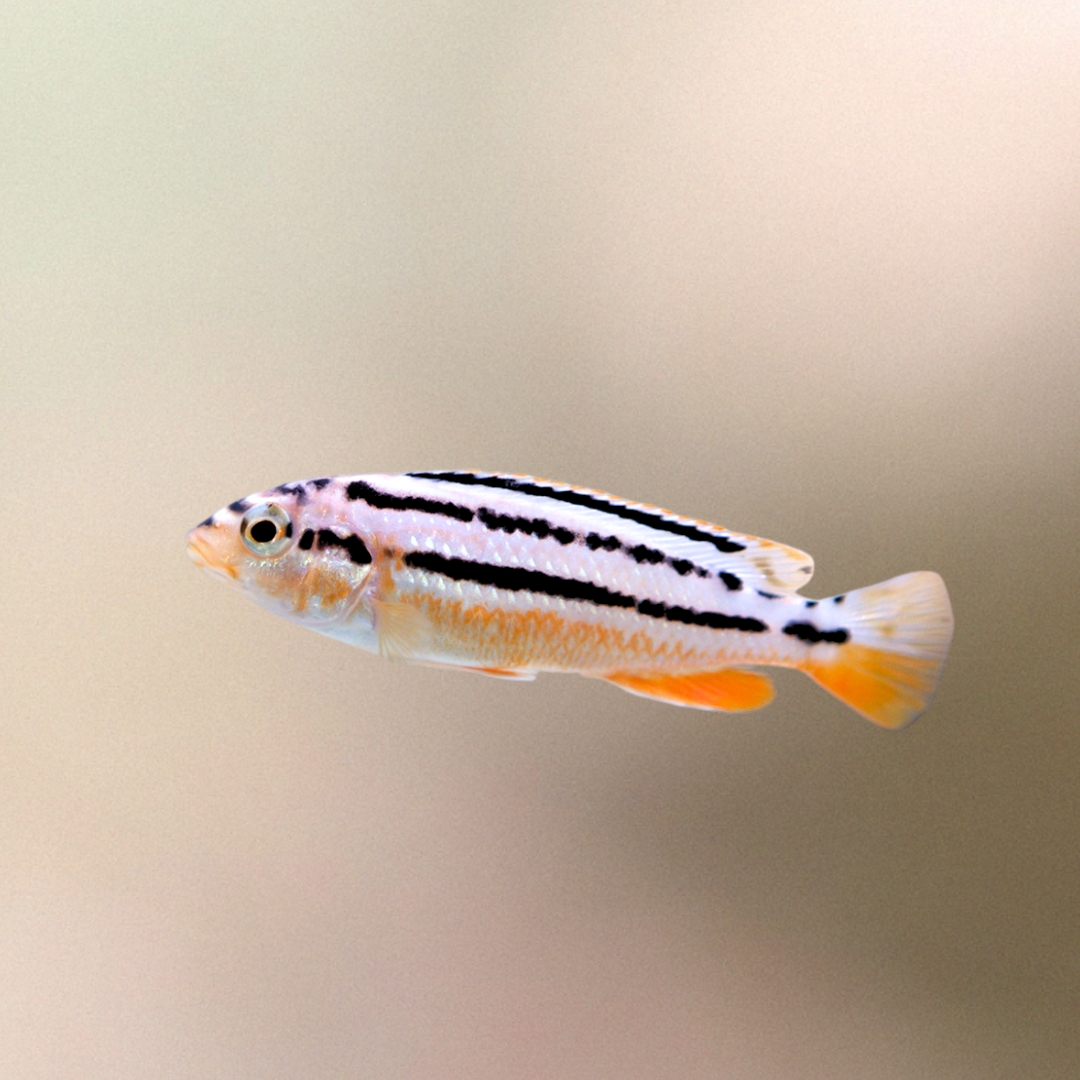
イエローストライプ・シクリッドは、アフリカのマラウイ湖に分布するムブナ系のシクリッドです。幼魚や雌は黄色い体に黒いラインが入り、成熟した優位雄では暗色の体に淡いラインが現れることがあり、成長や社会的な順位によって印象が大きく変わります。丈夫で美しい一方、同種や似た体型の魚に対する縄張り性が非常に強いため、一般的な小型熱帯魚と同じ感覚で飼う魚ではありません。弱アルカリ性でやや硬度のある水、岩組みの多いレイアウト、植物質を中心にした餌、そして攻撃を分散させる飼育計画が成功の鍵になります。The auratus cichlid, also known as the golden mbuna, is a rock-dwelling mbuna cichlid from Lake Malawi in Africa. Juveniles and females are yellow with dark horizontal stripes, while dominant adult males may become dark with pale stripes, giving the species a dramatic change in appearance as it matures and establishes social rank. It is hardy and attractive, but it is not a typical community fish. Success depends on moderately hard, alkaline water, abundant rockwork, a mostly vegetable-based diet, and a stocking plan that manages its strong territorial behavior.
基本情報 / Basic Information
学名 / Scientific Name
Melanochromis auratus (Boulenger, 1897)
通称 / Common Name
イエローストライプ・シクリッド、オーラタス、ゴールデンムブナAuratus cichlid, Golden mbuna, Malawi golden cichlid
分類 / Family
シクリッド科、メラノクロミス属。マラウイ湖の岩礁域に適応したムブナの一種です。Family Cichlidae, genus Melanochromis. It is one of the rock-dwelling mbuna cichlids of Lake Malawi.
英名 / English Name
Golden mbuna, Auratus cichlid
分布 / Distribution
アフリカ、マラウイ湖の固有種です。とくに湖の南部を中心とする岩礁性の環境で知られています。Endemic to Lake Malawi in Africa, especially associated with rocky habitats in the southern part of the lake.
最大体長 / Max Size
約11cm。飼育下では個体差により多少前後します。About 11 cm, with some individual variation in aquaria.
寿命 / Lifespan
飼育下ではおおむね5〜8年ほどが目安です。水質、餌、混泳ストレスの管理で大きく変わります。Typically around 5 to 8 years in captivity, depending strongly on water quality, diet, and stress management.
飼育環境 / Aquarium Environment
水槽サイズ / Tank Size
長期飼育では90cm規格水槽以上を最低目安とし、可能であれば100cm以上、または120cm規格水槽を推奨します。60cm規格水槽は幼魚の一時飼育や隔離には使えますが、成魚の長期維持や複数飼育には狭くなりやすいです。For long-term care, a 90 cm standard aquarium should be treated as a practical minimum, while 100 cm or larger, preferably a 120 cm tank, is recommended. A 60 cm tank may work temporarily for juveniles or isolation, but is usually too small for long-term adult or group maintenance.
水温 / Temperature
24〜26℃前後を中心に管理します。急な水温変化を避け、年間を通して安定させることが大切です。Keep the temperature around 24 to 26°C. Stability is more important than chasing exact numbers.
水質 / Water Quality
弱アルカリ性から中性寄りの弱アルカリ性、目安としてpH 7.0〜8.5、硬度はやや高めを好みます。日本の水道水は地域によって軟水寄りになりやすいため、サンゴ砂やシクリッド用ミネラル剤を使う場合は、急変を避けて少しずつ調整します。Neutral to alkaline water is preferred, roughly pH 7.0 to 8.5 with moderate hardness. In areas with soft tap water, coral sand or cichlid mineral supplements can help, but changes should be gradual.
レイアウト / Layout
岩組みを多く入れ、視線を切れる洞窟や隙間を複数作ります。砂を掘ることがあるため、崩れやすい石組みは避け、石は底面に安定させてから底砂を入れると安全です。Use extensive rockwork with caves and line-of-sight breaks. Because the fish may dig, build stable rock structures directly on the tank base before adding substrate.
注意点 / Precautions
美しい幼魚の姿に惹かれて少数だけで飼い始めると、成長後に攻撃が集中しやすくなります。水槽サイズ、性比、避難場所、ろ過能力を先に決めてから導入しましょう。また、飼いきれなくなっても自然の川や池に放すことは絶対に避けてください。Small groups bought as attractive juveniles can become problematic as the fish mature and aggression concentrates on weaker individuals. Plan tank size, sex ratio, hiding places, and filtration before purchase. Never release unwanted aquarium fish into natural waterways.
餌と給餌 / Feeding
餌の種類 / Diet
植物質を多く含むアフリカンシクリッド用フード、スピルリナ配合フード、沈下性またはゆっくり沈む粒餌を中心にします。補助的にゆでた小松菜やホウレンソウなどを少量与えることもできます。赤虫など動物性の強い餌は常用しないほうが安全です。Use vegetable-rich African cichlid foods, spirulina-based foods, and sinking or slow-sinking pellets as staples. Small amounts of blanched leafy greens can be offered as a supplement. Rich animal-based foods such as bloodworms should not be used as a regular staple.
給餌のポイント / Feeding Tips
一度に多く与えず、短時間で食べきれる量を少量ずつ与えます。野生では岩表面の藻類や微小生物をついばむように食べるため、空腹時間を完全になくすより、肥満と消化不良を避ける管理が向いています。Feed small amounts that are eaten quickly rather than large meals. In nature, the species nibbles at algae-rich biocover on rocks, so avoiding obesity and digestive stress is more important than keeping the fish constantly full.
性格と混泳 / Temperament and Tank Mates
性格 / Temperament
活動的で、縄張り意識が非常に強いシクリッドです。とくに成熟した雄同士、同種、似た体型や縞模様の魚に対して攻撃が出やすく、弱い個体が追い込まれることがあります。Active and highly territorial. Mature males, conspecifics, and fish with similar body shapes or stripe patterns are especially likely to trigger aggression, and weaker fish may be relentlessly chased.
混泳の相性 / Compatibility
基本は本種を主役にした専用水槽、または性質を理解したムブナ水槽向きです。1雄に複数雌を合わせる構成がよく用いられますが、雌同士でも争うことがあります。テトラ、グッピー、コリドラス、穏やかなピーコックシクリッドなどとの混泳は、水質や性格の面からおすすめしません。Best kept in a species-focused setup or a carefully planned mbuna aquarium. A common approach is one male with several females, although females may also quarrel. It is not recommended with tetras, guppies, Corydoras, peaceful peacock cichlids, or other fish that differ greatly in water needs or temperament.
病気と対策 / Diseases and Prevention
かかりやすい病気 / Common Diseases
一般的な白点病、尾ぐされ、スレ傷からの細菌感染に加え、ムブナでは腹部が膨れるマラウイ・ブロートと呼ばれる状態に注意します。これは単一の原因で説明しきれる病気ではなく、消化に合わない餌、水質悪化、ストレス、腸内微生物や原虫の増殖などが重なって起こると考えられています。Watch for common problems such as white spot disease, fin rot, and bacterial infection after injuries. Mbuna keepers should also be aware of Malawi bloat, a swelling condition that is best understood as multifactorial, involving unsuitable diet, poor water quality, stress, and possible proliferation of gut microbes or protozoans.
対策と予防 / Prevention
予防が最重要です。植物質中心の餌、過密に見合う強いろ過、定期的な換水、急なpH変化を避ける水質管理、隠れ家の確保を徹底します。症状が出た場合は早めに隔離し、日本国内で使用できる観賞魚用薬の表示に従い、必要に応じて専門店や魚病に詳しい獣医師へ相談してください。Prevention is essential. Use a vegetable-based diet, strong filtration matched to stocking density, regular water changes, stable water chemistry, and adequate hiding places. If symptoms appear, isolate the fish early and use aquarium medications according to their labels; consult an experienced specialist or fish veterinarian when needed.
増やし方(繁殖) / Breeding
雌雄の判別 / Sexing
幼魚と雌は黄色地に黒いラインが入り、成熟した優位雄は暗色の体に淡いラインを出すことがあります。ただし、劣位雄が雌のような色を保つ場合もあるため、若い個体では色だけで断定しないほうが安全です。Juveniles and females are yellow with dark stripes, while dominant mature males may develop a dark body with pale stripes. However, subordinate males may retain female-like coloration, so color alone is not always reliable in young fish.
繁殖形態 / Reproduction
雌が卵や稚魚を口の中で守る母系口内保育を行います。産卵後、雌はしばらく餌をほとんど食べず、口内で卵を保護します。Maternal mouthbrooder. After spawning, the female holds and protects the eggs and fry in her mouth and usually eats little during this period.
繁殖のポイント / Breeding Tips
繁殖自体は条件が合えば難しくありませんが、雄の追尾で雌が消耗することがあります。1雄に複数雌を合わせ、岩陰を多く用意します。抱卵中の雌を隔離する場合は、捕獲や環境変化で卵を飲み込むことがあるため、タイミングと作業は慎重に行います。Breeding can occur readily when conditions are suitable, but females may become exhausted by male attention. Keep one male with multiple females and provide many refuges. If separating a brooding female, do so carefully because stress may cause her to swallow or spit the brood prematurely.
雑学と豆知識 / Trivia and Fun Facts
1. 名前に込められた「黄金」 / 1. The “golden” meaning in its name
種小名の auratus は「黄金色の」という意味を持つラテン語由来の言葉です。雌や幼魚の明るい黄色を思い浮かべると、この名前がとても自然に感じられます。一方、属名の Melanochromis には「黒い色の魚」という意味合いがあり、成熟した雄が暗色へ変わる姿ともよく響き合っています。The species name auratus comes from Latin and means “golden.” It fits the bright yellow coloration of females and juveniles very well. The genus name Melanochromis carries the idea of a dark-colored fish, which also suits the dark coloration often shown by mature dominant males.
2. 色が変わる魚という魅力 / 2. A fish whose colors tell a social story
本種の面白さは、単に黄色い魚として終わらないところにあります。水槽内で優位な雄が現れると、同じ種類とは思えないほど暗い体色に変わることがあります。これは水槽の中で起きる小さな社会変化が、魚の見た目に表れる好例です。ただし、色の変化には個体差や環境差もあるため、すべての個体が同じ速度や濃さで変わるわけではありません。One of the species’ fascinations is that it does not remain simply a yellow fish. When a male becomes dominant, it may darken dramatically, sometimes looking almost like a different species. It is a vivid example of social status appearing in body color, although timing and intensity vary among individuals and environments.
3. ムブナらしい「岩の暮らし」 / 3. A classic rock-dwelling mbuna lifestyle
ムブナは、マラウイ湖の岩場で暮らすシクリッドたちを指す呼び名として広く使われています。イエローストライプ・シクリッドもその一員で、岩の表面に生える藻類や微小な生物をついばむ生活に適応しています。水槽で岩組みを重視するのは見た目の再現だけではなく、この魚が安心して縄張りを作り、身を隠せる生活空間を用意する意味があります。Mbuna is widely used for the rock-dwelling cichlids of Lake Malawi. The auratus is one of them, adapted to nibbling algae-rich biocover and tiny organisms from rock surfaces. Rockwork in the aquarium is therefore not only decorative; it creates the living structure this fish expects, including territories and hiding spaces.
4. 安価でも「簡単な魚」とは限らない / 4. Low price does not always mean easy care
本種は観賞魚として流通量が多く、幼魚は比較的手に取りやすい価格で見かけることがあります。しかし、価格の手軽さと飼育の手軽さは別の話です。成長後の攻撃性、弱アルカリ性寄りの水質、植物質中心の餌という条件を知らずに導入すると、混泳トラブルや体調不良につながりやすくなります。This species is common in the aquarium trade, and juveniles may be inexpensive. However, low price does not mean simple care. Without planning for adult aggression, alkaline water, and a vegetable-rich diet, keepers can easily run into compatibility problems or health issues.
5. 放流してはいけない理由 / 5. Why release must never happen
マラウイ湖の魚である本種は、日本の自然環境に本来いない魚です。熱帯魚は冬を越せないと思われがちですが、温暖な地域や温排水のある場所では予想外に生き残る可能性があります。たとえ定着しなくても、病原体の持ち込みや在来生物への攻撃などの問題が起こり得ます。飼いきれない場合は、購入店や引き取り先を探し、自然水域には絶対に放さないことが飼育者の責任です。This Lake Malawi fish is not native to Japanese waters. Tropical fish are often assumed unable to survive winter, but warm regions or thermally influenced waters can create unexpected survival opportunities. Even if establishment does not occur, released fish may introduce pathogens or disturb native wildlife. If a fish can no longer be kept, find a shop or responsible new keeper; never release it into the wild.
まとめ / Conclusion
イエローストライプ・シクリッドは、黄色い幼魚や雌、暗色に変わる成熟雄、岩場を活発に泳ぐ姿など、アフリカンシクリッドらしい魅力を強く持つ魚です。マラウイ湖の岩礁域に適応したムブナとして、弱アルカリ性寄りの水質、岩組み、植物質中心の餌を整えることで、本来の美しさと行動を観察しやすくなります。The auratus cichlid is full of classic African cichlid appeal: yellow juveniles and females, darkening mature males, and active behavior among rocks. As a mbuna adapted to rocky Lake Malawi habitats, it shows its best qualities when provided with alkaline-leaning water, abundant rockwork, and a vegetable-rich diet.
一方で、非常に強い縄張り性を持つため、初心者向けの一般的な混泳魚として扱うのは危険です。十分な水槽サイズ、性比、隠れ家、ろ過、そして最後まで飼いきる責任を準備できるなら、長く付き合うほど奥深さを感じられる、個性豊かなシクリッドです。At the same time, its strong territorial nature makes it unsuitable as an ordinary beginner community fish. With adequate tank size, sex ratio, hiding places, filtration, and a commitment to responsible long-term care, it can become a fascinating and rewarding cichlid to keep.
Froese, R. and Pauly, D. (eds.). FishBase. Melanochromis auratus, Golden mbuna. Accessed 2026-06-05. 分類、英名、最大体長、水温・pH・硬度、マラウイ湖固有種であること、岩礁性環境、藻類をついばむ食性、同種間攻撃性、1雄に複数雌を置く飼育上の注意、口内保育と卵数の確認に使用。
U.S. Geological Survey, Nonindigenous Aquatic Species Database. Species Profile: golden mbuna (Melanochromis auratus). Accessed 2026-06-05. シノニム、非在来魚としての扱い、観賞魚由来の放流可能性、米国内での報告状況など、記事内の「放流しない」「自然水域へ出さない」という注意喚起の補強に使用。
Konings, A. and Stauffer, J. R. Jr. 2012. Review of the Lake Malaŵi genus Melanochromis (Teleostei: Cichlidae) with a description of a new species. Zootaxa 3258: 1–27. メラノクロミス属の分類整理、近縁種との関係、マラウイ湖産ムブナとしての位置づけを確認するための分類学的背景資料として使用。
Ribbink, A. J., Marsh, B. A., Marsh, A. C., Ribbink, A. C. and Sharp, B. J. 1983. A preliminary survey of the cichlid fishes of rocky habitats in Lake Malawi. South African Journal of Zoology 18(3): 149–310. マラウイ湖の岩礁性シクリッド全般、ムブナの生息環境、岩礁域を中心とした生態的背景、雌雄で異なる体色に関する基礎資料として使用。
Merck Veterinary Manual. Bacterial Diseases of Fish. Reviewed/Revised May 2022, Modified Sept. 2024. 水質悪化、過密、輸送、温度変化、低酸素などのストレスが観賞魚の細菌性疾患リスクを高めるという、病気予防・水質管理の一般的根拠として使用。
Merck Veterinary Manual. Disorders and Diseases of Fish. Accessed 2026-06-05. 白点病など、家庭用水槽や池で見られる代表的な魚病と、診断・治療を安易に断定しないための一般的な獣医学的背景資料として使用。



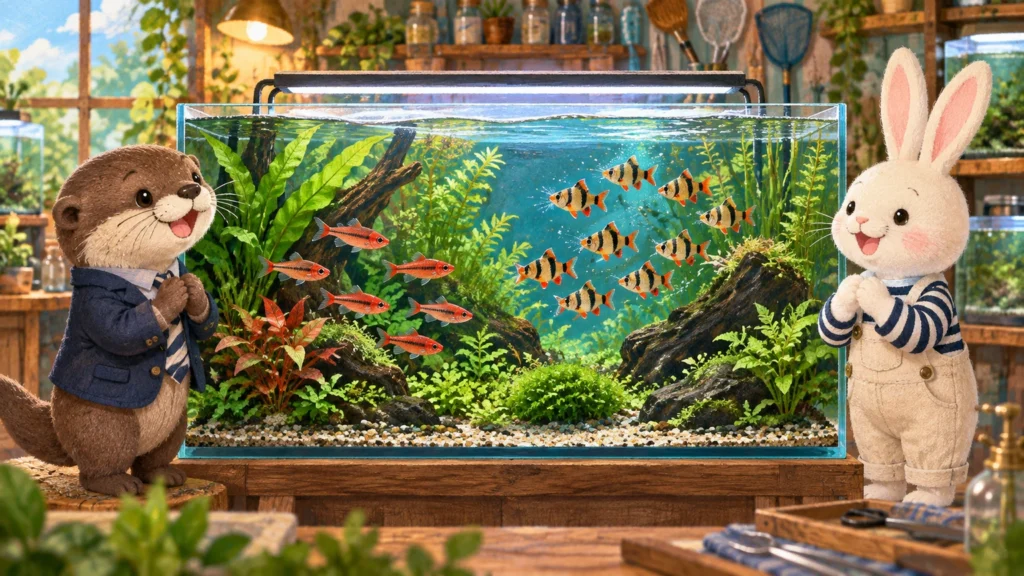 アイのアクアグッズ案内バルブの仲間に合わせる飼育用品|チェリーバルブ・スマトラ・中型種の水槽とろ過道具の特徴や使い方、選ぶときのポイントをアイが紹介します。記事はコチラ →
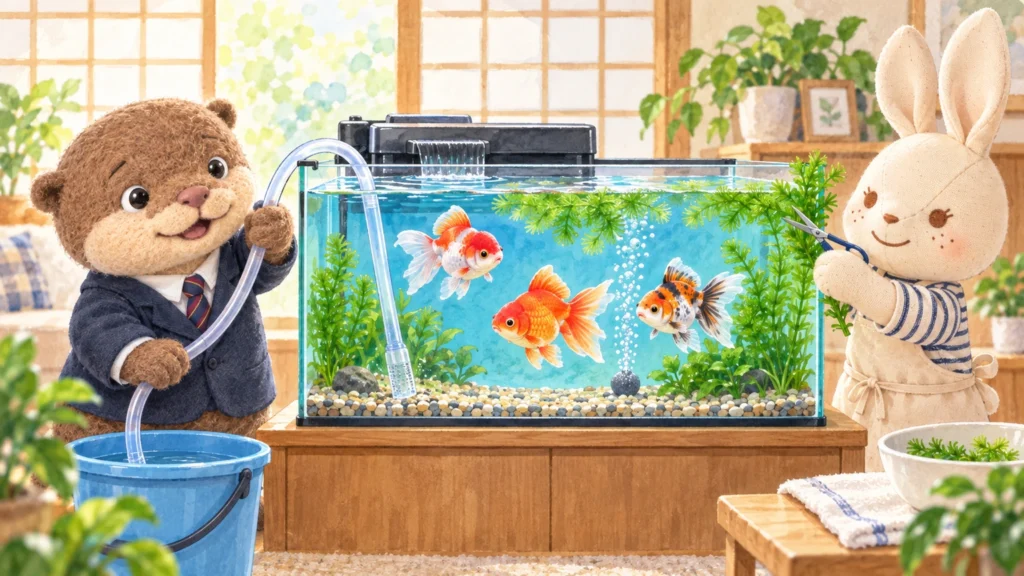 アイのアクアグッズ案内金魚を長く楽しむ飼育用品|水槽・フィルター・エアレーション・水換え道具の特徴や使い方、選ぶときのポイントをアイが紹介します。記事はコチラ →



コメント