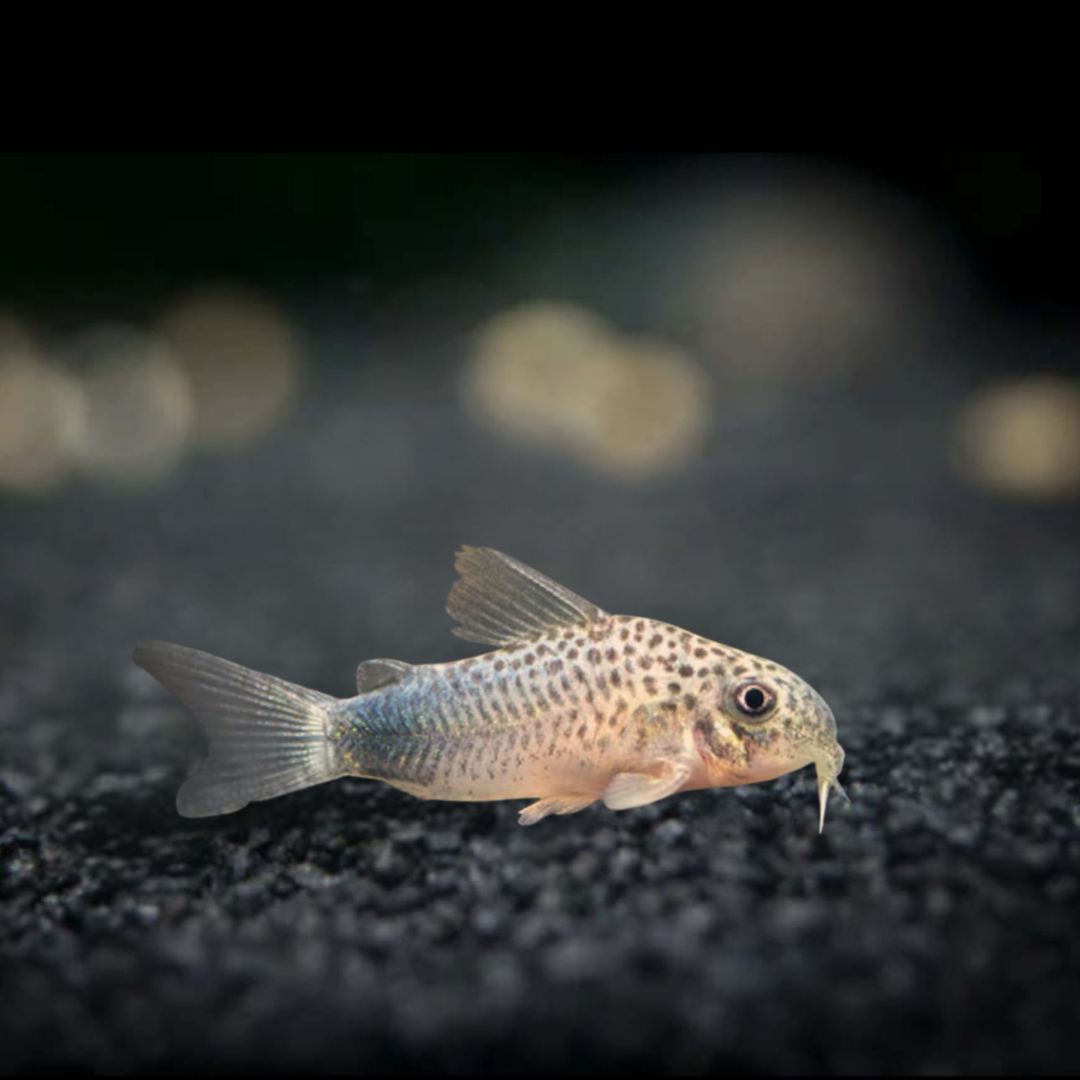
コリドラス・シミリスは、尾柄部ににじむような暗色斑を持つ、ショートノーズ系の小型コリドラスです。古くから「バイオレットコリドラス」の名でも親しまれ、落ち着いた体色の中に紫がかった斑紋が浮かぶ独特の雰囲気が魅力とされています。2024年の分類再編以降、学術的には Hoplisoma simile と扱われるようになりましたが、観賞魚の流通名としては現在も「コリドラス・シミリス」の呼び名が広く使われています。Hoplisoma simile, still widely known in the aquarium trade as Corydoras similis, is a small short-nosed cory with a characteristic smudged dark patch on the caudal peduncle. It has long been appreciated under the trade name “Violet Cory,” thanks to the subtle purplish tone that can appear in the rear body marking. Since the 2024 taxonomic revision, the valid scientific name is treated as Hoplisoma simile, although the familiar aquarium name remains common among hobbyists.
基本情報 / Basic Information
学名 / Scientific Name
Hoplisoma simile (Hieronimus, 1991)
通称 / Common Name
コリドラス・シミリス、ホプリソマ・シミーレ、バイオレットコリドラスSmudge Spot Cory, Violet Cory, Corydoras similis
分類 / Family
カリクティス科 コリドラス亜科 ホプリソマ属Family Callichthyidae, subfamily Corydoradinae, genus Hoplisoma
英名 / English Name
Smudge Spot Cory
分布 / Distribution
南米ブラジル。アマゾン川支流のマデイラ川水系に分布するとされています。Brazil, South America. It is associated with the Madeira River basin, a tributary system of the Amazon.
最大体長 / Max Size
標準体長で約3.8cm、飼育下での見た目の全長はおおむね5〜6cm前後About 3.8 cm standard length; apparent total length in aquaria is generally around 5–6 cm
寿命 / Lifespan
適切な環境では数年単位で飼育できます。状態良く維持すれば、長く楽しめる小型底層魚です。It can be kept for several years under suitable conditions. With stable care, it can be enjoyed for a long time as a small bottom-dwelling fish.
飼育環境 / Aquarium Environment
水槽サイズ / Tank Size
単独種中心なら45cm規格水槽から飼育できますが、群れで落ち着かせることを考えると60cm規格水槽以上が扱いやすいです。最低でも5〜6匹ほどで飼育すると、本来の底床探索行動が見られやすくなります。A 45 cm standard aquarium can work for a species-focused setup, but a 60 cm standard aquarium or larger is easier for keeping a settled group. Keeping at least 5–6 individuals helps bring out more natural foraging behavior.
水温 / Temperature
20〜27℃程度に適応しますが、日常管理では22〜26℃前後が扱いやすい目安です。高水温が続くと消耗しやすいため、夏場は冷却ファンや水槽用クーラーを使い、30℃近い状態を長く続けない管理が重要です。It can adapt to roughly 20–27°C, while around 22–26°C is a practical day-to-day range. Prolonged high temperatures can weaken the fish, so cooling fans or an aquarium chiller are useful in summer to avoid keeping the tank near 30°C for long periods.
水質 / Water Quality
弱酸性〜中性の軟水寄りを好みますが、pH6.0〜8.0前後まで比較的幅広く適応します。日本の一般的な水道水でも飼育は可能ですが、硝酸塩の蓄積や底床の汚れには弱い面があるため、週1回程度の換水を基本に、状態に応じて管理頻度を上げると安心です。It prefers softer, slightly acidic to neutral water, but can adapt to a fairly broad range of around pH 6.0–8.0. It can be kept in typical treated tap water in Japan, but it is sensitive to nitrate accumulation and dirty substrate, so weekly water changes should be considered a basic routine.
レイアウト / Layout
細かく角のない砂を底床に使い、流木や落ち葉、陰になるスペースを組み合わせると落ち着きやすくなります。ヒゲで砂を探る行動を楽しむ魚なので、硬く尖った砂利よりも、田砂や細目の川砂のような安全な底砂を選ぶことが大切です。Use fine, smooth sand and provide driftwood, leaf litter, and shaded areas. Because this fish constantly probes the substrate with its barbels, smooth fine sand is much safer than sharp gravel.
注意点 / Precautions
底面フィルターは底床内に汚れをため込みやすく、ヒゲのトラブルにつながることがあるため、本種にはあまり向きません。外部式、上部式、外掛け式などで水を回しながら、底面のフンや残餌をこまめに取り除く管理が必要です。Undergravel filters are not ideal because they can trap waste inside the substrate and may contribute to barbel problems. Canister, overhead, or hang-on filters are easier to manage while keeping the sand surface clean.
餌と給餌 / Feeding
餌の種類 / Diet
沈下性のコリドラス用タブレット、沈む顆粒飼料、冷凍赤虫、イトメ、ブラインシュリンプなどを与えます。雑食性で餌付きはよいことが多いものの、底まで確実に届く餌を用意することが重要です。Feed sinking cory tablets, sinking granules, frozen bloodworms, tubifex worms, and brine shrimp. It is generally an adaptable omnivore, but the key is to make sure food actually reaches the bottom.
給餌のポイント / Feeding Tips
上層魚との混泳では、餌が底へ落ちる前に食べ尽くされることがあります。消灯前や照明を少し落としたタイミングに沈下性の餌を入れると、シミリスまで行き渡りやすくなります。痩せやすい個体がいないか、腹部の丸みを定期的に確認しておくと安心です。In community tanks, midwater fish may eat the food before it reaches the bottom. Offering sinking foods shortly before lights-out or under dimmed lighting helps ensure the corys get enough. Regularly check that all individuals have a healthy belly shape.
性格と混泳 / Temperament and Tank Mates
性格 / Temperament
非常に温和で、他魚を攻撃することはほとんどありません。単独よりも複数匹で飼育した方が落ち着き、砂をつつきながら群れで動く様子を観察しやすくなります。It is very peaceful and rarely shows aggression toward other fish. It feels more secure in groups, where its natural substrate-searching behavior is easier to observe.
混泳の相性 / Compatibility
小型カラシン、ラスボラ、レインボーフィッシュの小型種、温和な小型シクリッドなどと相性が良いです。一方で、大型魚や気性の荒い魚、底層で強く餌を奪う魚との混泳は避けた方が無難です。プレコ類と混泳する場合は、サイズや性格、夜間の接触にも注意が必要です。It mixes well with small tetras, rasboras, small rainbowfish, and peaceful dwarf cichlids. Avoid large or aggressive fish and species that strongly outcompete it for food at the bottom. When kept with plecos, pay attention to size, temperament, and nighttime interactions.
病気と対策 / Diseases and Prevention
かかりやすい病気 / Common Diseases
底床の汚れや水質悪化が続くと、ヒゲ溶け、尾ぐされ、赤斑、エロモナス症状などが出ることがあります。導入直後の個体では、輸送疲れや寄生虫による体こすり、ヒレをたたむ不調も見られるため、初期観察が大切です。Poor substrate hygiene and declining water quality can lead to barbel erosion, fin rot, red patches, and Aeromonas-like symptoms. Newly introduced fish may also show stress, flashing, or clamped fins, so close observation after purchase is important.
対策と予防 / Prevention
予防の基本は、清潔な細砂、こまめな底床掃除、安定した換水です。異常が出た場合は早めに隔離し、症状に応じて塩水浴や観賞魚用薬を検討します。ナマズ類は薬や塩分に敏感な面があるため、使用量と観察を慎重に行うことが重要です。Prevention starts with clean fine sand, regular substrate cleaning, and stable water changes. If symptoms appear, isolate the fish early and consider salt baths or aquarium medications according to the condition. Catfish can be sensitive to salt and medication, so dosage and observation must be handled carefully.
増やし方(繁殖) / Breeding
雌雄の判別 / Sexing
成熟したメスはオスよりも体に厚みが出やすく、上から見ると腹部がふっくらします。オスはやや細身で、繁殖期にはメスを追う行動が目立ちます。Mature females tend to be deeper-bodied and rounder when viewed from above. Males are usually slimmer and become more active in following females during breeding condition.
繁殖形態 / Reproduction
卵生です。コリドラス類に典型的なTポジションを取り、メスが腹びれで受けた卵をガラス面や水草、産卵モップなどに貼り付けます。It is an egg-layer. Like many corys, it forms the typical T-position, and the female carries eggs between her pelvic fins before attaching them to glass, plants, or spawning mops.
繁殖のポイント / Breeding Tips
繁殖を狙う場合は、冷凍赤虫などで親魚の栄養状態を整えたうえで、やや低めの新しい水を使った換水やエアレーションの強化で雨季の刺激を再現します。産卵後は親魚が卵を食べることがあるため、卵を隔離して水カビ対策を行うと孵化率を高めやすいです。For breeding, condition the adults with nutritious foods such as frozen bloodworms, then simulate rainy-season cues with cooler fresh water changes and stronger aeration. Because adults may eat the eggs, removing the eggs and preventing fungus improves hatch rates.
雑学と豆知識 / Trivia and Fun Facts
1. 「シミリス」という名前の由来 / 1. The meaning of “simile”
シミリスの旧学名 Corydoras similis の種小名は、ラテン語で「似ている」「類似した」という意味を持ちます。これは、近縁種と見た目がよく似ていることに由来するとされ、観賞魚としての美しさだけでなく、分類上の見分けにくさも名前に刻まれている魚です。The specific name in the former combination Corydoras similis comes from Latin and means “similar.” It refers to the fish’s resemblance to related species, so the name reflects not only its appearance but also the taxonomic difficulty of distinguishing it from close relatives.
2. 2024年の分類再編とホプリソマ属 / 2. The 2024 revision and the genus Hoplisoma
長い間、コリドラス属は非常に多くの種を含む大きなグループとして扱われてきました。しかし、分子系統学と形態情報を組み合わせた研究によって、従来の Corydoras は複数の系統に分けて考える必要があると整理されました。その結果、本種は Hoplisoma simile として扱われるようになり、アクアリウムの世界で親しまれてきた「コリドラス・シミリス」という名前と、学術的な新しい名前が並行して使われる状況になっています。For a long time, Corydoras was treated as a very large genus. Molecular and morphological studies later showed that the traditional concept of Corydoras needed to be divided into several lineages. As a result, this species is now treated as Hoplisoma simile, while the familiar aquarium name Corydoras similis remains widely used among hobbyists.
3. 「バイオレット」と呼ばれる理由 / 3. Why it is called “Violet Cory”
本種の尾柄部の斑紋は、真っ黒な点というよりも、後方にぼかしたように広がる暗色斑として現れます。状態が上がった個体では、この部分に紫がかったニュアンスが出ることがあり、それが「バイオレットコリドラス」という流通名につながっています。派手な発色ではなく、飼い込むほどに味わいが増す落ち着いた美しさを楽しむ魚です。The marking on the caudal peduncle is not a sharp black spot but a softly smudged dark patch. In well-conditioned individuals, this area can show a subtle violet tone, giving rise to the trade name “Violet Cory.” Its beauty is understated rather than flashy, becoming more rewarding as the fish settles in.
4. 水面へ走る行動の意味 / 4. Why it dashes to the surface
コリドラス類は腸を使って空気中の酸素を取り込む能力を持ち、ときどき水面へ素早く上がることがあります。通常の範囲であれば自然な行動ですが、頻繁すぎる場合は酸欠や水質悪化のサインかもしれません。かわいい動きとして見るだけでなく、水槽の状態を読む手がかりとして観察することが大切です。Corys can gulp air and absorb oxygen through the intestine, so occasional quick dashes to the surface are normal. If the behavior becomes very frequent, however, it may indicate low oxygen or deteriorating water quality. It is worth treating this behavior as a clue to the tank’s condition.
まとめ / Conclusion
コリドラス・シミリスは、紫がかった尾柄斑と穏やかな性格が魅力の小型底層魚です。派手さで目を引くタイプではありませんが、細かなスポット模様やぼかしたような斑紋は、落ち着いた水槽の中でじっくり鑑賞するほど魅力が伝わります。Hoplisoma simile is a small bottom-dwelling catfish valued for its purplish smudged caudal marking and peaceful nature. It is not a flashy fish, but its fine spotting and softly blurred rear patch become increasingly attractive in a calm, well-maintained aquarium.
飼育では、細かく安全な底砂、清潔な底面、安定した換水、そして十分な給餌が大きなポイントになります。複数匹でゆったり飼育すれば、本種らしい砂を探るしぐさや群れでの行動を楽しみやすく、コリドラス類の魅力をしっかり味わえる種類です。The key points are smooth fine sand, a clean substrate surface, stable water changes, and reliable feeding. Kept in a relaxed group, this species shows the charming sand-sifting and social behavior that makes corys so enjoyable.
Dias, A. C., Tencatt, L. F. C., Roxo, F. F., Silva, G. S. C., Santos, S. A., Britto, M. R., Taylor, M. I. and Oliveira, C. 2024. “Phylogenomic analyses in the complex Neotropical subfamily Corydoradinae (Siluriformes: Callichthyidae) with a new classification based on morphological and molecular data.” Zoological Journal of the Linnean Society, zlae053. https://doi.org/10.1093/zoolinnean/zlae053



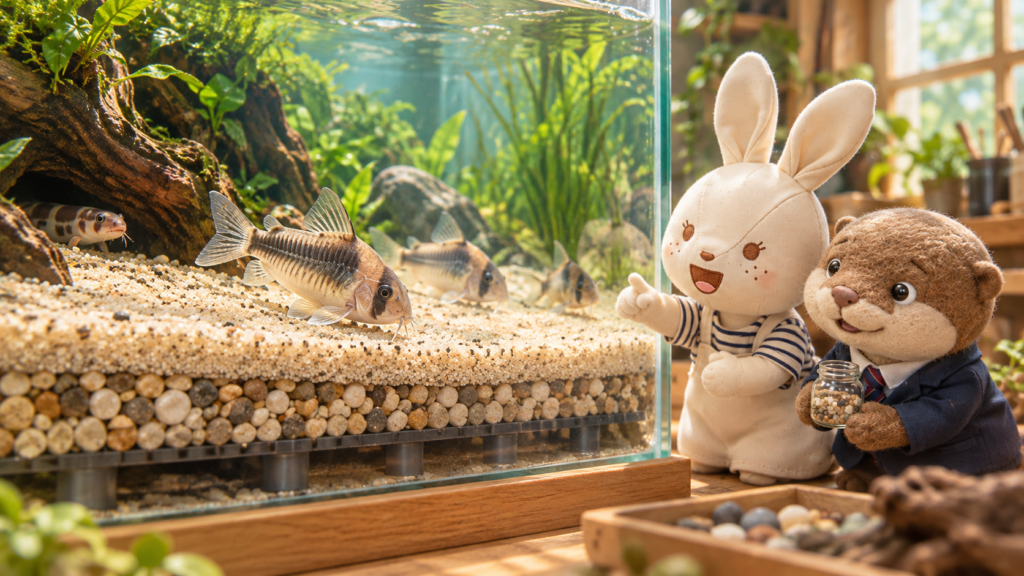 アイのアクアグッズ案内水槽の底砂の選び方|砂・砂利の違いとおすすめ商品道具の特徴や使い方、選ぶときのポイントをアイが紹介します。記事はコチラ →
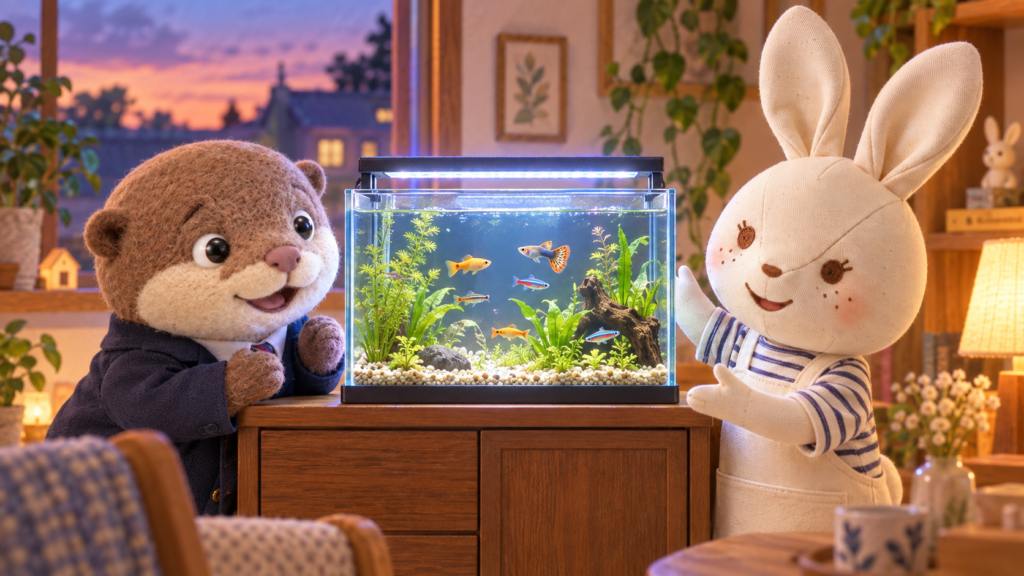 アイのアクアグッズ案内水槽ライトの選び方|魚の見え方・水草・海水で選ぶおすすめ照明道具の特徴や使い方、選ぶときのポイントをアイが紹介します。記事はコチラ →



コメント