

解説 / Description
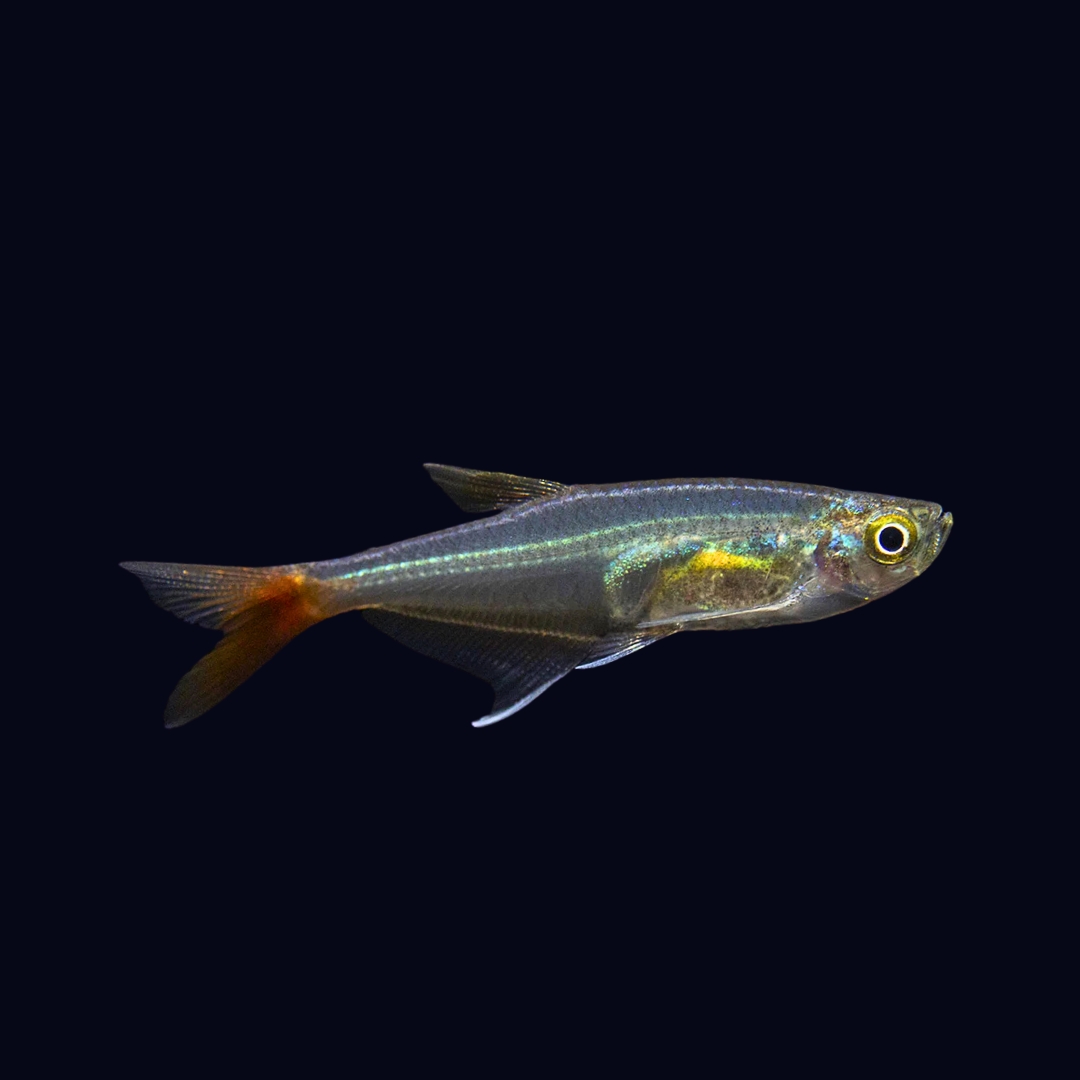
グラスブラッドフィンは、南米アマゾン川流域に分布する小型カラシンの一種です。ガラスのように透き通った体と、尾びれに入る鮮やかな赤色の対比が美しく、水草水槽や落ち着いたネイチャーアクアリウムでよく映えます。丈夫で人工飼料にも慣れやすい魚ですが、よく泳ぐ群泳魚であり、上層から中層で素早く動く性質があります。そのため、十分な遊泳スペースと複数匹での飼育、そして水槽上部の確実な飛び出し対策が、長く健康に楽しむための大切なポイントです。 The Glass Bloodfin is a small characin distributed in the Amazon River basin of South America. It is admired for the contrast between its glass-like transparent body and the vivid red coloration of the caudal fin. This refined appearance makes it especially attractive in planted aquariums and calm nature-style layouts. Although it is hardy and readily accepts prepared foods, it is an active shoaling fish that moves quickly through the upper and middle layers. For long-term success, it should be given enough swimming space, kept in a proper group, and protected with a secure lid to prevent jumping.
基本情報 / Basic Information
| 学名 / Scientific Name | Prionobrama filigera |
|---|---|
| 通称 / Common Name | グラスブラッドフィン、グラスブラッドフィンテトラGlass Bloodfin, Glass Bloodfin Tetra |
| 分類 / Family | カラシン目 カラシン科。資料によってはアフィオカラックス亜科、またはカラシン科内の近縁グループとして扱われます。Order Characiformes, family Characidae. Some references place it in Aphyocharacinae or treat it within a related characid grouping. |
| 英名 / English Name | Glass Bloodfin |
| 分布 / Distribution | 南米アマゾン川流域。記録上はブラジル、ペルー、ボリビア、コロンビア、エクアドル周辺の中央から西部アマゾン水系に分布するとされます。氾濫原の湖沼、流れの緩やかな支流、水草が繁茂する岸辺や砂州周辺などで見られる魚です。Amazon River basin in South America. Records include central to western Amazon systems around Brazil, Peru, Bolivia, Colombia, and Ecuador. It is associated with floodplain lakes, slower tributaries, aquatic vegetation, and sandy shoal areas. |
| 最大体長 / Max Size | 最大で約6cm。水槽内では4〜5cm前後で流通・飼育されることが多いです。Up to about 6 cm. In aquariums and the trade, individuals are often around 4–5 cm. |
| 寿命 / Lifespan | 一般的には数年単位で飼育される小型カラシンです。流通情報では2〜3年程度とされる場合もありますが、良好な水質、十分な遊泳スペース、群れでの飼育、飛び出し防止が整えば、より長期に維持できることがあります。寿命には飼育環境や個体による差があるため、年数はあくまで目安です。This is a small characin that is generally kept for several years. Some aquarium sources describe a lifespan of around 2–3 years, while better conditions may allow longer maintenance. Water quality, swimming space, group size, and jumping prevention strongly influence longevity, so a single fixed lifespan should be treated cautiously. |
飼育環境 / Aquarium Environment
| 水槽サイズ / Tank Size | 最低でも45cm規格水槽以上、できれば60cm規格水槽以上がおすすめです。10匹前後の群泳なら60cm規格水槽が扱いやすく、より大きな群れを美しく泳がせるなら90cm規格水槽以上が理想的です。12匹以上の大きな群れや余裕ある水草レイアウトでは、90cm規格水槽、120cm規格水槽、120cmワイド水槽がよく合います。A tank of at least 45 cm is recommended, with a standard 60 cm tank being a better choice. For a group of around 10 fish, a standard 60 cm aquarium is practical. For larger, more impressive shoals, a 90 cm tank or larger is ideal. Groups of 12 or more and spacious planted layouts are especially well suited to 90 cm, 120 cm, or wide 120 cm aquariums. |
|---|---|
| 水温 / Temperature | 23〜27℃前後を中心に管理すると安定します。許容範囲としては22〜28℃程度まで対応できますが、急激な変動は白点病や体調不良のきっかけになるため、ヒーターとサーモスタットで安定させます。 A stable range around 23–27°C is suitable. It can tolerate roughly 22–28°C, but sudden changes may trigger ich or general stress, so stable heating with a thermostat is recommended. |
| 水質 / Water Quality | 弱酸性から中性、pH6.0〜7.5前後が扱いやすい範囲です。軟水から中硬水まで適応しますが、アンモニアや亜硝酸が検出される環境は避けます。硝酸塩も溜め込みすぎないよう、飼育密度に応じて週1回を目安に20〜30%程度の換水を行います。Slightly acidic to neutral water, around pH 6.0–7.5, is a practical range. It adapts from soft to moderately hard water, but ammonia and nitrite must be avoided. To prevent nitrate buildup, change about 20–30% of the water weekly as a general guideline, adjusting to stocking density. |
| レイアウト / Layout | 前面や中央に遊泳スペースを残し、後景や側面に水草を配置するレイアウトが向いています。ミクロソリウム、アヌビアス、クリプトコリネ、流木、暗色系の底床を組み合わせると、透明な体と赤い尾びれが引き立ちます。浮草を少量使うと光がやわらぎ、上方からのストレスを抑えやすくなります。A layout that leaves open swimming space in the front and center while placing plants along the back and sides is ideal. Java fern, Anubias, Cryptocoryne, driftwood, and darker substrates help highlight the transparent body and red tail. A small amount of floating plants can soften the light and reduce stress from above. |
| 注意点 / Precautions | 最大の注意点は飛び出しです。水槽にはガラス蓋やアクリル蓋を設置し、フィルター配管やコード周りの隙間も鉢底ネットやウールマットなどで塞ぎます。導入直後、照明の急なオンオフ、給餌時の興奮、夜間の物音などで驚いて跳ねることがあります。オープンアクアリウムで水位を少し下げる工夫は補助にはなりますが、完全な蓋の代わりにはなりません。The greatest risk is jumping. Use a glass or acrylic cover and block gaps around filter pipes or cables with mesh or filter wool. Newly introduced fish, sudden lighting changes, feeding excitement, and nighttime disturbances can all trigger jumps. Lowering the water level in open-top aquariums may help, but it is not a full substitute for a secure lid. |
餌と給餌 / Feeding
| 餌の種類 / Diet | 人工飼料への餌付きはよく、カラシン用のフレーク、細かな顆粒、マイクロペレットを主食にできます。副食としてブラインシュリンプ、ミジンコ、赤虫、イトミミズ類などの冷凍餌や生餌を少量取り入れると、コンディション維持に役立ちます。野生下では水面付近の小型昆虫や微小な無脊椎動物を食べる、肉食寄りの雑食性と考えられます。It readily accepts prepared foods such as characin flakes, fine granules, and micro pellets. Small amounts of frozen or live foods such as brine shrimp, daphnia, bloodworms, and small worms are useful supplements for condition. In the wild, it is considered an omnivore with a carnivorous tendency, feeding on small insects and tiny invertebrates near the surface. |
|---|---|
| 給餌のポイント / Feeding Tips | 1日1〜2回、2〜3分で食べきれる量を与えます。水面から中層の餌をよく追いますが、勢いよく突進するため、給餌時にも飛び出しに注意します。食べ残しは水質悪化の原因になるため、過剰給餌は避けます。透明な体のため、食後に消化管の内容物がうっすら見えることがあり、日々の健康観察にも役立ちます。Feed once or twice a day, only as much as the fish can finish within 2–3 minutes. It actively takes food from the surface and midwater, but its fast rushes during feeding can lead to jumping, so caution is needed. Avoid overfeeding because leftovers quickly degrade water quality. Because of its transparent body, digestive contents may sometimes be faintly visible after feeding, which can also help with daily observation. |
性格と混泳 / Temperament and Tank Mates
| 性格 / Temperament | 温和で活発な群泳魚です。単独や少数では落ち着かず、隠れがちになったり、体色が冴えなくなったりすることがあります。最低でも6匹以上、できれば10匹前後以上で飼うと、本来のまとまりある遊泳を見せやすくなります。It is a peaceful and active shoaling fish. When kept alone or in very small numbers, it may become nervous, hide frequently, or lose its best appearance. Keep at least 6 individuals, and preferably around 10 or more, to encourage natural schooling behavior. |
|---|---|
| 混泳の相性 / Compatibility | ネオンテトラ、ラミーノーズテトラ、ブラックファントムテトラ、フレームテトラなどの小型カラシン、ラスボラ類、グッピー、ドワーフグラミー、コリドラス、小型ロリカリア類などと相性がよいです。十分な水槽サイズがあれば、温和な小型シクリッドとも混泳できます。口に入るサイズの魚を捕食する大型魚、攻撃的なシクリッド、動きの速い魚に強くストレスを受ける極端におとなしい魚との混泳は避けます。It mixes well with small characins such as neon tetras, rummy-nose tetras, black phantom tetras, and flame tetras, as well as rasboras, guppies, dwarf gouramis, Corydoras, and small loricariids. In suitably sized tanks, peaceful dwarf cichlids may also be compatible. Avoid large predatory fish that can swallow it, aggressive cichlids, and very timid species that may be stressed by fast-moving shoals. |
病気と対策 / Diseases and Prevention
| かかりやすい病気 / Common Diseases | 白点病、尾腐れ病、カラムナリス症状など、一般的な熱帯魚の病気に注意します。水温の急変、導入直後のストレス、アンモニアや亜硝酸の発生、硝酸塩の蓄積、過密飼育が発症のきっかけになります。体表の白点、ヒレの溶け、呼吸の荒さ、体をこすりつける動き、群れから離れる様子が見られたら早めに確認します。Watch for common tropical fish diseases such as ich, fin rot, and columnaris-like symptoms. Sudden temperature changes, stress after introduction, ammonia or nitrite exposure, nitrate buildup, and overcrowding can trigger illness. Early warning signs include white spots, fin erosion, rapid breathing, flashing against objects, and separation from the shoal. |
|---|---|
| 対策と予防 / Prevention | 予防の基本は、安定した水温、過密を避けた飼育、定期的な換水、新規導入魚のトリートメントです。白点病が疑われる場合は、魚の体力を見ながら水温を28℃前後まで段階的に上げ、国内で一般的なメチレンブルー系またはマラカイトグリーン系の魚病薬を説明書どおりに使用します。白点が消えた後も水中に感染段階が残る場合があるため、自己判断で早く中断しないことが大切です。塩水浴は補助的に使われることがありますが、水草や混泳生体への影響を確認してから慎重に行います。Prevention is based on stable temperature, avoiding overcrowding, regular water changes, and conditioning or quarantining new arrivals. If ich is suspected, the temperature may be gradually raised to around 28°C while monitoring the fish, and commonly available methylene blue or malachite green medications should be used according to the label. Treatment should not be stopped too early after visible spots disappear, because infectious stages may remain in the water. Salt baths may be used as supportive care, but should be applied carefully after considering the effects on plants and tank mates. |
増やし方(繁殖) / Breeding
| 雌雄の判別 / Sexing | 成熟したオスはメスよりスレンダーで、背びれがわずかに伸びたり、尻びれに黒っぽい縁取りが出たりすることがあります。メスはややふっくらし、抱卵すると腹部の丸みが目立ちます。個体差があるため、若魚では判別が難しい場合があります。Mature males are usually slimmer and may show a slightly elongated dorsal fin or a dark edge on the anal fin. Females tend to be fuller-bodied, especially when carrying eggs. Young fish can be difficult to sex because individual variation is common. |
|---|---|
| 繁殖形態 / Reproduction | 細かな水草や産卵モップの周辺に卵をばらまく、ばらまき型の産卵です。親は卵や稚魚を保護せず、卵を食べることがあるため、繁殖を狙う場合は専用の産卵水槽を用意すると成功率が上がります。It is an egg-scattering species that releases eggs among fine plants or spawning mops. The parents do not guard the eggs or fry and may eat the eggs, so a separate breeding tank increases the chance of success. |
| 繁殖のポイント / Breeding Tips | 30〜45cm水槽、または水量20L前後の産卵水槽に、弱酸性寄りで軟らかい水、26〜28℃前後の水温、薄暗い照明を用意します。底には鉢底ネットなどのメッシュを敷き、卵が親の口の届かない場所へ落ちるようにすると食卵を防ぎやすくなります。産卵後は親を速やかに戻します。孵化時間や稚魚の成長速度には水温差と個体差がありますが、自由遊泳後はインフゾリアや微細な稚魚用フードから始め、成長に合わせてブラインシュリンプ幼生へ切り替えると安定しやすくなります。Use a 30–45 cm breeding tank or a tank of about 20 liters with soft, slightly acidic water, a temperature of around 26–28°C, and dim lighting. A mesh layer on the bottom helps eggs fall out of reach of the parents and reduces egg predation. Remove the adults promptly after spawning. Hatching time and fry growth vary with temperature and individual conditions, but once the fry become free-swimming, begin with infusoria or very fine fry food and then switch to newly hatched brine shrimp as they grow. |
雑学と豆知識 / Trivia and Fun Facts
| 1. 学名に隠れた「ノコギリ」と「糸」 / 1. The “saw” and “thread” hidden in the scientific name | 属名のPrionobramaは、ノコギリを意味する語と、ブリームに由来する語を組み合わせた名前とされ、歯の並びや体形に関係した命名と説明されています。一方、種小名のfiligeraは「糸を持つもの」という意味を持ち、成熟した個体の細く伸びるヒレの特徴を思わせます。小さな魚の名前の中に、歯、体形、ヒレの形という観察の歴史が詰め込まれているのは、分類学の面白さそのものです。The genus name Prionobrama is explained as a combination of a word meaning “saw” and a term associated with bream-like fishes, referring to features such as tooth arrangement and body form. The species name filigera means “thread-bearing,” evoking the slender fin extensions seen in mature individuals. In the name of this small fish, one can find a history of careful observation: teeth, body shape, and fin structure are all woven into its taxonomy. |
|---|---|
| 2. 透明な体は飾りではなく、生き残るための工夫 / 2. Transparency is not merely decorative | グラスブラッドフィンの透明な体は、見た目の美しさだけでなく、捕食者から見つかりにくくなるための適応として考えることができます。中層から上層を泳ぐ小型魚にとって、背景に溶け込むことは大きな利点です。水槽の中で骨格や消化管がうっすら見える様子は観賞魚として魅力的ですが、自然界ではその透明さが命を守る隠れ蓑になっている可能性があります。The transparent body of the Glass Bloodfin can be understood not only as a beautiful feature, but also as a possible adaptation that makes it less visible to predators. For a small fish swimming in the middle and upper layers, blending into the background is a major advantage. In the aquarium, the faint visibility of bones and the digestive tract is fascinating, but in nature that same transparency may function as a cloak of survival. |
| 3. 赤い尾びれは仲間への合図かもしれない / 3. The red tail may be a signal to companions | 透明な体に対して、尾びれだけが鮮やかに赤いという特徴は一見すると目立ちすぎるように思えます。しかし水中では赤色の光が遠くまで届きにくく、距離が離れると暗く沈んで見えやすくなります。そのため、近くにいる仲間には群れを保つ目印となり、遠くの捕食者には目立ちにくいという二重の働きを持つ可能性があります。水槽内で群れが同じ向きにすっと揃う瞬間には、この赤い尾びれが小さな信号旗のように機能している様子を想像できます。At first glance, the vivid red tail on an otherwise transparent body might seem dangerously conspicuous. Yet red light is absorbed quickly in water, so from a distance red can appear dark and subdued. The red tail may therefore have a dual role: a close-range marker that helps companions maintain the shoal, while remaining less obvious to distant predators. When the group suddenly aligns in the aquarium, the red tails can be imagined as tiny signal flags guiding the school. |
| 4. 似た名前の魚との違い / 4. How it differs from similarly named fish | グラスブラッドフィンは、ブラッドフィン・テトラとして知られるAphyocharax anisitsiと名前が似ていますが、別の魚です。グラスブラッドフィンはより細長く、赤色は主に尾びれに限られます。対してブラッドフィン・テトラは、尻びれや腹びれにも赤色が入ることで知られます。また、同属のPrionobrama paraguayensisは尾びれに赤色を持たない点で区別されます。名前だけで選ぶと混同しやすいため、流通名だけでなく体形とヒレの色を見て確認すると安心です。The Glass Bloodfin is often confused by name with the Bloodfin Tetra, Aphyocharax anisitsi, but they are different fish. The Glass Bloodfin is more elongate, and its red coloration is mainly restricted to the caudal fin. The Bloodfin Tetra is known for red coloration on the anal and pelvic fins as well. Its congener Prionobrama paraguayensis is distinguished by lacking red coloration in the caudal fin. Because common names can be confusing, it is best to check both body shape and fin coloration. |
| 5. 「丈夫な魚」ほど丁寧に飼うと輝く / 5. Hardy fish shine brightest with careful care | 本種は丈夫で飼いやすい魚として紹介されることが多いですが、丈夫であることは雑に扱ってよいという意味ではありません。群れの数、水槽の横幅、安定した水質、そして蓋による飛び出し対策がそろったとき、グラスブラッドフィンは単なる安価な小型魚ではなく、光をまとって泳ぐ透明な群れとして水槽の主役になります。長期飼育で初めて見えてくる落ち着きや発色こそ、この魚が持つ本当の美しさです。This species is often introduced as hardy and easy to keep, but being hardy does not mean it should be kept carelessly. When provided with a proper group size, enough tank length, stable water quality, and a secure lid, the Glass Bloodfin becomes far more than an inexpensive small fish. It turns into a luminous transparent school that can become the centerpiece of the aquarium. The calm behavior and coloration that emerge through long-term care reveal its true beauty. |
まとめ / Conclusion
グラスブラッドフィンは、透明な体と赤い尾びれを持つ、上品で美しい小型カラシンです。丈夫で人工飼料にもよく慣れるため初心者にも導入しやすい一方、群れで泳がせること、十分な遊泳スペースを用意すること、そして飛び出しを防ぐことが長期飼育の重要な条件になります。 The Glass Bloodfin is an elegant small characin with a transparent body and a vivid red tail. It is hardy and readily accepts prepared foods, making it approachable for beginners. At the same time, long-term success depends on keeping it in a proper group, providing enough swimming space, and preventing jumping accidents.
60cm規格水槽以上で10匹前後の群れを泳がせ、暗色の底床や水草、流木を組み合わせると、本種の魅力は大きく引き立ちます。安価で流通量の多い魚ではありますが、その本質は「消耗品」ではなく、長く付き合うほど味わいが増すクラシックな群泳魚です。落ち着いた環境で大切に育てれば、ガラスのような体と赤い尾びれが、日々の水槽に静かな華やかさを添えてくれるでしょう。 In a standard 60 cm tank or larger, a group of around 10 individuals can be beautifully displayed with dark substrate, aquatic plants, and driftwood. Although it is inexpensive and widely available, it should not be treated as disposable. It is a classic schooling fish whose appeal grows with long-term care. In a calm and well-maintained aquarium, its glass-like body and red tail will add quiet brilliance to everyday viewing.

気になる道具や飼い方を見つけてみませんか?
 アイのアクアグッズ案内テトラミンって、こんなにあるの? アイとコタロウのごはん探究旅道具の特徴や使い方、選ぶときのポイントをアイが紹介します。記事はコチラ →
 アイのアクアグッズ案内ベタの一匹飼いを楽しむ|水槽・ヒーター・ふた・フィルターの選び方ベタの一匹飼いに向く水槽容量、ふたと空気層、ヒーターと水温計、弱い水流のフィルターを、コタロウとアイの会話で分かりやすく解説します。記事はコチラ →
さまざまな飼育テーマをご紹介。リンク先の記事には広告・商品紹介が含まれます。
案内・紹介記事一覧へ →分布マップ
グラスブラッドフィンは、南米のアマゾン川流域に分布するとされ、ブラジル、ペルー、ボリビア、コロンビア、エクアドル周辺の中央から西部アマゾン水系で記録があります。この地図では、分布イメージを示すためにアマゾン上流から中流域を概略代表地点として表示しています。
Google Earthで開くこの地点は分布欄の内容から作成した概略プロットです。実際の採集地点や厳密な生息範囲を示すものではありません。
参考文献・参照データ
本記事では、分類、分布、最大体長、水質条件、学名の語源、疾病対策などを確認するため、販売店・店舗系ページを除き、以下の分類データベース、国際的な生物多様性データベース、魚類名語源データベース、魚病解説資料を参照しました。
- Froese, R. and Pauly, D. Editors. FishBase. “Prionobrama filigera (Cope, 1870), Glass bloodfin.” https://www.fishbase.se/summary/Prionobrama-filigera 学名、分類、英名、最大体長、分布、水温、pH、硬度、淡水性・遊泳層などの基本データ確認に使用。
- Fricke, R., Eschmeyer, W. N. and van der Laan, R. Editors. Eschmeyer’s Catalog of Fishes. California Academy of Sciences. “Species in the genus Prionobrama.” https://researcharchive.calacademy.org/research/ichthyology/catalog/fishcatget.asp?spid=33032 原記載名、シノニム、タイプ産地、分類上の扱いなど、学名と分類史の確認に使用。
- GBIF Secretariat. “Prionobrama filigera (Cope, 1870).” GBIF Backbone Taxonomy. https://www.gbif.org/species/2353985 分類階層、シノニム、英名、分布記録・出現記録の補助確認に使用。
- Scharpf, C. The ETYFish Project. “Family Characidae: Subfamily Aphyocharacinae Eigenmann 1909.” https://etyfish.org/aphyocharacinae/ Prionobramaおよびfiligeraの語源、学名に関する豆知識の確認に使用。
- Seriously Fish. “Prionobrama filigera (Glass Bloodfin Tetra).” https://www.seriouslyfish.com/species/prionobrama-filigera/ 上層を中心に泳ぐ活発な性質、遊泳スペースの必要性、群れでの飼育、飼育環境の補助確認に使用。
- Fishipedia. “Prionobrama filigera.” https://www.fishi-pedia.com/fishes/prionobrama-filigera 5〜6cm前後の体長、群れで行動する性質、中層から表層付近の遊泳、食性、産卵形態などの補助確認に使用。
- Francis-Floyd, R. and Reed, P. University of Florida IFAS Extension. “Ichthyophthirius multifiliis (White Spot) Infections in Fish.” https://ask.ifas.ufl.edu/publication/FA006 白点病の原因生物、感染の特徴、予防・隔離の考え方など、魚病解説の確認に使用。
- Merck Veterinary Manual. “Parasitic Diseases of Fish.” https://www.merckvetmanual.com/exotic-and-laboratory-animals/aquarium-fish/parasitic-diseases-of-fish 白点病を含む淡水魚の寄生虫症、感染経路、症状理解の補助確認に使用。




コメント