

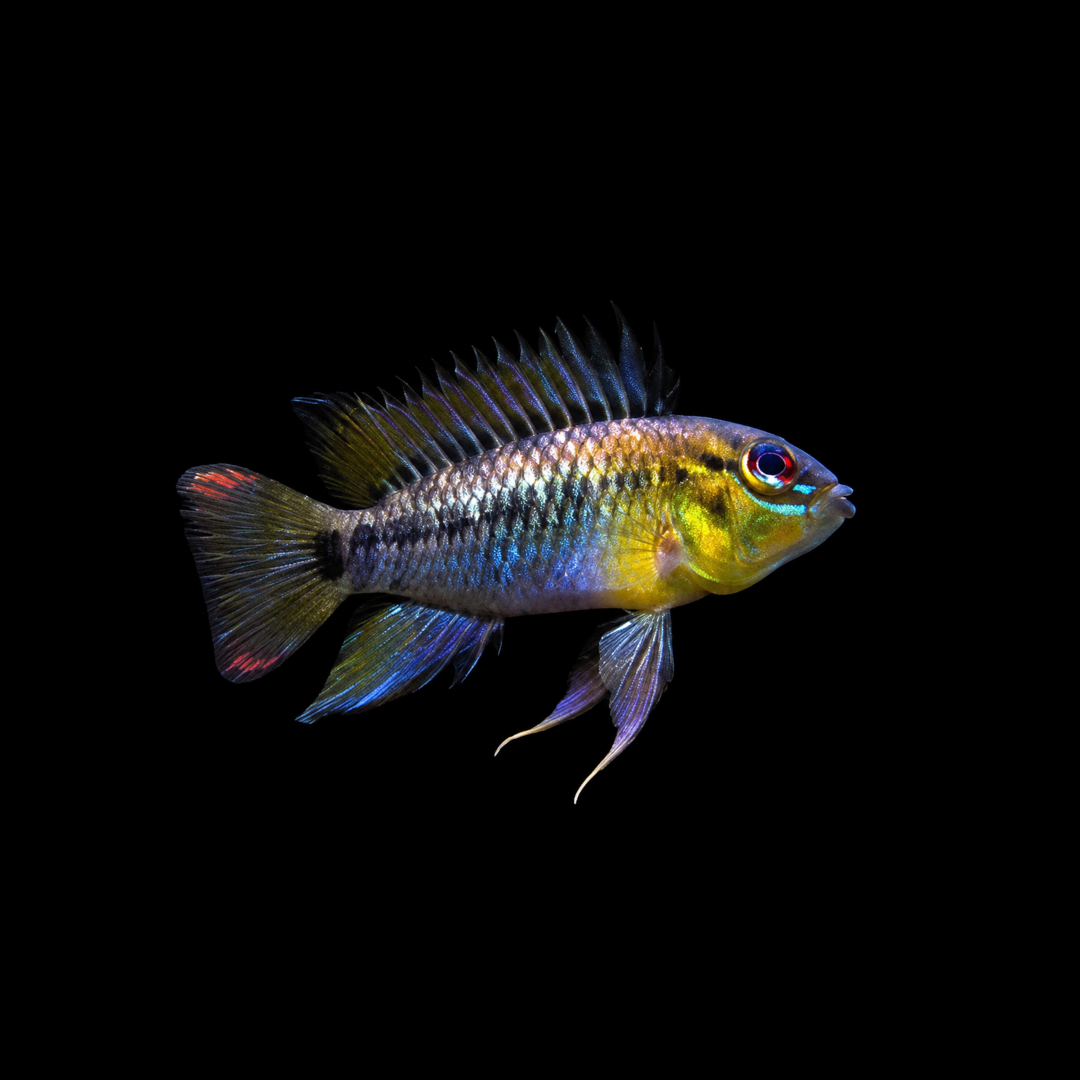
解説 / Description
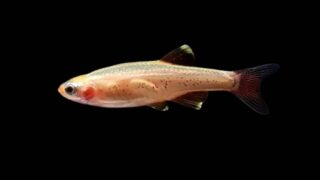
アピストグラマ・ホイグネイは、南米北部のオリノコ川水系に分布するドワーフシクリッドです。成熟したオスは体高のあるがっしりとした体つきになり、頭部から体側にかけて青緑色の光沢を帯びます。尾鰭の外縁には暗色の縁取りが見られ、個体や状態によって赤みが目立つこともあります。派手さだけでなく、落ち着き具合によって模様の見え方が変わる奥深さが魅力で、広い分布域に由来する地域差も愛好家を惹きつけます。メスは平常時には控えめな色合いですが、繁殖期には黄色が強くなり、黒い模様との対比が際立ちます。 Apistogramma hoignei is a dwarf cichlid from the Orinoco River drainage of northern South America. Mature males develop a deep, robust body and a blue-green sheen around the head and flanks. The outer margins of the caudal fin show dark edging, sometimes accompanied by noticeable reddish coloration depending on the individual and its condition. Its appeal also lies in the way its pattern changes as the fish settles, while populations across its broad range may show locality-related variation. Females are comparatively subdued at rest, but during breeding they become much more yellow with strongly contrasting dark markings.
基本情報 / Basic Information
| 学名 / Scientific Name | Apistogramma hoignei Meinken, 1965 |
|---|---|
| 通称 / Common Name | アピストグラマ・ホイグネイ、ホイグネイApistogramma hoignei; no broadly standardized English common name is established here |
| 分類 / Family | シクリッド科・ゲオファーグス亜科・アピストグラマ属Family Cichlidae, subfamily Geophaginae, genus Apistogramma |
| 英名 / English Name | Apistogramma hoignei |
| 分布 / Distribution | 南米オリノコ川水系。ベネズエラのリャノにあるアプレ川・ポルトゥゲサ川、オリノコ川本流や北東部の支流域などに広く分布し、コロンビアではグアビアーレ川下流からも記録されています。カウラ川のホイグネイ類似個体群は別種として整理されており、本種の確実な分布域とは区別して扱います。Orinoco River drainage in South America. It is broadly distributed in Venezuela, including the Llanos around the Apure and Portuguesa rivers, the main Orinoco channel, and northeastern tributary systems, and it is also recorded from the lower Guaviare River in Colombia. Hoignei-like populations from the Caura drainage have been separated taxonomically and should not be treated as confirmed A. hoignei records. |
| 最大体長 / Max Size | 確認された標本では標準体長約6cmまで記録されています。ヒレを含む全長はこれより大きく見えます。成熟個体では一般にオスの方がメスより大型になりますが、雌雄別の最大全長を一律の数値で示すのは避けた方が確実です。Examined specimens have been recorded to about 6 cm standard length. Total length including the fins is greater than this. Mature males are generally larger than females, but a single precise maximum total length for each sex is not sufficiently established to state here. |
| 寿命 / Lifespan | 本種だけを対象にした信頼できる寿命の定量データは十分に確認されていません。長期飼育では、高温状態や水質悪化を長引かせず、安定した環境を維持することが重要です。Reliable species-specific quantitative lifespan data are not sufficiently established. For long-term care, avoid prolonged heat and deteriorating water quality and prioritize stable conditions. |
飼育環境 / Aquarium Environment
| 水槽サイズ / Tank Size | ペア飼育の最低目安は幅45cm×奥行30cm程度の45cm規格クラス、水量約40L以上です。安定性と逃げ場を重視するなら、60cm規格水槽の約60Lクラスがより扱いやすくおすすめです。For a pair, a 45 cm-class aquarium measuring roughly 45 × 30 cm with at least about 40 L is a practical minimum. A standard 60 cm aquarium of around 60 L is preferable because it offers greater water stability and more room for retreat. |
|---|---|
| 水温 / Temperature | 23〜29℃の範囲で飼育可能ですが、日常管理は24〜27℃前後で安定させると扱いやすいです。30℃を超える高温を長期間続けないよう、日本の夏は冷却ファンや水槽用クーラーなどで対策します。 A range of about 23–29°C is suitable, with 24–27°C being a practical target for routine maintenance. Avoid prolonged temperatures above 30°C; in hot Japanese summers, cooling fans or an aquarium chiller may be necessary. |
| 水質 / Water Quality | 飼育では軟水を基調に、弱酸性から中性付近で急変させず安定させることを優先します。自然下では酸性の低導電率水域だけでなく、より中性に近い水域からも記録されているため、特定の低pHだけを生存条件として扱う必要はありません。繁殖を狙う場合は弱酸性側の安定した水を使いやすく、マジックリーフやピートはタンニンを含む落ち着いた環境づくりに利用できます。In aquaria, prioritize stable soft water from mildly acidic to around neutral rather than chasing a single narrow pH value. The species has been recorded in nature across a broader range of water chemistry, including both acidic low-conductivity habitats and waters closer to neutral, so very low pH should not be treated as an absolute survival requirement. For breeding, stable mildly acidic water is a practical choice, and Indian almond leaves or peat can be used to create a subdued, tannin-rich environment. |
| レイアウト / Layout | 細かく角のない砂、またはソイルを薄く敷き、流木、石、落ち葉、ココナッツシェルター、植木鉢の破片などで複数の隠れ家を作ります。自然下ではラグーン、モリチャル、河川、小水路などさまざまな環境から記録されています。水槽では強すぎる水流を避け、視線を遮る構造を多くすると落ち着きやすくなります。繁殖を考える場合は、メスが入りやすい狭い産卵用シェルターを用意します。Use fine, smooth sand or a thin layer of aquarium soil and provide multiple shelters with driftwood, stones, leaf litter, coconut caves, or pieces of terracotta pot. In nature the species has been recorded from lagoons, morichal wetlands, rivers, and small channels rather than one single habitat type. In the aquarium, avoid excessive current and provide plenty of visual barriers. For breeding, offer a narrow cave that the female can easily enter. |
| 注意点 / Precautions | 縄張り意識が強く、とくに繁殖期のメスはオスを激しく追うことがあります。狭い水槽では逃げ場不足が致命的になり得るため、シェルターを複数設け、産卵後に攻撃が続く場合はオスを隔離できる準備をしておきます。また、強い水流、過剰給餌による水質悪化、長期間の高水温は避けます。Territorial behavior can be strong, and breeding females may aggressively drive the male away. In a cramped tank, lack of escape routes can become dangerous, so provide several shelters and be prepared to separate the male if aggression persists after spawning. Avoid strong current, water deterioration caused by overfeeding, and prolonged high temperatures. |
餌と給餌 / Feeding
| 餌の種類 / Diet | 肉食傾向の強い雑食性で、孵化直後のブラインシュリンプ、冷凍赤虫、ミジンコなどを好みます。長期飼育では、高品質な沈下性の小型肉食魚用顆粒フードも組み合わせ、人工飼料への餌付けを進めると管理しやすくなります。A strongly carnivorous omnivore that readily takes newly hatched brine shrimp, frozen bloodworms, and daphnia. For long-term maintenance, combine these foods with a high-quality sinking micro-pellet formulated for small carnivorous fish and gradually establish acceptance of prepared foods. |
|---|---|
| 給餌のポイント / Feeding Tips | 1日1〜2回、2〜3分で食べ切れる量を目安にします。ブラインシュリンプは成魚のコンディションづくりだけでなく、繁殖期や稚魚育成でも非常に使いやすい餌です。食べ残しは水質悪化につながるため、量を増やすよりも少量を確実に食べさせることを優先します。Feed once or twice daily, offering only what can be consumed within about 2–3 minutes. Newly hatched brine shrimp are especially useful for conditioning adults, encouraging breeding activity, and raising fry. Uneaten food quickly degrades water quality, so prioritize small, fully consumed portions rather than large meals. |
性格と混泳 / Temperament and Tank Mates
| 性格 / Temperament | 警戒心と縄張り意識を持つドワーフシクリッドです。普段は隠れ家を利用しながら行動しますが、成熟した個体、とくに繁殖期のメスは縄張り内への侵入に対して強い攻撃性を示します。落ち葉や流木で視線を切ると、落ち着いた行動を引き出しやすくなります。A cautious and territorial dwarf cichlid. It normally makes frequent use of cover, while mature fish—especially breeding females—can become highly aggressive toward intruders within their territory. Leaf litter and driftwood that break lines of sight help encourage calmer behavior. |
|---|---|
| 混泳の相性 / Compatibility | 本来の発色と繁殖行動をじっくり観察するなら、単独またはペア中心の飼育が向きます。混泳させる場合でも、過密にせず、底層の縄張りが競合しにくい構成にし、十分な隠れ家を確保します。繁殖を始めたメスは同居魚だけでなくオスにも激しく当たることがあるため、状況に応じて隔離します。For observing full coloration and breeding behavior, species-focused or pair-based maintenance is ideal. If kept with other fish, avoid crowding, minimize competition for bottom territories, and provide abundant cover. A brooding female may attack tank mates and even the male, so separation may be required depending on behavior. |
病気と対策 / Diseases and Prevention
| かかりやすい病気 / Common Diseases | 本種に特有で、とくにかかりやすいと断定できる病気については特筆すべき情報はありません。飼育上は、過剰給餌による水質悪化や長期間の高水温によって体力を消耗させないことが重要です。No species-specific disease is singled out here as being especially characteristic of A. hoignei. In practical care, the main concern is to avoid chronic stress and loss of condition caused by deteriorating water quality or prolonged high temperatures. |
|---|---|
| 対策と予防 / Prevention | 24〜27℃前後の安定した水温、弱酸性軟水、穏やかな水流を保ち、餌を与えすぎないことが基本です。とくに日本の夏は水温上昇を早めに把握し、30℃を超える状態を長引かせないようにします。隠れ家不足による追い回しも強いストレスになるため、行動面から環境を整えることも予防につながります。Maintain stable water around 24–27°C, soft mildly acidic conditions, gentle flow, and restrained feeding. During Japanese summers, monitor rising temperatures early and avoid prolonged exposure above 30°C. Because relentless chasing caused by inadequate shelter is also a major stressor, behavioral comfort is an important part of prevention. |
増やし方(繁殖) / Breeding
| 雌雄の判別 / Sexing | 成熟したオスはメスより大きく、背鰭など各ヒレが伸び、頭部から体側に青緑色の金属光沢や赤い模様が出やすくなります。尾鰭の上下には赤色と黒色の縁取りが現れます。メスは小型で、繁殖期には全身が鮮やかなレモンイエローに変わり、黒い斑点やラインが明瞭になります。若魚では判別が難しいことがあるため、体色だけでなく成長後のヒレ形状や行動も合わせて判断します。Mature males grow larger, develop more extended fins, and commonly show metallic blue-green coloration with red markings around the head and body. Red-and-black edging appears along the upper and lower caudal margins. Females remain smaller and, when breeding, turn bright lemon yellow with strongly defined dark spots and bars. Juveniles can be difficult to sex, so fin development and behavior should be considered along with coloration. |
|---|---|
| 繁殖形態 / Reproduction | 洞窟産卵型です。メスが植木鉢の破片や流木の窪みなど、狭いシェルターの天井面に卵を付着させ、産卵後はメスが卵と仔魚を保護します。孵化後もしばらくはメスが仔魚を守り、自由遊泳を始めると稚魚の群れを連れて行動します。A cave-spawning species. The female attaches eggs to the ceiling of a narrow shelter such as a terracotta cave or cavity in driftwood, then guards the eggs and larvae. After hatching, she continues parental care and later leads the free-swimming fry as a group. |
| 繁殖のポイント / Breeding Tips | 弱酸性の軟水と静かな環境を整え、メスが安心して入れる狭い産卵場所を複数用意します。産卵後のメスは非常に攻撃的になるため、オスが逃げられない場合は速やかに隔離します。稚魚が自由遊泳を始めたら、孵化直後のブラインシュリンプを少量ずつ1日2回程度、稚魚の群れの近くへ与えます。本種では初期育成温度と性比に有意な関係が報告され、23℃ではメス寄り、29℃ではオス寄りになりました。一方、その研究では本種の26℃条件やpHによる影響を十分に評価できていないため、「25〜26℃・特定pHなら雌雄が1対1になる」とまでは断定できません。繁殖後も極端な温度変化を避け、安定した条件で育てることを優先します。Provide soft mildly acidic water, a quiet setting, and several narrow spawning shelters where the female can feel secure. After spawning, the female may become extremely aggressive, so separate the male promptly if he cannot escape. Once the fry become free-swimming, offer small amounts of newly hatched brine shrimp about twice daily near the fry group. A study of this species found a significant relationship between early rearing temperature and sex ratio, with broods tending more female at 23°C and more male at 29°C. However, that study did not provide a 26°C result for A. hoignei or adequately test a pH effect in this species, so it does not justify claiming that a particular 25–26°C/pH combination will reliably produce a 1:1 sex ratio. Stable conditions without temperature extremes remain the safer practical approach. |
雑学と豆知識 / Trivia and Fun Facts
| 1. 種小名に残された採集者の名前 / 1. The collector remembered in the species name | ホイグネイという名は、1960年代にベネズエラでこの魚を採集したエミール・「レオ」・ホイグネに由来します。小さなシクリッド一匹の名前の背後には、現地で魚を見つけ、標本を専門家へ届けた採集者の仕事が残されています。学名は単なる識別記号ではなく、未知の生物が科学の世界へ入っていくまでの人のつながりまで記録しているのです。The name hoignei honors Emil “Leo” Hoigne, the collector associated with the fish in Venezuela during the 1960s. Behind the name of this small cichlid is the work of a field collector who found the fish and helped place specimens into the hands of specialists. A scientific name can therefore preserve not only biological identity but also part of the human story through which a species entered science. |
|---|---|
| 2. 「ペア」だと思われた標本が、実は2匹ともメスだった / 2. The supposed “pair” turned out to be two females | ホイグネイの分類史には、アピストグラマらしい難しさを象徴する逸話があります。新種記載に使われた標本は当初オスとメスのペアと考えられていましたが、後の再検討で2匹ともメスだったことが判明しました。マクマステリ周辺のグループではメス同士の外見がよく似ており、華やかなオスだけを見ていると想像しにくいほど、分類には細かな形態観察が必要です。この出来事は、アピストグラマの同定が色だけでは完結しないことをよく物語っています。The taxonomic history of A. hoignei includes an episode that neatly illustrates the difficulty of identifying Apistogramma. The specimens used in the original description were initially believed to represent a male-female pair, but later re-examination showed that both were females. Females among closely related macmasteri-group fishes can look remarkably similar, so classification requires far more than simply comparing the spectacular colors of adult males. The episode remains a useful reminder that Apistogramma identification cannot be reduced to coloration alone. |
| 3. リャノの雨季と乾季がつくる「移動する水辺」 / 3. A moving waterscape shaped by wet and dry seasons | 本種が暮らすオリノコ周辺のリャノは、年間を通して同じ姿をした水辺ではありません。雨季には川があふれて草原まで水に包まれ、魚たちは新しく生まれた浅場へ広がっていきます。反対に乾季には水域が縮まり、魚は水の残る場所へ集められます。水槽で落ち葉や流木の陰を好み、周囲の変化に敏感に反応する姿には、こうした季節ごとに形を変える自然環境の記憶を感じさせるところがあります。The Llanos around the Orinoco are not a fixed aquatic landscape throughout the year. During the wet season, rivers spill across the plains and fish spread into newly flooded shallows. In the dry season, water retreats and fish become concentrated in the remaining refuges. The way A. hoignei seeks cover under leaves and wood and reacts quickly to changes in its surroundings makes more sense when viewed against this seasonally shifting natural environment. |
| 4. 尾鰭の縁取りは「固定された見え方」ではない / 4. The caudal edging does not always look the same | ホイグネイの尾鰭外縁の模様は、個体差に加えて、警戒や落ち着き具合によって見え方が変わります。導入直後には色が鈍く見え、環境に慣れるにつれて模様が分かりやすくなることもあります。ただし、低いpHそのものが赤色や黒色を直接強くするとまでは確認されていません。色を求めて水質を急激に操作するより、安定した水質と十分な隠れ家を整え、魚が落ち着ける状態を保つ方が安全です。The appearance of the outer caudal-fin markings varies among individuals and can also change with alertness and how well the fish has settled. Newly introduced fish may look subdued, with the pattern becoming easier to see once they acclimate. However, there is not sufficient evidence to claim that low pH itself directly intensifies the red or black pigmentation. Rather than manipulating water chemistry abruptly for color, it is safer to maintain stable conditions, adequate cover, and low stress. |
| 5. A116・A117・A118という番号が示すもの / 5. What the A116, A117, and A118 numbers mean | アピストグラマの愛好家の世界では、似た魚や地域型を整理するためにAナンバーがよく使われます。ホイグネイ周辺ではA116、A117、A118といった番号が知られ、尾鰭の縁取りや産地の違いを語る時の共通言語になってきました。ただし番号は学名そのものではなく、分類学的に確定した種境界と必ずしも一対一で対応するものではありません。とくにコロンビア側から入るホイグネイ型の魚では、真のA. hoigneiなのか、近縁個体群なのかを慎重に扱う必要があります。番号を楽しみつつ、産地情報と学術的な同定を別のものとして見る姿勢が、このグループをより深く味わうコツです。Among Apistogramma enthusiasts, A-numbers are widely used to organize similar forms and locality variants. Numbers such as A116, A117, and A118 are associated with the hoignei complex in the hobby and have become a convenient shared language when discussing locality and caudal pattern differences. These numbers, however, are not scientific names and do not necessarily map one-to-one onto formally established species boundaries. This is especially important for hoignei-like fish imported from Colombia, where taxonomic identity may require caution. The most rewarding approach is to enjoy the numbering system while keeping locality information and formal identification conceptually separate. |
| 6. 稚魚の性比まで環境の影響を受けるアピストグラマ / 6. Even the sex ratio of fry can respond to the environment | アピストグラマ属では、初期成長期の水温が稚魚の性比に影響し、種によってはpHも関係することが研究で示されています。ホイグネイも実験対象に含まれており、23℃ではオスが少なく、29℃ではオスが多くなる傾向が統計的に確認されました。つまり、産卵後の育成温度は次世代の雌雄構成にも関わり得るということです。ただし、この研究にはホイグネイの26℃条件がなく、pHの影響も本種では検証できていません。繁殖時に特定の数値を「理想の性比を作る公式」と考えるのではなく、まず安定した育成環境を保つことが大切です。Research on Apistogramma has shown that rearing temperature during early development can influence offspring sex ratios, while pH also matters in some species. A. hoignei was included in the experiments, and the data showed significantly fewer males at 23°C and more males at 29°C. In practical terms, conditions after spawning can influence the sex composition of the next generation. The study did not include a 26°C result for A. hoignei, however, and a pH effect could not be tested adequately for this species. A particular temperature or pH should therefore not be treated as a formula for producing an ideal sex ratio; stable rearing conditions come first. |
まとめ / Conclusion
アピストグラマ・ホイグネイは、体高のある体つき、オスの青緑色の光沢や尾鰭外縁の模様、繁殖期に黄色みを強めるメスの姿など、状態によって印象を変えるドワーフシクリッドです。軟水を基調とした安定した水質、穏やかな水流、落ち葉や流木がつくる隠れ家を整えることで、落ち着いた行動と本来の発色を観察しやすくなります。 Apistogramma hoignei is a dwarf cichlid whose impression changes with condition and behavior, from its deep body and the male’s blue-green sheen and caudal-margin pattern to the stronger yellow coloration of breeding females. Stable soft water, gentle flow, and abundant cover made from leaves and wood make it easier to observe settled behavior and natural coloration.
繁殖期には縄張り意識が強まり、メスがオスを激しく追うこともあるため、魚同士の距離を取れるレイアウトと隔離の準備が欠かせません。水質の数値を追い込みすぎるのではなく、個体の反応を見ながら安定した環境を維持できれば、地域や個体による色彩の違いと、メスが卵や稚魚を守るアピストグラマらしい繁殖行動をじっくり観察できます。 During breeding, territorial behavior can intensify and a female may drive the male hard, so the layout should provide separation and the keeper should be ready to isolate fish when necessary. Rather than forcing water chemistry toward extreme values, maintain stable conditions and respond to the fishes’ behavior. This allows locality- and individual-level differences in coloration, together with the characteristic female care of eggs and fry, to be observed over time.

気になる道具や飼い方を見つけてみませんか?
 アイのアクアグッズ案内水槽用浄水器の選び方|水換えを楽にするタイプとROの違い道具の特徴や使い方、選ぶときのポイントをアイが紹介します。記事はコチラ →
 アイのアクアグッズ案内小型カラシンの群れを楽しむ|餌と水換えから考える飼育用品ガイド小型カラシンの群れを眺める時間を、もっと楽しく。泳ぐ余白、餌の食べ方、続けやすい水換えを軸に、日本で揃えやすい用品の選び方を紹介します。記事はコチラ →
 アイのアクアグッズ案内ダニオの仲間に合わせる飼育用品|ゼブラダニオから超小型種まで水槽・ろ過・餌を選ぶ道具の特徴や使い方、選ぶときのポイントをアイが紹介します。記事はコチラ →
 アイのアクアグッズ案内エーハイムはおもちゃから始まった? 小さな噴水から水槽へ、アイとコタロウの探訪道具の特徴や使い方、選ぶときのポイントをアイが紹介します。記事はコチラ →
さまざまな飼育テーマをご紹介。リンク先の記事には広告・商品紹介が含まれます。
案内・紹介記事一覧へ →分布マップ
アピストグラマ・ホイグネイ(Apistogramma hoignei)は、南米のオリノコ川水系に分布し、ベネズエラのアプレ川・ポルトゥゲサ川、オリノコ川本流と北東部の支流域、コロンビアのグアビアーレ川下流などから記録されています。
※この地図は記事中の分布情報をもとに、オリノコ川水系と周辺の記録地域が見渡せるよう設定した概略表示です。マーカーは分布域を把握するための代表地点であり、実際の採集地点や標本採集地を示すものではありません。
参考文献・出典
-
Mesa S., L. M. & C. A. Lasso. 2011.III. Revisión del género Apistogramma Regan, 1913 (Perciformes, Cichlidae) en la cuenca del río Orinoco. Serie Editorial Recursos Hidrobiológicos y Pesqueros Continentales de Colombia. Instituto de Investigación de Recursos Biológicos Alexander von Humboldt, Bogotá, 192 pp.主な参照範囲:分類、分布、生息環境、形態、性的二型、オリノコ川水系における地域記録資料ページ
-
Kullander, S. O. 1979.Species of Apistogramma (Teleostei, Cichlidae) from the Orinoco drainage basin, South America, with descriptions of four new species. Zoologica Scripta 8: 69–79.主な参照範囲:分類学的再検討、タイプ標本、近縁種との識別、オリノコ川水系の分布DOI
-
Froese, R. & D. Pauly (eds.). FishBase.Apistogramma hoignei Meinken, 1965 species account.主な参照範囲:有効学名、現行分類、最大標準体長、分布、洞窟内への産卵とメスによる卵・仔魚の保護FishBase
-
Römer, U. 2000.Cichlid Atlas, Volume 1: Natural History of South American Dwarf Cichlids. Mergus Verlag / Hans A. Baensch.主な参照範囲:アピストグラマ属の生態、行動、飼育環境、給餌、繁殖、飼育下での管理に関する基礎資料資料ページ
-
Römer, U. & W. Beisenherz. 1996.Environmental determination of sex in Apistogramma (Cichlidae) and two other freshwater fishes (Teleostei). Journal of Fish Biology 48(4): 714–725.主な参照範囲:初期育成時の水温と性比の関係、環境条件がアピストグラマ属の性比へ及ぼす影響DOI
-
MSD Veterinary Manual.Routine Health Care of Fish / Disorders and Diseases of Fish.主な参照範囲:観賞魚の疾病予防、水質管理、過密やストレスの回避、日常的な健康管理健康管理 疾病




コメント