

▶ 記事の生体をAMAZONで買う ▶ 記事の生体をYahooで買う
解説 / Description
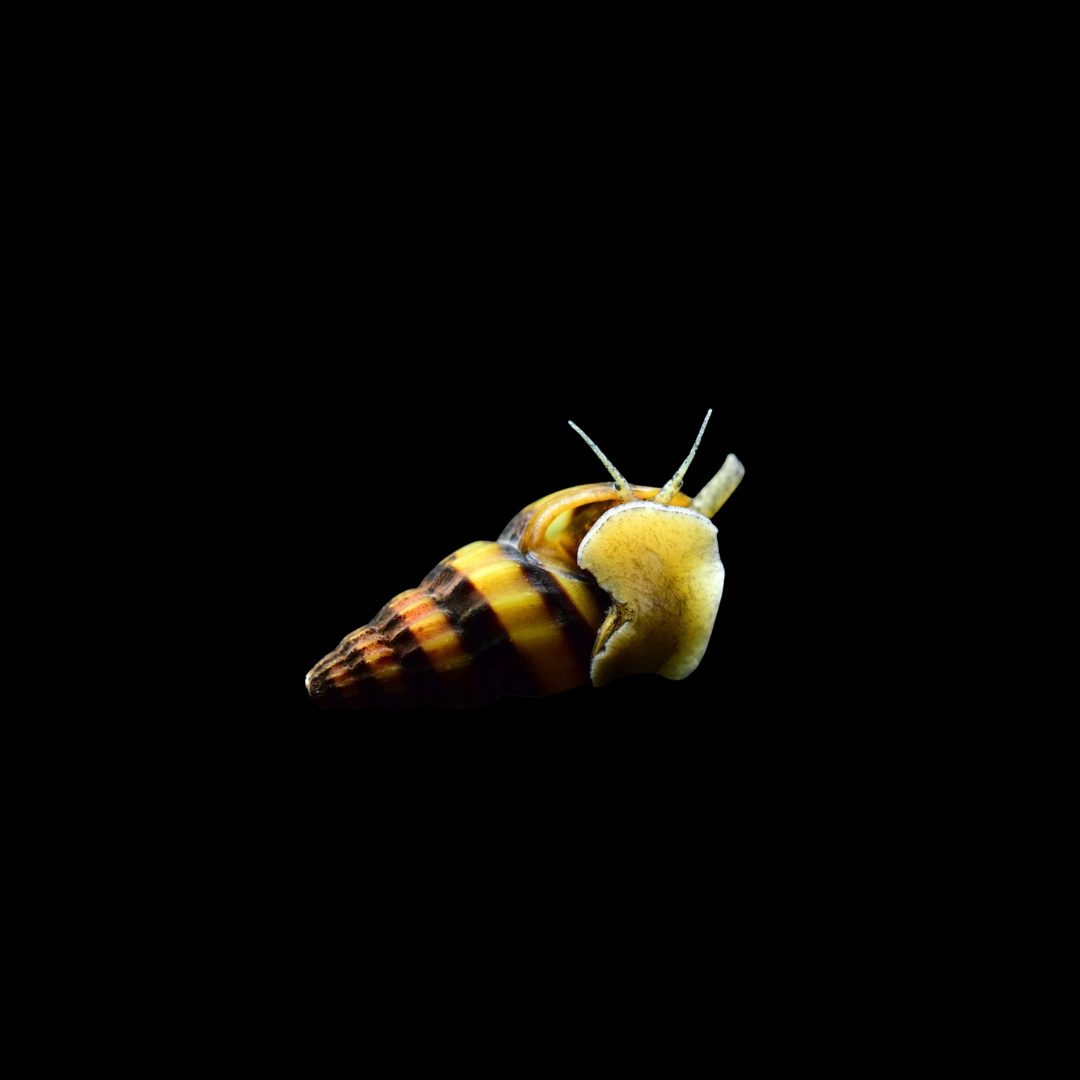
キラースネール(学名:アネントメ・ヘレナ)は、東南アジアの河川や湖沼に広く生息する淡水性の肉食巻貝です。黄色と黒のコントラストが美しい縞模様から、アクアリウム市場では「バンブルビー・スネール」などの名称で流通することもあります。本種の最大の特徴は、水槽内で意図せず繁殖してしまったサカマキガイやラムズホーンといった小型巻貝を捕食する性質にあります。薬品に頼らない「生物的防除(バイオコントロール)」の担い手として、世界中のアクアリストに重宝されています。一日の多くを砂の中で過ごし、獲物の気配を察知して動き出す独特の生態を持ちます。 The Assassin Snail (Anentome helena) is a freshwater carnivorous snail native to rivers and lakes across Southeast Asia. Due to its striking yellow and black banded pattern, it is often traded as the Bumblebee Snail in the aquarium hobby. Its primary appeal lies in its predatory behavior towards other small snails like bladder or ramshorn snails, serving as an effective biological control agent. Spending much of its time buried in the substrate, it emerges to hunt when it senses chemical cues from its prey.
基本情報 / Basic Information
| 学名 / Scientific Name | Anentome helena |
|---|---|
| 通称 / Common Name | キラースネール、アサシンスネール、バンブルビー・スネール(流通名)Assassin Snail, Bumblebee Snail (Trade Name) |
| 分類 / Family | ムシロガイ科(Nassariidae)※分類体系により諸説ありNassariidae (Taxonomy may vary by system) |
| 英名 / English Name | Assassin Snail |
| 分布 / Distribution | タイ、インドネシア、マレーシア、ベトナムなどの東南アジア地域Southeast Asia (Thailand, Indonesia, Malaysia, Vietnam, etc.) |
| 最大体長 / Max Size | 約2.5cm(通常は1.8cm〜2.2cm程度)Approx. 2.5cm (typically 1.8cm to 2.2cm) |
| 寿命 / Lifespan | 約2年〜3年Approx. 2 to 3 years |
飼育環境 / Aquarium Environment
| 水槽サイズ / Tank Size | 30cm規格水槽(約12L)以上。小型の水槽でも十分飼育可能です。30cm standard tank (approx. 12L) or larger. Suitable for nano tanks. |
|---|---|
| 水温 / Temperature | 21℃〜27℃(18℃以下の低温下では活動や捕食頻度が低下する傾向があります) 21°C to 27°C (Activity and predation may decrease significantly below 18°C) |
| 水質 / Water Quality | 中性〜弱アルカリ性を推奨。極端な軟水や酸性環境は殻を傷める原因となります。Neutral to slightly alkaline recommended. Soft or acidic water can lead to shell erosion. |
| レイアウト / Layout | 潜伏行動を行うため、細かい砂の底床が理想的です。Fine sand substrate is ideal as they enjoy burrowing. |
| 注意点 / Precautions | 日本の軟水環境では殻が溶ける「酸蝕」が起きやすいため、サンゴ砂などで硬度を補うと健康に維持できます。銅を含む薬品には極めて弱いため注意が必要です。In soft water, shell erosion can occur; maintain hardness with coral sand. Highly sensitive to copper-based medications. |
餌と給餌 / Feeding
| 餌の種類 / Diet | 小型の巻貝、死肉、冷凍赤虫、沈下性の人工飼料(肉食魚用など)。Small snails, carrion, frozen bloodworms, and sinking protein-rich pellets. |
|---|---|
| 給餌のポイント / Feeding Tips | 水槽内のスネールが減った場合は、餓死を防ぐために人工飼料や冷凍赤虫を週に数回与えてください。If pest snails are depleted, provide sinking pellets or bloodworms a few times a week to prevent starvation. |
性格と混泳 / Temperament and Tank Mates
| 性格 / Temperament | 穏やかで、健康な魚や大型のエビを積極的に襲うことは稀です。ただし、弱った個体や脱皮直後のエビなどは対象になる可能性があります。Peaceful; they rarely bother healthy fish or large shrimp. However, weak individuals or molting shrimp may be scavenged. |
|---|---|
| 混泳の相性 / Compatibility | 多くの小型魚やヌマエビ類と混泳可能です。ただし、小型から中型の観賞用貝(石巻貝やラムズホーン等)は捕食される恐れがあります。Compatible with small fish and shrimp. Be cautious, as they may prey on small to medium ornamental snails. |
病気と対策 / Diseases and Prevention
| かかりやすい病気 / Common Diseases | 酸蝕(低pH・軟水による殻の摩耗)、銅中毒。Shell erosion (due to low pH or soft water), copper toxicity. |
|---|---|
| 対策と予防 / Prevention | 定期的な換水と、水質を中性以上に保つことが予防につながります。貝類に有害な薬品の使用は避けてください。Maintain neutral to alkaline water and perform regular water changes. Avoid medications harmful to invertebrates. |
増やし方(繁殖) / Breeding
| 雌雄の判別 / Sexing | 雌雄異体ですが、外見での判別は困難です。繁殖を狙う場合は5匹以上のグループでの飼育が推奨されます。They have separate sexes but are visually indistinguishable. Keeping a group of 5 or more increases breeding chances. |
|---|---|
| 繁殖形態 / Reproduction | 交尾後、透明なカプセル状の卵を硬い表面に1つずつ産み付けます。孵化までには数週間〜2ヶ月ほどかかります。After mating, they lay single eggs in square transparent capsules on hard surfaces. Hatching takes several weeks to two months. |
| 繁殖のポイント / Breeding Tips | 稚貝は孵化後すぐに砂に潜り、数ヶ月間出てこないことがあります。砂を厚めに敷き、清潔に保つことが生存率を高めます。Juveniles burrow immediately and stay hidden for months. A healthy, thick substrate is key for their survival. |
雑学と豆知識 / Trivia and Fun Facts
| 1. 遺伝的多様性と分類の再編1. Genetic Diversity and Taxonomic Revisions | かつてはClea属に分類されていましたが、近年の遺伝子解析によりAnentome属へと再編されました。現在「キラースネール」として流通している個体群には、地域ごとに遺伝的な差異が存在する可能性が示唆されており、将来的にさらなる分類の見直しが行われる可能性もあります。 Formerly classified under the genus Clea, recent genetic studies moved them to Anentome. There may be genetic diversity among regional populations traded as Assassin Snails, which could lead to future taxonomic revisions. |
|---|---|
| 2. 高性能センサー「水管」の役割2. The Role of the High-Performance Siphon | 砂の中から一本の管を突き出している姿が見られます。これは「水管」と呼ばれ、呼吸を行うだけでなく、水中に溶け込んだ獲物の匂い(化学的な信号)を感知するセンサーの役割も果たしています。これにより、砂に潜ったまま獲物の位置を把握することができます。 The tube seen extending from the sand is a siphon. It functions not only for breathing but also as a sensitive chemical sensor, allowing the snail to detect the scent of prey while remaining hidden in the substrate. |
| 3. 捕食傾向に見られる個体差3. Individual Differences in Predatory Tendencies | アクアリストの間では、個体によって特定の種類の貝を優先的に狙うなど、捕食傾向に差が見られることが経験的に知られています。もし特定のスネールを食べてくれない場合は、食性の異なる複数の個体を導入することで、より効果的な防除が期待できる場合があります。 Hobbyists have observed that individual snails may show preferences for certain types of prey. Introducing multiple individuals with potentially different dietary tendencies may improve the effectiveness of snail control. |
| 4. イモガイとの違い4. Differences from Cone Snails | 海の危険な肉食貝として知られるイモガイは、強力な神経毒を持つことで知られますが、キラースネールはそのような強力な毒は持っていません。物理的な力で獲物を押さえ込み、ヤスリのような歯舌で削り取るようにして食べます。人間に対しても無害な貝です。 Unlike marine cone snails that use potent neurotoxins to hunt, Assassin Snails lack such toxins. They rely on physical strength and their radula to consume prey and are completely harmless to humans. |
| 5. 放流厳禁!環境への配慮5. Never Release: Environmental Responsibility | キラースネールは非常に適応能力が高いため、自然界の河川に放たれると在来の貝類に影響を与える潜在的な懸念があります。実際に国外では外来種としての定着例も報告されています。生態系を守るため、絶対に野外へ放流せず、最後まで責任を持って飼育しましょう。 Assassin Snails are highly adaptable and could pose a potential threat to native snails if released into the wild. Non-native populations have been reported abroad. To protect local ecosystems, never release them and always keep them responsibly. |
まとめ / Conclusion
キラースネールは、水槽内の厄介なスネール対策を担う頼もしい存在であり、その美しい模様やユニークな生態でも楽しませてくれます。日本の水槽環境においては、硬度を適切に管理し、殻の健康を維持することが長期飼育のポイントとなります。 The Assassin Snail is a reliable ally for managing pest snails and a fascinating species with its beautiful patterns and unique behavior. In typical aquarium settings, managing water hardness is key to maintaining their shell health and ensuring long-term success.
捕食傾向の個体差や砂潜りの習性を理解し、適切な環境を用意することで、より調和のとれたアクアリウムを維持することができるでしょう。捕食と摂餌の状態を観察し、餌不足や殻の傷みに注意して管理します。 By understanding their individual behaviors and need for substrate, you can maintain a balanced and healthy aquarium. Observe predation and feeding, and monitor food availability and shell condition.

気になる道具や飼い方を見つけてみませんか?
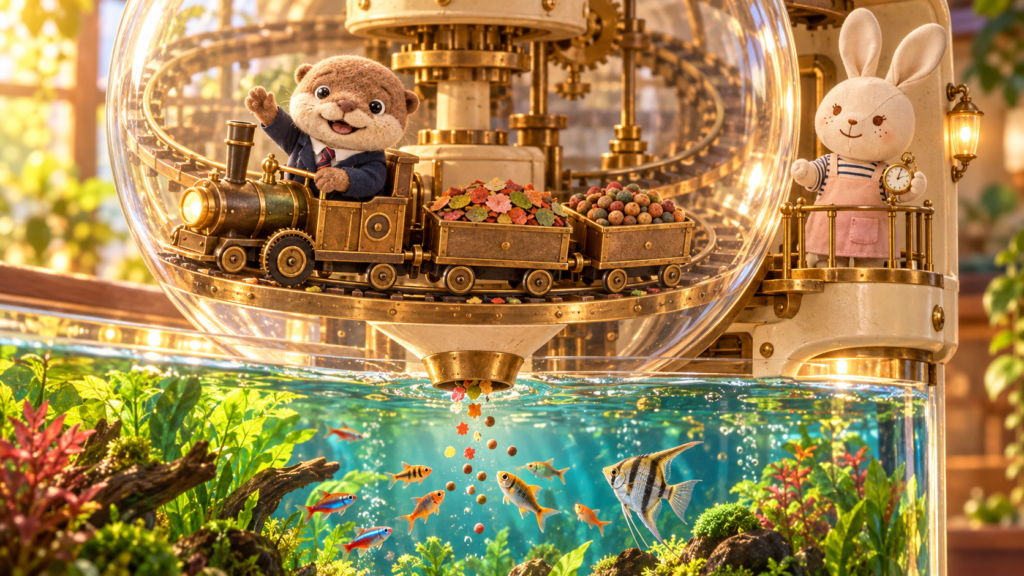 アイのアクアグッズ案内旅行中、お魚のごはんはどうする? 自動給餌器・使える餌・スマート水槽の選び方旅行中の魚の餌やりを助ける自動給餌器を、アイとコタロウが紹介。時間指定、おかわり給餌、対応するフレークや顆粒、設置台、スマホ管理、一体型水槽、留守番フードまで、使いどころと選び方を案内します。記事はコチラ →
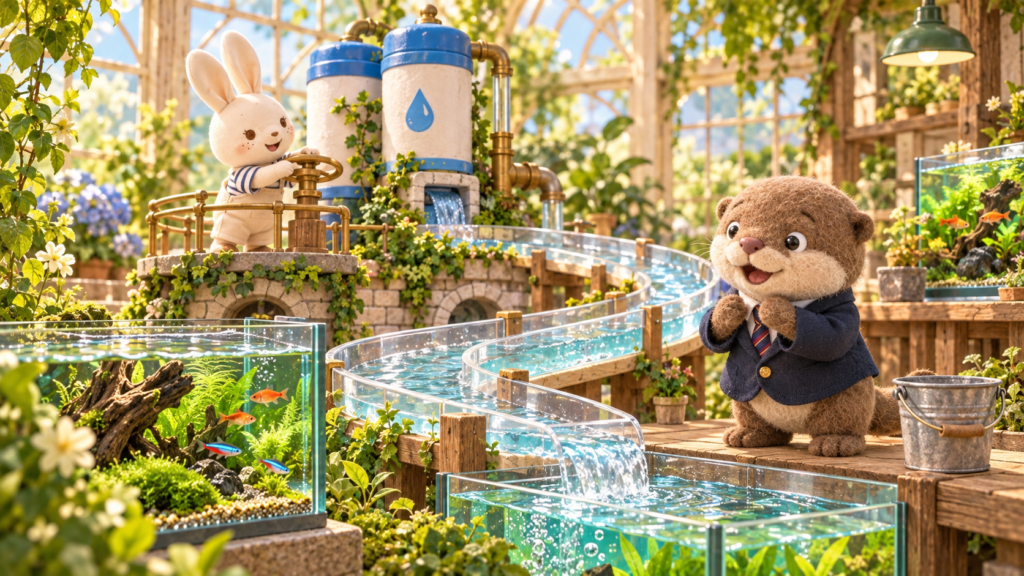 アイのアクアグッズ案内水槽用浄水器の選び方|水換えを楽にするタイプとROの違い道具の特徴や使い方、選ぶときのポイントをアイが紹介します。記事はコチラ →
さまざまな飼育テーマをご紹介。リンク先の記事には広告・商品紹介が含まれます。
案内・紹介記事一覧へ →▶ 記事の生体をAMAZONで買う ▶ 記事の生体をYahooで買う
- (2017). “Quid est Clea helena? Evidence for a previously unrecognized radiation of assassin snails (Gastropoda: Buccinoidea: Nassariidae).” PeerJ, 5, e3638. DOI.
- (2016). “First non-native establishment of the carnivorous assassin snail, Anentome helena (von dem Busch in Philippi, 1847).” BioInvasions Records, 5(3), 143–148. DOI.
- (1847). “Abbildungen und Beschreibungen neuer oder wenig gekannter Conchylien.” Cassel: Theodor Fischer.




コメント