
解説 / Description
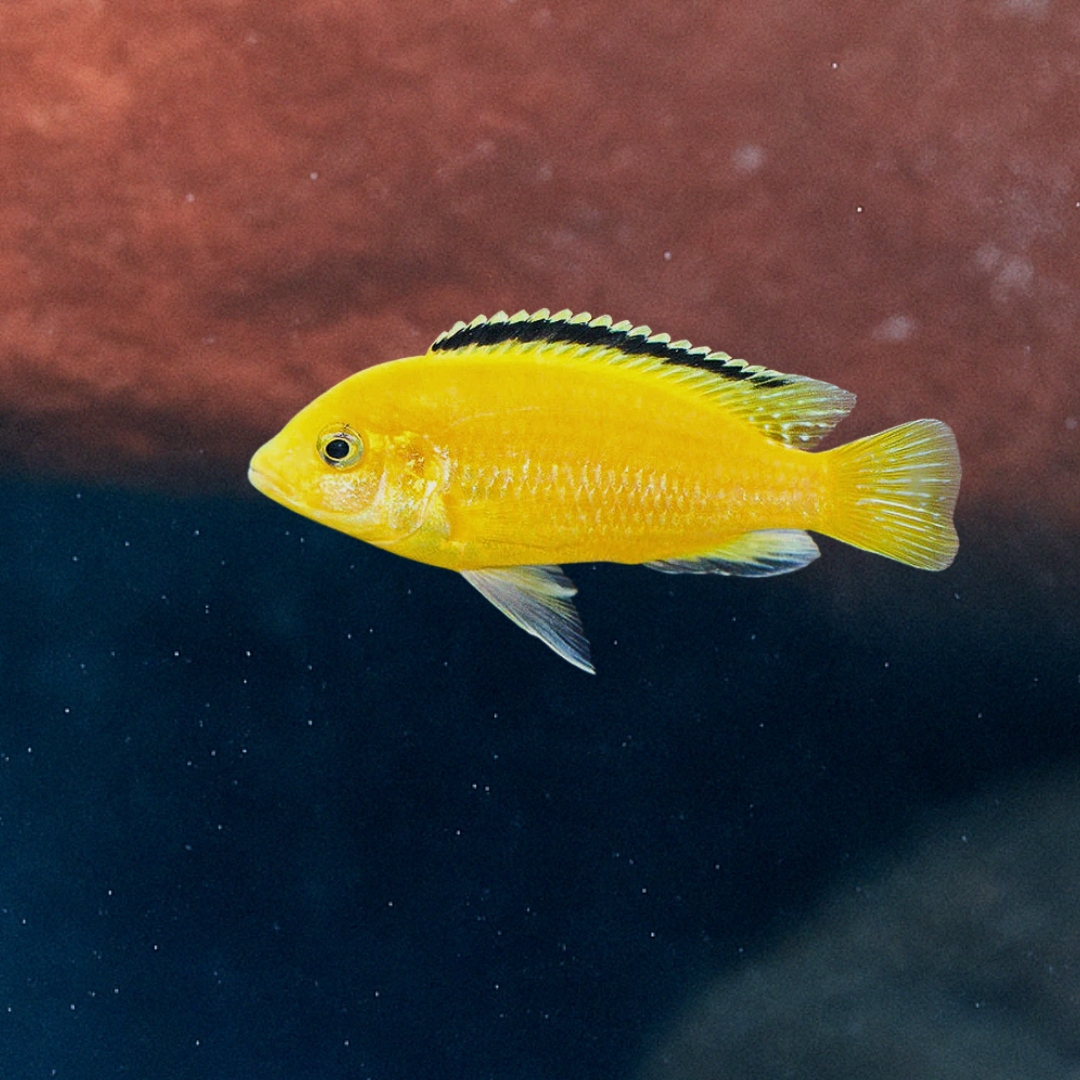
ラビドクロミス・カエルレウスは、アフリカのマラウイ湖にすむシクリッドの一種です。日本の観賞魚流通では、黄色いタイプが「イエローシクリッド」や「ラビドクロミス・カエルレウス」の名前で販売されることが多く、アフリカンシクリッドの入門種としてもよく知られています。レモン色の体色と背びれの黒い縁取りが美しく、岩組み水槽でよく映える魚です。 Labidochromis caeruleus is a cichlid from Lake Malawi in Africa. In the Japanese aquarium trade, the yellow form is commonly sold as “Yellow Cichlid” or “Labidochromis caeruleus,” and it is well known as an introductory African cichlid. Its lemon-yellow body and black edging on the dorsal fin make it especially attractive in rockwork aquariums.
ただし、見た目が明るく丈夫そうに見えても、一般的な小型熱帯魚と同じ感覚では飼いにくい面があります。本種は弱アルカリ性でミネラル分のある水を好み、成熟した個体にはシクリッドらしい縄張り意識も見られます。水質、岩組み、ろ過、混泳相手をきちんと整えることで、長く美しい姿を楽しめる魚です。 Despite its bright and hardy appearance, it should not be treated like a typical small community tropical fish. This species prefers slightly alkaline, mineral-rich water, and mature fish can show cichlid-like territorial behavior. With suitable water conditions, rockwork, filtration, and tank mate selection, it can be enjoyed for many years.
基本情報 / Basic Information
| 学名 / Scientific Name | Labidochromis caeruleus Fryer, 1956 |
|---|---|
| 通称 / Common Name | ラビドクロミス・カエルレウス、イエローシクリッド、イエローカエルレウス、レモンイエローシクリッドYellow Lab, Electric Yellow Cichlid, Lemon Yellow Lab, Blue Streak Hap |
| 分類 / Family | シクリッド目、シクリッド科、ラビドクロミス属Order Cichliformes, family Cichlidae, genus Labidochromis |
| 英名 / English Name | Yellow Lab, Electric Yellow Cichlid, Lemon Yellow Lab, Blue Streak Hap |
| 分布 / Distribution | アフリカ・マラウイ湖固有。FishBaseでは、湖の北西岸から知られる種として扱われています。観賞魚としてよく見られる黄色型は、ライオンズ・コーブ周辺の個体群として知られます。Endemic to Lake Malawi in Africa. FishBase treats the species as known from the northwestern coast of the lake. The yellow form popular in the aquarium trade is associated with the Lion’s Cove area. |
| 最大体長 / Max Size | FishBaseでは最大8.1cm SLとされています。飼育下では全長10cm前後に育つ個体も多く、よく育ったオスではさらに大きく見えることがあります。FishBase lists a maximum length of 8.1 cm SL. In aquariums, many individuals reach around 10 cm total length, and well-grown males may appear larger. |
| 寿命 / Lifespan | おおむね6〜10年が目安です。水質の安定、過密による水質悪化の回避、餌の与えすぎを防ぐことが長期飼育のポイントになります。A general reference is around 6 to 10 years. Stable water quality, avoiding pollution from overstocking, and preventing overfeeding are key to long-term care. |
飼育環境 / Aquarium Environment
| 水槽サイズ / Tank Size | 単独または少数なら60cm規格水槽以上での飼育例もありますが、複数飼育や混泳を考えるなら90cm規格水槽以上が安心です。FishBaseでも観賞魚飼育では80cm以上の水槽が目安として示されています。ムブナ類は見た目以上に行動範囲と縄張り意識があるため、余裕のある水量を確保すると管理しやすくなります。Single or small-group keeping is sometimes done in tanks of around 60 cm or larger, but a standard 90 cm tank or larger is safer for groups or mixed cichlid setups. FishBase also gives 80 cm as a reference minimum for aquarium keeping. Mbuna are active and territorial, so extra water volume makes management easier. |
|---|---|
| 水温 / Temperature | 23〜26℃を目安にします。日本の夏場は高水温に注意し、冬場はヒーターで急な低下を避けます。 Aim for 23 to 26°C. In Japan, watch for overheating in summer and use a heater in winter to avoid sudden drops. |
| 水質 / Water Quality | 弱アルカリ性からアルカリ性で、ある程度硬度のある水を好みます。日本の水道水は地域によって軟水寄りになりやすいため、サンゴ砂、アルカリ性向けの底床材、マラウイ湖系シクリッド用のミネラル添加剤などを使い、急激ではなく安定した調整を行います。This species prefers slightly alkaline to alkaline water with some hardness. Since tap water in many parts of Japan can be relatively soft, crushed coral, alkaline substrates, or mineral additives for Lake Malawi cichlids can be used to adjust the water gradually and stably. |
| レイアウト / Layout | 岩を組み、複数の隠れ家と視線を遮る場所を作ります。砂または細かめの底砂を使うとマラウイ湖系の雰囲気を出しやすく、底床掃除もしやすくなります。重い石は底砂の上に不安定に積まず、水槽底面にしっかり置いてから砂を入れると安全です。Use rockwork to create multiple hiding places and visual barriers. Sand or fine substrate helps create a Lake Malawi-style layout and makes cleaning easier. For safety, place heavy rocks securely on the tank bottom before adding substrate rather than balancing them on top of sand. |
| 注意点 / Precautions | 強いろ過と定期的な換水が重要です。攻撃を分散させる目的で多めに収容する飼育法もありますが、水質悪化が早くなるため初心者向きとは限りません。まずは十分な水槽サイズ、隠れ家、個体数のバランスを優先してください。Strong filtration and regular water changes are essential. Some keepers use higher stocking levels to spread aggression, but this can quickly worsen water quality and is not always suitable for beginners. Prioritize adequate tank size, hiding places, and a balanced number of fish. |
餌と給餌 / Feeding
| 餌の種類 / Diet | シクリッド用人工飼料を主食にし、スピルリナ入りフード、植物質を含むフレークやペレット、冷凍または乾燥のブラインシュリンプなどを補助的に与えます。野生下では小型の無脊椎動物なども食べるため完全な草食魚ではありませんが、脂肪分や動物性タンパク質に偏りすぎる給餌は避けます。Use quality cichlid pellets or flakes as the staple, supplemented with spirulina-based foods, vegetable-containing flakes or pellets, and occasional frozen or dried brine shrimp. It is not a strict herbivore, as it also eats small invertebrates in the wild, but avoid diets that are too rich in fat or animal protein. |
|---|---|
| 給餌のポイント / Feeding Tips | 1回量は少なめにし、数分で食べ切る量を与えます。食べ残しは水質悪化につながり、腹部膨満や消化不良のきっかけにもなります。冷凍アカムシなどは嗜好性が高い一方で、常用すると栄養が偏りやすいため、主食ではなく補助的に使うのが無難です。Feed small portions that are eaten within a few minutes. Leftover food worsens water quality and can contribute to bloating or digestive trouble. Foods such as frozen bloodworms are highly palatable but can unbalance the diet if used too often, so they are best treated as occasional supplements. |
性格と混泳 / Temperament and Tank Mates
| 性格 / Temperament | ムブナ類の中では比較的温和とされますが、完全なコミュニティフィッシュではありません。成熟したオスは縄張りを主張し、同種や体型・色の近い魚に対して追い払い行動を見せることがあります。It is relatively peaceful for a mbuna, but it is not a general community fish. Mature males may defend territories and chase conspecifics or fish with similar body shape or coloration. |
|---|---|
| 混泳の相性 / Compatibility | マラウイ湖産の比較的温和なムブナや、同じようなアルカリ性水質を好むシクリッドとの混泳が基本です。ネオンテトラ、グッピー、コリドラスなど、軟水寄りの一般的な熱帯魚との混泳は水質条件や性格が合いにくいため避けます。同属種との混泳では交雑の可能性にも注意が必要です。Best tank mates are relatively peaceful Lake Malawi mbuna or cichlids that prefer similar alkaline water. Avoid mixing with soft-water community fish such as neon tetras, guppies, or Corydoras, as their water and temperament requirements differ. Keeping other Labidochromis species together may also carry a hybridization risk. |
病気と対策 / Diseases and Prevention
| かかりやすい病気 / Common Diseases | 白点病、尾ぐされ病、エロモナス症など一般的な淡水魚の病気に加え、マラウイ湖系シクリッドでは腹部膨満、食欲不振、白い便などを伴う消化器トラブルに注意します。いわゆるマラウイ・ブロートは原因が単一とは限らないため、早期発見と環境改善が大切です。In addition to common freshwater diseases such as ich, fin rot, and bacterial infections, Lake Malawi cichlids can suffer from digestive problems marked by bloating, loss of appetite, and pale or stringy feces. The condition often called Malawi bloat may have multiple contributing causes, so early detection and environmental correction are important. |
|---|---|
| 対策と予防 / Prevention | 水質の急変、硝酸塩の蓄積、餌の与えすぎ、動物性に偏った餌、攻撃によるストレスを避けます。導入直後はトリートメント期間を設け、異常が出た個体は早めに隔離して観察します。薬浴を行う場合は、硬度やpHを急に変えないよう注意してください。Avoid sudden water changes, nitrate accumulation, overfeeding, overly rich animal-based diets, and stress from aggression. Quarantine new fish when possible, and isolate any fish showing symptoms for observation. If medication is needed, avoid sudden changes in hardness or pH. |
増やし方(繁殖) / Breeding
| 雌雄の判別 / Sexing | オスは成長すると体格がやや大きく、背びれや尻びれの黒い発色が強く出る傾向があります。ただし個体差や系統差が大きく、若魚の段階では外見だけでの判別は難しいことがあります。確実性を求める場合は、成魚になってからの行動や繁殖時の様子も合わせて判断します。Males tend to become slightly larger and may show stronger black markings on the dorsal and anal fins. However, individual and line variation is considerable, and juveniles can be difficult to sex by appearance alone. Behavior and breeding activity in adults provide additional clues. |
|---|---|
| 繁殖形態 / Reproduction | メスが卵と稚魚を口の中で守る、母系性の口内保育を行います。抱卵中のメスは口元がふくらみ、摂食量が大きく落ちることがあります。保育期間は水温や個体状態により前後しますが、一般には約3週間前後が目安です。This species is a maternal mouthbrooder. The female carries and protects eggs and fry in her mouth. A brooding female often has a swollen mouth and may eat little or not at all. The brooding period varies with temperature and condition, but around three weeks is a common reference. |
| 繁殖のポイント / Breeding Tips | 繁殖を狙う場合は、オス1匹に対してメスを複数にする構成が扱いやすいです。稚魚を多く残したい場合は、抱卵メスを落ち着いた隔離水槽へ移す方法がありますが、移動のストレスで卵や稚魚を吐き出すこともあるため慎重に行います。放出された稚魚は細かく砕いた人工飼料やブラインシュリンプ幼生を食べられます。For breeding, a group with one male and several females is often easier to manage. If you want to save more fry, a brooding female can be moved to a quiet separate tank, but handle carefully because stress may cause her to spit the brood prematurely. Released fry can be fed finely crushed prepared food or newly hatched brine shrimp. |
雑学と豆知識 / Trivia and Fun Facts
| 1. 黄色い魚なのに、学名は青を連想させる / 1. A yellow fish with a name that suggests blue | 現在の観賞魚市場では黄色い姿がとても有名ですが、種小名の caeruleus は青色を連想させるラテン語に由来します。これは、本種が最初に知られた個体群の色彩や記載時の背景と関係しています。つまり、店頭でよく見る黄色い姿は、本種の魅力的な色彩変異のひとつとして捉えると分かりやすいでしょう。Although the yellow form is famous in the aquarium trade today, the species name caeruleus comes from a Latin word associated with blue. This relates to the coloration and historical background of the population known at the time of description. The familiar yellow aquarium form is therefore best understood as one attractive color variant of the species. |
|---|---|
| 2. 「イエローラブ」は英語名として扱うのが自然 / 2. “Yellow Lab” is best treated as an English name | 英語圏では本種を Yellow Lab や Electric Yellow Cichlid と呼ぶことがあります。しかし日本の一般的な流通名としては、「イエローラブシクリッド」よりも「イエローシクリッド」「ラビドクロミス・カエルレウス」「イエローカエルレウス」の方が自然です。そのため本記事では、日本語の通称と英名を分けて表記しています。In English-speaking aquarium circles, this species is often called Yellow Lab or Electric Yellow Cichlid. In Japanese aquarium usage, however, names such as “Yellow Cichlid,” “Labidochromis caeruleus,” and “Yellow Caeruleus” sound more natural than a direct transliteration such as “Yellow Lab Cichlid.” This article therefore separates Japanese trade names from English common names. |
| 3. ムブナの中では温和でも、岩場の魚であることを忘れない / 3. Gentle for a mbuna, but still a rock-dwelling cichlid | ムブナとは、マラウイ湖の岩場に暮らすシクリッド類を指す呼び名として使われます。ラビドクロミス・カエルレウスはその中では穏やかな印象を持たれますが、岩の隙間や縄張りをめぐる行動はしっかり残っています。岩組みを単なる飾りではなく、魚同士の距離を調整するための構造物として考えると、飼育の成功率が上がります。Mbuna is a term used for rock-dwelling cichlids from Lake Malawi. Labidochromis caeruleus is often viewed as one of the gentler mbuna, but it still retains territorial behavior associated with rocky habitats. Treating rockwork not merely as decoration but as a structure that manages social distance greatly improves husbandry. |
| 4. 流通史の逸話は魅力的だが、記事では断定しすぎない / 4. Trade-history stories are fascinating, but should be handled carefully | 黄色型の発見やヨーロッパ経由での普及には、観賞魚史として興味深い逸話が多く伝わっています。ただし、個体数や系統の起源を「すべて何匹から」と断定するには、一般向け記事では根拠確認が難しい場合があります。そのため本記事では、黄色型が観賞魚市場で重要な位置を占めることは紹介しつつ、由来に関する細部は断定しない表現にしています。There are many fascinating stories about the discovery and spread of the yellow form through the aquarium trade. However, claims about exact founder numbers or the origin of all captive lines can be difficult to verify in a general care article. This guide therefore recognizes the importance of the yellow morph in the trade while avoiding overly definitive claims about its detailed origin. |
| 5. 白系・アルビノ系の個体を選ぶときの注意 / 5. Notes on white and albino-type strains | 日本の流通では、スノーホワイト系やアルビノ系として白い個体が販売されることがあります。ただし、名称や由来は店舗やブリーダーにより異なることがあり、純粋な地域変異なのか、選別交配による改良品種なのか、交雑を含む系統なのかは表示だけでは判断できない場合があります。繁殖を視野に入れるなら、購入時に入荷名、親魚情報、同種内の系統かどうかを確認すると安心です。In Japan, white individuals may be sold under names such as Snow White or albino-type strains. However, names and origins can vary by shop or breeder, and it may not be clear from the label alone whether a fish is a geographic variant, a selectively bred strain, or a line involving hybridization. If breeding is your goal, ask about the import name, parent stock, and line background at purchase. |
| 6. 低懸念でも、放流は絶対にしない / 6. Even if it is not highly threatened, never release it | 本種は観賞魚として広く流通し、飼育下繁殖も比較的狙いやすい魚です。しかし、飼いきれなくなった個体を自然の川や池へ放すことは、地域の生態系に悪影響を与えるおそれがあります。引き取り先の相談、ショップへの確認、アクアリスト同士の譲渡など、責任ある方法を選んでください。This species is widely traded and can be bred in captivity, but unwanted fish must never be released into rivers or ponds. Such releases can harm local ecosystems. Consult shops, local hobbyists, or responsible rehoming options instead. |
まとめ / Conclusion
ラビドクロミス・カエルレウスは、鮮やかな黄色、比較的扱いやすい性格、口内保育という興味深い繁殖行動を兼ね備えた、マラウイ湖シクリッドの代表的な人気種です。ただし、一般的な小型熱帯魚とは必要な水質も混泳相性も異なるため、「黄色くて丈夫な魚」とだけ考えて導入すると失敗しやすくなります。 Labidochromis caeruleus is a classic and popular Lake Malawi cichlid, combining vivid yellow coloration, relatively manageable temperament, and the fascinating behavior of maternal mouthbrooding. However, it differs greatly from general small tropical community fish in water requirements and compatibility, so treating it simply as a hardy yellow fish can lead to mistakes.
成功のポイントは、アルカリ性で安定した水質、岩組みによる隠れ家、強いろ過、与えすぎない給餌、そしてマラウイ湖系シクリッドとしての性格を踏まえた混泳計画です。これらを押さえれば、ラビドクロミス・カエルレウスは長く美しい姿を楽しませてくれる、非常に魅力的なアクアリウムフィッシュになります。 The keys to success are stable alkaline water, rockwork with hiding places, strong filtration, controlled feeding, and tank mate planning based on its nature as a Lake Malawi cichlid. With these points in place, Labidochromis caeruleus becomes a beautiful and rewarding aquarium fish that can be enjoyed for many years.
気になる道具や飼い方を見つけてみませんか?
 アイのアクアグッズ案内ダニオの仲間に合わせる飼育用品|ゼブラダニオから超小型種まで水槽・ろ過・餌を選ぶ道具の特徴や使い方、選ぶときのポイントをアイが紹介します。記事はコチラ →
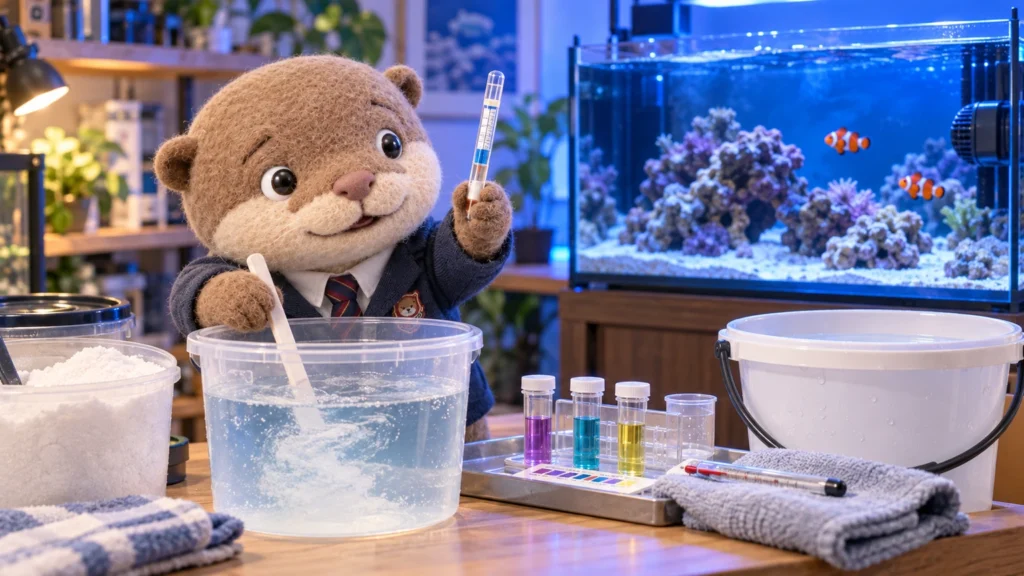 アイのアクアグッズ案内海水魚初心者の必需品|水槽・人工海水・比重計・水質検査道具の特徴や使い方、選ぶときのポイントをアイが紹介します。記事はコチラ →
 アイのアクアグッズ案内小型カラシンの群れを楽しむ|餌と水換えから考える飼育用品ガイド小型カラシンの群れを眺める時間を、もっと楽しく。泳ぐ余白、餌の食べ方、続けやすい水換えを軸に、日本で揃えやすい用品の選び方を紹介します。記事はコチラ →
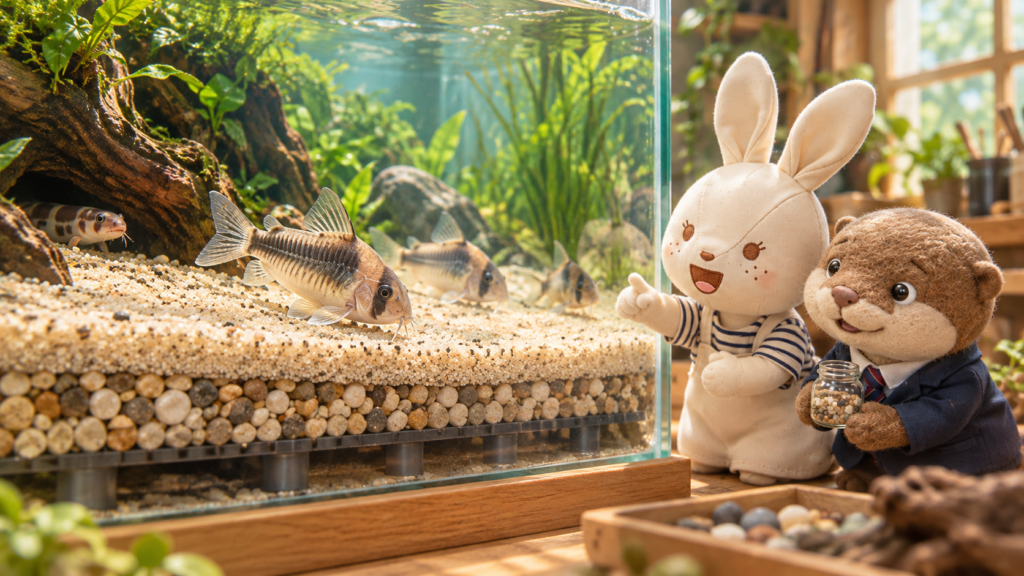 アイのアクアグッズ案内水槽の底砂の選び方|砂・砂利の違いとおすすめ商品道具の特徴や使い方、選ぶときのポイントをアイが紹介します。記事はコチラ →
さまざまな飼育テーマをご紹介。リンク先の記事には広告・商品紹介が含まれます。
案内・紹介記事一覧へ →参考文献・出典
この記事では、店舗・通販サイト・個人ブログ・まとめサイトを参考文献から外し、分類、分布、生息環境、飼育条件、繁殖、病気や注意点を確認できる学術データベース、保全評価、獣医学系資料、専門書を中心に選定しています。
1. FishBase: Labidochromis caeruleus Fryer, 1956
Froese, R. and Pauly, D. (eds.). FishBase. Species summary: Labidochromis caeruleus.
分類、学名、淡水性、熱帯性、水温23〜26℃、マラウイ湖固有、北西岸の分布、最大標準体長8.1cm、口内保育、観賞魚としての利用、水槽サイズ目安など、記事の基礎データを支える中心資料です。
2. Eschmeyer’s Catalog of Fishes: Labidochromis caeruleus
Fricke, R., Eschmeyer, W. N. and Van der Laan, R. (eds.). Eschmeyer’s Catalog of Fishes. California Academy of Sciences.
原記載者Fryer、1956年の記載、タイプ産地、現在の有効名、シクリッド科・Pseudocrenilabrinaeとしての位置づけを確認するための分類学的な基準資料です。
3. IUCN Red List: Labidochromis caeruleus
Konings, A. 2018. Labidochromis caeruleus. The IUCN Red List of Threatened Species.
保全状況を「低懸念(Least Concern)」として扱う根拠です。分布域や野生個体群への大きな脅威の有無を確認する際に参照しています。
4. Fryer, G. 1956. New species of cichlid fishes from Lake Nyasa
Fryer, G. 1956. New species of cichlid fishes from Lake Nyasa. Revue de Zoologie et de Botanique Africaines 53(1–2): 81–91.
本種の原記載にあたる文献です。記事中で学名の成立、記載年、記載者に触れる場合の一次資料として扱います。
5. Konings, A. 2001 / 2016. Malawi cichlids in their natural habitat
Konings, A. Malawi Cichlids in Their Natural Habitat. Cichlid Press.
マラウイ湖シクリッドの自然下での生息環境、地域変異、岩場性シクリッドとしての位置づけ、色彩型の理解を補強する専門書です。ウェブ上の流通名よりも、自然分布と地域個体群の説明を重視するために採用しています。
専門書の刊行後に分類や分布情報が更新されることがあります。学名を調べる際は、FishBaseやCatalog of Fishesの情報も併せて確認してください。
6. Kornfield, I. and Smith, P. F. 2000. African Cichlid Fishes: Model Systems for Evolutionary Biology
Kornfield, I. and Smith, P. F. 2000. African cichlid fishes: model systems for evolutionary biology. Annual Review of Ecology and Systematics 31: 163–196.
マラウイ湖を含むアフリカ大湖沼のシクリッドが、進化学・適応放散の代表的研究対象であることを説明するためのレビュー論文です。
7. Svardal et al. 2020. Ancestral Hybridization Facilitated Species Diversification in the Lake Malawi Cichlid Fish Adaptive Radiation
Svardal, H. et al. 2020. Ancestral hybridization facilitated species diversification in the Lake Malawi cichlid fish adaptive radiation. Molecular Biology and Evolution 37(4): 1100–1113.
マラウイ湖シクリッドの多様化と適応放散について、ゲノム研究の観点から背景を支える文献です。記事内の進化学的な説明を補強する資料として選定しています。
8. Merck Veterinary Manual: Management of Aquarium Fish
Petty, B. D., Francis-Floyd, R. and Yanong, R. P. E. Management of Aquarium Fish. Merck Veterinary Manual.
水温が魚の生理に与える影響、検疫、家庭水槽でのバイオセキュリティ、アンモニア・亜硝酸・pH低下などの水質トラブル、病気予防の考え方を支える獣医学系資料です。
9. Merck Veterinary Manual: Parasitic Diseases of Fish
Merck Veterinary Manual. Parasitic Diseases of Fish.
白点病など外部寄生虫の説明、シクリッドで問題になりやすい内部原虫、痩せ、稚魚や若魚の死亡、衛生・給餌・飼育密度管理の重要性を補足する資料です。
コメント