

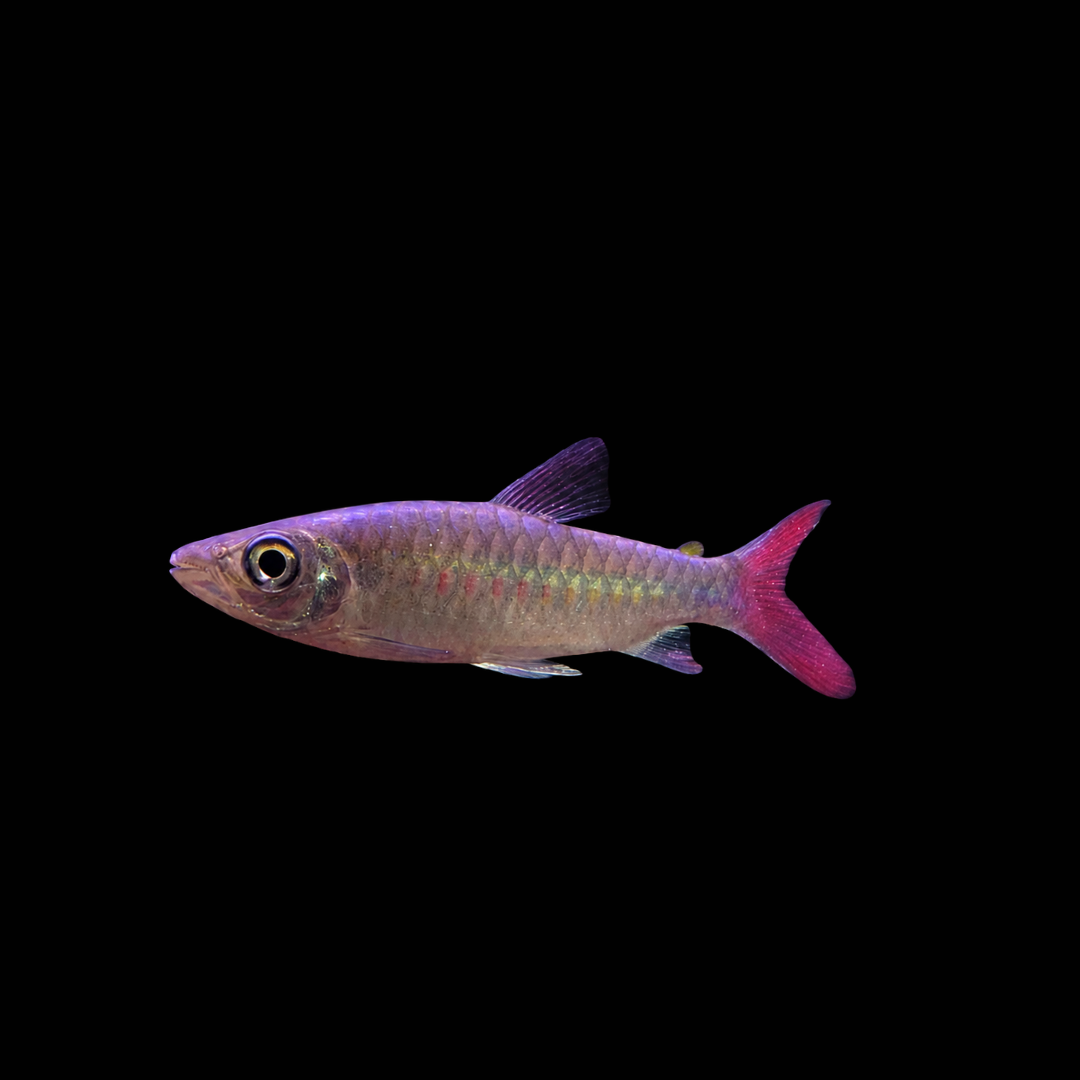
解説 / Description
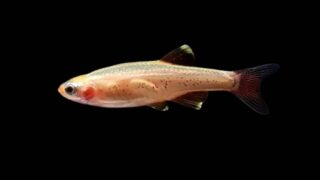
スポットピンクテールカラシンは、南米北部のアマゾン川流域やオリノコ川流域などに分布する、表層を活発に泳ぐ中型カラシンです。細長い体型、金属光沢を帯びた大きな鱗、赤みの強い尾鰭が目を引き、観賞魚としては「ピンクテールカラシン」の仲間として流通することがあります。正式な学名はChalceus epakrosで、2004年のカルケウス属の分類学的再検討によって独立種として記載されました。近縁種と比べて吻がやや長く尖り、体側に細い暗色ラインが入る点が、本種を見分けるうえで大切な手がかりになります。 The Spot Pinktail Chalceus is a medium-sized surface-oriented characin from northern South America, including the Amazon and Orinoco river basins. Its slender body, large metallic scales, and reddish caudal fin make it a striking aquarium fish, and it may appear in the trade among fish sold as “pinktail characins.” Its valid scientific name is Chalceus epakros, a species described in 2004 during a taxonomic revision of the genus Chalceus. A somewhat longer, pointed snout and a narrow dark lateral line are important clues for distinguishing it from related species.
基本情報 / Basic Information
| 学名 / Scientific Name | Chalceus epakros Zanata & Toledo-Piza, 2004 |
|---|---|
| 通称 / Common Name | スポットピンクテールカラシン、スポット・ピンクテール、ピンクテールカラシンとして流通することがあるSpot Pinktail Chalceus, Spot Pinktail Characin, sometimes sold among pinktail characins |
| 分類 / Family | カラシン目 カルケウス科 カルケウス属Order Characiformes, family Chalceidae, genus Chalceus |
| 英名 / English Name | Spot Pinktail Chalceus / Spot Pinktail Characin |
| 分布 / Distribution | 南米のアマゾン川流域、オリノコ川流域、ガイアナのエセキボ川流域など。国としてはブラジル、コロンビア、ガイアナ、ペルーでの記録が確認されています。Northern South America, including the Amazon basin, Orinoco basin, and Essequibo drainage in Guyana. Records are confirmed from Brazil, Colombia, Guyana, and Peru. |
| 最大体長 / Max Size | 記録上は約17.4cm(全長)。活発に泳ぐため、体長だけでなく遊泳スペースに余裕を持たせることが重要です。About 17.4 cm in total length in published records. Because it is an active swimmer, aquarium planning should focus on swimming space as well as body length. |
| 寿命 / Lifespan | 明確な公的記録は限られますが、適切な環境では5年以上の長期飼育を目指せる魚です。導入初期の状態、水槽サイズ、水質の安定が寿命を大きく左右します。Reliable published lifespan data are limited, but under suitable care it can be treated as a fish for long-term keeping, often with a goal of five years or more. Arrival condition, tank size, and stable water quality strongly affect longevity. |
飼育環境 / Aquarium Environment
| 水槽サイズ / Tank Size | 幼魚期でも最低60cm規格水槽を用意し、長期飼育では90cm×45cm×45cm以上を基準にします。直線的に素早く泳ぐ魚なので、可能であれば120cm規格水槽以上が安心です。複数匹で群泳させる場合は、120cm以上の長さと十分な水量を確保してください。A standard 60 cm aquarium is the minimum even for juveniles, while a 90 × 45 × 45 cm tank or larger should be used for long-term care. Because it swims quickly in straight bursts, a standard 120 cm aquarium or larger is preferable. Groups require a tank at least 120 cm long with generous water volume. |
|---|---|
| 水温 / Temperature | 23〜28℃を目安にします。日常管理では急な変化を避け、25℃前後で安定させると扱いやすいです。 Aim for 23–28°C. For everyday care, avoid sudden changes and keep the temperature stable around the mid-20s°C. |
| 水質 / Water Quality | 弱酸性から中性付近を好み、pH6.0〜7.5、硬度5〜20dGH前後を目安にします。数値を急に合わせるよりも、安定した水質と高い溶存酸素を保つことが大切です。ろ過は強めにし、週1回を基本に20〜30%程度の部分換水を行います。Slightly acidic to neutral water is suitable, roughly pH 6.0–7.5 and around 5–20 dGH. Stability and high dissolved oxygen are more important than chasing exact numbers. Use strong filtration and perform 20–30% partial water changes as a weekly baseline. |
| レイアウト / Layout | 中央から前面には広い遊泳スペースを残し、流木や丈夫な水草は側面・背面寄りにまとめます。アヌビアス、ミクロソリウム、浮き草などで光や上方からの刺激を和らげると落ち着きやすくなります。河川性の魚らしく、水流と酸素が行き渡るすっきりしたレイアウトが向いています。Leave broad swimming space in the center and front, and place driftwood and tough plants along the sides and back. Anubias, Java fern, and floating plants can soften strong light and overhead movement. A clean, river-style layout with current and good oxygenation suits this fish well. |
| 注意点 / Precautions | 最重要ポイントは飛び出し防止です。水面付近の餌に強く反応し、驚いた時にも勢いよく跳ねるため、隙間のない重いガラス蓋、ポリカーボネート蓋、アクリル蓋などを必ず使います。水換えや給餌の際も急な動作を避けてください。また、飼育放棄による屋外放流は絶対に行わず、終生飼育できる環境を整えてから迎えることが大切です。The most important precaution is jump prevention. This fish reacts strongly to food near the surface and may leap when startled, so a tight, heavy glass, polycarbonate, or acrylic lid is essential. Avoid sudden movements during feeding and maintenance. Never release unwanted aquarium fish outdoors; prepare for lifelong care before acquiring them. |
餌と給餌 / Feeding
| 餌の種類 / Diet | 肉食性が強く、自然下では昆虫、小型甲殻類、小魚などを利用すると考えられます。飼育下では中型・大型肉食魚用ペレットに餌付くことが多く、冷凍アカムシ、冷凍ブラインシュリンプ、クリル、コオロギ、ミルワームなどを組み合わせると、栄養の偏りを抑えやすくなります。It is strongly carnivorous and is thought to feed on insects, small crustaceans, and small fish in nature. In aquariums it often accepts pellets for medium to large carnivorous fish, and a rotation of frozen bloodworms, frozen brine shrimp, krill, crickets, and mealworms helps avoid nutritional imbalance. |
|---|---|
| 給餌のポイント / Feeding Tips | 一度に大量に与えるより、少量を1日1〜2回与えるほうが水質を保ちやすいです。成長期や痩せた個体の立て直しでは、状態を見ながら回数を増やします。食べ残しは水質悪化の原因になるため、餌の量は魚の反応とろ過能力に合わせて調整してください。Small portions once or twice daily are easier on water quality than large meals. Growing fish or thin new arrivals may benefit from more frequent small feedings while their condition is monitored. Uneaten food quickly degrades water quality, so adjust the amount to the fish’s response and the aquarium’s filtration capacity. |
性格と混泳 / Temperament and Tank Mates
| 性格 / Temperament | 活発で遊泳力が高く、同時に驚きやすい性質もあります。他種には比較的無関心なことが多い一方、同種間では追い回しや順位争いが起こりやすく、少数で飼うと弱い個体に負担が集中する場合があります。It is active and powerful, but also easily startled. It is often relatively indifferent toward other species, while individuals of the same species may chase and establish dominance. In small groups, weaker individuals may receive too much pressure. |
|---|---|
| 混泳の相性 / Compatibility | 同種は単独飼育、または6匹以上の群泳で攻撃を分散させる方法が向いています。他種では、プレコ、中型ナマズ、ドラス類、ゲオファーガス、サタノペルカ、メチニス、シルバーダラーなど、中層から底層を使う同サイズ以上の魚が候補になります。口に入る小型魚、泳ぎが遅く神経質な魚、表層で競合しやすい魚との混泳は避けたほうが安全です。For conspecifics, keep either a single specimen or a group of six or more to spread aggression. Suitable tank mates include similarly sized or larger mid- to bottom-dwelling fish such as plecos, medium catfish, doradids, Geophagus, Satanoperca, Metynnis, and silver dollars. Avoid small fish that can be swallowed, slow and sensitive fish, and surface dwellers that may compete for the same space. |
病気と対策 / Diseases and Prevention
| かかりやすい病気 / Common Diseases | 基本的には丈夫な魚ですが、輸入直後や導入初期のストレス、水質悪化、擦れ傷をきっかけに、白点病、カラムナリス症、尾腐れ、二次感染が起こることがあります。野生採集個体では、体内寄生虫の可能性も考えて観察します。It is generally hardy, but newly imported or stressed fish may develop ich, columnaris, fin rot, or secondary infections after abrasions or water-quality decline. With wild-caught specimens, internal parasites should also be considered during observation. |
|---|---|
| 対策と予防 / Prevention | 導入時は隔離水槽で様子を見て、急な水質変化を避けます。強いろ過、十分な酸素、定期換水、飛び出しや衝突を防ぐ落ち着いた環境づくりが予防の基本です。症状が出た場合は早めに隔離し、魚の状態と水槽環境に合った薬浴や治療を行います。Quarantine new arrivals and avoid sudden changes in water chemistry. Strong filtration, good oxygenation, regular water changes, and a calm environment that prevents jumping and impact injuries are the basis of prevention. If symptoms appear, isolate the fish early and treat with medication appropriate to its condition and the aquarium environment. |
増やし方(繁殖) / Breeding
| 雌雄の判別 / Sexing | 明確な外見差は知られておらず、一般的な流通サイズでは判別が困難です。成熟した雌が抱卵時にややふっくら見える可能性はありますが、確実な判断材料としては弱いです。Clear external sex differences are not well established, and sexing is difficult at typical retail sizes. Mature females may appear slightly fuller when carrying eggs, but this is not a reliable standalone method. |
|---|---|
| 繁殖形態 / Reproduction | 水草や沈水植物の茂みに卵をばらまく卵散布型とされます。産卵数や孵化日数に関する情報は近縁種や飼育例を含む資料に依存する部分があるため、家庭水槽では参考情報として扱うのが安全です。It is treated as an egg-scattering species that releases eggs among aquatic plants or submerged vegetation. Information on egg number and hatching time partly relies on related species and aquarium observations, so it should be treated as reference information for home aquariums. |
| 繁殖のポイント / Breeding Tips | 一般家庭での繁殖は非常に難しいと考えられます。成熟した成魚群を落ち着いて維持できる大きな水槽、豊富な水量、密生した水草、安定した水質が必要です。国内流通では野生採集個体の入荷に頼る面が大きく、繁殖を狙う場合は観賞目的の飼育とは別に、専用設備と長期的な観察が求められます。Breeding in home aquariums is considered very difficult. It requires a large aquarium capable of keeping mature adults calm and healthy, abundant water volume, dense vegetation, and stable water quality. The domestic trade relies largely on wild-caught imports, so anyone attempting breeding should prepare dedicated facilities and long-term observation beyond ordinary display keeping. |
雑学と豆知識 / Trivia and Fun Facts
| 1. 名前に刻まれた「尖った吻」 / 1. The pointed snout behind the name | Chalceus epakrosの種小名「epakros」は、先端が尖った形を示す言葉に由来します。カルケウス属の魚は赤い尾鰭と大きな鱗で似た印象を受けやすいのですが、本種では吻の鋭さと体側の細いラインが識別の助けになります。流通名だけで判断しにくい仲間だからこそ、学名と形態をあわせて見ると、本種らしさがよりはっきりします。The species name “epakros” refers to a pointed tip. Species of Chalceus can look similar because of their red tails and large scales, but this species is helped by its sharper snout and narrow lateral line. Since trade names can be ambiguous, checking both the scientific name and body features makes its identity clearer. |
|---|---|
| 2. 「ピンクテールカラシン」と呼ばれる魚の中身 / 2. What “pinktail characin” may mean | 日本の観賞魚店では、複数のカルケウス属が「ピンクテールカラシン」の名で扱われることがあります。本種はChalceus macrolepidotusやChalceus erythrurusと混同されやすいため、購入時には入荷名だけでなく、産地、尾鰭以外の鰭の色、吻の形、体側ラインの見え方を確認すると安心です。In Japanese aquarium shops, more than one Chalceus species may be sold under names related to “pinktail characin.” This species can be confused with Chalceus macrolepidotus or Chalceus erythrurus, so it is safer to check locality, fin coloration beyond the tail, snout shape, and the appearance of the lateral line rather than relying only on the trade name. |
| 3. 分布の広さと近縁種とのすみ分け / 3. Wide distribution and segregation from relatives | 本種はカルケウス属の中でも広い分布を持つ種として扱われ、アマゾン川流域、オリノコ川流域、エセキボ川流域などから知られています。一方で、マデイラ川流域では近縁のChalceus guaporensisとの分布の偏りが報告されており、滝や急流、河川環境の違いが魚の分布に影響してきた可能性があります。水槽で見る一匹の背景にも、南米大河川の地形と長い時間の流れが重なっています。This species is treated as one of the more widely distributed members of Chalceus, known from the Amazon, Orinoco, and Essequibo systems. In the Madeira River basin, however, studies have reported distributional segregation from the related Chalceus guaporensis, suggesting that waterfalls, rapids, and river-environment differences may have shaped where these fishes occur. Behind a single aquarium fish lies the geography and deep history of South American rivers. |
| 4. 跳ねる力は魅力であり、最大の注意点でもある / 4. Its jumping ability is both charm and risk | 水面近くを泳ぎ、昆虫などの餌に素早く反応する性質は、スポットピンクテールカラシンの魅力のひとつです。ただし、その瞬発力は水槽では飛び出し事故に直結します。美しい尾鰭やスピード感を長く楽しむためには、丈夫で隙間のない蓋を用意することが、照明や餌選びと同じくらい重要な飼育条件になります。Its habit of swimming near the surface and reacting quickly to insect-like foods is part of its appeal. In an aquarium, however, that burst power directly translates into jumping risk. To enjoy its red tail and speed over the long term, a sturdy lid with no gaps is as important as lighting or food choice. |
| 5. 保全状況と飼育者の責任 / 5. Conservation status and keeper responsibility | IUCNの評価では本種は低懸念とされており、現時点で世界的な絶滅危惧種としては扱われていません。ただし、観賞魚として流通する個体は野生採集個体が中心と考えられるため、購入後の管理責任は軽くありません。健康な状態で長く飼い、不要になっても決して放流しないことが、飼育者にできる最も基本的な配慮です。The species is assessed as Least Concern by the IUCN and is not currently treated as globally threatened. Even so, aquarium specimens are thought to be largely wild-caught, so the keeper’s responsibility remains significant. Keeping the fish healthy for the long term and never releasing unwanted individuals are the most basic forms of care an aquarist can provide. |
まとめ / Conclusion
スポットピンクテールカラシンは、金属的に輝く体と赤く染まる尾鰭、そして表層を走るような泳ぎで、水槽に明るい緊張感を添えてくれる中型カラシンです。近縁種との混同が起こりやすい魚でもあるため、学名、産地、吻の形、体側ラインを意識して見ることで、その個性をより正確に楽しめます。 The Spot Pinktail Chalceus is a medium-sized characin that adds vivid tension to the aquarium through its metallic body, reddish tail, and fast surface swimming. Because it is easily confused with related species, paying attention to the scientific name, locality, snout shape, and lateral line helps its individual character stand out more clearly.
飼育では、広い遊泳スペース、安定した水質、強めのろ過、そして確実な飛び出し防止が欠かせません。性質を理解して環境を整えれば、南米の河川を思わせるしなやかな動きと、尾鰭の鮮やかな色彩を長く味わえる魚です。美しさだけでなく、慎重な管理に応えてくれる存在として、落ち着いた大型水槽でこそ魅力を発揮します。 Successful care depends on open swimming space, stable water quality, strong filtration, and reliable jump prevention. When its nature is understood and the environment is prepared accordingly, it rewards the aquarist with graceful movement reminiscent of South American rivers and a vividly colored tail. More than just a beautiful fish, it shows its best qualities in a calm, spacious aquarium managed with care.

気になる道具や飼い方を見つけてみませんか?
 アイのアクアグッズ案内そのごはん、泳いでる! 卵から始めるブラインシュリンプの孵化と道具選び道具の特徴や使い方、選ぶときのポイントをアイが紹介します。記事はコチラ →
 アイのアクアグッズ案内水槽フィルターの選び方|外掛け・外部・上部から小型オーバーフローまで道具の特徴や使い方、選ぶときのポイントをアイが紹介します。記事はコチラ →
 アイのアクアグッズ案内水槽の流木の選び方|枝・マングローブ・アク抜きとおすすめ商品水槽に小さな森を作る流木。枝流木やマングローブという名前の違いから、魚の隠れ家、水草の取り付け、浮く・水が茶色くなるときの準備まで、アイとコタロウが商品とともに案内します。記事はコチラ →
 アイのアクアグッズ案内水槽用浄水器の選び方|水換えを楽にするタイプとROの違い道具の特徴や使い方、選ぶときのポイントをアイが紹介します。記事はコチラ →
さまざまな飼育テーマをご紹介。リンク先の記事には広告・商品紹介が含まれます。
案内・紹介記事一覧へ →分布マップ
スポットピンクテールカラシンは、南米北部のアマゾン川流域、オリノコ川流域、ガイアナのエセキボ川流域などに分布するとされています。地図では、これらの広い分布域をイメージしやすいよう、概略代表地点を示しています。
この地図は分布イメージ用の概略プロットです。実際の採集地点や厳密な生息範囲を示すものではありません。
参考文献・資料
この参考文献欄は、スポットピンクテールカラシンの記事内で扱った分類、分布、生息環境、飼育条件、繁殖、病気や注意点を支える資料に絞って選定しています。店舗・通販・個人ブログ・まとめサイトは含めていません。
分類・学名・形態識別・分布
-
Zanata, A. M. & Toledo-Piza, M. (2004). Taxonomic revision of the South American fish genus Chalceus Cuvier (Teleostei: Ostariophysi: Characiformes) with the description of three new species. Zoological Journal of the Linnean Society, 140(1), 103–135.
本種の原記載を含むカルケウス属の分類学的再検討。学名、記載年、同属種との識別、形態的特徴、分布の基礎資料として使用。 -
Fricke, R., Eschmeyer, W. N. & van der Laan, R. (eds.). Eschmeyer's Catalog of Fishes: Chalceus epakros. California Academy of Sciences. Online version, updated 10 Jun 2026.
有効学名、タイプ情報、現在の分類、分布、淡水魚としての生息環境確認に使用。 -
Froese, R. & Pauly, D. (eds.). FishBase: Chalceus epakros. Accessed 1 Jul 2026.
分類、淡水・熱帯性、分布、最大体長、IUCN評価の確認に使用。繁殖欄は本種固有の詳細データが限られるため、本文では繁殖情報を断定しすぎない扱いにしています。
自然分布・生息環境・生態
-
Torrente-Vilara, G., Cella-Ribeiro, A., Hauser, M., Röpke, C., Freitas, M. H., Doria, C. R. C. & Zuanon, J. (2018). Spatial segregation between Chalceus guaporensis and Chalceus epakros (Osteichthyes: Characiformes) in the Madeira River, Amazon Basin. Acta Amazonica, 48, 239–247.
マデイラ川流域における近縁種とのすみ分け、分布、生息地利用、食性に関する記述の根拠として使用。 -
GBIF Secretariat. GBIF Backbone Taxonomy: Chalceus epakros Zanata & Toledo-Piza, 2004.
分類名と分布記録の確認補助として使用。記事本文の分布記述は、原記載・Eschmeyer・FishBaseと照合して採用。
保全状況
-
Frederico, R. G. (2023). Chalceus epakros. The IUCN Red List of Threatened Species 2023: e.T162748241A162748256.
低懸念(Least Concern)など、保全状況に関する記述の確認に使用。
飼育条件・水質管理・注意点
-
Francis-Floyd, R. et al. Ammonia in Aquatic Systems. University of Florida IFAS Extension.
アンモニア、酸素、水質測定、ろ過と換水の重要性を支える一般的な水質管理資料として使用。 -
Petty, B. D., Francis-Floyd, R. & Yanong, R. P. E. Management of Aquarium Fish. Merck Veterinary Manual. Reviewed/Revised May 2022, Modified Sept 2024.
隔離、バイオセキュリティ、水質問題、観賞魚管理の基本事項を支える資料として使用。
病気・予防・治療上の注意
-
Francis-Floyd, R. & Petty, B. D. Disorders and Diseases of Fish. Merck Veterinary Manual. Reviewed/Revised Feb 2020, Modified Apr 2026.
ストレス、水質悪化、過密、隔離不足が魚病リスクを高めるという本文の予防方針を支える資料として使用。 -
Petty, B. D., Francis-Floyd, R. & Yanong, R. P. E. Bacterial Diseases of Fish. MSD Veterinary Manual. Reviewed/Revised May 2022, Modified Sept 2024.
カラムナリスを含む細菌性疾患、低酸素、水質悪化、輸送・取り扱いストレスなどのリスク要因確認に使用。
注記:国内での販売価格、入荷頻度、家庭水槽での繁殖成功例など、時期や地域で大きく変動する情報は参考文献欄から除外しています。繁殖については本種固有の信頼できる公開情報が限られるため、本文では「家庭水槽では難しい」「参考情報として扱う」という抑制した表現を採用しています。




コメント