

解説 / Description
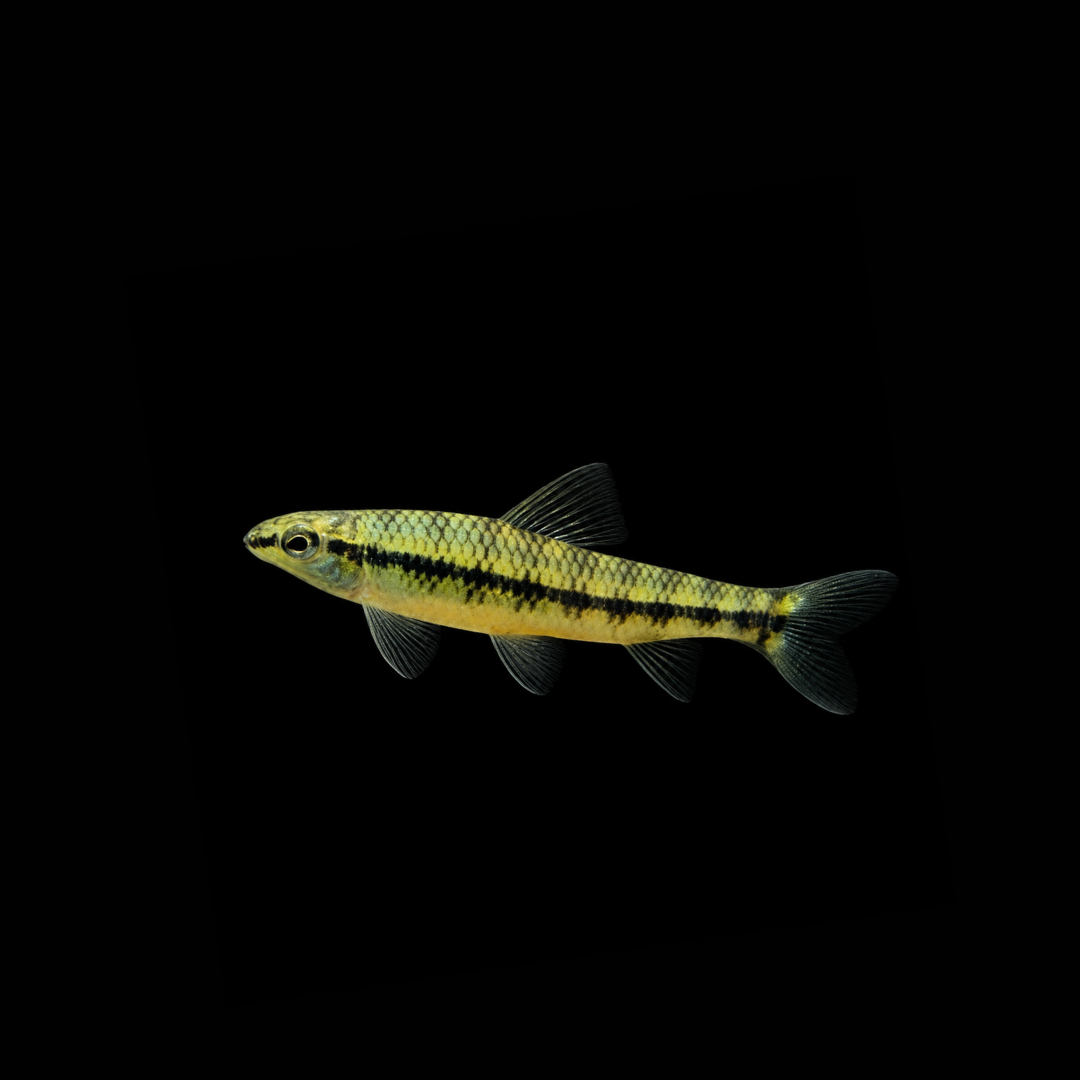
ダータテトラ・コロンビア産は、南米コロンビアから観賞魚として輸入される小型の底生カラシンです。一般的なテトラのように水槽の中層を泳ぎ回るのではなく、石、流木、水草の葉、底床の上に止まり、短い距離をすばやく跳ねるように移動します。そのため、同じカラシン目の魚でありながら、鑑賞時の印象は小型のハゼや北米産ダーターに近く、動きを観察して楽しむ魚として高い魅力があります。 The Colombian Darter Tetra is a small benthic characin imported from Colombia in South America for the aquarium trade. Rather than swimming continuously in midwater like many familiar tetras, it perches on stones, driftwood, plant leaves, and the substrate, then moves in short, quick darts. Although it belongs to the order Characiformes, its aquarium presence resembles that of a small goby or North American darter, making it especially appealing as a fish to observe for behavior.
日本の流通では、Characidium sp. “Colombia” のようなインボイスネームで扱われることが多く、厳密な種名が確定していない個体も含まれると考えられます。体色は茶褐色から銀黒色を基調とした保護色で、底床や背景の明るさによって暗色ラインやバンドの見え方が変化します。派手な発色を前面に出す魚ではありませんが、清流をイメージしたレイアウトでは、川底に適応した体型と落ち着いた模様が自然な存在感を生み出します。 In the Japanese trade, it is often handled under invoice names such as Characidium sp. “Colombia”, and some individuals may not have a confirmed species-level identification. Its coloration is a camouflage of brownish to silvery-black tones, with dark lines or bands that may appear stronger or weaker depending on the substrate and background. It is not a fish that relies on bright colors, but in a stream-inspired layout its bottom-adapted form and subtle markings create a very natural presence.
飼育そのものは比較的難しくありませんが、長期飼育では「底で暮らす魚」としての性質を意識する必要があります。清潔な底床、十分な溶存酸素、ほどよい水流、底まで届く給餌、そして飛び出しを防ぐフタが重要です。丈夫な入門種として紹介されることもありますが、餌を取り損ねやすい点と、わずかな隙間から水槽外へ出てしまう事故には注意が必要です。 It is generally not a difficult fish to keep, but long-term care requires attention to its benthic lifestyle. A clean substrate, high dissolved oxygen, moderate current, food that reliably reaches the bottom, and a secure lid are important. It is often introduced as a hardy beginner-friendly species, yet missed meals and escape accidents through small gaps are points that should not be overlooked.
基本情報 / Basic Information
| 学名 / Scientific Name | Characidium sp. “Colombia” |
|---|---|
| 通称 / Common Name | ダータテトラ・コロンビア産、コロンビアダータテトラ、ダータテトラColombian Darter Tetra, Darter Tetra |
| 分類 / Family | カラシン目 クレヌクス科 ダータテトラ亜科 ハラキディウム属Order Characiformes, family Crenuchidae, subfamily Characidiinae, genus Characidium |
| 英名 / English Name | Darter Tetra, South American Darter, Colombian Darter Tetra |
| 分布 / Distribution | 流通名としては、コロンビア便で輸入される Characidium 属の小型個体群を指します。採集地が明示されない場合、オリノコ川水系、アマゾン川水系の支流、マグダレナ川・カウカ川水系などに由来する近縁個体が含まれる可能性があり、単一種として断定しない扱いが無難です。As a trade name, this refers to small Characidium imported through Colombian shipments. When the collection locality is not specified, individuals may originate from related forms in the Orinoco basin, Amazon tributaries, or the Magdalena-Cauca drainage, so it is safest not to treat all trade fish as a single confirmed species. |
| 最大体長 / Max Size | 流通個体では約4〜6cmが目安です。近縁種にはこれより大きくなるものもいるため、種が確定していない個体ではやや幅をもって考えます。Trade individuals are usually around 4-6 cm. Some related species grow larger, so a little variation should be expected when the exact species is not confirmed. |
| 寿命 / Lifespan | 約3〜5年が目安です。清浄な水と安定した給餌を維持できれば、より長く楽しめることがあります。Usually around 3-5 years. With clean water and consistent feeding, individuals may be enjoyed for longer. |
飼育環境 / Aquarium Environment
| 水槽サイズ / Tank Size | 数匹であれば30cm規格水槽から飼育できます。ただし、本種は底面を生活空間として使い、個体同士がゆるく距離を取ることがあります。10匹前後で飼育する場合や、ほかの小型魚と混泳させる場合は、底面積に余裕のある60cm規格水槽以上が扱いやすいです。A few individuals can be kept in a standard 30 cm aquarium. However, this fish uses the bottom as its main living space and individuals may keep a loose distance from one another. For a group of around ten or for a community tank, a standard 60 cm aquarium or larger with ample bottom area is easier to manage. |
|---|---|
| 水温 / Temperature | 20〜26℃前後が飼育しやすい範囲です。短期的には28℃程度まで対応することがありますが、高水温が続く環境は避けます。日本の夏場は冷却ファンや水槽用クーラーを使い、30℃を超えないように管理すると安心です。 Around 20-26°C is a comfortable range. They may tolerate around 28°C for short periods, but prolonged high temperatures should be avoided. In Japanese summers, a cooling fan or aquarium chiller is useful to keep the tank from exceeding 30°C. |
| 水質 / Water Quality | 弱酸性から中性、pH 5.5〜7.5程度を目安にします。極端に特殊な水質を要求する魚ではありませんが、清潔な流水域に暮らす仲間であるため、硝酸塩の蓄積、酸欠、底床の汚れには注意します。強めの生物ろ過、定期的な換水、エアレーションを組み合わせると安定します。Slightly acidic to neutral water, around pH 5.5-7.5, is a good guide. It does not require unusually specialized water, but as a fish associated with clean flowing habitats, it should be protected from nitrate buildup, low oxygen, and dirty substrate. Strong biological filtration, regular water changes, and aeration help maintain stability. |
| レイアウト / Layout | 細かな砂利、砂、ソイルなどを底床にし、平たい石や流木を組み合わせると落ち着きやすくなります。アヌビアス、ミクロソリウム、ボルビティスなどの陰性水草は、休み場や観察ポイントとしても有効です。排水口を利用して緩やかな水流を作り、止水域が多くなりすぎないようにします。Fine gravel, sand, or aquarium soil can be used as the substrate, with flat stones and driftwood added to create secure resting places. Shade-tolerant plants such as Anubias, Microsorum, and Bolbitis also work well as perches and observation points. Use the filter outflow to create a gentle current and avoid too many stagnant areas. |
| 注意点 / Precautions | 飛び出しと脱走対策は必須です。驚いたときや水流に向かったときに、水面付近、フィルター配管、コード穴の隙間から外へ出ることがあります。水槽のフタを隙間なく閉め、配管周りはウールマットや専用カバーで塞ぎます。また、底生魚のため、底床に溜まった残餌や糞の影響を受けやすい点にも注意します。Jumping and escape prevention are essential. When startled or when moving toward current, they may leave the tank through gaps near the water surface, filter pipes, or cord openings. Keep a tight-fitting lid in place and block gaps around equipment with filter wool or dedicated covers. As bottom-dwelling fish, they are also easily affected by uneaten food and waste accumulated in the substrate. |
餌と給餌 / Feeding
| 餌の種類 / Diet | 冷凍アカムシ、冷凍ブラインシュリンプ、イトミミズ、細かな沈下性顆粒フード、底生魚用タブレットなどを与えます。導入直後のワイルド個体は人工飼料に反応しにくいことがあるため、まずは冷凍餌を中心にして体力を戻し、慣れてから人工飼料を併用すると安定しやすくなります。Offer frozen bloodworms, frozen brine shrimp, tubifex, fine sinking granules, and bottom-feeder tablets. Newly imported wild-caught fish may not respond well to prepared foods at first, so frozen foods are useful for restoring condition before gradually adding prepared diets. |
|---|---|
| 給餌のポイント / Feeding Tips | 中層を泳ぐ魚と餌を奪い合うのは得意ではありません。混泳水槽では、餌が底まで届く前に食べ尽くされると痩せやすくなります。スポイトで近くに落とす、沈下性の餌を水流に乗せる、消灯前後に底へ届く餌を与えるなど、食べている様子を確認しながら調整します。一度に大量に与えるより、少量を確実に食べさせるほうが向いています。They are not strong competitors against active midwater fish. In a community tank, they can become thin if food is eaten before it reaches the bottom. Use a pipette to deliver food nearby, let sinking foods ride the current, or feed bottom-reaching foods around lights-out while checking that the fish actually eat. Small, reliable feedings are better than large portions. |
性格と混泳 / Temperament and Tank Mates
| 性格 / Temperament | 性質はおおむね温和です。同種間では、止まり場や底面の小さな範囲をめぐって突進したり、ヒレを広げて威嚇したりすることがありますが、十分なスペースと隠れ場所があれば大きなけがに発展することは多くありません。複数飼育では、石や流木、水草で視線を切れる場所を作ると落ち着きます。They are generally peaceful. Among their own kind, they may dart at one another or display with their fins over favored perches or small bottom territories, but serious injuries are uncommon when space and cover are adequate. In groups, stones, driftwood, and plants that break line of sight help keep them settled. |
|---|---|
| 混泳の相性 / Compatibility | 小型カラシン、ラスボラ、小型コリドラス、オトシンクルスなど、温和でサイズの近い魚と相性がよいです。ただし、餌の競合が強すぎる魚とは組み合わせに注意します。ダータテトラを捕食する可能性のある大型魚、気性の荒いシクリッド、大型の甲殻類との混泳は避けます。They are suitable with peaceful, similarly sized fish such as small characins, rasboras, small Corydoras, and Otocinclus. Be cautious with tank mates that compete too aggressively for food. Avoid large fish that may prey on them, aggressive cichlids, and large crustaceans. |
病気と対策 / Diseases and Prevention
| かかりやすい病気 / Common Diseases | 導入直後や水温変化による白点病、水質悪化や底床の汚れに関連するカラムナリス症、餌不足による痩せに注意します。ワイルド個体では、輸入直後にヒレ欠けや体力低下が見られることもあるため、腹部が極端にへこんだ個体や呼吸が荒い個体は避けると安心です。Watch for ich after introduction or temperature swings, columnaris associated with poor water quality or dirty substrate, and weight loss caused by insufficient feeding. Wild-caught imports may arrive with damaged fins or reduced condition, so avoid individuals with severely sunken bellies or labored breathing. |
|---|---|
| 対策と予防 / Prevention | 予防の基本は、安定した水温、清潔な底床、十分なろ過と酸素量、導入初期の丁寧な給餌です。底床クリーナーで砂利の中の汚れを定期的に吸い出し、換水時には急激な水温差を避けます。白点病などが出た場合は、症状に合った魚病薬を使い、薬に弱い混泳魚がいる場合は隔離治療を検討します。Prevention is based on stable temperature, clean substrate, adequate filtration and oxygen, and careful feeding during the early acclimation period. Remove debris from the substrate regularly and avoid sudden temperature differences during water changes. If ich or similar disease appears, use an appropriate fish medication and consider quarantine treatment if sensitive tank mates are present. |
増やし方(繁殖) / Breeding
| 雌雄の判別 / Sexing | 外見での判別は難しい魚です。成熟したメスは腹部がややふっくら見えることがあります。近縁種ではオスのヒレに微小なフック状構造が見られる例もありますが、流通名で扱われるコロンビア産個体では、外見だけで確実に判別するのは容易ではありません。Sexing is difficult by appearance alone. Mature females may look slightly fuller in the abdomen. In some related species, males may show tiny hook-like structures on the fins, but in Colombian trade fish, reliable sexing by appearance alone is not easy. |
|---|---|
| 繁殖形態 / Reproduction | 卵生です。水草、石、底床周辺に卵を産み付ける、またはばらまくタイプと考えられますが、家庭水槽で安定して繁殖した例は多くありません。親魚が卵や稚魚を保護するタイプではないと考えられるため、繁殖を狙う場合は卵や稚魚の隔離が必要になる可能性があります。They are oviparous. They are thought to place or scatter eggs around plants, stones, or the substrate, but consistent breeding in home aquaria is not commonly reported. They are not expected to provide parental care, so eggs or fry may need to be separated if breeding is attempted. |
| 繁殖のポイント / Breeding Tips | 自然下では、雨季の増水、水質や水流の変化、上流への移動などが繁殖のきっかけになる可能性があります。飼育下で試す場合は、状態よく育てた複数個体を用意し、冷凍アカムシなど栄養価の高い餌で十分にコンディションを整えます。そのうえで、やや低めの新しい水による換水や水流の変化を慎重に利用します。ただし、確立された繁殖法ではないため、急激な環境変化は避け、魚への負担を最小限にします。In the wild, breeding may be influenced by rainy-season flooding, changes in water quality and current, and upstream movement. In aquaria, several well-conditioned adults should be prepared and fed nutritious foods such as frozen bloodworms. After conditioning, cautious use of slightly cooler fresh water changes and current changes may be attempted. Because this is not an established breeding method, sudden environmental manipulation should be avoided and stress to the fish minimized. |
雑学と豆知識 / Trivia and Fun Facts
| 1. 流通名と学名の距離 / 1. The Gap Between Trade Names and Scientific Names | ダータテトラの仲間は、アクアリウムの世界で長く Characidium fasciatum として扱われてきた歴史があります。しかし、C. fasciatum は本来ブラジルのサンフランシスコ川水系やパラナ川上流域などに関連する種として扱われ、コロンビア便で届く個体へそのまま当てはめるのは慎重であるべきです。現在の流通で Characidium sp. “Colombia” と表記するのは、未整理な多様性を無理に一つの種名へまとめない、実用的で誠実な扱い方といえます。In the aquarium hobby, many darter tetras were historically handled as Characidium fasciatum. However, C. fasciatum is associated with Brazilian drainages such as the São Francisco and upper Paraná systems, so applying that name directly to Colombian imports should be done cautiously. The trade label Characidium sp. “Colombia” is a practical and honest way to avoid forcing unresolved diversity into a single species name. |
|---|---|
| 2. コロンビアの水系が育てた多様性 / 2. Diversity Shaped by Colombian River Systems | コロンビアには、オリノコ川水系、アマゾン川水系の支流、マグダレナ川・カウカ川水系など、地形と歴史の異なる水域が存在します。たとえば、2020年にはカウカ川上流域から Characidium chancoense が新種として記載されました。この種は楔形に見える垂直バンドなどで区別され、同じ地域に複数の近縁種が同所的に見られることも示されています。日本でひとまとめに「コロンビア産」と呼ばれる小さな魚の背後には、こうした水系ごとの細かな分化が隠れている可能性があります。Colombia contains river systems with very different geography and history, including the Orinoco basin, Amazonian tributaries, and the Magdalena-Cauca drainage. For example, Characidium chancoense was described from the upper Río Cauca drainage in 2020. It is distinguished by features such as wedge-shaped vertical bars, and several related species may occur in the same region. Behind small fish collectively sold in Japan as “Colombian” may lie fine-scale diversification among different river systems. |
| 3. ハゼのように見えるカラシン / 3. A Characin That Looks Like a Goby | ダータテトラは見た目も動きもハゼに似ていますが、分類上はネオンテトラやペンシルフィッシュなどと同じカラシン目に属します。底で暮らすため、石や砂の上に体を安定させやすい姿勢をとり、胸ビレと腹ビレを使って踏ん張るように定位します。遠い系統の魚が、似た環境に適応することで似た姿や行動を示す現象は収斂進化と呼ばれます。ダータテトラは、その面白さを家庭の水槽でも観察しやすい魚です。Darter tetras look and move like gobies, yet they belong to Characiformes, the same order as neon tetras and pencilfish. Their bottom-dwelling lifestyle favors a posture that helps them stay steady on stones and sand, using the pectoral and pelvic fins to brace themselves. When distantly related fishes evolve similar forms and behaviors in similar environments, the process is called convergent evolution. Darter tetras make this concept easy to observe in the home aquarium. |
| 4. きょろきょろと周囲をうかがう仕草 / 4. The Alert, Watchful Posture | ダータテトラの人気を支えているのは、石の上でじっと止まり、周囲をうかがうように見える仕草です。大きな胸ビレで体を支え、流れてくる小さな水生昆虫や甲殻類を見つけると、短い距離をすばやく飛び出して捕食します。魚類として人間のように自由に首を振るわけではありませんが、頭部や体の向きを細かく変えながら観察する姿は、一般的な小型テトラにはない表情を感じさせます。Much of the darter tetra’s popularity comes from the way it remains still on a stone and appears to watch its surroundings. Supported by large pectoral fins, it waits for small aquatic insects or crustaceans, then darts forward over a short distance to feed. It does not turn its neck freely like a human, but the subtle changes in head and body direction give it an expressive quality not often seen in typical small tetras. |
| 5. 滝登りの話は慎重に楽しむ / 5. Understanding the Climbing Story Carefully | ダータテトラ類では、濡れた岩肌や急な流れを登る行動が記録された種があります。ただし、流通するコロンビア産のすべての個体が同じ行動を見せると断定することはできません。飼育上大切なのは、彼らが水流や底面に強く反応する魚であり、驚いたときに水槽の外へ出る事故が起こり得るという点です。滝を登る魚というロマンは魅力的ですが、家庭水槽ではまずフタと隙間対策が現実的な安全策になります。Climbing wet rock faces or steep flows has been documented in some darter tetra relatives. However, it should not be assumed that every Colombian trade individual will show the same behavior. For aquarium care, the important point is that these fish respond strongly to current and bottom surfaces, and escape accidents can occur when they are startled. The idea of a waterfall-climbing fish is fascinating, but in the home aquarium, a secure lid and gap prevention are the practical priorities. |
| 6. 地味さが生む自然な美しさ / 6. Natural Beauty in Subtle Coloration | ダータテトラ・コロンビア産の色彩は、赤や青で目を引くタイプではありません。しかし、砂や石の色に溶け込む暗色ライン、控えめなバンド、低く構えた姿勢は、清流レイアウトの中で非常に自然に映えます。水槽の主役として前面に出るというより、目を凝らすほど魅力が増していく魚です。見つける、止まる、跳ねる、また止まる。その小さな動きが、水槽全体に川底らしい時間の流れを与えてくれます。The Colombian Darter Tetra does not attract attention with red or blue coloration. Instead, its dark lines that blend into sand and stone, subtle bands, and low resting posture look especially natural in a stream-style aquascape. Rather than dominating the aquarium as a showy centerpiece, it becomes more appealing the more closely it is observed. It appears, perches, darts, and perches again, adding a quiet riverbed rhythm to the entire tank. |
まとめ / Conclusion
ダータテトラ・コロンビア産は、南米の流水環境に適応した小型カラシンの魅力を、家庭の水槽で身近に観察できる魚です。派手な発色よりも、底で止まる姿、胸ビレで体を支える動き、獲物を見つけた瞬間のすばやい反応に見どころがあります。分類上は未整理な部分を残す流通名でもあるため、単なる安価な入門魚としてではなく、南米の水系が育てた多様性を感じられる存在として扱いたい魚です。 The Colombian Darter Tetra allows aquarists to observe the appeal of a small characin adapted to South American flowing-water habitats in the home aquarium. Its highlights are not bright colors, but its perching posture, the way it braces with its pectoral fins, and the quick reaction it shows when prey is detected. Because the trade name includes some unresolved taxonomic uncertainty, it is best appreciated not merely as an inexpensive beginner fish, but as a small representative of the diversity shaped by South American river systems.
長期飼育では、清潔な底床、十分な酸素、ほどよい水流、底まで届く給餌、隙間のないフタが大切です。これらの条件が整うと、ダータテトラ・コロンビア産は水槽の低い位置で静かに存在感を放ちます。石の上から周囲をうかがい、次の瞬間にすっと飛び出すその姿は、水槽の中に小さな清流の情景を生み出してくれます。 For long-term care, a clean substrate, ample oxygen, moderate current, food that reaches the bottom, and a tight lid are essential. When these conditions are provided, the Colombian Darter Tetra gives the lower part of the aquarium a quiet but memorable presence. Resting on a stone, watching its surroundings, and then darting forward in an instant, it brings the atmosphere of a small clear stream into the aquarium.

気になる道具や飼い方を見つけてみませんか?
 アイのアクアグッズ案内水草用ソイルの選び方|土・砂の違いとおすすめ商品道具の特徴や使い方、選ぶときのポイントをアイが紹介します。記事はコチラ →
 アイのアクアグッズ案内水草トリミングの道具とやり方|ハサミ・ピンセットを水草に合わせて選ぼう伸びすぎた水草は切っていい? 有茎草の差し戻し、前景草の絨毯、流木のモスを整える場面から、水草用ハサミ・ピンセット・ゴミ取りネットの選び方と片付けを紹介します。記事はコチラ →
 アイのアクアグッズ案内旅行中、お魚のごはんはどうする? 自動給餌器・使える餌・スマート水槽の選び方旅行中の魚の餌やりを助ける自動給餌器を、アイとコタロウが紹介。時間指定、おかわり給餌、対応するフレークや顆粒、設置台、スマホ管理、一体型水槽、留守番フードまで、使いどころと選び方を案内します。記事はコチラ →
 アイのアクアグッズ案内海水魚初心者の必需品|水槽・人工海水・比重計・水質検査道具の特徴や使い方、選ぶときのポイントをアイが紹介します。記事はコチラ →
さまざまな飼育テーマをご紹介。リンク先の記事には広告・商品紹介が含まれます。
案内・紹介記事一覧へ →分布マップ
南米北部からアマゾン川流域周辺に分布するとされる情報をもとに、分布イメージとして概略代表地点を表示しています。
※この地図は分布イメージを示すための概略プロットです。実際の採集地点や厳密な生息範囲を示すものではありません。
参考文献
本項目では、分類、分布、生息環境、飼育条件、繁殖に関する慎重な表現、病気や管理上の注意点を支える資料として、学術論文、魚類分類データベース、大学・公的機関・獣医学系の資料を中心に選定しました。店舗、通販ページ、個人ブログ、一般的なまとめサイトは除外しています。
-
Fricke, R., Eschmeyer, W. N. & van der Laan, R. (eds.) Eschmeyer’s Catalog of Fishes: Genera, Species, References. California Academy of Sciences.分類学名、属名、科・亜科の扱い、学名の有効性確認に用いた基礎資料です。Characidium 属を安易に別種名へ断定しないための分類チェックに適しています。
-
FishBase. Family Crenuchidae – South American darters.クレヌクス科が淡水性の南米ダーター類として扱われること、Characiformes 内での位置づけ、科レベルの基本情報を確認するために参照しました。
-
FishBase. Characidium fasciatum Reinhardt, 1867.C. fasciatum の分布がブラジルのサンフランシスコ川水系・パラナ川上流域として示されていること、pH・水温・最大体長の参考値を確認するために参照しました。コロンビア産流通個体へこの学名を直接当てない表現を支える資料です。
-
Agudelo-Zamora, H. D., Ortega-Lara, A. & Taphorn, D. C. B. (2020). Characidium chancoense, a new species of South American darter from the Río Cauca drainage, Colombia (Characiformes: Crenuchidae). Zootaxa, 4768(2), 249-263.コロンビアのカウカ川上流域からの新種記載、垂直バンドなどの識別形質、同所的に見られる近縁種の存在を支える資料です。記事内の「コロンビア産には複数系統・未同定個体が含まれ得る」という慎重な説明の根拠になります。
-
Agudelo-Zamora, H. D., Tavera, J., Murillo, Y. D. & Ortega-Lara, A. (2020). The unknown diversity of the genus Characidium (Characiformes: Crenuchidae) in the Chocó biogeographic region, Colombian Andes: two new species supported by morphological and molecular data. Journal of Fish Biology, 97(6), 1662-1675.コロンビア・アンデス地域における Characidium 属の未整理な多様性、形態・分子情報を組み合わせた分類の必要性を支える資料です。流通名を単一の確定種として扱いすぎない方針の補強に向いています。
-
FishBase. Characidium zebra Eigenmann, 1909.近縁種の生態例として、上流域で群れをつくること、砂や岩の底質をもつ流れの速い水域に見られること、昆虫を主な餌とすること、底質に応じて暗色バンドの見え方が変化することを確認するために参照しました。
-
Oliveira-Silva, L., Santos, S. A., Lopes, M. M. & Zanata, A. M. (2022). A new species of Characidium (Characiformes: Crenuchidae) from the rio Doce basin, Brazil. Neotropical Ichthyology, 20(1), e210125.流れの速い環境に生息する Characidium 類の体型、胸ビレ周辺の形態、岩場や流水で流されにくくする適応の説明を支える資料です。水流・溶存酸素・岩や砂を使ったレイアウトの解説に関連します。
-
Buckup, P. A., Zamprogno, C., Vieira, F. & Teixeira, R. L. (2000). Waterfall climbing in Characidium (Crenuchidae, Characidiinae) from eastern Brazil. Ichthyological Exploration of Freshwaters, 11(3), 273-278.一部の Characidium 類で記録された滝登り・岩面登攀行動を支える原典です。記事では、コロンビア産流通個体すべてに一般化せず、「近縁種で記録がある行動」として、飛び出し・脱走対策の注意喚起に限定して利用しています。
-
Francis-Floyd, R. & Petty, D. Ichthyophthirius multifiliis (White Spot) Infections in Fish. University of Florida IFAS Extension.白点病の生活環、温度による進行速度、治療時に有機物除去や反復処置が重要になる点を支える資料です。導入直後・水温変化時の注意、底床清掃の重要性と関連します。
-
MSD Veterinary Manual. Bacterial Diseases of Fish.観賞魚を含む魚類の細菌性疾患が、水質悪化、有機物負荷、輸送・取り扱い、急な水温変化、低酸素などと関連しやすいこと、Flavobacterium columnare がカラムナリス症の原因菌であることを確認するために参照しました。
-
FAO. Water quality and fish health.水質低下、低酸素、pHや温度の極端な変化、代謝産物の蓄積などが魚の抵抗力や疾病リスクに関わることを示す公的資料です。清浄な水、底床管理、過密回避、安定した環境づくりの説明を補強します。
同定について:ダータテトラ・コロンビア産は流通名です。採集地や種名が不明な個体には、特定種の生態や繁殖条件がそのまま当てはまるとは限りません。近縁種の情報は目安とし、購入時に産地や餌付きを確認してください。




コメント