

.png)
解説 / Description
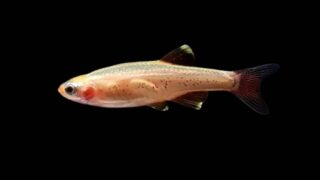
レッドファントム・テトラ(ルブラ)は、南米オリノコ川水系に分布する小型テトラです。観賞魚流通では、通常のレッドファントム・テトラより赤みが強く見えるワイルド個体や選別個体が「ルブラ」と呼ばれることがあります。正式な亜種名ではなく、深紅の発色を示すタイプを表す流通上の呼び名として理解すると自然です。落ち着いた群れで飼育すると、オス同士がヒレを広げて向き合うフィンスプレッディングを見せ、暗めの水景では赤い体色と黒い肩斑がしっとりと引き立ちます。 The Red Phantom Tetra “Rubra” is a small tetra from the Orinoco River system in South America. In the aquarium trade, the name “Rubra” is often used for wild or selectively chosen individuals that show a stronger red color than typical Red Phantom Tetras. It is best understood as a trade name for a deep-red form, not as a formally described subspecies. When kept in a calm group, males display to one another by spreading their fins, and in a subdued aquascape their red body color and dark humeral spot stand out beautifully.
基本情報 / Basic Information
| 学名 / Scientific Name | Megalamphodus sweglesi(旧学名・流通名として Hyphessobrycon sweglesi も広く見られます) (the former name Hyphessobrycon sweglesi is still widely seen in aquarium literature and trade listings) |
|---|---|
| 通称 / Common Name | レッドファントム・テトラ、レッドファントム・ルブラ、ルブラRed Phantom Tetra, Rubra Red Phantom Tetra |
| 分類 / Family | カラシン目、アメリカテトラ科、メガランフォドゥス亜科。2024年の分子系統研究を受け、従来の広いカラシン科から分けて扱う新しい分類が提案され、現在の主要な分類データベースでも Megalamphodus 属として扱われています。ただし、観賞魚店や古い図鑑では旧分類の表記も残ります。Order Characiformes, family Acestrorhamphidae, subfamily Megalamphodinae. A 2024 phylogenomic study proposed a revised classification that separates this lineage from the broad traditional Characidae, and current major taxonomic databases treat it in the genus Megalamphodus. Older aquarium books and shop labels may still use the former classification. |
| 英名 / English Name | Red Phantom Tetra, Rubra Red Phantom Tetra |
| 分布 / Distribution | 南米北部のオリノコ川水系。コロンビアおよびベネズエラ側の支流域を中心に扱われることが多く、透明な水域からタンニンを含む水域まで、比較的流れの穏やかな環境に見られるとされています。The Orinoco River system of northern South America, most often treated as occurring in tributary areas of Colombia and Venezuela. It is associated with relatively calm habitats, ranging from clear water to tannin-stained water. |
| 最大体長 / Max Size | 約3.2cm標準体長。飼育下では個体差や栄養状態により、見た目の大きさに差が出ることがあります。About 3.2 cm standard length. In aquariums, apparent size can vary with condition, age, and nutrition. |
| 寿命 / Lifespan | 一般的には3〜5年ほどが目安です。水質が安定し、落ち着いた群れで飼育できる環境では、より長く楽しめる場合もあります。A general expectation is around 3 to 5 years. With stable water quality and a secure group environment, some individuals may be enjoyed for longer. |
飼育環境 / Aquarium Environment
| 水槽サイズ / Tank Size | 群泳とフィンスプレッディングを楽しむなら、最低でも60cm規格水槽(約54〜60L)以上がおすすめです。少数では怯えやすいため、できれば8〜10匹以上の群れで導入すると落ち着きやすくなります。A standard 60 cm aquarium of about 54 to 60 liters or larger is recommended if you want to enjoy schooling and fin-spreading displays. Because they can become timid in very small groups, keeping at least 8 to 10 individuals is ideal. |
|---|---|
| 水温 / Temperature | 20〜26℃前後を安定させると管理しやすいです。一般的な飼育情報では20〜28℃程度まで幅を持たせて紹介されることもありますが、高温側では酸欠や水質悪化が早くなりやすいため注意します。 Keeping the temperature stable around 20 to 26°C is practical. Some aquarium references give a broader range up to about 28°C, but higher temperatures require extra care because oxygen levels and water quality can deteriorate more quickly. |
| 水質 / Water Quality | 弱酸性から中性の軟水寄りが向きます。目安はpH5.5〜7.5、ルブラらしい落ち着いた発色を重視する場合はpH5.5〜6.5前後を狙うと扱いやすいです。硬度は低めから中程度に抑え、極端な硬水や急なpH変動は避けます。Soft, slightly acidic to neutral water is suitable. A practical range is around pH 5.5 to 7.5, while pH 5.5 to 6.5 is often a good target when emphasizing the calm, deep coloration associated with Rubra forms. Keep hardness low to moderate and avoid very hard water or sudden pH swings. |
| レイアウト / Layout | 暗色の底床、流木、マジックリーフ、ヤシャブシの実などを使ったブラックウォーター風レイアウトがよく似合います。ミクロソリウムなどの陰性水草や浮草で影を作り、照明をやや控えめにすると、魚が落ち着きやすく、色飛びも抑えやすくなります。泳ぐスペースを残すことも大切です。A blackwater-style layout with dark substrate, driftwood, Indian almond leaves, and alder cones suits this fish well. Shade from low-light plants such as Microsorum or floating plants, together with moderate lighting, helps the fish feel secure and can reduce stress-related fading. Leave open swimming space as well. |
| 注意点 / Precautions | ワイルド個体は輸送後の疲れや水質差の影響を受けていることがあるため、導入時は点滴法でゆっくり水合わせします。購入直後は隔離水槽で観察し、白点やヒレの傷み、痩せがないかを確認すると安心です。強い水流、大型魚、活発すぎる魚との同居は、怯えや餌負けの原因になります。Wild individuals may be affected by transport stress and differences in water chemistry, so slow drip acclimation is recommended. A quarantine tank after purchase is useful for checking white spot, fin damage, or emaciation. Avoid strong currents, large fish, and overly boisterous tank mates, as these can cause fear and feeding competition. |
餌と給餌 / Feeding
| 餌の種類 / Diet | 小型魚用の細かなフレークフードや顆粒フードを主食にできます。補助的に冷凍アカムシ、ミジンコ、ブラインシュリンプなどを与えると、状態を上げやすくなります。赤い発色を保ちたい場合は、アスタキサンチンやカロテノイドを含む色揚げ飼料も選択肢になります。Fine flakes and small granules for small tropical fish can be used as staple foods. Frozen bloodworms, daphnia, and brine shrimp are useful supplements for conditioning. Color-enhancing foods containing astaxanthin or carotenoids can also be used to help maintain red coloration. |
|---|---|
| 給餌のポイント / Feeding Tips | 口が小さいため、餌は細かくして与えます。1日1〜2回、数分で食べ切れる量を目安にし、沈みすぎた餌や食べ残しは水質悪化の原因になるため注意してください。ワイルド個体は導入直後に人工飼料へ反応しにくいことがあるため、冷凍餌から慣らすとスムーズです。Because the mouth is small, offer finely sized foods. Feed once or twice a day, only as much as they can finish within a few minutes. Uneaten food can quickly degrade water quality. Newly imported wild fish may not accept dry foods immediately, so starting with frozen foods can help them settle. |
性格と混泳 / Temperament and Tank Mates
| 性格 / Temperament | 温和で群れを作る性質が強い魚です。オス同士はヒレを広げて競い合うようなディスプレーを行いますが、深刻な争いに発展することは多くありません。十分な匹数で飼うほど落ち着きやすく、自然な行動も観察しやすくなります。This is a peaceful, strongly social schooling fish. Males may display by spreading their fins toward each other, but these interactions rarely become serious fights. A sufficiently sized group helps them remain calm and makes natural behavior easier to observe. |
|---|---|
| 混泳の相性 / Compatibility | ネオンテトラ、カージナルテトラ、ラミーノーズテトラなどの小型カラシン、ラスボラ類、ハチェットフィッシュ、コリドラス、オトシンクルス、小型で温和なアピストグラマなどと相性が良いです。大型魚、捕食性の魚、気性の荒い魚、ヒレをかじる魚との混泳は避けます。Good tank mates include small characins such as neon tetras, cardinal tetras, and rummy-nose tetras, as well as rasboras, hatchetfish, Corydoras, Otocinclus, and small peaceful Apistogramma. Avoid large fish, predatory species, aggressive fish, and fin-nippers. |
病気と対策 / Diseases and Prevention
| かかりやすい病気 / Common Diseases | 輸入直後や水質が不安定な時期には、白点病、ヒレの傷み、細菌性の皮膚炎、痩せに注意します。急な水質変化や過密飼育は粘膜やエラに負担をかけ、病気のきっかけになることがあります。繁殖時の卵では水カビにも注意が必要です。After import or during unstable water conditions, watch for white spot disease, fin damage, bacterial skin problems, and emaciation. Sudden water changes and overcrowding can stress the mucus layer and gills, making disease more likely. Eggs in breeding tanks may also be prone to fungal growth. |
|---|---|
| 対策と予防 / Prevention | 導入時の隔離観察、ゆっくりした水合わせ、安定した弱酸性寄りの水質管理が基本です。マジックリーフや流木によるタンニンを含む環境は、魚を落ち着かせる助けになります。塩浴を使う場合は淡水小型魚に適した低濃度にとどめ、濃度やpHを急に変えないようにしてください。薬品使用時はカラシン類への負担を考え、用量を慎重に確認します。Quarantine, slow acclimation, and stable slightly acidic water are the foundation of prevention. Tannin-rich conditions created with leaves and driftwood can help the fish settle. If salt is used, keep it at a low concentration appropriate for small freshwater fish and avoid sudden changes in salinity or pH. When using medications, check dosage carefully because small characins can be sensitive. |
増やし方(繁殖) / Breeding
| 雌雄の判別 / Sexing | 成熟したオスは背ビレや尻ビレが伸び、体型は比較的スリムです。発情時には体色や肩の黒斑が強く見えることがあります。メスは腹部に丸みがあり、背ビレに白色からクリーム色の縁取りを伴う黒い模様が見られることがあります。Mature males develop longer dorsal and anal fins and tend to remain relatively slender. During displays, their body color and dark shoulder marking may become stronger. Females usually have a rounder belly and may show a dark dorsal-fin pattern edged with white to cream coloration. |
|---|---|
| 繁殖形態 / Reproduction | 卵を水草や底面付近にばらまく卵散布型です。親魚は卵や稚魚を守らず、産卵後に食卵することがあるため、計画的に増やす場合は専用の繁殖水槽を使います。It is an egg-scattering spawner that deposits eggs among fine plants or near the bottom. The parents do not guard eggs or fry and may eat the eggs after spawning, so a separate breeding tank is recommended for planned breeding. |
| 繁殖のポイント / Breeding Tips | 繁殖水槽には熟成した弱酸性・軟水を用意し、水温は26℃前後からやや高め、照明は暗めにします。底にビー玉やメッシュを敷く、またはウィローモスや産卵モップを多めに入れると、卵を親魚の口から守りやすくなります。産卵を確認したら親魚を戻し、卵は暗めの環境で管理します。稚魚が自由遊泳を始めたら、最初はインフゾリアなどの微小な餌から始め、成長に合わせて孵化直後のブラインシュリンプへ移行します。Prepare a mature, soft, acidic breeding tank with a temperature around or slightly above 26°C and subdued lighting. Marbles, mesh, Java moss, or spawning mops help protect eggs from the adults. Once spawning is confirmed, remove the parents and keep the eggs in dim conditions. When the fry become free-swimming, start with tiny foods such as infusoria and move to newly hatched brine shrimp as they grow. |
雑学と豆知識 / Trivia and Fun Facts
| 1. 学名が映す、テトラ分類の新しい流れ / 1. A Name That Reflects a New Direction in Tetra Taxonomy | 本種は長く Hyphessobrycon sweglesi として親しまれてきました。しかし、近年の分子系統研究では、従来の広いカラシン科やハイフェソブリコン属に含められていた魚たちの関係が再検討され、Megalamphodus sweglesi という扱いが再び採用されています。店頭や愛好家の会話では旧学名も残り続けるため、この魚の名前には、アクアリウムの歴史と分類学の更新が重なって見えます。This species has long been familiar as Hyphessobrycon sweglesi. Recent phylogenomic research, however, has reexamined relationships among fishes formerly placed in a broad Characidae and Hyphessobrycon, and the treatment as Megalamphodus sweglesi has been adopted again. Because the former name still appears in shops and hobbyist conversations, this fish’s name carries both aquarium history and ongoing taxonomic revision. |
|---|---|
| 2. 「ルブラ」は赤さを示す流通名 / 2. “Rubra” Is a Trade Name for Redness | ルブラはラテン語の「赤」に由来する言葉で、観賞魚や水草の世界では赤みの強いタイプを表す呼び名として使われることがあります。レッドファントム・テトラのルブラも、分類学上の亜種というより、深い赤を見せるワイルド個体や選別個体を指す流通名です。その赤みには餌の色揚げ成分も関わりますが、個体の素質、生息地の違い、落ち着ける環境づくりも大切です。The word “Rubra” comes from the Latin for “red” and is sometimes used in the aquarium and aquatic plant trades for forms with strong red coloration. In Red Phantom Tetras, Rubra is not a formal subspecies name; it is a trade name for wild or selected individuals with deep red color. Color-enhancing foods can contribute to redness, but individual potential, habitat background, and a calm aquarium environment are also important. |
| 3. ブラックウォーターで赤が映える理由 / 3. Why Red Looks Deeper in Blackwater | オリノコ川水系の一部には、落ち葉や倒木から溶け出したタンニンで水が淡い褐色に染まる場所があります。こうした環境では、強すぎる照明よりも柔らかな光と暗い背景のほうが魚を落ち着かせ、赤い体色や黒い肩斑を見やすくします。水槽では、暗色の底床、流木、落ち葉、陰性水草を組み合わせることで、派手さを無理に足すのではなく、魚が本来持つ色の深さを引き出しやすくなります。Parts of the Orinoco system include waters stained light brown by tannins released from leaves and submerged wood. In such habitats, gentle light and a dark background often make the fish feel more secure and make the red body color and black shoulder spot easier to see. In the aquarium, dark substrate, driftwood, leaf litter, and low-light plants help draw out the fish’s natural depth of color rather than forcing artificial brightness. |
| 4. 小さな群れの中にある、静かな駆け引き / 4. Quiet Social Drama in a Small School | レッドファントム・テトラの楽しさは、赤い体色だけではありません。オス同士が向かい合い、ヒレを大きく広げて自分の存在感を示す様子には、争いを大きくせずに相手との距離を測る、繊細な社会性が感じられます。十分な数で群れを作ると、1匹だけでは見えにくい表情が水槽の中に生まれます。The appeal of the Red Phantom Tetra is not limited to its red color. When males face one another and spread their fins, they seem to negotiate space and status without escalating into serious conflict. A proper school reveals expressions and interactions that would be easy to miss in a single fish. |
| 5. ワイルド個体を迎えるときの視点 / 5. How to Think About Wild Individuals | ルブラとして入荷する個体は、ワイルド由来として扱われることが多く、季節や便、問屋や店舗でのコンディションによって状態に差が出ます。価格や入荷時期を固定的に語るよりも、実際の体型、痩せ、ヒレの張り、群れでの落ち着き方を見て選ぶことが大切です。導入後に時間をかけて回復し、環境になじむほど、赤みと行動が少しずつ深まっていくところに、この魚ならではの味わいがあります。Fish sold as Rubra are often treated as wild-origin imports, and their condition can vary with season, shipment, wholesaler, and shop care. Instead of relying only on fixed ideas about price or timing, look closely at body condition, thinness, fin posture, and how calmly they behave in a group. As they recover and settle into the aquarium, their color and behavior can deepen gradually, which is one of the pleasures of keeping this fish. |
まとめ / Conclusion
レッドファントム・テトラ(ルブラ)は、深紅の体色だけでなく、群れのまとまり、オス同士のフィンスプレッディング、弱酸性の水景に溶け込む落ち着いた存在感まで楽しめる小型テトラです。十分な匹数、穏やかな混泳相手、暗めのレイアウト、安定した軟水寄りの水質がそろうほど、その魅力は自然に引き出されていきます。 The Red Phantom Tetra “Rubra” is a small tetra valued not only for its crimson color, but also for its schooling presence, male fin-spreading displays, and calm beauty in a softly acidic aquascape. Its charm emerges most naturally when it is kept in a proper group, with peaceful tank mates, subdued decor, and stable soft water.
水槽の中で赤い影がすっと重なり、ふとした瞬間にヒレを広げて向き合う姿は、派手さよりも奥行きで楽しませてくれます。環境を整え、日々の小さな変化を眺めるほど、レッドファントム・テトラ(ルブラ)は静かな水景の主役として、長く印象に残る魚になります。 When red silhouettes overlap in the aquarium and males suddenly turn to display their fins, this fish offers depth rather than simple flashiness. The more carefully its environment is prepared and the more closely its daily changes are observed, the more the Red Phantom Tetra “Rubra” becomes a memorable centerpiece of a quiet aquascape.

気になる道具や飼い方を見つけてみませんか?
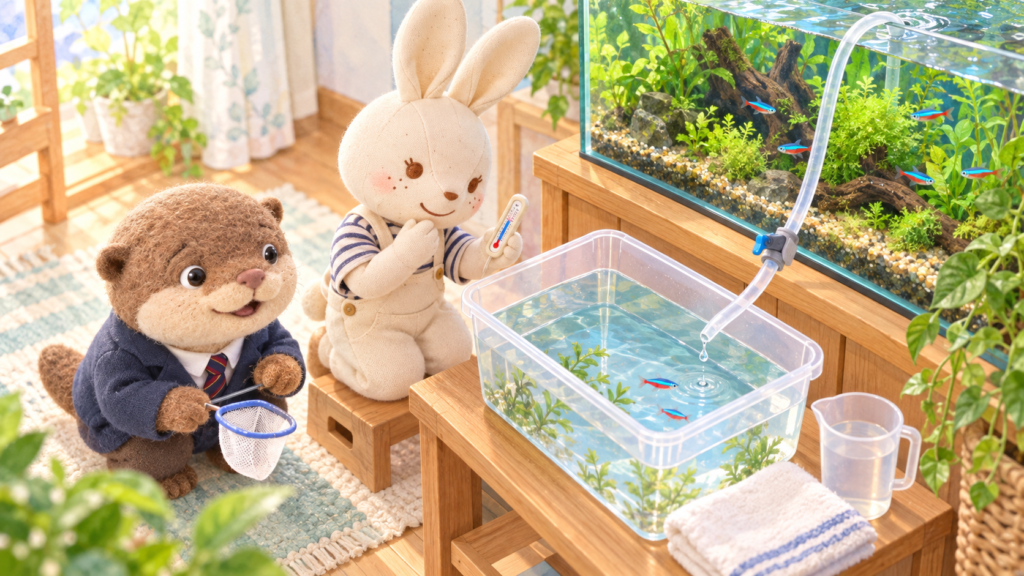 アイのアクアグッズ案内水合わせの道具とやり方|魚を迎える前にそろえたい容器・点滴キット・ネット買ってきた魚はすぐ水槽に入れていい? 水温合わせと水合わせの違いから、透明ケース・点滴キット・ネットの選び方、時間をかけすぎない注意点まで、アイとコタロウが紹介します。記事はコチラ →
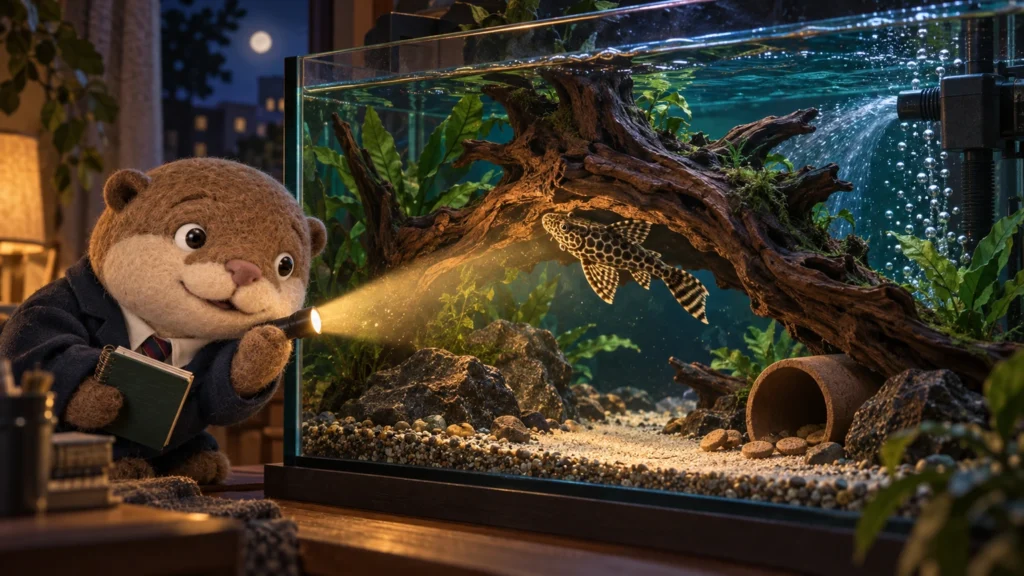 アイのアクアグッズ案内プレコ飼育に必要なもの|餌・流木・ろ過・隠れ家・掃除用品道具の特徴や使い方、選ぶときのポイントをアイが紹介します。記事はコチラ →
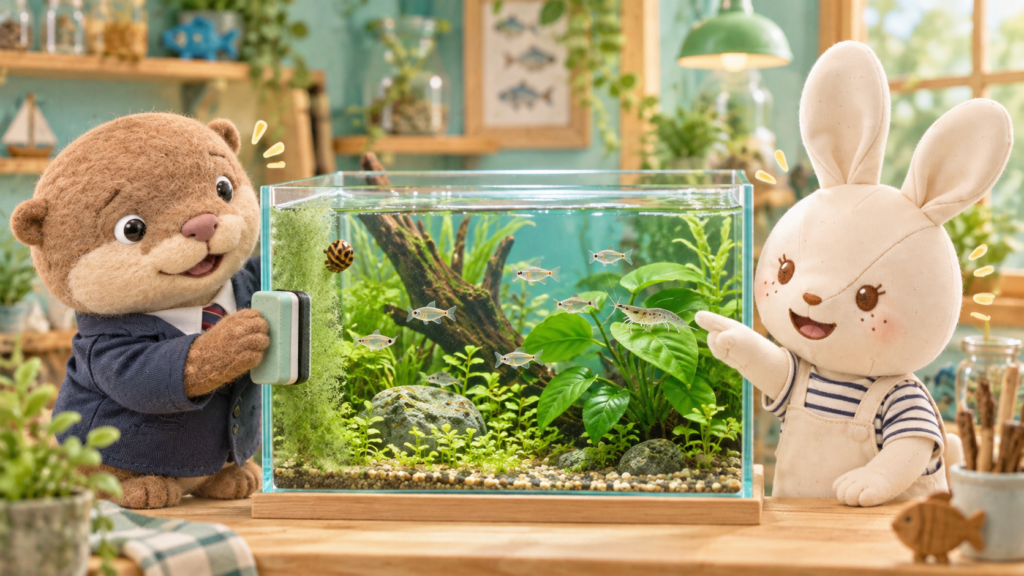 アイのアクアグッズ案内水槽のコケ掃除|道具の選び方とお掃除生体の得意・不得意道具の特徴や使い方、選ぶときのポイントをアイが紹介します。記事はコチラ →
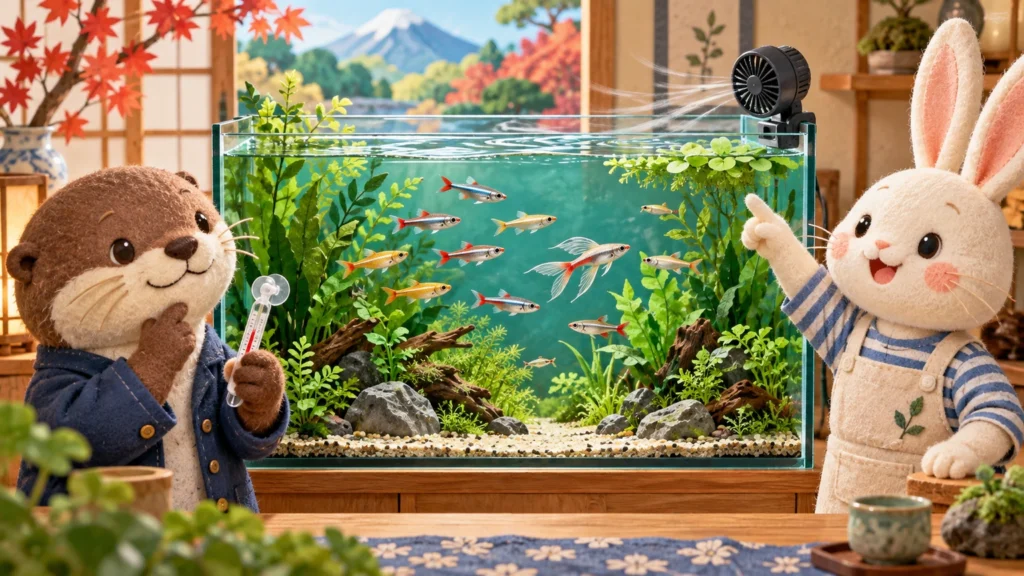 アイのアクアグッズ案内アカヒレの仲間に合わせる飼育用品|無加温・混泳・繁殖の水槽とろ過道具の特徴や使い方、選ぶときのポイントをアイが紹介します。記事はコチラ →
さまざまな飼育テーマをご紹介。リンク先の記事には広告・商品紹介が含まれます。
案内・紹介記事一覧へ →分布マップ
レッドファントム・テトラ(ルブラ)は、南米北部のオリノコ川水系に分布し、コロンビアおよびベネズエラ側の支流域を中心に扱われます。この地図では、分布イメージを示すためにオリノコ川水系中流域付近を概略代表地点として表示しています。
このマップのプロットは分布欄の内容に基づく概略代表地点です。実際の採集地点や厳密な生息範囲を示すものではありません。
参考文献
本リストは、レッドファントム・テトラ(ルブラ)に関する本文のうち、分類、分布、生息環境、飼育条件、繁殖、病気や導入時の注意点を支える資料に絞って選定しています。店舗、通販、個人ブログ、まとめサイトは除外し、学術論文、魚類データベース、公的・獣医学系資料を優先しました。
-
Melo, B. F. et al. (2024). “Phylogenomics of Characidae, a hyper-diverse Neotropical freshwater fish lineage, with a phylogenetic classification including four families (Teleostei: Characiformes).” Zoological Journal of the Linnean Society, 202(1), zlae101.根拠範囲:2024年以降の分子系統解析、旧Characidaeの再編、AcestrorhamphidaeおよびMegalamphodus復活に関する分類上の背景。
-
Fricke, R., Eschmeyer, W. N. & Van der Laan, R. (eds.). Eschmeyer’s Catalog of Fishes: Megalamphodus sweglesi entry. California Academy of Sciences.根拠範囲:現在の有効学名、原記載、タイプ産地、シノニム、科・亜科レベルの位置づけ。学名表記の最優先確認先として使用。
-
Weitzman, S. H. & Palmer, L. (1997). “A new species of Hyphessobrycon (Teleostei: Characidae) from Neblina region of Venezuela and Brazil, with comments on the putative ‘rosy tetra clade’.” Ichthyological Exploration of Freshwaters, 7(3–4), 209–242.根拠範囲:旧来のHyphessobrycon/Megalamphodus周辺の分類史、ロージーテトラ系統群との比較、過去の学名整理。本文では分類史の補助資料として扱います。
-
Froese, R. & Pauly, D. (eds.). FishBase: Megalamphodus sweglesi, Red phantom tetra.根拠範囲:オリノコ川流域という分布、最大体長、淡水・中層性、水温・pH目安、食性、群れでの飼育、最低60cm水槽という飼育条件の基本確認。
-
Taphorn, D. C. (1992). The Characiform Fishes of the Apure River Drainage, Venezuela. BioLlania, Edición Especial No. 4.根拠範囲:ベネズエラ側オリノコ水系、特にアプレ川流域のカラシン類相と分布記録。本文の自然分布・生息域説明を補強する地域資料。
-
Park, J. M., Kim, N. R., Han, K. H., Han, J. H., Son, M. H. & Cho, J. K. (2014). “Spawning Behavior, Egg Development, Larvae and Juvenile Morphology of Hyphessobrycon eques (Pisces: Characidae) Characidae Fishes.” Development & Reproduction, 18(4), 241–249.根拠範囲:近縁の小型観賞カラシンにおける産卵行動、沈性・粘着性卵、孵化、ヨークサック吸収、稚魚初期発生。レッドファントム・テトラそのものの専用繁殖論文ではないため、繁殖説明の比較補助資料として限定的に使用します。
-
Francis-Floyd, R. (UF/IFAS Extension). “Stress—Its Role in Fish Disease.” Circular 919 / FA005.根拠範囲:輸送、導入、水質悪化、過密などのストレスが魚の防御力を下げ、病気の発生を招きやすくするという本文の注意点。水質、栄養、衛生管理を予防の柱とする説明を補強。
-
Francis-Floyd, R. & Petty, B. D. “Routine Health Care of Fish.” MSD Veterinary Manual.根拠範囲:新規導入魚の隔離、予防的な健康管理、水質・栄養・衛生・検疫を組み合わせる考え方。ワイルド個体や入荷直後の個体を慎重に扱う根拠として使用。
-
Merck Veterinary Manual. “Disorders and Diseases of Fish.”根拠範囲:白点病、カラムナリス病、外部寄生虫、細菌感染、症状確認と早期対応の必要性。本文の病気と対策セクションの医学的裏付けとして使用。
補足:「ルブラ」は正式な亜種名ではなく、赤みの強い個体群・選別個体を指す流通名として扱います。そのため、参考文献も分類単位としての「ルブラ」ではなく、Megalamphodus sweglesi本種、近縁カラシン類、魚病・飼育管理資料を中心に選定しています。確認日:2026年6月27日。




コメント