

解説 / Description
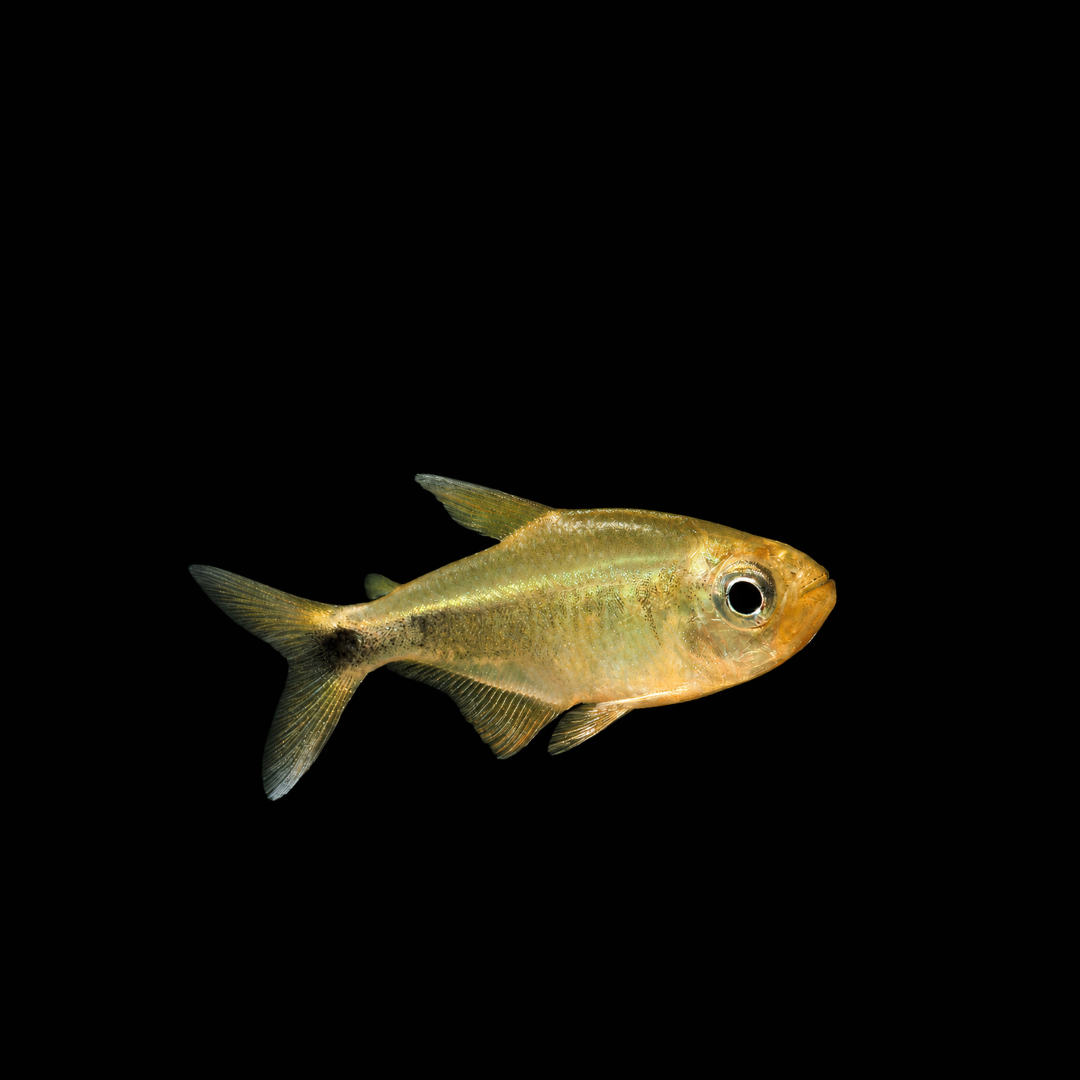
カーニバルテトラは、ブラジルのアラグアイア・トカンチンス川水系からタパジョス川上流域にかけて知られる、黄金色からオレンジ色の発色が美しい小型カラシンです。日本の観賞魚流通では「ハセマニア・ハンセニー」の名で扱われることがありますが、現在は Hyphessobrycon moniliger として紹介されることが多い魚です。落ち着いた水草水槽に群れで泳がせると、雄がヒレを広げて向き合う姿や、ヒレ先の白い縁取りがよく映えます。派手さだけでなく、流通名と分類の歴史まで楽しめる、珍カラらしい奥行きを持った種類です。 The Carnival Tetra is a small golden to orange characin known from Brazil’s Araguaia-Tocantins system and the upper Tapajós basin. In the Japanese aquarium trade it may still appear under the name “Hasemania hanseni,” but it is now commonly treated as Hyphessobrycon moniliger. When kept as a group in a calm planted aquarium, males display to one another with spread fins, and the pale edging on the fins becomes especially attractive. Its appeal lies not only in its color but also in the taxonomic story behind its trade name.
基本情報 / Basic Information
| 学名 / Scientific Name | Hyphessobrycon moniliger Moreira, Lima & Costa, 2002 |
|---|---|
| 通称 / Common Name | カーニバルテトラ、ヒフェソブリコン・モニリガー、流通名としてハセマニア・ハンセニーCarnival Tetra, Golden Tetra, Jeweled Golden Tetra, sometimes traded as Hasemania hanseni |
| 分類 / Family | カラシン目・ヒフェソブリコン属。科名は資料やデータベースにより、Acestrorhamphidae または従来のカラシン科 Characidae として扱われることがあります。Order Characiformes, genus Hyphessobrycon. Depending on the database or classification used, the family may be listed as Acestrorhamphidae or under the traditional Characidae. |
| 英名 / English Name | Golden Tetra, Jeweled Golden Tetra |
| 分布 / Distribution | 南米ブラジル。アラグアイア・トカンチンス川水系およびタパジョス川上流域に分布するとされています。飼育情報では、流れの緩い浅場、沈水植物、枝や根、落ち葉の影響を受ける環境との関係がよく語られます。South America: Brazil, including the Araguaia-Tocantins system and the upper Tapajós basin. Aquarium accounts often associate it with calmer shallow areas containing submerged vegetation, branches, roots, and leaf-litter influence. |
| 最大体長 / Max Size | 標準体長で約3.1cm。飼育上は全長3〜4cm程度の小型テトラとして扱うと分かりやすいです。About 3.1 cm standard length. In aquarium terms, it is easiest to regard it as a small tetra of roughly 3 to 4 cm total length. |
| 寿命 / Lifespan | 学術データとして確定的な寿命情報は多くありません。飼育下では、近縁の小型テトラ類と同じく3〜5年程度を目安にし、安定した水質と十分な群れの数で長期飼育を目指します。Definitive lifespan data are limited. In captivity, a practical expectation is around 3 to 5 years, similar to many small tetras, with stable water quality and a sufficiently sized group supporting long-term care. |
飼育環境 / Aquarium Environment
| 水槽サイズ / Tank Size | 最低でも45cm規格水槽以上、できれば60cm規格水槽、水量30〜60L前後が扱いやすい目安です。群れで落ち着く魚なので、最低6匹、可能なら10匹以上での飼育がおすすめです。数が少ないと臆病さが出やすく、雄同士の美しいディスプレイも見られにくくなります。A 45 cm standard aquarium is a practical minimum, while a 60 cm standard tank with about 30 to 60 liters is easier to manage. This is a schooling fish, so keep at least six individuals and preferably ten or more. Small groups tend to be more nervous and show less natural male display behavior. |
|---|---|
| 水温 / Temperature | 23〜27℃前後を中心に管理すると安定しやすいです。資料により適温の幅には差がありますが、一般的な小型南米テトラとして、急な温度変化と高水温の継続を避けます。夏場は冷却ファンや水槽用クーラーを使い、28℃を大きく超える状態が続かないようにします。 Around 23 to 27°C is a stable practical range. Published care ranges vary, but as with many small South American tetras, avoid sudden temperature changes and prolonged overheating. In summer, use a cooling fan or aquarium chiller to prevent the water from remaining far above 28°C. |
| 水質 / Water Quality | 弱酸性から中性、pH6.0〜7.2前後を目安にします。硬度は軟水寄りから中程度まで対応できますが、導入直後は急変を避け、時間をかけて水合わせを行います。マジックリーフやヤシャブシの実を少量使うと、タンニンを含んだ落ち着いた雰囲気を作りやすく、発色を引き出す補助にもなります。Aim for mildly acidic to neutral water, around pH 6.0 to 7.2. It can be kept in soft to moderately hard water, but avoid abrupt changes, especially when introducing new imports. A small amount of Indian almond leaf or alder cones can help create a calm, tannin-stained environment and may support better coloration. |
| レイアウト / Layout | 水草、流木、枝状の素材、落ち葉系の素材を組み合わせた、少し陰のあるレイアウトがよく合います。全体を暗くしすぎる必要はありませんが、明るい場所と陰になる場所を作ると、群れが落ち着きやすくなります。水流は強くしすぎず、前面には群泳できる遊泳スペースを残します。A layout with plants, driftwood, branching wood, and leaf-litter-style materials suits the species well. The tank does not need to be dark overall, but having both open lighted areas and shaded retreats helps the group settle. Keep the current gentle and leave open swimming space at the front. |
| 注意点 / Precautions | ワイルド個体として入荷することが多いため、導入初期は痩せ、スレ、白点、輸送ストレスに注意します。強い水流、急なpH変動、極端な高水温、少数飼育はコンディションを崩す原因になりやすいです。導入時は可能であればトリートメント水槽を用意し、給餌反応と体表の状態をよく観察します。Because the species is often sold as wild-caught stock, watch for thinness, abrasions, white spot disease, and transport stress during the initial period. Excessive current, sudden pH changes, extreme heat, and keeping too few individuals can undermine condition. Quarantine is recommended when possible, while carefully observing feeding response and body condition. |
餌と給餌 / Feeding
| 餌の種類 / Diet | 小型熱帯魚用のフレークフード、細かな顆粒フード、マイクロペレットを主食にできます。発色と体力づくりには、冷凍アカムシ、ブラインシュリンプ、ミジンコなどを副食として組み合わせます。自然下では微小な無脊椎動物や小型甲殻類、落下昆虫、デトリタスなどを利用する雑食性のマイクロプレデターと考えると、餌の組み立てがしやすくなります。Fine flake foods, small granules, and micro-pellets can be used as staple foods. For coloration and conditioning, supplement with frozen bloodworms, brine shrimp, and daphnia. It is useful to treat the species as an omnivorous micropredator that may feed on tiny invertebrates, small crustaceans, fallen insects, and detritus in nature. |
|---|---|
| 給餌のポイント / Feeding Tips | 1日1〜2回、2〜3分以内に食べ切れる量を与えます。小型魚なので大粒の餌は砕き、群れ全体に行き渡るように水面から少しずつ落とします。入荷直後に人工餌への反応が鈍い個体には、冷凍餌やブラインシュリンプから慣らし、徐々に人工餌へ移行すると安定しやすいです。Feed once or twice daily, offering only what the fish consume within two to three minutes. Crush large foods and distribute them gradually so the whole group can feed. Newly imported fish that are slow to accept prepared foods often settle more easily if first offered frozen foods or brine shrimp, then gradually transitioned to dry foods. |
性格と混泳 / Temperament and Tank Mates
| 性格 / Temperament | 基本的に温和で、同じくらいの大きさの魚を積極的に傷つけるタイプではありません。同種間では雄がヒレを広げて向き合うことがありますが、多くは順位確認や求愛に関係するディスプレイです。十分な匹数と隠れ場所があれば、見応えのある自然な行動として楽しめます。It is generally peaceful and is not the type to actively injure similarly sized fish. Males may face one another with spread fins, but this is usually display behavior related to status or courtship. With enough individuals and shelter, this becomes one of the most attractive natural behaviors of the species. |
|---|---|
| 混泳の相性 / Compatibility | 同程度の大きさで温和な小型カラシン、ペンシルフィッシュ、小型コリドラス、オトシンクルス、穏やかな小型シクリッドなどと相性がよいです。大型魚、動きが激しすぎる魚、ヒレをつつく魚、餌を独占する魚との混泳は避けます。混泳水槽でも、本種だけで6匹以上のまとまった群れを作ることが大切です。Good tankmates include similarly sized peaceful characins, pencilfish, small Corydoras, Otocinclus, and calm dwarf cichlids. Avoid large fish, overly boisterous species, fin-nippers, and fish that monopolize food. Even in a community aquarium, keep a proper group of at least six Carnival Tetras. |
病気と対策 / Diseases and Prevention
| かかりやすい病気 / Common Diseases | 特定の病気だけに極端に弱い魚ではありませんが、導入直後は白点病、尾ぐされ、スレ傷からの細菌感染、痩せに注意します。ワイルド個体では、輸送疲れや餌付きの遅れが体調不良として表れやすいことがあります。It is not known to be unusually vulnerable to one specific disease, but newly introduced fish should be watched for white spot disease, fin rot, bacterial infection from abrasions, and weight loss. Wild-caught specimens may show stress from transport or delayed feeding response. |
|---|---|
| 対策と予防 / Prevention | 購入後は可能であれば別水槽でトリートメントし、水合わせはゆっくり行います。アンモニアと亜硝酸が検出されない安定した水、清潔な底床、過密を避けた群れ、栄養のある餌が予防の基本です。白点などが見られる場合は早めに隔離し、水草や同居魚への影響を確認しながら薬浴や昇温を検討します。Quarantine newly purchased fish when possible and acclimate them slowly. Stable water with no detectable ammonia or nitrite, a clean substrate, appropriate stocking density, and nutritious food are the basis of prevention. If white spots or other symptoms appear, isolate affected fish promptly and consider medication or controlled temperature adjustment while checking compatibility with plants and tankmates. |
増やし方(繁殖) / Breeding
| 雌雄の判別 / Sexing | 成熟した雄は体型がやや直線的で、状態が上がると黄金色から赤みのあるオレンジ色が濃くなります。雄の尻ビレ前方には幅広く丸みのあるローブが発達し、細かな骨質のフックが見られます。雌は腹部に丸みが出やすく、色はやや控えめで、尻ビレの輪郭も雄ほど大きく発達しません。Mature males tend to have a straighter body profile and develop stronger golden to reddish-orange coloration when in good condition. The front portion of the male anal fin forms a broad rounded lobe and bears small bony hooks. Females are usually rounder in the belly, somewhat more subdued in color, and do not develop the anal fin as strongly as males. |
|---|---|
| 繁殖形態 / Reproduction | 水草や細かな隙間へ卵をばらまく、ばらまき型の産卵を行うと考えられます。親魚は卵や稚魚を守らず、卵を食べることがあるため、繁殖を狙う場合は産卵後に親魚をすみやかに隔離します。It is considered an egg-scattering spawner, releasing eggs among plants or fine gaps. The parents do not guard eggs or fry and may eat the eggs, so adults should be removed promptly after spawning when breeding is attempted. |
| 繁殖のポイント / Breeding Tips | 繁殖例の情報は多くないため、近縁の小型ヒフェソブリコン類に準じて考えるのが現実的です。親魚にはブラインシュリンプや冷凍アカムシなどを与えて十分に仕上げ、別に用意した繁殖水槽では軟水、弱酸性寄り、暗めの環境を用意します。底にはウィローモス、細かなネット、ビー玉などを使い、卵が親の口に届かない隙間へ落ちるようにします。稚魚は自由遊泳後、インフゾリアなどの微細な初期飼料から始め、成長に合わせて沸かしたてのブラインシュリンプへ移行します。Detailed breeding reports are limited, so it is practical to follow methods used for related small Hyphessobrycon species. Condition the adults with foods such as brine shrimp and frozen bloodworms, then use a separate spawning tank with soft, mildly acidic water and subdued lighting. Java moss, fine mesh, or marbles on the bottom help eggs fall beyond the adults’ reach. Once fry become free-swimming, begin with microscopic first foods such as infusoria, then move to newly hatched brine shrimp as they grow. |
雑学と豆知識 / Trivia and Fun Facts
| 1. 流通名「ハセマニア・ハンセニー」をどう読むか / 1. How to interpret the trade name “Hasemania hanseni” | カーニバルテトラは、日本だけでなく海外の流通でも「Hasemania hanseni」または近い綴りで扱われることがあります。これは、銅色を帯びた体色がハセマニア属のシルバーチップテトラを思わせることと関係していると考えられます。ただし、本種には脂ビレが見られ、現在の観賞魚情報では Hyphessobrycon moniliger として扱うほうが実態に合っています。流通名は完全に間違いとして切り捨てるより、過去の輸入と同定の経緯を残す名前として理解すると、珍カラの世界が少し立体的に見えてきます。The Carnival Tetra may appear in trade under “Hasemania hanseni” or similar spellings both in Japan and overseas. This probably relates to its coppery coloration, which recalls silvertip tetras of the genus Hasemania. However, this fish has an adipose fin, and current aquarium information generally treats it as Hyphessobrycon moniliger. Rather than simply dismissing the trade name, it is useful to see it as a trace of the history of importation and identification in the rare characin hobby. |
|---|---|
| 2. 脂ビレは重要だが、分類のすべてではない / 2. The adipose fin matters, but it is not the whole taxonomy | ハセマニア属は伝統的に「脂ビレを欠く小型カラシン」として語られてきました。そのため、脂ビレを持つカーニバルテトラがハセマニア属ではないと判断する大きな手がかりになります。一方で、小型カラシンの分類は形だけで単純に割り切れず、近年は分子系統や詳細な形態比較によって見直しが続いています。小さなヒレひとつが入口になり、南米カラシンの分類という大きな迷宮へつながっていくところが、この魚の面白さです。The genus Hasemania has traditionally been discussed as a group of small characins lacking an adipose fin. Therefore, the presence of an adipose fin is an important clue that the Carnival Tetra is not a true Hasemania. At the same time, small characin taxonomy cannot be settled by one feature alone, and revisions continue through molecular work and detailed morphology. One small fin opens the door to the larger maze of South American characin classification. |
| 3. moniliger に込められた「数珠」のイメージ / 3. The bead-like image in moniliger | 種小名の moniliger は、雄の尻ビレに見られる変形した軟条が、数珠や首飾りのように見えることに由来します。観賞魚としては体色や白いヒレ先に目を奪われますが、記載者が名前に刻んだのは、成熟雄のヒレに隠れた小さな構造でした。水槽の中で雄がヒレを広げる姿を眺めるとき、その美しさの裏に、分類学者が注目した細部も重なって見えてきます。The species name moniliger refers to the modified rays of the male anal fin, which resemble a string of beads or a necklace. Aquarists are naturally drawn to the body color and pale fin edges, but the name preserves a tiny structural detail hidden in mature males. When a male spreads his fins in the aquarium, that visual beauty is linked to the fine morphology that taxonomists noticed. |
| 4. Golden Tetra という英名の注意点 / 4. A caution about the English name Golden Tetra | 英名では Golden Tetra と呼ばれることがありますが、この名前は別種のゴールデンテトラとして知られる Hemigrammus rodwayi などとも混同されやすい呼び名です。海外情報を調べるときは、英名だけでなく Hyphessobrycon moniliger という学名を必ず併記して確認すると安全です。アクアリウムの世界では、同じ通称が複数の魚に使われることがあり、学名が道しるべになります。This species may be called Golden Tetra in English, but that common name can be confused with other fishes, including Hemigrammus rodwayi. When checking overseas information, it is safer to search together with the scientific name Hyphessobrycon moniliger. In the aquarium hobby, the same common name can be used for several fishes, so the scientific name becomes the best guide. |
| 5. ワイルド個体らしい季節感 / 5. A seasonal rhythm tied to wild-caught fish | カーニバルテトラは、大量に養殖されて常時見かける定番種というより、南米便でスポット的に見かける珍カラとしての印象が強い魚です。入荷の時期や量に波があるため、出会ったときに状態のよい個体を選び、しっかり群れで迎えることが大切です。小さな体の向こう側には、ブラジルの川、採集、輸送、日本の専門店までの長い流れが重なっています。The Carnival Tetra feels less like a mass-produced staple and more like a rare characin that appears occasionally in South American imports. Availability can fluctuate, so when good specimens are found, it is worth selecting healthy individuals and keeping them in a proper group. Behind each small fish lies a long chain linking Brazilian rivers, collection, transport, and specialist aquarium shops. |
まとめ / Conclusion
カーニバルテトラは、体長わずか数センチの小さな魚でありながら、黄金色の発色、白く縁取られたヒレ、雄同士の静かなディスプレイによって、水草水槽の中に独特の華やぎを添えてくれます。強い水流や明るすぎる環境よりも、流木や水草の陰がある落ち着いた水槽で、6匹以上の群れとして迎えることで本来の魅力が見えやすくなります。 Although only a few centimeters long, the Carnival Tetra brings a distinctive glow to a planted aquarium through its golden coloration, pale fin edging, and quiet male displays. Rather than strong current or overly bright conditions, it shows its character best in a calm tank with driftwood, plant shade, and a group of at least six individuals.
流通名に残る「ハセマニア」の名、脂ビレが教えてくれる分類上の手がかり、雄の尻ビレに隠れた数珠状の構造は、この魚を単なる美しい小型テトラ以上の存在にしています。丁寧に水に慣らし、穏やかな仲間とともに長く飼い込むほど、南米の小さなカラシンが持つ色彩と物語が、水槽の中で少しずつ深まっていきます。 The “Hasemania” name remaining in the trade, the taxonomic clue provided by the adipose fin, and the bead-like structure hidden in the male anal fin make this fish more than just a beautiful small tetra. With careful acclimation and peaceful companions, its colors and story gradually deepen in the aquarium, revealing the quiet richness of a small South American characin.

気になる道具や飼い方を見つけてみませんか?
 アイのアクアグッズ案内ローチの仲間に合わせる飼育用品|クーリー・流水性・ボーシャの水槽と底砂道具の特徴や使い方、選ぶときのポイントをアイが紹介します。記事はコチラ →
 アイのアクアグッズ案内水槽ライトの選び方|魚の見え方・水草・海水で選ぶおすすめ照明道具の特徴や使い方、選ぶときのポイントをアイが紹介します。記事はコチラ →
 アイのアクアグッズ案内水槽のろ材の選び方|ウール・リング・活性炭の違いとおすすめ商品フィルターの中の綿や石は何をしている? アイとコタロウが、ウール・スポンジ・セラミック・焼結ガラス・活性炭・ゼオライトを比較。機種との相性、入れ方、洗い方と交換まで商品とともに紹介します。記事はコチラ →
 アイのアクアグッズ案内水草用ライトの選び方|緑の絨毯と赤い水草を楽しむ照明・植栽用品道具の特徴や使い方、選ぶときのポイントをアイが紹介します。記事はコチラ →
さまざまな飼育テーマをご紹介。リンク先の記事には広告・商品紹介が含まれます。
案内・紹介記事一覧へ →分布マップ
カーニバルテトラは、南米ブラジルのアラグアイア・トカンチンス川水系からタパジョス川上流域にかけて分布するとされています。下の地図では、その分布イメージを把握しやすいよう、ブラジル中部〜北部内陸の概略代表地点を示しています。
※この地図は分布欄の内容をもとにした概略プロットです。実際の採集地点や厳密な生息範囲を示すものではありません。
参考文献・根拠資料
この記事では、店舗・通販ページ、個人ブログ、一般的なまとめサイトは参考文献から除外し、分類、分布、生息環境、飼育条件、繁殖、病気や導入時の注意点を支える資料として、原記載論文、国際的な魚類データベース、査読論文、獣医学系資料を優先して確認しています。
-
Moreira, C. R., Lima, F. C. T. & Costa, W. J. E. M. 2002. Hyphessobrycon moniliger, a new characid fish from rio Tocantins basin, Central Brazil (Ostariophysi: Characiformes). Ichthyological Exploration of Freshwaters, 13(1): 73-80.
原記載論文。学名、記載者、タイプ産地、形態形質、雄の尻ビレ構造など、分類と形態の中核的根拠として参照。 Eschmeyer's Catalog of Fishes reference record -
Fricke, R., Eschmeyer, W. N. & Van der Laan, R. eds. Eschmeyer's Catalog of Fishes. California Academy of Sciences.
有効学名、著者年、原記載情報、ホロタイプ、タイプ産地の確認に使用。商業名ではなく、現在の学名を確認するための基準資料。 Species record for Hyphessobrycon moniliger -
Froese, R. & Pauly, D. eds. FishBase. Hyphessobrycon moniliger Moreira, Lima & Costa, 2002.
分布、淡水魚であること、最大標準体長、分類、英名、語源、計数形質の確認に使用。科名はAcestrorhamphidaeとして扱われているため、記事内では資料差があることも補足。 FishBase species summary -
GBIF Secretariat. GBIF Backbone Taxonomy: Hyphessobrycon moniliger Moreira, Lima & Costa, 2002.
国際的な分類データベースによる学名・分類の照合に使用。FishBaseとは科名表示が異なる場合があるため、分類表記を断定しすぎないための補助資料。 GBIF species page -
Faria, T. C., Silva-Oliveira, C., Oliveira, C. & Lima, F. C. T. 2025. A new Hyphessobrycon (Characiformes: Acestrorhamphidae) from the Central Amazon basin, Brazil. Papéis Avulsos de Zoologia, 65.
近年のHyphessobrycon属の扱い、Acestrorhamphidae表記、属内系統が整理途上である点の確認に使用。カーニバルテトラ単独ではなく、属レベルの分類背景を支える資料。 Publication page -
Park, J. M., et al. 2014. Spawning Behavior, Egg Development, Larvae and Juvenile Morphology of Hyphessobrycon eques. Development & Reproduction, 18(3): 241-249.
同属魚の産卵行動、卵発生、仔稚魚の発達に関する査読論文。カーニバルテトラの直接データではないため、繁殖欄では同属小型テトラの一般的傾向を補助する資料として扱う。 Full text at PubMed Central -
Cole, B. 1999. Spawning and Production of the Lemon Tetra Hyphessobrycon pulchripinnis. Center for Tropical and Subtropical Aquaculture Publication.
同属のレモンテトラを対象にした増殖資料。テトラ類の産卵、卵や稚魚への親の保護がない点、繁殖水槽管理を説明する際の実務的な補助資料として参照。 CTSA publication PDF -
Merck Veterinary Manual. Disorders and Diseases of Fish.
白点病などの個別病名を断定するためではなく、魚病予防における水質、ストレス、過密、検疫、衛生管理の重要性を支える獣医学系資料として参照。 Merck Veterinary Manual
確認日:2026年6月24日。生体の流通名、飼育条件、繁殖条件は地域や輸入状態によって幅が出るため、本文では上記資料で確認できる事実と、近縁・同属魚から安全に推定できる範囲を分けて扱っています。




コメント