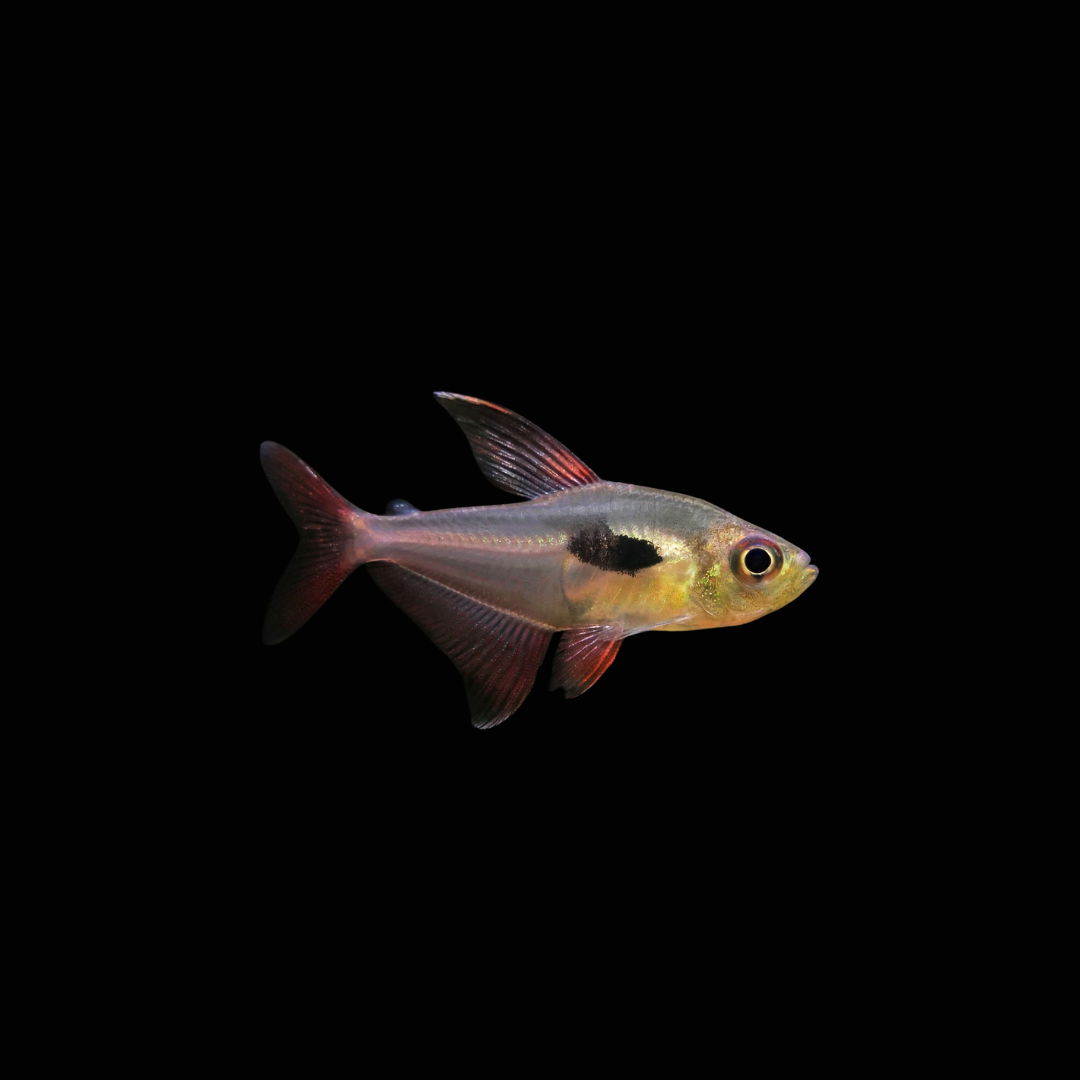
エピカリスは、南米アマゾン川およびオリノコ川水系の深奥部に生息する、小型カラシンの最高峰と称される熱帯魚です。1997年の新種記載以来、その圧倒的な希少性と優美なフォルムから、世界中のアクアリストにとって羨望の的となってきました。結晶のように透き通った体色に、淡いピンクやオレンジの染み出しが加わり、成熟したオスが背鰭と尻鰭を長くたなびかせて泳ぐ姿は、まさに芸術品のような美しさを誇ります。かつては図鑑の中だけの存在でしたが、近年では限定的ながら日本国内にも野生個体が流通するようになり、その真の魅力を自身の水槽で引き出す「飼い込み」の醍醐味を教えてくれる魚です。Epicharis is a small characin from the deep reaches of the Amazon and Orinoco basins, often hailed as the pinnacle of diamond-shaped tetras. Since its description in 1997, its overwhelming rarity and elegant form have made it a target of envy for aquarists worldwide. With a crystalline-transparent body tinged with soft pink or orange, and mature males trailing their elongated dorsal and anal fins, they possess an artistic beauty. Once known only through literature, wild specimens now occasionally reach the Japanese market, offering the joy of “cultivating” their true potential in the home aquarium.
ブラジル、コロンビア、ベネズエラの国境地帯(ネグロ川上流域、オリノコ川上流域など) / Border regions of Brazil, Colombia, and Venezuela (Upper Rio Negro and Upper Orinoco basins).
最大体長 / Max Size
約3.5センチから4センチ / Approx. 3.5 to 4 cm
寿命 / Lifespan
約3年から5年 / Approx. 3 to 5 years
飼育環境 / Aquarium Environment
水槽サイズ / Tank Size
45センチ規格水槽(約35リットル)以上、60センチ規格水槽推奨 / 45cm standard tank (approx. 35L) or larger; 60cm standard recommended.
水温 / Temperature
22度から28度(25度から26度前後が安定しやすい) / 22 to 28 degrees Celsius (25-26 degrees is stable and ideal).
水質 / Water Quality
弱酸性から中性の軟水(pH 5.0から7.0)。水質の安定が極めて重要。 / Soft water, slightly acidic to neutral (pH 5.0 to 7.0). Stability is paramount.
レイアウト / Layout
流木や少量の水草を配置し、黒色のバックスクリーンを使用すると体色がより鮮明に映える。 / Driftwood and sparse plants. A black background helps their colors pop visually.
注意点 / Precautions
導入初期のストレスに弱く、水合わせは慎重に行う必要がある。臆病な性格のため、十分な隠れ家を用意すること。 / Vulnerable to stress during acclimation. Provide ample hiding spots for their shy temperament.
餌と給餌 / Feeding
餌の種類 / Diet
人工飼料(フレーク、顆粒)、冷凍アカムシ、ブラインシュリンプ、活餌。 / Artificial food (flakes, pellets), frozen bloodworms, brine shrimp, and live food.
給餌のポイント / Feeding Tips
好き嫌いなく食べるが、一度に多く与えず少量ずつ回数を分けて与える。色揚げ効果のある餌も推奨される。 / They eat readily; feed small portions multiple times a day. Color-enhancing food is highly recommended.
性格と混泳 / Temperament and Tank Mates
性格 / Temperament
非常に温和で控えめ、かつ群れを作る本能が強い。 / Very peaceful, shy, and possesses a strong schooling instinct.
混泳の相性 / Compatibility
同サイズの温和な魚(他のテトラ類やコリドラスなど)と相性が良い。活発すぎる魚や大型魚との混泳は避ける。 / Good with similar-sized peaceful fish. Avoid overly active or large species.
病気と対策 / Diseases and Prevention
かかりやすい病気 / Common Diseases
白点病、尾腐れ病(主に輸送ストレスや導入直後の環境変化に起因する)。 / Ich (white spot disease) and fin rot, typically triggered by stress during transport or acclimation.
対策と予防 / Prevention
安定した水温維持と丁寧な水換え。新しく導入する際はトリートメント期間を設けるのが理想。 / Maintain stable temperatures and perform regular water changes. Quarantine new arrivals if possible.
増やし方(繁殖) / Breeding
雌雄の判別 / Sexing
オスは背鰭と尻鰭が著しく長く伸長する。メスはやや大型で、抱卵すると腹部がふっくらと丸みを帯びる。 / Males develop significantly longer dorsal and anal fins. Females are slightly larger with rounder bellies when gravid.
繁殖形態 / Reproduction
卵生(水中に卵をばら撒く散乱型)。 / Oviparous (egg-scattering in open water).
繁殖のポイント / Breeding Tips
水槽内での繁殖例は非常に稀。弱酸性の軟水環境を用意し、メスが主導する独特の求愛行動を促す必要がある。 / Extremely rare in aquaria. Requires soft, acidic water and encouraging the unique female-led courtship behavior.
雑学と豆知識 / Trivia and Fun Facts
1. 学名の由来に込められた賞賛 / 1. Praise in the Scientific Name
種小名の「epicharis」は、ギリシャ語で「喜ばしい」「魅力的な」「愛嬌のある」という意味を持っています。1997年にこの魚を記載した研究者たちは、その並外れた美しさを学術的にも表現するために、この特別な名前を選びました。魚類学の世界でも、その見た目の良さが公式に認められた稀有な例と言えるでしょう。The species name “epicharis” is derived from the Greek words for “delightful” or “charming.” The researchers who described it in 1997 intentionally chose this name to academically acknowledge its extraordinary aesthetic beauty.
2. 2024年の大きな分類学的ニュース / 2. Significant Taxonomical Update in 2024
長年ハイフェソブリコン属として知られてきましたが、2024年に発表された最新のDNA解析を含む包括的調査により、メガランフォドゥス属(Megalamphodus)へと移管されました。これにより、ロージーテトラなどの近縁種との系統的な繋がりがより明確になりました。私たちが慣れ親しんだ名前が、科学の進歩によって新しく更新された瞬間です。Long known as part of the Hyphessobrycon genus, a 2024 phylogenomic study moved this species to the Megalamphodus genus. This clarifies its evolutionary link to the rosy tetra clade, representing a major milestone in our scientific understanding of the species.
熱帯魚の多くはオスがメスを激しく追い回しますが、エピカリスは驚くべきことにメスが主導権を握る「メス主導」の社会構造を持っています。求愛の際、メスは複数のオスに対して支配的に振る舞い、その最中には体色をスモーキーな暗色へと劇的に変化させます。このミステリアスな行動は、本種ならではの観察の楽しみです。Unlike most tetras where males chase females, Epicharis exhibits a “female-dominant” social dynamic during courtship. The female takes the lead, often dominating multiple males while shifting her body color to a dramatic, smoky dark hue to signal readiness.
4. 日本のアクアリストを虜にする「飼い込み」 / 4. The Art of “Kaikomu” (Cultivation)
輸入直後の野生個体は、ストレスで色も抜け、ヒレがボロボロなことも少なくありません。しかし、日本のアクアリストはこれを「未完成の美」と捉えます。数ヶ月かけて環境に慣らし、良質な餌を与えることで、ヒレは脂鰭を越えるほど伸長し、本来の発色を取り戻します。この変貌プロセスこそが、エピカリスを飼育する最大の醍醐味なのです。Wild imports often arrive pale and with ragged fins due to stress. Japanese aquarists embrace this as “unfinished beauty.” Through months of dedicated care (Kaikomu), the fins grow past the adipose fin and the colors become vivid—this transformation is the true reward of keeping them.
まとめ / Conclusion
エピカリスは、その希少性と美しさにおいて、まさに「南米の宝石」と呼ぶにふさわしい存在です。臆病でデリケートな一面もありますが、適切な水質管理と愛情を持った飼育を続けることで、その魚が持つ本来のポテンシャルを最大限に引き出すことができます。The Epicharis tetra is truly a “Gem of South America” in both rarity and beauty. While they can be shy and delicate, proper water management and dedicated care will allow you to unlock the full potential of this magnificent species.
水槽の背面に黒いバックスクリーンを配し、ブラックウォーターの中で優雅に鰭を広げる「空飛ぶエピカリス」の姿を眺める時間は、アクアリストにとって至福のひとときとなるでしょう。この小さな生命がもたらす深い感動を、ぜひあなたの手で体験してください。Watching the “Flying Epicharis” expand its fins gracefully against a dark background in a blackwater setup is a moment of pure bliss for any aquarist. We hope you experience the profound joy that this tiny life can bring to your home.
【学術論文:分類・系統解析】
Melo, B. F., Sidlauskas, B. L., Near, T. J., & Oliveira, C. (2024).
Phylogenomics of the Characidae and the redefinition of Megalamphodinae.
(2024年の分子系統解析によるメガランフォドゥス属への再編に関する主要文献)
【学術論文:新種記載】[Scientific Description]
Weitzman, S. H., & Palmer, L. F. (1997).
Hyphessobrycon epicharis, a new species of characid fish from the Upper Rio Negro and Upper Orinoco rivers, Brazil and Venezuela.
Ichthyological Exploration of Freshwaters, 7(3): 209-242.
(エピカリスの原記載論文。)
【学術書籍:分類学全般】
Géry, J. (1977).
Characoids of the World.
TFH Publications.
(ロージーテトラ・クレードの定義に関する基礎文献)
【フィールド調査・写真資料】
Evers, H. G. (2000).
Field reports from Rio Miuá, Brazil.
(ハンス・ゲオルグ・エヴァース氏による野生個体の生息地調査および初の生体撮影記録)



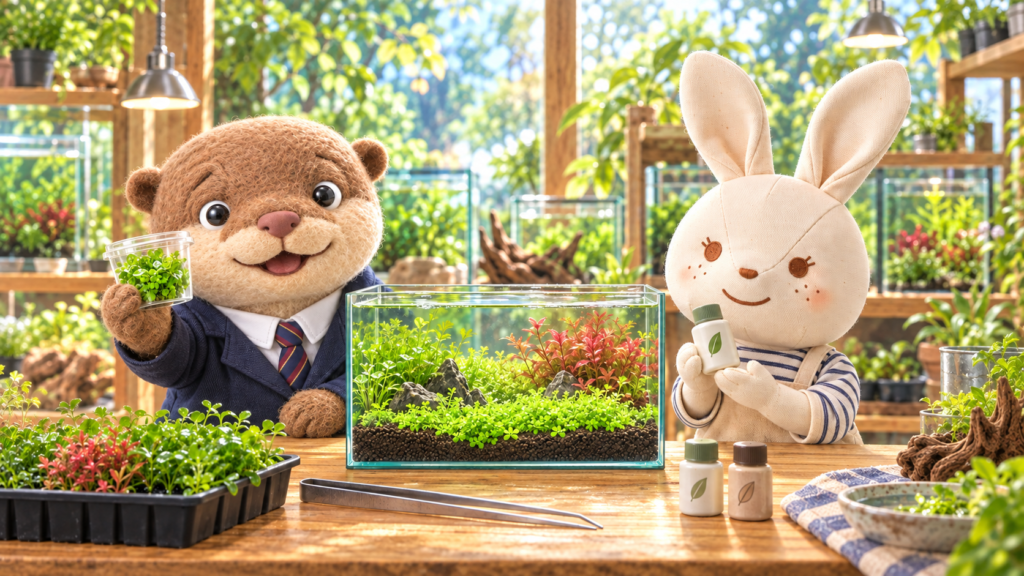 アイのアクアグッズ案内水草の肥料の選び方|底床用・液肥・メネデールの使い分け道具の特徴や使い方、選ぶときのポイントをアイが紹介します。記事はコチラ →
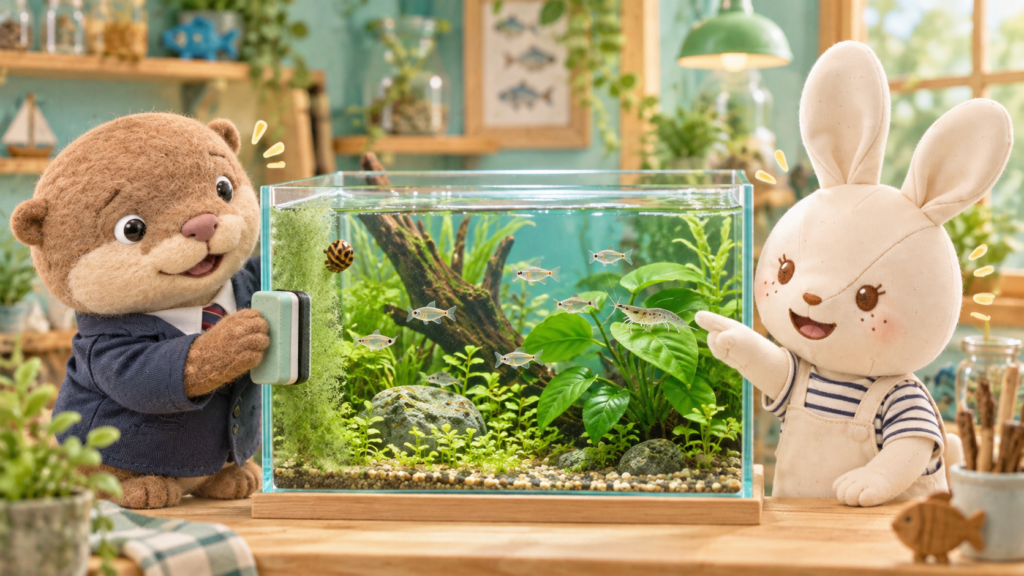 アイのアクアグッズ案内水槽のコケ掃除|道具の選び方とお掃除生体の得意・不得意道具の特徴や使い方、選ぶときのポイントをアイが紹介します。記事はコチラ →
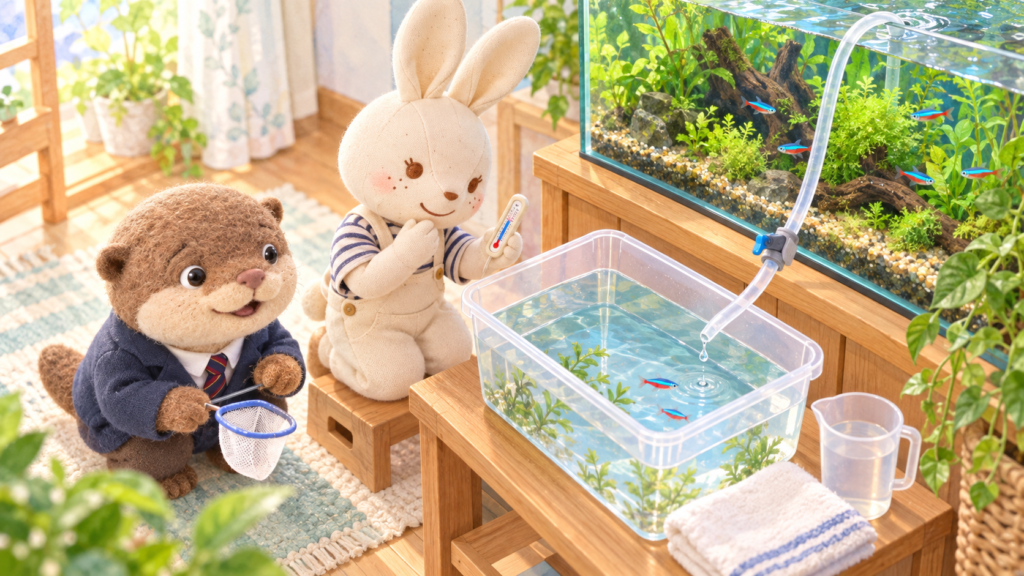 アイのアクアグッズ案内水合わせの道具とやり方|魚を迎える前にそろえたい容器・点滴キット・ネット買ってきた魚はすぐ水槽に入れていい? 水温合わせと水合わせの違いから、透明ケース・点滴キット・ネットの選び方、時間をかけすぎない注意点まで、アイとコタロウが紹介します。記事はコチラ →
 アイのアクアグッズ案内マジックリーフ物語|一枚の葉がアクアリウム用品になるまで道具の特徴や使い方、選ぶときのポイントをアイが紹介します。記事はコチラ →



コメント