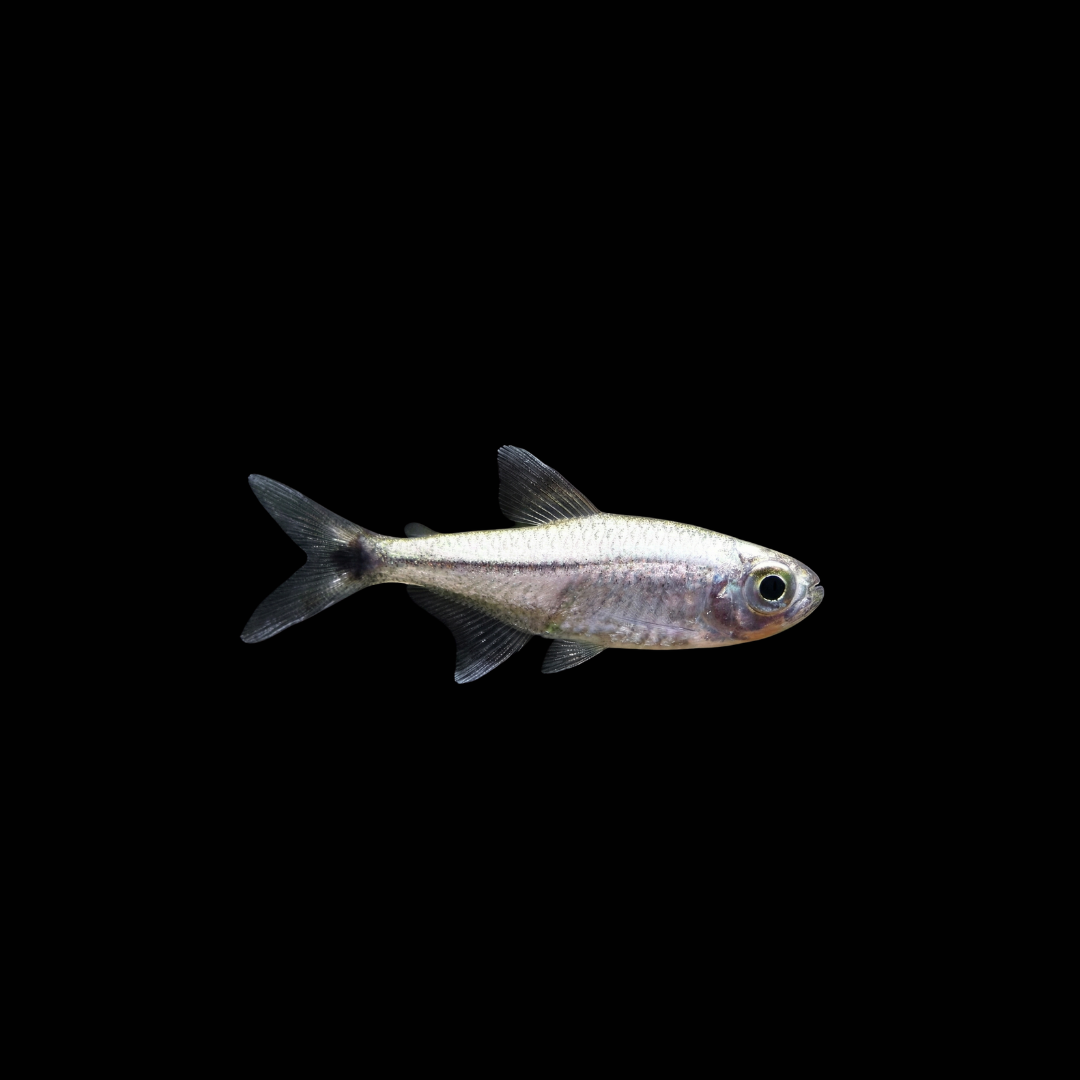
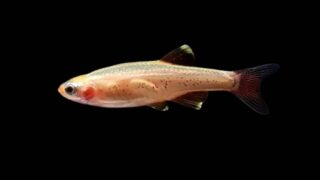
ヘミグラムス・アームストロンギィは、南米のガイアナやブラジルに生息する小型のカラシンです。観賞魚市場では「ゴールデンテトラ」の名で親しまれ、その全身を覆う眩い黄金色の金属光沢は、多くのアクアリストを魅了してきました。この独特な体色は遺伝的なものではなく、野生下で特定の吸虫(寄生虫)に感染した際に、魚の免疫反応によって分泌されるグアニン層が光を反射することで生まれます。飼育下で生まれた個体は黄金色にならないという不思議な生態を持ち、私たちが目にする黄金の輝きはすべてアマゾンの自然環境が育んだ一点ものです。Hemigrammus armstrongi is a small characin native to Guyana and Brazil in South America. Known in the aquarium trade as the Golden Tetra, its dazzling metallic gold luster covering the entire body has fascinated many aquarists. This unique coloration is not genetic but is created by a layer of guanine secreted as an immune response to a specific trematode parasite in the wild. Individuals bred in captivity do not develop this golden color, meaning every golden glow we see is a unique product of the natural Amazonian environment.
南米:ガイアナ、スリナム、フランス領ギアナ、ブラジル、ペルーのアマゾン川・オリノコ川水系South America: Coastal rivers of Guyana, Suriname, French Guiana, and the Amazon and Orinoco basins in Brazil and Peru.
最大体長 / Max Size
約5.5cmApproximately 5.5 cm (2.2 inches)
寿命 / Lifespan
約3〜5年About 3 to 5 years
飼育環境 / Aquarium Environment
水槽サイズ / Tank Size
60cm規格水槽(約60リットル)以上を推奨。群泳を好むため、余裕のあるサイズが理想的です。A 60cm standard tank (approx. 60 liters) or larger is recommended. Since they prefer schooling, a spacious tank is ideal.
水温 / Temperature
24度 〜 28度24 to 28 degrees Celsius (75 to 82 degrees Fahrenheit)
水質 / Water Quality
pH 5.5 〜 7.0(弱酸性から中性)、軟水(1 〜 12dGH)。低pHのブラックウォーター環境を好みます。pH 5.5 to 7.0 (mildly acidic to neutral), soft water (1 to 12 dGH). They prefer low-pH blackwater environments.
レイアウト / Layout
流木や落ち葉(マジックリーフ等)を配し、薄暗い環境を作ると落ち着きます。前面には十分な遊泳スペースを確保してください。Arranging driftwood and leaf litter (such as Indian Almond leaves) to create a dim environment helps them feel secure. Ensure plenty of open swimming space in the foreground.
注意点 / Precautions
非常に臆病な性質のため、必ず10匹以上のまとまった群れで飼育してください。少数だと物陰に隠れて出てこなくなることがあります。Due to their timid nature, always keep them in a group of at least 10 individuals. In smaller numbers, they may hide and rarely venture out.
餌と給餌 / Feeding
餌の種類 / Diet
人工飼料(フレーク、マイクロペレット)、冷凍赤虫、ミジンコ、ブラインシュリンプなどの生餌・冷凍餌。Dry foods (flakes, micro pellets), and live or frozen foods such as bloodworms, daphnia, and brine shrimp.
給餌のポイント / Feeding Tips
雑食性で何でもよく食べますが、口が小さいため、食べやすいサイズの餌を選んでください。栄養バランスを考え、数種類の餌を組み合わせるのが理想的です。They are omnivorous and accept most foods, but because their mouths are small, choose appropriate bite-sized food. It is ideal to combine several types of food for balanced nutrition.
性格と混泳 / Temperament and Tank Mates
性格 / Temperament
温和で平和主義ですが、非常に警戒心が強いです。Peaceful and gentle, but very cautious and wary.
混泳の相性 / Compatibility
他の小型カラシンやコリドラス、ドワーフシクリッドなど、サイズが近く温和な魚種との混泳に最適です。大型魚や気性の荒い魚との混泳は避けてください。Perfect for community tanks with similar-sized, peaceful species like other small characins, Corydoras, or dwarf cichlids. Avoid keeping them with large or aggressive fish.
病気と対策 / Diseases and Prevention
かかりやすい病気 / Common Diseases
白点病、尾腐れ病。特に導入直後や水質急変時のストレスによって発症しやすくなります。Ich (White Spot Disease) and Fin Rot. They are particularly susceptible following introduction to a new tank or during stress from sudden water quality changes.
対策と予防 / Prevention
導入時の丁寧な水合わせと、トリートメント期間を設けることが重要です。安定した水質と適切な水温維持が最大の予防策となります。Careful acclimatization during introduction and providing a quarantine period are crucial. Maintaining stable water quality and appropriate temperature is the best preventive measure.
増やし方(繁殖) / Breeding
繁殖形態 / Reproduction
卵生。水草の茂みなどに卵をバラまく「バラまき型」の産卵形態をとります。Egg-scatterer. They scatter their eggs among dense vegetation or spawning mops.
繁殖のポイント / Breeding Tips
極軟水と弱酸性の水質が必須です。親魚が卵を食べてしまうため、産卵後は親魚を隔離するか、卵を保護するネットを底に敷く工夫が必要です。Extremely soft and acidic water is essential. Since the parents may eat their eggs, it is necessary to remove the parents after spawning or use a protective mesh on the tank bottom.
雑学と豆知識 / Trivia and Fun Facts
1. 黄金色を生み出す「寄生」という魔法1. The Magic of Parasitism Creating the Golden Hue
この魚の最大の特徴である黄金色は、実は病理学的な防御反応の結果です。野生下で吸虫(メタセルカリア)が皮膚に侵入すると、魚は身を守るために「グアニン」という物質を分泌して寄生虫を包み込みます。このグアニンの結晶層が多層膜干渉という光学現象を引き起こし、私たちの目には眩い黄金の輝きとして映るのです。つまり、水槽内で生まれた個体にはこの「外部刺激」がないため、通常の銀色の魚として成長します。The golden color, the fish’s most striking feature, is actually the result of a pathological defense response. In the wild, when trematode larvae (metacercariae) penetrate the skin, the fish secretes guanine to encyst the parasite as a defense mechanism. This crystalline layer of guanine causes an optical phenomenon called multilayer interference, which appears to our eyes as a dazzling golden glow. Consequently, individuals born in home aquariums without this external stimulus grow up to be ordinary silver fish.
2. 宿主操作のミステリー2. The Mystery of Host Manipulation
進化生態学の視点で見ると、この黄金色には恐ろしい側面があります。黄金に輝くことで、魚は濁った水の中でも鳥などの天敵から非常に見つけやすくなってしまいます。これは寄生虫側が、最終的な目的地である鳥の体内へ辿り着くために、わざと魚を目立たせて「食べられやすくしている」と考えられています。魚自身の防御反応が、皮肉にも捕食リスクを高めてしまうという、自然界の複雑なパラドックスが隠されているのです。From an evolutionary ecology perspective, this golden color has a dark side. By shining gold, the fish becomes highly visible to predators like birds, even in murky water. It is believed that the parasite intentionally makes the fish stand out to increase its chances of being eaten, allowing the parasite to reach its final host—the bird. This hides a complex paradox of nature where the fish’s own defense mechanism ironically increases its risk of predation.
3. 「アームストロンギィ」は幻の名前?3. Is “armstrongi” a Ghost Name?
かつて本種は独立した種「ヘミグラムス・アームストロンギィ」として記載されましたが、現在では「ヘミグラムス・ロドウェイ」のシノニム(同種異名)として統合されています。当初、別の種類だと思われていたのは、黄金色の個体があまりにも通常のロドウェイと外見が異なっていたためです。科学が発達し、この体色が後天的なものであると判明したことで、分類学的な整理が行われました。しかし、アクアリウムの世界では今でも歴史的な敬意を込めてこの名前が使われ続けています。Although it was once described as a separate species, Hemigrammus armstrongi, it is now integrated as a synonym for Hemigrammus rodwayi. Initially, they were thought to be different species because the golden individuals looked so strikingly different from ordinary H. rodwayi. As science progressed and it was discovered that this coloration was acquired, the taxonomy was revised. However, in the aquarium world, the name is still used today out of historical respect.
4. 日本市場でのユニークな流通構造4. Unique Distribution Structure in the Japanese Market
一般的に小型テトラの多くは東南アジアで養殖されていますが、黄金色のゴールデンテトラに関しては、ほぼ100%が南米からのワイルド(野生採集)個体です。理由は前述の通り、養殖場では黄金色にならないため商品価値が維持できないからです。私たちが日本のショップで手にする一匹一匹は、地球の裏側のアマゾン川から運ばれてきた、自然の営みの結晶そのものなのです。While many small tetras are mass-bred in Southeast Asia, nearly 100% of golden-colored Golden Tetras are wild-caught from South America. As mentioned, they do not turn gold in breeding farms, so their commercial value cannot be maintained. Every single fish we find in Japanese shops is a crystallization of natural processes, brought all the way from the Amazon River on the other side of the planet.
まとめ / Conclusion
ヘミグラムス・アームストロンギィは、その美しさの背景に「寄生と共生」という深い物語を秘めた、非常に知的好奇心を刺激する魚です。飼育自体は決して難しくありませんが、彼らの臆病な性質を理解し、たっぷりと群れで泳がせてあげることが、その輝きを最大限に引き出す秘訣となります。Hemigrammus armstrongi is a fish that stimulates intellectual curiosity, hiding a deep story of “parasitism and symbiosis” behind its beauty. While the care itself is not overly difficult, understanding their timid nature and allowing them to swim in large schools is the secret to bringing out their maximum brilliance.
南米のブラックウォーターを再現した水槽で、木漏れ日のような光に反射して黄金の群れが煌めく様子は、まさに動く宝石箱のようです。ぜひ、このアマゾンが生んだ神秘の輝きを、あなたのアクアリウムに迎えてみてはいかがでしょうか。In a tank recreating the blackwater of South America, the sight of a golden school shimmering in light like sunbeams through leaves is truly like a moving jewelry box. Why not welcome this mysterious brilliance born in the Amazon into your own aquarium?
Scientific Paper / TaxonomyDurbin, M. L. (1909). Reports on the expedition to British Guiana of the Indiana University and the Carnegie Museum, 1908. Report No. 2. A new genus and twelve new species of tetragonopterid characins. Annals of the Carnegie Museum, 6(1), 55-72.
Historical / Aquarium LiteratureSchultz, L. P., & Axelrod, H. R. (1955). The golden tetra, a new species of Hemigrammus from British Guiana. Tropical Fish Hobbyist, 3(3), 4-7.
Genomics / Molecular BiologyXu, X., et al. (2022). The complete mitochondrial genome of the golden tetra Hemigrammus armstrongi (Characiformes: Characidae). Mitochondrial DNA Part B, 7(1), 123-125. DOI: 10.1080/23802359.2021.2014413. (GenBank: MW742324)
Conservation StatusIUCN. (2024). Hemigrammus rodwayi (Least Concern). The IUCN Red List of Threatened Species. https://www.iucnredlist.org/
Parasitology / PathologyRossiter, A. (1991). The cause of the golden coloration in the golden tetra, Hemigrammus rodwayi. Tropical Fish Hobbyist, 39(12), 104-105.
Biophysics / Structural ColorNagaoka, R., et al. (2000). Mechanism of the change in structural color of the neon tetra, Paracheirodon innesi. Journal of Experimental Biology, 203(1), 7-14.



 アイのアクアグッズ案内コリドラスのもふもふ時間を楽しむ|餌・底砂・お掃除用品の選び方コリドラスのもふもふする食事風景を楽しむために。沈む餌2種類の違い、口元に配慮した底砂、食べ残しを回収する道具を、アクアグッズナビゲーターのアイが紹介します。記事はコチラ →
 アイのアクアグッズ案内海水魚の底砂の選び方|サンゴ砂・ライブサンドとおすすめ商品道具の特徴や使い方、選ぶときのポイントをアイが紹介します。記事はコチラ →
 アイのアクアグッズ案内水草用ライトの選び方|緑の絨毯と赤い水草を楽しむ照明・植栽用品道具の特徴や使い方、選ぶときのポイントをアイが紹介します。記事はコチラ →
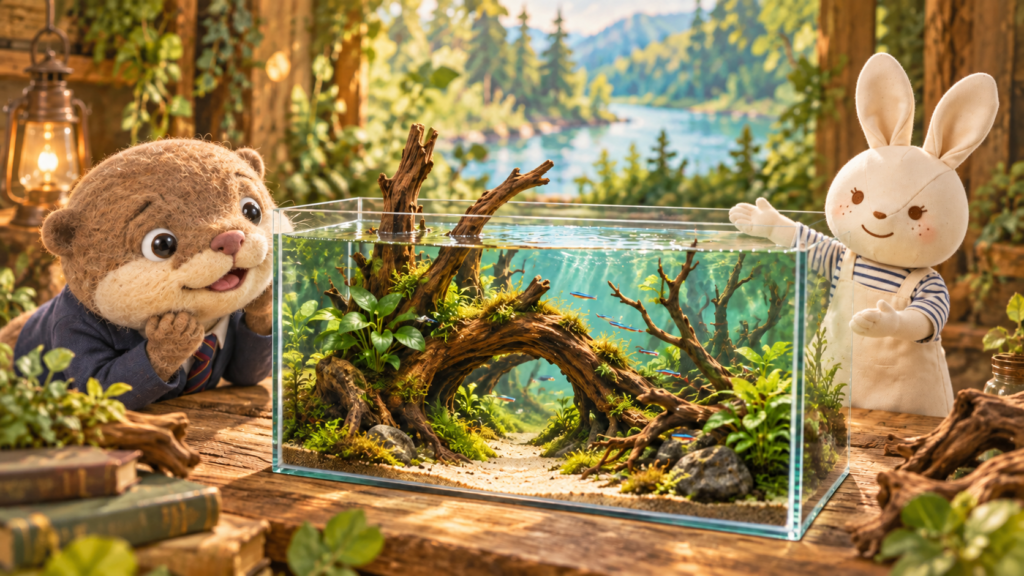 アイのアクアグッズ案内水槽の流木の選び方|枝・マングローブ・アク抜きとおすすめ商品水槽に小さな森を作る流木。枝流木やマングローブという名前の違いから、魚の隠れ家、水草の取り付け、浮く・水が茶色くなるときの準備まで、アイとコタロウが商品とともに案内します。記事はコチラ →



コメント