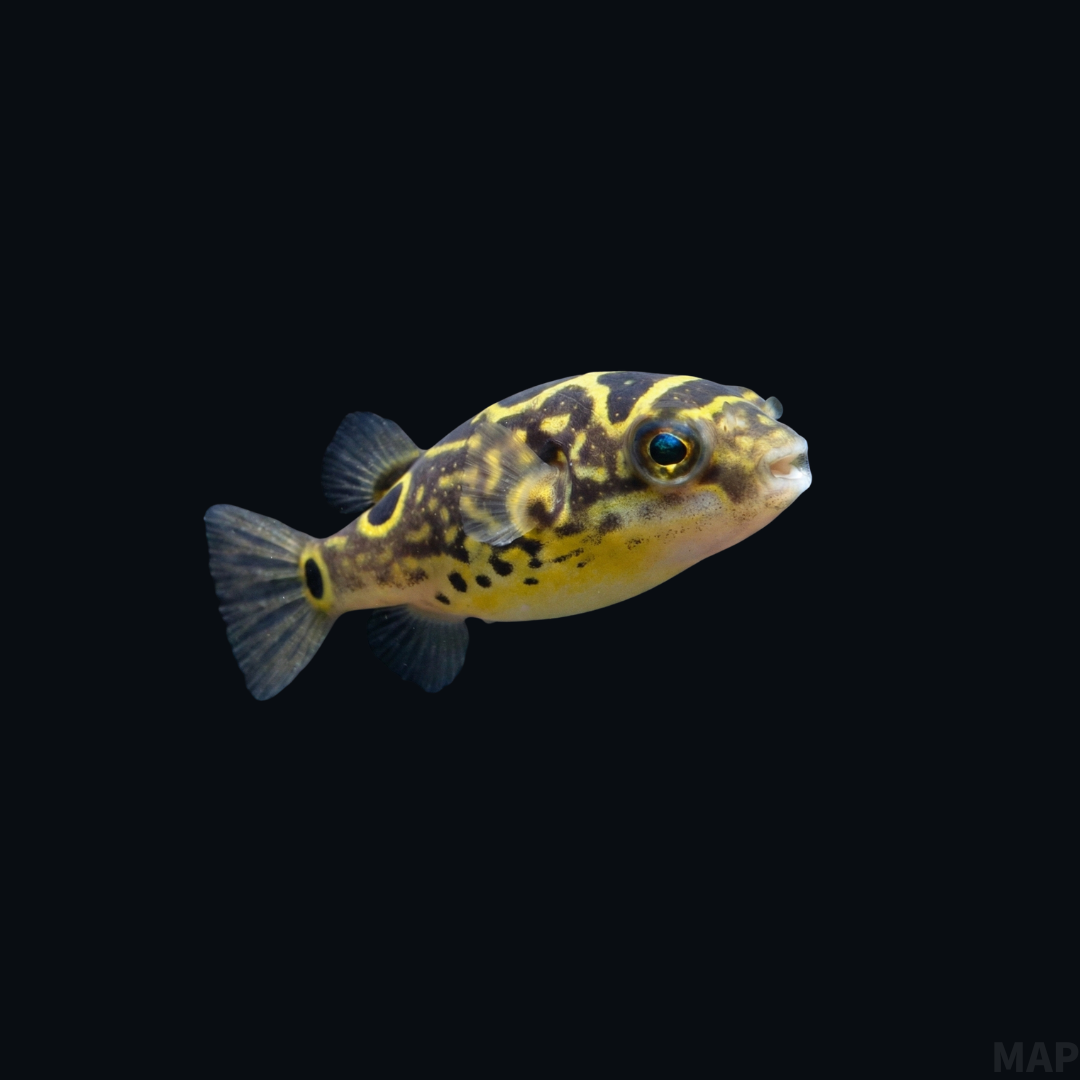
ハチノジフグは、その背中に描かれた鮮やかな黄色のラインと、名前の由来にもなった「8」の字模様がトレードマークの愛らしいフグです。東南アジアの河川下流域を故郷とする彼らは、まるで水中の子犬のような人懐っこさと高い知能を持っており、飼い主の顔を覚えて餌をねだる姿は多くのアクアリストを魅了してやみません。古くから「入門種」として親しまれていますが、実は非常に長寿で、適切な環境下では15年以上も生きるパートナーとなります。彼らの健康を守り、その愛くるしい姿を長く楽しむためには、彼らが本来生息している「汽水環境」を再現し、独特な「歯」のケアを行うことが鍵となります。The Figure 8 Puffer is an adorable pufferfish, trademarked by the vivid yellow lines on its back and the figure-eight pattern that gives it its name. Native to the lower river basins of Southeast Asia, they possess a puppy-like friendliness and high intelligence, often charming aquarists by recognizing their owners and begging for food. Although long considered a “beginner species,” they are actually quite long-lived, capable of being your partner for over 15 years in the right environment. The key to protecting their health and enjoying their charming presence for a long time lies in recreating their native “brackish water environment” and providing specific care for their unique “teeth.”
東南アジア(ベトナム、カンボジア、マレーシア、インドネシアなどのメコン川流域やボルネオ島)Southeast Asia (Mekong River basin, Borneo, Sumatra, etc.)
最大体長 / Max Size
約 6 – 8 cmApprox. 6 – 8 cm
寿命 / Lifespan
15年以上(適切な汽水飼育下において)15+ years (under proper brackish conditions)
飼育環境 / Aquarium Environment
水槽サイズ / Tank Size
60cm規格水槽(約60L)以上を推奨。小型種ですが活動量が非常に多く水を汚しやすいため、30cmキューブ等の小型水槽での長期飼育は困難です。1匹につき約60リットルの水量を確保することが理想的です。60cm standard tank (approx. 60L) or larger is recommended. Although small, they are very active and produce a lot of waste, making long-term care in small tanks like 30cm cubes difficult. Ideally, provide about 60 liters of water per fish.
水温 / Temperature
24 – 28℃
水質 / Water Quality
弱アルカリ性(pH 7.5 – 8.5)、低比重汽水(比重 1.005 – 1.008)。海水の約1/4〜1/3程度の塩分濃度が、彼らの生理機能に最も適しており、寿命を延ばし病気を防ぐ秘訣です。人工海水を使用して調整します。Weakly alkaline (pH 7.5 – 8.5), Low-end brackish water (SG 1.005 – 1.008). A salinity of about 1/4 to 1/3 of seawater is best for their physiology, extending their lifespan and preventing disease. Use artificial sea salt to adjust.
レイアウト / Layout
底砂にはpHを安定させるサンゴ砂の使用が適しています。彼らは好奇心が旺盛で退屈を嫌うため、流木や岩などで複雑な地形を作り、探索できる隠れ家を用意するとストレス軽減になります。Coral sand is suitable for the substrate to stabilize pH. As they are curious and dislike boredom, creating complex terrain with driftwood and rocks to explore and hide in will reduce stress.
注意点 / Precautions
アンモニアや亜硝酸への耐性が低いため、濾過能力の高いフィルター(外部式や上部式)が必要です。また、驚くと水を吸って膨らみますが、空気を吸い込むと転覆して死に至る危険があるため、移動時は網ですくわず、水ごと容器で移動させてください。They have low tolerance for ammonia and nitrite, so a high-capacity filter (canister or top filter) is necessary. Also, avoid netting them out of water as inhaling air when puffing up can be fatal; always transfer them underwater using a container.
餌と給餌 / Feeding
餌の種類 / Diet
肉食性です。冷凍クリル(オキアミ)や赤虫を好みますが、最も重要なのは「殻付きの餌」です。冷凍アサリ、シジミ、スネール(巻貝)などを殻ごと与えることは、栄養摂取だけでなく、伸び続ける歯を削るために必須です。Carnivorous. They like frozen krill and bloodworms, but “shelled food” is most important. Giving frozen clams, shijimi clams, and snails with their shells is essential not only for nutrition but also for grinding down their ever-growing teeth.
給餌のポイント / Feeding Tips
柔らかい餌ばかり与えていると歯が伸びすぎて口が開かなくなり(不正咬合)、餓死する恐れがあります。定期的に硬い殻を噛み砕かせましょう。成魚は肥満になりやすいため、給餌は1〜2日に1回とし、食べ残しはすぐに取り除いて水質悪化を防ぎます。Feeding only soft foods can lead to overgrown teeth (malocclusion), preventing them from opening their mouths and potentially causing starvation. Let them crush hard shells regularly. Adults are prone to obesity, so feed once every 1-2 days and remove leftovers immediately.
性格と混泳 / Temperament and Tank Mates
性格 / Temperament
個体差が非常に激しい魚です。温厚な個体もいれば、他魚のヒレを執拗にかじる(フィン・ニッピング)個体もいます。一般的にはミドリフグよりは温和とされますが、気性の荒い面も持っています。Personality varies greatly by individual. Some are mild, while others persistently nip fins. Generally considered milder than Green Spotted Puffers, but they can still be aggressive.
混泳の相性 / Compatibility
同種間では、十分なスペースと隠れ家があれば混泳可能です。他種との混泳は、同じ汽水環境に適応できるバンブルビーゴビーなどが候補になりますが、ヒレの長い魚や動きの遅い魚は格好の標的となるため避けてください。With enough space and hiding spots, keeping them with their own kind is possible. For other species, Bumblebee Gobies that adapt to the same brackish environment are candidates, but avoid long-finned or slow-moving fish as they become easy targets.
病気と対策 / Diseases and Prevention
かかりやすい病気 / Common Diseases
白点病、歯の過伸長(不正咬合)、拒食、腹部の黒化(ストレスや体調不良のサイン)。特に導入直後や水質が不安定な時期に白点病にかかりやすい傾向があります。Ich (White spot), overgrown teeth, refusal to eat, and darkening of the belly (sign of stress or illness). They are particularly prone to Ich immediately after introduction or when water quality is unstable.
対策と予防 / Prevention
何よりも安定した「汽水環境」を維持することが最大の予防です。純淡水での長期飼育は免疫力を低下させます。また、購入時に痩せている個体は内部寄生虫のリスクがあるため避け、太った元気な個体を選びましょう。Maintaining a stable “brackish environment” is the best prevention. Long-term care in pure freshwater lowers immunity. Also, avoid skinny individuals when purchasing as they may have internal parasites; choose plump, active ones.
増やし方(繁殖) / Breeding
繁殖形態 / Reproduction
ばら撒き型産卵(Scatterer)。基質に産み付けるタイプとは異なり、粘着性のある卵を水中にばら撒きます。親は卵の世話をしません。Egg scatterer. Unlike substrate spawners, they scatter adhesive eggs into the water column. Parents do not care for the eggs.
繁殖のポイント / Breeding Tips
飼育下での繁殖難易度は極めて高いです。雌雄の判別が困難である上、孵化した稚魚の口が非常に小さく、一般的な初期飼料(ブラインシュリンプ)を食べられないため、微細な汽水性プランクトンの培養が必要となります。一般家庭での成功例は稀です。Breeding in captivity is extremely difficult. Sexing is hard, and the hatched larvae have tiny mouths, unable to eat standard starter feeds like brine shrimp, requiring the culture of microscopic brackish plankton. Success in home aquariums is rare.
雑学と豆知識 / Trivia and Fun Facts
1. 学名の変更と分類の歴史 / 1. Taxonomy Change
かつてハチノジフグは「Tetraodon biocellatus」という学名で知られていました。しかし、近年の遺伝子解析により、アフリカ産の純淡水フグとは進化の道筋が異なることが判明し、新たに復活した「Dichotomyctere(ディコトミクテレ)属」へと分類が変更されました。この変更は、彼らが海由来のフグに近い性質を持っていることを裏付けており、汽水飼育の重要性を示す科学的な根拠の一つとなっています。Previously known as “Tetraodon biocellatus”, recent genetic analysis revealed they are evolutionarily distinct from African freshwater puffers. They have been reclassified into the resurrected genus “Dichotomyctere”. This change supports their affinity with marine puffers, providing a scientific basis for the importance of brackish water care.
2. 究極の歯科ケア / 2. Ultimate Dental Care
フグの仲間は「板状の歯」を持っており、これは一生伸び続けます。自然界では硬い貝や甲殻類を噛み砕くことで自然に歯が削れていますが、飼育下で柔らかい餌ばかり食べていると、歯が伸びすぎて口が閉じられなくなる深刻な状態に陥ります。これを防ぐために、彼らにとって貝殻を噛み砕く音は、健康で長生きするための「命の音」なのです。Puffers have beak-like teeth that grow continuously. In nature, crushing hard shells keeps them trimmed. In captivity, soft diets lead to overgrown teeth. For them, the sound of crunching shells is the sound of life, essential for their health and longevity.
3. 淡水か、汽水か? / 3. Freshwater or Brackish?
野生のハチノジフグは淡水域まで遡上することもありますが、それは一時的なものです。彼らの体は、海水より薄く淡水より濃い「汽水」の浸透圧に適応しており、この環境下で最もエネルギー消費を抑え、免疫力を維持できます。純淡水でも飼育は可能ですが、短命に終わることが多く、15年という本来の寿命を全うさせるには、比重1.005前後の汽水環境が最適解とされています。While wild ones venture into freshwater, their bodies are adapted to the osmotic pressure of brackish water. In this environment, they minimize energy loss and maintain immunity. Pure freshwater care is possible but often shortens their life. To reach their full 15-year potential, brackish water around SG 1.005 is the optimal solution.
まとめ / Conclusion
ハチノジフグは、単なる小さな熱帯魚ではなく、犬や猫のように飼い主と心を通わせることができる特別なパートナーです。彼らを健康に、そして長生きさせるための秘訣は、海水の1/4程度の「汽水」を用意すること、そして「硬い餌」で歯のケアをしてあげることの2点に集約されます。Figure 8 Puffers are not just small tropical fish; they are special partners that can bond with their owners like dogs or cats. The secrets to keeping them healthy and long-lived boil down to two points: providing “brackish water” (about 1/4 seawater strength) and caring for their teeth with “hard food”.
少しの手間をかけて整えた環境の中で、彼らはその愛嬌たっぷりの瞳であなたを見つめ返し、10年以上にわたって素晴らしい癒やしと発見を与えてくれることでしょう。In an environment prepared with a little extra effort, they will gaze back at you with those charming eyes, providing wonderful comfort and discovery for over a decade.


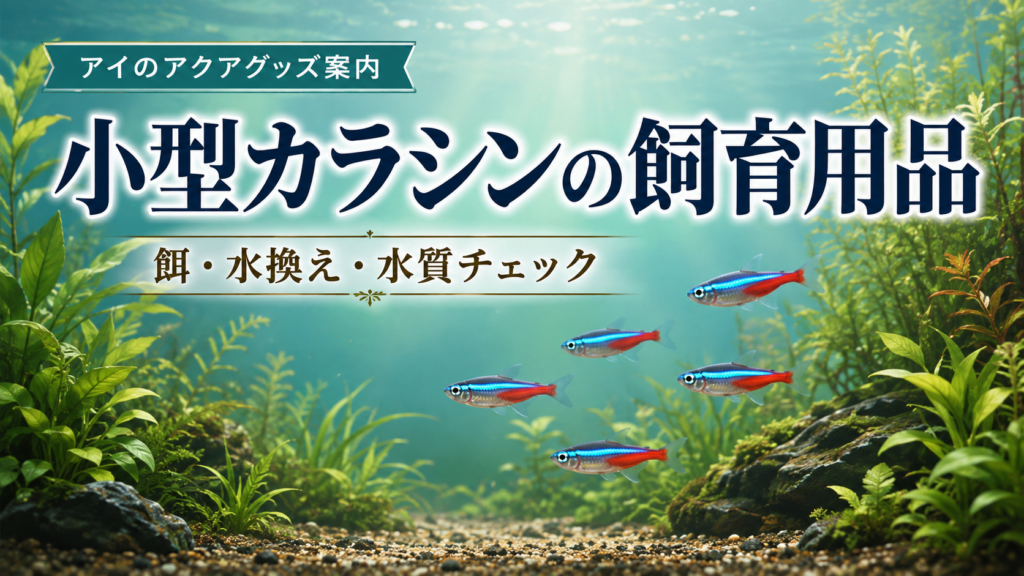 アイのアクアグッズ案内小型カラシンの群れを楽しむ|餌と水換えから考える飼育用品ガイド小型カラシンの群れを眺める時間を、もっと楽しく。泳ぐ余白、餌の食べ方、続けやすい水換えを軸に、日本で揃えやすい用品の選び方を紹介します。記事はコチラ →
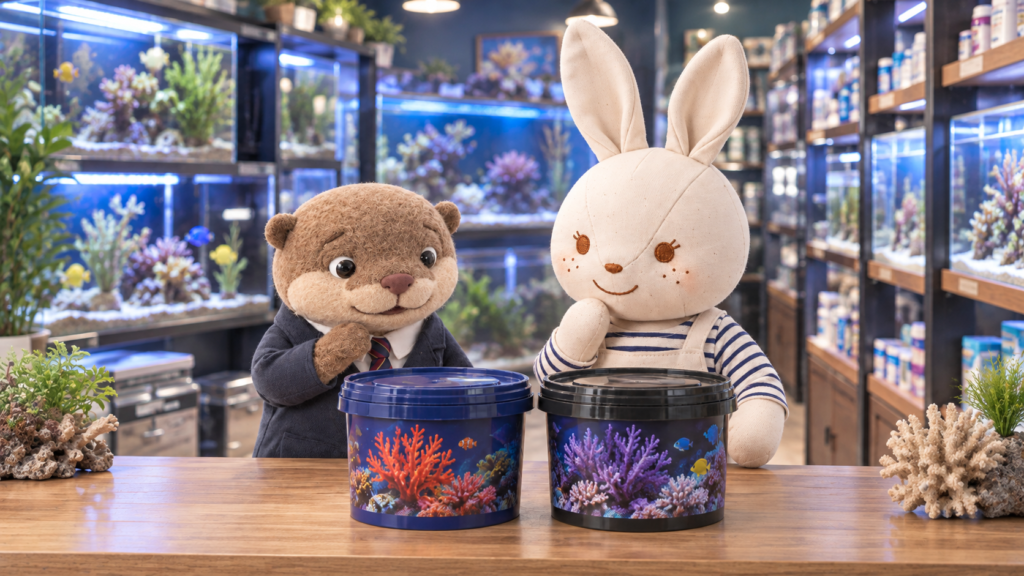 アイのアクアグッズ案内ショップで見かけるカラフルなバケツ。いったい何が入ってる?道具の特徴や使い方、選ぶときのポイントをアイが紹介します。記事はコチラ →
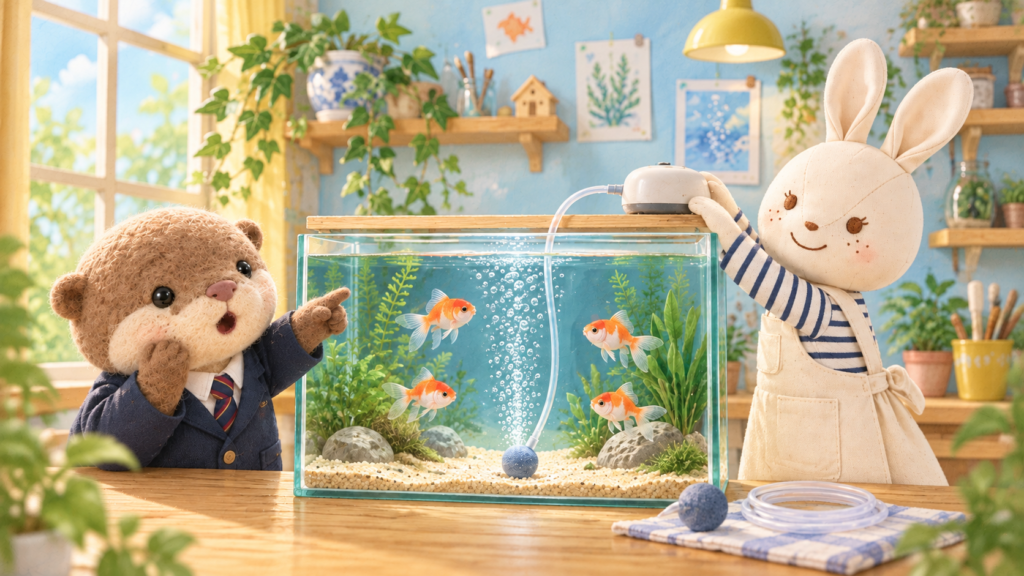 アイのアクアグッズ案内水槽のエアーポンプの選び方|水深・音・泡で選ぶおすすめ用品道具の特徴や使い方、選ぶときのポイントをアイが紹介します。記事はコチラ →
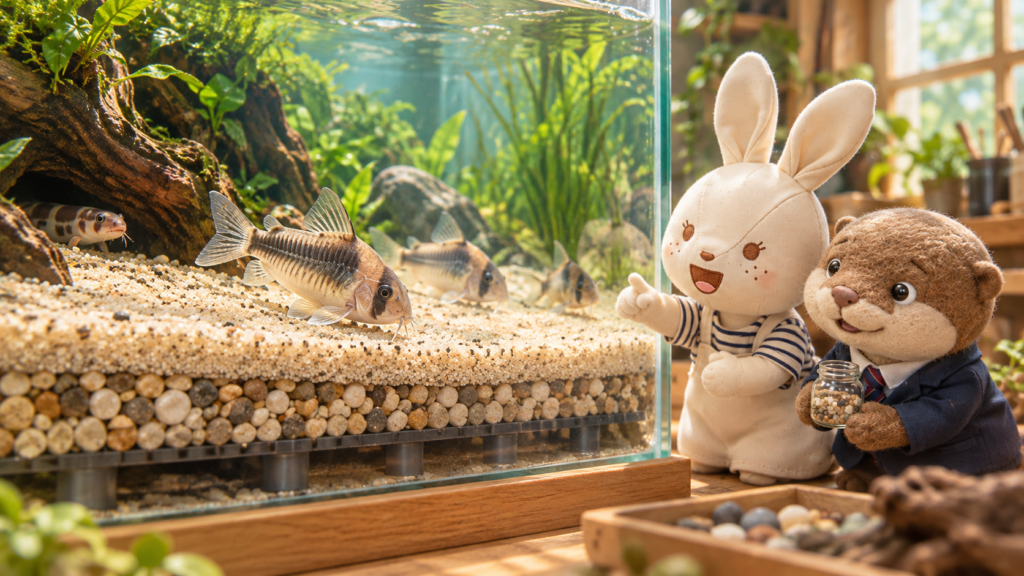 アイのアクアグッズ案内水槽の底砂の選び方|砂・砂利の違いとおすすめ商品道具の特徴や使い方、選ぶときのポイントをアイが紹介します。記事はコチラ →



コメント