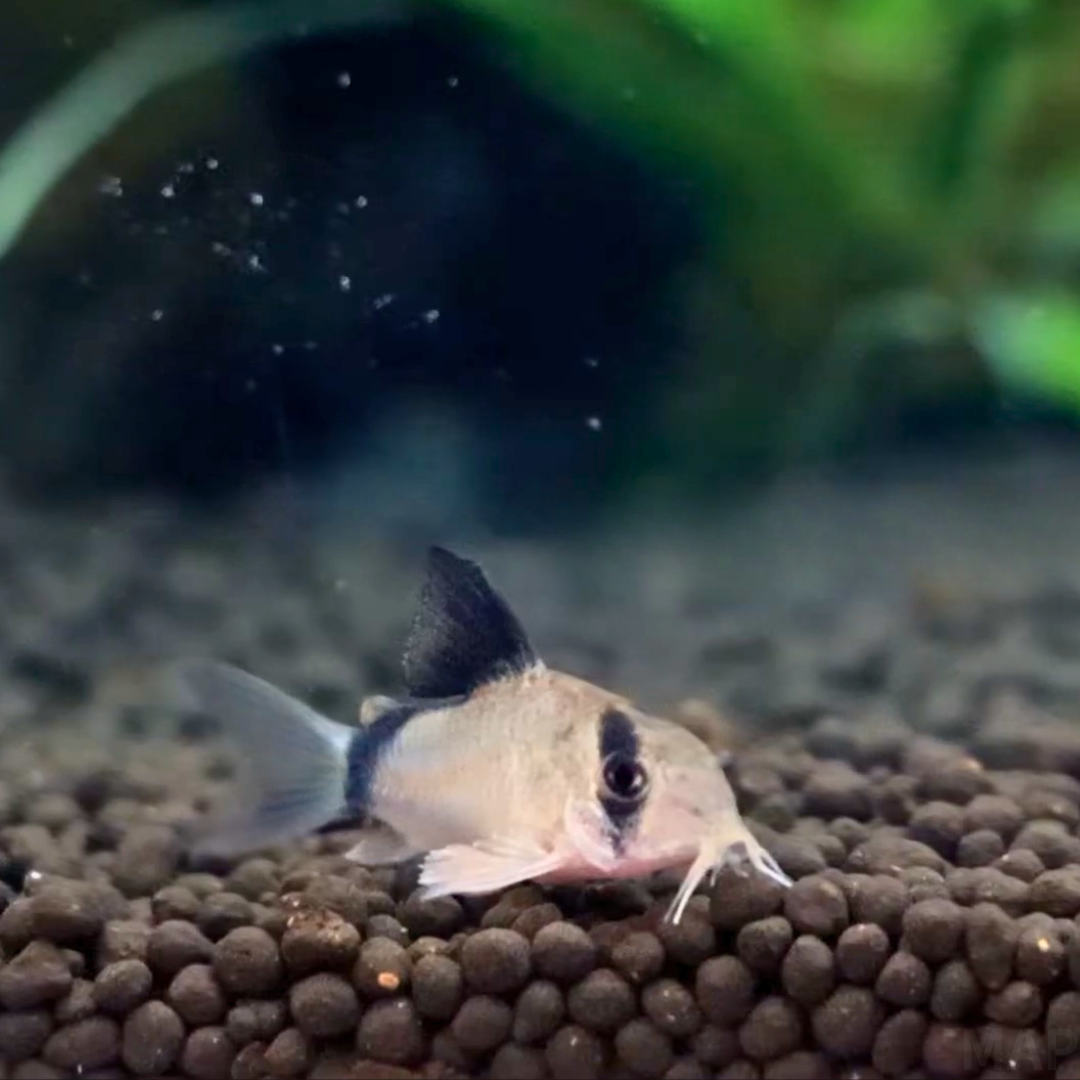
コリドラス・メタエは、南米コロンビアのメタ川流域にのみ生息する、カリクティス科の小型ナマズです。その最大の特徴は、目の周りを横断する鮮やかな黒い帯状の模様にあり、この姿から「バンディット・コリ(盗賊のコリドラス)」という愛称で世界中のファンに親しまれています。肌色に近い淡いピンクホワイトの体色に、背びれから尾筒にかけて流れるような黒いラインが刻まれた姿は非常に気品があり、水槽の底層を彩る主役として申し分ない魅力を備えています。非常に穏和な性格で、他の魚と争うことなく砂を掘り返して餌を探す姿は、見る者の心を癒やしてくれます。Corydoras metae is a small catfish from the Family Callichthyidae, endemic to the Meta River basin in Colombia. Its most prominent feature is the striking black band across the eyes, which earned it the common name Bandit Cory. With a pale pinkish-white body and a bold black stripe running from the dorsal fin to the caudal peduncle, this species offers a refined aesthetic as a bottom dweller. Their peaceful temperament and charming behavior of sifting through sand for food make them a beloved choice for aquarists worldwide.
コロンビア:オリノコ川水系メタ川(メタ川上流域の固有種)Colombia: Meta River basin, Orinoco system (Endemic to the upper Meta River).
最大体長 / Max Size
約4.8cm ~ 5.0cmApproximately 4.8cm to 5.0cm (1.9 to 2.0 inches).
寿命 / Lifespan
約3年 ~ 5年(飼育環境により変動)About 3 to 5 years depending on the environment.
飼育環境 / Aquarium Environment
水槽サイズ / Tank Size
45cm規格水槽以上(推奨:60cm規格水槽 / 約60リットル以上)Minimum 45cm tank, though a 60cm standard tank (approx. 60L) is recommended for a group.
水温 / Temperature
22°C ~ 26°C(日本の夏季は高水温に注意し、冷却対策が必要です)22°C to 26°C (71.6°F to 78.8°F). Cooling is necessary during Japanese summers.
水質 / Water Quality
pH 6.0 ~ 7.5(弱酸性から中性)。軟水を好みます。pH 6.0 to 7.5 (slightly acidic to neutral). Prefers soft water.
レイアウト / Layout
角のない細かな田砂などの底砂、流木、水草。隠れ家を用意してください。Smooth, fine sand (like Tasuna), driftwood, and live plants. Provide plenty of hiding spots.
注意点 / Precautions
底床を清潔に保つこと。鋭い砂は触髭(口元のヒゲ)を傷つけ感染症の原因になります。Maintain a clean substrate. Sharp gravel can damage their barbels and lead to infections.
餌と給餌 / Feeding
餌の種類 / Diet
沈下性のタブレット、冷凍赤虫、イトメ、ブラインシュリンプ。Sinking pellets, frozen bloodworms, Tubifex, and brine shrimp.
給餌のポイント / Feeding Tips
上層の魚に餌を横取りされないよう、消灯前などに沈下性フードを与えてください。Ensure they get enough food by using sinking pellets, as faster mid-water fish may eat everything first.
性格と混泳 / Temperament and Tank Mates
性格 / Temperament
極めて温和で平和的。臆病な面があるため群れでの飼育を推奨します。Extremely peaceful and social. They feel safer and more active in groups of 6 or more.
混泳の相性 / Compatibility
小型カラシンやラスボラなど、攻撃性のない小型魚との相性は抜群です。Excellent compatibility with peaceful small fish like tetras, rasboras, and dwarf cichlids.
病気と対策 / Diseases and Prevention
かかりやすい病気 / Common Diseases
カラムナリス病(尾腐れ・口腐れ)、エロモナス病、水カビ病。Columnaris, Aeromonas infections, and water mold (fungal infections).
対策と予防 / Prevention
定期的な水換えと底砂の掃除。硝酸塩の蓄積を避け、ヒゲの摩耗を注視してください。Regular water changes and vacuuming the substrate to prevent nitrate build-up.
増やし方(繁殖) / Breeding
繁殖形態 / Reproduction
卵生。特有のTポジションによる交尾を行い、粘着卵を壁面や葉に産み付けます。Egg-layers. They perform a unique T-position for mating and attach sticky eggs to surfaces.
繁殖のポイント / Breeding Tips
換水による水温低下がトリガー。孵化後はブラインシュリンプ幼生を与えます。Triggered by water changes with slightly cooler water. Feed fry newly hatched brine shrimp.
雑学と豆知識 / Trivia and Fun Facts
1. 学名の由来とアイゲンマンの探検記録 / 1. Origin of Name and Eigenmann’s Expedition
コリドラス・メタエという名は、1914年に高名な魚類学者カール・H・アイゲンマンによって命名されました。種小名のメタエ(metae)は、コロンビアを流れるオリノコ川の支流「メタ川」に由来しています。アイゲンマンはこの地で命がけの探検を行い、本種を含む数多くの新種を世界に紹介しました。まさにアクアリウム史における開拓の象徴とも言える存在です。Named in 1914 by Carl H. Eigenmann, the species name “metae” honors the Meta River in Colombia where it was discovered. Eigenmann’s historic ichthyological reconnaissance in the 1910s brought this bandit-masked beauty to the scientific world’s attention.
2. 多重NORsシステムが示す進化の深み / 2. Genetic Complexity: Multiple NORs System
本種の細胞遺伝学的研究では、染色体上に複数の「核小体形成部位(NORs)」が存在することが判明しています。これはコリドラスの中でも特定の系統が経験してきた複雑な進化や染色体再編成の証拠であり、単なる愛らしい観賞魚という枠を超え、南米の過酷な環境に適応放散してきた生命の神秘を感じさせてくれます。Cytogenetic studies reveal a multiple NORs (Nucleolar Organizer Regions) system in C. metae. This genetic complexity suggests a history of chromosomal rearrangement and adaptive radiation within the South American river systems.
3. 巧妙な擬態:シムラートゥスとの不思議な関係 / 3. Clever Mimicry: The Relation with C. simulatus
同じ生息域には、姿が酷似しながらも鼻が長い「コリドラス・シムラートゥス」が存在します。この「ショートノーズ」と「ロングノーズ」のペアが同じ色彩パターンを持つのは、外敵からの捕食を避けるための収斂進化や擬態の一種と考えられています。水槽内で両種を観察すると、その鼻の長さの違いに驚かされることでしょう。In the wild, C. metae (short-nose) lives alongside C. simulatus (long-nose). They share nearly identical color patterns despite being from different lineages—a fascinating example of convergent evolution or mimicry to confuse predators.
4. コリドラス・トキシンと自家中毒への警戒 / 4. Corydoras Toxin and Transport Safety
コリドラスの仲間は強いストレスを感じると、体表から特殊な毒素(コリドラス・トキシン)を放出することがあります。狭い袋での輸送中にこの毒が濃縮されると、自分自身が中毒を起こす「自家中毒」のリスクがあります。日本のプロのショップが輸送時に活性炭を入れたり、1匹ずつ小分けにするのは、このデリケートな特性を理解しているからこそなのです。When stressed, Corydoras can release a toxin. In tight shipping bags, this can lead to self-poisoning. This is why professional shops in Japan use activated carbon or individual bags during transport to ensure their safety.
まとめ / Conclusion
コリドラス・メタエは、その明瞭で愛らしい色彩パターンと、日本の住環境に馴染みやすいサイズ感から、長く愛され続けている熱帯魚の傑作です。田砂などの細かな砂を敷いた水槽で、数匹の仲間とともに仲睦まじく暮らす姿は、私たちに自然の平穏を教えてくれます。Corydoras metae is a masterpiece of the tropical fish hobby, loved for its distinct “bandit” mask and manageable size suited for Japanese homes. Seeing a group of them peacefully foraging over fine sand reminds us of the tranquility of nature.
現在、野生個体群は環境変動の影響を受けやすい「危急種」に指定されていますが、東南アジアでのブリード個体の流通がその保全を支える役割も果たしています。正しい知識を持って彼らを迎え入れることは、南米の豊かな生態系と私たちのリビングを結ぶ、大切な懸け橋となることでしょう。While wild populations are listed as vulnerable, the availability of captive-bred specimens helps support their conservation. Welcoming them with proper knowledge creates a meaningful bridge between South America’s ecosystems and our daily lives.
Eigenmann, C. H. (1914). On new species of fishes from the Rio Meta basin of eastern Colombia. Indiana University Studies, 23, 229–230.
Dias, A. C., Tencatt, L. F. C., Roxo, F. F., Silva, G. S. C., Santos, S. A., Britto, M. R., Taylor, S. A., & Oliveira, C. (2024). Phylogenomic analyses in the complex Neotropical subfamily Corydoradinae (Siluriformes: Callichthyidae) with a new classification based on morphological and molecular data. Zoological Journal of the Linnean Society, 202, zlae033. https://doi.org/10.1093/zoolinnean/zlae033
Riley, R. J., et al. (2020). Social experience and social environment influence shoaling behavior in a social fish (Corydoradinae). [Research Project / University of Maryland].
IUCN. (2020). Corydoras metae. The IUCN Red List of Threatened Species 2020: e.T167735A1179188. Accessed on March 11, 2026.
Froese, R., & Pauly, D. (Eds.). (2026). Corydoras metae (Eigenmann, 1914). FishBase. [Online database]. Retrieved from https://www.fishbase.org/
Fuller, I. (n.d.). Corydoras metae. Corydoras World. [Online resource]. Accessed on March 11, 2026.



 アイのアクアグッズ案内水槽の流木の選び方|枝・マングローブ・アク抜きとおすすめ商品水槽に小さな森を作る流木。枝流木やマングローブという名前の違いから、魚の隠れ家、水草の取り付け、浮く・水が茶色くなるときの準備まで、アイとコタロウが商品とともに案内します。記事はコチラ →
 アイのアクアグッズ案内水槽のコケ掃除|道具の選び方とお掃除生体の得意・不得意道具の特徴や使い方、選ぶときのポイントをアイが紹介します。記事はコチラ →
 アイのアクアグッズ案内エンゼルフィッシュの飼育用品|高さのある水槽・ろ過・水草・餌の選び方道具の特徴や使い方、選ぶときのポイントをアイが紹介します。記事はコチラ →
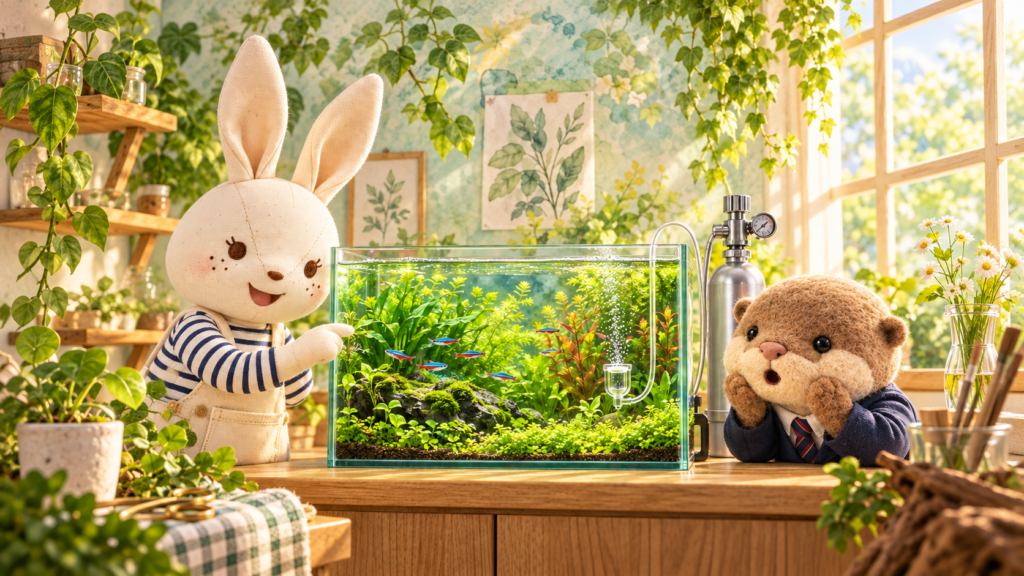 アイのアクアグッズ案内水草水槽のCO₂添加|3つの方式の選び方とおすすめ用品道具の特徴や使い方、選ぶときのポイントをアイが紹介します。記事はコチラ →




コメント