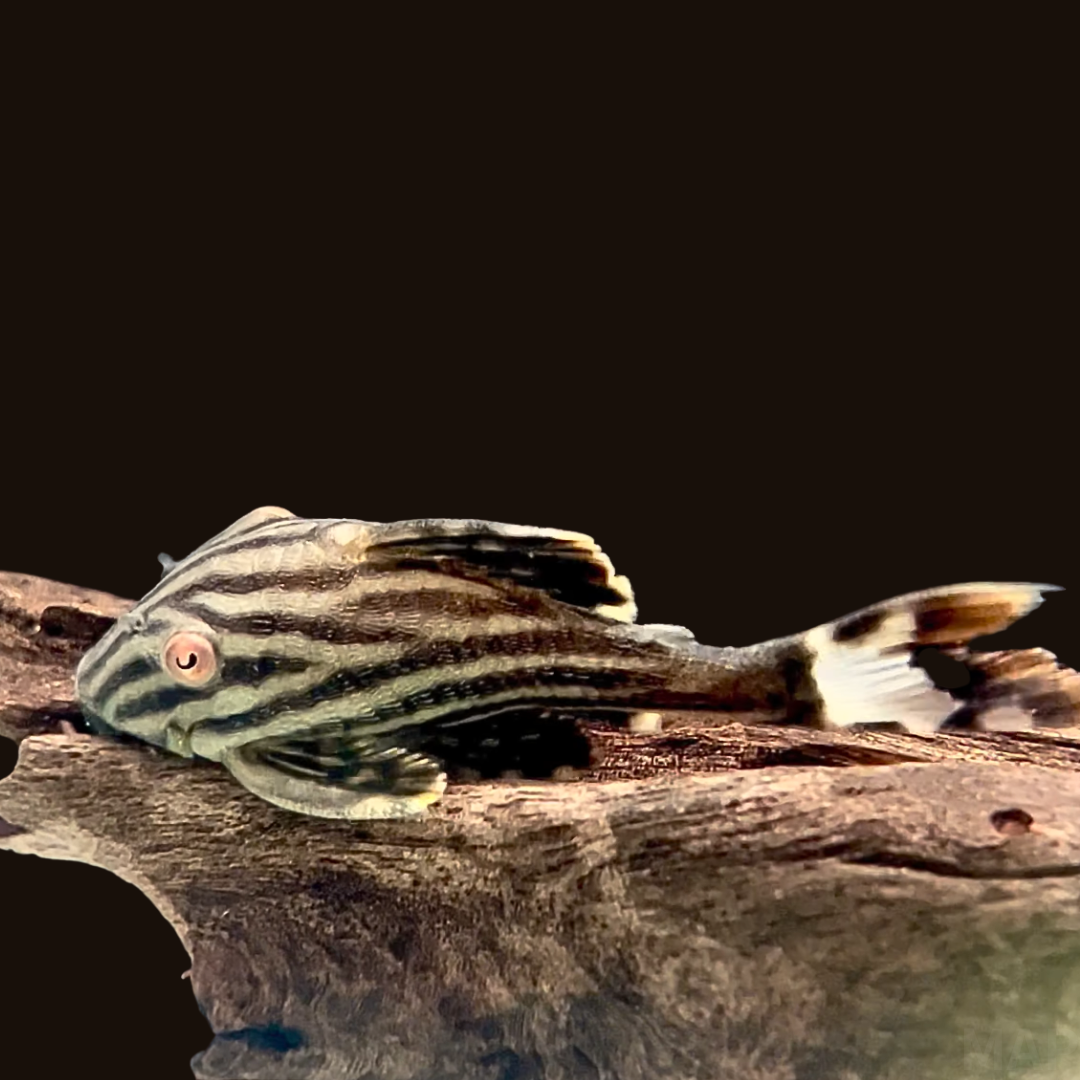
グリーンロイヤルプレコ、通称L191は、南米コロンビアのカグアン川やカケタ川を故郷とするパナクエ属の未記載種です。その名の通り、幼魚期には全身を覆う硬質な装甲板が鮮やかなオリーブグリーンに輝き、黒いストライプ模様とのコントラストが息をのむほどの美しさを放ちます。成長とともに体型は重厚なおたまじゃくし型へと変化し、水槽内でも圧倒的な存在感を放つようになります。彼らの最大の特徴は、流木を削り取って主食とする「木材食性」にあります。独自の腸内細菌を味方につけ、他の魚が利用できない木材からエネルギーを得るという、進化の妙を感じさせる不思議な生態を持っています。The Green Royal Pleco, commonly known as L191, is an undescribed species of the genus Panaque native to the Caguán and Caquetá river basins in Colombia, South America. As its name suggests, juveniles display a vibrant olive-green luster on their hard scutes, creating a breathtaking contrast with their black stripes. As they mature, they develop a heavy, tadpole-like physique, commanding a significant presence in the aquarium. Their most distinctive feature is “xylophagy,” the consumption of wood as a primary diet. By hosting unique gut bacteria, they possess the fascinating ability to derive energy from wood that other fish cannot utilize, showcasing a remarkable evolutionary adaptation.
基本情報 / Basic Information
学名 / Scientific Name
Panaque sp. L191 (Panaque cf. nigrolineatus)
通称 / Common Name
グリーンロイヤルプレコ、ブロークンライン・ロイヤルプレコGreen Royal Pleco, Broken Line Royal Pleco
分類 / Family
ナマズ目ロリカリア科ヒポストムス亜科パナクエ属Order Siluriformes, Family Loricariidae, Subfamily Hypostominae, Genus Panaque
英名 / English Name
Dull Eyed Royal Pleco
分布 / Distribution
南米コロンビア:カグアン川、カケタ川流域Colombia, South America: Caguán and Caquetá River basins
最大体長 / Max Size
約40cm以上(自然界では43cm以上の記録もあり)Over 40 cm (Records over 43 cm exist in the wild)
寿命 / Lifespan
15年以上(適切な飼育下ではさらに長期生存も可能)15 years or more (longer lifespans are possible under appropriate care)
飼育環境 / Aquarium Environment
水槽サイズ / Tank Size
幼魚期は150L(90cm規格水槽)から可能ですが、成魚には500L以上(150cmワイド水槽や180cm以上の大型水槽)が推奨されます。Starts from 150L (90cm standard tank) for juveniles, but over 500L (150cm wide or 180cm+ large tanks) is recommended for adults.
水温 / Temperature
24℃ ~ 28℃(高水温にも耐性がありますが、急激な変化は避けます)24°C to 28°C (tolerant of higher temps, but avoid rapid changes)
水質 / Water Quality
pH 6.0 ~ 7.5(弱酸性から中性の軟水環境を好みます)pH 6.0 to 7.5 (prefers soft water, slightly acidic to neutral)
レイアウト / Layout
複数の流木(ボグウッドなど)を複雑に組み、隠れ家と餌場を同時に確保します。底砂は細かな砂が適しています。Complexly arrange multiple pieces of driftwood (such as bogwood) to provide both hiding spots and feeding areas. Fine sand is suitable for the substrate.
注意点 / Precautions
排泄物の量が非常に多いため、強力な物理濾過と水流、高い溶存酸素量を維持することが極めて重要です。Due to massive amounts of waste, maintaining powerful mechanical filtration, water flow, and high dissolved oxygen levels is critical.
餌と給餌 / Feeding
餌の種類 / Diet
常設の流木が主食となります。補助として茹でたズッキーニ、キュウリ、カボチャなどの植物性飼料、沈下性のプレコ専用タブレットを与えます。Driftwood remains their staple diet. Supplement with plant-based foods like boiled zucchini, cucumber, pumpkin, and sinking pleco tablets.
給餌のポイント / Feeding Tips
低栄養な木材を常に食べる必要があるため、流木は欠かさないようにします。高タンパクな動物性飼料の与えすぎは内臓疾患の原因となるため注意が必要です。Since they need to constantly consume low-calorie wood, never run out of driftwood. Avoid overfeeding high-protein animal foods as they can cause internal diseases.
性格と混泳 / Temperament and Tank Mates
性格 / Temperament
基本的には温和ですが、同種間や類似した体型のプレコに対しては強い縄張り意識を持ち、激しい小競り合いをすることがあります。Generally peaceful but highly territorial towards conspecifics or plecos with similar body shapes, often leading to intense skirmishes.
混泳の相性 / Compatibility
アロワナや中・大型カラシン、ポリプテルスなどの遊泳層が重ならない魚種とは良好な関係を築けます。十分なスペースと隠れ家があれば多種混泳も可能です。Good compatibility with fish that occupy different swimming layers, such as Arowanas, medium to large Characins, and Polypterus. Multi-species tanks are possible with sufficient space and cover.
病気と対策 / Diseases and Prevention
かかりやすい病気 / Common Diseases
腹水症(腹部の異常な膨張)、エラ病、導入初期の自家中毒。Dropsy (abnormal abdominal swelling), gill disease, and self-poisoning during initial introduction.
対策と予防 / Prevention
高タンパク飼料を控え、植物質中心の食事を徹底します。大量の糞による水質悪化を防ぐため、こまめな換水と底砂の清掃が最大の予防策です。Limit high-protein diets and stick to plant-heavy feeding. Regular water changes and substrate vacuuming to prevent water deterioration from excessive waste are the best preventive measures.
増やし方(繁殖) / Breeding
繁殖形態 / Reproduction
卵生。詳細は不明ですが、流木の隙間や洞窟状の場所に産卵すると推測されています。Oviparous. Details remain unknown, but it is presumed they spawn in crevices of driftwood or cave-like structures.
繁殖のポイント / Breeding Tips
一般家庭の水槽での繁殖例は極めて稀です。広大な水槽環境と、雨季と乾季を模した水質・水温の大胆な変化がトリガーになると考えられています。Breeding in home aquaria is extremely rare. It is believed that vast tank environments and drastic changes in water quality/temperature mimicking rainy and dry seasons are required triggers.
雑学と豆知識 / Trivia and Fun Facts
1. 「ダルアイ」と呼ばれる理由とその識別点 / 1. Why They Are Called “Dull Eyed” and Identification Points
本種L191は、近縁で「真のロイヤルプレコ」とされるL190が鮮やかな赤い目(レッドアイ)を持つのに対し、黄色や灰色のくすんだ瞳を持つため、英語圏では「ダルアイ・ロイヤルプレコ」と呼ばれます。幼魚期には尾鰭の付け根が透明である点も、他種と見分ける重要なポイントとなります。While the closely related L190 “True Royal Pleco” has vibrant red eyes, L191 has dull yellow or gray eyes, hence the English name “Dull Eyed Royal Pleco.” Another key identification point is the transparent base of the caudal fin in juveniles.
脊椎動物の中で木を食べて生きられるものはごく僅かです。グリーンロイヤルプレコは、スプーン状に特殊化した歯で流木を削り、腸内に住まわせた特殊なバクテリアによってセルロースを分解・吸収します。このため、飼育下でも「流木」は単なる飾りではなく、彼らにとっての主食そのものなのです。Very few vertebrates can survive by eating wood. The Green Royal Pleco rasps driftwood using specialized spoon-shaped teeth and utilizes unique gut bacteria to break down and absorb cellulose. Thus, in an aquarium, driftwood is not just decoration but their essential staple food.
3. 日本国内での流通と健全な個体選びの重要性 / 3. Distribution in Japan and the Importance of Choosing Healthy Specimens
日本に流通するL191の多くはコロンビアからの野生採集個体です。本種は輸送ストレスにより腸内細菌叢が崩れやすいため、入荷直後の個体よりも、国内の信頼できる専門店でしっかりとトリートメントを受け、人工飼料や野菜に餌付いた個体を選ぶことが長期飼育成功の鍵となります。地域ごとの大型魚専門店やプレコに強い小売店では、こうしたケアが徹底されている傾向があります。Most L191s distributed in Japan are wild-caught from Colombia. Because this species is prone to gut flora disruption due to transport stress, the key to long-term success is choosing specimens that have been thoroughly acclimated at reputable specialty shops and are already feeding on prepared foods or vegetables. Shops specialized in large fish or plecos tend to provide this essential care.
まとめ / Conclusion
グリーンロイヤルプレコは、その美しい緑色の輝きと、流木を削り取る力強い姿で、アクアリストに大自然の力強さを教えてくれる素晴らしい魚です。40cmを超える大型種となるため、終生飼育には相応の覚悟と設備が必要ですが、それに見合うだけの知的な魅力と深い味わいを持っています。The Green Royal Pleco is a magnificent fish that teaches aquarists the strength of nature through its beautiful green luster and powerful wood-rasping behavior. As a large species reaching over 40 cm, keeping them for life requires significant commitment and equipment, but they offer intellectual charm and deep satisfaction in return.
膨大な排泄物を処理するための「お掃除役」を自らが担うような管理が必要ですが、愛情を持って接すれば、15年以上にわたってあなたの水槽の守り神となってくれることでしょう。パナクエたちの奏でる「カリカリ」という木を削る音を聞きながら、アマゾンの深い川底に思いを馳せる時間は、何物にも代えがたい贅沢なひとときです。While you must manage the massive waste they produce, caring for them with love ensures they will be the guardian of your tank for over 15 years. Listening to the “rasping” sound of wood being scraped while imagining the deep riverbeds of the Amazon is a luxury like no other.
・
PlanetCatfish.com. “Panaque sp. (L191) Identification and Care”.
(世界のプレコ愛好家が参照する最大級のデータベース。Lナンバーの同定基準として参照)
・
L-Welse.com Database. “Panaque sp. L 191”.
(ドイツのLナンバー情報サイト。繁殖難易度や生息環境のデータとして参照)
・
German, D. P. (2009). “Inside the guts of wood-eating catfishes: can they digest wood?”. Journal of Comparative Physiology B.
(パナクエ属の木材食性と腸内細菌叢による消化メカニズムに関する学術論文)
・
Lujan, N. K., et al. (2010). “Phylogeny of the loricariid catfish subfamily Hypostominae”. Zoological Journal of the Linnean Society.
(ロリカリア科の系統分類およびパナクエ属の分類学的地位に関する研究資料)
・
DATZ (Die Aquarien- und Terrarienzeitschrift).
(Lナンバーシステムを提唱したドイツの観賞魚雑誌。歴史的背景として参照)
・
IUCN Red List of Threatened Species.
(南米産熱帯魚の保全状況および環境変化に関する国際的指標として参照)



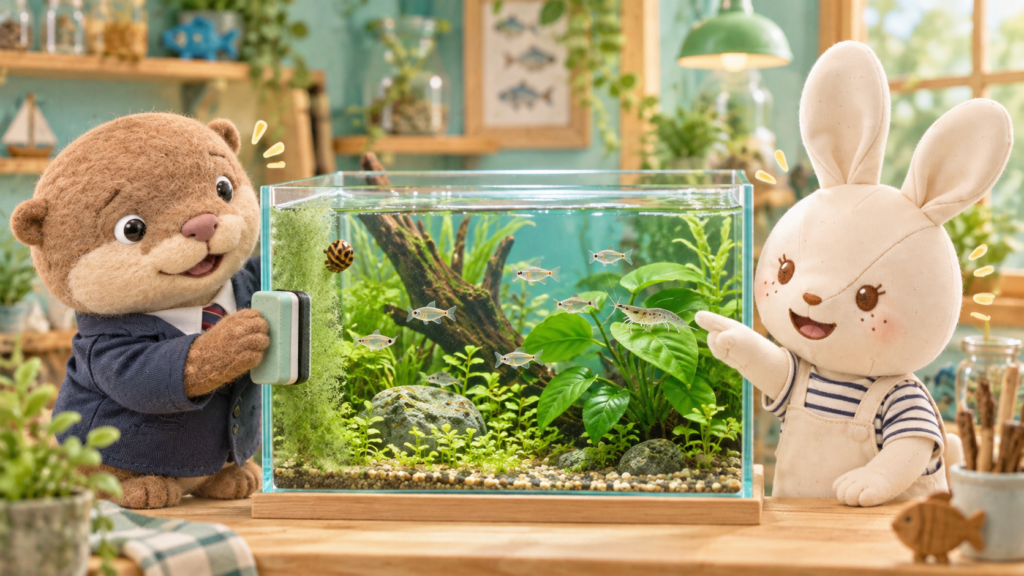 アイのアクアグッズ案内水槽のコケ掃除|道具の選び方とお掃除生体の得意・不得意道具の特徴や使い方、選ぶときのポイントをアイが紹介します。記事はコチラ →
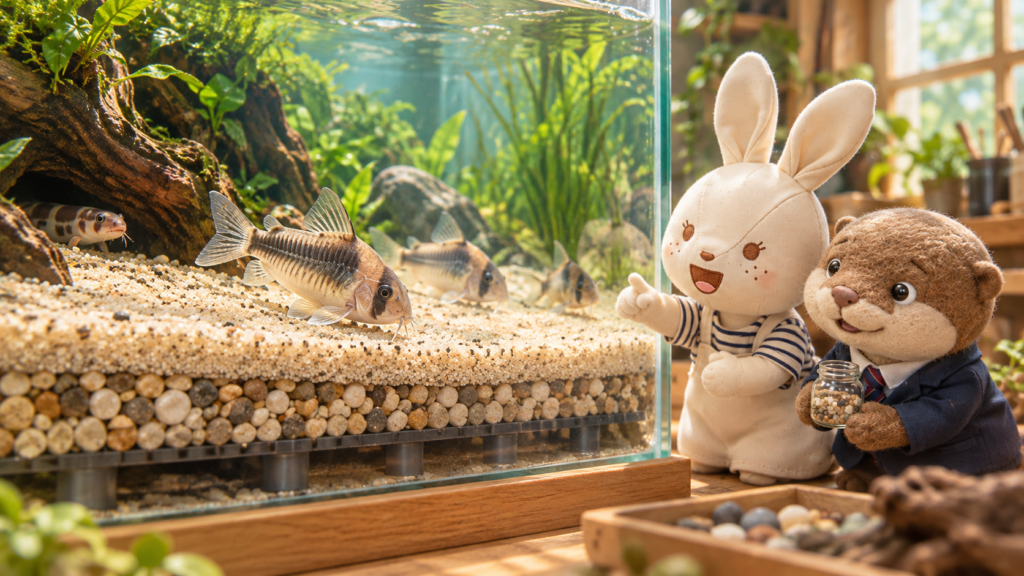 アイのアクアグッズ案内水槽の底砂の選び方|砂・砂利の違いとおすすめ商品道具の特徴や使い方、選ぶときのポイントをアイが紹介します。記事はコチラ →
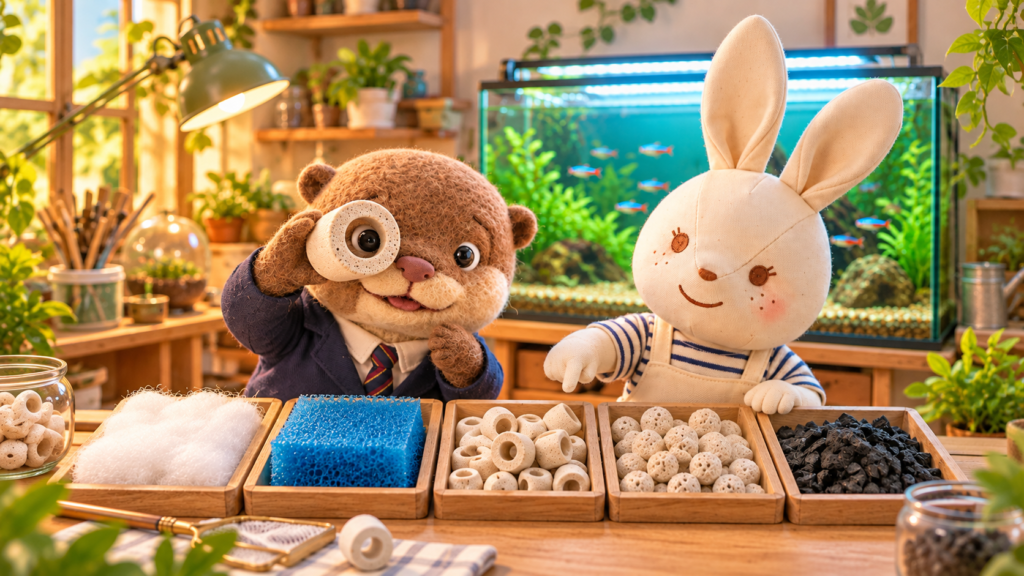 アイのアクアグッズ案内水槽のろ材の選び方|ウール・リング・活性炭の違いとおすすめ商品フィルターの中の綿や石は何をしている? アイとコタロウが、ウール・スポンジ・セラミック・焼結ガラス・活性炭・ゼオライトを比較。機種との相性、入れ方、洗い方と交換まで商品とともに紹介します。記事はコチラ →
 アイのアクアグッズ案内水槽用ヒーターの選び方|固定式・温度調節式と、水量に合うW数の考え方水槽の魚は冬に寒くない? アイとコタロウが水温計から固定式・温度調節式・分離式ヒーターまで比較。水量と室温に合うW数、設置場所、水換えや交換の注意点を、国内メーカーの商品とともに紹介します。記事はコチラ →




コメント