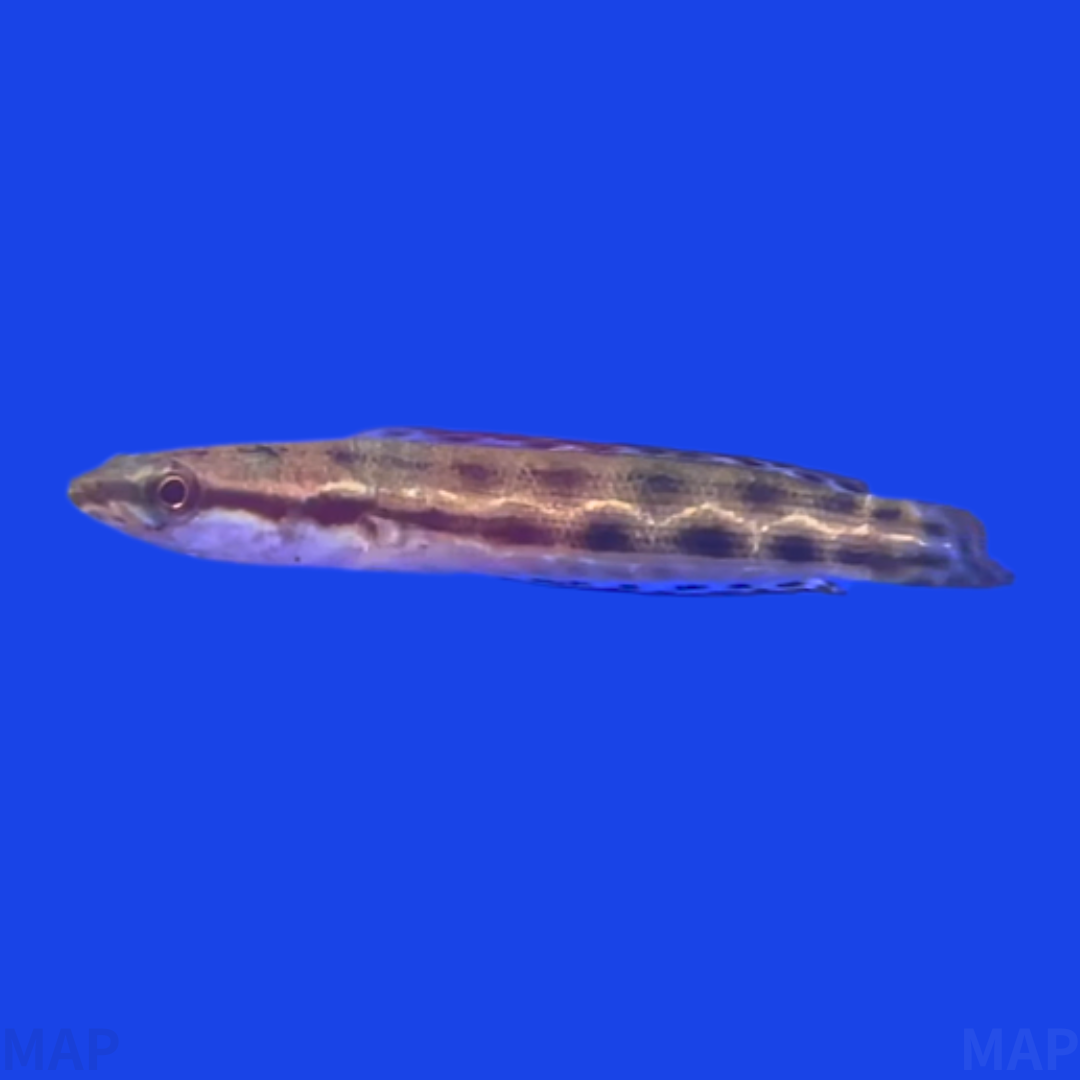
バンカスネークヘッドは、東南アジアのジャングル深くに位置する泥炭湿地林(ピートスワンプ)という、極めて特殊な環境に適応したスネークヘッドです。紅茶のように暗褐色に染まった「ブラックウォーター」の主として知られ、pHが3.0を下回ることもある強酸性の水域で独自の進化を遂げました。体色は落ち着いた赤褐色を基調とし、ヒレには無数の美しいスポットが散りばめられています。その野性味溢れる姿と、過酷な環境を生き抜く強靭な生命力、そして親魚が献身的に子を育てる情愛深い生態が、多くのアクアリストを魅了して止みません。The Bangka Snakehead is a specialist species adapted to the extreme environments of peat swamp forests in Southeast Asia. Known as the master of “blackwater” environments where pH levels can dip below 3.0, it has evolved uniquely in these acidic waters. Its body features a sophisticated reddish-brown base adorned with numerous beautiful spots on the fins. The wild appearance, resilient vitality in harsh conditions, and dedicated parental care make it a fascinating species for serious aquarists.
基本情報 / Basic Information
学名 / Scientific Name
Channa bankanensis
通称 / Common Name
バンカスネークヘッドBanka Snakehead
分類 / Family
タイワンドジョウ科(スネークヘッド科)Channidae
英名 / English Name
Bangka Snakehead
分布 / Distribution
マレーシア半島、インドネシア(スマトラ島南部、バンカ島、カリマンタン島など)Malay Peninsula, Indonesia (Southern Sumatra, Bangka Island, Kalimantan, etc.)
最大体長 / Max Size
約23cm ~ 30cmApprox. 23cm – 30cm
寿命 / Lifespan
約5年 ~ 10年(飼育下)Approx. 5 – 10 years (in captivity)
飼育環境 / Aquarium Environment
水槽サイズ / Tank Size
90cm規格水槽(約150L)以上が理想。単独飼育であれば60cmワイド水槽でも可能。A 90cm standard tank (approx. 150L) is ideal. A 60cm wide tank may be used for single specimens.
水温 / Temperature
22℃ ~ 28℃22°C – 28°C (72°F – 82°F)
水質 / Water Quality
酸性 ~ 弱酸性(pH 4.0 ~ 6.0)。マジックリーフやピートを用いたブラックウォーター環境。Acidic to mildly acidic (pH 4.0 – 6.0). A blackwater environment created with catappa leaves or peat is recommended.
レイアウト / Layout
流木や落葉層で隠れ家を作り、光量を抑える。飛び出し防止のため隙間のないフタが必須。Provide caves with driftwood and leaf litter, and keep lighting low. A secure, gap-free lid is essential to prevent jumping.
注意点 / Precautions
pHが6.0を超えると病気のリスクが急増するため、常に酸性を維持すること。空気呼吸を行うため、水面とフタの間に空間を作ること。The risk of disease increases significantly if the pH exceeds 6.0, so constant acidity must be maintained. Ensure an air gap above the water surface for atmospheric breathing.
餌と給餌 / Feeding
餌の種類 / Diet
肉食性。冷凍アカムシ、エビ、小魚、昆虫、人工配合飼料(沈下性・浮上性ペレット)など。Carnivorous. Frozen bloodworms, shrimp, small fish, insects, and commercial pellets (sinking or floating).
給餌のポイント / Feeding Tips
幼魚期は毎日、成魚は週に1〜2回の絶食日を設けて肥満を防ぐ。水質維持のため食べ残しはすぐに取り除く。Feed daily during the juvenile stage; for adults, include 1-2 fasting days per week to prevent obesity. Remove uneaten food promptly to maintain water quality.
性格と混泳 / Temperament and Tank Mates
性格 / Temperament
非常に攻撃的で排他的。強いテリトリー意識を持つ。Highly aggressive and territorial. They possess a strong sense of exclusive territory.
混泳の相性 / Compatibility
基本的に単独飼育が推奨される。他種はもちろん、同種間でも激しく争うため混泳は極めて困難。Single-species housing is strongly recommended. Co-habitation with other species or even its own kind is extremely difficult due to intense fighting.
病気と対策 / Diseases and Prevention
かかりやすい病気 / Common Diseases
水生菌症、エロモナス感染症(穴あき病)、眼球白濁。Saprolegniasis (fungal infection), Aeromonas infection (skin ulcers), and cloudy eye.
対策と予防 / Prevention
適切なpH(6.0以下)を維持することが最大の予防策。古い飼育水や高pHは免疫力を低下させるため注意。The best prevention is maintaining an appropriate pH (below 6.0). Old water or high pH levels weaken their immune system.
pH 4.0 〜 5.0の極軟水環境を整える。水換えによる水温・水位変化をきっかけに産卵を誘発する。両親が協力して子育てを行う。Maintain an extremely soft water environment with a pH of 4.0 – 5.0. Trigger spawning with changes in temperature and water level via water changes. Both parents participate in raising the fry.
雑学と豆知識 / Trivia and Fun Facts
1. 発見の歴史と名前の由来 / 1. History of Discovery and Etymology
この魚が世界に知られたのは1852年のこと、オランダの魚類学者ピーター・ブリーカーによって記載されました。学名の「bankanensis」は、最初の発見地であるインドネシアのバンカ島に由来しています。かつては青い斑点を持つ個体が別種として扱われたこともありましたが、現在ではこの魚が持つ豊かな地域変異の一つとして統合されています。This fish became known to the world in 1852, described by Dutch ichthyologist Pieter Bleeker. The specific name “bankanensis” is derived from its type locality, Bangka Island in Indonesia. Although specimens with blue spots were once considered a separate species, they are now integrated as part of the species’ diverse regional variations.
2. 酸性の水を生きる知恵「上鰓器官」 / 2. Survival Wisdom: The Labyrinth Organ
バンカスネークヘッドが生息する泥炭湿地は、酸素が極めて少ない過酷な場所です。彼らはこの環境を生き抜くために、エラとは別に大気中の酸素を直接取り込める「上鰓器官(ラビリンス器官)」を発達させました。実は彼らにとって空気呼吸は不可欠で、水面から呼吸ができないと溺れてしまうという、魚らしからぬ驚きの特徴を持っています。The peat swamps where Bangka Snakeheads reside are harsh environments with very little dissolved oxygen. To survive, they developed the “labyrinth organ,” which allows them to breathe atmospheric oxygen directly. In fact, air-breathing is so vital for them that they can actually drown if they are unable to reach the water’s surface.
3. 消えゆく楽園と守るべき未来 / 3. Vanishing Paradise and the Future to Protect
彼らの故郷である東南アジアの泥炭湿地は、現在パーム油農園の開発などにより急速に失われています。バンカスネークヘッドは特定の環境に強く依存して生きているため、生息地の破壊はそのまま種の絶滅に直結します。現在、国際自然保護連合(IUCN)では「準絶滅危惧」に指定されており、私たちアクアリストには、飼育を通じて彼らの生態を深く理解し、その尊さを伝えていく役割が期待されています。The peat swamp forests of Southeast Asia are rapidly disappearing due to palm oil plantation development. Since Bangka Snakeheads are highly specialized for this environment, habitat destruction directly threatens their survival. Currently listed as “Near Threatened” by the IUCN, aquarists are expected to play a role in understanding their ecology and advocating for their conservation.
まとめ / Conclusion
バンカスネークヘッドは、決して初心者向けの魚ではありません。しかし、その強酸性水質への適応能力や、神秘的なブラックウォーターに佇む姿は、水質管理の技術を極めようとするアクアリストにとって、究極の挑戦とも言える魅力に満ちています。The Bangka Snakehead is certainly not a fish for beginners. However, its adaptation to extremely acidic water and its mystical presence in blackwater environments offer a rewarding challenge for aquarists aiming to master the art of water chemistry.
彼らを飼育することは、東南アジアの貴重な自然の一部を預かることでもあります。適切な環境を用意し、じっくりと向き合うことで、彼らはきっと期待に応えるような野性美と、深い愛情に満ちた子育ての様子を見せてくれることでしょう。Keeping them means being a steward of a precious part of Southeast Asian nature. By providing the right environment and patience, they will surely reward you with their untamed beauty and the fascinating spectacle of their dedicated parental care.
Nieuwe bijdrage tot de kennis der ichthyologische fauna van het eiland Banka. Natuurkundig Tijdschrift voor Nederlandsch Indië, 3, 715–738. (バンカスネークヘッドの原記載論文)
Froese, R. and D. Pauly. Editors. Channa bankanensis (Bleeker, 1852). (形態学的特徴および分布に関する基礎データ)
Seriously Fish
Species Profile: Channa bankanensis. (ブラックウォーター環境における飼育要件および繁殖行動の知見)
Kottelat, M. (2013)
The fishes of the inland waters of Southeast Asia: A catalogue and core bibliography of the fishes known to occur in freshwaters, mangroves and estuaries. The Raffles Bulletin of Zoology. (東南アジア淡水魚の分類および分布目録)



 アイのアクアグッズ案内エーハイム、安いのと高いのは何が違う? コタロウと見比べる外部フィルター道具の特徴や使い方、選ぶときのポイントをアイが紹介します。記事はコチラ →
 アイのアクアグッズ案内アフリカンシクリッドの飼育用品|水槽・ろ過・底砂・岩組み・餌の選び方道具の特徴や使い方、選ぶときのポイントをアイが紹介します。記事はコチラ →
 アイのアクアグッズ案内バルブの仲間に合わせる飼育用品|チェリーバルブ・スマトラ・中型種の水槽とろ過道具の特徴や使い方、選ぶときのポイントをアイが紹介します。記事はコチラ →
 アイのアクアグッズ案内水槽用ヒーターの選び方|固定式・温度調節式と、水量に合うW数の考え方水槽の魚は冬に寒くない? アイとコタロウが水温計から固定式・温度調節式・分離式ヒーターまで比較。水量と室温に合うW数、設置場所、水換えや交換の注意点を、国内メーカーの商品とともに紹介します。記事はコチラ →



コメント