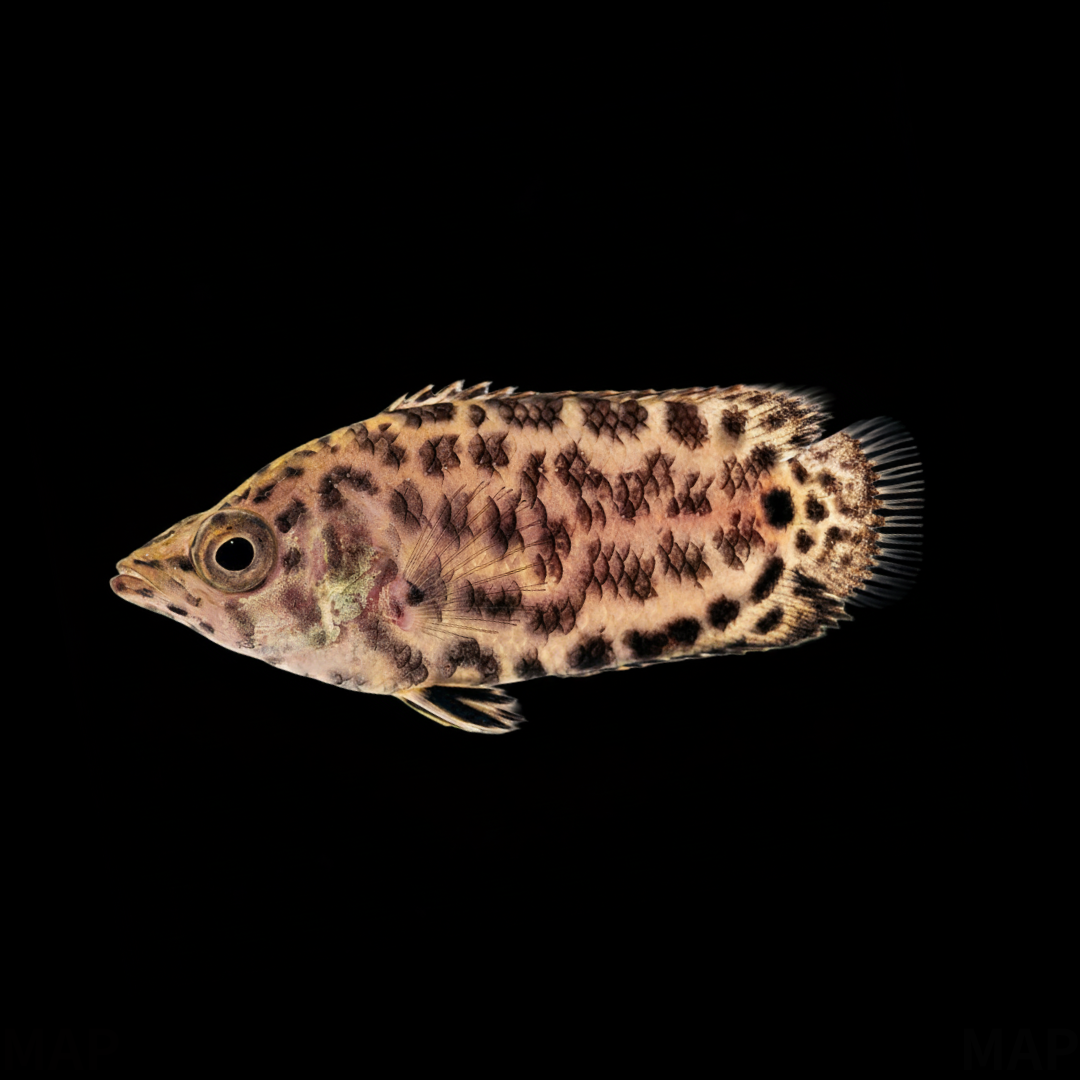
レオパードクテノポマは、アフリカのコンゴ川流域を原産とするアナバス科の熱帯魚です。その名の通り、全身に散りばめられた美しい豹柄模様が最大の特徴です。水面に浮かぶ枯れ葉に擬態して獲物を待ち伏せするという知的な狩りのスタイルを持ち、観賞魚としても非常に人気があります。かつては野生個体が主流でしたが、現在は東南アジアでの養殖が確立され、日本国内でも比較的安価で安定して流通しています。丈夫で長寿、さらには飼い主によく慣れるというペットフィッシュとしての魅力も兼ね備えた、非常に奥深い魚です。The Leopard Ctenopoma (Ctenopoma acutirostre) is a tropical fish native to the Congo River basin in Africa, belonging to the Anabantidae family. As its name suggests, its most striking feature is the beautiful leopard-like spots covering its entire body. It possesses an intelligent hunting style, mimicking a floating dead leaf to ambush its prey, which has made it a popular choice in the aquarium hobby. While wild-caught specimens were once the norm, successful commercial breeding in Southeast Asia has led to a stable and affordable supply in the Japanese market. Robust, long-lived, and capable of recognizing its owner, it is a fascinating species with a distinct pet-like personality.
Leopard Bush Fish, Spotted Ctenopoma, Spotted Climbing Perch
分布 / Distribution
中央アフリカ、コンゴ川流域(コンゴ共和国、コンゴ民主共和国、中央アフリカ共和国)Congo River basin, Central Africa (Republic of the Congo, Democratic Republic of the Congo, Central African Republic)
最大体長 / Max Size
約15cmから20cm(飼育下では12cmから15cm程度で成熟することが多い)Approx. 15cm to 20cm (Typically matures at 12cm to 15cm in home aquaria)
寿命 / Lifespan
約10年から15年以上(適切な環境下では20年近く生きる例もあります)Approx. 10 to 15+ years (Can live nearly 20 years under optimal conditions)
飼育環境 / Aquarium Environment
水槽サイズ / Tank Size
単独飼育なら45cmから60cm規格水槽。混泳を楽しむ場合は、水量に余裕のある60cmワイド水槽(幅60×奥行45×高さ45cm)や90cm規格水槽以上が理想的です。A 45cm to 60cm standard tank for solo keep. For community setups, a 60cm wide tank or a 90cm standard tank is ideal to maintain water quality and provide space.
水温 / Temperature
20℃から28℃(22℃から26℃付近が最も安定します)。冬場はヒーターによる加温が必須です。20°C to 28°C (Optimal range is 22°C to 26°C). A heater is mandatory during winter in Japan.
水質 / Water Quality
pH 5.5から8.0(弱酸性から中性を好みます)。日本の水道水は軟水のため、中性付近で非常に飼育しやすい魚です。pH 5.5 to 8.0 (Prefers slightly acidic to neutral). As Japanese tap water is generally soft, it is very easy to keep them in neutral conditions.
レイアウト / Layout
流木や土管、アヌビアスなどの丈夫な陰性水草を用いて隠れ家を多く作ってください。強い光を嫌うため、浮き草などで光を遮るディムライト環境にすると落ち着いた発色を見せてくれます。Provide plenty of hiding spots using driftwood, clay pipes, and hardy plants like Anubias. They prefer dim lighting, so using floating plants to shade the tank will help them feel secure and display better colors.
注意点 / Precautions
驚くと水面から飛び出す習性があるため、ガラス蓋などの隙間を完全になくしてください。また、鰓蓋や背びれに鋭い棘があるため、網に引っかかると怪我をしやすいので移動の際は注意が必要です。Ensure there are no gaps in the lid as they are prone to jumping when startled. They have sharp spines on their gill covers and fins that can get caught in nets, so use a plastic container for moving them if possible.
餌と給餌 / Feeding
餌の種類 / Diet
野生下では魚や水生昆虫を食べる肉食性です。飼育下では冷凍アカムシ、イサザアミ、クリル、メダカなどの活餌を好みます。人工飼料(浮上性の大型魚用ペレットなど)への餌付けも比較的容易です。Carnivorous, eating fish and aquatic insects in the wild. In captivity, they enjoy frozen bloodworms, mysis shrimp, krill, and small live fish. They can also be easily transitioned to commercial floating pellets.
給餌のポイント / Feeding Tips
牛ハツや鶏肉といった哺乳類・鳥類の肉は代謝できず、内臓疾患の原因となるため絶対に与えないでください。人工飼料に慣れさせると、人が近づくだけで餌をねだる可愛らしい姿を見せてくれます。Never feed mammal or bird meat like beef heart or chicken, as they cannot metabolize these fats, leading to organ failure. Once acclimated to pellets, they often perform a beg-dance at the front of the glass.
性格と混泳 / Temperament and Tank Mates
性格 / Temperament
夜行性で、日中は物陰に潜んでいることが多いです。攻撃性は低いですが、自分と同じくらいの大きさの同種に対しては縄張り争いを行うことがあります。Nocturnal and tends to stay in shadows during the day. Generally non-aggressive, but can be territorial toward their own kind of similar size.
混泳の相性 / Compatibility
口に入るサイズの小型魚(ネオンテトラなど)は夜間に食べられてしまうため混泳できません。ポリプテルスなどの中型底棲魚や、コンゴテトラのような体高のある温和な中型魚との相性は抜群です。Cannot be kept with small fish like Neon Tetras, as they will be eaten. They pair excellently with medium-sized bottom dwellers like Polypterus or deep-bodied peaceful fish like Congo Tetras.
病気と対策 / Diseases and Prevention
かかりやすい病気 / Common Diseases
網での移動に伴うスレ傷からの細菌感染(エロモナス病など)が最も注意すべきトラブルです。また、水質悪化による穴あき病や尾腐れ病も見られます。Bacterial infections (like Aeromonas) arising from skin abrasions caused by netting are a major concern. Hole-in-the-head and fin rot can also occur due to poor water quality.
対策と予防 / Prevention
強力な濾過システムを構築し、定期的な換水で清潔な水質を保つことが基本です。魚を移動させる際は網ではなく、水ごと掬えるプラスチックケースを使用することで怪我を劇的に防げます。Maintain clean water through strong filtration and regular water changes. Use a plastic container instead of a net to move them to prevent injuries to their delicate scales and spines.
増やし方(繁殖) / Breeding
雌雄の判別 / Sexing
幼魚期の判別は困難です。成熟したオスは鰓蓋の棘が発達し、尾柄部の付け根にザラザラとした鱗のパッチが現れます。メスにはこのパッチがありません。Difficult to sex as juveniles. Mature males develop more prominent gill spines and a patch of rough scales at the base of the caudal peduncle, which females lack.
繁殖形態 / Reproduction
卵散布型で、水面に浮かぶ浮性卵を産みます。親魚は卵や稚魚を守る習慣はありません。Egg scatterers that produce floating eggs on the water surface. They do not provide any parental care for the eggs or fry.
繁殖のポイント / Breeding Tips
水槽内での繁殖は非常に難易度が高いです。親魚が卵を食べてしまうため、産卵直後の隔離が必要です。また、稚魚がラビリンス器官を発達させる時期には、水面上の空気を暖かく湿った状態に保つ必要があります。Breeding in home aquaria is extremely difficult. The parents often eat the eggs, necessitating immediate separation. Additionally, fry require warm, humid air above the water surface while developing their labyrinth organ.
雑学と豆知識 / Trivia and Fun Facts
1. 学名に刻まれたその姿 / 1. A Name Carved in Morphology
クテノポマという属名は、ギリシャ語で櫛(クテイス)と蓋(ポマ)を意味しています。これは、彼らの鰓蓋の縁にある櫛のような棘を表現しています。また、種小名のアクティロストレは鋭い口先を意味しており、獲物を吸い込むために特化した尖った頭部を的確に表しているのです。The genus name Ctenopoma comes from the Greek “kteis” (comb) and “poma” (cover), referring to the comb-like spines on their operculum. The specific epithet “acutirostre” means “sharp snout,” accurately describing their pointed head specialized for suction feeding.
2. 究極の「死んだふり」擬態 / 2. The Ultimate Leaf Mimicry
レオパードクテノポマは、ただ隠れるだけではなく、積極的に死んだふりをする擬態の達人です。体を斜めに傾け、水流に身を任せて漂う姿は、まさに水面に浮かぶ枯れ葉そのもの。この演技に騙されて近寄ってきた小魚を、一瞬のうちに大きな口で吸い込んでしまうのです。この豹柄模様は、腐った葉の染みを完璧に再現するためのカモフラージュなのです。Leopard Ctenopomas are masters of active mimicry, not just hiding but pretending to be dead. By tilting their bodies and drifting with the current, they look exactly like a floating dead leaf. When unsuspecting prey approaches, they use their highly expandable mouths to create vacuum pressure and swallow them whole. Their leopard spots act as perfect camouflage, resembling the decaying spots on a leaf.
3. 空気を吸うための「迷宮」 / 3. The “Labyrinth” for Breathing Air
彼らはラビリンス器官(迷宮器官)と呼ばれる特殊な呼吸器官を持っています。これにより、酸素が少ない濁った水の中でも水面から直接空気を吸って生き延びることができます。実は彼らは絶対的空気呼吸者であり、水中の酸素が十分であっても、定期的に空気を吸わなければ溺れてしまうという、魚らしからぬ不思議な性質を持っています。They possess a specialized breathing organ called the labyrinth organ. This allows them to survive in oxygen-depleted, murky waters by gulping air directly from the surface. In fact, they are obligate air-breathers, meaning they must breathe atmospheric air periodically to survive, even if the water is well-oxygenated.
4. 木登りはしない「キノボリウオ」? / 4. A “Climbing Perch” That Doesn’t Climb
英名の一つに「クライミングパーチ(キノボリウオ)」という名前がありますが、実際にこの魚が木に登ることはありません。近縁のアジア産キノボリウオが陸上を移動する様子から連想された名前ですが、本種はあくまで水辺の障害物に隠れるのが得意な、純粋な水生魚です。陸上移動ではなく、水中の忍者としての能力に特化した進化を遂げたのです。One of their English names is “Spotted Climbing Perch,” but they do not actually climb trees. This name was inspired by their Asian relatives that can move across land. The Leopard Ctenopoma is a purely aquatic fish, a “water ninja” specialized in blending into submerged structures rather than traveling on land.
まとめ / Conclusion
レオパードクテノポマは、その野性味あふれる豹柄模様と、枯れ葉になりきるユニークな生態で、アクアリストの目を楽しませてくれる素晴らしい魚です。見た目のインパクトとは裏腹に、性格は意外にも臆病で控えめ。そんな彼らが飼育者に慣れ、餌をねだるようになる過程は、飼育における最大の喜びの一つと言えるでしょう。The Leopard Ctenopoma is a magnificent fish that delights aquarists with its wild leopard patterns and unique leaf-mimicking behavior. Despite its striking appearance, it has a surprisingly shy and reserved temperament. Watching them grow accustomed to their keeper and start begging for food is undoubtedly one of the greatest joys of keeping this species.
適切な水槽サイズと、強力な濾過、そして何よりも「口に入らないサイズの仲間」を選んであげることで、彼らは10年以上の長い時間を共に歩む最高のパートナーになってくれます。コンゴ川の神秘を閉じ込めたようなこの魚を、ぜひあなたのアクアリウムに迎えてみてはいかがでしょうか。With the right tank size, strong filtration, and most importantly, choosing tank mates that won’t fit in their mouths, they will become wonderful long-term partners for over a decade. Why not welcome this fish, which seems to encapsulate the mystery of the Congo River, into your own aquarium?
Pellegrin, J. (1899).Revision des exemplaires du genre Ctenopoma de la collection du Museum d’Histoire Naturelle.
Bulletin du Museum d’Histoire Naturelle.
Froese, R. and D. Pauly. Editors.FishBase: Ctenopoma acutirostre (Leopard bushfish).
World Wide Web electronic publication.
International Union for Conservation of Nature (IUCN).The IUCN Red List of Threatened Species: Ctenopoma acutirostre.
Li, C., et al. (2021).Phylogeny of Anabantiformes based on Ultraconserved Elements (UCEs).
Molecular Phylogenetics and Evolution.
株式会社キョーリン 公式サイト.熱帯魚の餌付けと栄養学:ひかりクレスト シリーズ製品仕様.
日本動物薬品株式会社(ニチドウ).観賞魚用魚病薬の適正使用と成分解説(オキソリン酸製剤等).
Muséum national d’Histoire naturelle (MNHN).Ichthyology Collection Database: Type specimen of Ctenopoma acutirostre.



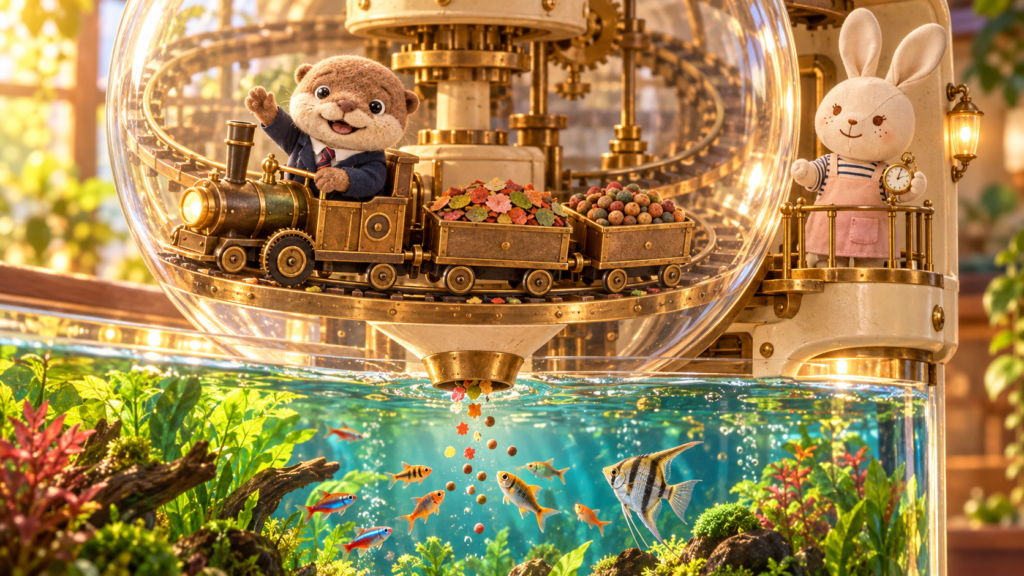 アイのアクアグッズ案内旅行中、お魚のごはんはどうする? 自動給餌器・使える餌・スマート水槽の選び方旅行中の魚の餌やりを助ける自動給餌器を、アイとコタロウが紹介。時間指定、おかわり給餌、対応するフレークや顆粒、設置台、スマホ管理、一体型水槽、留守番フードまで、使いどころと選び方を案内します。記事はコチラ →
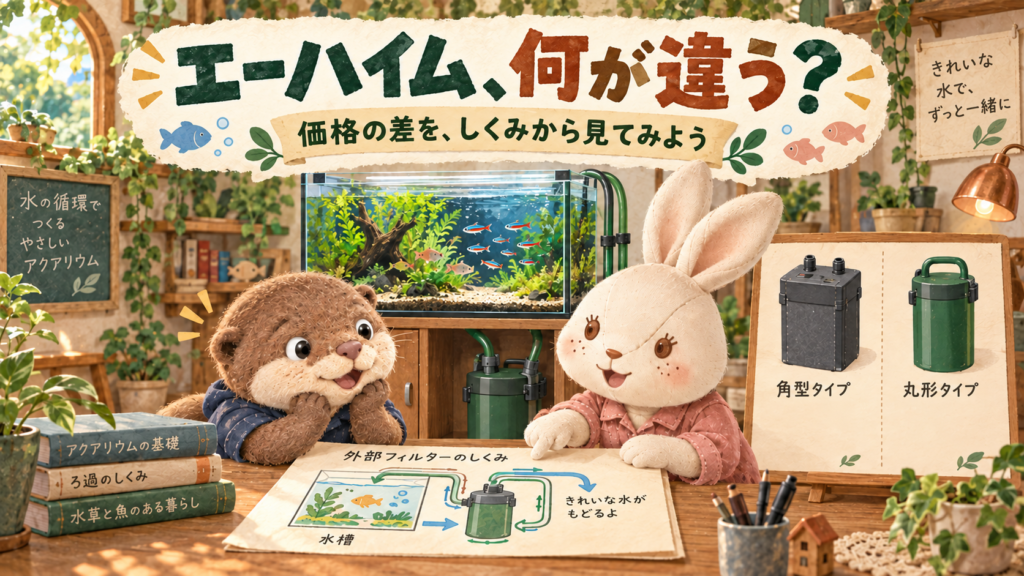 アイのアクアグッズ案内エーハイム、安いのと高いのは何が違う? コタロウと見比べる外部フィルター道具の特徴や使い方、選ぶときのポイントをアイが紹介します。記事はコチラ →



コメント