
解説 / Description
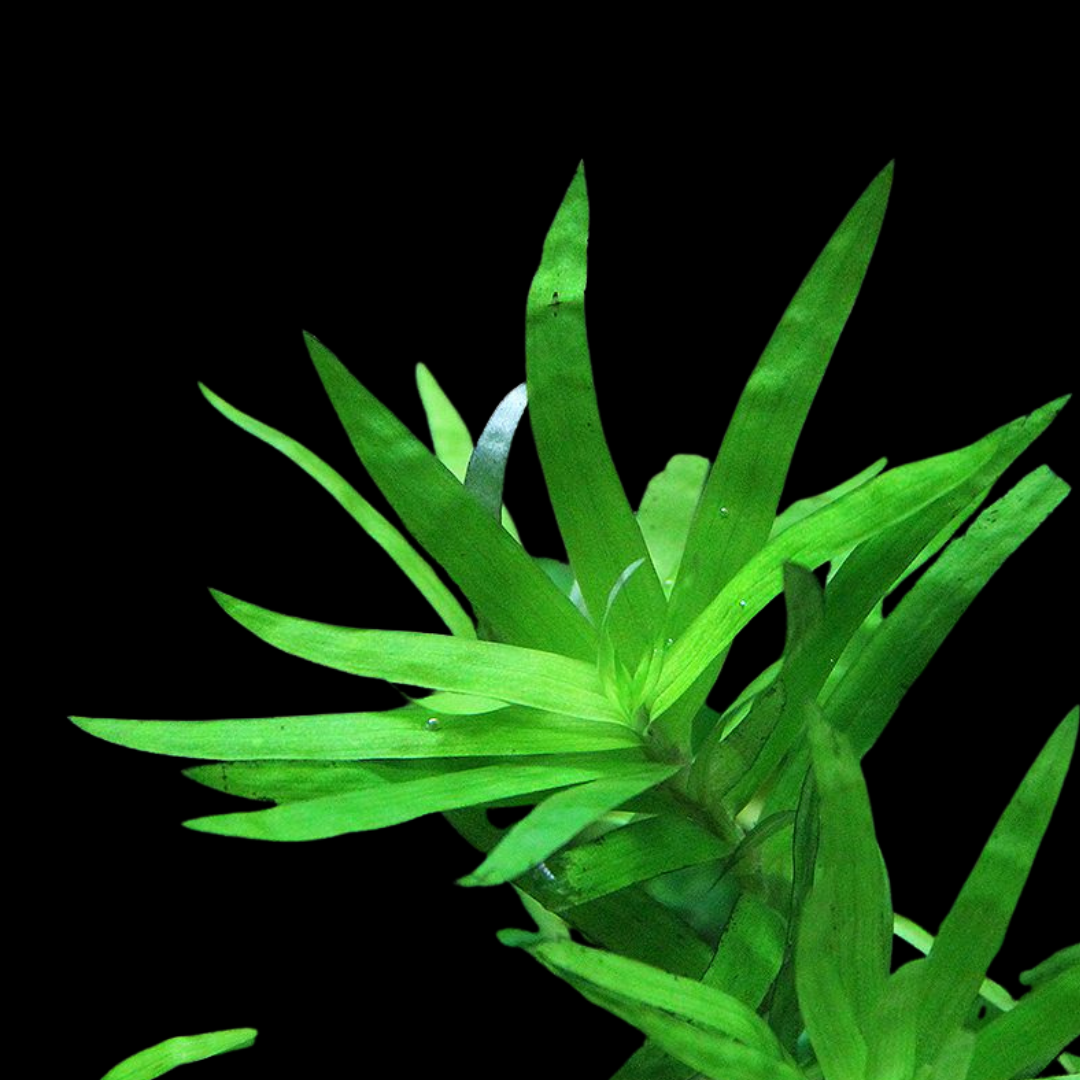
ヘテランテラ・ゾステリフォリアは、細長い葉を茎の周囲に広げる、南米原産の有茎草です。上から眺めると茎の先端に集まる葉が星のように見え、英語では「スターグラス」と呼ばれています。葉色は明るい緑から黄緑色。赤い水草や濃緑の水草に添えると、その軽やかな色合いがよく映えます。枝分かれしながら育つため、数本の茎からでも、ふんわりと厚みのある茂みをつくれるのが魅力です。 Heteranthera zosterifolia is a South American stem plant with narrow leaves spreading around its stems. Viewed from above, the leaves clustered at the shoot tips resemble stars, giving rise to the common name “stargrass.” Its bright green to yellow-green foliage brings a fresh, airy contrast to red plants and darker greens. As the stems branch, even a small initial planting can develop into a soft, full clump.
環境が合うと生長が速く、刈り込んだあとには脇芽が伸びて茂みが充実していきます。ただし、密になりすぎると内側や根元に光が届かず、下葉が傷みやすくなります。伸びた部分を切るだけでなく、ときどき茎を間引いて光と水の通り道をつくることが、きれいな姿を保つコツ。生長を見守る喜びと、ハサミで水景を整える楽しさを味わえる水草です。 In suitable conditions, stargrass grows quickly, and side shoots fill out the clump after pruning. If it becomes too dense, however, its upper foliage shades the interior and lower stems, causing older leaves to deteriorate. Alongside shortening tall shoots, occasionally thin out whole stems to let light and water reach the base. This plant offers both the pleasure of watching it grow and the satisfaction of shaping a layout with scissors.
基本情報 / Basic Information
| 学名 / Scientific Name | Heteranthera zosterifolia Mart. 学名末尾の「Mart.」は、本種を記載した植物学者マルティウスを示す略記です。国内では属名の「ヘテランテラ」だけでも親しまれています。The author abbreviation “Mart.” refers to the botanist Martius, who described the species. In the Japanese aquarium trade, it is also commonly known simply by its genus name, “Heteranthera.” |
|---|---|
| 通称 / Common Name | ヘテランテラ、ヘテランテラ・ゾステリフォリア、スターグラス。Stargrass; Heteranthera. Japanese trade names include “Heteranthera” and “Heteranthera zosterifolia.” |
| 分類 / Family | ミズアオイ科・ヘテランテラ属。単子葉植物に属する、淡水性の水生植物です。Family Pontederiaceae, genus Heteranthera. A freshwater aquatic plant belonging to the monocots. |
| 分布 / Distribution | ブラジル、ボリビア、パラグアイ、アルゼンチン、ウルグアイなどの南米に分布します。川や湿地などに生育し、水中でも、水位が下がって一部が水上に出た状態でも育つ性質があります。Native to South America, including Brazil, Bolivia, Paraguay, Argentina, and Uruguay. It grows in rivers and wetlands and can develop both submerged and partly above water as water levels fall. |
| 育成難易度 / Difficulty | 比較的育てやすい種類です。密度のある美しい茂みを維持するには、光量に見合うCO2と栄養を確保し、定期的にトリミングします。生長が速いぶん、肥料切れや茂りすぎによる下葉の傷みに気を配りましょう。Relatively easy to grow. To maintain a dense, attractive clump, provide CO2 and nutrients appropriate to the lighting level and prune regularly. Its rapid growth makes nutrient depletion and shading of lower leaves recurring concerns. |
育成環境 / Cultivation Environment
| 光量 / Light | 比較的少ない光でも育ちますが、充実した茂みに整えるには中程度の光量から始めるとよいでしょう。光が不足すると茎の節と節の間が長くなり、下葉も落ちやすくなります。強い光のもとでは生長が速まるため、CO2や栄養の不足、茂りすぎに注意が必要です。点灯時間はまず1日6〜8時間程度を目安とし、生長やコケの様子を見て調整してください。Stargrass can grow under relatively low light, though moderate lighting is a useful starting point for developing a full clump. Insufficient light may lead to longer internodes and loss of lower leaves. Strong light accelerates growth, making adequate CO2, nutrients, and timely pruning more important. Start with roughly six to eight hours of lighting per day, then adjust according to growth and algae. |
|---|---|
| CO2添加 / CO2 Injection | 添加なしでも育成は可能ですが、充実した葉姿や茂みを目指す場合には添加が有効です。照明が強いほど、光量に見合ったCO2の供給が重要になります。気泡数だけで添加量を決めず、水槽内の循環や魚・エビの様子も確認しながら調整しましょう。過剰な添加を避け、点灯中に安定して供給できるようにします。It can be grown without injected CO2, but supplementation helps produce fuller foliage and a well-developed clump. As lighting intensity increases, an adequate CO2 supply becomes more important. Do not judge the dose by bubble count alone; consider circulation and observe fish and shrimp as well. Aim for a steady supply during the lighting period while avoiding excessive injection. |
| 水質 / Water Quality | 淡水で育成します。水温20〜28℃程度、pH6.0〜7.5前後を管理の目安とし、軟水から中程度の硬度の水で育てます。これらの数値は厳密な生育限界ではなく、日常管理の目安です。水温や水質の急変を避け、高水温が続く夏場は冷却にも気を配りましょう。茂みの内部まで穏やかに水が行き渡るよう、循環を整えます。Grow in freshwater. Practical care guidelines are about 20–28°C and pH 6.0–7.5, with soft to moderately hard water. These are working ranges for routine care, rather than strict limits of survival. Avoid sudden changes in temperature or water chemistry, and pay attention to cooling during prolonged summer heat. Arrange circulation so that gentle water movement reaches the interior of the clump. |
| 底床 / Substrate | 水草用ソイルが扱いやすく、砂や砂利でも必要な栄養を補えば育成できます。根だけでなく水中からも養分を取り込むため、液体肥料も役立ちます。生長に伴って窒素やリン、カリウム、鉄などが不足することがありますが、最初から多量に与える必要はありません。生体の数や給餌量、底床に含まれる栄養を考慮し、葉色と新芽の様子を見ながら施肥量を調整しましょう。Aquarium soil is a convenient choice, though sand or gravel can also work when nutrients are supplied. The plant absorbs nutrients from the water as well as through its roots, so liquid fertilizer can be useful. Rapid growth may deplete nitrogen, phosphorus, potassium, iron, and other nutrients, but heavy fertilization is not necessary from the outset. Account for livestock, feeding, and substrate fertility, then adjust fertilization according to leaf color and new growth. |
レイアウト / Layout
| 配置 / Positioning | 中景から後景の茂みに向いています。低めに刈り込めば、流木や石の足元を包む柔らかな緑としても使えます。赤系の有茎草の隣では明るい葉色が引き立ち、濃緑の水草と組み合わせると、色の濃淡が水景に奥行きを添えます。手前を低く、奥を高く整える植栽にもよく合いますが、低い姿を保つにはこまめな管理が必要です。Well suited to midground and background clumps. Kept low, it can provide a soft green setting around the bases of rocks and driftwood. Its bright foliage contrasts attractively with red stem plants, while darker green companions add tonal depth to the scene. It also works well in plantings that rise gradually from front to back, although maintaining a low profile requires frequent attention. |
|---|---|
| 注意点 / Precautions | 束のまま密植せず、茎を分けて少し間隔を空けて植えます。茎や葉は柔らかいため、ピンセットで強く挟まないようにしてください。フィルターの強い吐出水が直接当たる場所は避け、周囲の水草を覆う前に剪定します。前景に使う場合は、自然に低く収まるとは限らないことを考慮して配置しましょう。Separate stems before planting and leave some space between them rather than inserting a tightly packed bunch. Handle the soft stems and leaves gently with tweezers. Avoid placing them directly in a strong filter outlet jet, and prune before they shade neighboring plants. If used in the foreground, allow for the possibility that growth will rise rather than remain naturally low. |
増やし方(トリミング) / Propagation & Trimming
| 増やし方 / Propagation | 挿し芽・差し戻しで増やせます。元気な茎の先端を、いくつかの節が残る長さで切り取り、底床に埋まる部分の葉を外して植えてください。節付近から根が出て、新しい株として育ちます。十分に伸びた脇芽を切り取って植えることもできます。傷んだ茎ではなく、葉がよく展開した健康な部分を選ぶと、その後の生長が安定しやすくなります。Propagate through stem cuttings. Cut a healthy shoot tip with several nodes, remove leaves from the portion that will be buried, and plant it in the substrate. Roots develop near the nodes, establishing a new plant. Well-developed side shoots can also be removed and planted. Choose healthy material with well-developed leaves rather than deteriorating stems for more reliable establishment. |
|---|---|
| トリミング / Trimming | 水面に届く前、または下葉が陰になり始めた時点で刈り込みます。健康な葉を残して節の少し上で茎を切ると、残した部分から脇芽が育ち、茂みの厚みが増していきます。剪定を繰り返して混み合ったら、古い茎や弱い茎を根元から間引きましょう。根元の葉がほとんどなくなった株は、無理に低く切り詰めず、健康な先端を差し戻して植栽を更新するとよいでしょう。Prune before the shoots reach the surface or when lower leaves begin to fall into shade. Cut slightly above a node while leaving healthy foliage on the remaining stem; side shoots will then help fill out the clump. After repeated pruning, remove older or weaker stems at the base to relieve crowding. If the bases have become nearly bare, renew the planting with healthy tip cuttings rather than cutting the depleted stems very low. |
病気と対策(コケなど) / Pests & Algae
| かかりやすい病気 / Common Issues | 主に気をつけたいのは、茂りすぎによる下葉の脱落、栄養不足による葉色の低下、環境変化に伴う葉の傷み、コケの付着です。古い葉が黄色くなる、新芽が白っぽくなるといった変化は、栄養不足を疑う手がかりになります。ただし、葉色だけで不足している成分を断定することはできません。導入直後に一部の葉が透けたり崩れたりしても、茎や生長点が健全なら新しい葉を展開する場合があります。Typical problems include loss of shaded lower leaves, fading foliage from nutrient shortages, damage following environmental changes, and algae on the leaves. Yellowing older leaves or pale new growth can suggest nutrient deficiency, but leaf color alone cannot identify the missing element. Some leaves may become translucent or break down after introduction; healthy stems and growing tips may still produce replacement foliage. |
|---|---|
| 対策と予防 / Prevention | 傷んだ葉を取り除き、まず光の届き方、茎の密度、水の循環、CO2と施肥の状態を確認します。肥料を増やす前に、換水や照明の変更など最近の管理も振り返ると、原因を絞りやすくなります。コケが目立つときは柔らかい葉を強くこすらず、付着の多い葉や茎を切り、点灯時間やCO2・栄養の供給を見直してください。導入時は鉛やスポンジを外し、付着物や巻貝を確認します。組織培養株は培地を水で丁寧に洗い流してから小分けに植え、エビのいる水槽では購入株の農薬使用の有無も確認しておきましょう。Remove deteriorating leaves and check light penetration, stem density, circulation, CO2, and fertilization. Before adding more fertilizer, review recent changes such as water changes or lighting adjustments to help narrow down the cause. For algae, avoid scrubbing the delicate foliage; remove heavily affected leaves or shoots and reassess lighting duration, CO2, and nutrient supply. Before planting, remove weights and packing material, and inspect for debris and snails. Rinse tissue-culture medium away thoroughly before dividing the plants. For shrimp aquariums, also confirm whether pesticides were used on purchased stock. |
雑学と豆知識 / Trivia and Fun Facts
| 1. 星の姿と、アマモの葉を思わせる名前 / 1. A Starry Shape and a Name Inspired by Eelgrass | 「スターグラス」という呼び名は、茎の先端を上から見たときの姿に由来します。一方、学名の種小名「zosterifolia」は、アマモ属を表す「Zostera」と、葉を意味する語にちなむ名前で、「アマモのような葉を持つ」という意味です。同じ植物でも、先端の形に注目すれば星、細長い葉に注目すればアマモを連想するわけですね。ただし、本種は淡水で育つミズアオイ科の植物で、アマモ属に分類される植物ではありません。似た葉姿が異なる仲間にも見られることは、水草を見比べる面白さのひとつです。The common name “stargrass” describes the shoot tip seen from above. Its specific epithet, “zosterifolia,” instead combines a reference to Zostera, the eelgrass genus, with a word for leaf, meaning “with eelgrass-like leaves.” The same plant can suggest a star when viewed at its tip and eelgrass when its narrow leaves are considered. Despite that resemblance, it is a freshwater member of Pontederiaceae and does not belong to Zostera. Finding similar leaf shapes in different groups of plants is part of what makes comparing aquatic plants so rewarding. |
|---|---|
| 2. 水中の緑に隠れた、花を咲かせる姿 / 2. A Flowering Plant Behind the Underwater Greenery | 水槽では葉を観賞する機会がほとんどですが、ヘテランテラ・ゾステリフォリアは花を咲かせる植物です。茎が水面まで伸び、条件が整うと、水上に青紫色の小さな花を見せることがあります。属名「Heteranthera」は「異なる葯」を意味します。葯とは、雄しべの先端にある、花粉をつくる部分のことです。大きさや形の異なる雄しべをもつ植物では、昆虫の餌になる花粉を供給する役割と、受粉のために花粉を運ばせる役割を分担するという仮説が研究されています。これはそうした花をもつ植物についての一般的な研究の話で、本種で同じ役割分担が確かめられたという意味ではありません。水中では挿し芽で増やせる身近な水草も、水上に目を向けると、花を咲かせる植物としての姿が見えてきます。Although aquarium keepers usually admire its foliage, Heteranthera zosterifolia is a flowering plant. When stems reach the surface and conditions are suitable, small violet-blue flowers may appear above the water. The genus name means “different anthers.” Anthers are the pollen-producing structures at the tips of stamens. In plants with differently sized or shaped stamens, researchers investigate the hypothesis that some provide pollen as food for insects while others help deliver pollen for pollination. This is a general research topic concerning such flowers, rather than a confirmed account of how this species functions. A familiar plant propagated underwater by cuttings reveals another aspect of its life when seen flowering above the surface. |
| 3. 柔らかな茎の内側にある、空気の通り道 / 3. Air Spaces Inside the Soft Stems | 水底の土に根を張る植物は、根の周囲で酸素を得にくい環境に生育することがあります。ヘテランテラの茎には「通気組織」と呼ばれる、空隙の発達した組織があります。この空隙は植物体内で気体が移動する通り道になり、根などへ酸素を届けるのに役立ちます。つまり、茎の内側に空気が通れる空間をもつことが、水中での暮らしを支えているのです。見た目には柔らかく頼りなさそうな茎にも、水生植物らしいつくりが備わっています。水槽では、その葉姿を健やかに保つために、茂みの内部まで水が通るよう適度に間引いて育てましょう。Plants rooted in submerged sediment may encounter limited oxygen around their roots. Heteranthera stems contain aerenchyma, tissue with extensive air spaces. These spaces provide pathways for gases to move within the plant and help oxygen reach organs such as the roots. In other words, internal spaces that allow gases to pass through help support its underwater life. A stem that looks soft and delicate can therefore possess a structure well suited to an aquatic habitat. In an aquarium, keep the clump moderately thinned so water can circulate through it and support healthy foliage. |
| 4. 刈り込みで育てる、水中の花壇 / 4. Shaping an Underwater Garden Through Pruning | 水草の色や葉の形を組み合わせ、植栽の高低差で景色をつくるダッチスタイルでは、ヘテランテラの明るい緑と枝分かれしやすい性質を生かせます。葉の細い水草、幅広い葉の水草、赤い水草を隣り合わせると、それぞれの個性が引き立ちます。本種を丸みのある茂みに整えれば、水景の中に柔らかな起伏をつくれるでしょう。切ったあとに脇芽が伸び、その脇芽をまた整える。この繰り返しによって、購入時の数本の茎が、自分の水槽に合ったひとつの茂みへと育っていきます。剪定した茎や葉は自然の水域に流さず、乾燥させるなどして適切に処分してください。Dutch-style aquariums build a scene through contrasting plant colors, leaf shapes, and planting heights. Stargrass suits this approach because of its bright green foliage and readiness to branch. Placing narrow-leaved, broad-leaved, and red plants beside one another brings out their individual character. Pruning stargrass into a rounded clump adds gentle contours to the scene. As side shoots grow after each cut and are shaped in turn, a few purchased stems become a clump tailored to your aquarium. Keep pruned stems and leaves out of natural waterways and dispose of them appropriately, for example by drying them first. |
まとめ / Conclusion
ヘテランテラ・ゾステリフォリアは、星を思わせる葉姿と明るい緑で、水景に軽やかさを添える水草です。中景の柔らかな茂みにも、後景の豊かな緑にも使え、隣に植える水草との組み合わせによって表情が変わります。枝分かれしながら育つ姿は、植栽が少しずつ充実していく楽しみを感じさせてくれます。 Heteranthera zosterifolia brings a light, fresh character to an aquarium through its star-like foliage and bright green color. It can form a soft midground clump or a lush background, taking on a different character according to the plants beside it. Watching its stems branch offers the pleasure of seeing a planting gradually fill out.
美しい茂みを保つには、光量に見合うCO2と栄養を確保し、混み合う前に刈り込みや間引きを行うことが大切です。新芽の色や下葉の様子を確かめながら手を入れることで、みずみずしい緑を長く楽しめます。手入れに応えて形を変える茂みは、水槽の景色を育てる楽しさを身近にしてくれるでしょう。 To maintain an attractive clump, provide CO2 and nutrients appropriate to the light level, and prune or thin it before overcrowding develops. Care guided by the color of new growth and the condition of lower leaves helps preserve its fresh green appearance. A clump that takes shape through regular attention makes the pleasure of growing an aquarium landscape especially tangible.

気になる道具や飼い方を見つけてみませんか?
 アイのアクアグッズ案内プレコ飼育に必要なもの|餌・流木・ろ過・隠れ家・掃除用品道具の特徴や使い方、選ぶときのポイントをアイが紹介します。記事はコチラ →
 アイのアクアグッズ案内エーハイムはおもちゃから始まった? 小さな噴水から水槽へ、アイとコタロウの探訪道具の特徴や使い方、選ぶときのポイントをアイが紹介します。記事はコチラ →
 アイのアクアグッズ案内おとひめ物語|養殖生まれの餌を、わが家の魚に合う一粒へ道具の特徴や使い方、選ぶときのポイントをアイが紹介します。記事はコチラ →
 アイのアクアグッズ案内海水魚初心者の必需品|水槽・人工海水・比重計・水質検査道具の特徴や使い方、選ぶときのポイントをアイが紹介します。記事はコチラ →
さまざまな飼育テーマをご紹介。リンク先の記事には広告・商品紹介が含まれます。
案内・紹介記事一覧へ →分布マップ
ヘテランテラ・ゾステリフォリア(Heteranthera zosterifolia)は、ブラジル、ボリビア、パラグアイ、アルゼンチン、ウルグアイなどの南米に分布し、川や湿地などに生育します。
地図は、分布欄に記載された地域を見渡せる概略表示です。表示範囲全体に生育することを示すものではありません。マーカーは位置の目安として設定した代表地点(南緯20度・西経55度)で、実際の採集地点や生育確認地点ではありません。
参考文献
-
Royal Botanic Gardens, Kew. Plants of the World Online: Heteranthera zosterifolia Mart.
学名の扱い、科・属の分類、南米の原産分布。 -
Royal Botanic Gardens and Domain Trust, Sydney. PlantNET, NSW FloraOnline: Heteranthera zosterifolia Mart.
葉や花の形態、浅い淡水域とその周辺に生育する性質。 -
Monteiro, M. M., Giaretta, A., Nascimento, J. C. T. C., Pestana, M. C. A. & Mussury, R. M. (2024). Stem adaptation in Heteranthera zosterifolia Mart. (Pontederiaceae) across distinct water depths. Acta Botanica Brasilica, 38, e20240065.
自生地の生息環境、茎の通気組織と水深による構造の違い。 -
Ornamental Aquatic Trade Association (OATA). How to set up a planted aquarium.
水草水槽における照明、CO2、底床、施肥、植栽前の処理、剪定、葉の異常やコケへの一般的な管理。 -
NSW Department of Primary Industries and Regional Development. NSW WeedWise: Water star grass (Heteranthera zosterifolia).
水中・水上での生育、節からの発根、茎の断片による増殖、自然水域への流出を防ぐ管理。 -
Vallejo-Marín, M., Manson, J. S., Thomson, J. D. & Barrett, S. C. H. (2009). Division of labour within flowers: heteranthery, a floral strategy to reconcile contrasting pollen fates. Journal of Evolutionary Biology, 22(4), 828–839.
異なる雄しべが花粉の提供と受粉の役割を分担するという仮説の背景。

コメント