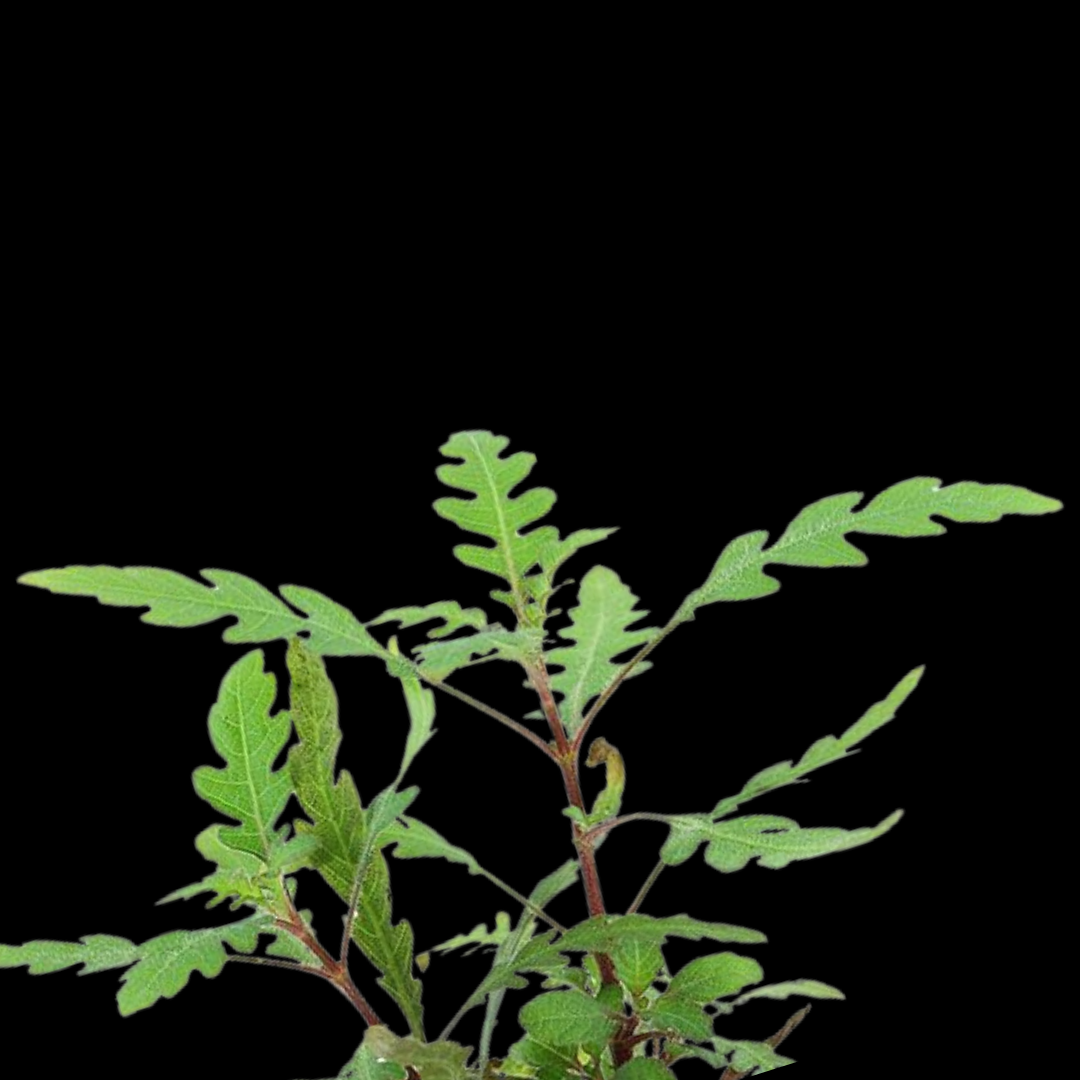
ハイグロフィラ・ピンナティフィダは、有茎草でありながら流木や石に活着するという、レオファイト(渓流植物)的な適応力を備えた極めてユニークな植物です。インドの西ガーツ山脈に分布し、シダ植物のように深く羽状に切れ込んだ葉が、水景に野性味あふれる独特の表情をもたらします。光量や栄養条件によって葉の色がオリーブグリーンから深い赤褐色(バーガンディ)へと変化し、その色彩のコントラストはネイチャーアクアリウムにおいて非常に高く評価されています。Hygrophila pinnatifida is a unique aquatic plant with rheophytic adaptations, allowing it to attach to driftwood and stones despite being a stem plant. Native to India’s Western Ghats, its deeply lobed, fern-like leaves offer a distinct wild aesthetic. Its coloration shifts from olive green to deep burgundy depending on light and nutrient levels, making it a highly valued species in Nature Aquarium design.
普通(適切な施肥と光量のバランスが重要)Moderate (Requires balanced fertilization and lighting)
育成環境 / Cultivation Environment
光量 / Light
中〜強光量(水槽1リットルあたり20ルーメン以上を推奨。高光量下でより赤みが強調される)Moderate to High (20+ lumens per liter recommended. Higher light intensity enhances red tones)
CO2添加 / CO2 Injection
推奨(1秒1〜3滴程度を目安とするが、器具により異なる。添加なしでも育つが、発色や形状を維持するには添加が望ましい)Recommended (Approx. 1-3 bubbles per second as a reference. Can grow without it, but CO2 improves color and form)
ソイル、砂、砂利(活着させる場合は底床の種類を問わない)Soil, Sand, Gravel (Substrate type is flexible when attached to hardscape)
レイアウト / Layout
配置 / Positioning
中景(流木や石への活着利用が最も効果的)Midground (Most effective when attached to driftwood or stones)
注意点 / Precautions
低光量下では緑色が強まり、上方に伸びる徒長が起きやすいため、レイアウトの影にならない場所に配置する。Prone to legginess and turning green in low light; ensure it is placed away from shaded areas.
増やし方(トリミング) / Propagation & Trimming
増やし方 / Propagation
ランナー(匍匐茎)による増殖や、カットした頂芽の差し戻しによって増やすことが可能。Can be propagated via runners or by replanting top cuttings.
トリミング / Trimming
頂芽を摘み取ることで側芽の発芽を促し、横方向への広がりをコントロールできる。古い葉の整理も有効。Pinching tops encourages side shoots, allowing control over lateral growth. Regular removal of old leaves is also effective.
病気と対策(コケなど) / Pests & Algae
かかりやすい病気 / Common Issues
カリウム不足による古い葉のピンホール(小さな穴)。環境不良による下葉の脱落。Pinholes in old leaves caused by potassium deficiency. Leaf loss from the base due to poor conditions.
対策と予防 / Prevention
水換えとともに定期的なカリウムの追肥を行う。お掃除役のエビ類を導入し、葉の表面を清浄に保つ。Perform regular potassium fertilization alongside water changes. Introduce algae-eating shrimp to keep leaf surfaces clean.
雑学と豆知識 / Trivia and Fun Facts
1. 流水環境への適応:活着のメカニズム1. Adaptations to Flowing Environments: The Mechanism of Attachment
自生地のインドでは、季節によって水位や流速が激しく変動する環境に生育しています。そのため、本種は茎から不定根を出し、岩や流木に固定できる適応力を備えています。アクアリウムにおける活着性は、こうした流水環境に対応するための性質が結果として役立っているものと考えられます。In its native India, this species grows in environments where water levels and flow rates fluctuate seasonally. As an adaptation, it produces adventitious roots from its stems to anchor itself to rocks and wood, a trait that makes it highly useful for aquascaping.
2. 乾季に耐える適応力と再生2. Resilience and Regeneration in the Dry Season
ピンナティフィダが自生する西ガーツ山脈周辺は、乾季に非常に乾燥する地域があります。本種はこうした厳しい乾燥環境下でも生存し、再び水が供給されると再生を始める性質があることが知られています。真正の乾燥耐性植物としての科学的な裏付けにはさらなる研究が必要ですが、その生命力の強さは植物学的にも興味深い対象です。The Western Ghats region where Pinnatifida grows experiences severe dry seasons. This species is known for its ability to survive dry spells and regenerate once water returns. While more research is needed to classify it scientifically as a desiccation-tolerant plant, its resilience is remarkable.
3. 水景に革命をもたらした「中景」の主役3. The Star of the “Midground” Revolution
以前のレイアウトでは、有茎草は底床に植え、活着は陰性水草という明確な区分がありました。ハイグロフィラ・ピンナティフィダの登場により、流木の中段などに赤褐色の有茎草を配置する手法が確立されました。これにより、水景デザインの連続性と自然観が飛躍的に向上しました。In traditional layouts, stem plants were for planting and epiphytes were for attachment. The introduction of H. pinnatifida allowed aquascapers to place reddish stem plants on driftwood, dramatically improving the continuity and natural feel of midground designs.
4. 組織培養とシュリンプ水槽の親和性4. Tissue Culture and Shrimp Compatibility
日本で広く普及している組織培養カップは、無菌環境で生産されるため、一般に農薬不使用であり、スネール(巻貝)などの混入リスクが非常に低いのが特徴です。残留農薬に敏感なエビ類を飼育する日本の愛好家にとって、極めて安全性の高い導入方法として定着しています。Tissue culture cups common in Japan are produced in sterile environments, generally making them pesticide-free and free from risks like snails. This high level of safety is widely supported by Japanese hobbyists who keep sensitive shrimp.
5. カリウム要求が高い傾向とピンホールのサイン5. High Potassium Demand and the Pinhole Sign
本種は比較的カリウムを多く要求する傾向にあり、不足すると古い葉の組織が崩壊して小さな穴が開く症状が出やすいことで知られています。これは植物体内で移行性の高いカリウムが、古い葉から新芽へと再分配される際に起こる生理現象です。ピンホールは、栄養バランスを再考するための重要な指標となります。This species tends to have a relatively high potassium demand, and a deficiency often manifests as small holes in older leaves. This physiological reaction occurs as potassium is redistributed to new growth, serving as an important indicator for nutrient management.
まとめ / Conclusion
ハイグロフィラ・ピンナティフィダは、有茎草の色彩的な美しさと、活着という利便性を兼ね備えた唯一無二の水草です。その緻密な葉姿は、水槽の中に自然の起伏と時の経過を感じさせる豊かな陰影を生み出します。育成には、光量、CO2、そして適切な施肥というバランスが求められますが、それに応えてくれるだけの深い魅力を持っています。Hygrophila pinnatifida is a one-of-a-kind aquatic plant that combines the chromatic beauty of stem plants with the convenience of an epiphyte. Its intricate foliage creates rich shadows that suggest natural contours and the passage of time. Success requires a balance of light, CO2, and proper fertilization, but its rewards are profound.
組織培養株の活用により、より安全に、そしてスムーズに水槽への導入が可能となりました。最新のレイアウト技術とともに、インドの厳しい環境を生き抜くための適応力を備えたこの美しい水草を、ぜひあなたの水槽でも楽しんでみてください。With the availability of tissue culture, introducing this plant into your tank has become safer and easier. Combined with modern aquascaping techniques, enjoy the beauty and resilience of this Indian species in your own aquarium.



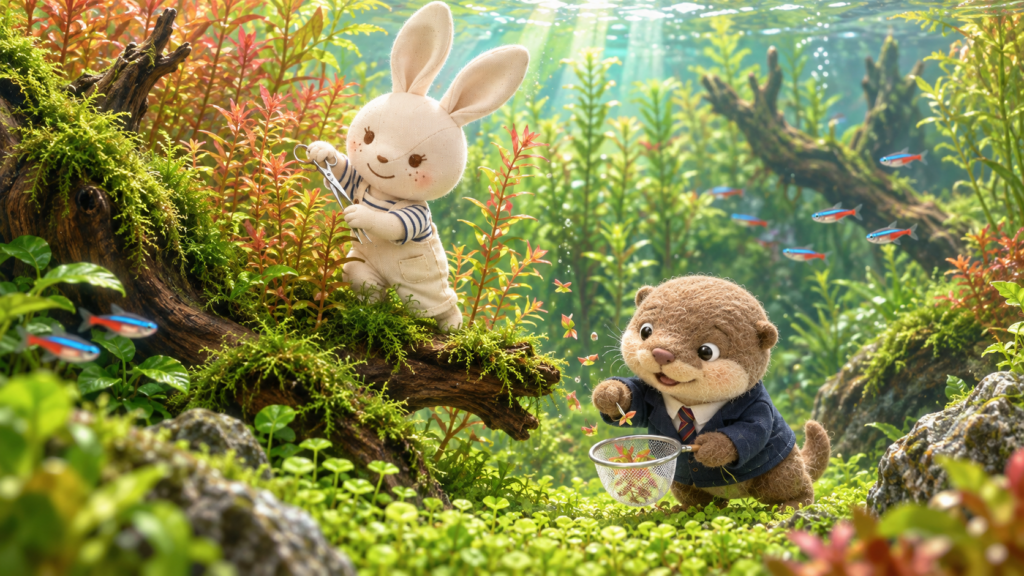 アイのアクアグッズ案内水草トリミングの道具とやり方|ハサミ・ピンセットを水草に合わせて選ぼう伸びすぎた水草は切っていい? 有茎草の差し戻し、前景草の絨毯、流木のモスを整える場面から、水草用ハサミ・ピンセット・ゴミ取りネットの選び方と片付けを紹介します。記事はコチラ →
 アイのアクアグッズ案内テトラミンって、こんなにあるの? アイとコタロウのごはん探究旅道具の特徴や使い方、選ぶときのポイントをアイが紹介します。記事はコチラ →
 アイのアクアグッズ案内コケを食べるコイの仲間に合わせる飼育用品|フライングフォックス・アルジイーター・ガラ道具の特徴や使い方、選ぶときのポイントをアイが紹介します。記事はコチラ →
 アイのアクアグッズ案内おとひめ物語|養殖生まれの餌を、わが家の魚に合う一粒へ道具の特徴や使い方、選ぶときのポイントをアイが紹介します。記事はコチラ →



コメント