

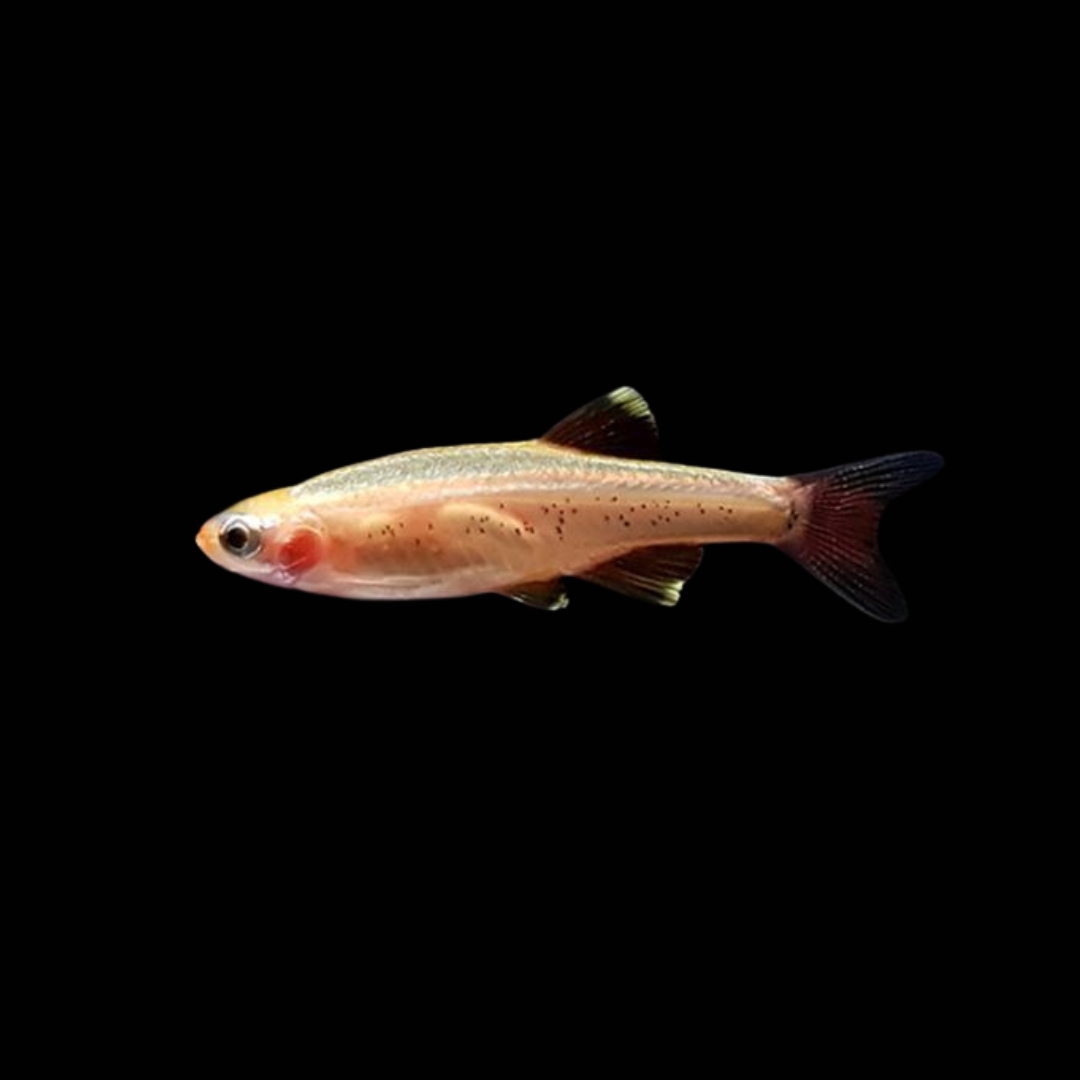
解説 / Description
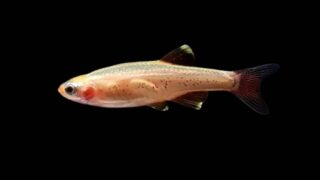
ゴールデンアカヒレは、アカヒレの黄金色タイプとして流通する小型淡水魚です。原種のアカヒレは、中国南部を中心とする地域に由来し、英名では発見地にちなみ White Cloud Mountain Minnow と呼ばれます。低水温にも比較的強く、日本では「無加温でも飼いやすい魚」として知られていますが、これは小さな容器で雑に飼えるという意味ではありません。長く健康に飼うためには、十分な水量、安定したろ過、急激な水温変化を避ける管理が大切です。 The Golden White Cloud Mountain Minnow is a golden ornamental form of Tanichthys albonubes. The wild-type fish is associated mainly with southern China and is known in English as the White Cloud Mountain Minnow, a name derived from its historic locality. It is relatively tolerant of cool water and is often regarded as suitable for unheated aquariums in Japan, but this does not mean it should be kept carelessly in a tiny container. Long-term healthy care requires adequate water volume, stable filtration, and protection from sudden temperature changes.
基本情報 / Basic Information
| 学名 / Scientific Name | Tanichthys albonubes |
|---|---|
| 通称 / Common Name | ゴールデンアカヒレ、アカヒレ・ゴールデン、ゴールデンホワイトクラウドGolden White Cloud Mountain Minnow, Golden White Cloud |
| 分類 / Family | コイ目 タニクティス科 タニクティス属。資料によっては旧来の扱いとしてコイ科に含めて記載されることもあります。Order Cypriniformes, family Tanichthyidae, genus Tanichthys. Some older or aquarium-oriented sources may still list it under Cyprinidae. |
| 英名 / English Name | Golden White Cloud Mountain Minnow |
| 分布 / Distribution | 原種および近縁の野生個体群は、中国南部を中心に記録され、文献によってはベトナムの記録にも触れられます。現在、日本で流通するゴールデンアカヒレは、基本的に観賞魚ファームで繁殖された飼育株です。Wild-type and related populations are recorded mainly from southern China, and some sources also refer to records from Vietnam. Golden individuals in the Japanese aquarium trade are generally captive-bred ornamental strains. |
| 最大体長 / Max Size | 約3〜4cmAbout 3–4 cm |
| 寿命 / Lifespan | 一般的には約3〜5年。水温や水質が安定した環境では、それ以上生きることもあります。Generally about 3–5 years, sometimes longer in a stable, well-maintained aquarium. |
飼育環境 / Aquarium Environment
| 水槽サイズ / Tank Size | 少数なら30cm水槽でも飼育は可能ですが、群れで自然な行動を楽しむなら45cm規格水槽以上が安心です。5匹以上、できれば10匹前後で泳がせると落ち着きやすく、より余裕を持たせるなら60cm規格水槽が扱いやすいです。A small group can be kept in a 30 cm aquarium, but a 45 cm standard tank or larger is safer for displaying natural group behavior. Keep at least five individuals, and preferably around ten. A 60 cm standard tank provides even better stability and swimming space. |
|---|---|
| 水温 / Temperature | 飼育の目安は18〜24℃前後です。低水温への耐性はありますが、5℃前後まで耐えるという情報は「生存耐性」に近く、日常的な推奨水温とは分けて考える必要があります。観賞性と安定管理を重視する場合は、冬場だけヒーターで18〜20℃以上を保つと安心です。高水温が続く環境は苦手なため、夏場の水温上昇にも注意します。 A practical keeping range is around 18–24°C. Although this species can tolerate cool water, reports of survival near 5°C should be understood as survival tolerance rather than an ideal daily keeping temperature. For stable care and good appearance, maintaining at least 18–20°C in winter is recommended. Prolonged high temperatures should also be avoided. |
| 水質 / Water Quality | 弱酸性〜弱アルカリ性まで幅広く適応します。目安はpH6.5〜7.8前後です。丈夫な魚ですが、アンモニアや亜硝酸の蓄積には弱いため、立ち上がった水槽で飼育し、定期的な換水を行ってください。It adapts to a fairly broad range from slightly acidic to slightly alkaline water, around pH 6.5–7.8. Although hardy, it is still sensitive to ammonia and nitrite, so a cycled aquarium and regular water changes are important. |
| レイアウト / Layout | 水草を植えた明るいレイアウトによく映えます。ウィローモス、マツモ、アナカリスなどの細かい水草を入れると、隠れ家や産卵場所としても役立ちます。遊泳スペースを確保しつつ、水草や流木で落ち着ける場所を作ると状態が安定しやすいです。It looks attractive in a planted aquarium. Fine-leaved plants such as Java moss, hornwort, or Egeria can provide shelter and spawning sites. Keep open swimming space while adding plants and driftwood for security. |
| 注意点 / Precautions | ボトルや小瓶でも短期的に飼える魚として紹介されることがありますが、長期飼育では水量不足による水質悪化が大きな負担になります。また、屋外飼育では台風や大雨による流出を必ず防いでください。丈夫さは「雑に扱ってよい」という意味ではありません。It is sometimes marketed as a fish that can survive in small bowls or bottles, but long-term care in very small volumes often leads to unstable water quality. Outdoor setups must be protected from overflow during heavy rain. Hardiness does not mean the fish should be kept carelessly. |
餌と給餌 / Feeding
| 餌の種類 / Diet | 小型魚用のフレークフード、細粒の顆粒フード、冷凍赤虫、ブラインシュリンプ、ミジンコなどをよく食べます。自然下では小さな動物性プランクトンやデトリタスなどを利用するとされ、飼育下でも動物質を含む小粒の餌と相性がよい魚です。口が小さいため、餌は細かくして与えると食べ残しを減らせます。It accepts fine flake foods, small granules, frozen bloodworms, brine shrimp, and daphnia. In nature it feeds on small zooplankton and detritus, so small foods containing animal protein are suitable in captivity. Because the mouth is small, finely crushed or small-particle foods are best. |
|---|---|
| 給餌のポイント / Feeding Tips | 1日1〜2回、数分で食べきれる量を与えます。低水温期は消化が落ちやすいため、無加温飼育では冬場の給餌量を控えめにします。与えすぎは水質悪化と内臓への負担につながるため、少量を安定して与えることが大切です。Feed once or twice daily, only as much as they can consume within a few minutes. In cooler, unheated tanks, reduce feeding because digestion slows down. Overfeeding can pollute the water and stress the digestive system. |
性格と混泳 / Temperament and Tank Mates
| 性格 / Temperament | 温和で、群れで泳ぐ姿が魅力です。オス同士がヒレを広げて見せ合うことはありますが、多くの場合は激しい争いには発展しません。単独よりも複数匹で飼育した方が落ち着きやすい魚です。It is peaceful and attractive when kept in groups. Males may display to each other by spreading their fins, but serious aggression is uncommon. It is generally calmer in a group than alone. |
|---|---|
| 混泳の相性 / Compatibility | メダカ、ネオンテトラ、ラスボラ類、コリドラス、オトシンクルス、ミナミヌマエビやヤマトヌマエビなど、温和でサイズ差の少ない生体と相性がよいです。ただし、稚エビや稚魚は食べられることがあります。大型魚、肉食魚、ヒレをかじる魚、気性の荒い魚との混泳は避けてください。金魚とは低水温を好む点で共通しますが、サイズ差が出るとアカヒレ側が捕食されるおそれがあるため、長期的な混泳相手としては慎重に考える必要があります。Suitable tank mates include medaka, neon tetras, small rasboras, Corydoras, Otocinclus, and freshwater shrimp such as Neocaridina or Amano shrimp. Very small fry or baby shrimp may be eaten. Avoid large predatory fish, fin-nippers, and aggressive species. Although goldfish also tolerate cooler water, they may eat small minnows as they grow, so long-term mixing should be approached with caution. |
病気と対策 / Diseases and Prevention
| かかりやすい病気 / Common Diseases | 白点病、尾ぐされ病、水カビ病、エロモナス症など一般的な淡水魚の病気に注意します。特に低水温が続いた後、輸送直後、急な水合わせの失敗、水質悪化時に調子を崩しやすくなります。Watch for common freshwater fish problems such as white spot disease, fin rot, fungal infections, and Aeromonas-related conditions. Stress after shipping, sudden acclimation, prolonged low temperature, or poor water quality can increase risk. |
|---|---|
| 対策と予防 / Prevention | 導入時は水温合わせと水合わせを丁寧に行い、可能であれば短期間のトリートメント水槽で状態を確認します。日常管理では、過密飼育を避け、餌の与えすぎを防ぎ、定期的な換水で水質を安定させることが最も重要です。低水温期に体表の白点やヒレの傷みが見られた場合は、早めに隔離して治療します。薬剤を使用する場合は、エビ類など混泳生体への影響にも注意してください。Acclimate new fish carefully, and if possible observe them in a separate quarantine tank. Avoid overcrowding, overfeeding, and unstable water quality. If white spots or damaged fins appear during cooler periods, isolate and treat the affected fish promptly. When using medications, consider their effects on tank mates such as shrimp. |
増やし方(繁殖) / Breeding
| 雌雄の判別 / Sexing | オスは体がやや細く、ヒレを広げたときの赤みや発色が目立ちやすい傾向があります。メスは成熟すると腹部がふっくらし、全体に丸みを帯びます。若い個体では判別が難しいこともあります。Males tend to be slimmer and often show stronger color when displaying. Mature females become rounder, especially around the abdomen. Sexing juveniles can be difficult. |
|---|---|
| 繁殖形態 / Reproduction | 水草や産卵床に卵をばらまく卵散布型です。親魚は卵や稚魚を積極的に保護しません。It is an egg-scattering species that deposits eggs among plants or spawning mops. The parents do not actively provide parental care. |
| 繁殖のポイント / Breeding Tips | ウィローモスや産卵床を多めに入れ、状態のよい親魚を複数匹で飼育すると産卵しやすくなります。卵や稚魚を多く残したい場合は、産卵後に親魚を移動するか、卵が付いた水草を別容器に移します。孵化直後の稚魚は小さいため、最初はインフゾリアや微細な稚魚用フードを利用し、成長に合わせてブラインシュリンプ幼生や細かくすりつぶした人工飼料へ移行します。Provide dense Java moss or spawning mops and condition healthy adults. To raise more fry, remove the parents after spawning or move the egg-laden plants to a separate container. Newly hatched fry are small, so start with infusoria or very fine fry foods, then transition to baby brine shrimp and finely powdered prepared foods as they grow. |
雑学と豆知識 / Trivia and Fun Facts
| 1. 名前に残る「白雲山」と発見の物語 / 1. The story behind White Cloud Mountain | アカヒレの英名 White Cloud Mountain Minnow は、中国・広東省の白雲山に由来します。属名 Tanichthys は、発見に関わった人物名 Tan と、ギリシャ語で魚を意味する ichthys を組み合わせた名前とされています。種小名 albonubes も「白い雲」を意味する語に由来し、発見地の印象が学名と英名の両方に刻まれている魚です。The name White Cloud Mountain Minnow comes from Baiyun Mountain in Guangdong, China. The genus name Tanichthys is generally interpreted as combining the name Tan with ichthys, the Greek word for fish. The species name albonubes means white cloud, preserving the image of its historic locality in both the scientific and common names. |
|---|---|
| 2. ゴールデンはアルビノとは別に考えたい体色 / 2. Golden coloration is best treated separately from albinism | ゴールデンアカヒレの明るい体色は、一般的なアルビノとは分けて考えると理解しやすいです。アルビノはメラニン色素の欠乏が中心になりますが、ゴールデンタイプでは黒っぽい色素の見え方が抑えられ、黄色からオレンジ色の色調が目立ちます。近年のゲノム研究では、ゴールデン体色が単一遺伝子的な形質である可能性や、関連する候補遺伝子も報告されており、小さな観賞魚でありながら、体色遺伝を考えるうえでも興味深い存在です。The golden body color is easier to understand when treated separately from typical albinism. Albinism mainly involves the loss of melanin, while golden forms show reduced dark pigmentation and stronger yellow to orange tones. Recent genomic research has reported that the golden phenotype may behave as a monogenic trait and has proposed candidate genes, making this small aquarium fish interesting from a genetic perspective. |
| 3. 「コッピー」として広まった日本独自の入口 / 3. The Japanese Coppy culture | 日本では、アカヒレが小さな容器で飼える魚として紹介され、「コッピー」という商品名でも広く知られるようになりました。この販売形態は、アクアリウムに触れたことがない人にも魚を飼うきっかけを作った一方で、現在の視点では水量やろ過の大切さをあらためて考える必要があります。ゴールデンアカヒレの丈夫さは確かな魅力ですが、その魅力を長く楽しむには、きちんとした水槽環境で群れとして泳がせる飼い方がより適しています。In Japan, White Cloud Mountain Minnows became widely known through small-container products marketed under names such as Coppy. This approach introduced many beginners to fishkeeping, but from a modern husbandry perspective it also reminds us of the importance of adequate water volume and filtration. The fish is hardy, but it shows its best qualities when kept as a group in a properly managed aquarium. |
| 4. 丈夫さの裏にある放流リスク / 4. Hardiness also means release risk | ゴールデンアカヒレは低水温にも比較的強く、屋外の睡蓮鉢やビオトープで飼育されることもあります。しかし、この適応力は自然環境に流出した場合のリスクにもつながります。大雨や台風で容器があふれると、飼育魚が水路や河川へ流れ出す可能性があります。飼いきれなくなった魚を放流しないことはもちろん、屋外飼育では越水防止や排水経路の確認まで含めて管理することが大切です。Its tolerance of cool water makes it popular for outdoor tubs and small patio ponds, but the same hardiness can become an ecological risk if fish escape. Heavy rain or typhoons can overflow containers and carry fish into waterways. Never release unwanted fish, and when keeping them outdoors, manage overflow prevention and drainage carefully. |
| 5. 野生のアカヒレと流通するゴールデンアカヒレ / 5. Wild fish and trade strains are not the same story | 市場で見かけるゴールデンアカヒレは、基本的に観賞魚として繁殖された飼育株です。一方で、原種のアカヒレは生息地の開発や環境変化の影響を受け、野生個体群の保全が重要なテーマになっています。水槽の中では身近で丈夫な魚に見えても、自然界の個体群をめぐる背景には、分類学、保全、生息地管理という大きな物語があります。Golden White Cloud Mountain Minnows seen in shops are generally captive-bred ornamental strains. In contrast, wild populations of the species have been affected by habitat alteration and conservation concerns. Although it feels like a familiar and hardy aquarium fish, its natural history connects to broader themes of taxonomy, conservation, and habitat protection. |
まとめ / Conclusion
ゴールデンアカヒレは、丈夫で温和、さらに黄金色の体色が美しい小型魚です。無加温でも飼育しやすい魚として知られますが、安定した水量とろ過、適切な給餌、急な水温変化や夏場の高水温を避ける管理を行うことで、本来の美しさと活発な群泳をより長く楽しめます。 The Golden White Cloud Mountain Minnow is a hardy, peaceful, and attractive small fish with a warm golden coloration. Although known for tolerating unheated aquariums, it shows its best condition when given stable water volume, filtration, appropriate feeding, and protection from sudden temperature changes and prolonged summer heat.
初心者にもすすめやすい一方で、小さな容器で済ませるよりも、45cm規格水槽以上で複数匹を群れとして飼う方が魚にも飼育者にもよい結果につながります。また、屋外飼育や繁殖を楽しむ場合は、自然環境への流出を防ぐ責任も忘れてはいけません。身近な魚だからこそ、その背景まで知って大切に飼いたい一種です。 It is suitable for beginners, but keeping a group in a 45 cm standard aquarium or larger is better than relying on a tiny container. If breeding or outdoor keeping is attempted, preventing escape into natural waterways is essential. Its familiarity makes it even more worthwhile to understand and care for responsibly.
気になる道具や飼い方を見つけてみませんか?
 アイのアクアグッズ案内ダニオの仲間に合わせる飼育用品|ゼブラダニオから超小型種まで水槽・ろ過・餌を選ぶ道具の特徴や使い方、選ぶときのポイントをアイが紹介します。記事はコチラ →
 アイのアクアグッズ案内小型カラシンの群れを楽しむ|餌と水換えから考える飼育用品ガイド小型カラシンの群れを眺める時間を、もっと楽しく。泳ぐ余白、餌の食べ方、続けやすい水換えを軸に、日本で揃えやすい用品の選び方を紹介します。記事はコチラ →
さまざまな飼育テーマをご紹介。リンク先の記事には広告・商品紹介が含まれます。
案内・紹介記事一覧へ →本記事は、ゴールデンアカヒレの飼育情報を作成するにあたり、分類、分布、生態、保全状況、体色遺伝、外来化リスクに関する資料を参照して構成しています。店舗・通販サイト系の情報は参考文献から除外しています。
-
Froese, R. and Pauly, D. (eds.). FishBase. Tanichthys albonubes Lin, 1932, White cloud mountain minnow.
分類、最大体長、分布、生息環境、低水温耐性、食性、群れでの飼育目安など、基礎情報の確認に使用。
https://www.fishbase.se/summary/Tanichthys-albonubes -
Fricke, R., Eschmeyer, W. N. and van der Laan, R. (eds.). Eschmeyer’s Catalog of Fishes. California Academy of Sciences. Tanichthys albonubes and related nomenclatural records.
学名、命名者、シノニム、分類学的な表記ゆれの確認に使用。
https://researcharchive.calacademy.org/research/ichthyology/catalog/fishcatget.asp?spid=64631 -
Jin, J. J., Li, C., Shen, Z. X., et al. (2022). Descriptions of six new species in White Cloud Mountain minnow Tanichthys albonubes complex (Cypriniformes: Tanichthyidae) in southern China. Journal of Fish Biology.
アカヒレ複合種、隠蔽種、南中国の野生個体群、保全上の背景を確認するために使用。
https://onlinelibrary.wiley.com/doi/10.1111/jfb.15012 -
Li, C., Xiao, H., Zhang, X., Lin, H., Elmer, K. R. and Zhao, J. (2023). Deep genome-wide divergences among species in White Cloud Mountain minnow Tanichthys albonubes complex: Conservation and species management implications. Molecular Phylogenetics and Evolution.
アカヒレ複合種の遺伝的分化、遺伝子流動、保全管理上の注意点の確認に使用。
https://www.sciencedirect.com/science/article/abs/pii/S1055790323000349 -
Li, C., Luo, Y. W., Xiao, H., et al. (2025). Chromosome-level genome assembly and resequencing reveal the genomic basis of two ornamental traits in White Cloud Mountain minnow (Tanichthys albonubes). Journal of Systematics and Evolution.
ゴールデン体色とロングフィン形質の遺伝的背景、候補遺伝子、観賞魚品種としての体色表現の説明に使用。
https://onlinelibrary.wiley.com/doi/10.1111/jse.70042 -
NSW Department of Primary Industries. White Cloud Mountain minnow, Tanichthys albonubes.
低水温耐性、外来化リスク、オーストラリア・ニューサウスウェールズ州における野外定着事例、放流防止の注意喚起に使用。
https://www.dpi.nsw.gov.au/dpi/biosecurity/aquatic-biosecurity/aquatic-pests-and-diseases/freshwater-pests/freshwater-finfish/white-cloud-mountain-minnow -
U.S. Fish and Wildlife Service. Ecological Risk Screening Summary: White Cloud Mountain Fish (Tanichthys albonubes).
分布、導入記録、外来化リスク評価、IUCN評価情報への参照、観賞魚流通との関連を確認するために使用。
https://www.fws.gov/sites/default/files/documents/Ecological-Risk-Screening-Summary-White-Cloud-Mountain-Fish.pdf
補足:飼育水温や水槽サイズについては、文献上の生存耐性と日常飼育の推奨範囲を分けて解釈しています。特に「低水温に耐える」という情報は、長期的に理想的な飼育環境を意味するものではありません。




コメント