

解説 / Description
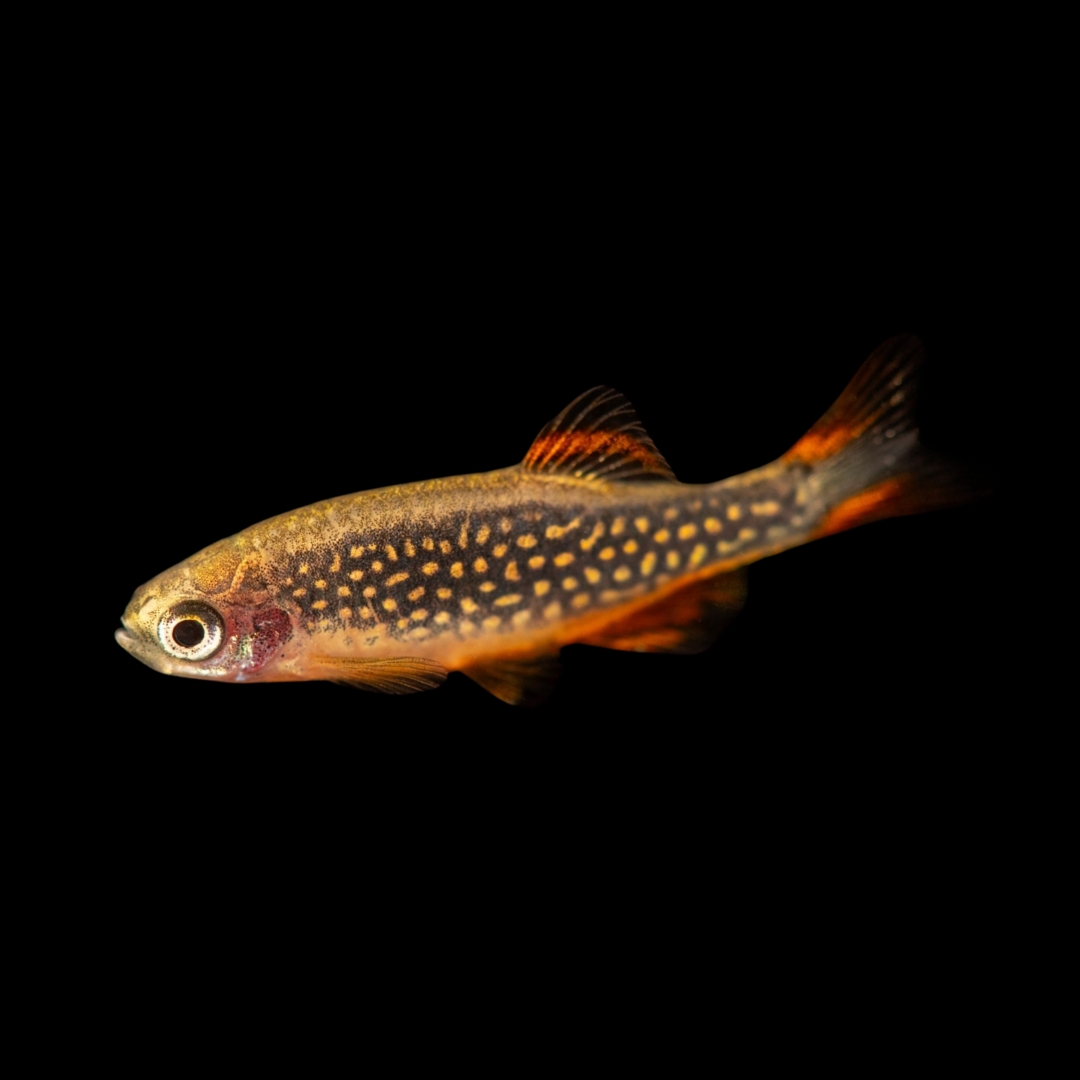
ダニオ・マルガリタートゥスは、ミャンマー東部シャン州の高地湿地から知られる、とても小さく美しいダニオの仲間です。日本では「ミクロラスボラ・HANABI」の名で親しまれ、濃い青緑色の体に散る真珠のような斑点と、赤と黒が入るヒレの模様が大きな魅力です。かつては「ギャラクシー・ラスボラ」や「Microrasbora sp. Galaxy」として流通しましたが、現在の分類ではダニオ属に置かれます。小型水槽でも飼育しやすい一方で、臆病な性格、高水温への弱さ、小さな口に合う餌選びなど、性質を理解した管理が美しさを引き出す鍵になります。 Danio margaritatus is a tiny and exceptionally attractive danio known from upland wetlands in Shan State, eastern Myanmar. In Japan, it is widely known as Microrasbora HANABI, a trade name inspired by its pearl-like spots scattered across a dark blue-green body and its red-and-black fin pattern. It was once traded as Galaxy Rasbora or Microrasbora sp. Galaxy, but it is now placed in the genus Danio. Although it can be kept in small aquariums, understanding its shy nature, sensitivity to high temperatures, and need for very small foods is essential for bringing out its best condition and coloration.
基本情報 / Basic Information
| 学名 / Scientific Name | Danio margaritatus |
|---|---|
| 通称 / Common Name | ダニオ・マルガリタートゥス、ミクロラスボラ・HANABI、ハナビ、ギャラクシーラスボラCelestial Pearl Danio, Galaxy Rasbora, Microrasbora HANABI |
| 分類 / Family | コイ目 ダニオ科または広義のコイ科 ダニオ属。2007年の記載時には新属 Celestichthys とされましたが、2008年以降の形態・分子系統の再検討により、現在は Danio 属として扱われます。Order Cypriniformes, family Danionidae or Cyprinidae in the broad sense, genus Danio. It was described in 2007 in the new genus Celestichthys, but later morphological and molecular studies from 2008 onward supported its placement in Danio. |
| 英名 / English Name | Celestial Pearl Danio, Galaxy Rasbora |
| 分布 / Distribution | ミャンマー東部シャン州のホーポン周辺、サルウィン川水系に属する浅い湧水性湿地から知られます。過去にはより広い地域やタイ北部側からの記録も紹介されてきましたが、正式な分布範囲には未整理な点が残るため、本記事ではホーポン周辺を中心とする局所的な高地湿地の魚として扱います。It is known from shallow spring-fed wetlands around Hopong in Shan State, eastern Myanmar, within the Salween River basin. Wider records, including reports from northern Thailand, have been mentioned in the aquarium and secondary literature, but the formal distribution still contains unresolved points. This article therefore treats it cautiously as a localized upland wetland fish centered around the Hopong area. |
| 最大体長 / Max Size | 約2〜3cm。観賞魚としては超小型魚に入ります。About 2 to 3 cm. It is considered a nano-sized aquarium fish. |
| 寿命 / Lifespan | 一般的な飼育下では約2〜3年が目安です。高水温や慢性的なストレスを避けることで、より安定して長く楽しめます。Usually about 2 to 3 years in aquariums. Avoiding high temperatures and chronic stress helps maintain them in good condition for longer. |
飼育環境 / Aquarium Environment
| 水槽サイズ / Tank Size | 少数なら30cmキューブ水槽、約25L前後から飼育できます。ただし群れで落ち着かせ、オス同士の小競り合いを分散するなら、45cm規格水槽以上が扱いやすく、10匹以上でしっかり楽しむ場合は60cm規格水槽が安心です。A small group can be kept in a 30 cm cube aquarium of around 25 L, but a standard 45 cm tank or larger is easier for stable group management. For groups of 10 or more, a standard 60 cm aquarium is recommended. |
|---|---|
| 水温 / Temperature | 20〜26℃が目安で、22〜24℃前後が特に扱いやすい範囲です。高地性の冷涼な環境に由来するため、30℃を超える高水温は避け、夏場は冷却ファンや水槽用クーラーで対策します。 A range of 20 to 26°C is suitable, with around 22 to 24°C being especially comfortable. Because it originates from cooler upland habitats, temperatures above 30°C should be avoided by using cooling fans or an aquarium chiller in summer. |
| 水質 / Water Quality | 弱酸性から弱アルカリ性、pH6.5〜7.5前後が目安です。原産地は石灰岩地帯の影響を受ける透明な湧水環境で、極端な軟水や強いブラックウォーターよりも、清澄で安定した中性付近の水を好みます。Slightly acidic to slightly alkaline water, around pH 6.5 to 7.5, is appropriate. Its natural habitat is clear spring-fed water influenced by limestone terrain, so stable, clear water near neutral is preferable to extremely soft or heavily tannin-stained blackwater. |
| レイアウト / Layout | ウィローモス、細葉の有茎草、浮き草の根など、隠れ場所になる水草を多めに入れると落ち着きます。暗めの底床を使うと体色のコントラストが出やすく、弱い水流で水草の間を泳がせるレイアウトと相性がよいです。Dense aquatic plants such as mosses, fine-leaved stem plants, and floating plant roots help them feel secure. A darker substrate enhances their color contrast, and they do best in a planted layout with gentle water movement. |
| 注意点 / Precautions | 導入直後は痩せやすく、物陰に隠れて餌を取りにくいことがあります。強い水流、大型魚との混泳、夏季の高水温、急な水質変化を避け、最初は小さな餌をこまめに与えて体力を戻すことが大切です。Newly introduced individuals may be thin and too shy to feed actively. Avoid strong currents, large tank mates, high summer temperatures, and sudden water-quality changes. Frequent small feedings with appropriately sized foods help them regain condition. |
餌と給餌 / Feeding
| 餌の種類 / Diet | 超小粒の人工飼料、細かく砕いたフレーク、冷凍または活きたブラインシュリンプ幼生、ミジンコ、ワムシなどを与えます。口が非常に小さいため、沈下がゆっくりで細かい餌が向いています。Offer very fine prepared foods, finely crushed flakes, frozen or live baby brine shrimp, daphnia, rotifers, and similarly small foods. Because the mouth is tiny, fine foods that sink slowly are ideal. |
|---|---|
| 給餌のポイント / Feeding Tips | 一度に多く入れるより、少量を1日1〜2回、状態回復期や繁殖を狙う時期は少量を複数回に分けると安定します。水面の餌を積極的に取りに来ないこともあるため、水中を漂いながら沈む餌を使うと食べ残しを減らせます。Rather than feeding heavily at once, offer small portions once or twice daily. During recovery or breeding preparation, several very small feedings can be helpful. Foods that drift and sink slowly are often accepted better than floating foods. |
性格と混泳 / Temperament and Tank Mates
| 性格 / Temperament | 基本的には温和ですが、かなり臆病な面があります。少数飼育では隠れがちになるため、5〜10匹以上の群れで飼育すると警戒心が分散し、オス同士のフィンスプレッディングや水草の間を泳ぐ姿を観察しやすくなります。It is peaceful but quite shy. In very small numbers it may remain hidden, so keeping a group of at least 5 to 10 individuals helps reduce nervousness and makes male fin displays and natural activity easier to observe. |
|---|---|
| 混泳の相性 / Compatibility | 同じく温和な小型魚、コリドラス・ピグミーなどの小型底層魚、小型シュリンプ類との混泳に向きます。口の大きな魚、動きが速く餌を奪う魚、ヒレをつつく魚は避けます。近縁のダニオ・エリスロミクロンとは相性がよい一方、交雑の可能性があるため、純系繁殖を目的とする場合は分けて管理します。It is suitable with other peaceful nano fish, small bottom dwellers such as pygmy corydoras, and small freshwater shrimp. Avoid large-mouthed fish, fast or aggressive feeders, and fin-nipping species. It can be kept with Danio erythromicron, but the two may hybridize, so they should be separated if pure breeding is intended. |
病気と対策 / Diseases and Prevention
| かかりやすい病気 / Common Diseases | 特定の病気だけに極端に弱い魚ではありませんが、導入直後の痩せ、白点病、尾ぐされ、細菌性の肌荒れ、高水温時の酸欠や消耗には注意が必要です。小型魚のため、症状が進むと回復に時間がかかります。It is not uniquely prone to one specific disease, but newly imported or stressed individuals may suffer from emaciation, ich, fin rot, bacterial skin problems, or heat-related oxygen stress. Because it is very small, advanced symptoms can be difficult to reverse. |
|---|---|
| 対策と予防 / Prevention | 水温を安定させ、過密を避け、ろ過の効いた清潔な水を保ちます。新規導入魚は可能であれば隔離観察し、痩せた個体には微小な生き餌や冷凍飼料を少量ずつ与えます。薬浴時は体が小さいため、薬剤の濃度と酸欠に十分注意します。Maintain stable temperatures, avoid overcrowding, and keep the water clean with mature filtration. Quarantine new fish when possible, and feed thin individuals small live or frozen foods in modest portions. During medication, take extra care with dosage and oxygenation because of their small body size. |
増やし方(繁殖) / Breeding
| 雌雄の判別 / Sexing | オスは体色が濃い青緑色になりやすく、ヒレの赤と黒の模様が鮮やかです。メスはややふっくらし、体色は控えめで、腹部に黄色味が出ることがあります。成熟したメスでは尻ビレ付近の黒斑が目印になる場合があります。Males tend to show a deeper blue-green body color and more vivid red-and-black fin markings. Females are usually rounder, more subdued in color, and may show a yellowish belly. Mature females may show a dark spot near the anal fin. |
|---|---|
| 繁殖形態 / Reproduction | 水草の茂みなどに卵を産み落とす、コイ科らしいばら撒き型の産卵です。親は卵や稚魚を守らず、食卵することもあります。It is an egg-scattering cyprinid that deposits eggs among dense plants. The parents do not guard the eggs or fry and may eat them. |
| 繁殖のポイント / Breeding Tips | ウィローモスや産卵モップを入れた小型水槽に、よく太ったメスと発色のよいオスを入れると産卵を狙えます。産卵後は親を戻すと卵の残存率が上がります。24℃前後では卵はおおむね3〜4日で孵化し、仔魚は数日後に泳ぎ出します。初期飼料はインフゾリアやワムシ、超微粉末飼料から始め、成長に合わせてブラインシュリンプ幼生へ切り替えます。Place a conditioned female and a well-colored male in a small breeding tank with moss or spawning mops. Removing the adults after spawning improves egg survival. At around 24°C, eggs usually hatch in about 3 to 4 days, and fry become free-swimming a few days later. Start with infusoria, rotifers, or ultra-fine fry food, then gradually move to baby brine shrimp as they grow. |
雑学と豆知識 / Trivia and Fun Facts
| 1. 「HANABI」という名前が伝える魅力 / 1. The Meaning Behind the Name HANABI | 日本で定着した「ミクロラスボラ・HANABI」という呼び名は、学術名ではなく流通名です。濃い体色に白から淡黄色の小さな斑点が散り、赤いヒレが差し色になる姿は、暗い夜空に花火が開く印象と重なります。英名のCelestial Pearl Danioも「天上の真珠」を思わせる名で、地域や言語は違っても、この魚を見た人がまず小さな体に宇宙的な美しさを感じたことが伝わってきます。The Japanese trade name Microrasbora HANABI is not a scientific name, but it captures the fish’s visual appeal beautifully. Its pale spots on a dark body and red fin accents suggest fireworks blooming in a night sky. The English name Celestial Pearl Danio carries a similar sense of wonder, showing how aquarists across different languages responded to the same tiny, starry beauty. |
|---|---|
| 2. 発見直後に揺れた分類の物語 / 2. A Taxonomic Story After Its Discovery | 本種は2006年に観賞魚として知られるようになり、2007年には Celestichthys margaritatus として新属新種で記載されました。しかし、2008年に発表された骨格形態と分子系統の再検討により、ダニオ属に含めるのが妥当と判断され、現在の Danio margaritatus という学名が広く使われています。つまり、店頭で見かける「ミクロラスボラ」や「ギャラクシーラスボラ」という名前は、発見当初の印象と流通の歴史を残す呼び名でもあります。The species became known to the aquarium world in 2006 and was described in 2007 as Celestichthys margaritatus, a new genus and species. A 2008 reassessment of skeletal features and molecular phylogeny supported its placement in the genus Danio, leading to the current name Danio margaritatus. Trade names such as Microrasbora and Galaxy Rasbora therefore preserve traces of its early discovery and aquarium-market history. |
| 3. 真珠模様をつくる色素細胞の世界 / 3. Pigment Cells Behind the Pearl Pattern | ダニオの仲間には、ゼブラダニオの横縞、ダニオ・エリスロミクロンの縦縞、本種の斑点のように、近縁でもまったく異なる模様を持つものがいます。これらの模様は単に色が塗られているのではなく、黒色素胞、黄色素胞、虹色素胞といった細胞が互いに影響し合いながら並ぶことで形づくられると考えられています。近年の研究では、カリウムチャネル遺伝子 kcnj13 などがダニオ類の色彩パターン形成に関わることも示されており、小さなHANABIの斑点は、アクアリウムの中で楽しめる進化と発生の物語でもあります。Danio species can show very different patterns: horizontal stripes in zebrafish, vertical bars in Danio erythromicron, and spots in this species. These patterns are not simply painted on; they are thought to emerge from interactions among melanophores, xanthophores, and iridophores. Recent studies also indicate that genes such as the potassium channel gene kcnj13 are involved in color-pattern formation in danios. The tiny pearl spots of the Celestial Pearl Danio are therefore a visible story of development and evolution inside the aquarium. |
| 4. 一度は乱獲が心配された魚 / 4. A Fish Once Feared to Be Overcollected | 発見直後、本種は世界中のアクアリストの注目を集め、野生個体への採集圧が強く懸念されました。短期間で深刻な減少が語られた一方、その後の調査では複数の生息地点や高い繁殖力が示され、飼育下繁殖も広く行われるようになりました。現在でもIUCNでは情報不足として扱われており、野生環境への配慮は欠かせません。本種は「美しい魚を消費するだけでなく、繁殖技術と情報共有によって負担を減らす」という観賞魚文化の教訓を残した存在です。Soon after its discovery, global demand raised serious concern about pressure on wild populations. Although severe decline was widely discussed at first, later surveys indicated additional localities and a strong reproductive capacity, while captive breeding also became widespread. The species is still assessed as Data Deficient by the IUCN, so attention to wild habitats remains important. It is a reminder that aquarium culture can reduce pressure on wild fish when breeding knowledge and responsible trade develop together. |
まとめ / Conclusion
ダニオ・マルガリタートゥス(ミクロラスボラ・HANABI)は、超小型でありながら非常に印象的な色彩を持ち、水草レイアウト水槽との相性がとてもよい魚です。群れで飼育し、隠れ場所を十分に用意し、弱い水流と安定した水質を保つことで、本来の落ち着いた行動と美しい発色を楽しめます。 Danio margaritatus, or Microrasbora HANABI, is a nano-sized fish with remarkably striking coloration and excellent compatibility with planted aquariums. Keeping it in a group, providing plenty of cover, and maintaining gentle flow and stable water conditions will bring out its natural behavior and beautiful colors.
飼育の最大のポイントは、夏場の高水温を避けること、小さな口に合う餌を選ぶこと、そして臆病さを群泳と水草で和らげることです。これらを押さえれば、初心者にも挑戦しやすく、繁殖まで楽しめる奥深い小型美魚として、長く付き合える存在になります。 The key points are avoiding high summer temperatures, choosing foods small enough for its tiny mouth, and reducing shyness through group keeping and dense plants. With these basics in place, it becomes an approachable yet deeply rewarding nano fish that can even offer the experience of breeding at home.

気になる道具や飼い方を見つけてみませんか?
 アイのアクアグッズ案内エーハイム、安いのと高いのは何が違う? コタロウと見比べる外部フィルター道具の特徴や使い方、選ぶときのポイントをアイが紹介します。記事はコチラ →
 アイのアクアグッズ案内カルキ抜き・水質調整剤の選び方|水換えと水槽の種類に合わせて選ぶ道具の特徴や使い方、選ぶときのポイントをアイが紹介します。記事はコチラ →
さまざまな飼育テーマをご紹介。リンク先の記事には広告・商品紹介が含まれます。
案内・紹介記事一覧へ →参考文献・参照資料
本記事では、ダニオ・マルガリタートゥス(ミクロラスボラ・HANABI)の分類、分布、生息環境、保全状況、色彩パターンに関する記述を確認するため、以下の資料を参照しました。
-
Roberts, T. R. (2007). The “Celestial Pearl Danio”, a new genus and species of colourful minute cyprinid fish from Myanmar (Pisces: Cypriniformes). The Raffles Bulletin of Zoology, 55(1), 131–140.
原記載論文。Celestichthys margaritatus としての記載、基準産地、形態、雌雄差、生息環境の確認に使用しました。 -
Conway, K. W., Chen, W.-J., & Mayden, R. L. (2008). The “Celestial Pearl danio” is a miniature Danio (s.s) (Ostariophysi: Cyprinidae): evidence from morphology and molecules. Zootaxa, 1686(1), 1–28.
本種を Danio 属に移す根拠となった再検討論文。骨格形態、RAG1遺伝子、ダニオ属としての分類、Danio erythromicron との近縁性の確認に使用しました。 -
California Academy of Sciences. Eschmeyer’s Catalog of Fishes: Danio margaritatus.
魚類の学名・シノニム確認用データベース。現在の有効名、原記載、タイプ産地、Celestichthys margaritatus から Danio margaritatus への扱いの確認に使用しました。 -
Kano, Y., Fuke, Y., Lay, H. M., Win, M. M., & Watanabe, K. (2022). Fish diversity of a spring field in Hopong Town, Taunggyi District, Shan State, Myanmar (the Salween River Basin), with genetic comparisons to some “species endemic to Inle Lake”. Biodiversity Data Journal, 10, e80101.
ホーポン周辺の湧水湿地と魚類相に関する調査。ホーポン地域の地理、生息地の文脈、周辺魚類相、分布を慎重に扱うための確認に使用しました。 -
FishBase. Danio margaritatus, Galaxy rasbora.
最大サイズ、一般名、利用、保全ステータス、生息環境の概要確認に使用しました。IUCN Red List上のData Deficient表示の照合にも参照しました。 -
Australian Government Department of Climate Change, Energy, the Environment and Water. (2020). Danio margaritatus assessment report.
CITES掲載状況、IUCNでのData Deficient扱い、観賞魚としての輸入・環境リスク評価、飼育下繁殖に関する補助情報の確認に使用しました。 -
Podobnik, M., et al. (2020). Evolution of the potassium channel gene Kcnj13 underlies colour pattern diversification in Danio fish. Nature Communications, 11, 6230.
ダニオ類における黒色素胞、黄色素胞、虹色素胞の相互作用や、kcnj13 などの遺伝子が色彩パターン形成に関わることを説明する際の背景資料として使用しました。
注記:店舗・通販サイト、個人ブログ、販売ページは参考文献から除外しています。飼育温度や給餌などの実用情報は、上記の原記載・分類文献・生息地情報に加え、一般的な小型ダニオ類の飼育知見と照合して記述しています。




コメント