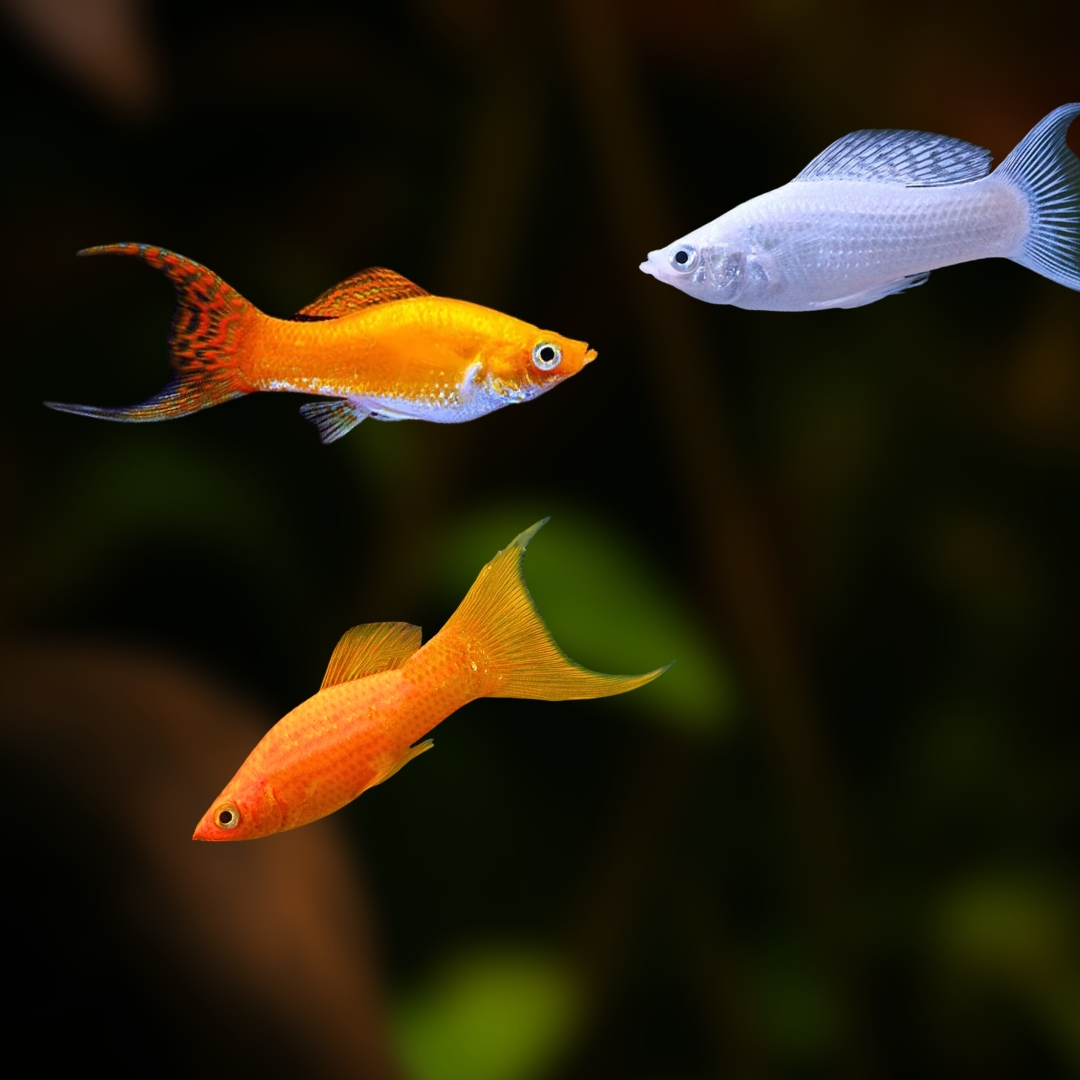
ライヤーテールモーリーは、尾びれの上下が琴の弦のように伸びる、優雅な姿が魅力のモーリーの改良品種群です。ブラック、シルバー、オレンジ、ダルメシアン、バルーン体型など多彩なタイプが流通し、観賞魚としての美しさだけでなく、水槽内の藻類や水面の油膜をついばむお掃除役としても親しまれています。基になったモーリー類はポエキリア属の卵胎生メダカで、硬度があり中性から弱アルカリ性の水を好む傾向があります。野生種や近縁種には汽水域・沿岸域に現れるものもおり、塩分への適応力はモーリー類の大きな特徴です。ただし、改良品種として流通する個体は入荷状態や系統差もあるため、丈夫な魚とされながらも、水質の急変、過密、弱酸性への傾きすぎには注意が必要です。The Lyretail Molly is a group of selectively bred mollies admired for its elegant caudal fin, whose upper and lower lobes extend like the arms of a lyre. It is available in many forms, including black, silver, orange, dalmatian, and balloon types, and is valued not only for its beauty but also for grazing algae and surface film in aquariums. Its ancestral mollies belong to the livebearing genus Poecilia and generally prefer mineral-rich, neutral to slightly alkaline water. Some wild or related mollies occur in brackish and coastal habitats, and tolerance of salinity is an important trait in this group. However, commercially bred aquarium strains can vary in condition and background, so even though they are regarded as hardy, sudden water changes, overcrowding, and overly acidic water should be avoided.
カダヤシ目 カダヤシ科 ポエキリア属Order Cyprinodontiformes, family Poeciliidae, genus Poecilia
英名 / English Name
Lyretail Molly
分布 / Distribution
ライヤーテールモーリー自体は観賞魚として作出・固定された改良品種群で、世界各地の養殖場で生産されています。基になったモーリー類は、北アメリカ南部からメキシコ、中米周辺にかけての淡水域、汽水域、沿岸域に分布する種類を含みます。The Lyretail Molly itself is a selectively bred aquarium form produced by fish farms around the world. Its ancestral molly group includes species distributed from the southern United States through Mexico and parts of Central America, inhabiting freshwater, brackish, and coastal environments.
最大体長 / Max Size
一般的な流通個体では6〜8cmほどが目安です。セルフィン系や大型系の血を引く個体では、環境によって10cm前後に達することもあります。Common aquarium strains usually reach about 6–8 cm. Individuals with sailfin or larger-bodied ancestry may approach around 10 cm under good conditions.
寿命 / Lifespan
おおむね2〜3年が目安です。水質が安定し、過密や栄養不足を避けられれば、より長く楽しめる場合があります。A typical lifespan is about 2–3 years. With stable water quality, appropriate stocking, and good nutrition, some individuals may live longer.
飼育環境 / Aquarium Environment
水槽サイズ / Tank Size
ペアや少数飼育なら45cm規格水槽以上から可能ですが、よく泳ぎ、排泄量も多い魚なので、複数匹でゆったり飼うなら60cm規格水槽以上が安心です。繁殖で数が増えることを考えると、群れで維持する場合は60cm規格水槽から90cm規格水槽を目安にすると管理しやすくなります。A standard 45 cm aquarium or larger can house a pair or small group, but because mollies are active and produce considerable waste, a standard 60 cm aquarium or larger is safer for several fish. If you plan to maintain a breeding group, a standard 60–90 cm aquarium is easier to manage.
水温 / Temperature
24〜28℃前後が扱いやすい範囲です。急な温度変化を嫌うため、ヒーターで安定させ、輸入直後や季節の変わり目は特に注意します。Around 24–28°C is a practical range. Avoid sudden temperature changes, use a heater for stability, and take extra care with newly imported fish or during seasonal transitions.
水質 / Water Quality
中性から弱アルカリ性、目安としてpH7.0〜8.4前後の水が向いています。特に硬度がある水を好む傾向があるため、極端な軟水や弱酸性に長く傾く環境は避けます。ソイルを用いた水草水槽ではpHが下がりすぎないよう、換水や水質測定を行うと安心です。塩分への耐性はありますが、通常飼育では淡水で問題ありません。汽水や海水に近い環境で扱う場合は、数日以上かけた慎重な馴化が前提です。Neutral to slightly alkaline water, roughly around pH 7.0–8.4, is suitable. They tend to do best in mineral-rich water, so avoid prolonged exposure to very soft or acidic conditions. In planted aquariums using active soil, monitor pH and maintain stability through water changes. Although mollies have salinity tolerance, normal freshwater care is perfectly acceptable. Brackish or near-marine use requires gradual acclimation over several days or longer.
レイアウト / Layout
遊泳スペースを確保しつつ、ウィローモス、マツモ、浮草、細かい水草などを入れると、稚魚や弱い個体の隠れ家になります。水草水槽では藻類をついばむ姿が見られますが、空腹時には柔らかい新芽をつつくこともあるため、餌不足にしないことが大切です。Provide open swimming space along with cover such as Java moss, hornwort, floating plants, or fine-leaved plants, which help protect fry and weaker fish. In planted aquariums they often graze algae, but hungry individuals may nip tender new growth, so adequate feeding is important.
注意点 / Precautions
強すぎる水流は体力を消耗させることがあるため、必要に応じて排水方向を調整します。大食漢で水を汚しやすいので、ろ過不足、過密、食べ残しの蓄積は避けます。輸入直後やショップ入荷直後の個体は水質変化や細菌感染に弱いことがあるため、導入時は水合わせを丁寧に行い、可能であれば別水槽で数日から数週間観察します。Excessive current may exhaust them, so adjust filter outflow if needed. They eat heavily and can foul the water, so avoid weak filtration, overcrowding, and uneaten food. Newly imported or recently shipped individuals may be vulnerable to water-quality shifts and bacterial issues; acclimate carefully and, when possible, observe them in a separate quarantine tank for several days to a few weeks.
餌と給餌 / Feeding
餌の種類 / Diet
雑食性ですが、植物質や藻類をよく利用します。植物質配合フード、スピルリナ入りフード、一般的な熱帯魚用人工飼料を主食にし、冷凍アカムシ、イトミミズ、ブラインシュリンプなどを補助的に与えるとよいでしょう。水槽内の藻類もついばみますが、それだけで十分な栄養が取れるわけではありません。They are omnivorous but make good use of plant matter and algae. Vegetable-based foods, spirulina foods, and general tropical fish flakes or pellets should form the staple diet, with frozen bloodworms, tubifex, or brine shrimp offered as supplements. They will graze aquarium algae, but algae alone is not a complete diet.
給餌のポイント / Feeding Tips
1日1〜2回、数分で食べきれる量を与えます。食欲旺盛なため多めに与えたくなりますが、食べ残しは水質悪化の原因になります。コケ取り役として導入している場合でも、植物質フードを中心に定期的な給餌を行うことで、痩せや水草への過度なついばみを防ぎやすくなります。Feed once or twice daily, only as much as they can finish within a few minutes. Their strong appetite can encourage overfeeding, but uneaten food quickly degrades water quality. Even when kept as algae grazers, regular vegetable-rich feeding helps prevent weight loss and excessive nibbling on plants.
性格と混泳 / Temperament and Tank Mates
性格 / Temperament
基本的には温和で活発に泳ぐ魚です。ただし、オスはメスをよく追いかけるため、メスが休める隠れ家を用意し、可能であればオス1匹に対してメス2〜3匹程度の比率にすると負担を分散しやすくなります。個体差により、餌場でやや強く出る個体もいます。They are generally peaceful and active. Males often chase females, so provide hiding places and, when possible, keep one male with two or three females to reduce pressure on any single female. Some individuals may become assertive at feeding time.
混泳の相性 / Compatibility
同程度のサイズで温和な魚と相性が良く、グッピー、プラティ、ソードテール、小型〜中型のカラシン、コリドラスなどと混泳できます。ただし、極端な軟水・弱酸性を好む魚、ひれをかじる魚、口に入るほど小さい稚魚との混泳は注意が必要です。塩を入れる飼育を行う場合は、混泳相手や水草、エビ類が塩分に耐えられるか必ず確認します。They mix well with similarly sized peaceful fish such as guppies, platies, swordtails, small to medium characins, and Corydoras. Use caution with fish requiring very soft acidic water, fin-nippers, or fry small enough to be eaten. If salt is used, make sure all tank mates, plants, and invertebrates can tolerate it.
病気と対策 / Diseases and Prevention
かかりやすい病気 / Common Diseases
尾ぐされ病、口腐れ病、エラのトラブル、白点病、輸入直後の細菌性感染症、環境ストレスによる元気消失などに注意します。ヒレが裂ける・溶ける、口元が白くただれる、体をこする、呼吸が荒い、底でじっとするなどの変化は早めに確認します。Watch for fin rot, mouth rot, gill problems, ich, bacterial infections after shipping, and general stress-related decline. Early warning signs include frayed or melting fins, whitish erosion around the mouth, flashing, rapid breathing, or resting on the bottom.
対策と予防 / Prevention
予防の基本は、過密を避け、餌を与えすぎず、定期的な換水とフィルター清掃で有機物をためないことです。初期の不調では、0.3〜0.5%程度の塩水浴が選択肢になることがありますが、水草やエビ類がいる本水槽では影響に注意し、必要に応じて隔離水槽で行います。症状が進んだ尾ぐされ病や口腐れ病では、観賞魚用の抗菌薬を説明書に従って使用します。白点病では専用薬を用いますが、薬剤は魚種、エビ類、水草、ろ材への影響を確認してから使います。大型寄生虫が疑われる場合は、強い薬剤を自己判断で使わず、物理的除去や専門店への相談を優先します。Prevention depends on avoiding overcrowding, preventing overfeeding, and keeping organic waste low through regular water changes and filter maintenance. At the first signs of trouble, a 0.3–0.5% salt bath may be considered, but salt can affect plants and shrimp, so a separate treatment tank is often safer. Advanced fin rot or mouth rot may require aquarium antibacterial medication used strictly according to the label. Ich should be treated with appropriate anti-ich medication, after checking its effects on fish, shrimp, plants, and filter bacteria. If larger external parasites are suspected, avoid using harsh medications without guidance and prioritize physical removal or consultation with an experienced aquarium shop.
増やし方(繁殖) / Breeding
雌雄の判別 / Sexing
オスは尻ビレが細長い交接器、いわゆるゴノポディウムに変化します。メスは尻ビレが扇形に近く、成熟すると腹部がふっくらします。ライヤーテールモーリーでは尾びれが長く目立ちますが、雌雄判別では尾びれより尻ビレの形を見るのが確実です。Males have a modified, narrow anal fin called a gonopodium. Females have a more fan-shaped anal fin and develop a fuller abdomen when mature. Although the lyretail caudal fin is conspicuous, the anal fin is the most reliable feature for sexing.
繁殖形態 / Reproduction
卵胎生です。メスの体内で卵が発生し、孵化した稚魚がそのまま泳げる状態で産み落とされます。メスは交尾で得た精子を体内に蓄えることができ、1回の交尾後に複数回出産することがあります。They are livebearers. Eggs develop inside the female, and fully formed, free-swimming fry are born. Females can store sperm and may give birth multiple times after a single mating.
繁殖のポイント / Breeding Tips
繁殖は比較的容易ですが、親魚や混泳魚が稚魚を食べることがあります。稚魚を多く残したい場合は、出産前のメスを隔離ケースに移すか、ウィローモスやマツモなどを多めに入れて隠れ家を作ります。稚魚は比較的大きく、細かく砕いた人工飼料やブラインシュリンプを食べられます。成長は早く、1か月前後で雌雄差が見え始め、3〜4か月ほどで繁殖可能になることがあります。ただし、体型や色、尾びれの形をきれいに維持したい場合は、系統を混ぜすぎず、親魚を選んで残すことが大切です。Breeding is relatively easy, but adults and tank mates may eat the fry. To save more fry, move a gravid female to a breeding box before birth or provide dense cover such as Java moss or hornwort. Fry are relatively large and can eat finely crushed prepared foods or brine shrimp. They grow quickly; sex differences may appear after about a month, and some may become reproductive at around 3–4 months. If you want to maintain body shape, color, or tail quality, avoid mixing too many strains and select breeding adults carefully.
雑学と豆知識 / Trivia and Fun Facts
1. 「モーリー」という名前に残る分類史 / 1. A Taxonomic History Preserved in the Name Molly
現在、モーリー類はポエキリア属の魚として扱われますが、「モーリー」という呼び名には古い分類名の名残があります。かつて一部のモーリー類はMollienesiaという名で扱われ、背びれの大きさや形の違いが分類上の手がかりとされていました。その後、分類の見直しによってPoeciliaにまとめられていきましたが、アクアリウムの世界では「モーリー」という親しみやすい名前が残りました。日常的に使う呼び名の中に、古い魚類学と観賞魚文化の記憶がそっと残っているのは、とても面白い点です。Today, mollies are treated as fishes of the genus Poecilia, but the name “molly” preserves a trace of older taxonomy. Some mollies were once handled under the name Mollienesia, with features such as dorsal-fin size and shape used as taxonomic clues. Later revisions placed these fishes within Poecilia, yet the aquarium world kept the friendly name “molly.” It is fascinating that a casual aquarium name still carries a quiet memory of older ichthyology and aquarium culture.
2. Poeciliaという学名が示す多彩さ / 2. The Colorful Meaning of Poecilia
属名のPoeciliaは、古代ギリシャ語の「多様な」「斑点のある」といった意味をもつ語に由来すると説明されることがあります。野生のモーリー類にも地域差や斑紋の違いが見られますが、アクアリウムで見られるブラック、シルバー、オレンジ、ダルメシアンといった品種の幅広さを思うと、この名はとてもよく似合っています。ライヤーテールモーリーは、ポエキリア属の持つ多様性が、品種改良によって観賞魚として花開いた姿といえるでしょう。The genus name Poecilia is often explained as deriving from Greek words meaning “varied” or “spotted.” Wild mollies show regional and pattern variation, and the range seen in aquariums, including black, silver, orange, and dalmatian forms, makes the name feel especially fitting. The Lyretail Molly can be seen as an aquarium expression of the diversity within Poecilia, shaped through selective breeding.
3. ライヤーテール形質と繁殖のしやすさ / 3. The Lyretail Trait and Ease of Breeding
ライヤーテール形質は、一般的な育種情報では通常尾に対して優性に現れると説明されることが多く、モーリーでは多くの系統でオスも自然交配できるとされています。これは、ライヤーテール化によってオスの交接器が伸びすぎやすいソードテールなどと比べると、品種維持の面で大きな利点です。ただし、すべての色彩・体型の組み合わせで必ず同じとは限らず、特定の系統では交接器の形に問題が出る例も知られています。そのため、記事としては「ライヤーテールモーリーは比較的固定しやすい品種群」と理解するのが安全です。美しい尾びれが広く流通している背景には、見た目の魅力だけでなく、育種上の扱いやすさも関係しているのです。The lyretail trait is commonly described in breeding literature as dominant over the normal tail, and in many molly strains males are reported to mate naturally. This is a major advantage compared with some lyretail swordtails, in which the gonopodium can become too elongated for normal mating. However, not every color and body-shape combination behaves identically, and some strains are known to have gonopodium problems. A safer way to understand the article is that lyretail mollies are generally easier to fix and maintain than many comparable lyretail livebearers. Their widespread availability reflects not only their beauty but also their relative practicality in breeding.
4. 淡水魚でありながら塩分にも強いという個性 / 4. A Freshwater Aquarium Fish with Salinity Tolerance
モーリー類の大きな魅力のひとつが、塩分への適応力です。特にセルフィンモーリーなどの仲間は、淡水だけでなく汽水域や沿岸環境との関わりも知られ、エラでのイオン調整を通じて環境変化に対応します。この性質は飼育面でも役立ち、塩水浴という選択肢や、慎重な馴化による汽水水槽での飼育につながっています。ただし、「海水にも入れられる」という情報だけが一人歩きすると危険です。淡水で育った個体を急に海水へ移すことは強いストレスになります。塩分を使う場合は、魚の状態を見ながらゆっくり馴らすことが何より大切です。One of the notable qualities of mollies is their tolerance of salinity. Relatives such as sailfin mollies are associated not only with freshwater but also with brackish and coastal habitats, adjusting to environmental change through ion regulation in the gills. In aquariums, this trait supports options such as salt baths or carefully acclimated brackish setups. However, the statement that mollies “can live in saltwater” can be misleading if taken too simply. Moving a freshwater-raised individual directly into seawater is highly stressful. When salt is used, gradual acclimation and close observation are essential.
5. 近縁種が教えてくれるポエキリア属の不思議 / 5. What Relatives Reveal About the Strangeness of Poecilia
ライヤーテールモーリーそのものではありませんが、同じポエキリア属周辺には非常に興味深い繁殖戦略をもつ魚がいます。アマゾンモーリーとして知られるPoecilia formosaは、メスだけで系統を維持する魚として有名で、近縁種のオスの精子を卵の発生開始のきっかけとして利用しながら、通常は父親の遺伝情報を子に取り込みません。このような不思議な繁殖様式をもつ仲間がいることは、ポエキリア属が単なる丈夫な観賞魚の集まりではなく、進化や遺伝を考えるうえでも非常に魅力的なグループであることを教えてくれます。Although not the Lyretail Molly itself, relatives around the genus Poecilia include fishes with remarkable reproductive strategies. The Amazon Molly, Poecilia formosa, is famous as an all-female lineage. It uses sperm from related males to trigger egg development, but the male’s genetic material is typically not incorporated into the offspring. The existence of such relatives shows that Poecilia is not merely a group of hardy aquarium fishes; it is also a fascinating window into evolution and genetics.
まとめ / Conclusion
ライヤーテールモーリーは、優雅な尾びれと多彩な体色、そして比較的高い環境適応力を兼ね備えた、初心者にも親しみやすい卵胎生メダカです。45cm規格水槽以上から飼育できますが、よく泳ぎ、繁殖しやすく、排泄量も多いため、60cm規格水槽以上で余裕をもって飼うと安定しやすくなります。水質は中性から弱アルカリ性を意識し、極端な軟水や酸性化を避けることが大切です。The Lyretail Molly is an approachable livebearer that combines elegant fins, varied coloration, and relatively strong environmental adaptability. It can be kept from a standard 45 cm aquarium upward, but because it is active, breeds readily, and produces considerable waste, a standard 60 cm aquarium or larger provides more stable conditions. Aim for neutral to slightly alkaline water and avoid extremely soft or acidic conditions.
水草水槽で藻類や油膜をついばむ実用性、慎重な馴化による汽水寄りの飼育、そして品種ごとの色彩の楽しさまで、ライヤーテールモーリーには幅広い魅力があります。丈夫な魚ではありますが、その強さに頼りすぎず、導入時の水合わせ、過密回避、定期的な換水を丁寧に行うことで、長く元気な姿を楽しめます。The Lyretail Molly offers many attractions, from grazing algae and surface film in planted aquariums to carefully acclimated brackish-style care and the enjoyment of different color strains. It is a hardy fish, but its hardiness should not be taken for granted. Careful acclimation, sensible stocking, and regular water changes will help you enjoy healthy, active fish for a long time.



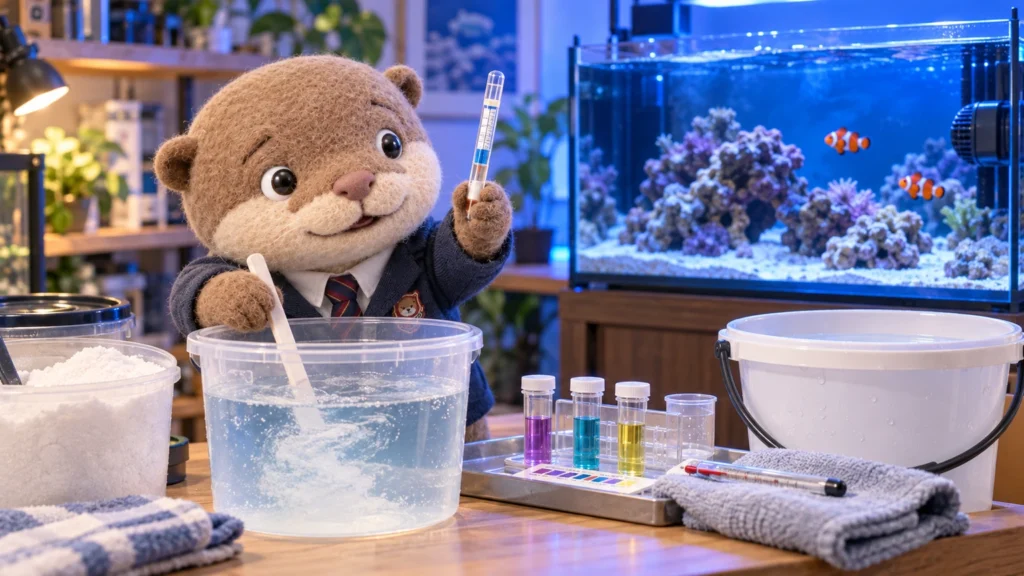 アイのアクアグッズ案内海水魚初心者の必需品|水槽・人工海水・比重計・水質検査道具の特徴や使い方、選ぶときのポイントをアイが紹介します。記事はコチラ →
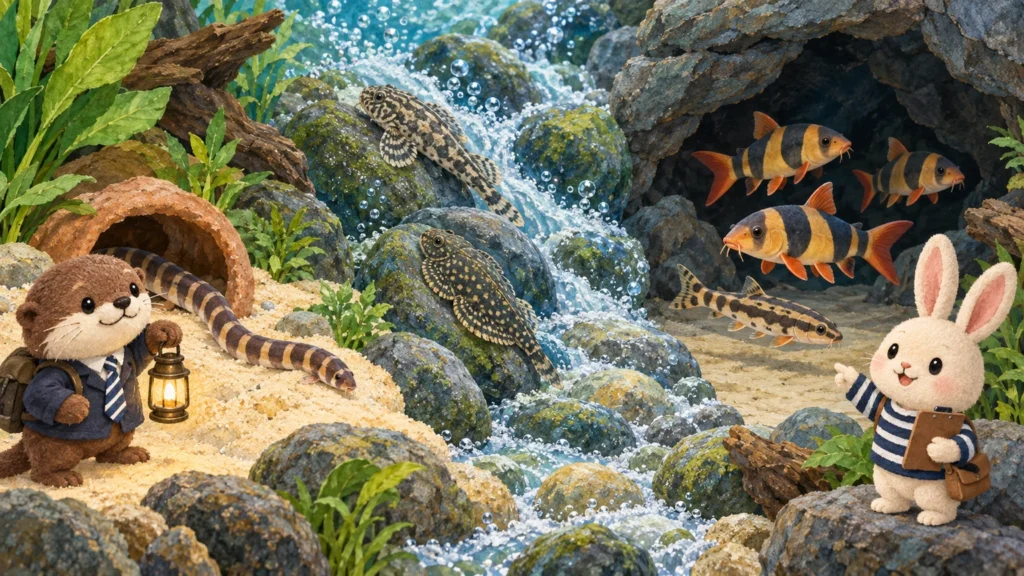 アイのアクアグッズ案内ローチの仲間に合わせる飼育用品|クーリー・流水性・ボーシャの水槽と底砂道具の特徴や使い方、選ぶときのポイントをアイが紹介します。記事はコチラ →



コメント