

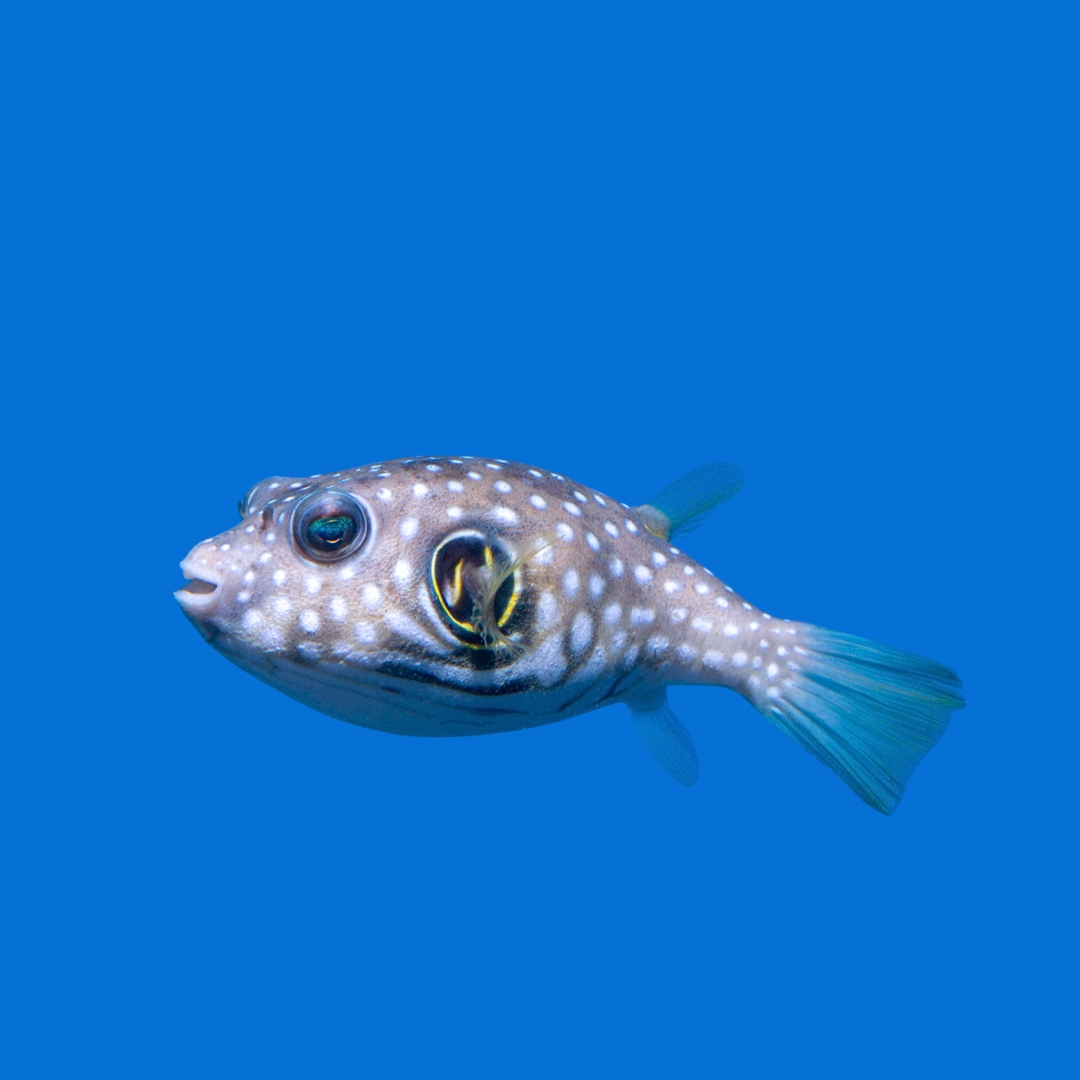
解説 / Description
サザナミフグは、白い斑点を散りばめた背面と、腹部に走るさざ波のような縞模様が印象的な大型の海水フグです。ずんぐりとした体つき、大きな目、飼い主を認識するような知的な振る舞いから、マリンアクアリウムでは強い存在感を放ちます。一方で、成魚は全長50cm前後に達することがあり、強靭なクチバシ状の歯で硬い餌や器具をかじるため、長期飼育には大型水槽、強力な濾過、徹底した安全対策が欠かせません。さらに体内にテトロドトキシンを蓄積するため、観賞魚として扱う場合でも死亡個体や飼育水の処理には十分な注意が必要です。 The white-spotted puffer, Arothron hispidus, is a large marine pufferfish known for its white spotting on the back and wave-like stripes across the belly. Its rounded body, expressive eyes, and intelligent behavior make it a memorable aquarium fish. However, adults may approach 50 cm in total length, and their powerful beak-like teeth can damage hard foods and aquarium equipment. Long-term care therefore requires a large marine system, strong filtration, and careful safety planning. Because this species can accumulate tetrodotoxin, even aquarium keepers must handle dead specimens and used water with caution.
基本情報 / Basic Information
| 学名 / Scientific Name | Arothron hispidus |
|---|---|
| 通称 / Common Name | サザナミフグ、ホワイトスポットパファー、スターズアンドストライプスパファーWhite-spotted puffer, stars and stripes puffer |
| 分類 / Family | 条鰭綱 フグ目 フグ科 モヨウフグ属Class Actinopterygii, order Tetraodontiformes, family Tetraodontidae, genus Arothron |
| 英名 / English Name | White-spotted puffer / Stars and stripes puffer |
| 分布 / Distribution | 紅海、東アフリカ沿岸、インド洋、西太平洋、ハワイ、東太平洋などの熱帯から温帯海域。日本では相模湾以南の太平洋沿岸、屋久島、琉球列島、小笠原諸島などの暖かい海域を中心に見られます。Tropical to warm-temperate waters from the Red Sea and East Africa through the Indian and Pacific Oceans, including the western Pacific, Hawaii, and parts of the eastern Pacific. In Japan it is mainly associated with warmer waters from Sagami Bay southward, including Yakushima, the Ryukyu Islands, and the Ogasawara Islands. |
| 最大体長 / Max Size | 最大で全長約50cm。飼育下でも大型化を前提に設備を用意する必要があります。Up to about 50 cm in total length. Aquarium planning should assume a large adult size. |
| 寿命 / Lifespan | 明確な飼育下平均寿命は情報が限られますが、大型海水フグとして適切に管理すれば10年前後、条件が良ければそれ以上の長期飼育も期待されます。Reliable average aquarium lifespan data are limited, but as a large marine puffer it may live around 10 years, and potentially longer under excellent conditions. |
飼育環境 / Aquarium Environment
| 水槽サイズ / Tank Size | 最終的には最低600L以上を目安とし、150cm×60cm×60cmクラス以上の大型水槽、または150cm規格から180cmクラスのオーバーフロー水槽が望まれます。幼魚期は60cm規格水槽から90cm規格水槽で一時飼育できる場合もありますが、成長に合わせた拡張を前提にしてください。A final system of at least about 600 L is recommended, ideally a large overflow aquarium around 150 × 60 × 60 cm or larger. Juveniles may be kept temporarily in 60 to 90 cm standard tanks, but upgrading as the fish grows is essential. |
|---|---|
| 水温 / Temperature | 23〜29℃を目安に安定させます。日本の夏は水槽用クーラー、冬は十分な容量のヒーターとサーモスタットを用い、急変を避けます。 Maintain a stable temperature of about 23–29°C. In Japan, a chiller in summer and adequately sized heaters with thermostats in winter are important to prevent sudden changes. |
| 水質 / Water Quality | 完全な海水環境で管理し、比重1.020〜1.025、pH 8.1〜8.4、アルカリ度8〜12 dKHを目安にします。大食漢で排泄量が多いため、アンモニアと亜硝酸は常に検出されない状態を維持し、硝酸塩もできれば50mg/L以下に抑えます。大型サンプ、強力な生物濾過、高性能プロテインスキマー、定期的な大規模換水が重要です。Keep it in full-strength seawater with a specific gravity of 1.020–1.025, pH 8.1–8.4, and alkalinity around 8–12 dKH. Because this fish eats heavily and produces substantial waste, ammonia and nitrite should remain undetectable, and nitrate should preferably be kept below about 50 mg/L. A large sump, strong biological filtration, an efficient protein skimmer, and regular large water changes are important. |
| レイアウト / Layout | 管理性と安全性を優先し、ベアタンクまたは大きめの隠れ家を少数置くシンプルな構成が向きます。ライブロックやサンゴ、細かな装飾はかじられたり動かされたりすることがあり、リーフタンクには不向きです。ヒーター、センサー、コード類は本水槽内に露出させず、可能な限りサンプ側へ配置します。A simple layout is best, such as a bare-bottom tank or a few large, durable shelters. Live rock, corals, and delicate decorations may be bitten or moved, making this species unsuitable for reef aquaria. Heaters, sensors, and cables should not be exposed in the main display and are best placed in the sump whenever possible. |
| 注意点 / Precautions | 網で掬うと空気を飲み込んで膨らみ、体外へ空気を出せなくなる危険があります。移動時は水中でプラスチックケースに誘導し、魚体を空気中に出さないようにします。また、ストレス時や死亡時に皮膚由来の毒が飼育水へ放出される可能性があるため、導入時の袋の水は本水槽へ入れず、死亡個体や飼育水の処理では手袋を用いると安心です。食用目的での解体、譲渡、摂食は絶対に行ってはいけません。Avoid netting this fish, as it may inflate with air and be unable to expel it. Move it underwater using a plastic container whenever possible. Stress or death may lead to toxin release from the skin, so shipping water should never be poured into the display aquarium, and gloves are recommended when handling dead specimens or contaminated water. It must never be prepared, transferred, or consumed as food. |
餌と給餌 / Feeding
| 餌の種類 / Diet | 殻付きアサリ、ハマグリ、殻付き小エビ、カニ、ヤドカリ、巻貝など、硬い殻を持つ餌を定期的に与えます。補助的にイカ、エビ、クリル、海水魚用人工飼料なども利用できます。自然下ではカイメン、サンゴ、ウニ、ヒトデ、甲殻類、軟体動物、ホヤ、多毛類、藻類なども食べる雑食性です。Offer hard-shelled foods regularly, such as clams, small shrimp in shell, crabs, hermit crabs, and snails. Squid, shrimp, krill, and marine fish pellets can be used as supplemental foods. In the wild it is omnivorous, feeding on sponges, corals, echinoderms, crustaceans, mollusks, tunicates, polychaetes, and algae. |
|---|---|
| 給餌のポイント / Feeding Tips | フグの歯板は生涯伸び続けるため、柔らかい餌だけでは過長歯となり、口が開かず摂食不能になる恐れがあります。硬い餌で自然に歯を削らせることが最も重要です。小魚類を頻繁に与えるとビタミンB1欠乏のリスクがあるため、主食にはせず、与える場合は頻度を抑えます。食べ残しは水質悪化の原因になるため、給餌後に速やかに取り除きます。The fused dental plates of puffers grow continuously, so a diet of only soft foods can lead to overgrown teeth and eventual feeding failure. Hard foods are the best preventive measure. Frequent feeding of small fish can contribute to thiamine deficiency, so these should not be a staple. Remove uneaten food promptly because this species can foul the water quickly. |
性格と混泳 / Temperament and Tank Mates
| 性格 / Temperament | 好奇心が強く、飼育者に反応しやすい知的な魚です。一方で、成魚は単独性が強く、縄張り意識と噛む習性を持ちます。目につくものを試しにかじる行動があるため、同居魚や器具への被害に注意が必要です。It is curious, intelligent, and often responsive to its keeper. Adults are generally solitary and can be territorial, with a strong tendency to bite and investigate objects. Tank mates and equipment may be damaged if not carefully planned. |
|---|---|
| 混泳の相性 / Compatibility | 基本は単独飼育が最も安全です。小型魚、エビ、カニ、貝、ウニ、ヒトデ、サンゴ類は捕食または破壊の対象になります。同種や他のフグ類との混泳も噛み合いの危険が高く推奨されません。超大型水槽では、大型ヤッコ、ハギ、ベラ類など遊泳力があり体格差の少ない魚と成立する場合もありますが、常に観察と隔離の準備が必要です。Single-specimen keeping is the safest approach. Small fishes, shrimp, crabs, snails, urchins, sea stars, and corals may be eaten or damaged. Keeping it with the same species or other puffers is risky because of biting. In very large aquaria, it may sometimes be kept with robust large angelfish, tangs, or wrasses, but close observation and a backup isolation plan are essential. |
病気と対策 / Diseases and Prevention
| かかりやすい病気 / Common Diseases | 導入初期や水温・水質の急変時には、海水性白点病、外部寄生虫、吸虫類の寄生に注意します。体をこすりつける、白い点が出る、呼吸が速い、食欲が落ちるといった変化は早期発見のサインです。鱗を持たないフグ類は薬剤への感受性にも配慮が必要です。Marine ich, external parasites, and flukes are important concerns, especially after introduction or sudden environmental changes. Scratching, white spots, rapid breathing, and loss of appetite are warning signs. Because puffers lack true scales, medication sensitivity must be considered. |
|---|---|
| 対策と予防 / Prevention | 新規導入魚は隔離水槽で観察し、本水槽へ病原体を持ち込まないことが基本です。白点病では、魚体から離れて水中を漂う段階の病原虫に薬剤が効くため、治療は継続管理が必要です。銅系薬剤はフグ類では慎重に扱うべきで、使用する場合はベアタンクの隔離水槽で、銅濃度を専用テスターで厳密に測定します。色素剤や専用薬浴を用いる場合も、製品の用法を守り、本水槽ではなく隔離環境で行うのが安全です。Quarantine new fish before introduction to prevent pathogens from entering the display. Marine ich medication acts mainly on the free-swimming stage, so treatment requires sustained management. Copper medications must be used cautiously with puffers, and if used, should be administered only in a bare quarantine tank with strict testing by a copper test kit. Dye-based treatments and parasite dips should also follow product directions and are safest outside the display aquarium. |
増やし方(繁殖) / Breeding
| 雌雄の判別 / Sexing | 外見だけでの雌雄判別は困難です。一般的な飼育下では、体色や模様、体型だけで確実に見分ける方法は確立されていません。Sexing by appearance is difficult. In ordinary aquarium conditions, there is no reliable method based only on color pattern or body shape. |
|---|---|
| 繁殖形態 / Reproduction | 野生下では砂地に産卵する海産魚で、受精卵から孵化した仔魚はプランクトンとして海流に乗り、広範囲へ分散すると考えられます。It is a marine egg-layer that spawns over sandy bottom habitats in the wild. The larvae are thought to become planktonic and disperse with ocean currents. |
| 繁殖のポイント / Breeding Tips | 家庭水槽での繁殖は現実的ではありません。大型の親魚を安全に維持する設備、産卵行動を誘発する広い砂地、初期仔魚に適した微細餌料と海水管理が必要で、一般的なアクアリウムの範囲を大きく超えます。Breeding in home aquaria is not practical. It would require large adult holding systems, broad sandy spawning areas, and specialized larval foods and seawater management far beyond typical aquarium setups. |
雑学と豆知識 / Trivia and Fun Facts
| 1. 名前に刻まれた形態の物語 / 1. A name shaped by anatomy | サザナミフグの学名は、見た目の特徴をよく映しています。属名のArothronは、明瞭な鼻孔が見えにくいモヨウフグ属の特徴に関係するとされ、種小名hispidusはラテン語で「剛毛のある」「とげとげしい」という意味を持ちます。これは、皮膚に細かな小棘を持つフグらしい質感を表したものです。和名の「サザナミ」は、腹部に並ぶ白い波状の縞に由来し、英名の「Stars and stripes puffer」は背中の白点と腹側の縞模様を星条旗になぞらえた呼び名です。ひとつの魚を眺めるだけで、日本語、ラテン語、英語がそれぞれ別の角度から特徴を切り取っていることが分かります。The scientific name reflects the fish’s appearance. The genus name Arothron is associated with the unusual nostril region of this puffer group, while the species name hispidus means bristly or rough in Latin, referring to the tiny spinules in the skin. The Japanese name Sazanami-fugu comes from the wave-like stripes on the belly, and the English name stars and stripes puffer compares its white spotting and stripes to a flag-like pattern. The same fish is therefore described differently through Japanese, Latin, and English traditions. |
|---|---|
| 2. 毒を持つ魚だが、毒を作る魚とは限らない / 2. A toxic fish, but not necessarily the maker of its toxin | サザナミフグはテトロドトキシンを蓄積することで知られますが、フグ自身がゼロから毒を作っているというより、海洋細菌や食物連鎖を通じて毒を取り込み、体内の特定部位へ蓄積していると考えられています。特にモヨウフグ属では皮膚に毒が多い傾向が知られ、捕食者に噛まれた瞬間に「食べにくい魚」ではなく「食べると危険な魚」であることを示す、強力な化学的防御として働いている可能性があります。この性質は観賞魚飼育でも重要で、死亡時や強いストレス時には同居生体や飼育者の安全に配慮した取り扱いが必要になります。Arothron hispidus is known to accumulate tetrodotoxin, but the fish is thought to obtain much of this toxin through marine bacteria and the food web rather than producing it entirely by itself. In Arothron puffers, the skin may hold especially important toxin levels, turning the body surface into a chemical defense. For aquarists, this matters because severe stress or death may create risks for tank mates and handlers, making careful handling essential. |
| 3. フグ食文化とは切り離して考えるべき種類 / 3. Separate this species from Japan’s culinary puffer tradition | 日本には長いフグ食文化がありますが、サザナミフグはその文脈で扱うべき魚ではありません。国内で食用として利用できるフグは種類と部位が厳格に決められており、サザナミフグは食用対象として扱えない種類です。しかも本種は皮膚や内臓に強い毒性を持つだけでなく、筋肉部位についても安全な食材として考えることはできません。観賞魚としての魅力と、食用魚としての可否は完全に別の問題です。水槽の中で愛嬌を見せる姿は魅力的ですが、絶対に調理や摂食の対象にしてはいけません。Japan has a long culinary history with some pufferfish, but Arothron hispidus must be kept separate from that tradition. In Japan, edible puffer species and edible parts are strictly regulated, and this species is not treated as an edible puffer. Its skin and internal organs can be highly toxic, and even the flesh should not be regarded as safe food. Its value belongs in observation and appreciation, never in preparation or consumption. |
| 4. かわいい顔に隠れた設備破壊力 / 4. A charming face with serious equipment-damaging power | サザナミフグの大きな目と丸い体は、まるで飼い主に話しかけてくるような親しみやすさがあります。しかし、その口にはフグ科らしい強力な歯板があり、硬い貝殻や甲殻類を砕くだけでなく、ヒーターカバー、コード、センサー、レイアウト素材まで試しにかじることがあります。飼育で大切なのは「噛むかもしれない」ではなく、「噛まれても事故にならないように先回りする」ことです。かわいらしさに油断せず、機材をサンプへ逃がす、コードを保護する、壊されても危険が少ないレイアウトにするという設計が、長期飼育の成否を分けます。Its rounded body and large eyes make this puffer look almost conversational, but its mouth contains the powerful fused dental plates typical of puffers. These can crush hard shells and may also test heater covers, cables, sensors, and decorations. Good husbandry means planning not around whether it might bite, but around making sure that biting does not cause an accident. Protecting cables, placing equipment in the sump, and using simple durable layouts are key parts of responsible long-term care. |
まとめ / Conclusion
サザナミフグは、美しい模様、知的な反応、存在感のある体つきが魅力の海水大型魚です。人に慣れやすく観察していて飽きない一方で、最終的な体格、水を汚しやすい食性、伸び続ける歯、機材をかじる習性、毒性への配慮など、飼育者に求められる準備は非常に大きい種類です。 Arothron hispidus is an impressive large marine fish with beautiful markings, intelligent behavior, and strong presence. It can become very responsive to its keeper, but its adult size, heavy waste production, continuously growing teeth, tendency to bite equipment, and toxicity require serious preparation.
長期飼育を目指すなら、600L以上の大型海水システム、強力な濾過、硬い餌を取り入れた給餌、単独飼育を基本とする混泳計画、安全なハンドリングを最初から組み込むことが大切です。サザナミフグは、安価に入手できることがあっても決して手軽な魚ではありません。十分な設備と知識を備えた飼育者にこそ、その奥深い魅力を見せてくれる特別なフグです。 For long-term care, plan from the beginning for a 600 L or larger marine system, powerful filtration, hard-shelled foods, single-specimen management as the default, and safe handling procedures. Although this species may sometimes be inexpensive to purchase, it is not an easy fish. With proper equipment and knowledge, it can become one of the most fascinating puffers in a marine aquarium.

気になる道具や飼い方を見つけてみませんか?
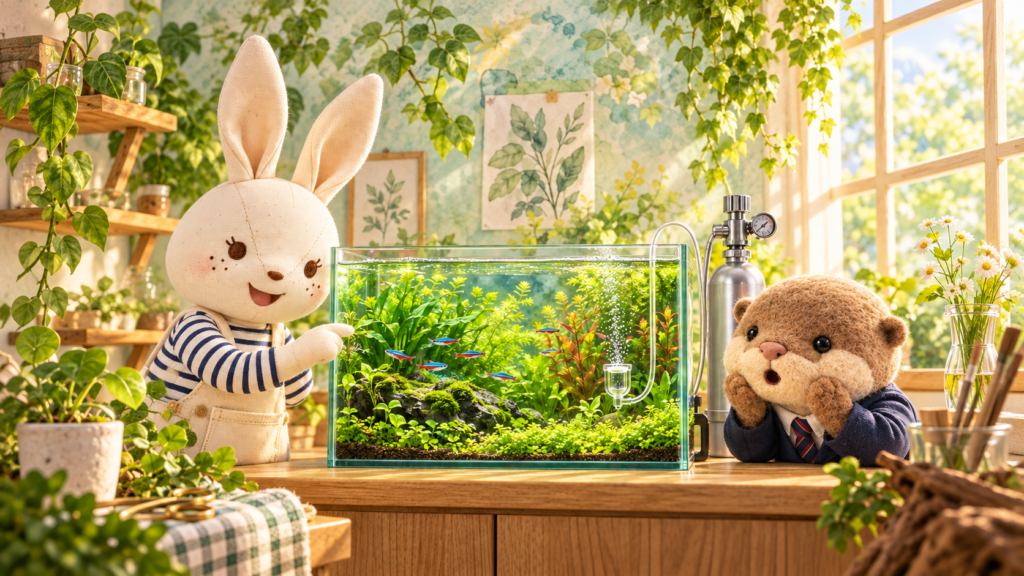 アイのアクアグッズ案内水草水槽のCO₂添加|3つの方式の選び方とおすすめ用品道具の特徴や使い方、選ぶときのポイントをアイが紹介します。記事はコチラ →
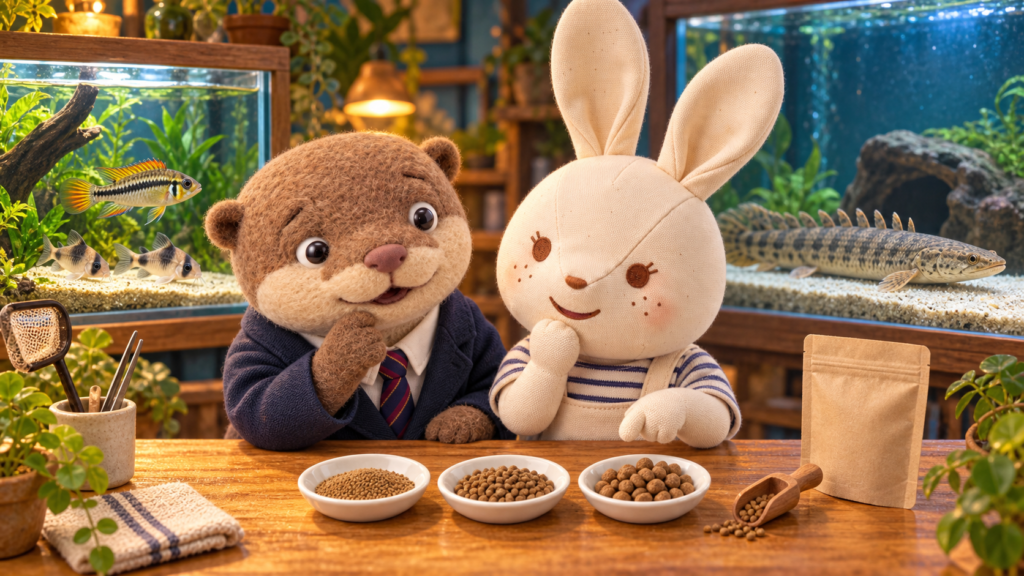 アイのアクアグッズ案内おとひめ物語|養殖生まれの餌を、わが家の魚に合う一粒へ道具の特徴や使い方、選ぶときのポイントをアイが紹介します。記事はコチラ →
さまざまな飼育テーマをご紹介。リンク先の記事には広告・商品紹介が含まれます。
案内・紹介記事一覧へ →参考文献・参照資料
この記事では、店舗・通販ページ、個人ブログ、一般的なまとめサイトを除外し、分類、分布、生息環境、毒性、飼育環境、繁殖、疾病管理を確認しやすい公的機関・学術データベース・査読論文・水族医学寄りの資料を中心に選定しています。
-
Fricke, R., Eschmeyer, W. N. & Van der Laan, R. (eds.). Eschmeyer’s Catalog of Fishes. California Academy of Sciences.
学名、原記載、分類上の扱い、シノニム確認の基礎資料として使用。
https://researcharchive.calacademy.org/research/ichthyology/catalog/fishcatmain.asp -
Froese, R. & Pauly, D. (eds.). FishBase: Arothron hispidus, White-spotted puffer.
最大体長、分布、水深、生息環境、食性、観賞魚としての扱いを支える主要データベースとして使用。
https://www.fishbase.se/summary/Arothron-hispidus.html -
Hardy, G. (2014). Arothron hispidus. The IUCN Red List of Threatened Species.
保全状況、広域分布、生息環境、個体群評価の確認資料として使用。
https://www.iucnredlist.org/species/193656/2252284 -
Bariche, M. (2018). First confirmed record of the white-spotted puffer Arothron hispidus (Linnaeus, 1758) in the Mediterranean Sea. BioInvasions Records, 7(4), 433-436.
地中海東部での確認例を、本来分布域とは分けて扱うための査読論文。
https://doi.org/10.3391/bir.2018.7.4.13 -
Kottelat, M. (2013). The Fishes of the Inland Waters of Southeast Asia. The Raffles Bulletin of Zoology, Supplement No. 27, 1-663.
河口、マングローブ、汽水域に出現する魚類の分布・生息環境を補助的に確認するために使用。
https://lkcnhm.nus.edu.sg/wp-content/uploads/sites/10/app/uploads/2017/06/s27rbz001-663.pdf -
厚生労働省. フグの衛生確保について、ならびに食中毒予防関連資料。
国内で食用にできるフグの種類と部位、フグ毒による食中毒予防、サザナミフグを食用不可として扱う注意書きの根拠確認に使用。
https://www.mhlw.go.jp/topics/syokuchu/kanren/yobou/040430-1.html -
Noguchi, T. & Arakawa, O. (2008). Tetrodotoxin: Distribution and Accumulation in Aquatic Organisms, and Cases of Human Intoxication. Marine Drugs, 6(2), 220-242.
フグ類におけるテトロドトキシンの蓄積、食物連鎖由来の毒化、部位差、皮膚からの毒性物質放出に関する基礎レビューとして使用。
https://doi.org/10.3390/md6020220 -
Bane, V., Lehane, M., Dikshit, M., O’Riordan, A. & Furey, A. (2014). Tetrodotoxin: Chemistry, Toxicity, Source, Distribution and Detection. Toxins, 6(2), 693-755.
テトロドトキシンの作用機序、熱安定性、類縁体、検出法を確認するための総説。
https://doi.org/10.3390/toxins6020693 -
Lago, J., Rodríguez, L. P., Blanco, L., Vieites, J. M. & Cabado, A. G. (2015). Tetrodotoxin, an Extremely Potent Marine Neurotoxin: Distribution, Toxicity, Origin and Therapeutical Uses. Marine Drugs, 13(10), 6384-6406.
毒性の分布、起源、神経毒としての作用を補強するレビューとして使用。
https://doi.org/10.3390/md13106384 -
Colorni, A. & Burgess, P. (1997). Cryptocaryon irritans Brown 1951, the cause of white spot disease in marine fish: an update. Aquarium Sciences and Conservation, 1, 217-238.
海水性白点病の病原体、生活環、隔離治療や銅・低比重などの治療方針を確認するための疾病管理資料。
https://doi.org/10.1023/A:1018360323287 -
Kawase, H., Okata, Y. & Ito, K. (2013). Role of huge geometric circular structures in the reproduction of a marine pufferfish. Scientific Reports, 3, 2106.
砂地に幾何学的な産卵構造をつくる海産フグ類の繁殖行動を、サザナミフグの記事内ではフグ類の比較背景として扱うための参考資料。
https://doi.org/10.1038/srep02106 -
Timmons, M. B. & Ebeling, J. M. Recirculating Aquaculture. Cayuga Aqua Ventures.
大型魚飼育で重要になる濾過、酸素供給、アンモニア・亜硝酸・硝酸塩管理など、閉鎖循環系の水質管理を補強する専門書。
https://www.researchgate.net/publication/284496499_Recirculating_Aquaculture
注記:繁殖の幾何学的な砂地構造については、サザナミフグそのものではなく近縁の海産フグ類で詳しく研究された事例です。




コメント