

解説 / Description
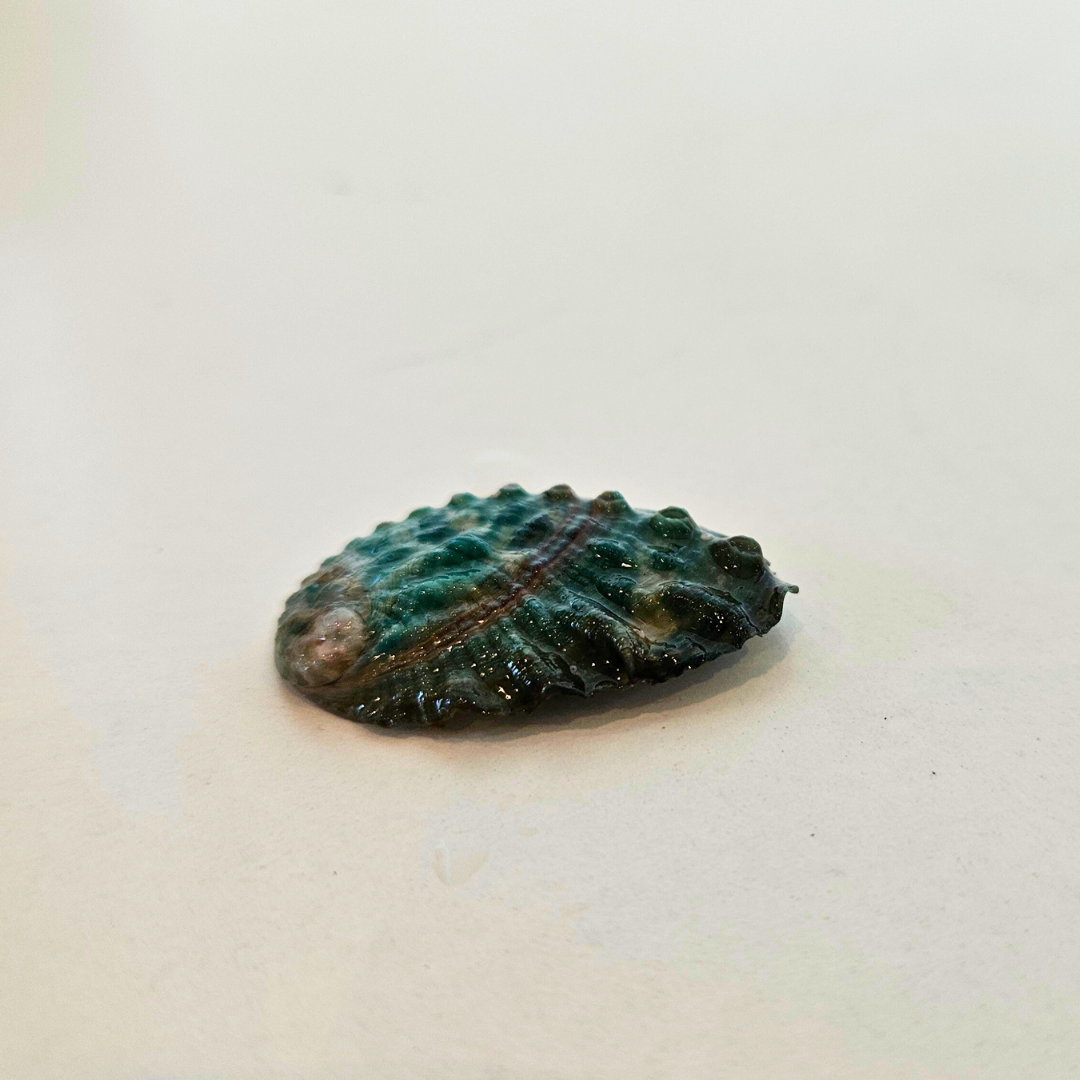
アワビグリーンは、日本国内の海水アクアリウムで流通することがある、エゾアワビの稚貝または若い個体を指す通称です。岩やガラス面に強く張り付き、緑藻や珪藻を削り取るように食べるため、海水水槽のコケ取り役として扱われます。一方で、本種は北日本の冷たい海に適応したアワビで、高水温、餌切れ、転倒に弱いというはっきりした注意点があります。掃除係として導入する場合も、冷水性の無脊椎動物として、温度管理と観察を前提に迎えたい生体です。 “Awabi Green” is a Japanese aquarium trade name sometimes used for juvenile or young Ezo abalone. It clings strongly to rocks and glass and grazes on green algae and diatoms, so it is used as an algae-grazing cleaner in marine aquariums. However, this abalone is adapted to the cooler seas of northern Japan and is vulnerable to high temperature, food shortage, and being overturned. Even when introduced as a cleaner animal, it should be kept as a cold-water marine invertebrate that requires careful temperature control and regular observation.
基本情報 / Basic Information
| 学名 / Scientific Name | Haliotis discus hannai Ino, 1953 旧来または流通上、Nordotis discus hannai と表記される場合もあります。It may also appear in older or trade usage as Nordotis discus hannai. |
|---|---|
| 通称 / Common Name | アワビグリーン、エゾアワビ、蝦夷鮑Awabi Green, Ezo abalone |
| 分類 / Family | 軟体動物門 腹足綱 古腹足目 ミミガイ科Phylum Mollusca, Class Gastropoda, Order Lepetellida or related vetigastropod grouping, Family Haliotidae |
| 英名 / English Name | Ezo abalone, Japanese northern abalone, disk abalone |
| 分布 / Distribution | 日本では主に茨城県以北の太平洋側、津軽海峡、北海道周辺、日本海側の北部沿岸などの冷水域に分布します。朝鮮半島沿岸などにも関連する分布が知られています。In Japan, it occurs mainly in cold-water areas such as the Pacific coast north of Ibaraki Prefecture, the Tsugaru Strait, waters around Hokkaido, and northern parts of the Sea of Japan coast. Related distribution is also known from waters around the Korean Peninsula. |
| 最大体長 / Max Size | 成貝では殻長15cm前後に達することがあります。アクアリウムで流通する「アワビグリーン」は、より小型の稚貝から若い個体が中心です。Adults can reach around 15 cm in shell length. Individuals sold as “Awabi Green” in aquariums are usually smaller juveniles or young animals. |
| 寿命 / Lifespan | 自然下ではおよそ十数年から20年程度とされます。水槽内では水温、餌、転倒事故、捕食者の有無によって大きく変わります。In nature, its lifespan is generally considered to be in the range of more than ten years and up to about 20 years. In aquariums, longevity depends strongly on temperature, food availability, overturning accidents, and predators. |
飼育環境 / Aquarium Environment
| 水槽サイズ / Tank Size | 60cm規格水槽以上が目安です。小型個体1匹なら45cm水槽でも一時飼育は可能ですが、餌となる藻類の量と水質安定を考えると、60cm規格水槽以上の方が管理しやすくなります。A standard 60 cm aquarium or larger is recommended. A small individual may be kept temporarily in a 45 cm tank, but a 60 cm tank or larger is easier to manage because it offers more grazing area and better water stability. |
|---|---|
| 水温 / Temperature | 15〜20℃前後を基本に、できれば22℃以下を維持します。24℃を超える環境での長期飼育は避け、夏場は水槽用クーラーの使用を強く推奨します。 Aim for around 15–20°C and preferably keep it at or below 22°C. Long-term keeping above 24°C should be avoided, and an aquarium chiller is strongly recommended in summer. |
| 水質 / Water Quality | 一般的な海水水槽の比重と水質を安定させます。急な比重変化、アンモニアや亜硝酸の上昇、低酸素には弱いため、十分なろ過、換水、強すぎない水流を組み合わせて管理します。銅を含む薬品は無脊椎動物に危険なため使用を避けます。Maintain stable marine aquarium salinity and water quality. Sudden salinity changes, ammonia or nitrite spikes, and low oxygen are risky, so use adequate filtration, regular water changes, and moderate water movement. Avoid copper-based medications, which are dangerous to many invertebrates. |
| レイアウト / Layout | ライブロックや平らな岩面を多めに用意し、しっかり張り付ける場所を作ります。細かい底砂だけの環境では、落下してひっくり返った時に復帰しにくいため、移動経路に岩やガラス面へ戻れる足場を確保します。Provide live rock and broad, firm rock surfaces so the abalone can attach securely. In tanks with only fine sand, it may struggle to right itself if it falls upside down, so arrange stones and surfaces that allow it to return to rock or glass. |
| 注意点 / Precautions | 高水温、餌切れ、転倒が主な事故要因です。フグ類、大型ベラ、カニ、ヒトデ、タコなどは捕食や攻撃のリスクがあります。導入直後は無理に剥がさず、張り付き場所を自分で選ばせるとストレスを減らせます。The main risks are high temperature, starvation, and being overturned. Puffers, large wrasses, crabs, starfish, and octopuses may prey on or damage it. After introduction, avoid forcibly removing it and allow it to choose its own attachment site. |
餌と給餌 / Feeding
| 餌の種類 / Diet | 緑藻、珪藻、海藻類を食べる草食性の巻貝です。水槽内の藻類が不足する場合は、乾燥ワカメ、焼き海苔、海藻系の沈下性タブレットなどを補助的に与えます。It is an herbivorous gastropod that grazes green algae, diatoms, and seaweeds. If natural algae are insufficient, supplement with dried wakame, nori, or sinking seaweed-based tablets. |
|---|---|
| 給餌のポイント / Feeding Tips | 夜行性の傾向があるため、消灯後に少量ずつ与えると食べやすくなります。コケ取り能力が高い反面、きれいな水槽ほど餌切れを起こしやすいため、腹足部の痩せ、移動量の低下、ガラス面への張り付きの弱さを観察してください。Because it tends to be nocturnal, offer small amounts after lights-out. Its strong grazing ability means that very clean tanks can lead to food shortage, so watch for a shrinking foot, reduced movement, or weaker attachment to glass. |
性格と混泳 / Temperament and Tank Mates
| 性格 / Temperament | 非常におとなしい無脊椎動物で、魚やサンゴを積極的に攻撃することはありません。主に夜間に移動し、岩やガラス面をゆっくり這いながら藻類を食べます。It is a very peaceful invertebrate and does not actively attack fish or corals. It mainly moves at night, slowly crawling over rock and glass while grazing algae. |
|---|---|
| 混泳の相性 / Compatibility | 冷水寄りの海水魚や温和な無脊椎動物との相性は比較的良好です。ただし、熱帯性サンゴ水槽の標準的な水温とは合いにくく、また捕食性の魚、カニ、ヒトデ、タコとの混泳は避けます。Compatibility is generally good with cooler-water marine fish and peaceful invertebrates. However, it is not well matched to the typical warm temperatures of tropical reef aquariums, and it should not be kept with predatory fish, crabs, starfish, or octopuses. |
病気と対策 / Diseases and Prevention
| かかりやすい病気 / Common Diseases | 観賞魚のように白点病などが目立つタイプの生体ではありません。実際のトラブルは、病気というより高水温による衰弱、餌不足、比重や水質の急変、転倒後の消耗、捕食者による損傷として現れやすいです。It is not an animal in which visible fish diseases such as marine ich are the main concern. Problems more often appear as weakness from high temperature, lack of food, sudden salinity or water-quality changes, exhaustion after being overturned, or injury from predators. |
|---|---|
| 対策と予防 / Prevention | 水温を低めに安定させ、導入時は時間をかけて水合わせします。水槽内の藻類が減ったら補助給餌を行い、ひっくり返っていたら早めに起こします。薬品治療は無脊椎動物に負担となることがあるため、まず環境改善を優先します。Keep the temperature low and stable, and acclimate slowly when introducing it. Supplement food when algae become scarce, and right the animal promptly if it is overturned. Medications can be stressful or harmful to invertebrates, so improving the environment should be the first response. |
増やし方(繁殖) / Breeding
| 雌雄の判別 / Sexing | 成熟個体では生殖巣の色で判別されることがあり、雌は緑色系、雄は乳白色系に見えるとされます。ただし、水槽内の小型個体を外見だけで判別するのは難しいです。In mature animals, sex may be identified by gonad color: females are often greenish and males whitish. However, sexing small aquarium individuals by external appearance alone is difficult. |
|---|---|
| 繁殖形態 / Reproduction | 雌雄異体で、卵と精子を海中へ放出する放卵放精型です。受精後の幼生は短期間浮遊し、その後、岩礁や転石などに着底して付着生活へ移ります。It has separate sexes and reproduces by broadcast spawning, releasing eggs and sperm into the water. After fertilization, larvae spend a short planktonic period before settling onto rock or stones and beginning attached life. |
| 繁殖のポイント / Breeding Tips | 家庭水槽での繁殖は現実的には非常に難しいです。産卵誘発、幼生管理、着底基質、初期餌料となる微細藻類の管理が必要で、一般には水産試験場や種苗生産施設で行われる技術です。Breeding in a home aquarium is extremely difficult in practice. It requires spawning induction, larval management, settlement substrates, and control of microalgae used as early food, so it is generally a hatchery or fisheries-research technique. |
雑学と豆知識 / Trivia and Fun Facts
| 1. 緑色の殻は「種類の違い」ではなく、餌の影響が大きい / 1. Green shells are strongly influenced by diet, not simply by species | アワビグリーンの印象的な緑色は、遺伝的にまったく別のアワビだから生じる、というよりも、育成中に食べた海藻や配合飼料の影響を強く受けると考えられています。アワビ類の殻色は餌の種類で変わることが知られており、紅藻を混ぜた飼料では赤褐色の着色が見られる例があります。つまり「緑のアワビ」は、アクアリウムでは魅力的な見た目である一方、水産流通では養殖や放流由来を示す手がかりとして扱われることがあります。The striking green shell of “Awabi Green” is thought to be strongly influenced by the seaweeds and formulated diets it ate during rearing, rather than indicating a completely different genetic type. Abalone shell color is known to change according to diet, and feeds containing red algae can produce reddish-brown shell coloration. In aquariums, the green shell is attractive, while in seafood distribution it may also be treated as a clue that the animal was hatchery-reared or farmed. |
|---|---|
| 2. 呼水孔は、ただの飾りではありません / 2. The shell holes are not decorative | アワビの殻の縁に並ぶ穴は呼水孔と呼ばれます。ここから水の流れや排出が行われ、呼吸、排泄、生殖細胞の放出に関わります。水槽で観察すると、ただ岩に張り付いているだけの生き物に見えますが、殻の形そのものが、海水を体内へ通しながら生きるための精巧な構造になっています。The row of holes along the abalone shell is used for water flow and discharge, supporting respiration, waste release, and the release of reproductive cells. In an aquarium it may look like an animal that simply clings to rock, but the shell itself is a refined structure for living with seawater passing through the body. |
| 3. 日本文化では「のし」の原点にもつながる貝 / 3. A shellfish connected to the origin of Japanese noshi gifts | 日本の贈答文化で見られる「熨斗」は、もともとアワビを薄く伸ばして乾かした熨斗鮑に由来すると説明されます。三重県鳥羽市国崎町では、伊勢神宮に奉納される熨斗鮑を伝統的な方法で調製する文化が続いています。水槽の中では小さなコケ取り貝に見えるアワビですが、日本の食文化や儀礼の中では、長寿や祝いの象徴として扱われてきた長い背景があります。The Japanese gift symbol “noshi” is often explained as originating from noshi-awabi, thinly stretched and dried abalone. In Kuzaki, Toba City, Mie Prefecture, the tradition of preparing noshi-awabi for offerings to Ise Jingu continues. In the aquarium it may look like a small algae grazer, but in Japanese food culture and ritual it has long carried associations with celebration and longevity. |
| 4. 先史時代の人類もアワビの殻を使っていました / 4. Prehistoric humans also used abalone shells | 南アフリカのブロンボス洞窟では、約10万年前にアワビ属の貝殻が赤いオーカー顔料の調合や保存に使われた証拠が報告されています。食べた後の殻が、容器や道具として利用された可能性を示す発見です。アワビの殻は丈夫で浅い皿のような形をしており、人類にとってかなり古い時代から便利な素材だったことがうかがえます。At Blombos Cave in South Africa, evidence has been reported that Haliotis abalone shells were used about 100,000 years ago to mix and store red ochre pigment. This suggests that shells left after eating could also become containers or tools. Because abalone shells are strong and shallow like small bowls, they may have been useful materials for humans from very early times. |
| 5. 水槽では「働き者」ですが、入れすぎには注意 / 5. A hard worker in aquariums, but avoid overstocking | アワビグリーンはよく藻類を食べるため、つい複数匹入れたくなります。しかし、藻類が少ない水槽ではすぐに餌不足になり、見た目には元気そうでもゆっくり衰弱することがあります。コケ取り生体は「水槽をきれいにしてくれる道具」ではなく、餌を必要とする一匹の生き物です。水槽の汚れ具合、温度、捕食者の有無を見て、無理のない数で迎えることが大切です。Because Awabi Green grazes algae well, it can be tempting to add several individuals. In a tank with little algae, however, they may quickly run out of food and slowly weaken even if they initially look healthy. Cleaner animals are not tools for making a tank clean; they are living animals that need food. Add only a reasonable number after considering algae availability, temperature, and predators. |
まとめ / Conclusion
アワビグリーン(エゾアワビ)は、海水水槽の藻類を食べる頼もしい無脊椎動物です。特にガラス面や岩肌の藻類を削るように食べる姿は観察していて面白く、掃除役としての実用性もあります。ただし、北方系の冷水性アワビであるため、一般的な熱帯性海水魚水槽より低い水温を好みます。 Awabi Green, or Ezo abalone, is a useful marine invertebrate that grazes algae in aquariums. Its way of scraping algae from glass and rock is interesting to watch, and it can be practical as a cleaner animal. However, as a northern cold-water abalone, it prefers lower temperatures than those used in many tropical marine aquariums.
長く飼うための要点は、22℃以下を目安にした温度管理、餌切れを防ぐ補助給餌、転倒時の早めの救助、そして捕食者を入れないことです。条件が合えば魅力的なコケ取り生体になりますが、導入前には「冷水性の生き物を飼う準備があるか」を確認してから迎えるのがおすすめです。 The keys to long-term care are keeping the temperature around 22°C or lower, supplementing food before starvation occurs, helping it promptly if it is overturned, and avoiding predators. Under suitable conditions it can be an attractive algae grazer, but it is best to confirm that your aquarium is ready for a cold-water animal before adding one.

気になる道具や飼い方を見つけてみませんか?
 アイのアクアグッズ案内水槽のエアーポンプの選び方|水深・音・泡で選ぶおすすめ用品道具の特徴や使い方、選ぶときのポイントをアイが紹介します。記事はコチラ →
 アイのアクアグッズ案内海水魚の底砂の選び方|サンゴ砂・ライブサンドとおすすめ商品道具の特徴や使い方、選ぶときのポイントをアイが紹介します。記事はコチラ →
さまざまな飼育テーマをご紹介。リンク先の記事には広告・商品紹介が含まれます。
案内・紹介記事一覧へ →参考文献・参照資料
本記事では、分類、分布、生息環境、飼育条件、繁殖、病気・注意点に関する記述を確認するため、店舗・通販ページ、個人ブログ、まとめサイトを除外し、公的研究機関、国際機関、分類データベース、研究資料を中心に参照しました。
-
MolluscaBase / World Register of Marine Species. Haliotis discus hannai Ino, 1953.
学名、分類階級、命名者、分類上の位置づけを確認するために参照。 https://www.marinespecies.org/aphia.php?id=397083&p=taxdetails -
青森県産業技術センター水産総合研究所. エゾアワビ.
寿命、成熟、産卵期、分布、生息水深、食性、夜行性、成長に適した水温、採捕規制の確認に使用。 https://www.aomori-itc.or.jp/_files/00146302/14ezoawabi.pdf -
地方独立行政法人 北海道立総合研究機構 水産研究本部. エゾアワビ人工種苗生産.
人工種苗生産、親貝の採卵、紫外線照射海水による産卵誘発、幼生・稚貝の育成工程、放流場所の条件を確認するために参照。 https://www.hro.or.jp/fisheries/h3mfcd0000000gsj/o7u1kr000000019q/o7u1kr000000d760/o7u1kr000000d9gv.html -
FAO. Training Manual on Artificial Breeding of Abalone (Haliotis discus hannai) in Korea DPR.
アワビ類の人工繁殖、親貝管理、産卵、受精卵・浮遊幼生・稚貝育成、水質管理項目を補強する国際機関資料として参照。 https://www.fao.org/4/ab731e/ab731e00.htm -
農林水産省. キセノハリオチス感染症とは.
アワビ類で注意すべき感染症、感受性種、症状、発症水温、低密度飼育などの対策情報を確認するために参照。 https://www.maff.go.jp/j/press/syouan/tikusui/pdf/110304-01.pdf -
国立研究開発法人 水産研究・教育機構. アワビ類の筋萎縮症の病原体と推定されるウイルスを特定し検査法を開発.
稚貝で問題となる筋萎縮症、病原体候補、PCR検査法、大量死リスクについて確認するために参照。 https://www.fra.go.jp/home/kenkyushokai/ronbun/2020/20200323.html -
徳島県立農林水産総合技術支援センター水産研究所. アワビ稚貝の感染症と対策. 徳島水研だより 第80号.
アワビ稚貝の感染症、キセノハリオチス症、水平感染、人への感染性に関する注意点の補足資料として参照。 https://www.pref.tokushima.lg.jp/file/attachment/177964.pdf




コメント