

▶ 記事の生体をAMAZONで買う ▶ 記事の生体をYahooで買う
解説 / Description
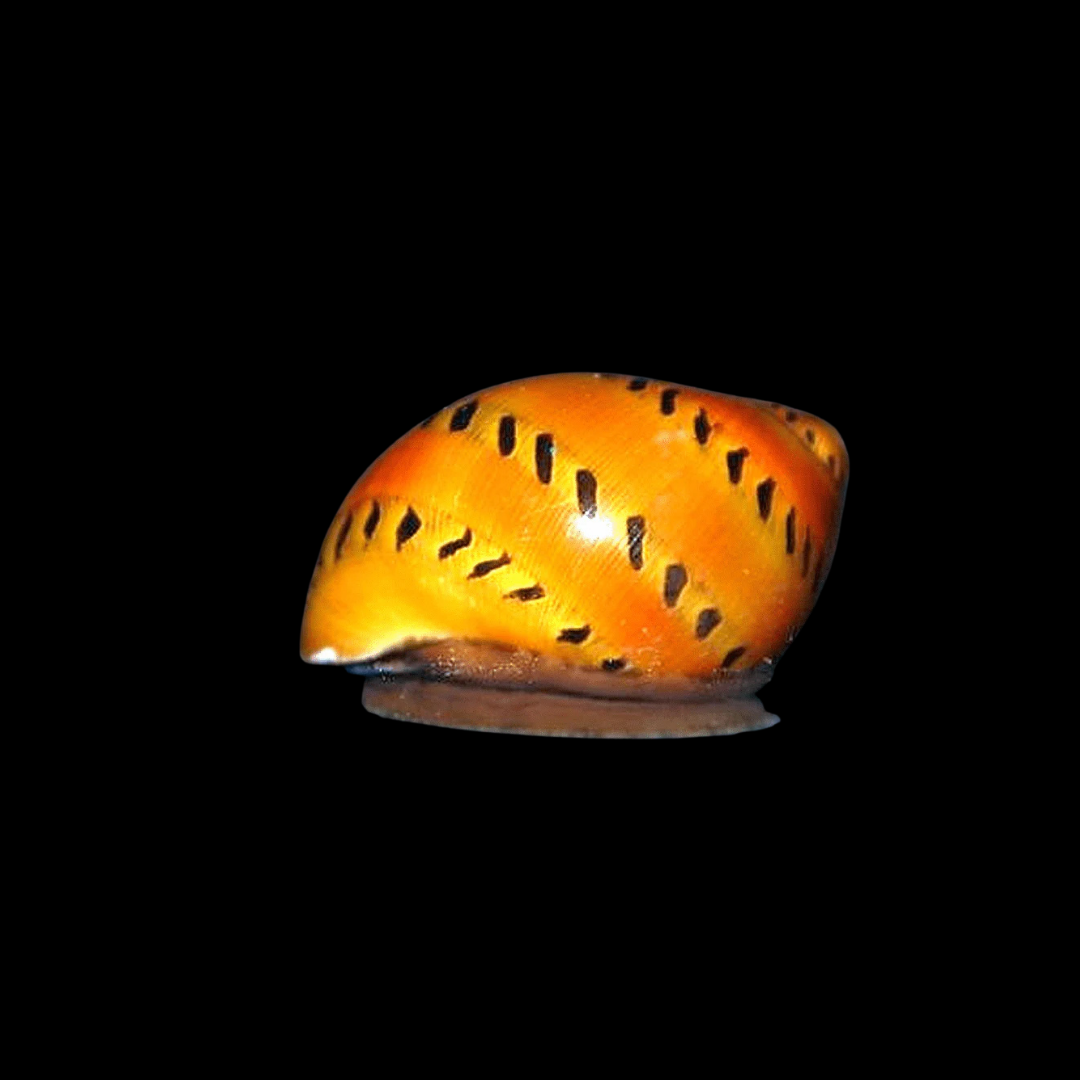
鮮やかな色彩と美しい幾何学模様を持ち、水槽のお掃除役として圧倒的な人気を誇るレッドタイヤトラックスネールのご紹介です。日本のアクアリウムシーンでは標準和名の「ゴシキカノコガイ」という名前でも知られています。特殊な構造の口を使って、ガラス面や流木についた頑固なコケを削り取るように食べてくれるため、美しい水草レイアウトを維持するための頼もしいパートナーとなってくれます。個体によって赤や黄色、オレンジの色の割合や模様の入り方が全く異なるため、お気に入りの柄を見つけてコレクションする楽しみも尽きません。 Introducing the Red Tire Track Snail, a popular cleaner with vibrant colors and beautiful geometric patterns. Known as Goshikikanokogai in Japan, this snail is a reliable partner in maintaining beautiful planted aquariums by scraping off stubborn algae from glass and driftwood using its specialized mouth. With infinite individual variations in the ratio of red, yellow, orange, and shell patterns, they offer endless enjoyment for aquarists who love to collect their favorite designs.
基本情報 / Basic Information
| 学名 / Scientific Name | Vittina waigiensis(旧属名 Neritina) |
|---|---|
| 通称 / Common Name | レッドタイヤトラックスネール、ゴシキカノコガイ、レッドスポッテドスネールRed Racer Nerite Snail |
| 分類 / Family | 軟体動物門 腹足綱 アマオブネガイ科 Vittina属Gastropoda, Family Neritidae, Genus Vittina |
| 英名 / English Name | Red Racer Nerite Snail |
| 分布 / Distribution | フィリピンやインドネシアなど、アジア太平洋の熱帯および亜熱帯沿岸域に広く生息しています。日本国内でも南西諸島から九州南部にかけての汽水域、河口の三角州、マングローブ林の周辺に自然分布しています。Widely distributed in tropical and subtropical coastal areas of the Asia-Pacific region, including the Philippines and Indonesia. In Japan, they naturally inhabit brackish waters, river deltas, and mangrove forests from the Nansei Islands to southern Kyushu. |
| 最大体長 / Max Size | およそ1.5センチメートルから3.0センチメートル程度と、小型の巻貝です。They are small snails, measuring approximately 1.5 cm to 3.0 cm in maximum shell diameter. |
| 寿命 / Lifespan | 適切な水質管理のもとでは、およそ3年から最長で4年程度生きるとされています。Under proper water quality management, they are known to live for about 3 years, up to a maximum of 4 years. |
飼育環境 / Aquarium Environment
| 水槽サイズ / Tank Size | 水量18リットルに対して1匹程度が目安となります。30cmキューブ水槽(約27リットル)で1匹から2匹、60cm規格水槽(約65リットル)であれば3匹から4匹程度が、水槽内に発生するコケの量とのバランスが取りやすい推奨数です。A guideline is one snail per 18 liters (about 5 gallons) of water. One to two snails for a 30cm cube tank (approx. 27 liters), or three to four snails for a standard 60cm tank (approx. 65 liters) provides an optimal balance with natural algae growth. |
|---|---|
| 水温 / Temperature | 20度から28度。熱帯性の生き物ですので、日本の冬場は観賞魚用ヒーターによる加温が必須となります。30度を超える高温は寿命を縮める原因となるため避けてください。 20 to 28 degrees Celsius. As they are tropical creatures, an aquarium heater is strictly required during the Japanese winter. Avoid temperatures over 30 degrees, as excessive heat will shorten their lifespan. |
| 水質 / Water Quality | pH6.2から8.5。最も適しているのはpH7.0以上の弱アルカリ性で、ある程度硬度のある水質です。日本の水道水は軟水傾向があるため、殻の健康維持には少し工夫が必要です。pH 6.2 to 8.5. The most optimal condition is slightly alkaline water above pH 7.0 with sufficient hardness. Since Japanese tap water tends to be soft, some care is needed to maintain their shell health. |
| レイアウト / Layout | 自然なコケが生えやすい流木や石を配置すると、素晴らしい餌場となります。また、野生下では干潮時に空気中に露出する環境にいるため、水槽の壁面を登って外に脱走しようとする強い習性があります。隙間を完全に塞いだフタを必ず設置してください。Placing driftwood and rocks, which naturally grow algae, provides excellent feeding grounds. Also, because they inhabit tidal zones in the wild, they have a strong tendency to climb up the glass and escape the water. A tight-fitting lid with no gaps is absolutely necessary. |
| 注意点 / Precautions | ひっくり返って殻が下になってしまうと、自力で起き上がれずに衰弱してしまうことが多いため、見つけたらすぐにピンセットなどで正しい向きに戻してあげてください。また、ヒーターの熱で火傷をしてしまう事故が多いため、プラスチック製のヒーターカバーの装着を強くおすすめします。水質の急変に非常に敏感ですので、購入したばかりの時は点滴法などでゆっくりと時間をかけて水合わせを行ってください。They often cannot turn themselves over if they fall on their backs, leading to exhaustion, so please correct their posture with tweezers immediately if found. A plastic heater cover is strongly recommended as they frequently suffer fatal burns from resting on active heaters. Because they are highly sensitive to sudden changes in water quality, acclimate them very slowly using the drip method upon purchase. |
餌と給餌 / Feeding
| 餌の種類 / Diet | ガラス面や石、流木の表面に発生する茶ゴケ、緑藻、そして目に見えないバイオフィルムなどを主食とします。専用の歯舌というヤスリのような器官で削り取って食べる、付着物食性の強い貝です。健康な水草を食べてしまうことはありませんのでご安心ください。Their primary diet consists of brown algae, green algae, and invisible biofilms on glass, rocks, and driftwood surfaces. They are strong aufwuchs grazers that feed by scraping off algae and biofilms using a specialized rasp-like organ called a radula. You can rest assured that they will not consume your healthy aquatic plants. |
|---|---|
| 給餌のポイント / Feeding Tips | 非常に優秀なコケ取り能力を持つ反面、水槽がピカピカになりすぎると食べるものがなくなり、餓死してしまう事故がよく起こります。ガラス面のコケが少なくなってきたら、植物質を多く含むプレコ用のタブレット飼料や、塩分や添加物のないプレーンな乾燥海苔、よく茹でたほうれん草などを沈めて、栄養を補ってあげることが長生きの秘訣です。While they possess excellent algae-cleaning abilities, fatal starvation often occurs when the tank becomes too pristine. When algae on the glass runs low, the secret to longevity is to supplement their diet by sinking plant-based pleco wafers, plain dried seaweed (Nori) without salt or additives, or well-boiled spinach. |
性格と混泳 / Temperament and Tank Mates
| 性格 / Temperament | とてもマイペースで極めて温和な性格です。他の生き物を追いかけたり、攻撃したりする行動は基本的に見られません。They are extremely peaceful and easygoing creatures. Aggressive behavior or chasing other living animals in the tank is generally not observed. |
|---|---|
| 混泳の相性 / Compatibility | ヤマトヌマエビやミナミヌマエビなどの小型エビ類とは、お互いに違う種類のコケを食べてくれるため、最高のお掃除パートナーになります。ネオンテトラなどのカラシンや、コイ科などの温和な熱帯魚との混泳も全く問題ありません。ただし、アベニーパファーなどの淡水フグ類や、クラウンローチなどの底生魚は、貝の硬い殻を噛み砕いて食べてしまう性質があるため、一緒に飼育しないでください。They make the ultimate cleaning partners with small shrimp like Amano or Cherry Shrimp, as they consume different types of algae. Keeping them with peaceful tropical fish such as tetras and cyprinids is completely fine. However, avoid housing them with freshwater puffers like Pea Puffers or bottom-dwelling fish like Clown Loaches, as these predators have a natural instinct to crush and eat snails. |
病気と対策 / Diseases and Prevention
| かかりやすい病気 / Common Diseases | 感染症などの病気にかかることは稀ですが、水質の影響による「殻の侵食(殻の溶け)」に注意が必要です。長期間水換えをしていない酸性に傾いた古い水や、極端な軟水環境で飼育を続けると、貝殻の成分であるカルシウムが水中に溶け出し、殻の頂上付近から白くボロボロに剥がれてしまいます。重症化すると命に関わります。While rarely suffering from infectious diseases, extreme caution is needed regarding “shell erosion” caused by water chemistry. If kept in old, acidic water without water changes or in extremely soft water environments, the calcium from their shells will dissolve into the water, causing the shell to deteriorate and turn white from the top. Severe cases can be fatal. |
|---|---|
| 対策と予防 / Prevention | 美しい殻を維持するためには、水質を中性から弱アルカリ性に保つことが重要です。水草育成用のソイル(土)を使用している場合は水が酸性に傾きやすいため、フィルターのろ過材にサンゴ砂を少量混ぜて硬度を上げたり、アクアリウム用の液体カルシウム添加剤を定期的に使用したりして、殻の材料を補給してあげましょう。To maintain their beautiful shells, keeping the water neutral to slightly alkaline is crucial. If you are using aquasoil for plants, the water tends to become acidic. Prevent erosion by mixing a small amount of crushed coral into your filter media to increase hardness, or by regularly using liquid calcium supplements for aquariums to provide shell-building materials. |
増やし方(繁殖) / Breeding
| 雌雄の判別 / Sexing | オスとメスが存在する生き物ですが、殻の外観や模様から性別を見分けることは専門家でも非常に困難です。Although they are creatures with distinct males and females, determining their sex from the external appearance or shell pattern is extremely difficult even for experts. |
|---|---|
| 繁殖形態 / Reproduction | 水槽内で成熟すると、メスは流木や石、水槽のガラス面などに、1ミリから2ミリ程度の白くて非常に硬いカプセル状の卵嚢(らんのう)をしっかりと産み付けます。この一つのカプセルの中にたくさんの微小な卵が入っています。Upon reaching maturity in the tank, females will lay 1 to 2-millimeter, extremely hard, white capsule-like egg sacs firmly attached to driftwood, rocks, and the aquarium glass. Inside each of these capsules are dozens of microscopic eggs. |
| 繁殖のポイント / Breeding Tips | この貝は「両側回遊型」という特殊な生態を持っています。カプセルから孵化した目に見えないほど小さな幼生は、川を下って海(塩水)へ向かい、そこで海水のプランクトンを食べて成長してから再び淡水の川に戻ってきます。そのため、一般的な純淡水のアクアリウム水槽内では幼生が育つことができず、水槽の中で繁殖が成立することはほとんどありません。産み付けられた白いカプセルは非常に硬く、レイアウトの景観を少し損ねてしまうことがあります。気になる場合は、コケ取り用の金属製スクレーパーなどで優しく削り落としてお手入れをしてください。This snail has a unique “amphidromous” life cycle. The microscopic larvae hatched from the capsules must travel down rivers to the sea (saltwater) where they grow by eating marine plankton before returning to freshwater rivers. Therefore, the larvae cannot survive in a general pure freshwater aquarium, meaning successful reproduction in the tank is extremely rare. The white egg capsules they lay are very hard and can somewhat detract from the aesthetic layout. If this bothers you, maintain the view by gently scraping them off with a dedicated metal algae scraper. |
雑学と豆知識 / Trivia and Fun Facts
| 1. 学名の由来と探検の時代1. Origin of the Scientific Name and the Age of Exploration | 学名の「waigiensis」は、インドネシア周辺のワイゲオ島(Waigeo Island)に由来すると考えられています。19世紀のヨーロッパの探検時代には、東南アジアやオセアニアの多くの生物が採集され、学術研究の対象となりました。この美しく小さな貝も、そうした歴史の中で世界に知られるようになった存在の一つです。The scientific name “waigiensis” is believed to originate from Waigeo Island near Indonesia. During the European Age of Exploration in the 19th century, many organisms from Southeast Asia and Oceania were collected and became subjects of academic research. This beautiful little snail is one of the species that became known to the world through such history. |
|---|---|
| 2. 自然界が生み出す複雑なパターン2. Complex Patterns Created by Nature | 貝殻に描かれた、一つとして同じものがない複雑で幾何学的な模様。自然界の貝殻模様は、その複雑さや個体差の多さから、パターン形成や画像認識に関する研究分野で注目されることがあります。レッドタイヤトラックスネールのような模様も、生物が生み出すデザインの多様性と不思議さを感じさせる好例と言えるでしょう。The complex, unique geometric patterns drawn on their shells are fascinating. Shell patterns in nature sometimes attract attention in research fields related to pattern formation and image recognition due to their complexity and vast individual variations. The patterns of the Red Tire Track Snail are a fine example of the wonderful diversity of design created by living organisms. |
| 3. 分類学的な難しさと今後の研究3. Taxonomic Challenges and Future Research | アマオブネガイ科の貝類は、地域変異や模様の個体差が非常に大きく、分類が難しいグループとして知られています。レッドタイヤトラックスネールによく似た種類も複数存在しており、近年ではDNA解析による再分類の研究も進められています。今後、科学の進歩によってさらに正確な分類体系が見直される可能性を秘めた、奥深い生き物です。Snails in the family Neritidae are known to be a taxonomically difficult group due to massive regional variations and individual differences in shell patterns. There are multiple species that closely resemble the Red Tire Track Snail, and reclassification research using DNA analysis is currently underway. They are fascinating creatures whose taxonomic system may be further refined by future scientific advancements. |
| 4. 過酷な環境を生き抜く適応力4. Adaptability to Survive Harsh Environments | 彼らの故郷である熱帯の汽水域は、潮の満ち引きによって環境が激変する過酷な場所です。彼らは干潮時や環境変化に対して比較的強く、殻のフタ(蓋板)をしっかり閉じて乾燥を耐える能力を持っています。また、あの派手なストライプ模様も、複雑な落ち葉やマングローブの根の間では自分の輪郭をぼやけさせ、天敵から身を隠すカモフラージュの効果を果たしていると考えられています。Their native tropical brackish waters are harsh environments where conditions change drastically with the tides. They are relatively resilient to low tides and environmental changes, possessing the ability to tightly close their operculum to endure desiccation. Their flashy striped patterns are also thought to act as camouflage, blurring their outlines to hide from predators among fallen leaves and mangrove roots. |
| 5. 生態系を守るためのお願い5. A Request for Ecosystem Conservation | 彼らは東南アジアなどの自然環境からやってきた生き物ですが、日本の南西諸島などにも近い仲間の貝が生息しています。もし、飼えなくなったからといって近くの川や海に放流してしまうと、日本の生態系のバランスを崩したり、地域固有の遺伝子に影響を与えたりする危険性があります。一度お迎えした小さな命は、決して自然界に放流せず、寿命を迎えるまでご家庭の水槽で大切に育て上げるというお約束を、すべてのアクアリストの皆様にお願いしております。Although these creatures originate from natural environments in Southeast Asia, closely related snail species also inhabit areas like Japan’s Nansei Islands. If you release them into a nearby river or ocean because you can no longer care for them, there is a risk of disrupting the balance of the Japanese ecosystem or affecting endemic genetic pools. We urge all aquarists to promise never to release them into the wild, and to cherish and care for these little lives in your home aquarium until they naturally pass away. |
まとめ / Conclusion
レッドタイヤトラックスネールは、水槽内のやっかいなコケを綺麗に掃除してくれるという素晴らしい実用性と、ついたくさん集めたくなるような美しく個性的な殻の模様を兼ね備えた、アクアリウムにおいて唯一無二の魅力を持つ生き物です。日本の水槽環境においても、水質の維持と飛び出し事故にさえ気をつけてあげれば、長く付き合える大変頼もしい仲間となってくれます。一般的な純淡水環境では繁殖が成立しないという点も、飼育者にとっては非常に扱いやすいポイントと言えるでしょう。 The Red Tire Track Snail is a creature with unparalleled charm in the aquarium hobby, combining the fantastic practical benefit of cleaning pesky algae with beautiful, unique shell patterns that tempt you to collect more. Even in Japanese aquarium environments, as long as you pay attention to maintaining water quality and preventing escape accidents, they will become highly reliable companions for a long time. The fact that successful reproduction does not occur in general pure freshwater environments is also a very manageable and attractive point for keepers.
飼育中は殻の状態、摂餌、脱走の有無を観察し、水質と餌場を維持します。 Monitor shell condition, feeding and any attempts to escape while maintaining water quality and grazing surfaces.

気になる道具や飼い方を見つけてみませんか?
 アイのアクアグッズ案内水槽のエアーポンプの選び方|水深・音・泡で選ぶおすすめ用品道具の特徴や使い方、選ぶときのポイントをアイが紹介します。記事はコチラ →
 アイのアクアグッズ案内カルキ抜き・水質調整剤の選び方|水換えと水槽の種類に合わせて選ぶ道具の特徴や使い方、選ぶときのポイントをアイが紹介します。記事はコチラ →
さまざまな飼育テーマをご紹介。リンク先の記事には広告・商品紹介が含まれます。
案内・紹介記事一覧へ →▶ 記事の生体をAMAZONで買う ▶ 記事の生体をYahooで買う
📖参考文献・出典
-
Eichhorst, T. E. (2016). Neritidae of the World. Vol. 1–2. ConchBooks, Harxheim.
※アマオブネガイ科の世界的な分類、および Vittina 属の形態的特徴・生態に関する主要な専門書。 -
WoRMS Editorial Board. Vittina waigiensis (Lesson, 1831). World Register of Marine Species.
※近年の分類体系における有効な学名(Vittina属としての扱い)、および原記載情報の確認。 -
奥谷喬司(編著)(2017)『日本近海産貝類図鑑 第二版』東海大学出版部.
※日本国内における標準和名「ゴシキカノコガイ」および分布記録の参照。 -
Kano, Y., & Kase, T. (2003). “Systematics of the Neritilia rubida complex…” Journal of Molluscan Studies, 69(3), 273–284.
※アマオブネガイ科(近縁群含む)における両側回遊型生活史、および幼生期の海洋浮遊に関する生態学的根拠として。 -
『アクアライフ』2024年6月号など「コケ取り生体特集」エムピージェー.
※日本国内のアクアリウム環境下における標準的な飼育ノウハウ、混泳相性、および流通上の呼称に関する実用情報の参照。




コメント