

▶ 記事の生体をAMAZONで買う ▶ 記事の生体をYahooで買う
解説 / Description
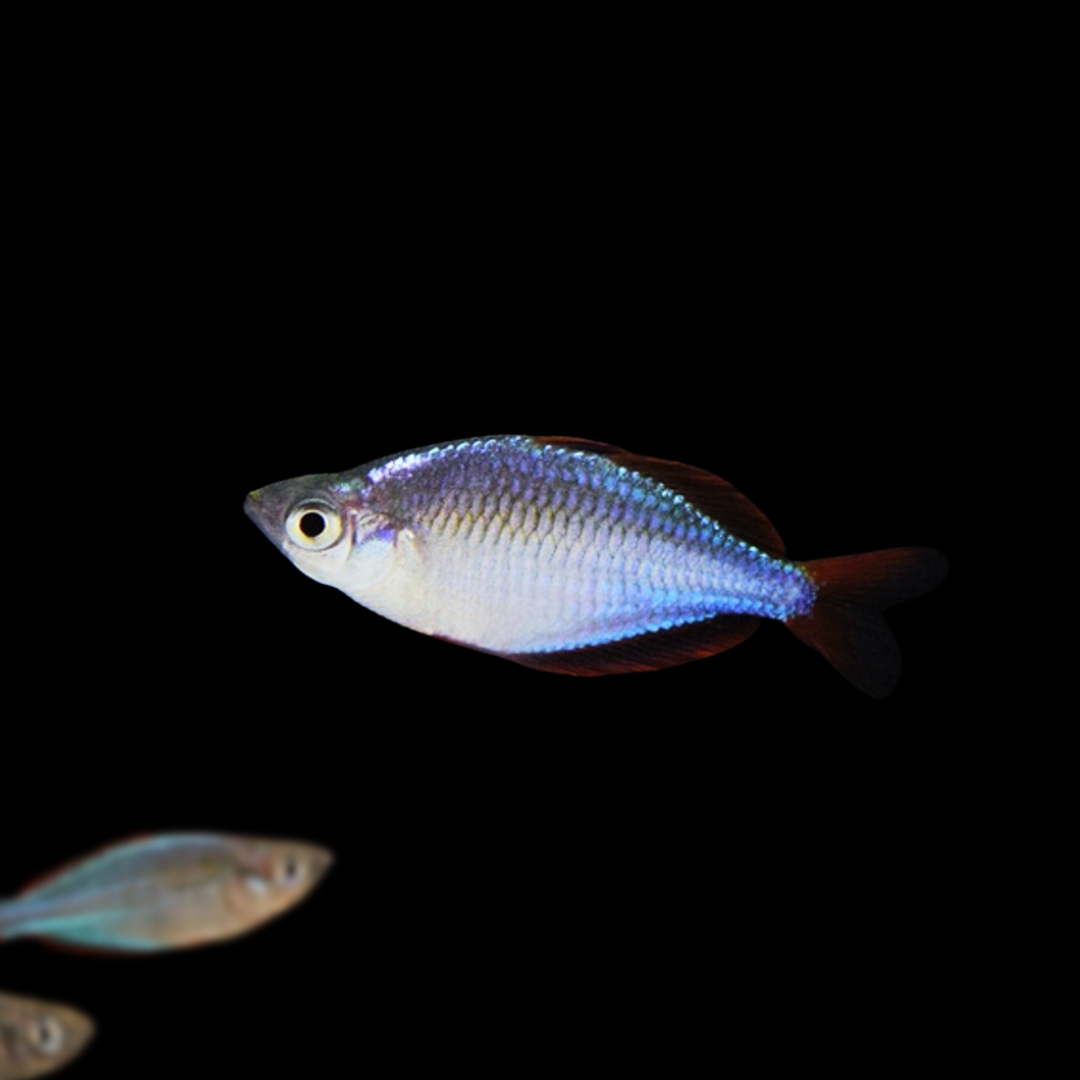
ネオンドワーフ・レインボーは、インドネシア領ニューギニア島北部のマンベラモ川流域に分布する小型のレインボーフィッシュです。成魚でも比較的小柄ですが、体側には金属的な青い光沢が入り、成熟したオスでは赤みを帯びたヒレとの対比が美しく見えます。群れで中層から表層を泳ぐ姿が魅力で、落ち着いた水草水槽にもよく映える一方、見た目以上に活発に泳ぐため、十分な遊泳スペースを確保することが大切です。 The Neon Dwarf Rainbowfish is a small rainbowfish from the Mamberamo River basin in northern Indonesian New Guinea. Although it remains relatively small as an adult, its body shows a metallic blue sheen, and mature males often display attractive reddish fins. It is especially appealing when kept in a group, swimming actively through the middle to upper water layers, but it needs more open swimming space than its small size may suggest.
基本情報 / Basic Information
| 学名 / Scientific Name | Melanotaenia praecox |
|---|---|
| 通称 / Common Name | ネオンドワーフ・レインボー、ネオンレインボーNeon Dwarf Rainbowfish, Dwarf Rainbowfish |
| 分類 / Family | トウゴロウイワシ目 メラノタエニア科 メラノタエニア属Order Atheriniformes, family Melanotaeniidae, genus Melanotaenia |
| 英名 / English Name | Neon Dwarf Rainbowfish |
| 分布 / Distribution | インドネシア領ニューギニア島北部のマンベラモ川流域。自然下では限られた地域に分布する固有種とされています。Mamberamo River basin, northern Indonesian New Guinea. It is regarded as an endemic species with a restricted natural distribution. |
| 最大体長 / Max Size | 一般的には約5cm前後。飼育条件や個体差によっては、やや大きく育つ例もあります。Usually around 5 cm, although some individuals may grow slightly larger depending on conditions. |
| 寿命 / Lifespan | おおむね3〜5年程度が目安です。水質を安定させ、群れで飼育し、良質な餌を与えることで、良い状態を保ちやすくなります。Generally around 3 to 5 years. Stable water quality, group keeping, and a balanced diet help maintain good condition. |
飼育環境 / Aquarium Environment
| 水槽サイズ / Tank Size | 小型魚ですが遊泳力が高いため、最低でも60cm規格水槽程度からの飼育がおすすめです。8匹以上の群れで美しく泳がせたい場合は、60cmワイド水槽や90cm規格水槽を用意すると、行動にも見た目にも余裕が出ます。Although small, it is an active swimmer. A standard 60 cm aquarium is recommended as a minimum, while a wider 60 cm tank or a standard 90 cm aquarium gives better room for a group of eight or more. |
|---|---|
| 水温 / Temperature | 23〜27℃前後が目安です。日本の冬はヒーターで安定させ、夏場は高水温になりすぎないよう冷却ファンなどで調整しておくと安心です。 Approximately 23 to 27°C. In Japan, a heater is needed in winter, while cooling fans may be useful in summer to prevent excessive heat. |
| 水質 / Water Quality | 中性からやや弱アルカリ性、やや硬度のある水を好む傾向があります。pH6.8〜7.5前後を目安に、アンモニアと亜硝酸が検出されない安定した環境を維持してください。弱酸性寄りの水に慣れることもありますが、急な水質変化は避ける必要があります。It tends to prefer neutral to mildly alkaline water with some hardness. Aim for around pH 6.8 to 7.5, with no detectable ammonia or nitrite. It may adapt to slightly acidic water, but sudden water quality changes should be avoided. |
| レイアウト / Layout | 水草や流木で隠れ場所を作りつつ、中央から前面には広い遊泳スペースを残します。暗めの底床やバックスクリーンを使うと、青い体色がより引き立ちます。水面近くを泳ぐため、飛び出し防止のフタも用意しておくと安心です。Use aquatic plants and driftwood for cover, but leave open swimming space in the middle and front. A darker substrate or background enhances the blue sheen. A lid is recommended because this species may jump. |
| 注意点 / Precautions | 単独や少数飼育では落ち着かず、発色も出にくくなることがあります。最低でも5〜6匹、できれば8匹以上の群れで飼育すると、本来の行動やディスプレイを観察しやすくなります。強い水流だけを当て続けるより、適度な流れと止水気味の逃げ場を両方作ると扱いやすい魚です。Single or very small group keeping may cause stress and dull coloration. Keep at least 5 to 6 individuals, preferably 8 or more, to observe natural schooling and display behavior. Moderate flow with calmer resting areas is easier for long-term care. |
餌と給餌 / Feeding
| 餌の種類 / Diet | 人工飼料への餌付きは良好です。小型魚用のフレーク、顆粒、微粒ペレットを主食にし、冷凍赤虫、ブラインシュリンプ、細かい冷凍飼料などを補助的に与えると、コンディションを整えやすくなります。It usually accepts prepared foods readily. Small flakes, granules, and fine pellets can be used as staple foods, supplemented with frozen bloodworms, brine shrimp, and other small frozen foods. |
|---|---|
| 給餌のポイント / Feeding Tips | 一度に多く与えるより、短時間で食べ切れる量を1日1〜2回程度与えます。口が大きい魚ではないため、粒が大きすぎる餌は砕いて与えると食べやすくなります。食べ残しは水質悪化につながるため、特に底床に残った餌は早めに取り除くことが重要です。Feed only what they can finish quickly, usually once or twice a day. Because the mouth is not large, crush oversized foods when necessary. Remove uneaten food promptly to prevent water quality problems. |
性格と混泳 / Temperament and Tank Mates
| 性格 / Temperament | 基本的には温和で、群れを作ってよく泳ぐ活発な魚です。オス同士がヒレを広げて見せ合うことはありますが、適切な数とスペースがあれば深刻な争いになりにくい種類です。Generally peaceful and active, forming groups and swimming openly. Males may display to each other, but serious aggression is unlikely when the group size and space are appropriate. |
|---|---|
| 混泳の相性 / Compatibility | 同程度のサイズで温和なテトラ、ラスボラ、コリドラス、小型のレインボーフィッシュ、穏やかな小型魚と相性が良いです。ヒレをかじる魚、極端に気の強い魚、口に入るサイズの小魚を捕食する大型魚との混泳は避ける必要があります。Good tank mates include similarly sized peaceful tetras, rasboras, Corydoras, small rainbowfish, and other calm community fish. Avoid fin-nippers, highly aggressive species, and larger fish that may eat small tank mates. |
病気と対策 / Diseases and Prevention
| かかりやすい病気 / Common Diseases | 水質悪化や輸送後のストレスにより、白点病、尾ぐされ病、外傷からの水カビ、眼球突出などが見られることがあります。レインボーフィッシュ類では抗酸菌症が問題になることもあり、痩せ、潰瘍、背骨の曲がり、治りにくい体表異常が続く場合は特に注意が必要です。Ich, fin rot, fungal growth on injuries, and pop-eye may appear after poor water quality or transport stress. Mycobacteriosis can also be a concern in rainbowfish; persistent wasting, ulcers, spinal deformity, or chronic skin problems require special caution. |
|---|---|
| 対策と予防 / Prevention | 最も大切なのは、過密を避け、濾過を安定させ、定期的な換水を行うことです。新しく導入する魚は、可能であれば別水槽で数週間トリートメントしてから本水槽へ入れると安全性が高まります。抗酸菌症が疑われる場合は治療が難しく、人にも感染する可能性があるため、素手で傷口を水槽水に触れさせないようにし、作業時は手袋を使用してください。The best prevention is avoiding overcrowding, maintaining stable filtration, and performing regular water changes. New fish should ideally be quarantined for several weeks before introduction. If mycobacteriosis is suspected, treatment is difficult and there is a potential zoonotic risk, so avoid exposing cuts to aquarium water and use gloves during maintenance. |
増やし方(繁殖) / Breeding
| 雌雄の判別 / Sexing | 成熟したオスは体高が出やすく、ヒレに赤みやオレンジ色が強く現れる傾向があります。メスはやや丸みを帯び、色彩は控えめで、腹部がふっくらして見えることがあります。Mature males tend to be deeper-bodied and show stronger red or orange coloration in the fins. Females are usually rounder, more subdued in color, and may appear fuller in the abdomen. |
|---|---|
| 繁殖形態 / Reproduction | 水草や産卵モップなどに粘着性の卵を産み付ける卵散布型です。親は卵や稚魚を保護せず、食べてしまうことがあるため、採卵または親魚の隔離が繁殖成功のポイントになります。It is an egg-scattering species that attaches adhesive eggs to plants or spawning mops. The parents do not guard the eggs or fry and may eat them, so egg collection or parent separation is important. |
| 繁殖のポイント / Breeding Tips | 状態の良い雌雄に冷凍赤虫やブラインシュリンプなどを与えてコンディションを整え、ウィローモスやアクリル毛糸の産卵モップを入れます。卵は水温にもよりますが、おおむね1週間前後から10日ほどで孵化します。稚魚はとても小さいため、初期はインフゾリアや微粉末飼料を使い、成長に合わせてブラインシュリンプ幼生へ移行するとよいでしょう。Condition healthy adults with frozen bloodworms, brine shrimp, and similar foods, and provide Java moss or acrylic yarn spawning mops. Eggs usually hatch in about a week to around ten days, depending on temperature. Fry are very small and should first be fed infusoria or very fine fry food, then newly hatched brine shrimp as they grow. |
雑学と豆知識 / Trivia and Fun Facts
| 1. 学名に込められた「早熟」の意味 / 1. The Meaning of “Praecox” | 属名の Melanotaenia は、ギリシャ語に由来する「黒い帯」を意味する名前とされ、レインボーフィッシュ類に見られる体側のラインを思わせます。種小名の praecox は「早い」「早熟な」といった意味を持ち、比較的小さなうちからオスらしい体型や色彩が現れやすい本種の特徴をよく表しています。小型でありながら成熟したオスが堂々とした姿を見せる点は、この魚の大きな魅力です。The genus name Melanotaenia is generally interpreted as referring to a “black band,” reminiscent of the lateral markings seen in many rainbowfish. The species name praecox means “early” or “precocious,” reflecting how males can develop adult-like form and coloration while still relatively small. This mature presence in a small body is part of the species’ charm. |
|---|---|
| 2. 青い体色は色素だけではない / 2. Blue Color Beyond Pigment | ネオンドワーフ・レインボーの青い輝きは、単に青い色素が乗っているというより、体表の光反射に関わる細胞構造によって生まれる構造色が大きく関係していると考えられています。そのため、照明の角度、背景の暗さ、魚の気分、オス同士のディスプレイによって、同じ個体でも印象が変わって見えます。水槽内でふと青が強く光る瞬間があるのは、この魚を飼う楽しみのひとつです。The blue sheen of the Neon Dwarf Rainbowfish is not simply a painted-on blue pigment; it is strongly associated with structural coloration produced by reflective cells in the skin. As a result, lighting angle, dark backgrounds, mood, and male display behavior can all change how the same fish appears. The sudden flash of blue in an aquarium is one of the joys of keeping this species. |
| 3. 忘れられていた色彩が再発見された魚 / 3. A Fish Whose Color Was Rediscovered | 本種は古くから標本として知られていましたが、保存標本では本来の金属的な青い輝きが失われてしまうため、観賞魚としての魅力は長い間ほとんど伝わりませんでした。後に生きた個体が紹介され、その鮮やかな色彩が知られるようになると、小型で美しいレインボーフィッシュとして急速に注目されました。標本だけでは伝わらない「生きた魚の美しさ」を感じさせる種類です。The species was known from preserved specimens long before it became popular, but preserved fish lose the metallic blue sheen that makes it attractive. Once live individuals were introduced and their real coloration became known, it quickly gained attention as a beautiful small rainbowfish. It is a good example of how the beauty of a living fish may not be captured by preserved specimens alone. |
| 4. 現在の流通はブリード個体が中心 / 4. Mostly Captive-Bred in the Trade | 日本国内で見かけるネオンドワーフ・レインボーは、野生採集個体よりも東南アジアなどで繁殖されたブリード個体が多いと考えられます。個体によって発色や体型に差が出ることがあります。購入時は、体に歪みが少なく、ヒレをたたまず、群れの中でよく泳いでいる個体を選ぶと安心です。In Japan, many Neon Dwarf Rainbowfish offered for sale are considered to be captive-bred rather than wild-caught, often produced in Southeast Asian farms. Coloration and body shape can vary among individuals. When buying, choose active individuals with straight bodies, open fins, and good schooling behavior. |
| 5. 小さくても「群れ」で完成する魚 / 5. A Small Fish Completed by the Group | この魚の魅力は、1匹だけを近くで見るよりも、群れとして泳がせたときに強く表れます。複数のオスがメスを意識してヒレを広げ、体色を変化させながら並んで泳ぐ様子は、レインボーフィッシュらしい見どころです。小型種であっても、広めの水槽で群泳させるほど表情が豊かになります。This species is most impressive not as a single fish, but as a group. When several males display to females, spreading their fins and shifting color as they swim side by side, the classic appeal of rainbowfish becomes clear. Even though it is small, it shows richer behavior in a spacious group setup. |
まとめ / Conclusion
ネオンドワーフ・レインボーは、小型で扱いやすいサイズ感と、金属的な青い輝きを兼ね備えた人気のレインボーフィッシュです。丈夫な普及種として流通していますが、活発に泳ぐ群泳魚であるため、60cm規格水槽以上を目安に、複数匹での飼育を前提に考えると魅力を引き出しやすくなります。 The Neon Dwarf Rainbowfish is a popular rainbowfish that combines a manageable small size with a metallic blue sheen. Although commonly available and fairly hardy, it is an active schooling fish, so its appeal is best brought out in a group in at least a standard 60 cm aquarium.
水草や流木で落ち着ける場所を作りつつ、しっかり泳げる空間を残し、清潔な水とバランスの良い餌を維持することが長期飼育の基本です。群れの中でオスがヒレを広げ、青い体をきらめかせる姿は、本種ならではの見応えがあります。 For long-term care, provide plants and driftwood for security while preserving open swimming space, and maintain clean water with a balanced diet. Watching males display in the group, flashing their blue bodies and spreading their fins, is one of the signature pleasures of keeping this species.

気になる道具や飼い方を見つけてみませんか?
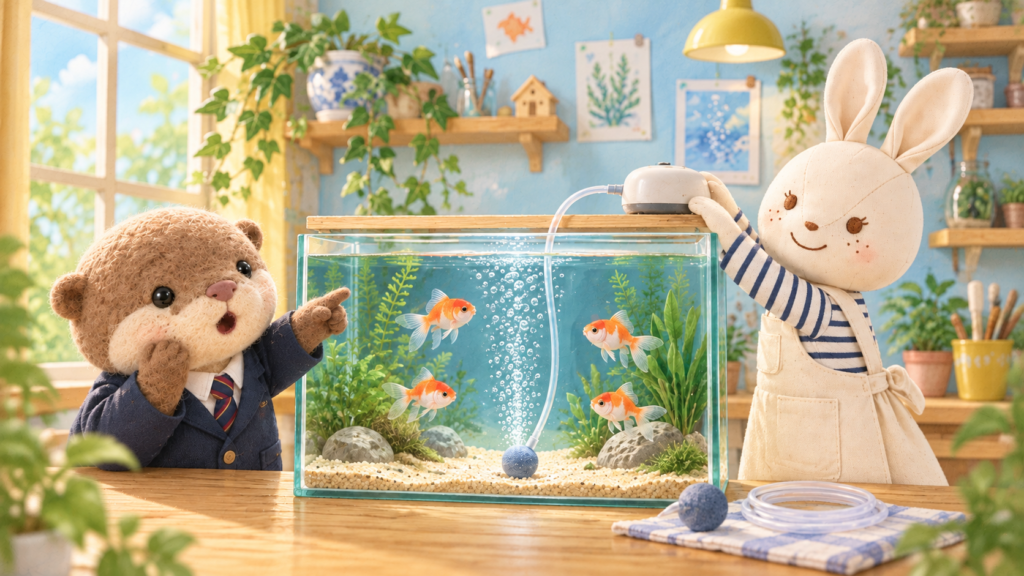 アイのアクアグッズ案内水槽のエアーポンプの選び方|水深・音・泡で選ぶおすすめ用品道具の特徴や使い方、選ぶときのポイントをアイが紹介します。記事はコチラ →
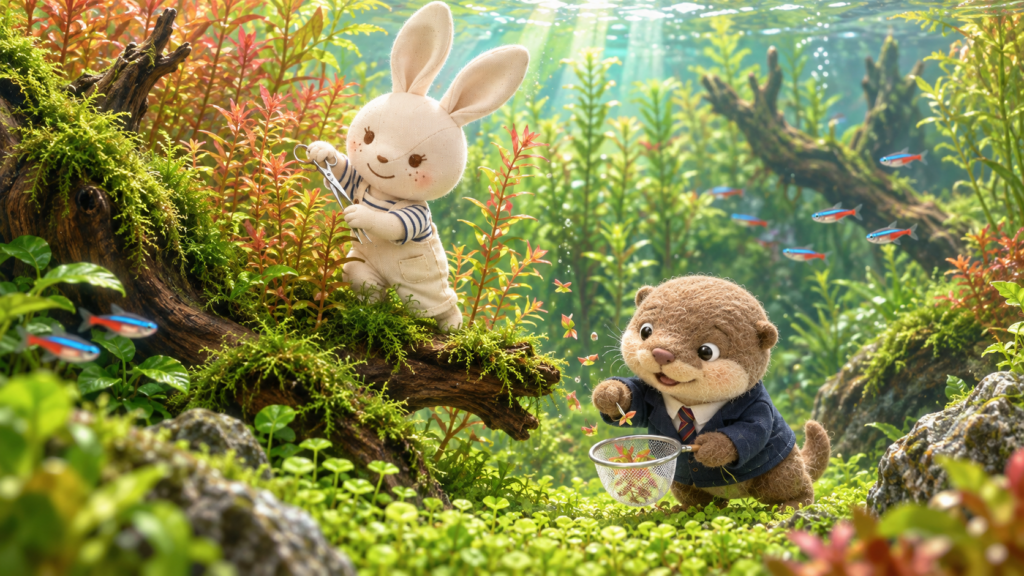 アイのアクアグッズ案内水草トリミングの道具とやり方|ハサミ・ピンセットを水草に合わせて選ぼう伸びすぎた水草は切っていい? 有茎草の差し戻し、前景草の絨毯、流木のモスを整える場面から、水草用ハサミ・ピンセット・ゴミ取りネットの選び方と片付けを紹介します。記事はコチラ →
さまざまな飼育テーマをご紹介。リンク先の記事には広告・商品紹介が含まれます。
案内・紹介記事一覧へ →▶ 記事の生体をAMAZONで買う ▶ 記事の生体をYahooで買う
参考文献・参照資料
本記事は、ネオンドワーフ・レインボーの分類、分布、形態、飼育環境、繁殖、病気の予防に関する情報を、以下の資料をもとに確認・整理しています。
-
FishBase. “Melanotaenia praecox, Dwarf rainbowfish.”
分類、学名、分布、最大体長、形態的特徴の確認に参照。
https://www.fishbase.se/summary/Melanotaenia_praecox.html -
Department of Climate Change, Energy, the Environment and Water. “Draft Report on the Potential Environmental Impacts with the importation of a Melanotaenia praecox, Neon Dwarf Rainbowfish.” 2023.
学名の語源、雌雄差、体色、体長、近縁種との識別、生息環境、繁殖に関する補足情報の確認に参照。
https://www.dcceew.gov.au/sites/default/files/documents/melanotaenia-praecox-report-2023.pdf -
Seriously Fish. “Melanotaenia praecox — Neon Dwarf Rainbowfish.”
水槽サイズ、水質、混泳、餌、繁殖方法など、アクアリウムでの実践的な飼育情報の確認に参照。
https://www.seriouslyfish.com/species/melanotaenia-praecox/ -
Aquarium Co-Op. “Care Guide for Dwarf Neon Rainbowfish.”
一般飼育における水温、水質、群泳、餌、混泳、水槽レイアウトの実用的な目安として参照。
https://www.aquariumcoop.com/blogs/aquarium/dwarf-neon-rainbowfish -
Gur, D. et al. “The physical and cellular mechanism of structural color change in fish.” Proceedings of the National Academy of Sciences, 2024.
魚類の虹色素胞、グアニン結晶、構造色に関する一般的な科学的背景の確認に参照。
https://www.pnas.org/doi/10.1073/pnas.2308531121 -
Francis-Floyd, R. “Mycobacterial Infections of Fish.” Southern Regional Aquaculture Center, SRAC Publication No. 4706, 2011.
魚類の抗酸菌症、慢性症状、予防、検疫、人への感染リスクに関する注意点の確認に参照。
https://extension.rwfm.tamu.edu/wp-content/uploads/sites/8/2013/09/SRAC-Publication-No.-4706-Mycobacterial-Infections-of-Fish.pdf





コメント