

解説 / Description
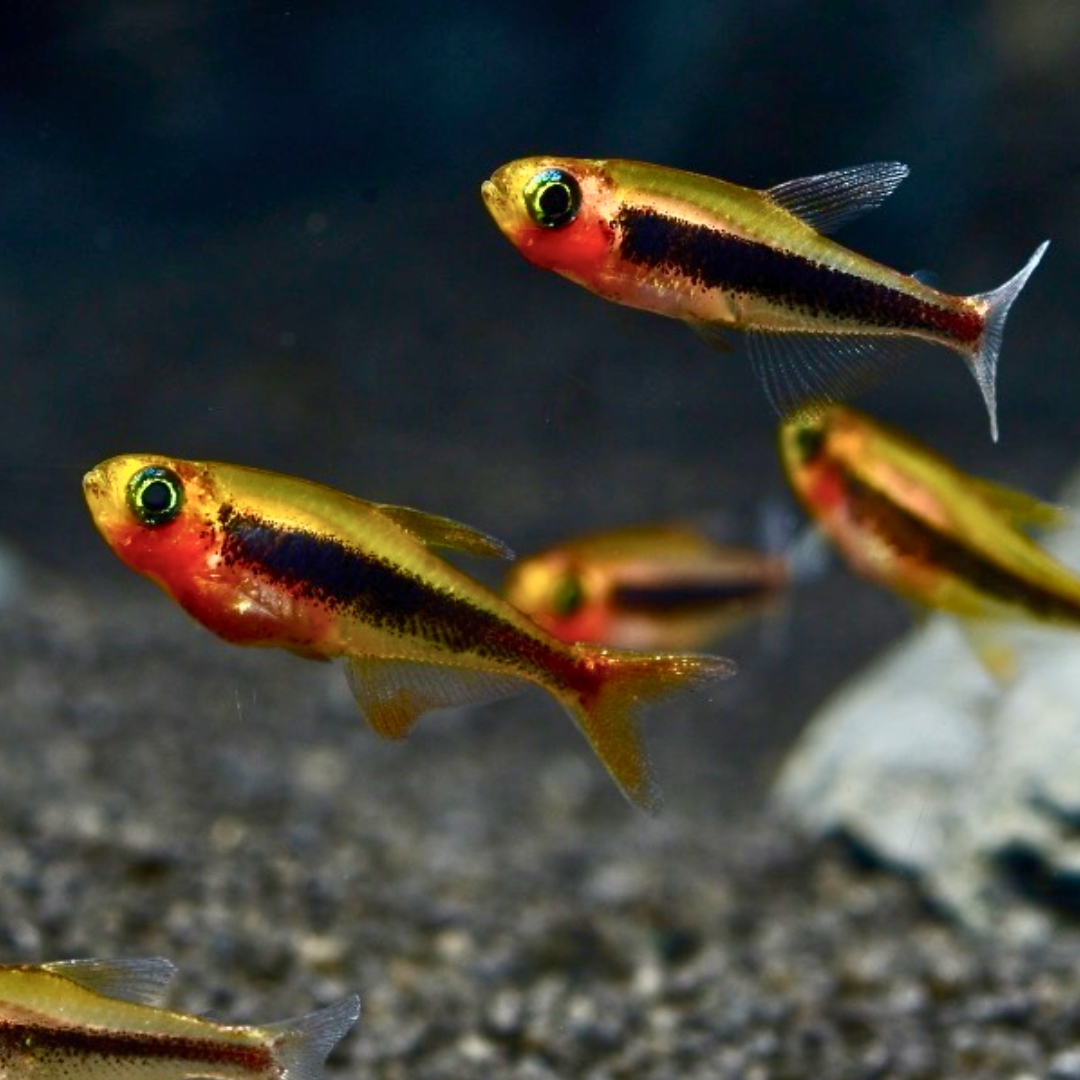
トゥッカーノテトラは、ブラジル北西部のネグロ川上流域に含まれるウアウペス川水系から知られる、非常に小型で繊細なカラシンの仲間です。透明感のある淡い体に黒いラテラルバンドが走り、成熟したオスではヒレの赤みや体色のコントラストがより目立ちます。体長はわずか2cm前後ですが、その小さな姿には、酸性でミネラルの少ないブラックウォーター環境に適応してきた特別な生態が反映されています。 The Tucano Tetra is an exceptionally small and delicate characin known from the Rio Uaupés drainage within the upper Rio Negro basin of northwestern Brazil. It has a translucent pale body crossed by a black lateral band, and mature males tend to show more noticeable reddish fins and stronger contrast. Although it reaches only around 2 cm in total length, its tiny body reflects ecological adaptations to acidic, mineral-poor blackwater habitats.
基本情報 / Basic Information
| 学名 / Scientific Name | Tucanoichthys tucano |
|---|---|
| 通称 / Common Name | トゥッカーノテトラ、ツカノテトラ、トゥカーノテトラTucano Tetra, Toucan Tetra |
| 分類 / Family | カラシン目、Acestrorhamphidae科、Tyttobryconinae亜科。記載時や一部の資料ではカラシン科Characidaeとして扱われることもありますが、近年のデータベースではAcestrorhamphidae科に置かれています。Tucanoichthys属は本種のみで構成される単型属です。Order Characiformes, family Acestrorhamphidae, subfamily Tyttobryconinae. It was described in, and is still sometimes listed under, Characidae, but recent databases place it in Acestrorhamphidae. The genus Tucanoichthys is monotypic and contains only this species. |
| 英名 / English Name | Tucano Tetra / Toucan Tetra |
| 分布 / Distribution | 南米ブラジル、ネグロ川上流域のウアウペス川水系。自然分布については、広くアマゾン全域にいる魚ではなく、限られた水系から知られる小型種として扱うのが適切です。South America: Brazil, in the Rio Uaupés drainage of the upper Rio Negro basin. It should be treated not as a widespread Amazonian species, but as a small fish known from a limited river system. |
| 最大体長 / Max Size | 標準体長で約1.6cm、全長で約2cm前後。About 1.6 cm standard length, or roughly 2 cm total length. |
| 寿命 / Lifespan | 本種の寿命に関する確実な長期データは多くありません。一般的な飼育目安としては2〜3年程度を想定し、安定した水質と十分な給餌でより長く維持できる可能性があります。Reliable long-term lifespan data for this species is limited. As a practical aquarium estimate, 2–3 years is a reasonable expectation, with the possibility of longer maintenance under stable water quality and good nutrition. |
飼育環境 / Aquarium Environment
| 水槽サイズ / Tank Size | 10匹前後の群れなら25L程度の30cmキューブ水槽から飼育可能ですが、水質を安定させやすい35L前後の45cm規格水槽、または40L以上の水槽がより安心です。小型魚であっても、群れで落ち着かせることと水質の急変を避けることを優先します。A group of around 10 can be kept from a 25 L 30 cm cube aquarium, but a 35 L 45 cm standard tank or any aquarium of 40 L or more is safer because water quality is easier to stabilize. Even though it is tiny, group security and stable water quality are more important than minimizing tank size. |
|---|---|
| 水温 / Temperature | 23〜29℃を目安に管理します。通常飼育では24〜28℃前後が扱いやすく、急激な温度変化は避けます。 Maintain around 23–29°C. For routine care, 24–28°C is a practical range, while sudden temperature changes should be avoided. |
| 水質 / Water Quality | 酸性から弱酸性の軟水を好みます。飼育下ではpH5.0〜6.5を安定して保つと扱いやすく、より生息地寄りにする場合はpH4台後半までの酸性管理も選択肢になります。ただし、極端な低pHは水質変動のリスクもあるため、数値そのものより安定を重視します。RO水に少量の水道水を混ぜる方法、吸着系ソイル、ヤシャブシの実、モモタマナの葉などを用いたブラックウォーター化が有効です。It prefers acidic to slightly acidic soft water. In aquaria, a stable pH of 5.0–6.5 is practical, while more habitat-oriented setups may be maintained in the upper pH 4 range. Very low pH can be unstable, so stability is more important than chasing an extreme number. RO water blended with a small amount of tap water, active soil, alder cones, and catappa leaves can help create a blackwater environment. |
| レイアウト / Layout | 自然下では落ち葉、沈木、根、枝などが複雑に入り組む、暗く酸性の小水域に暮らすとされます。水槽では流木、落ち葉、枝状の素材、浮草や陰性水草を使い、薄暗く落ち着いた環境を作ると本来の行動を引き出しやすくなります。強すぎる照明や激しい水流は避けます。In nature it is associated with dark, acidic small waters structured by leaf litter, submerged wood, roots, and branches. In the aquarium, driftwood, leaf litter, branch-like materials, floating plants, and shade-tolerant plants help create a calm, subdued environment. Avoid intense lighting and strong currents. |
| 注意点 / Precautions | 導入時の水質ショック、特にpHや硬度の急変に注意します。購入直後は点滴法で時間をかけて水合わせを行い、店舗の水質と自宅水槽の水質差をゆっくり埋めます。また、汚れた水では体調を崩しやすいため、低めのpHの安定、過密回避、残餌の除去、丁寧な換水を徹底します。Water-chemistry shock during introduction, especially sudden changes in pH or hardness, is a major concern. Newly purchased fish should be acclimated slowly by drip acclimation so the difference between shop water and home aquarium water is reduced gradually. Because dirty water can quickly lead to poor condition, maintain stable lower pH, avoid overcrowding, remove uneaten food, and perform careful water changes. |
餌と給餌 / Feeding
| 餌の種類 / Diet | 自然下では微小な動物性の餌を多く利用するマイクロプレデター的な性質を持つと考えられます。飼育下では、細かくすり潰した高品質な人工飼料に加え、ブラインシュリンプ幼生、マイクロワーム、冷凍ミジンコ、冷凍サイクロプスなどの小型の冷凍餌・生餌を組み合わせます。口が非常に小さいため、餌の粒径はかなり細かく調整します。In nature it is considered to feed heavily on tiny animal prey and behaves much like a micropredator. In aquaria, finely crushed high-quality prepared foods can be combined with newly hatched brine shrimp, microworms, frozen daphnia, frozen cyclops, and other small frozen or live foods. Because the mouth is extremely small, food size must be carefully reduced. |
|---|---|
| 給餌のポイント / Feeding Tips | 一度に多く与えるより、少量を1日数回に分けて与えると痩せを防ぎやすくなります。乾燥飼料だけでは食いつきや栄養面に不安が残る個体もいるため、冷凍餌や生餌を定期的に取り入れます。残餌は水質悪化に直結するため、数分で食べ切れる量を見極めます。Small feedings several times a day are better than one large feeding and help prevent emaciation. Some individuals may not thrive on dry foods alone, so frozen and live foods should be offered regularly. Uneaten food quickly affects water quality, so offer only what the fish can consume within a few minutes. |
性格と混泳 / Temperament and Tank Mates
| 性格 / Temperament | 温和で、群れを作って暮らす性質があります。環境に慣れればオス同士が小さな縄張りや見通しのよい場所をめぐってヒレを広げることもありますが、深刻な攻撃性は強くありません。単独や少数では落ち着きにくいため、最低でも10匹前後の群れで飼育するのがおすすめです。It is peaceful and naturally social. Once settled, males may display to one another over small territories or visible spaces, but serious aggression is not usually a major issue. Single fish or very small groups may remain unsettled, so a group of around 10 or more is recommended. |
|---|---|
| 混泳の相性 / Compatibility | 混泳相手は、本種より大きすぎず、餌取りが激しくない温和な小型種に限定します。生息環境を意識するならナノストムス、小型のハチェット類、コペラ類、小型ロリカリア類、オトシンクルスなどが候補になります。アジア産ですが、ボララス類のような温和なナノフィッシュも条件が合えば選択肢です。大型魚、捕食性のある魚、大型甲殻類、餌取りが速すぎる魚との混泳は避けます。Tank mates should be small, peaceful, and not overly competitive at feeding. For a habitat-oriented community, pencilfish, small hatchetfish, Copella, small loricariids, and Otocinclus can be considered. Although Asian rather than South American, peaceful nano fish such as Boraras may also work if the conditions match. Avoid large fish, predatory species, large crustaceans, and very fast-feeding tank mates. |
病気と対策 / Diseases and Prevention
| かかりやすい病気 / Common Diseases | 白点病、尾腐れ病を含む細菌性疾患、痩せ、導入直後の水質ショックに注意が必要です。強酸性のブラックウォーターでは多くの病原体が増えにくい傾向がありますが、水槽内でpHが中性寄りになり、有機物が蓄積すると体調を崩しやすくなります。Watch for ich, bacterial problems including fin rot, emaciation, and water-chemistry shock immediately after introduction. Many pathogens tend to be less active in strongly acidic blackwater, but in aquaria the fish can decline if pH drifts toward neutral and organic waste accumulates. |
|---|---|
| 対策と予防 / Prevention | 安定した酸性軟水と清潔な環境を維持することが最も重要です。水換えは一度に大きく変えるより、同じ水質の水で少量ずつ丁寧に行うと安全です。導入時は点滴法で水合わせを行い、薬品を使う場合は体が小さく薬剤に敏感なことを考慮して、慎重に投薬量と経過を確認します。Stable acidic soft water and clean conditions are the most important preventive measures. Rather than making large abrupt water changes, change smaller amounts carefully with water of matching chemistry. Use drip acclimation at introduction. When medication is necessary, dose carefully and observe closely because this tiny species can be sensitive to chemicals. |
増やし方(繁殖) / Breeding
| 雌雄の判別 / Sexing | 成熟したオスはメスより色彩が強く出やすく、ヒレの赤みや体側のコントラストが目立ちます。メスはオスに比べて色彩がやや控えめで、抱卵すると腹部が丸くふくらみます。Mature males tend to be more colorful than females, with more noticeable reddish fins and stronger body contrast. Females are usually more subdued and develop a rounder belly when carrying eggs. |
|---|---|
| 繁殖形態 / Reproduction | 卵生で、水草、産卵モップ、落ち葉、細い枝などに卵を産むタイプと考えられます。家庭水槽での繁殖例はありますが、頻繁に容易に増える魚ではなく、親魚による食卵や稚魚の初期餌不足に注意が必要です。It is an egg-laying species and is considered to deposit eggs among fine plants, spawning mops, leaf litter, or thin twigs. It has been bred in home aquaria, but it is not a species that reproduces easily or frequently. Egg predation by adults and lack of suitable first foods for fry are major concerns. |
| 繁殖のポイント / Breeding Tips | 繁殖にはRO水を主体にした極軟水と、pH4.0〜5.5程度の酸性水を用意します。モモタマナの葉やブラックウォーター素材で落ち着いた環境を作り、細かい水草や産卵モップを入れます。産卵後は卵や産卵床を隔離する方法が安全です。自由遊泳後の稚魚には、インフゾリアやゾウリムシなど、ブラインシュリンプ幼生より小さい初期飼料を準備します。Breeding requires very soft water based mainly on RO water and acidic conditions around pH 4.0–5.5. Catappa leaves and other blackwater materials help create a calm environment, while fine plants or spawning mops provide egg-laying sites. After spawning, separating the eggs or spawning medium is the safer approach. Once fry become free-swimming, prepare infusoria or paramecia smaller than newly hatched brine shrimp. |
雑学と豆知識 / Trivia and Fun Facts
| 1. 名前に刻まれたアマゾンの人々 / 1. A Name Linked to Amazonian People | 属名のTucanoichthysと種小名のtucanoは、ネグロ川上流からウアウペス川流域に暮らす先住民族トゥッカーノ族に由来します。語尾のichthysはギリシャ語で魚を意味します。この魚の名前には、単なる外見的な特徴ではなく、採集地周辺の人々と川の歴史が刻まれています。水槽の中を泳ぐ数センチ足らずの魚を眺めることは、アマゾンの自然史だけでなく、そこに暮らす人々の文化的背景へも目を向けるきっかけになります。The genus name Tucanoichthys and the species name tucano refer to the Tukano people of the upper Rio Negro and Rio Uaupés region. The suffix ichthys comes from Greek and means fish. The name is not based simply on appearance; it carries a link to the people and rivers around the collecting region. Watching this tiny fish in an aquarium can therefore open a small window not only into natural history, but also into the cultural landscape surrounding its habitat. |
|---|---|
| 2. 小さな体に残る分類学的な個性 / 2. Taxonomic Individuality in a Tiny Body | トゥッカーノテトラはTucanoichthys属で唯一の種とされる単型属の魚です。魚類データベースでは、最大標準体長は約1.6cm、側線がほとんど存在しないこと、前上顎骨がS字状に曲がることなど、非常に特徴的な形態が示されています。こうした小型化に伴う骨格や感覚器官の簡略化は、単なる弱さではなく、限られた餌資源と特殊な水質の中で成立した適応の一部と見ることができます。小さすぎて見過ごされそうな魚ですが、その体には分類学者が注目するだけの情報が詰まっています。The Tucano Tetra is the only species in the genus Tucanoichthys. Fish databases list a maximum standard length of about 1.6 cm and note distinctive features such as an almost absent lateral line and an S-shaped premaxilla. These reductions and specializations associated with miniaturization can be seen not simply as weakness, but as part of an adaptation to limited food resources and unusual water chemistry. Although it is easy to overlook because of its size, its body contains many details that attract taxonomic attention. |
| 3. ブラックウォーターが守る見えないバリア / 3. The Invisible Shield of Blackwater | 本種の生息環境は、落ち葉や木の分解物から生じるタンニンやフミン酸によって、透明感を残しながらも茶色く染まるブラックウォーターです。強い酸性と低いミネラル分は、多くの水槽魚にとって特殊な条件ですが、トゥッカーノテトラにとっては長く適応してきた日常の環境です。飼育者がブラックウォーターを作る意味は、見た目の雰囲気を再現するだけではありません。この魚が落ち着いて餌を食べ、病気を避けやすい水質条件を、水槽の中に穏やかに再構築することにあります。Its habitat is blackwater stained brown by tannins and humic substances released from decomposing leaves and wood, often while remaining relatively clear. Strong acidity and low mineral content are unusual conditions for many aquarium fish, but for the Tucano Tetra they are part of the environment to which it has adapted. Creating blackwater in the aquarium is therefore not merely about appearance. It is a way to gently rebuild the water conditions in which the fish can settle, feed, and avoid stress-related health problems. |
| 4. 日本市場で特別視されてきた理由 / 4. Why It Has Been Treated as Special in Japan | トゥッカーノテトラは、流通が安定しない時期を経て、珍しいカラシンを好む愛好家の間で特別な存在として語られてきました。現在は以前より入手の機会がありますが、広く大量に流通する普及種というより、酸性軟水の管理を理解した飼育者向けの小型美魚として扱うのが適切です。小さな体、限られた分布、単型属としての個性、そしてブラックウォーターの物語が重なり、本種を単なる小型テトラ以上の存在にしています。The Tucano Tetra has passed through periods of unstable availability and has long been regarded as a special fish among enthusiasts of rare characins. It is more available today than it once was, but it is still better treated as a delicate nano fish for aquarists who understand acidic soft-water management rather than as a common mass-market species. Its tiny size, limited distribution, monotypic genus, and blackwater story all give it a presence beyond that of an ordinary small tetra. |
| 5. プラチナ個体と変異個体を見るときの注意 / 5. Caution When Interpreting Platinum and Variant Individuals | まれにプラチナ・トゥッカーノテトラと呼ばれる白銀色の個体や、体側の模様が通常と異なる個体が流通することがあります。ただし、その原因については固定品種、地域差、体表反応、個体変異などが混同されやすく、確実な根拠なしに断定するのは避けるべきです。珍しい個体を探す楽しみは、珍カラ文化の魅力の一つですが、図鑑情報としては、安定した品種名ではなく流通上の呼称や個体差として慎重に扱うのが誠実です。Occasionally, silvery individuals called Platinum Tucano Tetras or fish with unusual lateral markings appear in the trade. However, the causes can be easily confused among fixed strains, locality differences, body-surface reactions, and individual variation, so it is best not to state any single cause without firm evidence. Searching for unusual individuals is part of the appeal of rare characin culture, but in an encyclopedia-style article these names should be treated carefully as trade descriptions or individual variation rather than stable strain names. |
まとめ / Conclusion
トゥッカーノテトラは、極小サイズの美しさだけで評価するには惜しい、非常に奥行きのあるカラシンです。ウアウペス川水系の酸性ブラックウォーターに適応した生態、限られた分布、そしてTucanoichthys属唯一の種としての分類学的な個性が、この魚を特別な存在にしています。 The Tucano Tetra is far more than a beautiful miniature characin. Its ecology shaped by the acidic blackwater of the Rio Uaupés drainage, its limited distribution, and its taxonomic individuality as the only species in Tucanoichthys all make it a truly distinctive fish.
飼育では、RO水や吸着系ソイル、ボタニカル素材を使った酸性軟水環境、慎重な点滴法による導入、少量多回の高栄養給餌、そして10匹前後以上の群れ作りが成功の鍵になります。数値を極端に追い込むより、安定した酸性軟水を長く維持することが大切です。環境が整った水槽で小さな群れが落ち着いて泳ぐ姿は、アマゾン奥地の微小なブラックウォーター世界を静かに映し出してくれます。 Successful care depends on acidic soft water created with RO water, active soil, and botanical materials; careful drip acclimation; small frequent feedings of nutritious foods; and a secure group of around 10 or more fish. Rather than forcing extreme numbers, maintaining stable acidic soft water over time is the key. When the conditions are right, a calm group of Tucano Tetras quietly evokes the miniature blackwater world of the deep Amazon.

気になる道具や飼い方を見つけてみませんか?
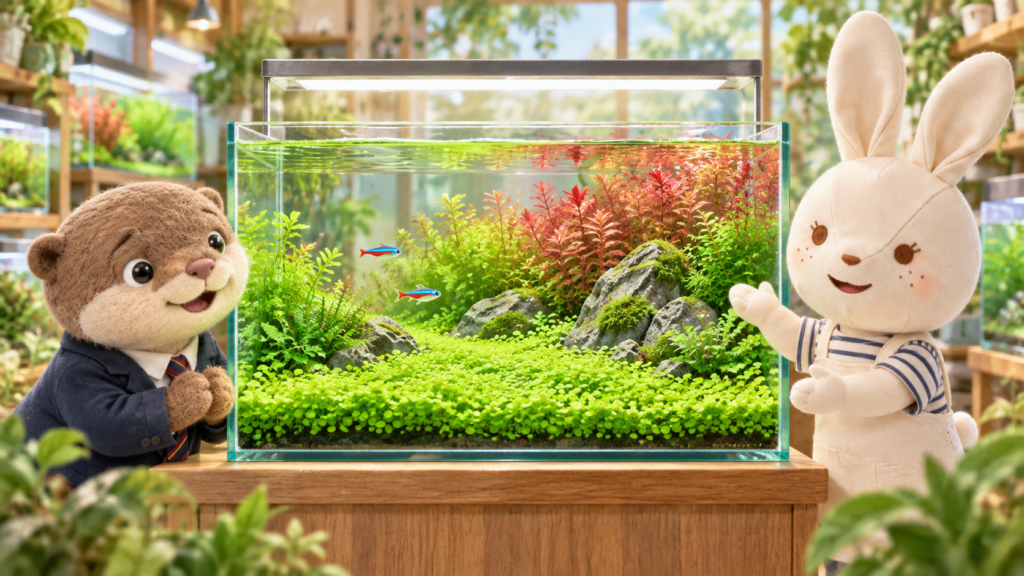 アイのアクアグッズ案内水草用ライトの選び方|緑の絨毯と赤い水草を楽しむ照明・植栽用品道具の特徴や使い方、選ぶときのポイントをアイが紹介します。記事はコチラ →
 アイのアクアグッズ案内小型カラシンの群れを楽しむ|餌と水換えから考える飼育用品ガイド小型カラシンの群れを眺める時間を、もっと楽しく。泳ぐ余白、餌の食べ方、続けやすい水換えを軸に、日本で揃えやすい用品の選び方を紹介します。記事はコチラ →
さまざまな飼育テーマをご紹介。リンク先の記事には広告・商品紹介が含まれます。
案内・紹介記事一覧へ →分布マップ
トゥッカーノテトラ(Tucanoichthys tucano)は、南米ブラジル北西部のネグロ川上流域に含まれるウアウペス川水系から知られる、分布域の限られた小型魚です。
※この地図は、記事に記載された「ブラジル、ネグロ川上流域のウアウペス川水系」という分布情報をもとにした概略表示です。表示範囲は厳密な分布境界を示すものではなく、マーカーの代表地点も実際の採集地点・標本産地を示すものではありません。
参考文献・参照資料
本記事では、分類・分布・形態・保全状況・生息環境の確認に、販売店ではない学術系データベース、原記載論文、保全評価資料、魚類解説データベースを参照しました。
- Géry, J. and U. Römer. 1997. Tucanoichthys tucano gen. n. sp. n., a new miniature characid fish (Teleostei: Characiformes: Characidae) from the Rio Uaupés basin in Brazil. aqua, Journal of Ichthyology and Aquatic Biology, 2(4): 65-72. GBIF掲載情報 用途: 学名、記載者、記載年、原産水系、原記載情報の確認。
- Froese, R. and D. Pauly, editors. FishBase: Tucanoichthys tucano Géry & Römer, 1997. FishBase種ページ 用途: 現行分類、最大標準体長、分布、形態的特徴、IUCN評価表示の確認。
- Eschmeyer’s Catalog of Fishes. California Academy of Sciences. Catalog of Fishes検索ページ 用途: 魚類の学名・属名・種名・記載情報を確認するための基礎資料。
- Mattox, G. M. T., Britz, R., Toledo-Piza, M. and Marinho, M. M. F. 2021. Osteology of Tucanoichthys tucano Géry and Römer, an enigmatic miniature fish from the Amazon basin, with remarks on its phylogenetic position. Vertebrate Zoology. 論文ページ 用途: 小型化、骨格形質、側線系の退縮、系統的位置に関する記述の確認。
- Instituto Chico Mendes de Conservação da Biodiversidade, ICMBio. Livro Vermelho da Fauna Brasileira Ameaçada de Extinção, 2018. 魚類巻PDF 用途: ブラジル産淡水魚の保全評価背景を確認するための公的資料。
- Seriously Fish. Tucanoichthys tucano species profile. 種解説ページ 用途: 生息地描写、ブラックウォーター環境、飼育条件、混泳・給餌・繁殖に関する一般飼育情報の照合。
- Fishipedia. Tetra toucan, Tucanoichthys tucano. 種解説ページ 用途: 群泳性、遊泳層、食性、卵生繁殖、原産地域に関する一般生態情報の補助確認。




コメント