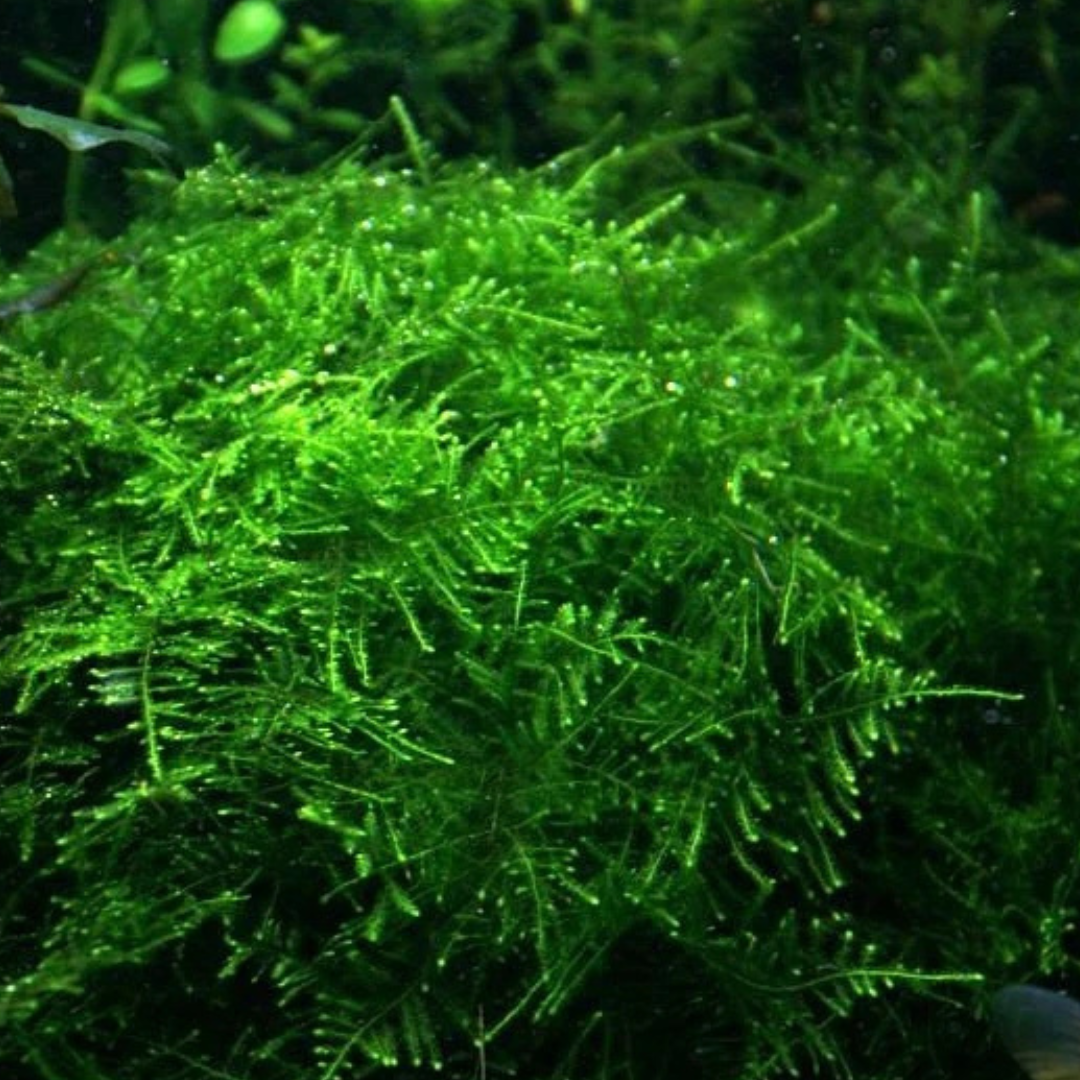
タイワンモスは、ネイチャーアクアリウムにおいて極めて重要な役割を担う水生シダの仲間(コケ類)です。その最大の特徴は、成長するにつれて規則的に枝分かれし、非常に美しい正三角形の輪郭を形作る草姿にあります。質感は非常に柔らかく繊細で、近縁のジャワモスと比較してより緻密でエレガントな印象を与えます。流木や岩に活着させることで、時の流れを感じさせる苔むした森のような情景を水中に再現することができ、アクアスケーピングの基盤素材として世界中で愛されています。Taiwan Moss is a crucial aquatic bryophyte in Nature Aquarium layouts. Its most striking feature is the regular branching pattern that creates a beautiful, equilateral triangular outline as it grows. With a soft and delicate texture, it provides a more dense and elegant look compared to Java Moss. By attaching it to driftwood or stones, it recreates the serene, mossy forest atmosphere in an underwater landscape, making it a globally beloved material for aquascaping.
基本情報 / Basic Information
学名 / Scientific Name
Taxiphyllum alternans
通称 / Common Name
タイワンモス、コウライイチイゴケTaiwan Moss
分類 / Family
ハイゴケ科 イチイゴケ属Hypnaceae, Taxiphyllum
分布 / Distribution
日本、中国、韓国、アメリカ合衆国南東部East Asia (Japan, China, Korea) and Southeastern USA
育成難易度 / Difficulty
非常に容易Very Easy
育成環境 / Cultivation Environment
光量 / Light
低光量から高光量(20W型2灯以上、60cm規格水槽基準)。強い光を当てることで、より密生した三角形の茂みを作ることができます。Low to High. Stronger lighting encourages denser, more regular triangular growth.
CO2添加 / CO2 Injection
無くても育成可能ですが、少量を添加することで成長速度と分岐の密度が劇的に向上し、美しい緑色を維持しやすくなります。Not strictly necessary, but small amounts significantly improve growth rate, branching density, and coloration.
水質 / Water Quality
弱酸性から中性(pH 5.5から7.0付近)。20度から26度程度が適温で、日本の水道水であれば問題なく適応します。Slightly acidic to neutral (pH 5.5-7.0). Optimal temperature is 20-26°C.
底床 / Substrate
ソイル、砂利、砂。主に活着させて育てるため、底床の種類は選びませんが、水質を弱酸性に保つソイルが好ましいです。Soil, Gravel, or Sand. While it grows best attached to hardscape, it prefers soil-based substrates that maintain acidic water.
レイアウト / Layout
配置 / Positioning
中景から後景の流木や岩への活着。前景のアクセントや、ネットに挟んでモスウォール(緑の壁)にするのも効果的です。Middle to Background on hardscape. Also effective as foreground accents or in “moss walls” using mesh.
注意点 / Precautions
成長すると層が厚くなり、下層が枯れやすくなります。適度にトリミングを行い、光と通水を確保することが美しさを保つ秘訣です。As layers thicken, the lower parts may rot due to lack of light and water flow. Regular trimming is essential.
増やし方(トリミング) / Propagation & Trimming
増やし方 / Propagation
伸びたシュートをハサミで切り取り、再びテグスや専用の接着剤で流木などに固定することで、そこから新しい芽が展開します。Cut elongated shoots and re-attach them to hardscape using fishing line or aquatic glue.
トリミング / Trimming
全体の形を整えるようにハサミでカットします。切った破片が水槽内に散らばると他の場所で活着してしまうため、網などで回収してください。Trim to shape using scissors. Collect any fragments to prevent them from attaching in unwanted areas.
病気と対策(コケなど) / Pests & Algae
かかりやすい病気 / Common Issues
糸状藻類(アオミドロ)などのコケが絡みやすい。また、30度を超えるような異常高温下では代謝バランスが崩れ、褐変して枯れることがあります。Prone to filamentous algae. High temperatures above 30°C can cause browning and decay.
対策と予防 / Prevention
ヤマトヌマエビなどのお掃除役の生体を導入し、藻類の発生を未然に防ぎます。夏場は水槽用クーラーや冷却ファンを用いて26度以下を保つことが重要です。Introduce Amano Shrimps to control algae. Use aquarium chillers or fans to keep temperatures below 26°C during summer.
雑学と豆知識 / Trivia and Fun Facts
1. 「タイワン」という名の由来と世界的な分布 / 1. Origin of the Name “Taiwan” and Global Distribution
アクアリウム界では「タイワン(台湾)」の名で親しまれていますが、この名称は当初、台湾の業者を通じて世界に輸出されたという流通上の歴史に基づいています。実際の自生地は台湾に限定されず、日本、中国、さらには北米大陸の東部まで広範囲に及んでいます。このように遠く離れた地域に同じ種が分布する現象は、数百万年前の地球規模の気候変動によって分断された歴史を物語っており、植物地理学的にも非常に興味深い存在です。While known as “Taiwan” Moss because it was first exported globally by Taiwanese shippers, its natural habitat spans East Asia and the Southeastern USA. This disjunct distribution is a fascinating example of how plant populations were separated by ancient climatic changes millions of years ago.
2. ベニト・C・タン博士による学術的同定 / 2. Scientific Identification by Dr. Benito C. Tan
かつてアクアリウム市場で流通するコケ類は名称が混同され、正体が不明なものが多く存在しました。この混乱を解いたのが、シンガポールの世界的権威であるベニト・C・タン博士です。彼は2004年、顕微鏡を用いた精密な検査によって、タイワンモスが 1963年に岩月博士によって命名された「Taxiphyllum alternans」であることを科学的に証明しました。葉の先端周辺だけに微細な鋸歯が存在するという特徴を見つけ出し、趣味の世界のコケに正確な学名を与えたこの功績は、アクアリウム史における重要な転換点となりました。In 2004, world-renowned bryologist Dr. Benito C. Tan analyzed market specimens and identified Taiwan Moss as Taxiphyllum alternans. His discovery of micro-morphological traits, such as serrations localized around the leaf tip, provided scientific clarity to the aquarium trade and standardizing its nomenclature.
3. 組織培養技術がもたらした革命 / 3. The Revolution of Tissue Culture Technology
日本の厳格な植物検疫をクリアし、安全に導入するための救世主となったのが組織培養カップです。無菌状態のラボで生産されるこの形態は、土壌の付着やスネール、有害な藻類の混入が物理的にゼロであることを保証しています。また、カップ内の栄養ゲルによって長期保存が可能なため、小売店での在庫ロスを減らすだけでなく、ユーザーにとっても「完全に清潔な状態」で水槽に導入できるという、サプライチェーン全体に革命をもたらしました。Tissue culture technology revolutionized the supply chain by ensuring products are free from soil, snails, and pests. These lab-grown mosses are 100% sterile and pesticide-free, providing both retailers and hobbyists with high-quality, safe plants that are easy to store and introduce into the aquarium.
4. ジャイアントタイワンモスの謎 / 4. The Mystery of Giant Taiwan Moss
近年、通常のタイワンモスよりも遥かに大きく成長する「ジャイアントタイワンモス」と呼ばれる系統が市場に現れ、愛好家の注目を集めています。単一の葉状体が20cm以上に達することもあるこの系統が、環境要因による一時的な巨大化なのか、あるいは遺伝的な突然変異による別種なのかについては、現在も完全には解明されていません。このような未解明の謎が残されている点も、タイワンモスという植物がアクアリストの探究心を刺激し続ける理由の一つです。A variation known as “Giant Taiwan Moss” has captivated hobbyists with its immense size, sometimes reaching over 20cm in length. Whether this is a result of specific environmental conditions or a distinct genetic mutation remains a mystery, continuing to fuel the curiosity of aquarists worldwide.
まとめ / Conclusion
タイワンモスは、その美しい正三角形の分岐と強健な性質から、初心者からプロフェッショナルまで広くおすすめできる、まさにコケの王者と呼ぶにふさわしい存在です。適切な光量と少しのCO2、そして丁寧なトリミングを行うことで、そのポテンシャルを最大限に引き出すことができます。Taiwan Moss is truly the king of aquatic mosses, recommended for everyone from beginners to pros due to its beautiful triangular growth and robust nature. With proper lighting, CO2, and careful trimming, its full aesthetic potential can be achieved.
魚やエビたちの隠れ家としても優秀であり、一度その繊細な質感と育てやすさを体験すれば、あなたのアクアリウムライフにおいて欠かせない主役となることでしょう。It also serves as a perfect sanctuary for fish and shrimp. Once you experience its delicate texture and ease of care, it will surely become an essential part of your aquatic journey.
Tan, B. C., Loh, K. L., & Gan, C. W. (2004)「アクアリウムのモス:タイワンモスとクリスマスモスの真の正体とは?」“A case of mistaken identity? What is the true identity of Taiwan Moss and Christmas Moss in the aquarium trade?”Singapore Scientist, 101, 14-16.
Iwatsuki, Z. (1963)「東アジア産イチイゴケ属の再検討」“A revision of the East Asiatic species of the genus Taxiphyllum.”Journal of the Hattori Botanical Laboratory, 26, 63-74.
Flora of North America Editorial Committee (2014)「北米植物誌 第28巻:Taxiphyllum alternansの分布と記載」“Flora of North America Vol. 28: Bryophytes – Taxiphyllum alternans.”Oxford University Press.
Tropica Aquarium Plants / ADA (Aqua Design Amano)「組織培養技術による水生コケ類の無菌生産と品質管理データベース」“Sterile production and quality control database for aquatic mosses via tissue culture.”Technical Data Sheets and Catalog Archives.



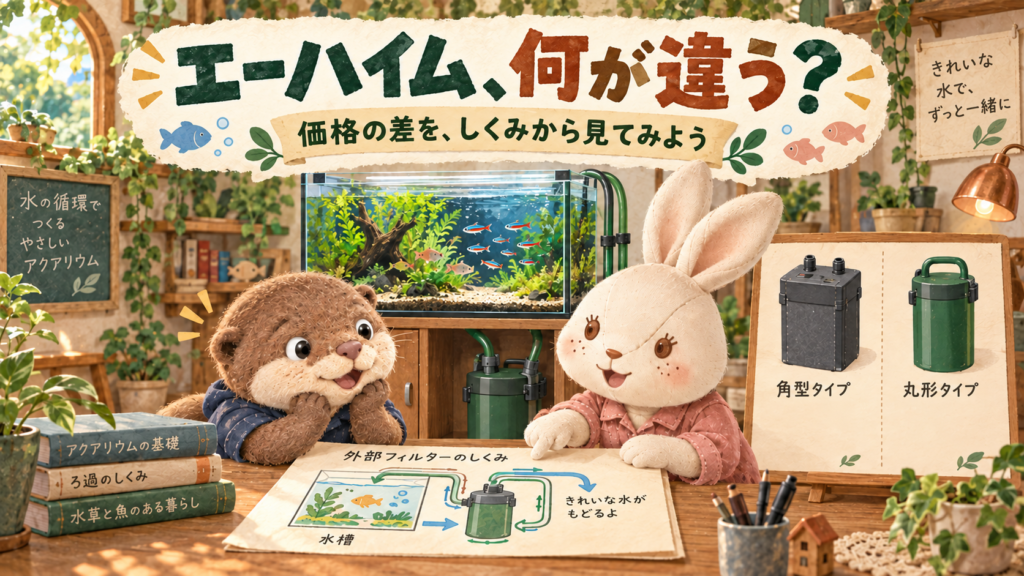 アイのアクアグッズ案内エーハイム、安いのと高いのは何が違う? コタロウと見比べる外部フィルター道具の特徴や使い方、選ぶときのポイントをアイが紹介します。記事はコチラ →
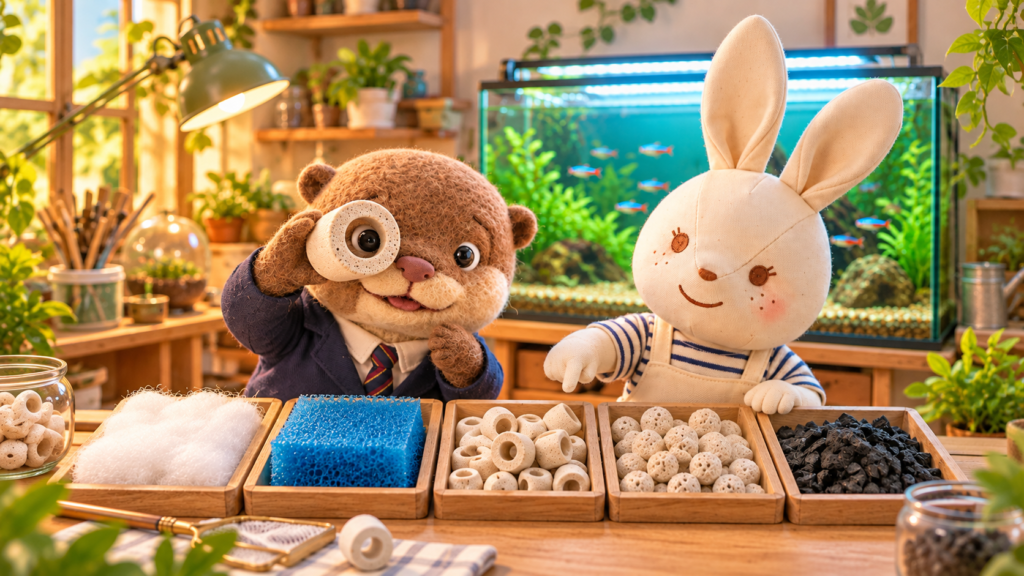 アイのアクアグッズ案内水槽のろ材の選び方|ウール・リング・活性炭の違いとおすすめ商品フィルターの中の綿や石は何をしている? アイとコタロウが、ウール・スポンジ・セラミック・焼結ガラス・活性炭・ゼオライトを比較。機種との相性、入れ方、洗い方と交換まで商品とともに紹介します。記事はコチラ →
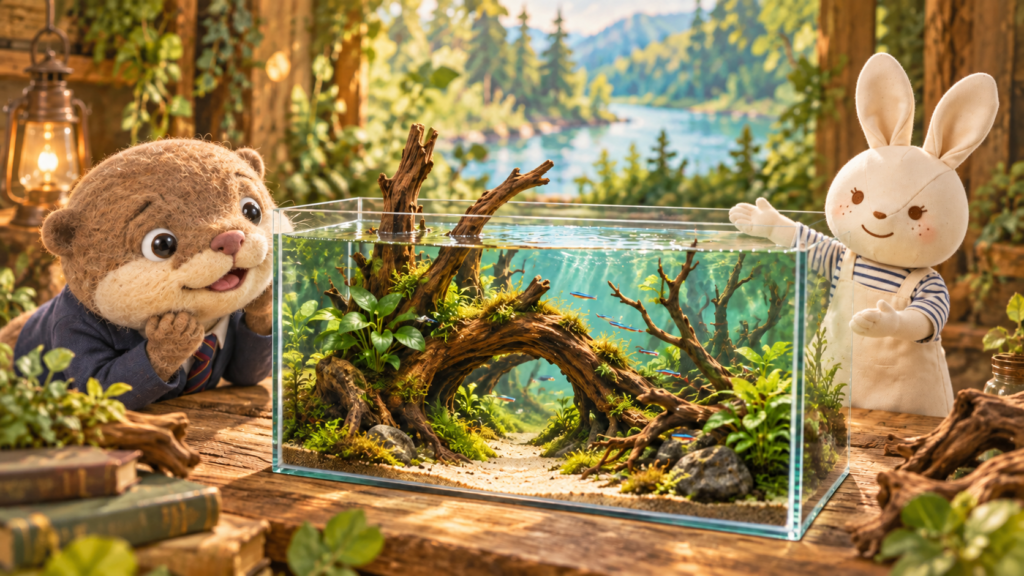 アイのアクアグッズ案内水槽の流木の選び方|枝・マングローブ・アク抜きとおすすめ商品水槽に小さな森を作る流木。枝流木やマングローブという名前の違いから、魚の隠れ家、水草の取り付け、浮く・水が茶色くなるときの準備まで、アイとコタロウが商品とともに案内します。記事はコチラ →
 アイのアクアグッズ案内水草水槽のCO₂添加|3つの方式の選び方とおすすめ用品道具の特徴や使い方、選ぶときのポイントをアイが紹介します。記事はコチラ →



コメント