

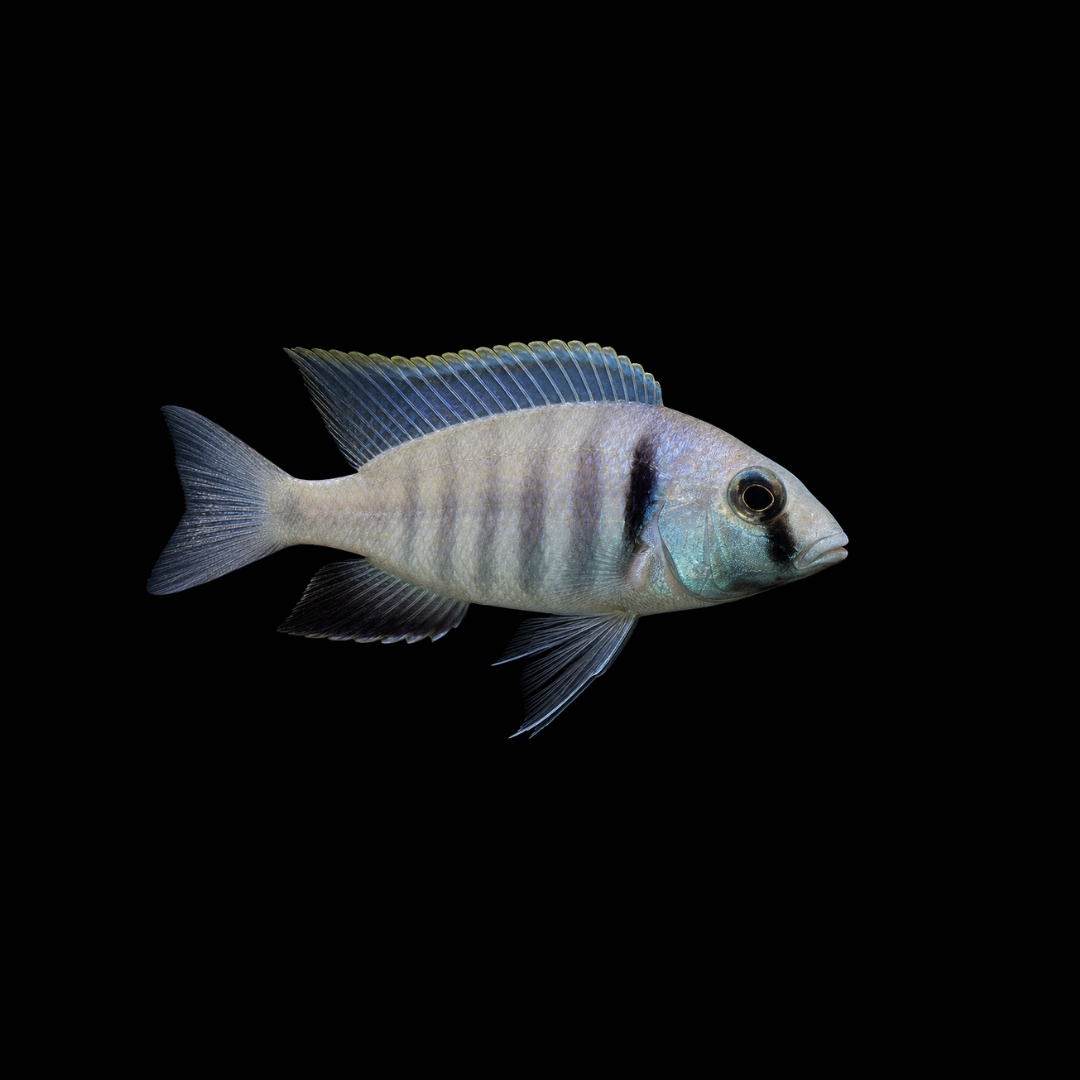
解説 / Description
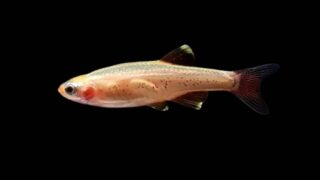
プラキドクロミス・エレクトラは、マラウイ湖に固有分布する砂地性のシクリッドです。日本の観賞魚流通では、旧属名のハプロクロミスに由来する「HAPL.エレクトラ」という名称でも扱われます。成熟したオスは青色を強め、頭部から鰓蓋周辺にかけての黒い斑紋と体側の暗色帯が際立ちます。メスと若魚は銀灰色を基調とし、雌雄で印象が大きく異なります。プラキドクロミス・エレクトラを健やかに育てるには、広い遊泳空間、細かな砂の底床、弱アルカリ性で硬度のある水質、控えめで偏りのない給餌が重要です。 Placidochromis electra is a sand-associated cichlid endemic to Lake Malawi. In the Japanese aquarium trade it is also sold as “HAPL. Electra,” a name derived from its former placement in Haplochromis. Mature males intensify to blue, with dark markings around the head and gill cover and darker bars on the body, while females and juveniles remain mainly silvery gray. Long-term care requires ample swimming room, fine sand, stable mildly alkaline water with suitable mineral hardness, and moderate, balanced feeding.
基本情報 / Basic Information
| 学名 / Scientific Name | Placidochromis electra (Burgess, 1979) |
|---|---|
| 通称 / Common Name | プラキドクロミス・エレクトラ、HAPL.エレクトラPlacidochromis electra, HAPL. Electra, Deep-water hap |
| 分類 / Family | シクリッド科・プセウドクレニラブルス亜科・プラキドクロミス属Family Cichlidae, subfamily Pseudocrenilabrinae, genus Placidochromis |
| 英名 / English Name | Deep-water hap |
| 分布 / Distribution | 東アフリカのマラウイ湖固有種です。模式産地はリコマ島近海で、東岸側の砂地や砂地と岩場が接する移行域に複数の地域個体群が知られています。Endemic to Lake Malawi in East Africa. The type locality is near Likoma Island, and several geographical populations are known from sandy and intermediate habitats along the eastern side of the lake. |
| 最大体長 / Max Size | 学術資料では最大12cm SL(尾鰭を除いた標準体長)とされています。尾鰭を含む全長や飼育条件によって見かけの大きさは変わり、飼育下では尾鰭を含む全長で15cm以上とされる例もあるため、成魚を小型魚として扱わないことが大切です。Published scientific records list a maximum of 12 cm standard length, measured without the caudal fin. Total length and aquarium growth can appear greater, and captive individuals may reach around 15 cm or more, so adults should not be treated as small fish. |
| 寿命 / Lifespan | プラキドクロミス・エレクトラに限定した、信頼できる平均寿命の資料は乏しく、年数を一律には示せません。寿命は水質、栄養、飼育密度、疾病管理によって大きく左右されます。Reliable species-specific data for an average lifespan are limited, so a fixed number of years cannot be stated with confidence. Longevity varies substantially with water quality, nutrition, stocking density, and disease management. |
飼育環境 / Aquarium Environment
| 水槽サイズ / Tank Size | 長期飼育では120cm規格水槽(約240L)を基本とします。1匹のオスと複数のメスを維持する場合や混泳では、150cmクラス以上の水槽がより安全です。幼魚を小型水槽で育て始める場合も、成長後の移動先を先に確保してください。For long-term care, use at least a standard 120 cm aquarium of roughly 240 L. A 150 cm class aquarium or larger is safer for one male with several females or for a community setup. If juveniles are started in a smaller tank, arrange their adult accommodation in advance. |
|---|---|
| 水温 / Temperature | 24~26℃を目安にします。数値そのものだけでなく、急な昇温・降温を避け、季節を通して安定させることが重要です。 Aim for 24–26°C. Stability is as important as the target range, so avoid sudden warming or cooling throughout the year. |
| 水質 / Water Quality | 弱アルカリ性の硬水を維持し、目安はpH7.5~8.5、総硬度9~19°dGH程度です。日本の軟水地域では、必要に応じてアラゴナイトやサンゴ砂、専用バッファーを利用します。ただし、添加量を感覚で決めず、pH・KH・GHを測定しながら換水前後の変化を小さくしてください。Maintain mildly alkaline hard water, with a practical target of pH 7.5–8.5 and about 9–19°dGH. In soft-water regions, aragonite, coral sand, or a suitable buffer may be used when necessary. Do not dose by guesswork; test pH, KH, and GH and keep changes during water replacement gradual. |
| レイアウト / Layout | 底床には角のない細かな砂を敷き、中央から前面に広い遊泳・採餌空間を残します。石組みは背面や両端にまとめ、隠れ場所と視線を遮る区画を作ります。アラゴナイトやサンゴ砂は水質調整に役立つ場合がありますが、底床全体に必須ではありません。石は掘られても崩れないよう、水槽底に安定させて設置してください。Use smooth fine sand and leave a broad open area across the center and front for swimming and foraging. Group rockwork along the back and sides to create shelters and visual barriers. Aragonite or coral sand can assist with buffering but is not mandatory across the entire substrate. Place rocks securely on the tank base so digging cannot cause a collapse. |
| 注意点 / Precautions | プラキドクロミス・エレクトラは活発に泳ぎ、成長すると排泄量も増えます。十分な生物ろ過と酸素供給を確保し、アンモニアと亜硝酸を検出されない状態に保ってください。導入時や換水時は水温、pH、硬度の差を確認し、急変を避けます。縄張り争いが続く場合は、個体数、雌雄比、隠れ場所、水槽サイズを見直してください。Placidochromis electra is an active swimmer and produces more waste as it grows. Provide adequate biological filtration and oxygenation, keeping ammonia and nitrite undetectable. During introduction and water changes, check differences in temperature, pH, and hardness and avoid abrupt shifts. If territorial conflict persists, reassess stocking, sex ratio, shelters, and tank size. |
餌と給餌 / Feeding
| 餌の種類 / Diet | 主食には、成分表示が明確な高品質のシクリッド用ペレットや顆粒を用います。自然下では、他魚が巻き上げた砂から小型無脊椎動物や藻類を含む餌を拾うため、ブラインシュリンプ、ミジンコ、イサザアミなどの冷凍餌を少量組み合わせると食性に変化を付けられます。哺乳類の肉や脂肪分の多い餌は避けてください。Use a high-quality cichlid pellet or granule with clearly stated ingredients as the staple. In nature the species collects food exposed in disturbed sand, including small invertebrates and algae, so small portions of frozen brine shrimp, daphnia, or mysids can add variety. Avoid mammalian meat and excessively fatty foods. |
|---|---|
| 給餌のポイント / Feeding Tips | 成魚には1日1~2回、短時間で食べ切り、底に残らない量を与えます。幼魚は成長に応じて回数を調整しますが、腹部が常に張るほど与えないでください。食欲、体型、糞の状態を観察し、過食や餌の偏りが疑われる場合は量と内容を見直します。定例の絶食日は必須ではなく、個体の状態に合わせて休餌を判断します。Feed adults once or twice daily, offering only what is eaten promptly without leftovers reaching the substrate. Juveniles may be fed more often as they grow, but the abdomen should not remain distended. Monitor appetite, body shape, and feces, and adjust quantity or variety if overfeeding or dietary imbalance is suspected. A fixed weekly fasting day is not essential; use short fasting periods only when appropriate for the fish’s condition. |
性格と混泳 / Temperament and Tank Mates
| 性格 / Temperament | プラキドクロミス・エレクトラは、同程度のマラウイ湖産ハプロクロミス類のなかでは比較的穏やかとされます。ただし、成熟したオスは繁殖期に縄張りを持ち、同種のオスやメスを追うことがあります。1匹のオスに複数のメスを組み合わせ、追われる個体が休める空間を確保すると管理しやすくなります。Placidochromis electra is considered relatively peaceful among similarly sized Lake Malawi haplochromines. Mature males can still become territorial during breeding and may chase rival males or females. Keeping one male with several females and providing refuge for subordinate fish generally makes the group easier to manage. |
|---|---|
| 混泳の相性 / Compatibility | 同じ弱アルカリ性の硬水を好み、体格と食性が近い、穏やかなマラウイ湖産ハプロクロミス類やアウロノカラ類が候補です。小型魚、ひれをかじる魚、攻撃性の強いムブナ類との組み合わせは避けます。体色や求愛行動が似たプラキドクロミス属との混泳は、誤認交尾や交雑の可能性を考え、繁殖を目的とする水槽では行わないほうが安全です。Suitable companions include peaceful Lake Malawi haplochromines and Aulonocara of similar size, diet, and water requirements. Avoid very small fish, fin nippers, and highly aggressive mbuna. Because similarly colored Placidochromis may court the wrong species and potentially hybridize, do not mix them in a breeding-focused aquarium. |
病気と対策 / Diseases and Prevention
| かかりやすい病気 / Common Diseases | マラウイ湖産シクリッドでは、食欲低下、白く細い糞、腹部の膨張、呼吸の乱れなどをまとめて「Malawi bloat」と呼ぶことがあります。ただし、これは原因が一つに定まった正式な病名ではありません。消化管の感染や寄生虫、全身性疾患、臓器障害、水質や過密によるストレスなど、複数の原因で似た症状が現れるため、外見だけで原因を断定しないことが重要です。Among Lake Malawi cichlids, signs such as loss of appetite, pale stringy feces, abdominal swelling, and abnormal breathing are often grouped under the hobby term “Malawi bloat.” This is not a single formally defined disease with one established cause. Gastrointestinal infection or parasites, systemic disease, organ dysfunction, and stress from poor water quality or crowding can produce similar signs, so the cause should not be diagnosed from appearance alone. |
|---|---|
| 対策と予防 / Prevention | 予防の基本は、安定した水質、適正な飼育密度、偏りのない給餌、新規個体の隔離観察です。食欲低下や腹部膨満が見られた個体は別容器に移し、本水槽のアンモニア、亜硝酸、硝酸塩、pH、水温を確認してください。症状が続く場合は、原因により治療法が異なるため、魚病に詳しい獣医師や専門家へ相談し、根拠なく薬剤を重ねて使用しないことが大切です。Prevention depends on stable water quality, appropriate stocking density, a balanced diet, and quarantine of new fish. Move a fish showing anorexia or abdominal swelling to a separate system and test the main aquarium for ammonia, nitrite, nitrate, pH, and temperature. Because treatment depends on the underlying cause, persistent cases should be discussed with an aquatic veterinarian or experienced fish-health specialist rather than treated with multiple medications without a diagnosis. |
増やし方(繁殖) / Breeding
| 雌雄の判別 / Sexing | 幼魚の雌雄判別は容易ではありません。成熟したオスは青色が強くなり、頭部と鰓蓋周辺の黒い斑紋、体側前方の暗色帯が目立ちます。メスは銀灰色を基調とし、オスより小柄で、各鰭の伸長も控えめです。ただし、劣位のオスは発色を弱めるため、体色だけで早期に断定しないでください。Juveniles are difficult to sex reliably. Mature males become more intensely blue, with conspicuous dark markings around the head and gill cover and a stronger anterior body bar. Females remain mainly silvery gray, are generally smaller, and show less fin extension. Subordinate males can suppress their color, so color alone should not be used for early sexing. |
|---|---|
| 繁殖形態 / Reproduction | プラキドクロミス・エレクトラは母系口内保育を行います。産卵後、メスは卵を口に収容し、孵化した稚魚が自力で泳げるまで保護します。抱卵数は約50個とされ、口内保育は水温やメスの状態によって前後しますが、おおむね3週間が目安です。Placidochromis electra is a maternal mouthbrooder. After spawning, the female carries the eggs in her mouth and protects the developing young until they can swim independently. A brood is reported to contain about 50 eggs, and mouthbrooding generally lasts around three weeks, varying with temperature and the female’s condition. |
| 繁殖のポイント / Breeding Tips | 繁殖を狙う場合は、1匹のオスに複数のメスを組み合わせ、広い砂地と視線を遮る隠れ場所を用意します。抱卵中のメスを追い回さないよう、オスの行動を観察してください。隔離する場合は、急な捕獲で卵を吐き出させないよう慎重に行います。稚魚は親魚に食べられる可能性があるため、放出前後に専用の育成水槽を準備すると管理しやすくなります。For breeding, keep one male with several females and provide open sand together with shelters that break lines of sight. Watch the male so a brooding female is not continually harassed. If isolation is necessary, handle her carefully to avoid premature release of the brood. Because adults may eat free-swimming fry, prepare a separate rearing aquarium before or around the time of release. |
雑学と豆知識 / Trivia and Fun Facts
| 1. 「HAPL.」に残る分類学の履歴 / 1. Taxonomic history preserved in “HAPL.” | プラキドクロミス・エレクトラは、1979年にHaplochromis electraとして記載されました。1989年のEcclesとTrewavasによる再検討以降、Placidochromis electraが有効な組み合わせとして採用されています。Cyrtocara electraという組み合わせも過去に用いられました。日本で見かける「HAPL.エレクトラ」という流通名は、学名が変わっても旧属名の略称が市場に残った例です。Placidochromis electra was described in 1979 as Haplochromis electra. Following the revision by Eccles and Trewavas in 1989, Placidochromis electra has been accepted as the valid combination. The combination Cyrtocara electra was also used historically. The Japanese trade name “HAPL. Electra” is an example of an older genus abbreviation surviving after a taxonomic change. |
|---|---|
| 2. 「深海ハプロ」は深場だけの魚ではない / 2. “Deep-water hap” does not mean deep water only | 原記載に用いられた標本は、リコマ島近海の水深約75フィート、約23mで採集されました。一方、後の生態情報では、プラキドクロミス・エレクトラは砂地でよく見られ、水深7m付近を好み、15m程度まで記録されるとされています。「Deep-water hap」という英名は採集史を映す呼び名であり、常に湖の深部だけで暮らすことを意味しません。The type material was collected near Likoma Island at about 75 feet, roughly 23 m. Later ecological summaries describe Placidochromis electra as common over sand, often around 7 m and recorded to about 15 m. The English name “Deep-water hap” therefore reflects collection history and does not mean that the species lives only in the deepest parts of the lake. |
| 3. 砂を掘る魚の後を追う採餌 / 3. Feeding behind sand-sifting fishes | プラキドクロミス・エレクトラは、砂を深く掘り進むよりも、テニオレトリノプス・プラエオルビタリスなどの大型魚が巻き上げた砂の中から、露出した小型無脊椎動物や藻類を拾います。この行動は「青の追従者」と呼ばれる採餌様式の一つとして紹介され、掘削する魚の活動を利用する片利共生的な関係と説明されることがあります。Rather than digging deeply itself, Placidochromis electra collects small invertebrates and algae exposed when larger fishes such as Taeniolethrinops praeorbitalis disturb the sand. This behavior is associated with the “blue follower” feeding strategy and is sometimes described as a commensal-like relationship in which the follower benefits from the digging activity of another fish. |
| 4. 体長の数字が資料によって違う理由 / 4. Why reported body lengths differ | 魚類学では、尾鰭を除いた標準体長をSL、尾鰭の先まで含めた全長をTLとして区別します。プラキドクロミス・エレクトラの学術資料にある12cm SLは、尾鰭を含まない測定値です。観賞魚の販売情報では全長が用いられることが多く、さらに飼育下で大きく育った個体も含まれるため、15cm以上という数字と必ずしも矛盾しません。Ichthyology distinguishes standard length, measured without the caudal fin, from total length, measured to the end of the caudal fin. The published figure of 12 cm SL for Placidochromis electra excludes the tail. Aquarium sources often use total length and may include unusually large captive fish, so reports of 15 cm or more are not necessarily contradictory. |
| 5. 「フェノキルス・タンザニア」との混同に注意 / 5. Avoid confusion with “phenochilus Tanzania” | 白い斑点が濃青色の体に増えていく魚は、観賞魚市場で「フェノキルス・タンザニア」と呼ばれますが、一般には未記載系統のPlacidochromis sp. “phenochilus Tanzania”として扱われ、記載種Placidochromis phenochilusと同一とは限りません。プラキドクロミス・エレクトラの若魚も似た銀灰色を示すため、幼魚期の外見だけで判断せず、産地名と学名表記を確認することが重要です。似た系統を繁殖可能な状態で同居させると、交雑の危険もあります。The deep-blue fish that develops increasing white spots is sold as “phenochilus Tanzania,” but it is generally treated as the undescribed Placidochromis sp. “phenochilus Tanzania” and is not necessarily the same as the described species Placidochromis phenochilus. Juvenile Placidochromis electra can also look silvery gray, so identification should not rely on juvenile appearance alone; locality and scientific labeling matter. Keeping similar forms together in breeding condition also creates a risk of hybridization. |
まとめ / Conclusion
プラキドクロミス・エレクトラは、成熟したオスの青い体色だけでなく、砂地を巡り、ほかの魚が巻き上げた餌を拾う独特の行動にも魅力があります。銀灰色の若魚が成長とともに表情を変え、メスが口内で卵と稚魚を守る姿は、マラウイ湖の砂地で受け継がれてきた暮らしを水槽内に映し出します。 Placidochromis electra is attractive not only for the blue coloration of mature males but also for its distinctive way of moving over sand and collecting food exposed by other fishes. The transformation of silvery juveniles and the female’s mouthbrooding care bring elements of its Lake Malawi life history into the aquarium.
プラキドクロミス・エレクトラとの長い付き合いには、十分な水槽の広さ、安定した弱アルカリ性の硬水、強いろ過、そして食べ過ぎを避けた多様な給餌が欠かせません。成長後の大きさを見越して環境を整え、発色だけでなく泳ぎ方や食欲の小さな変化にも目を配ることで、落ち着いた佇まいと力強い青をじっくり楽しめます。 Long-term success with Placidochromis electra depends on adequate aquarium space, stable mildly alkaline hard water, strong filtration, and varied feeding without excess. By planning for adult size and watching subtle changes in swimming, appetite, and condition rather than focusing on color alone, the keeper can appreciate both its calm presence and its powerful blue display.

気になる道具や飼い方を見つけてみませんか?
 アイのアクアグッズ案内水草の肥料の選び方|底床用・液肥・メネデールの使い分け道具の特徴や使い方、選ぶときのポイントをアイが紹介します。記事はコチラ →
 アイのアクアグッズ案内水槽の底砂の選び方|砂・砂利の違いとおすすめ商品道具の特徴や使い方、選ぶときのポイントをアイが紹介します。記事はコチラ →
 アイのアクアグッズ案内おとひめ物語|養殖生まれの餌を、わが家の魚に合う一粒へ道具の特徴や使い方、選ぶときのポイントをアイが紹介します。記事はコチラ →
 アイのアクアグッズ案内エーハイムはおもちゃから始まった? 小さな噴水から水槽へ、アイとコタロウの探訪道具の特徴や使い方、選ぶときのポイントをアイが紹介します。記事はコチラ →
さまざまな飼育テーマをご紹介。リンク先の記事には広告・商品紹介が含まれます。
案内・紹介記事一覧へ →分布マップ
東アフリカのマラウイ湖に固有分布し、模式産地はリコマ島近海です。東岸側の砂地や、砂地と岩場が接する移行域にも複数の地域個体群が知られています。地図では分布の目安として、リコマ島近海の代表地点を示しています。実際の採集地点や厳密な生息範囲ではありません。
この地図は記事の分布情報をもとにした概略表示です。マーカーは位置関係を示すための代表地点であり、実際の採集地点、個体群の正確な位置、厳密な生息範囲を示すものではありません。
参考文献
-
1原記載・模式産地・形態Burgess, W. E. (1979). Studies on the Family Cichlidae: 9. Haplochromis electra, a new species of cichlid from the waters around Likoma Island, Lake Malawi. Tropical Fish Hobbyist, 27(8), 91–94.原記載名、模式産地、採集深度、タイプ標本、初期の形態情報を確認するための基礎資料。
-
2属の再編・分類体系Eccles, D. H., & Trewavas, E. (1989). Malawian Cichlid Fishes: The Classification of Some Haplochromine Genera. Herten, West Germany: Lake Fish Movies. 334 pp.プラキドクロミス属の設立と、Placidochromis electraへの再分類を支える主要な分類学的モノグラフ。
-
3有効学名・異名・分類上の位置Fricke, R., Eschmeyer, W. N., & Van der Laan, R. (eds.). (2026). Eschmeyer’s Catalog of Fishes: Genera, Species, References. California Academy of Sciences.有効名をPlacidochromis electra (Burgess, 1979)とする現行の魚類分類、原記載名、異名、分類階級の確認に用いる資料。種レコード(2026年8月4日閲覧)
-
4分類・分布・最大体長Maréchal, C. (1991). Placidochromis. In J. Daget, J.-P. Gosse, G. G. Teugels, & D. F. E. Thys van den Audenaerde (eds.), Check-list of the Freshwater Fishes of Africa, Vol. 4, pp. 378–380. Brussels, Tervuren & Paris: ISNB, MRAC & ORSTOM.アフリカ淡水魚の標準的チェックリストに収録されたプラキドクロミス属の分類、分布、標準体長に関する資料。
-
5分布・生息環境・飼育水質・食性・繁殖Froese, R., & Pauly, D. (eds.). FishBase: Placidochromis electra. World Wide Web electronic publication.マラウイ湖固有という分布、砂底、水深、最大12cm SL、水温24~26℃、硬度9~19°dH、巻き上げられた無脊椎動物や藻類を拾う食性、母系口内保育と約50卵という記録をまとめた種データベース。Placidochromis electra 種ページ(2026年8月4日閲覧)
-
6地域分布・自然環境・追従採餌Konings, A. (2016). Malawi Cichlids in Their Natural Habitat (5th ed.). El Paso, Texas: Cichlid Press. 432 pp. ISBN 978-1-932892-23-9.マラウイ湖内の地域分布、砂地性の生活、体色、近縁群との識別、砂を掘る大型魚の後を追って採餌する自然史を支える専門資料。
-
7病気・水質悪化・過密・栄養管理Francis-Floyd, R., & Petty, B. D. (2026). Disorders and Diseases of Fish. Merck Veterinary Manual.魚の不調には水質不良、過密、ストレス、栄養障害、細菌・原虫・寄生虫など複数の原因が関与し得ること、腹部膨満などの外見だけで原因を確定できないことを支える獣医学資料。Merck Veterinary Manual(2026年8月4日閲覧)
-
8飼育管理・ろ過・検疫・診断Petty, B. D., Francis-Floyd, R., & Yanong, R. P. E. (2024). Management of Aquarium Fish. Merck Veterinary Manual.アンモニア・亜硝酸の管理、生物ろ過、アルカリ度とpHの安定、新規個体の隔離、専用器具の使用、症状に応じた検査と診断の必要性を支える獣医学的飼育管理資料。Merck Veterinary Manual(2026年8月4日閲覧)




コメント