

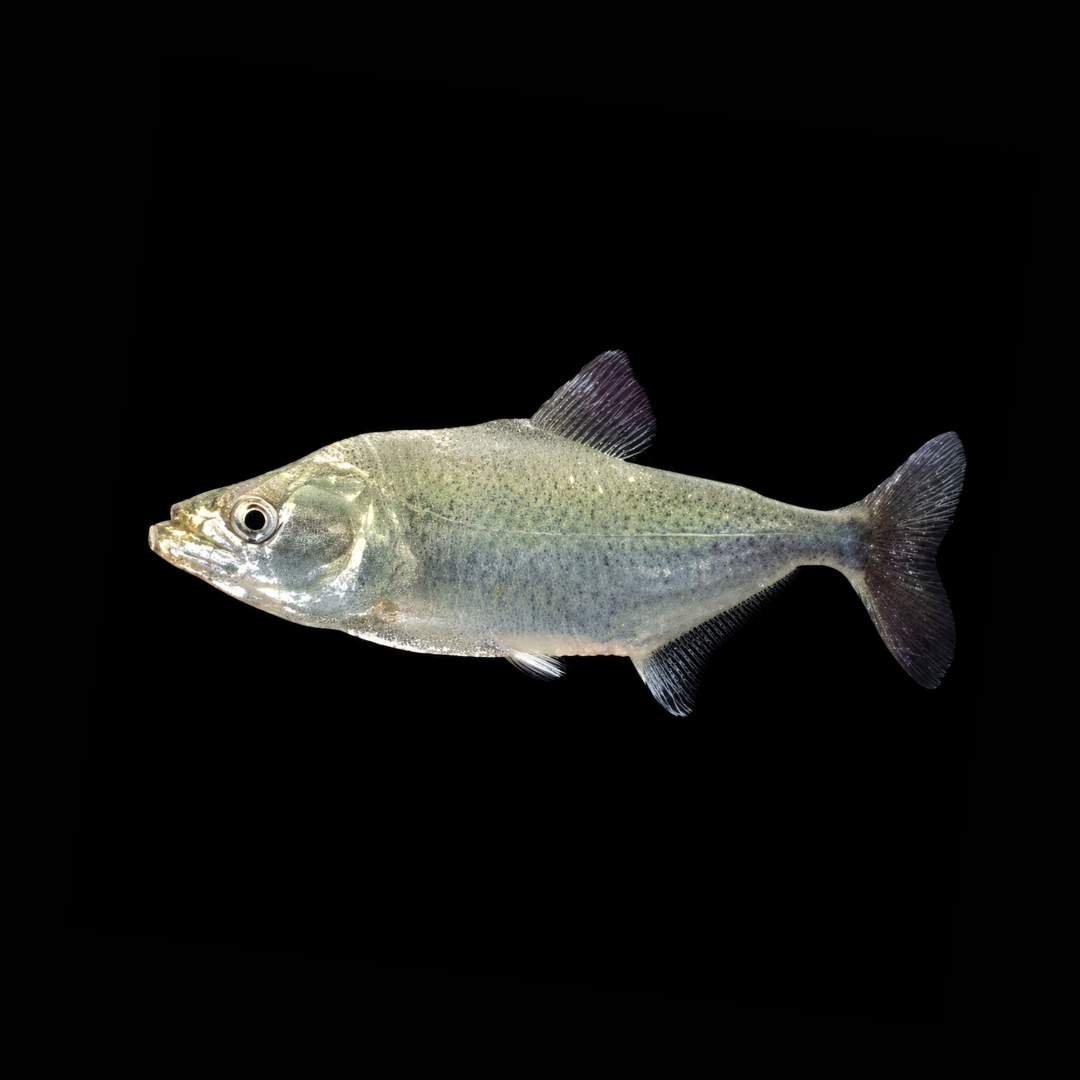
解説 / Description
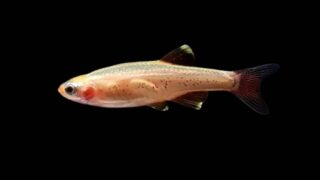
エロンガータピラニアは、南米のアマゾン川水系とオリノコ川水系に分布するセルラサルムス属のピラニアです。多くのピラニアが体高のある円盤状の姿を連想させるのに対し、本種は魚雷のように細長い体を持ちます。そのため英名では、Slender piranha、Elongated piranha、Pike piranhaなどと呼ばれます。 Serrasalmus elongatus is a piranha of the genus Serrasalmus from the Amazon and Orinoco river basins of South America. While many piranhas are associated with a deep, disc-like body, this species has a distinctly slender, torpedo-like form. For that reason, it is known in English as the slender piranha, elongated piranha, or pike piranha.
野生下では魚食性が強く、他魚の鰭や鱗をかじり取る行動も知られています。水槽内でも俊敏で警戒心が強く、同種や他魚に対して攻撃的に振る舞うため、基本は単独飼育です。観賞魚としての迫力は大きい一方、広い遊泳空間、強いろ過、安定した水質、落ち着ける陰をそろえられる中級者から上級者向けの魚といえます。 In the wild, it is strongly piscivorous and is also known for biting fins and scales from other fishes. In aquaria, it remains fast, cautious, and aggressive toward both conspecifics and other species, so solitary housing is the standard. It is an impressive aquarium fish, but it is best suited to experienced keepers who can provide long swimming space, strong filtration, stable water quality, and shaded cover.
IUCNレッドリストでは2020年評価で軽度懸念(LC)とされています。ただし、観賞魚として国内で見かける個体はワイルド個体が中心で、流通は常時安定しているというより、南米便の入荷に合わせて不定期に見られるタイプです。 The species is assessed as Least Concern (LC) on the IUCN Red List based on the 2020 assessment. In the aquarium trade, however, most specimens seen in Japan are wild-caught, and availability is typically irregular rather than constant, depending on South American import shipments.
基本情報 / Basic Information
| 学名 / Scientific Name | Serrasalmus elongatus Kner, 1858 |
|---|---|
| 通称 / Common Name | エロンガータピラニア、エロンゲートピラニア、パイクピラニア、ブラックマスク、レッドスロート、ピンケピラニアSlender piranha, elongated piranha, pike piranha, black mask type, red throat type, Pingke piranha |
| 分類 / Family | カラシン目 セルラサルムス科 セルラサルムス属Order Characiformes, family Serrasalmidae, genus Serrasalmus |
| 英名 / English Name | Slender piranha / Elongated piranha / Pike piranha |
| 分布 / Distribution | 南米のアマゾン川水系およびオリノコ川水系。ブラジル、ベネズエラ、ペルー、エクアドル、ボリビアなどを含む広い範囲で記録されています。Amazon and Orinoco river basins in South America, with records from a broad range that includes Brazil, Venezuela, Peru, Ecuador, and Bolivia. |
| 最大体長 / Max Size | 約30cm。水槽内では20cm台で維持される個体も多く、成長とともに若魚期より体高が出て、より重厚な印象になることがあります。About 30 cm in total length. Many aquarium specimens are maintained in the 20 cm range, and older fish may become deeper-bodied and more robust-looking than juveniles. |
| 寿命 / Lifespan | 本種だけを対象にした明確な寿命データは多くありません。安定した水質、事故の少ない単独飼育、偏りの少ない給餌ができれば、10年前後またはそれ以上の長期飼育も期待できます。Species-specific lifespan data are limited. With stable water quality, safe solitary housing, and a varied diet, long-term maintenance of around 10 years or more can be expected. |
飼育環境 / Aquarium Environment
| 水槽サイズ / Tank Size | 幼魚は90cm規格水槽で一時的に管理できますが、成長後は最低でも120cmワイド水槽、できれば150cmクラス以上が理想です。高さよりも、横方向へ泳げる距離と奥行きを重視します。Juveniles can be managed temporarily in a standard 90 cm tank, but adults should be kept in at least a 120 cm wide aquarium, with a 150 cm class tank preferable. Horizontal swimming distance and tank depth are more important than height alone. |
|---|---|
| 水温 / Temperature | 24〜28℃。急な温度変化は白点病や拒食のきっかけになりやすいため、ヒーターと水温計で安定させます。 24–28°C. Sudden temperature changes can trigger white spot disease or refusal to feed, so stable heating and temperature monitoring are important. |
| 水質 / Water Quality | 弱酸性〜中性の軟水を基本とし、目安はpH 5.5〜7.2程度です。肉食魚で排泄量が多いため、大型外部式フィルターやオーバーフロー式ろ過を用い、アンモニアと亜硝酸が検出されない状態を維持します。Soft, slightly acidic to neutral water is preferred, roughly pH 5.5–7.2. Because this carnivorous fish produces heavy waste, use strong canister or sump filtration and keep ammonia and nitrite undetectable. |
| レイアウト / Layout | 暗色の底砂、流木、根、浮き草、丈夫な水草などで落ち着ける陰を作ります。同時に、前面や中央には泳ぐための空間を残します。パワーヘッドなどで水槽の長手方向に一方向の水流を作ると、本種らしいホバリングや巡航行動を引き出しやすくなります。Use dark substrate, driftwood, roots, floating plants, or hardy plants to create shaded cover, while leaving open swimming space at the front or center. A powerhead that creates a one-directional current along the length of the tank helps bring out the species’ natural hovering and cruising behavior. |
| 注意点 / Precautions | 完全な単独飼育が基本です。ヒーター、コード、水温計、エアチューブは噛まれないように保護し、ヒーターはカバー付きにするか、ろ過槽内に設置すると安全です。驚いたときに突進したり飛び出したりすることがあるため、フタも必ず用意します。Strict solitary housing is the standard. Protect heaters, cables, thermometers, and airline tubing from bites; a heater guard or placement in a sump is safer. Because startled fish may dash suddenly or jump, a tight-fitting lid is essential. |
餌と給餌 / Feeding
| 餌の種類 / Diet | 冷凍の白身魚、エビ、イカ、ムール貝、魚肉片、肉食魚用ペレット、クリルなどを組み合わせます。導入直後のワイルド個体では、メダカやエビなどの生き餌が必要になることもありますが、長期的には冷凍餌や人工飼料へ移行させる方が管理しやすくなります。Offer a varied diet of frozen white fish, shrimp, squid, mussel, fish pieces, carnivore pellets, and krill. Newly imported wild specimens may initially require live fish or shrimp, but they are easier to manage long term when transitioned to frozen and prepared foods. |
|---|---|
| 給餌のポイント / Feeding Tips | 手から直接与えるのは避け、長いピンセットや給餌棒を使います。金魚などのコイ科魚類を主食にし続けると、チアミナーゼ、脂肪分、病原体の持ち込みなどの問題が出やすいため、常用は避けます。食べ残しは水質を急激に悪化させるので、給餌後に取り除きます。Do not hand-feed; use long forceps or feeding tongs. Avoid using goldfish or other cyprinid feeder fish as a staple because of thiaminase, excess fat, and disease-transfer concerns. Remove uneaten food promptly, as it can quickly degrade water quality. |
性格と混泳 / Temperament and Tank Mates
| 性格 / Temperament | 非常に神経質で警戒心が強く、攻撃性も高い魚です。水槽の外の動きにも反応しやすく、落ち着ける陰や安定した環境がないと、ガラス面へ突進したり、吻端を擦ったりすることがあります。This species is very nervous, alert, and aggressive. It may react strongly to movement outside the tank, and without cover and environmental stability it may dash into glass or develop abrasions on the snout. |
|---|---|
| 混泳の相性 / Compatibility | 混泳は不可と考えます。他魚の鰭や鱗をかじる性質が強く、同種同士でも深刻なけんかや死亡事故につながります。透明セパレーター越しでも相手に突進することがあるため、長期的には1水槽1匹が最も安全です。Tank mates should be avoided. It is a strong fin- and scale-nipper, and even conspecifics may fight severely or kill each other. Because it may attack through a transparent divider, one fish per aquarium is the safest long-term approach. |
病気と対策 / Diseases and Prevention
| かかりやすい病気 / Common Diseases | 白点病、輸入直後の外部寄生虫、傷口からの細菌感染、鰭裂け、吻端の擦れが問題になりやすいです。野生採集個体では、導入時の拒食や痩せにも注意します。Common issues include white spot disease, external parasites in newly imported fish, bacterial infection from wounds, split fins, and snout abrasions. Refusal to feed and weight loss should also be watched for in wild-caught specimens. |
|---|---|
| 対策と予防 / Prevention | 導入時は隔離観察を行い、急な水質変化を避けます。ろ過能力を余裕をもって確保し、週1回を目安に定期的な換水を行います。強すぎる照明を避け、隠れ家と水流を整えてストレスを下げることが、病気と外傷の予防につながります。Quarantine and observe new fish, and avoid sudden changes in water chemistry. Use oversized filtration and perform regular water changes, often weekly. Moderate lighting, cover, and appropriate current reduce stress and help prevent both disease and physical injury. |
増やし方(繁殖) / Breeding
| 雌雄の判別 / Sexing | 外見での確実な判別は困難です。成熟したオスでは腹部や鰓蓋まわりの赤みが強くなる可能性が指摘されていますが、個体差や産地差も大きいため、単独の判断材料にはできません。Reliable visual sexing is difficult. Mature males may show stronger red coloration around the belly and gill-cover area, but individual and locality variation is significant, so this should not be used as the only indicator. |
|---|---|
| 繁殖形態 / Reproduction | 卵生です。ただし、本種そのものの水槽内繁殖に関する確実な情報は少なく、一般的なピラニア類の繁殖情報をそのまま当てはめるには注意が必要です。Oviparous. However, reliable aquarium-breeding information specifically for this species is scarce, so general piranha breeding information should be applied with caution. |
| 繁殖のポイント / Breeding Tips | 家庭水槽での繁殖は、現実的には非常に難しい部類です。ペアリング時の攻撃事故を避けるには、十分な広さ、複数の隔離手段、成熟個体の状態確認、雨季を意識した水換えなどが必要になると考えられます。繁殖を狙う場合でも、まずは長期単独飼育で安定した健康状態を作ることが前提です。Breeding in the home aquarium is highly challenging. Any pairing attempt would require a very large system, multiple separation options, careful assessment of mature fish, and water changes that may mimic rainy-season cues. Stable long-term solitary maintenance should come before any breeding attempt. |
雑学と豆知識 / Trivia and Fun Facts
| 1. 名前に表れた細長い体 / 1. A Name Built Around Its Shape | 種小名の elongatus は「引き伸ばされた」「細長い」という意味を持ち、本種の姿をよく表しています。体高のあるピラニアが多い中で、エロンガータピラニアの体は明らかに流線型です。この体型は、流れのある本流域で機敏に泳ぎ、獲物へ一瞬で接近して離脱する暮らしに向いた形だと考えられています。The species name elongatus means elongated or stretched out, directly describing the fish’s body form. Among many deeper-bodied piranhas, S. elongatus stands out as streamlined. This shape is thought to suit a life of fast swimming in current, allowing the fish to rush in, strike prey, and retreat quickly. |
|---|---|
| 2. S. pingke をめぐる分類の混乱 / 2. The Taxonomic Confusion Around S. pingke | 本種は1858年にクネルによって記載され、タイプ産地はブラジルのグアポレ川とされます。かつて Serrasalmus pingke とされた魚は、現在ではエロンガータピラニアの同物異名として扱われています。幼魚と成魚で模様や体型が変わるピラニア類では、成長段階を見誤ると別種のように見えてしまうことがあり、本種はその難しさをよく示す例です。This species was described by Kner in 1858, with the Rio Guaporé in Brazil as its type locality. The name Serrasalmus pingke is now treated as a synonym of S. elongatus. In piranhas, juvenile and adult patterns can differ greatly, and misreading growth stages can make one species look like several; S. elongatus is a good example of that challenge. |
| 3. ブラックマスクとレッドスロート / 3. Black Mask and Red Throat Forms | 観賞魚市場では、顔に黒い帯が目立つ個体を「ブラックマスク」、喉から鰓蓋まわりに赤みが強く出る個体を「レッドスロート」と呼ぶことがあります。これらの違いが、水質、餌、成熟、産地差、遺伝的な違いのどれに強く由来するのかは、慎重に見る必要があります。10〜12cm前後から虹彩が銀色から赤色へ変わりやすい点も、成長を観察する楽しみのひとつです。In the aquarium trade, specimens with a pronounced dark facial band may be called black mask, while fish with stronger red or orange tones around the throat and gill cover may be called red throat. It is still necessary to be cautious about whether these differences mainly reflect water type, diet, maturity, locality, or genetics. The iris often changes from silver to red around 10–12 cm, making growth especially interesting to observe. |
| 4. 鰭と鱗を狙うヒットアンドアウェイ型の捕食者 / 4. A Hit-and-Run Predator of Fins and Scales | エロンガータピラニアは、小魚を食べるだけでなく、他魚の鰭や鱗をかじり取る傾向が強いピラニアです。水槽内で混泳が成立しにくい最大の理由もここにあります。じわじわ追い回すというより、すれ違いざまに一撃を入れるような行動を見せることがあり、細身の見た目以上に油断できない魚です。S. elongatus does not simply eat small fish; it also has a strong tendency to bite fins and scales from other fishes. This is the main reason it is difficult to keep safely with tank mates. Rather than only chasing other fish continuously, it may strike quickly while passing, making it more formidable than its slender appearance suggests. |
| 5. 日本市場では専門店向けのピラニア / 5. A Specialist Piranha in the Japanese Hobby | 日本国内では、一般的な熱帯魚店に常時並ぶ魚ではなく、大型肉食魚や南米産の珍しいカラシンを扱う専門店で不定期に流通することが多い種類です。小さな幼魚は比較的手が届きやすい価格で見られることがありますが、赤い虹彩や迫力ある体型が出た成長個体は管理コストも高く、価格も上がりやすい傾向があります。In Japan, this is not usually a species found constantly in general aquarium shops. It appears irregularly through specialist stores that handle large predatory fish and unusual South American characins. Small juveniles may sometimes be comparatively affordable, but larger specimens with red eyes and a powerful body form are harder to manage and tend to be more expensive. |
| 6. 飼育の鍵は「強さ」より「落ち着き」 / 6. The Key Is Calmness, Not Just Power | 鋭い歯と攻撃性が注目されがちですが、長期飼育で大切なのは、魚を落ち着かせる環境づくりです。隠れ家がない明るいベアタンクでは、驚いてガラス面へ突進し、吻端を傷めることがあります。暗めの環境、適度な水流、安全に固定された器具、人の動きに過度に驚かない設置場所がそろうと、本種の機敏さと美しさをより安定して楽しめます。Its sharp teeth and aggression often receive the most attention, but long-term success depends on creating a calm environment. In a bright bare tank without cover, the fish may panic and dash into the glass, injuring its snout. Dimmer conditions, suitable current, safely secured equipment, and a location where human movement does not constantly startle the fish make it much easier to appreciate the species’ speed and beauty. |
まとめ / Conclusion
エロンガータピラニアは、南米の流水環境を思わせる細長い体、鋭い歯、そして獲物へ一瞬で迫る俊敏さを備えた、きわめて個性的なピラニアです。迫力のある肉食魚である一方、環境の変化や外部の刺激に敏感な面もあり、飼育では力強さだけでなく繊細さにも目を向ける必要があります。 Serrasalmus elongatus is a highly distinctive piranha, combining a slender body shaped by flowing waters, sharp teeth, and the speed to rush prey in an instant. Although it is an impressive predatory fish, it is also sensitive to environmental change and outside disturbance, so successful care requires attention to both its power and its nervous nature.
単独飼育、広い水槽、強いろ過、噛まれない機材配置、そして水流と陰のある落ち着いた空間が整うと、銀色の体、黒いマスク、赤い虹彩が水槽の中で際立ちます。扱いは簡単ではありませんが、条件を満たした環境では、アマゾンやオリノコの流れを思わせる緊張感と美しさを長く見せてくれる一尾です。 When kept alone in a spacious aquarium with strong filtration, bite-safe equipment placement, current, and shaded resting areas, its silver body, dark mask, and red iris stand out beautifully. It is not an easy fish, but in the right environment it can bring the tension and beauty of the Amazon and Orinoco river systems into the aquarium for many years.

気になる道具や飼い方を見つけてみませんか?
 アイのアクアグッズ案内アフリカンシクリッドの飼育用品|水槽・ろ過・底砂・岩組み・餌の選び方道具の特徴や使い方、選ぶときのポイントをアイが紹介します。記事はコチラ →
 アイのアクアグッズ案内水草の肥料の選び方|底床用・液肥・メネデールの使い分け道具の特徴や使い方、選ぶときのポイントをアイが紹介します。記事はコチラ →
 アイのアクアグッズ案内プレコ飼育に必要なもの|餌・流木・ろ過・隠れ家・掃除用品道具の特徴や使い方、選ぶときのポイントをアイが紹介します。記事はコチラ →
 アイのアクアグッズ案内水槽の流木の選び方|枝・マングローブ・アク抜きとおすすめ商品水槽に小さな森を作る流木。枝流木やマングローブという名前の違いから、魚の隠れ家、水草の取り付け、浮く・水が茶色くなるときの準備まで、アイとコタロウが商品とともに案内します。記事はコチラ →
さまざまな飼育テーマをご紹介。リンク先の記事には広告・商品紹介が含まれます。
案内・紹介記事一覧へ →分布マップ
エロンガータピラニアは、南米のアマゾン川水系およびオリノコ川水系に広く分布するとされ、ブラジル、ベネズエラ、ペルー、エクアドル、ボリビアなどで記録されています。
この地図は分布欄の内容をもとにした概略イメージです。プロットはアマゾン川水系からオリノコ川水系にかけた広域分布を示すための代表的な目安であり、実際の採集地点や厳密な生息範囲を示すものではありません。
参考文献
本リストは、エロンガータピラニア(Serrasalmus elongatus)の分類、分布、生息環境、食性、進化的背景、飼育管理、繁殖情報の扱い、病気や注意点を裏付けるために、学術データベース、国際機関、査読論文、獣医学資料を中心に選定したものです。店舗、通販、個人ブログ、汎用まとめサイトは除外しています。
分類・分布・保全状況
-
Froese, R. and Pauly, D. Editors. FishBase. “Serrasalmus elongatus, Slender piranha”.
確認項目:学名、分類、淡水性、底中層性、熱帯性、分布、最大体長、IUCN評価、生活史データの有無。 -
Brejão, G. L. “Serrasalmus elongatus”. The IUCN Red List of Threatened Species.
確認項目:保全状況、評価年、分布域、脅威評価。 -
GBIF Secretariat. “Serrasalmus elongatus Kner, 1858”. GBIF Backbone Taxonomy.
確認項目:分類上の受け入れ名、命名者、通称、分布記録の参照。 -
Food and Agriculture Organization of the United Nations. “Serrasalmus elongatus Kner 1858”. FAO Fisheries and Aquaculture.
確認項目:国際的な魚種統計上の分類、科、目、公式英名。 -
Jégu, M. 2003. “Serrasalminae (Pacus and piranhas)”. In Reis, R. E., Kullander, S. O. and Ferraris, C. J. Jr. (eds.), Checklist of the Freshwater Fishes of South and Central America, pp. 182–196.
確認項目:セルラサルムス亜科の分類整理、分布、同物異名、南米淡水魚チェックリスト上の扱い。
生息環境・食性・進化的背景
-
Nico, L. G. and Taphorn, D. C. 1988. “Food Habits of Piranhas in the Low Llanos of Venezuela”. Biotropica, 20(4): 311–321.
確認項目:ピラニア類の食性、鰭・鱗・魚肉への摂食、ベネズエラ低地リャノにおける生態情報。 -
Machado, V. N. et al. 2018. “One thousand DNA barcodes of piranhas and pacus reveal geographic structure and unrecognised diversity in the Amazon”. Scientific Reports.
確認項目:セルラサルムス科の多様性、南米水系における地理的構造、未認識多様性の可能性。 -
Kolmann, M. A. et al. 2021. “Phylogenomics of Piranhas and Pacus (Serrasalmidae) Uncovers How Dietary Convergence and Parallelism Obfuscate Traditional Morphological Taxonomy”. Systematic Biology, 70(3): 576–592.
確認項目:セルラサルムス科の系統関係、食性進化、形態分類の難しさ、収斂進化。 -
Nakayama, C. M., Feldberg, E. and Bertollo, L. A. C. 2012. “Karyotype differentiation and cytotaxonomic considerations in species of Serrasalmidae (Characiformes) from the Amazon basin”. Neotropical Ichthyology, 10(1): 53–58.
確認項目:セルラサルムス科の染色体構成、核型分化、細胞遺伝学的な分類検討。
飼育条件・繁殖情報の扱い・病気と注意点
-
Petty, B. D., Francis-Floyd, R. and Yanong, R. P. E. “Management of Aquarium Fish”. Merck Veterinary Manual.
確認項目:水質管理、検疫、バイオセキュリティ、家庭水槽での管理原則、治療時の注意。 -
Francis-Floyd, R. and Petty, B. D. “Disorders and Diseases of Fish”. MSD Veterinary Manual.
確認項目:ストレス、悪い水質、過密、検疫不足が病気の誘因になる点、細菌・原虫・真菌・寄生虫感染の一般的リスク。 -
Queiroz, H. L., Sobanski, M. B. and Magurran, A. E. 2010. “Reproductive strategies of Red-bellied Piranha (Pygocentrus nattereri Kner, 1858) in the white waters of the Mamirauá flooded forest, central Brazilian Amazon”. Environmental Biology of Fishes, 89: 11–19.
確認項目:近縁ピラニア類の繁殖生態、洪水パルスとの関係、繁殖行動の比較材料。エロンガータピラニアそのものの水槽内繁殖記録ではなく、近縁種との比較に用いる資料です。
補足:飼育水温やpHなどの実用値は、野生下の「熱帯性・淡水性」という基礎情報と、獣医学的な水質・ストレス管理の原則を照合して安全側に整理しています。種特異的な繁殖データや国内流通価格は信頼できる学術資料が限られるため、参考文献リストには含めていません。




コメント